
Waseda University Hosts the HSBC Business Case Competition Japan Preliminary for the Second Consecutive Year
- Posted
- Fri, 10 Jul 2026
Waseda University once again hosted the Japan preliminary round of the HSBC Business Case Competition, organized by the HSBC Group, on Saturday, April 11, 2026. Held at Waseda University for the second consecutive year, the competition serves as the national qualifying round to select Japan’s representative team for the annual HSBC/HKU Asia Pacific Business Case Competition, held each summer in Hong Kong.
Waseda University was represented by a team of Global Management Program (GMP) students, who competed alongside students from other universities in a series of challenging business case presentations. In addition to participating in the competition, GMP once again collaborated with HSBC in organizing the event, helping ensure the successful operation of the Japan preliminary round.
Six teams from universities across Japan participated in this year’s competition: Meiji University, Ritsumeikan Asia Pacific University, Ritsumeikan University, Senshu University, the University of Nagasaki, and Waseda University. Each team consisted of four students. Teams first competed in the semifinal round, and the top three advanced to the final, where they tackled a new business case and presented their corporate strategic proposals within a limited timeframe.
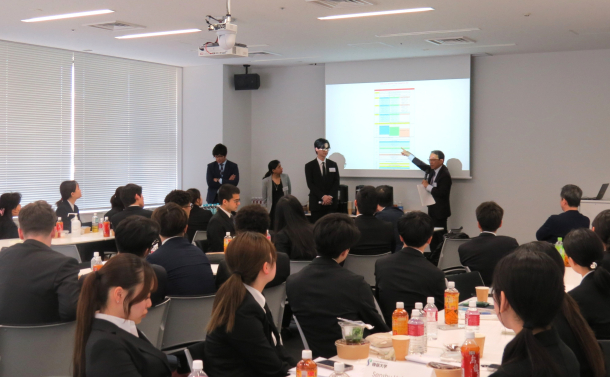 Opening Orientation
Semifinal Round
Following the opening ceremony, the semifinal round began. The case focused on a Hong Kong-based fashion brand with a strong cultural identity seeking to develop a sustainable growth model through pop-up stores while balancing cultural brand value with business performance. The case was released several days before the competition, giving teams approximately three days to prepare before presenting on the morning of the event. Each team was allotted 20 minutes for its presentation, followed by a 15-minute Q&A session and eight minutes of feedback from the judges.
In addition to analyzing the case, developing strategic recommendations, and preparing their presentations, each team carefully reviewed supporting data and calculations in anticipation of the Q&A session. To develop strategies that were both innovative and feasible, the teams devoted themselves to extensive research and rigorous discussion, striving to gain a thorough understanding of the case before formulating their proposals.
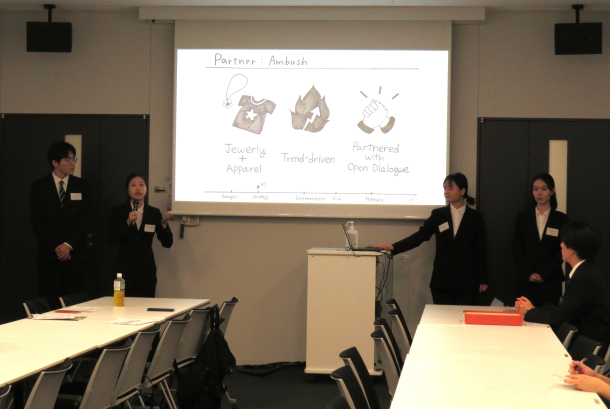 A Semifinal Presentation
As a result of the semifinal round, Ritsumeikan Asia Pacific University, Meiji University, and Waseda University advanced to the final. Even during the lunch break, the finalists remained focused as they refined their strategies and continued preparing for the decisive final round.
Lunch Session with HSBC
During the lunch session, participants first joined informal coffee chats with HSBC professionals. Through firsthand conversations about their day-to-day responsibilities, working styles, and career development, students gained valuable insights into the global perspective required in the financial industry and the importance of collaborating with people from diverse backgrounds and perspectives.
HSBC representatives then introduced the company, highlighting its strengths as a global financial institution and its commitment to creating value for society through its diverse range of businesses. Participants were particularly impressed by HSBC’s corporate culture, which encourages employees to embrace new challenges in a rapidly changing business environment.
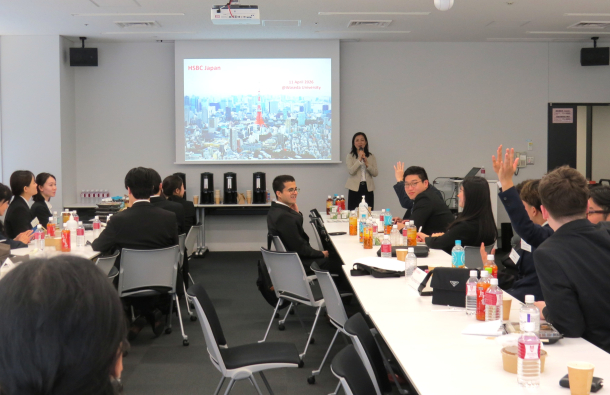 Lunch Session
Final Round
The afternoon culminated in the eagerly anticipated final round. Unlike the semifinal, participants were not permitted to use electronic devices and were given only two and a half hours to analyze an entirely new case using nothing more than pen and paper.
The final case challenged the teams to develop an international expansion strategy for a Hong Kong-based fintech company seeking to enter the Middle Eastern market as the next phase of its growth strategy. In the Middle East, the ongoing development of open finance frameworks, together with the growing demand for digital banking services for small and medium-sized enterprises, has created new business opportunities. At the same time, a key challenge was determining how to expand into the market and advance product development while adapting to rapidly evolving technologies and regulatory environments.
In addition to developing a well-founded strategy within the limited preparation time, the teams were required to create all presentation materials by hand, making effective teamwork, time management, and the division of responsibilities essential to success.
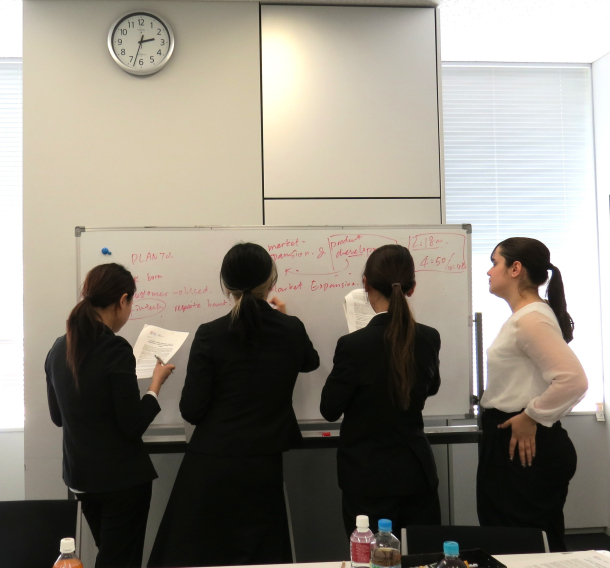 Waseda Team Working on the Final Case
Once preparation concluded, the finalists immediately proceeded to their presentations. Each team delivered a 20-minute presentation followed by a 15-minute Q&A session, confidently presenting strategies they had developed within the short preparation period. The audience was impressed by the exceptional quality of the presentations, which demonstrated remarkable depth despite the severe time constraints.
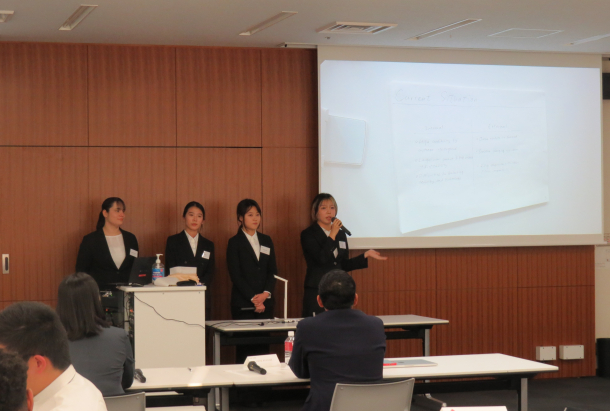 Waseda Team’s Final Presentation
Following the judges’ deliberation, the final results were announced:
1st Place: Ritsumeikan Asia Pacific University
2nd Place: Waseda University
3rd Place: Meiji University
By successfully defending its title, Ritsumeikan Asia Pacific University earned the right to represent Japan at the HSBC/HKU Asia Pacific Business Case Competition 2026. The judges also provided detailed feedback on each team’s final presentation, offering participants valuable insights to support their continued growth.
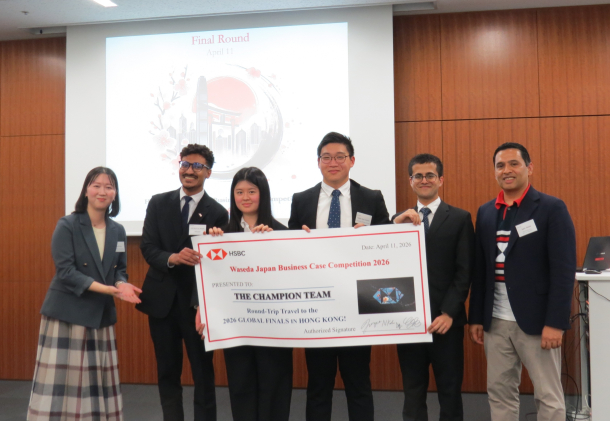 The Winning Team
Closing Reception
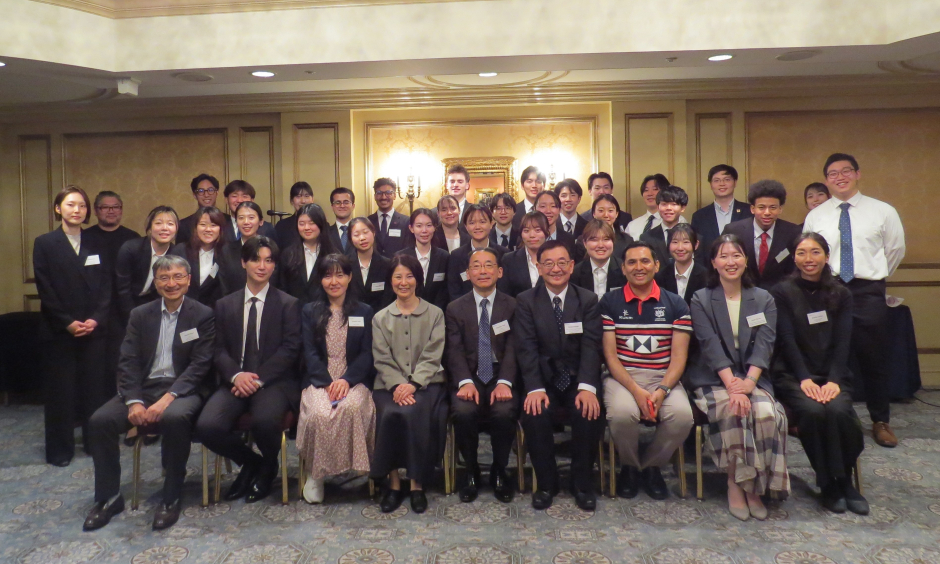
The event concluded with a closing reception at the RIHGA Royal Hotel Tokyo, providing participants with an opportunity to interact in a more informal setting. Participants exchanged reflections on the competition and the lessons they had learned while strengthening connections across universities. The reception brought the day to a close in a warm and lively atmosphere, with competitors recognizing and celebrating one another’s hard work and achievements.
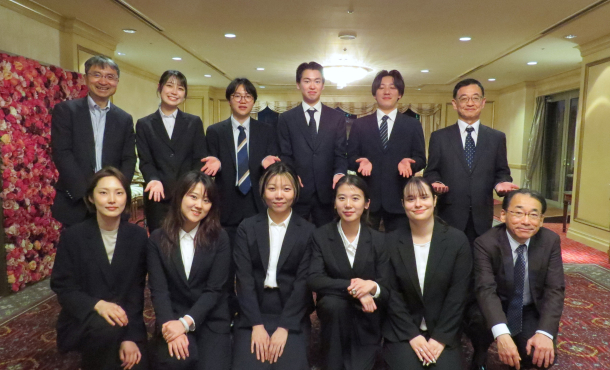 Group Photo of the Waseda Team, GMP Student Staff, and Faculty Members
Reflecting on the experience, Zhixin Li, a member of the Waseda team, shared: “Participating in this business case competition was an invaluable opportunity to develop practical skills, including problem-solving, teamwork, and English presentation skills. Working closely with my teammates to develop strategies and deliver presentations under tight time constraints, challenged me in many ways and provided many opportunities to learn and grow. I sincerely hope that this competition will continue to be held in the years to come, giving even more students the opportunity to challenge themselves and benefit from this rewarding experience.”