- Featured Article
Autumn 2026 SILS&GSICCS Graduation Ceremony Held on September 19
SILS/GSICCS Graduation
Fri 25 Sep 26
SILS/GSICCS Graduation
Fri 25 Sep 26
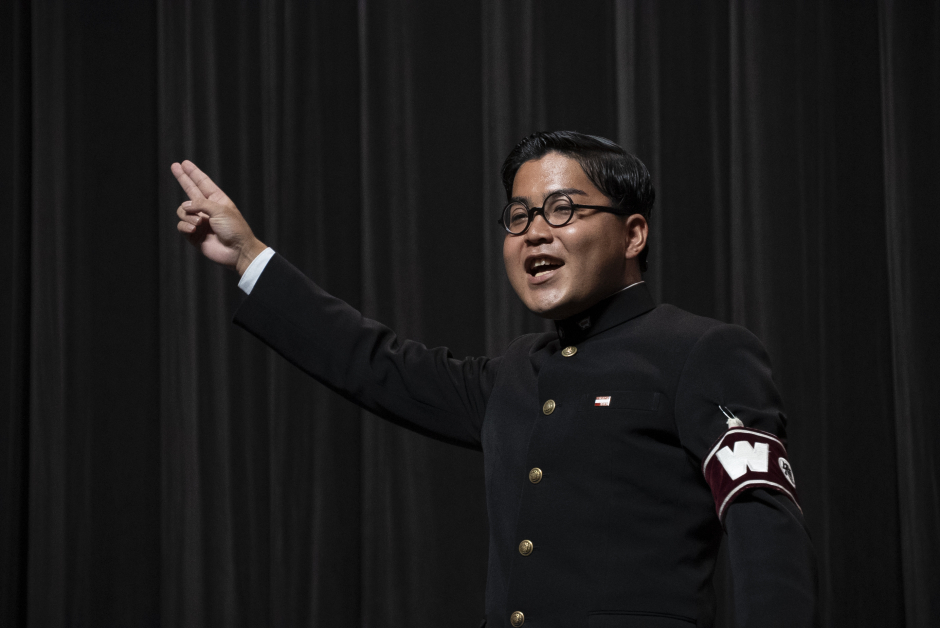
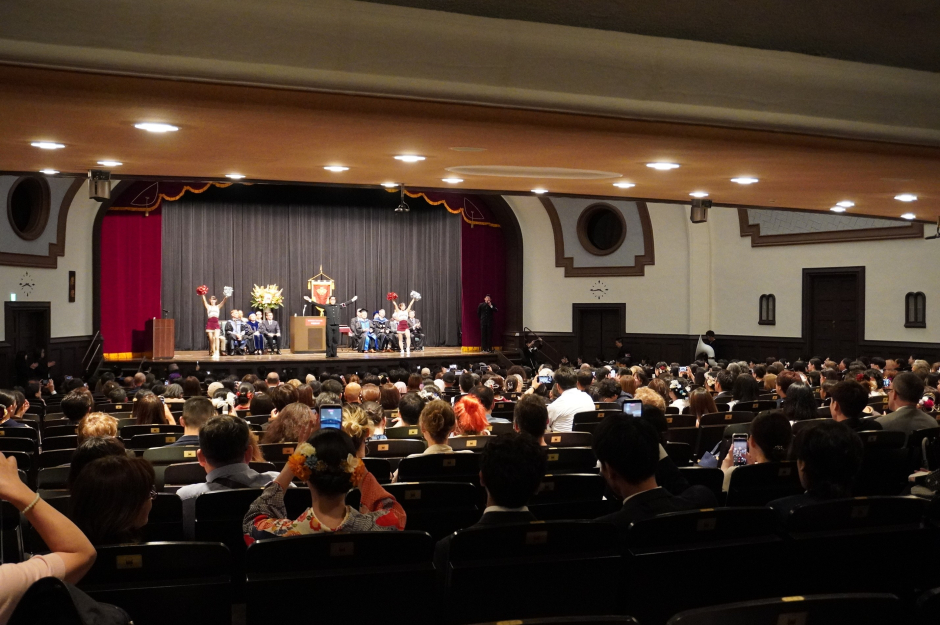
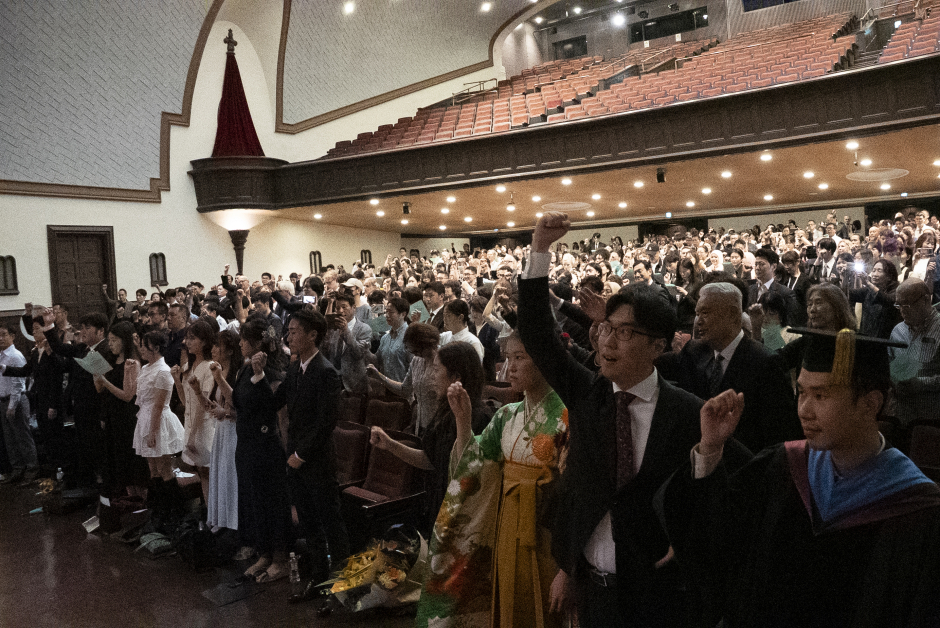
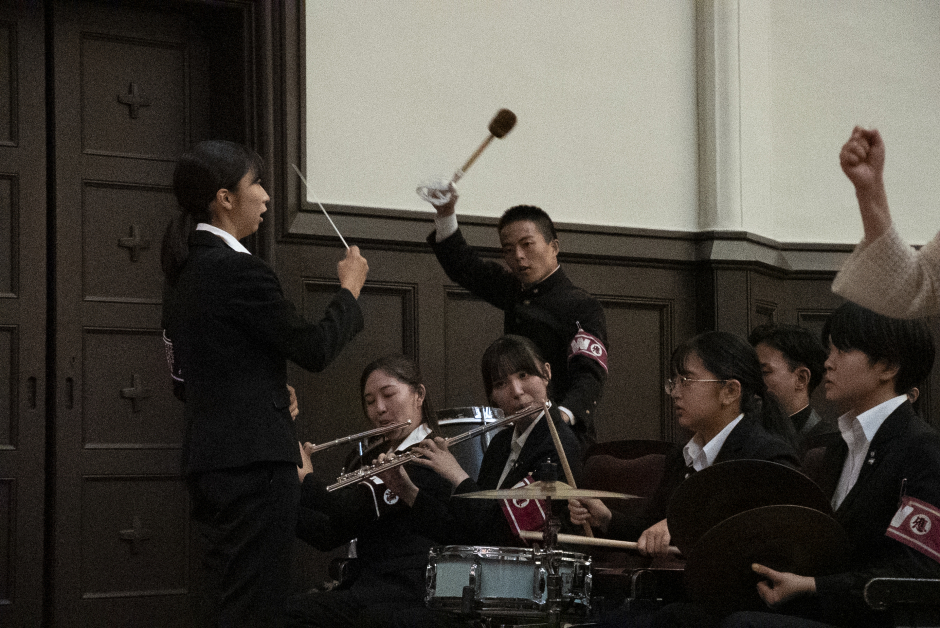
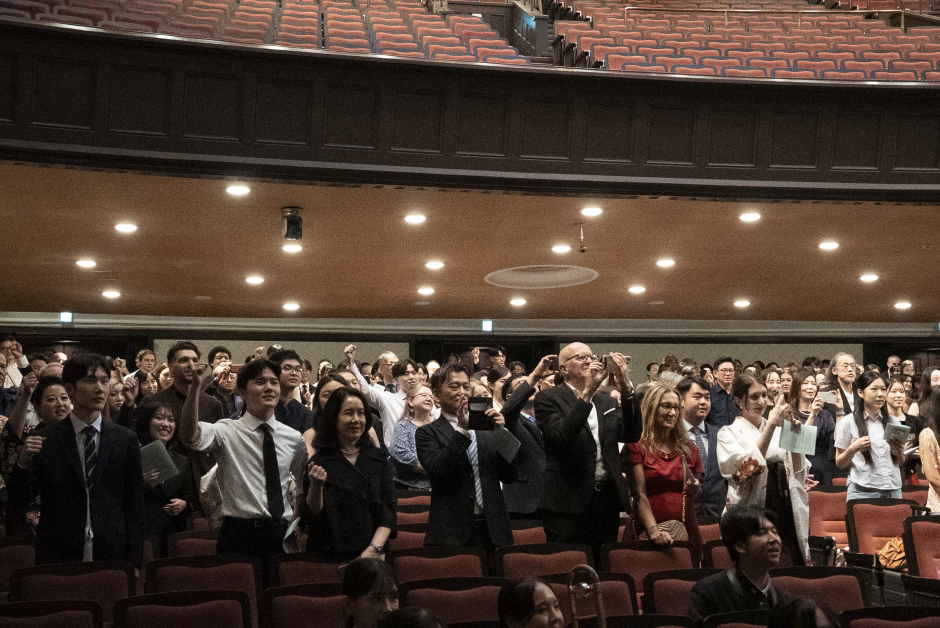
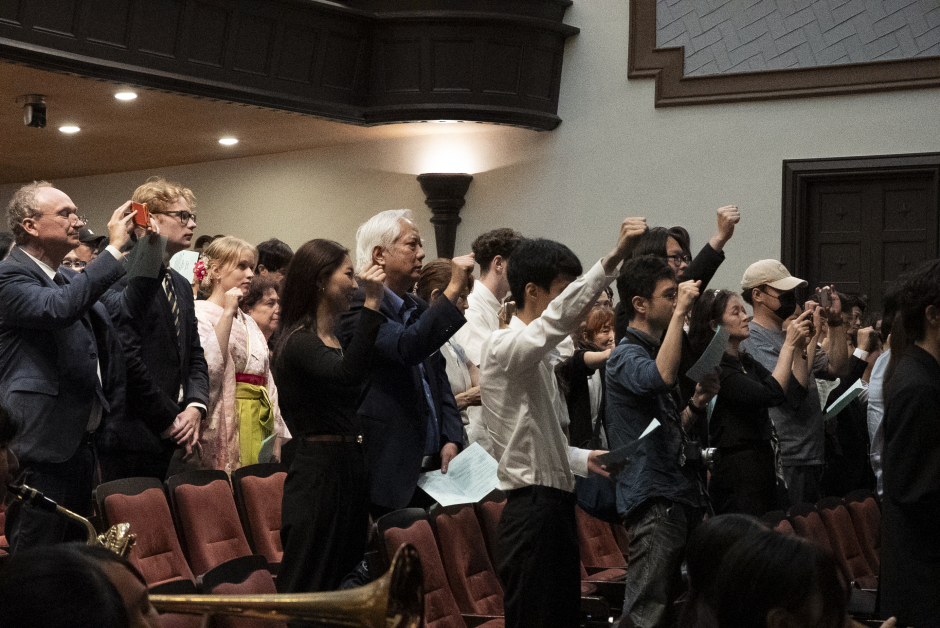
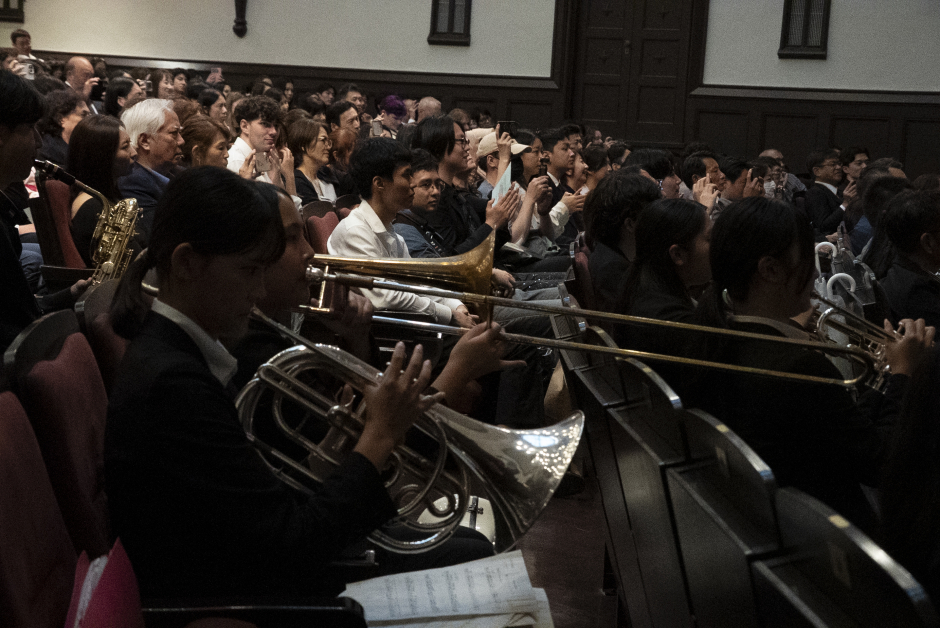
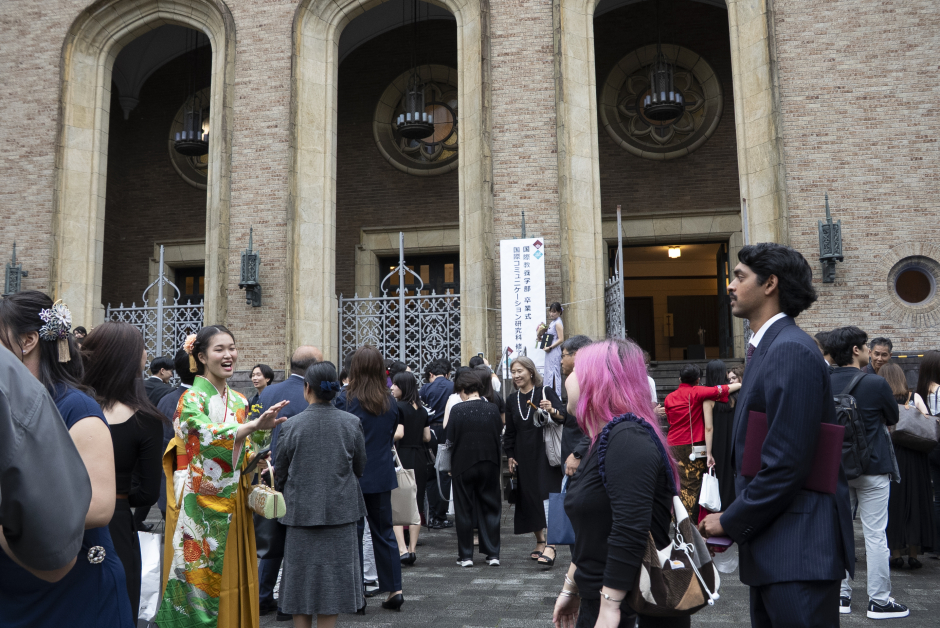
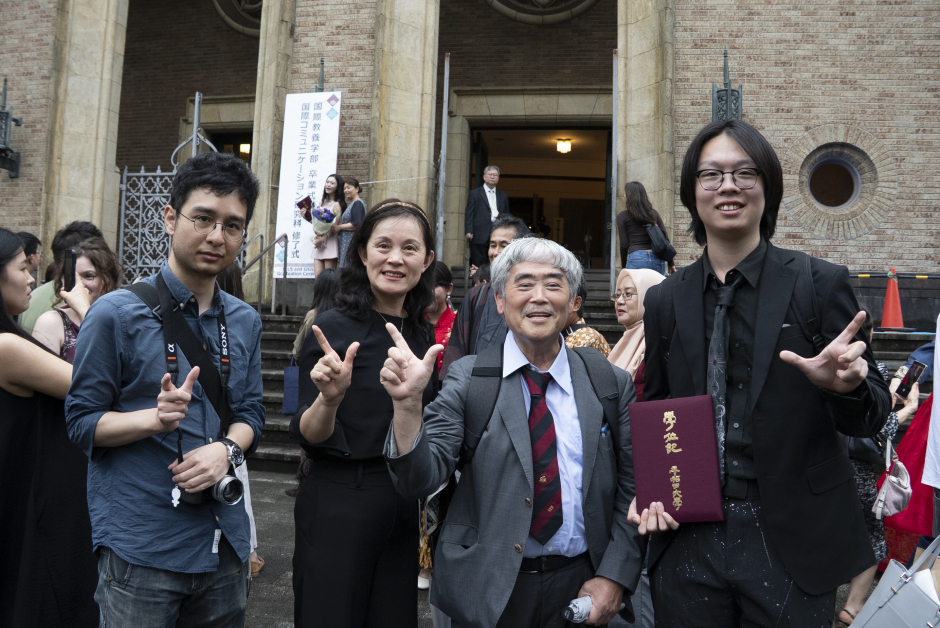
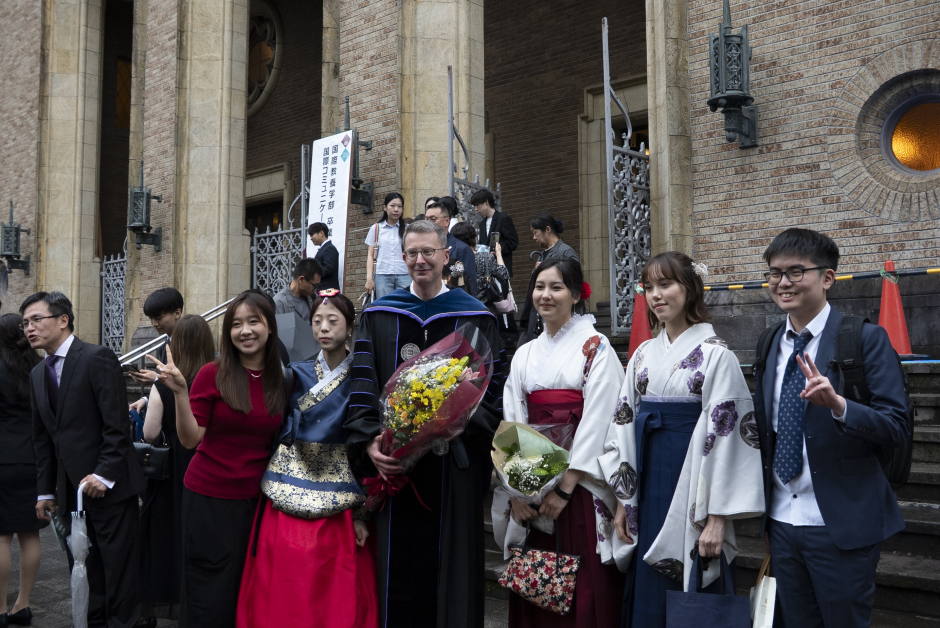
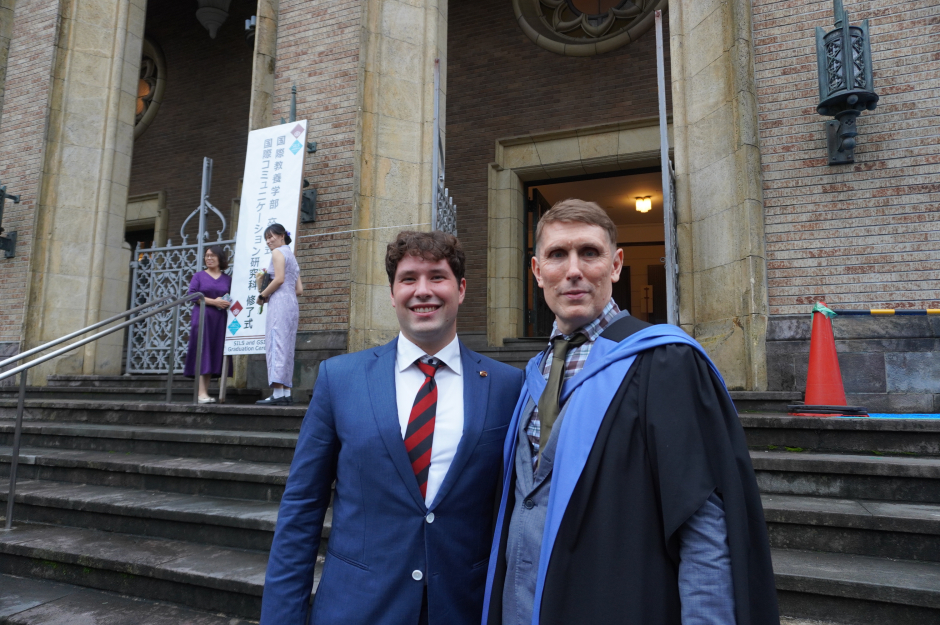
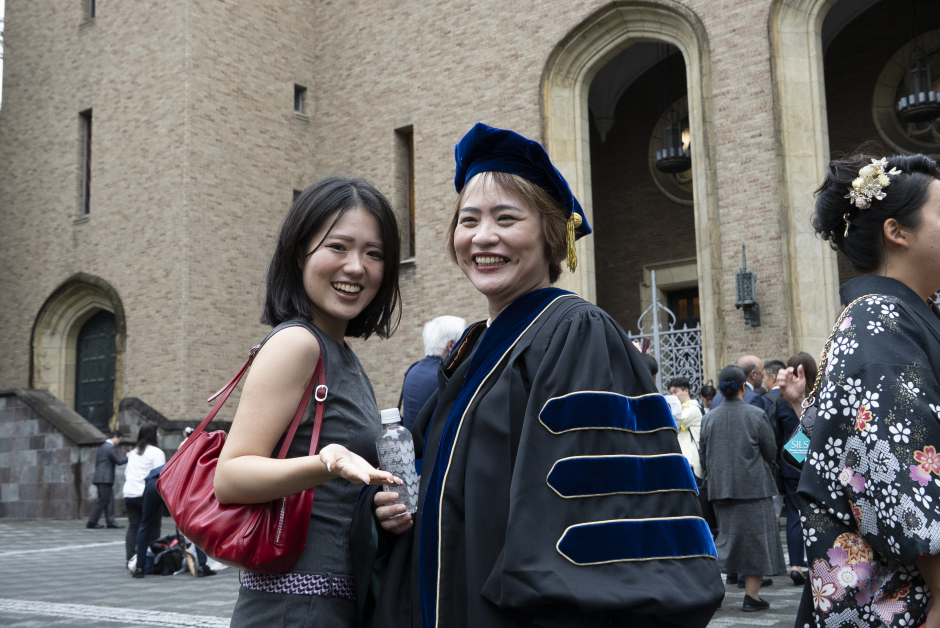
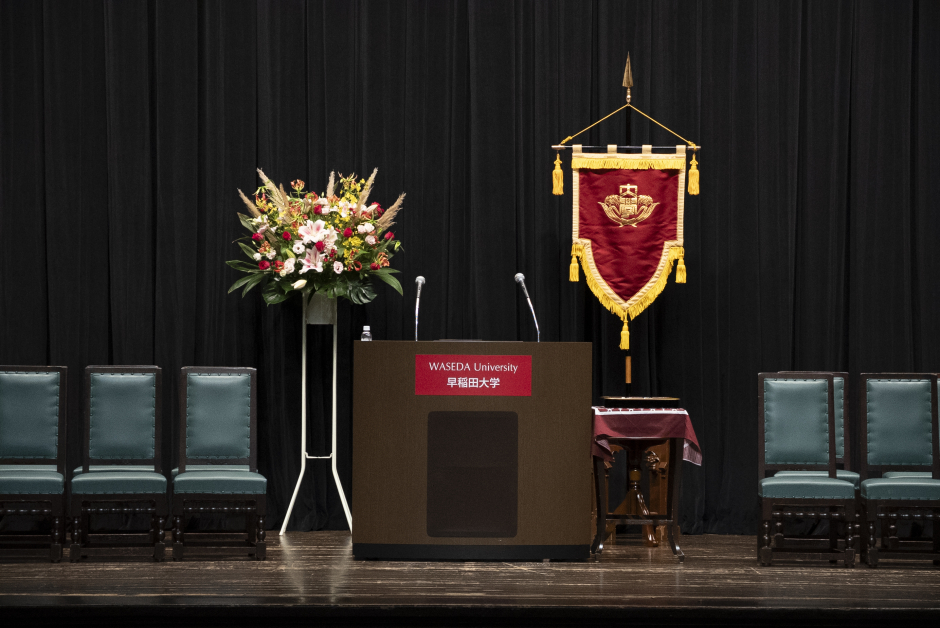
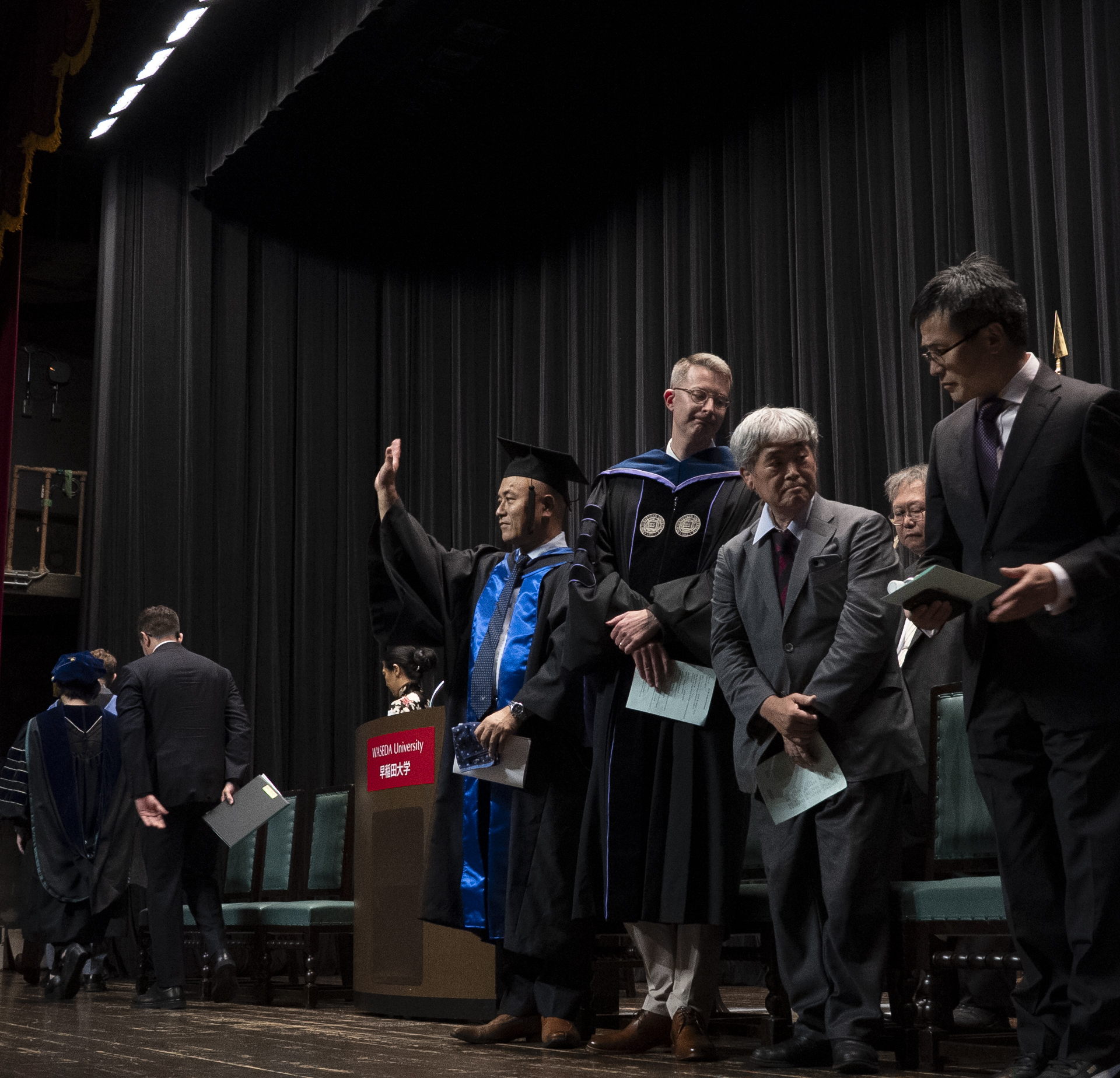
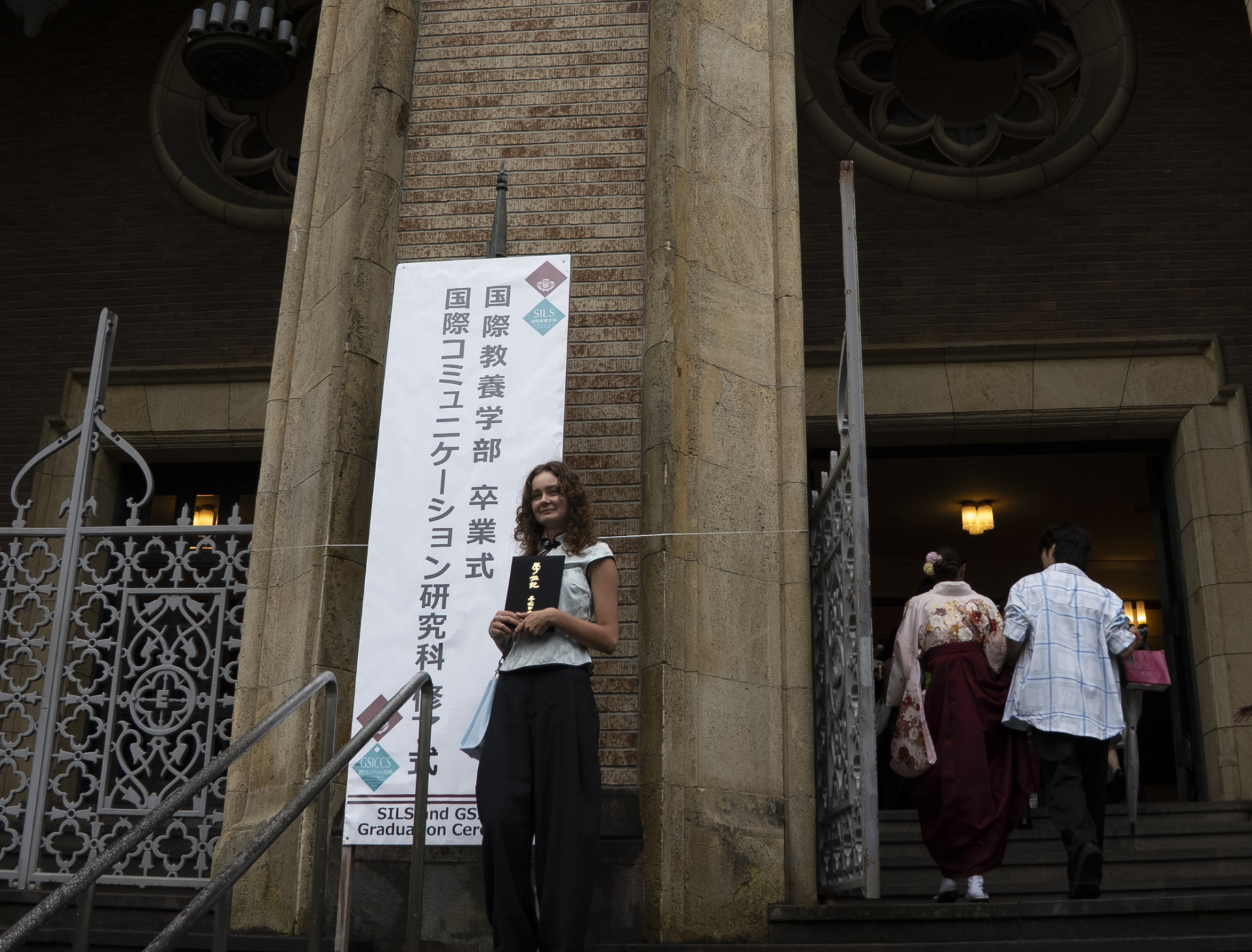
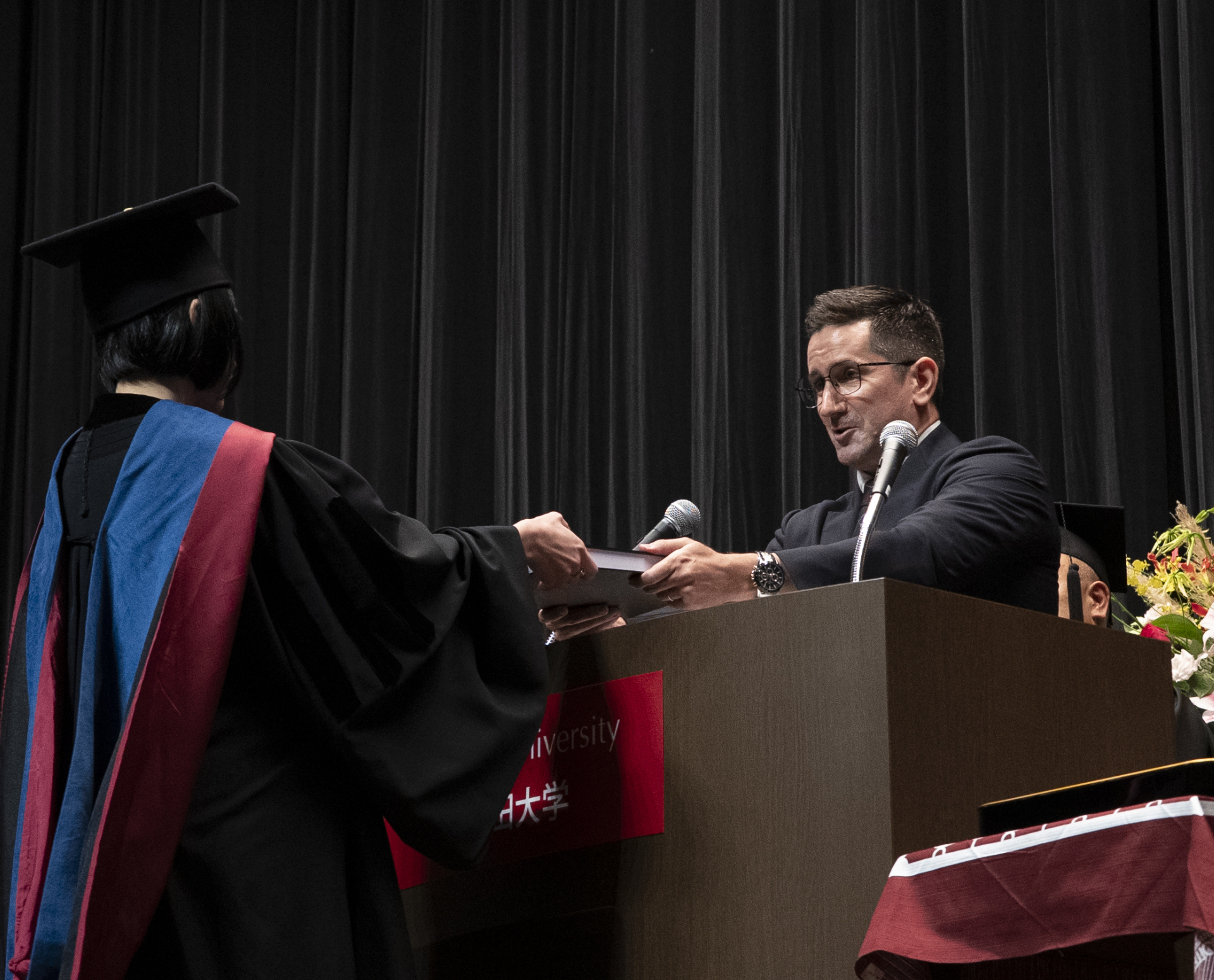
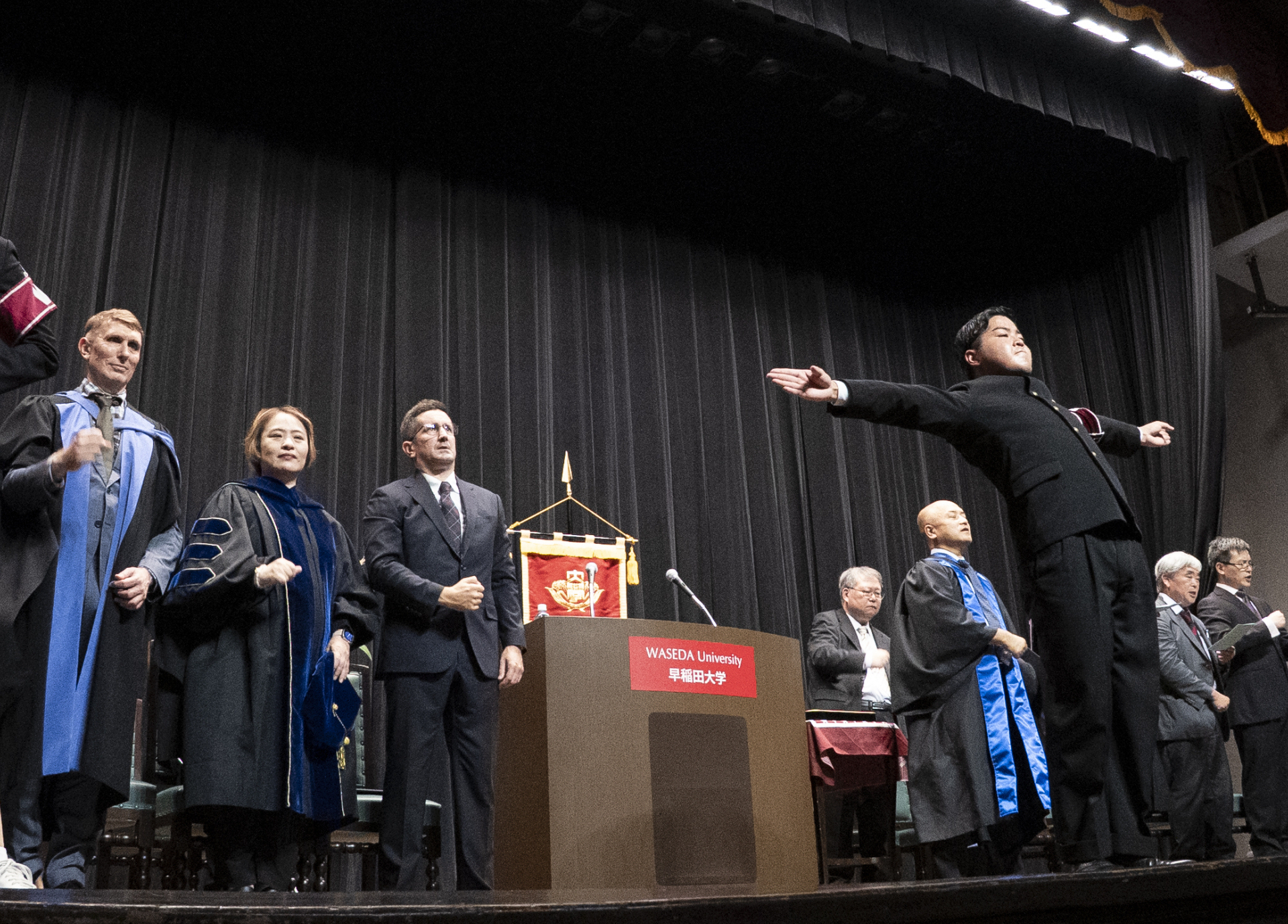
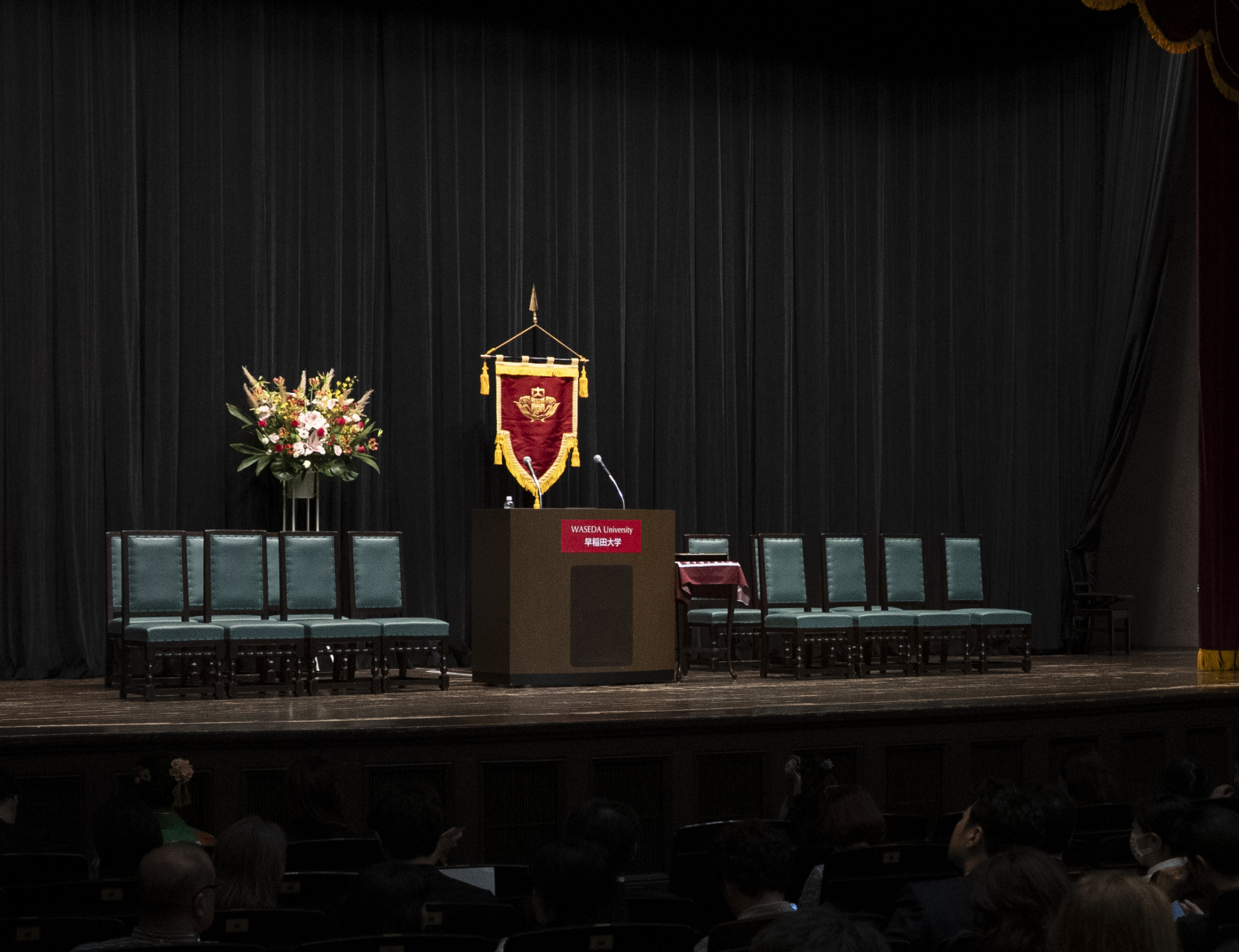
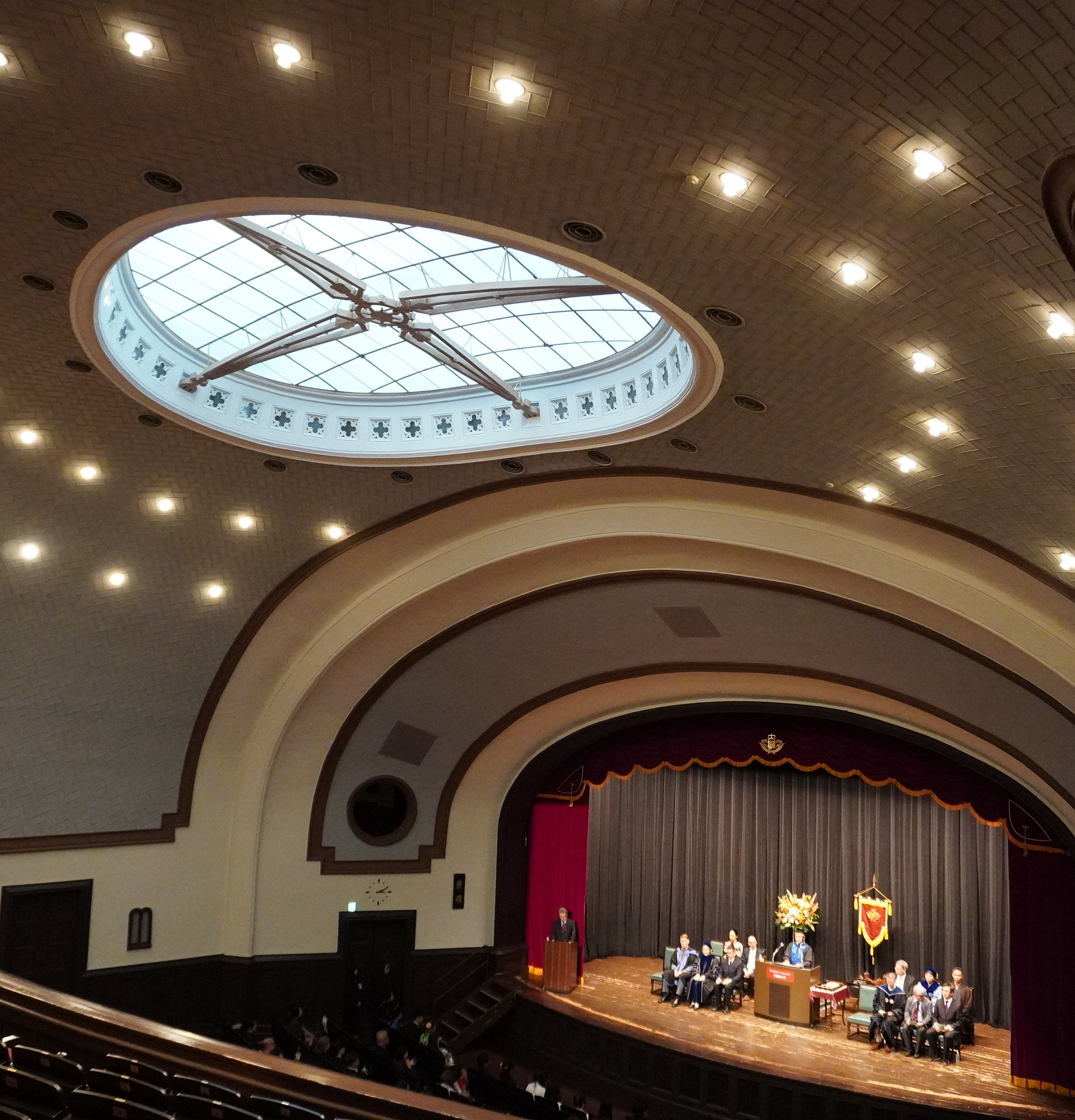
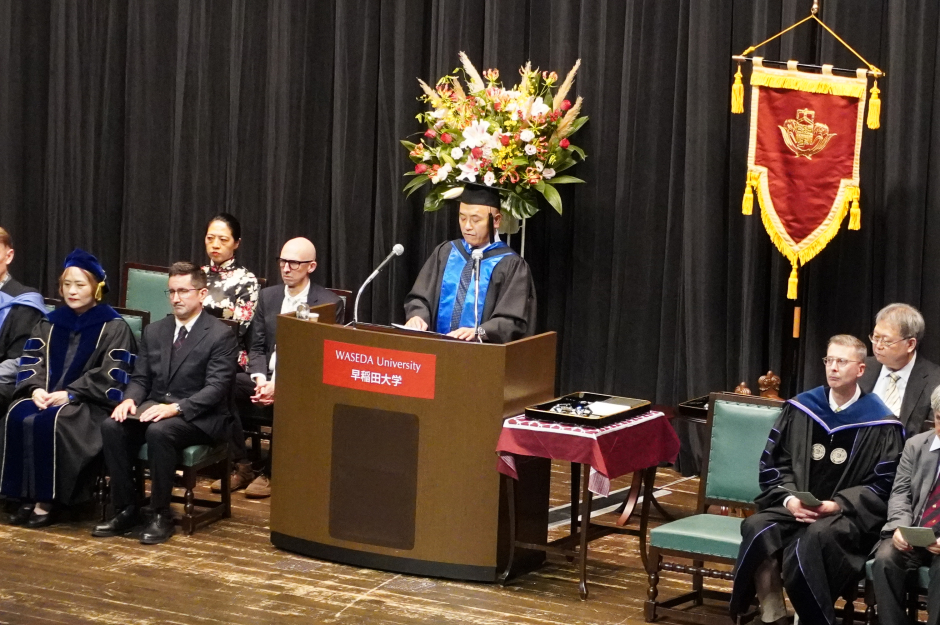
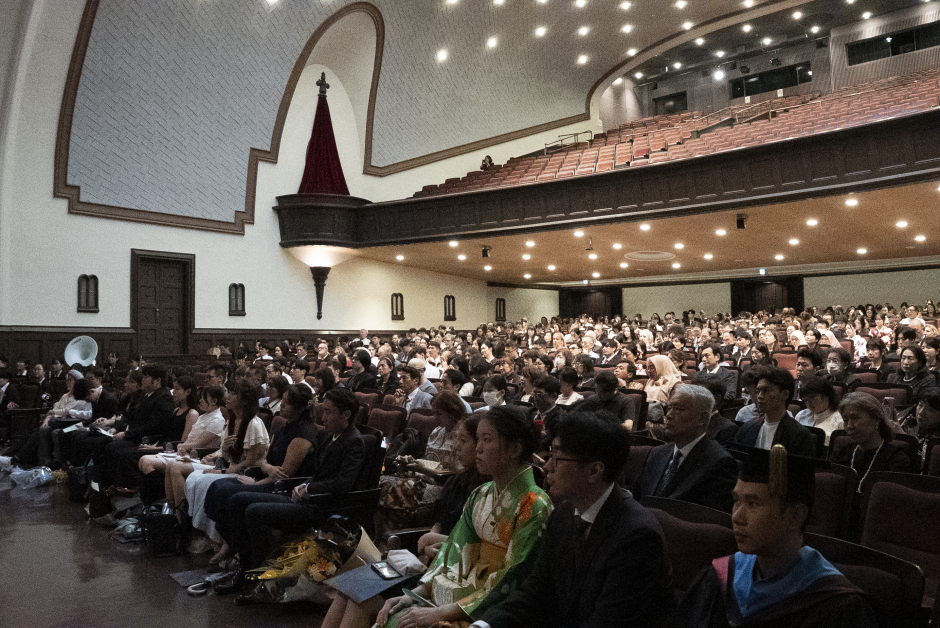
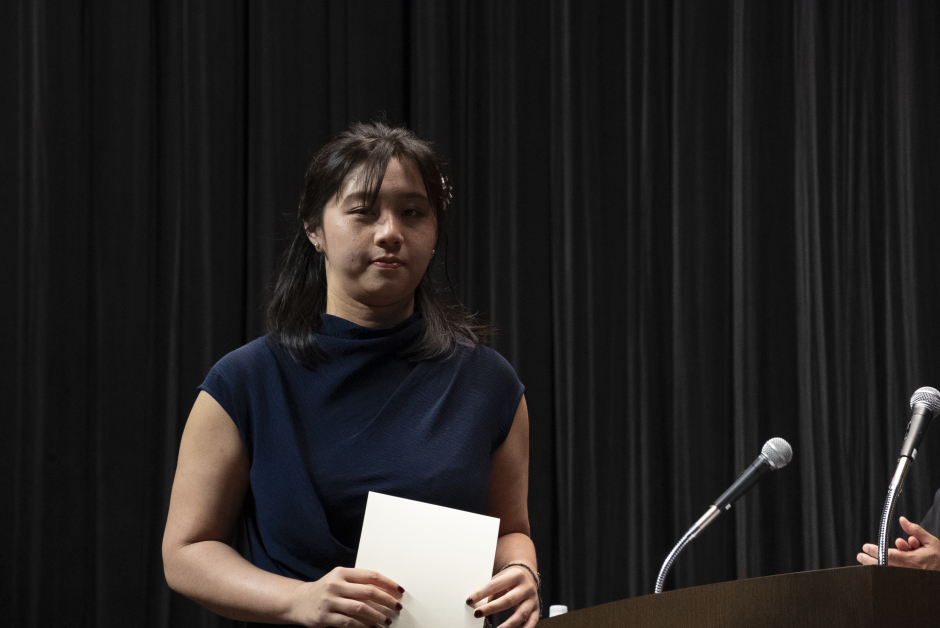
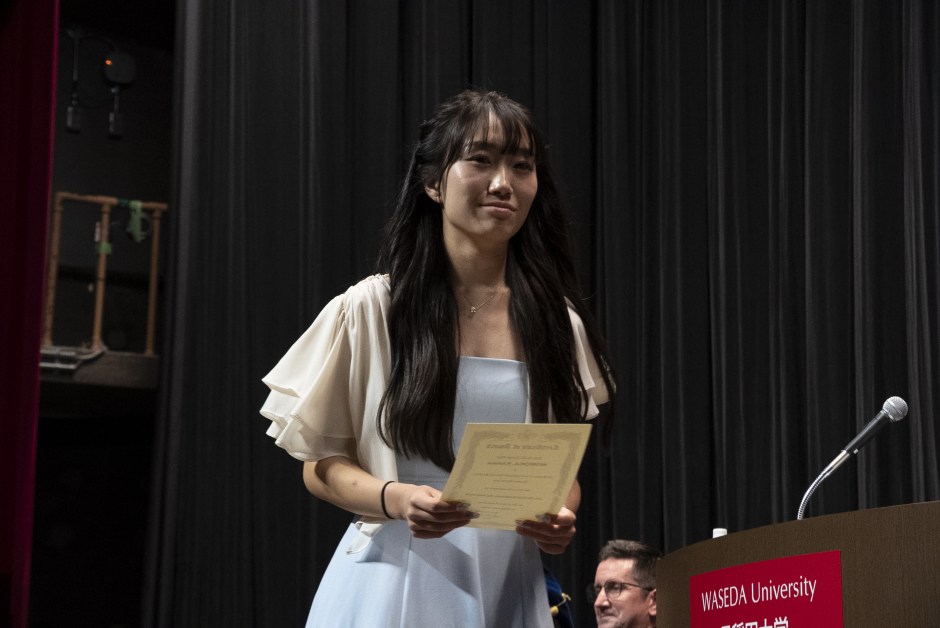
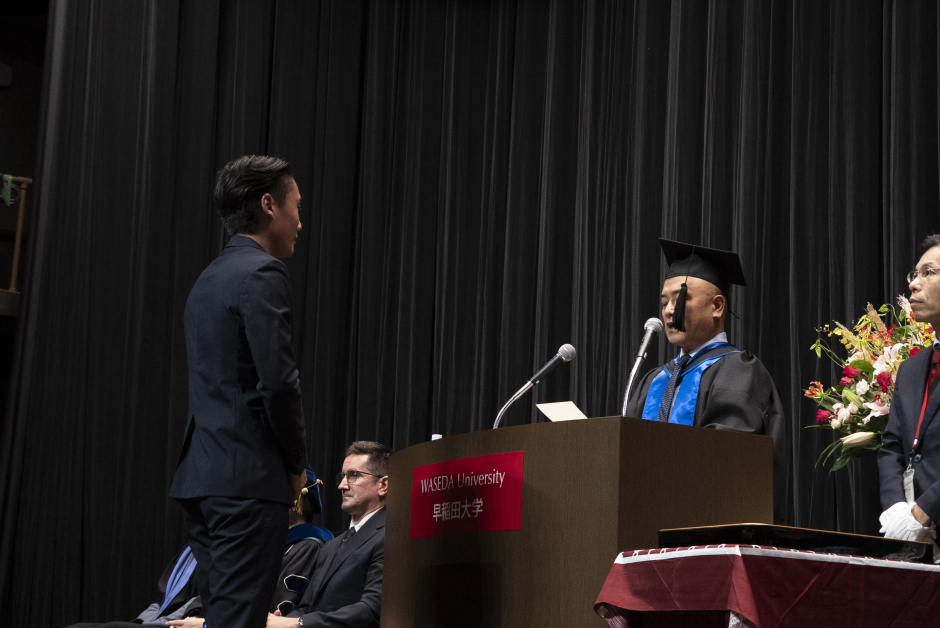
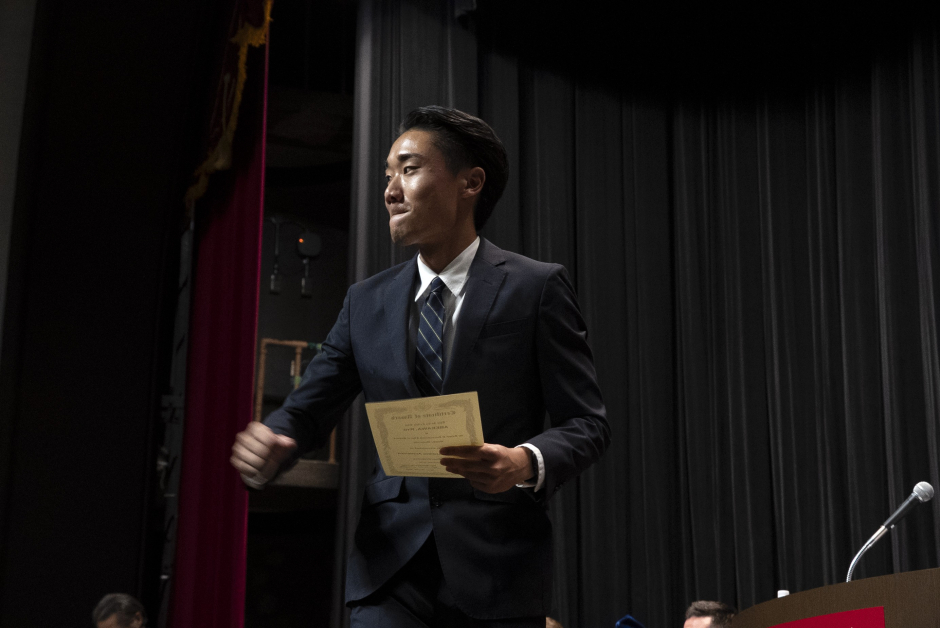
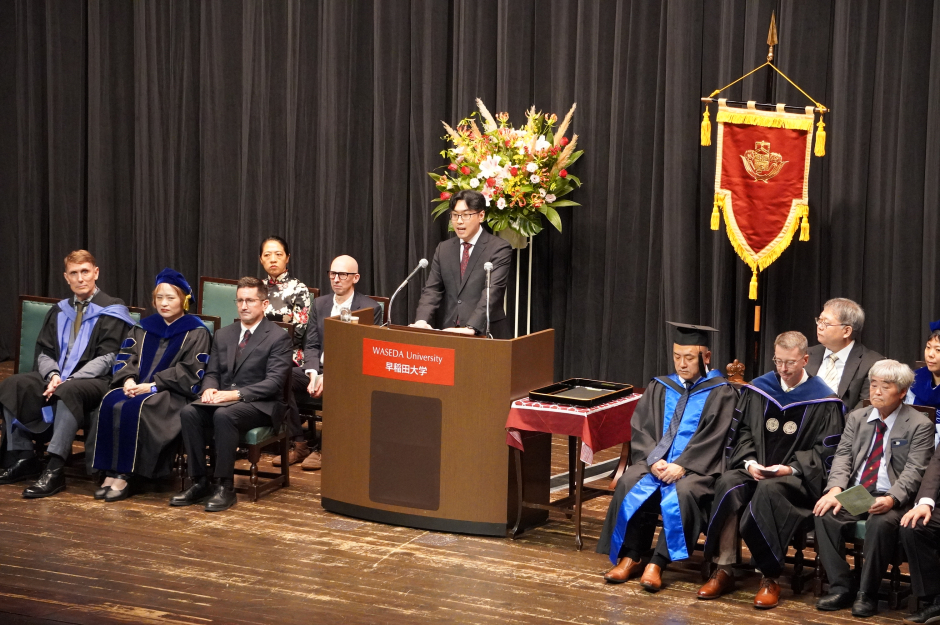
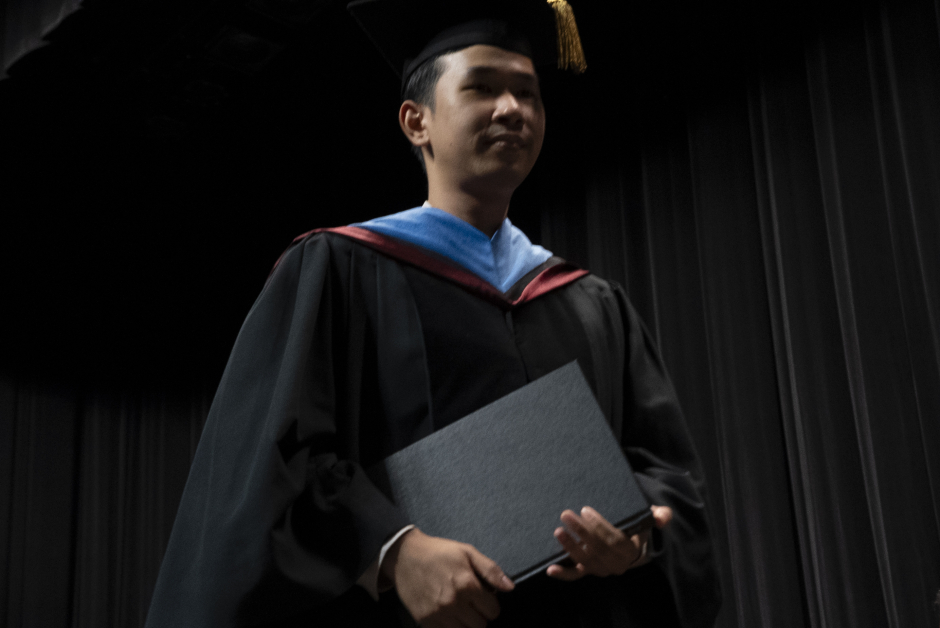
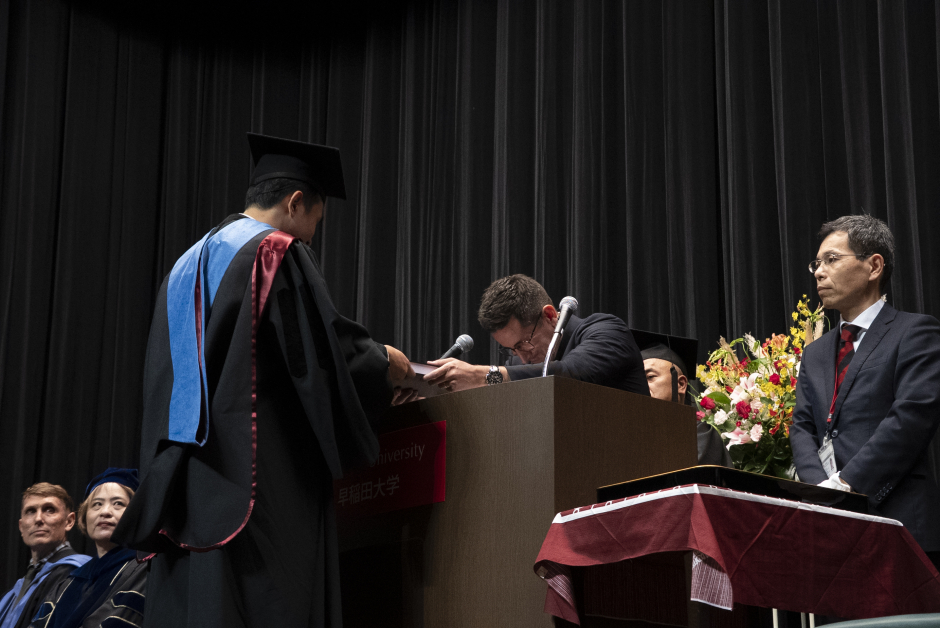
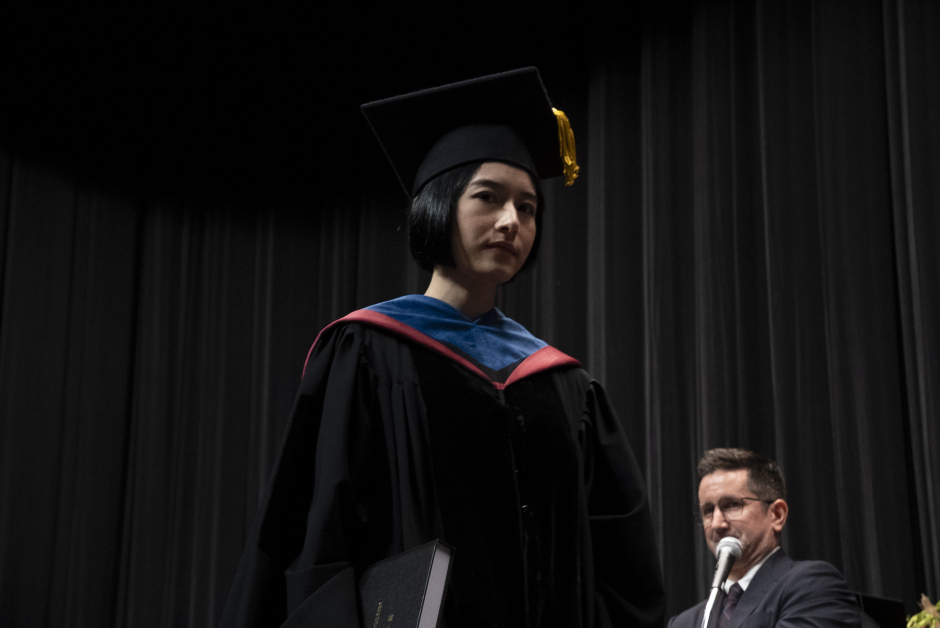
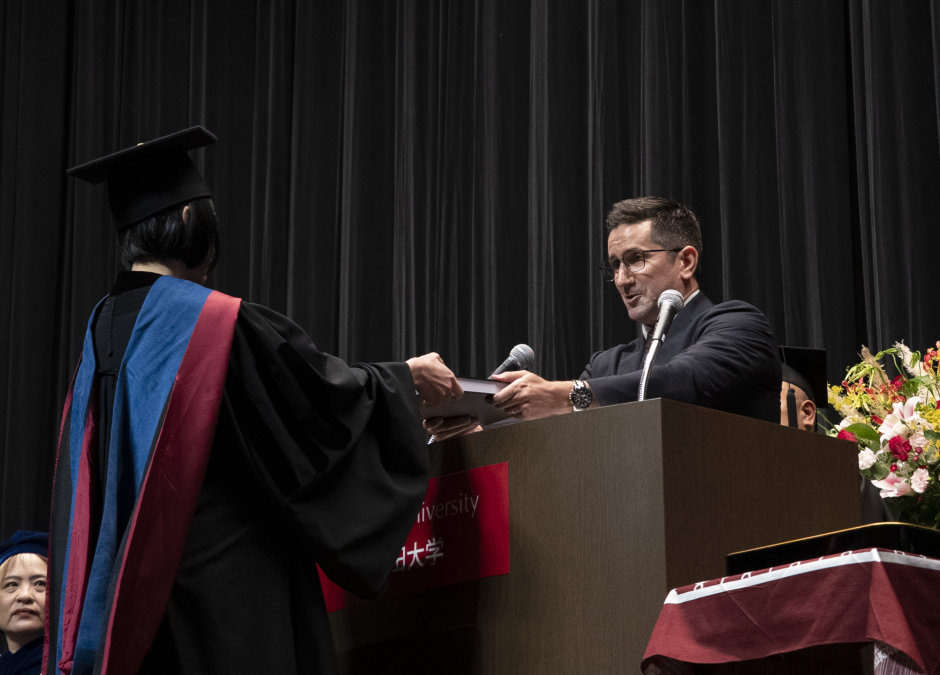
On September 19, 2026, Graduation Ceremony for the School of International Liberal Studies (SILS) and the Graduate School of International Culture and Communication Studies (GSICCS) were held at Okuma Auditorium.
The ceremonies were conducted entirely in English. A total of 204 students—178 undergraduate students, 24 master’s students, and 2 doctoral graduates—set out from Waseda to embark on their journeys to the world.
- INDEX
-
- Address by the Senior Dean of the Faculty of International Research and Education
- Address by the Dean of the GSICCS
- Awards to Outstanding Students of SILS ・ Address by a Representative of the Graduating Student of SILS
- Awards to Outstanding Students of GSICCS ・ Address by a Representative of the Graduating Student of GSICCS
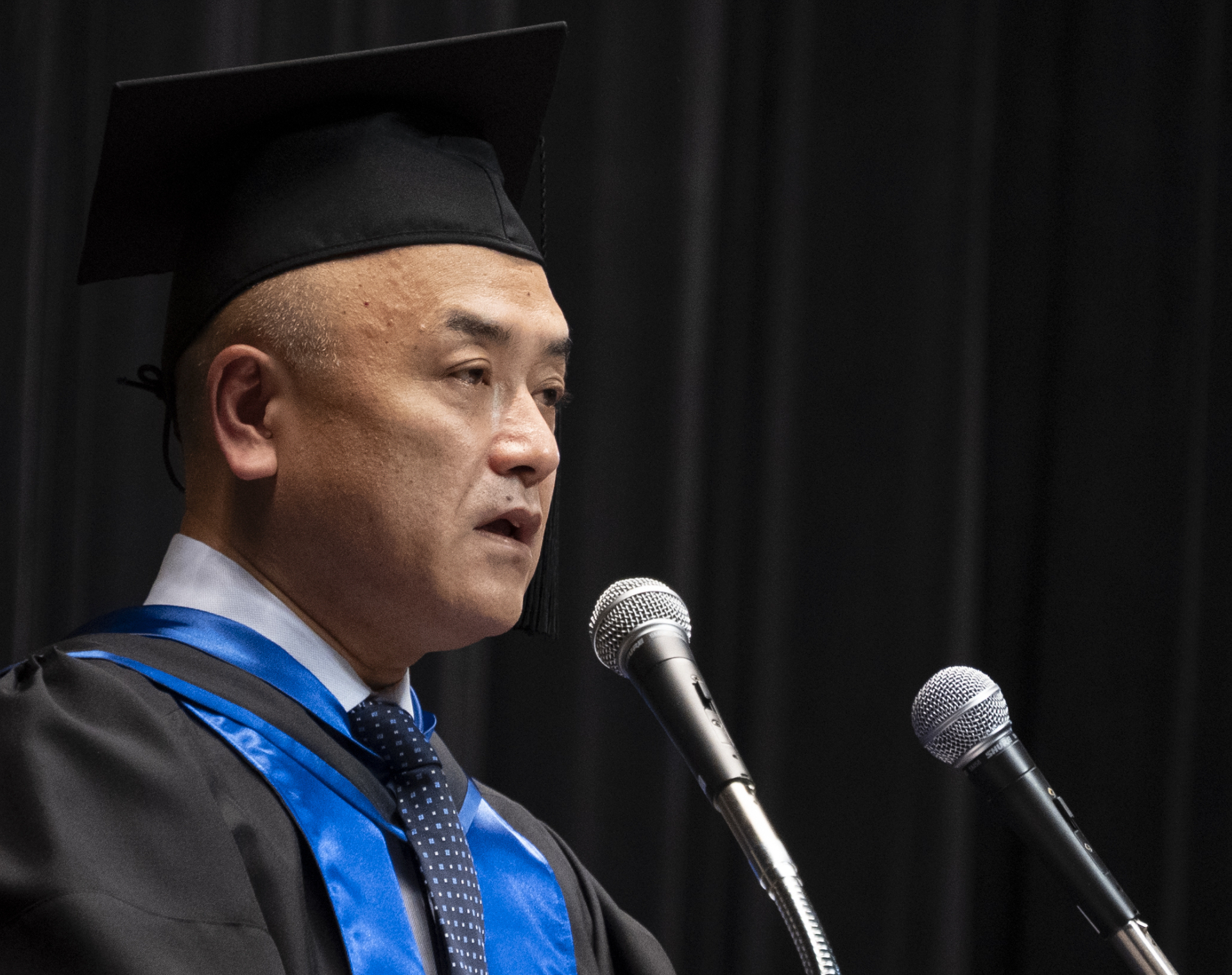
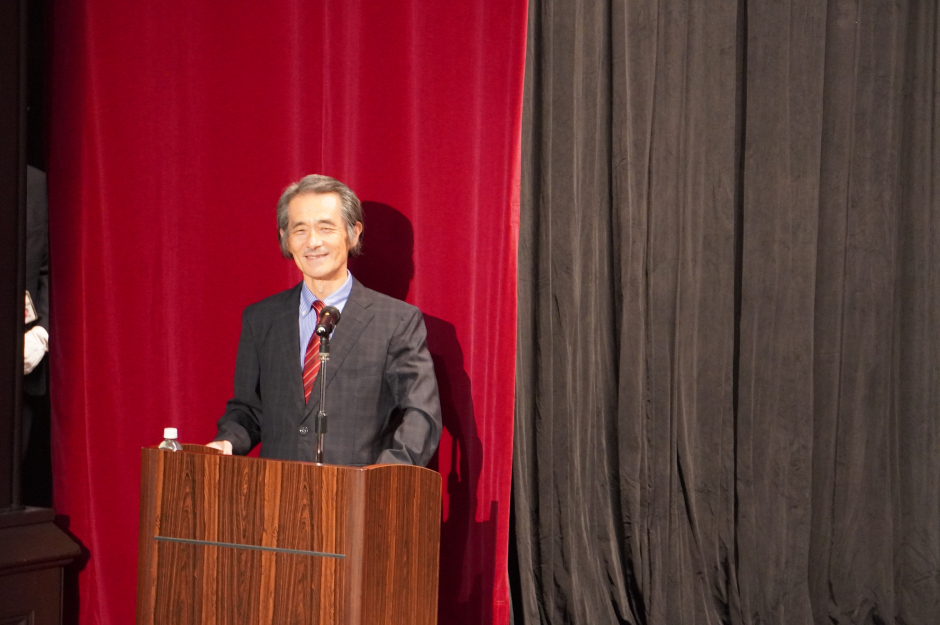
Address by the Senior Dean of the Faculty of International Research and Education
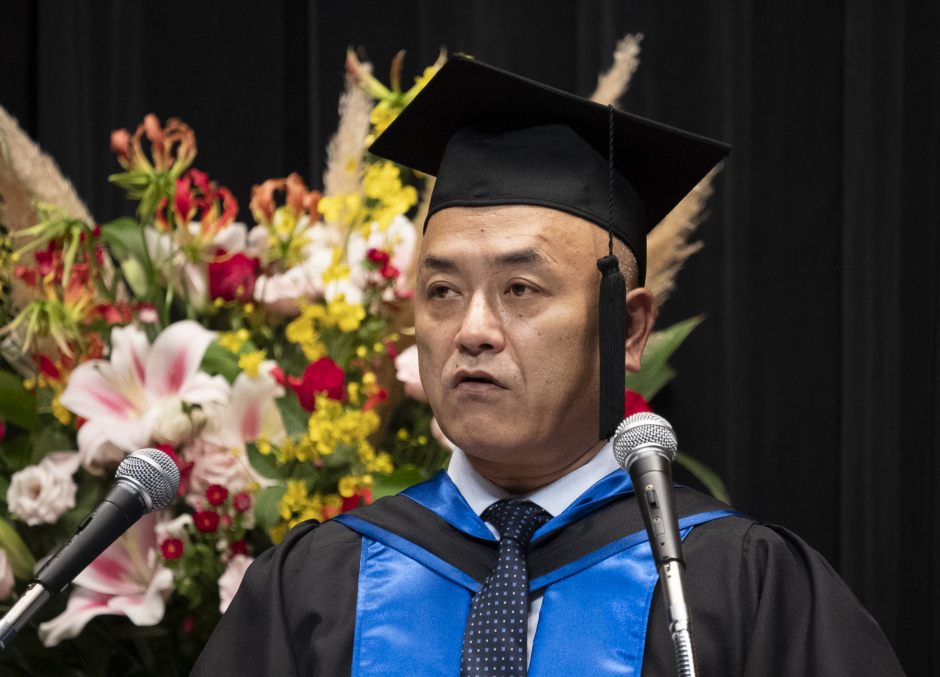
Dean Satoshi Inaba
Congratulations on your graduation. Today, 57 SP1 students, 119 SP2 students, 2 SP4 students, 24 GSICCS master’s students, and 2 GSICCS PhD students are graduating. On behalf of the entire faculty, I am honored to extend our warm congratulations to all the students and their guardians. Many Congratulations!
This year, the world has become increasingly unstable, marked by the attacks on Iran launched by Israel and the United States that began in February. However, there was also encouraging news that offered hope for the future.
One such piece of encouraging news is the success of the Artemis Program. Since my own field of specialization is astrophysics, and because this is my final year serving as both Senior Dean of the Faculty and Dean of SILS, I hope you will indulge me if I speak briefly about this topic, guided by my own interests and personal perspective. The Artemis Program takes its name from Artemis, the Greek goddess of the Moon and the twin sister of Apollo. The Artemis Program is an ambitious initiative aimed at establishing a sustainable base on the Moon. By making use of lunar resources, the program seeks to build long-term infrastructure that will enable humanity to live and work on the Moon for extended periods.
In the mission carried out this April, four astronauts—Reid Wiseman, Victor Glover, Christina Koch, and Jeremy Hansen—departed from Earth on April 1, flew close to the Moon on the sixth day of their journey, and returned safely to Earth ten days after launch. The crew itself was a powerful symbol of diversity. Victor Glover became the first person of color to journey to the Moon, Christina Koch the first woman, and Jeremy Hansen the first non-American astronaut to travel to the Moon. This historic mission demonstrated to the world the principle that “space belongs to all of humanity.”
The Artemis Program is being carried out under the Artemis Accords, an international framework first signed in October 2020 by eight countries, including Japan. In the middle of the twentieth century, during the Cold War, the United States and the Soviet Union competed for supremacy in space exploration. However, through the construction and operation of the International Space Station, it became widely recognized that international cooperation is essential for space exploration, and the number of countries participating in the “Artemis Accords” has now expanded to 70. The Artemis Accords establish a common set of principles to ensure that space exploration in the twenty-first century is conducted in a peaceful, responsible, and transparent manner. They stand as a powerful symbol of humanity’s ability to work together toward a shared goal, reminding us that even in an increasingly divided world, there are still reasons to look to the future with hope.
The Voyager spacecraft, which was launched in 1977 to explore the outer reaches of our solar system, carries a Golden Record containing messages from Earth intended for intelligent life. Among these messages is a statement by Jimmy Carter, the 39th President of the United States, who said: “This is a present from a small distant world, a token of our sounds, our science, our images, our music, our thoughts, and our feelings. We are attempting to survive our time so we may live into yours. We hope someday, having solved the problems we face, to join a community of galactic civilizations. This record represents our hope and our determination, and our good will in a vast and awesome universe.”
Today, as conflicts among nations intensify and the international situation becomes increasingly uncertain, we stand at a crossroads: whether we can demonstrate responsible actions for the future of humanity. Theoretical physicist Haruo Saji argues that just because something is “invisible” does not mean it “does not exist”; rather, the inability to see it is a limitation of the observer. I encourage you to think beyond the nation and society that confines us and contemplate, “If I were in the other person’s shoes, I might have taken that course of action”. Through such reflection, deepen your understanding and respect for perspectives different from your own.
The future is not something that is predetermined; we possess, at this very moment, the freedom and responsibility to shape it.
Graduates of SILS have studied the liberal arts, while graduates of GSICCS have studied international communication. You have made continuous efforts. However, today does not mark the end of your learning. After this graduation ceremony, each of you must continue educating yourselves. I have three pieces of advice.
The first one!
Meet a variety of people. Just as your encounters with various people during your university life have greatly changed you, continue to meet and discuss with various people. Shigenobu Okuma never gave up talking with others, no matter how difficult the situation was. I hope that all of you will not stick to your own opinions more than necessary. Cherish your encounters with various people and engage in lively discussions.
The second one!
Please continue reading books after graduation. Continue to read books to liberate yourself. The accumulated wisdom of humanity is carefully preserved within books, patiently anticipating our discovery as we turn the pages. In books, you can have conversations with people living abroad who are spatially distant from you, or with historical figures who are temporally distant from you.
Many of the students graduating today learned Japanese for the first time after entering Waseda. I believe that you have now mastered Japanese as a second or third language and are able to read and write it. Many outstanding writers, including Haruki Murakami, are also your fellow alumni. Even after graduation, I encourage you to continue reading books written in Japanese as well.
The third one!
It is also necessary to continue writing in order to distribute your opinions. Through the many essay assignments and your graduation thesis, you have been trained to write your essays to successfully deliver your thoughts. This is the most important way to send your ideas to society, and it is important for all of you to continue to train yourselves in the future. I encourage you to embark on the practice of writing, keeping in mind the concept of “writing to think and thinking to write.”
We, the faculty, will continue to educate ourselves just as you do. From today, Waseda will be your alma mater. Please come back to Waseda whenever you are troubled, happy, or in need. We are always on your side. We wish you all the best in your careers.
Congratulations again. Thank you very much.
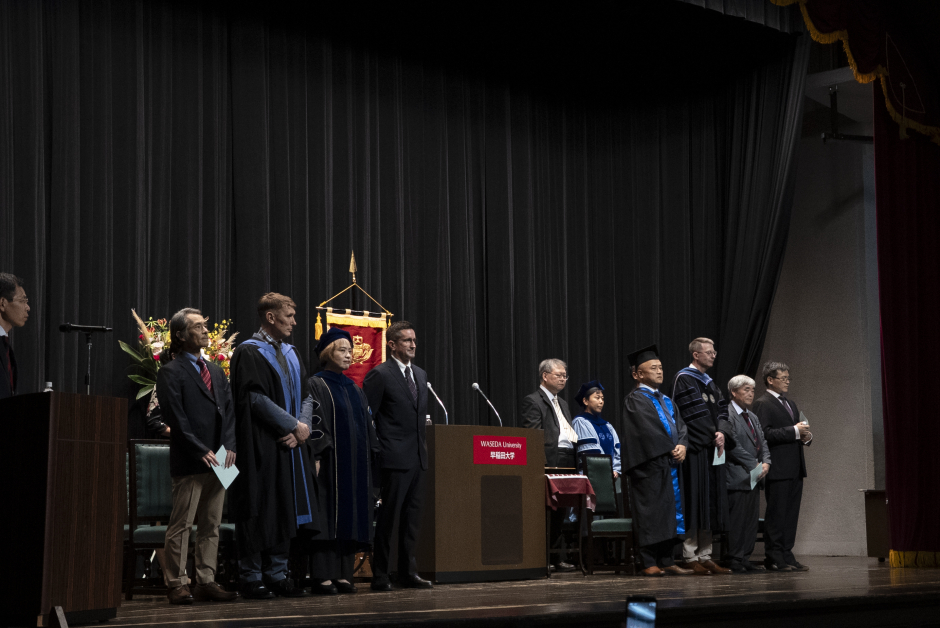
Address by the Dean of the GSICCS
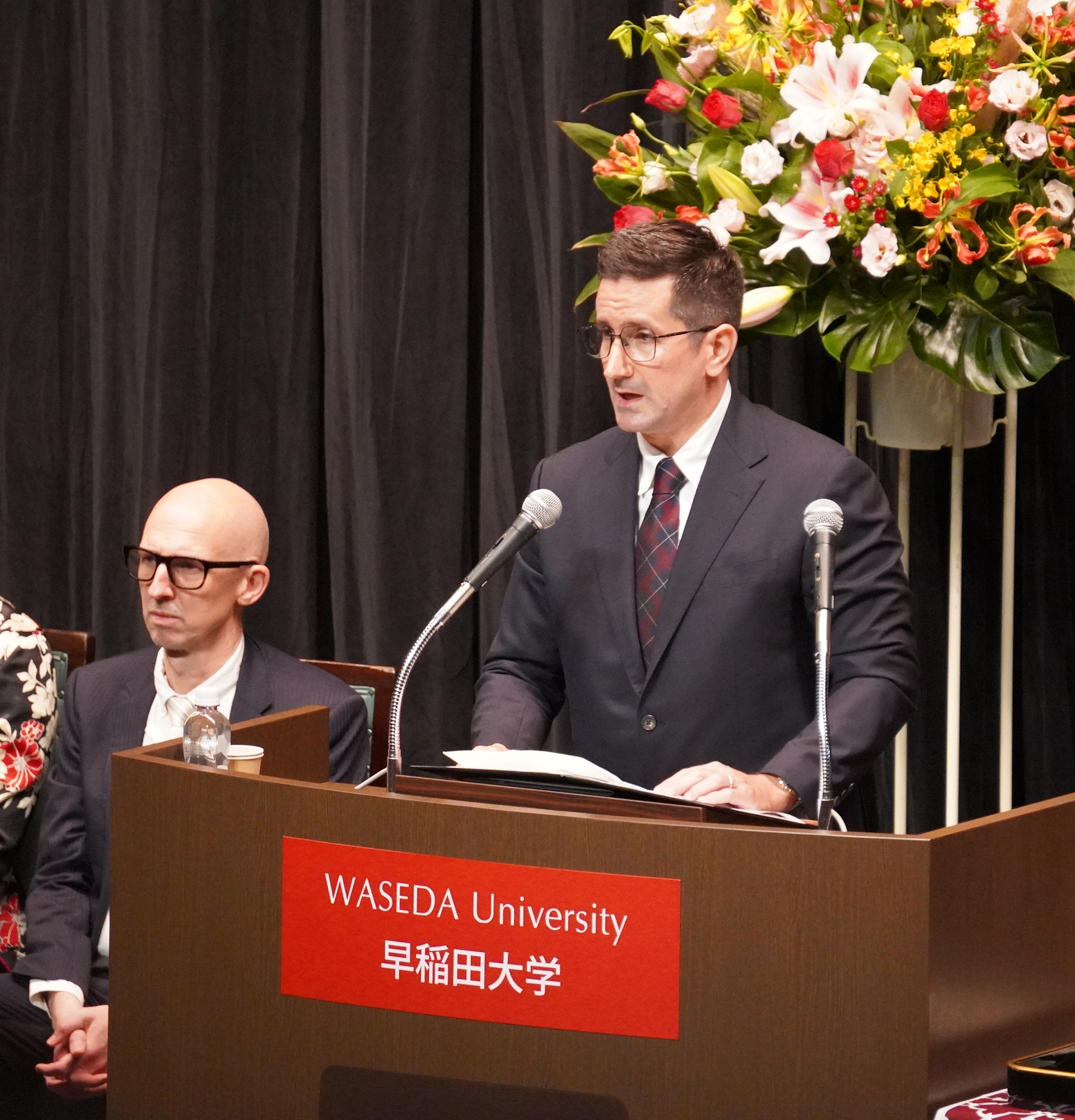
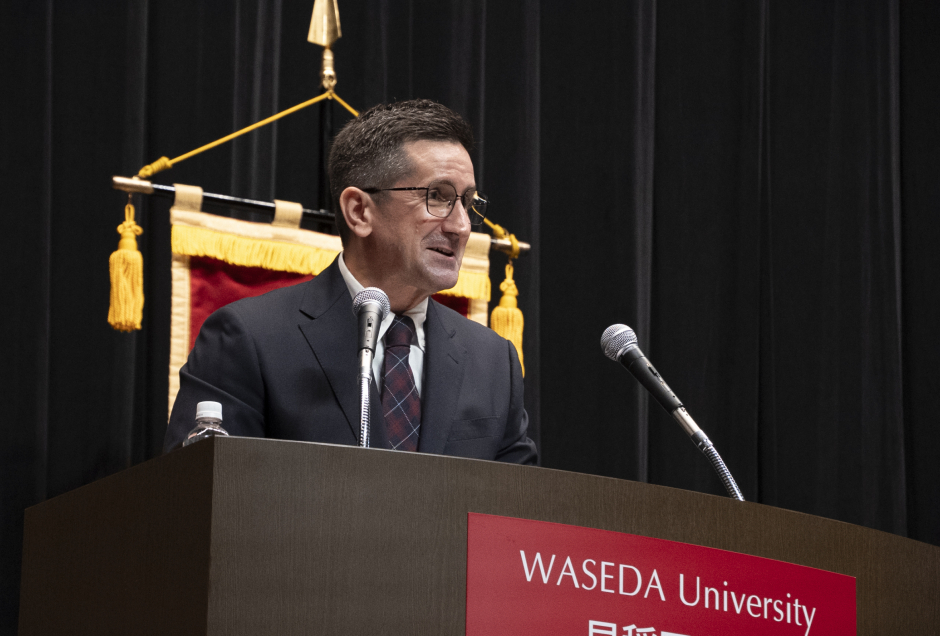
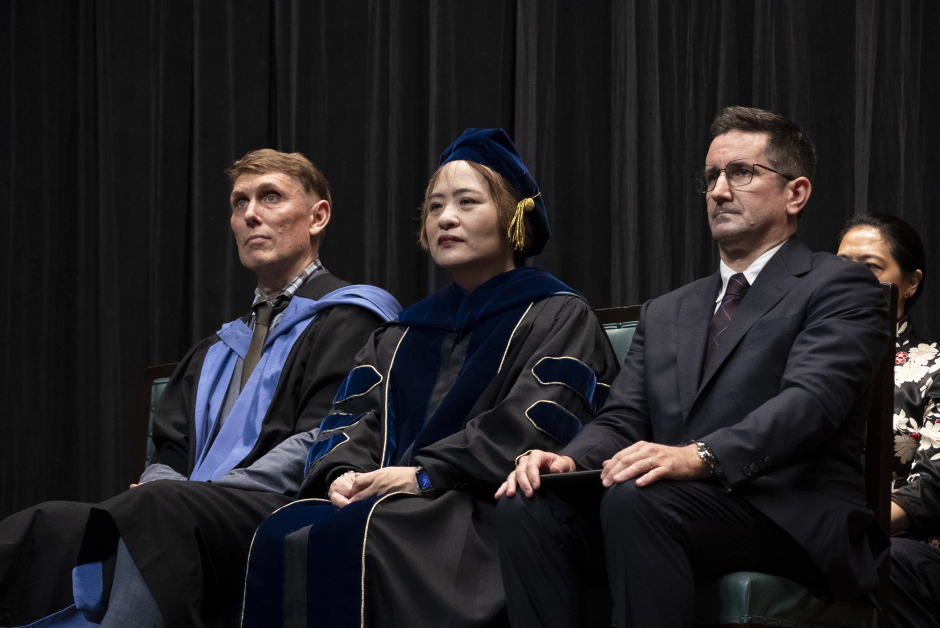
Dean DETEY, Sylvain Matthieu Julien
Awards to Outstanding Students of SILS ・ Address by a Representative of the Graduating Student of SILS
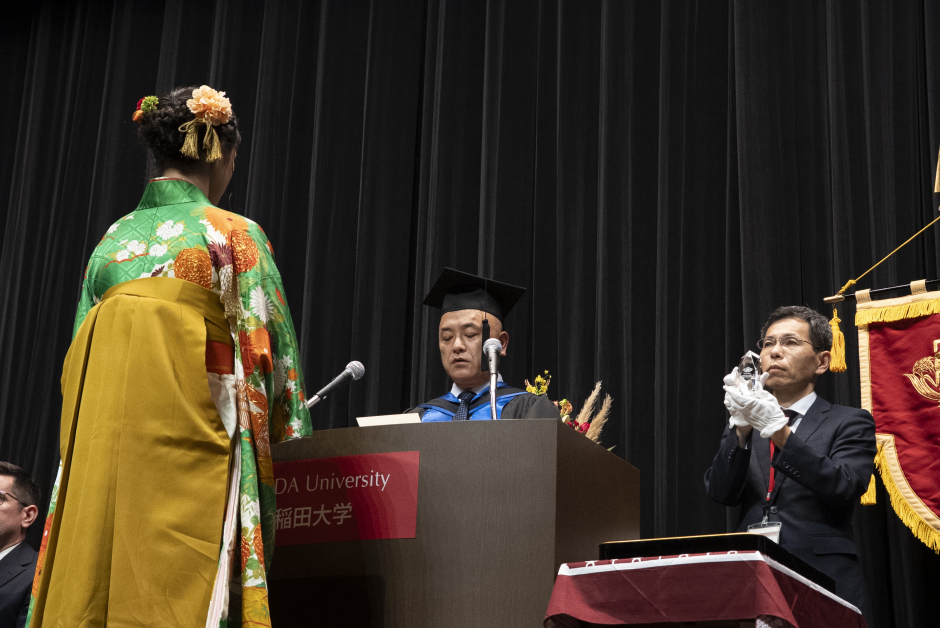
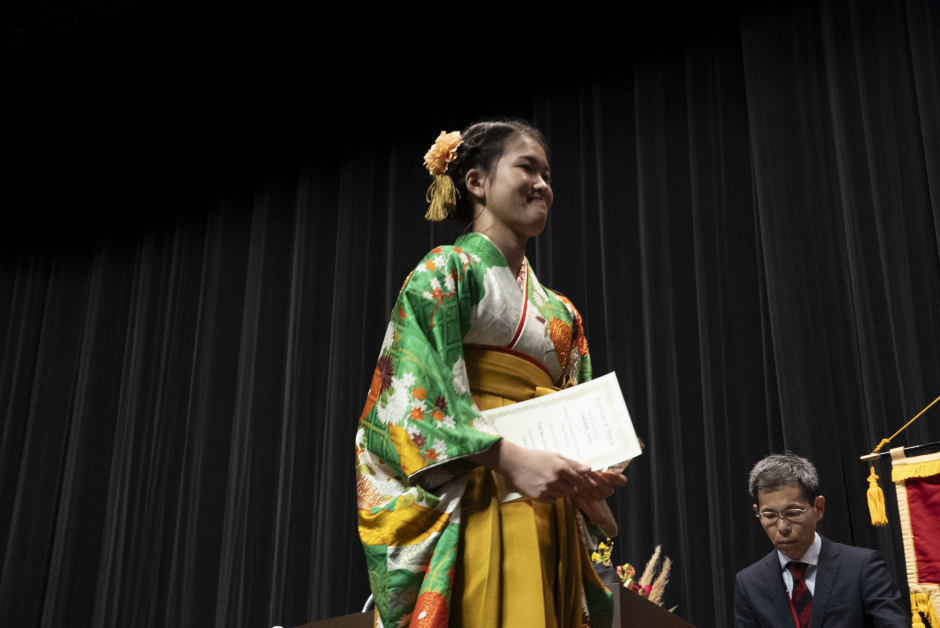
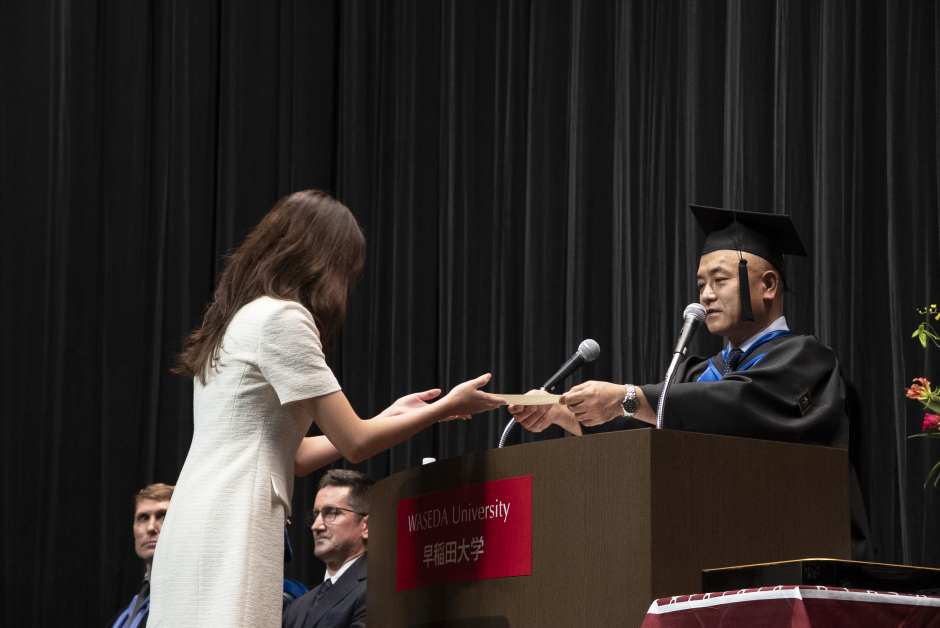
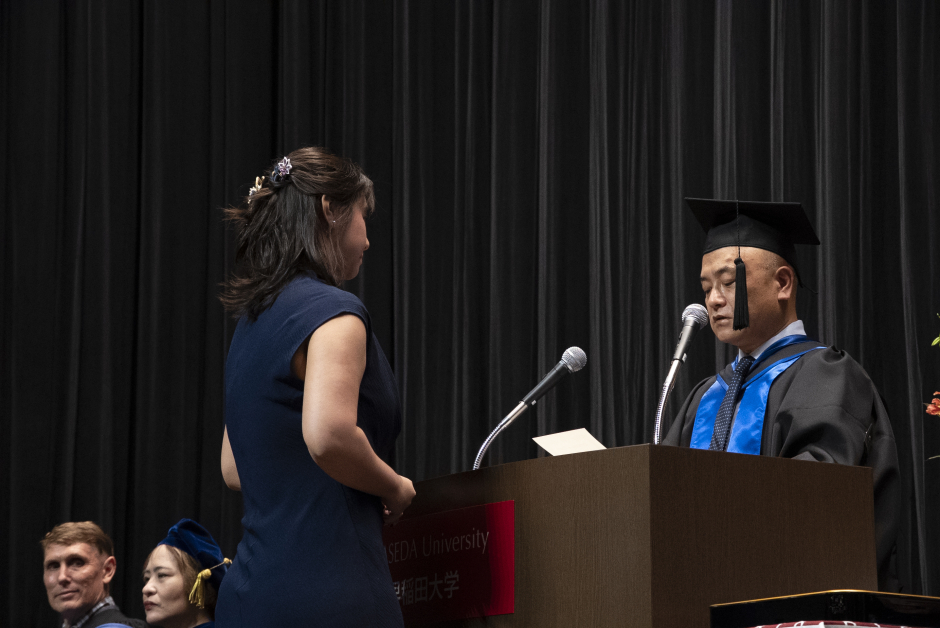
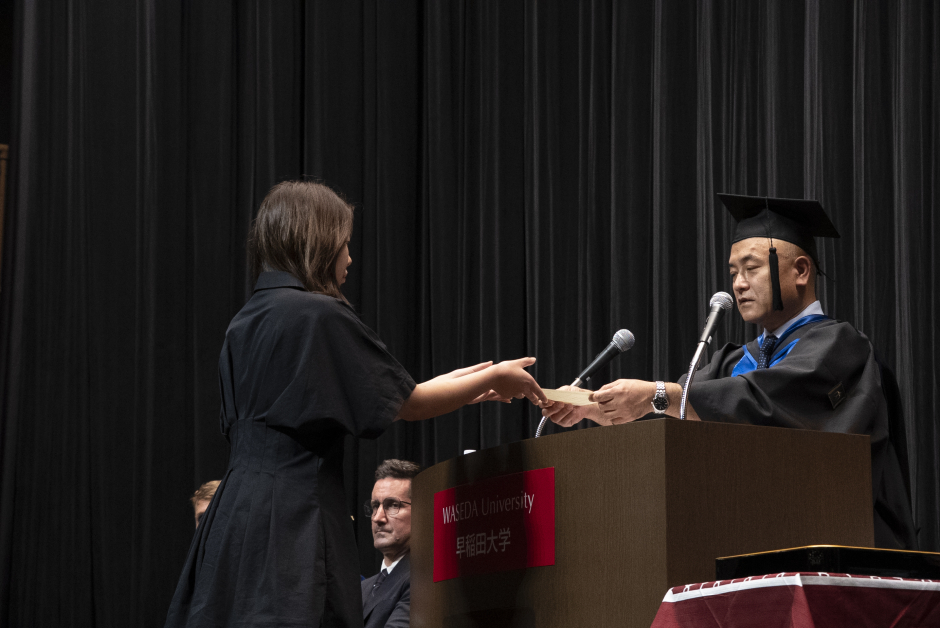
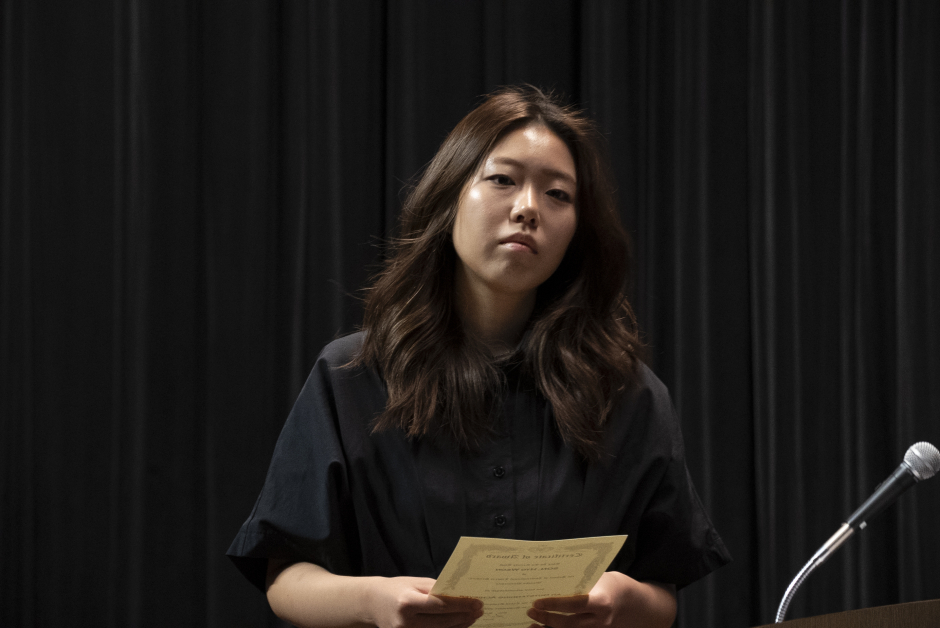
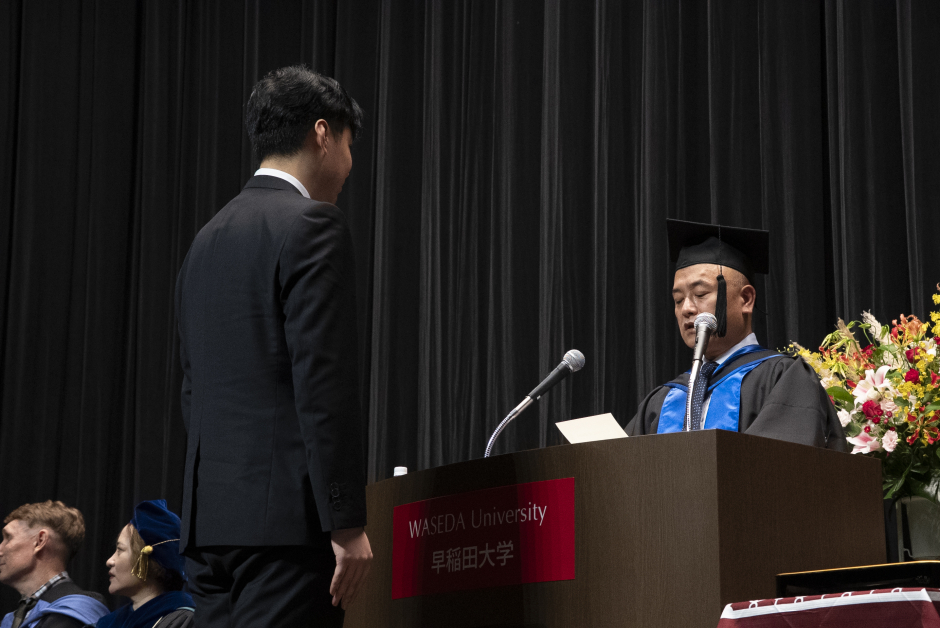
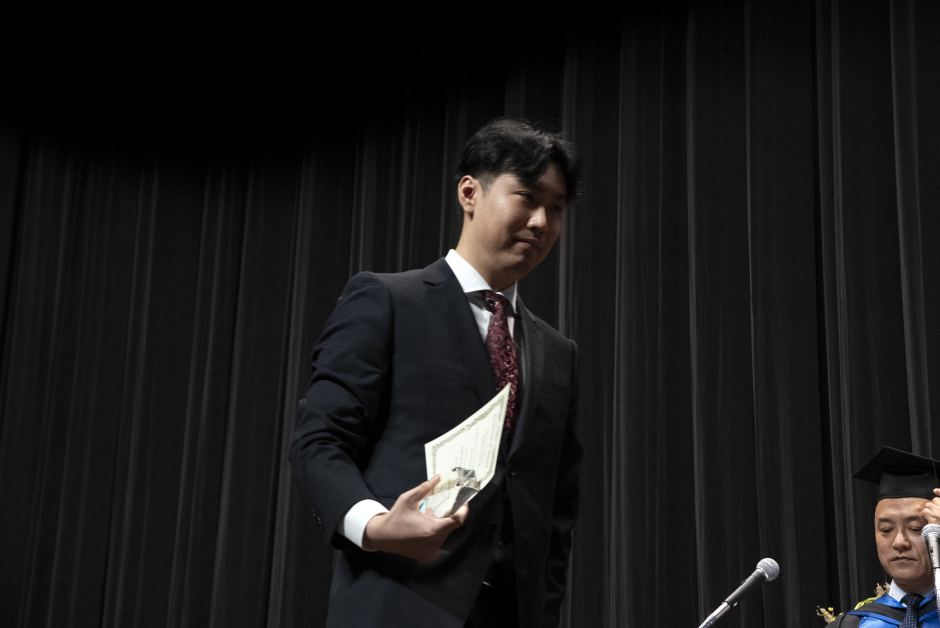
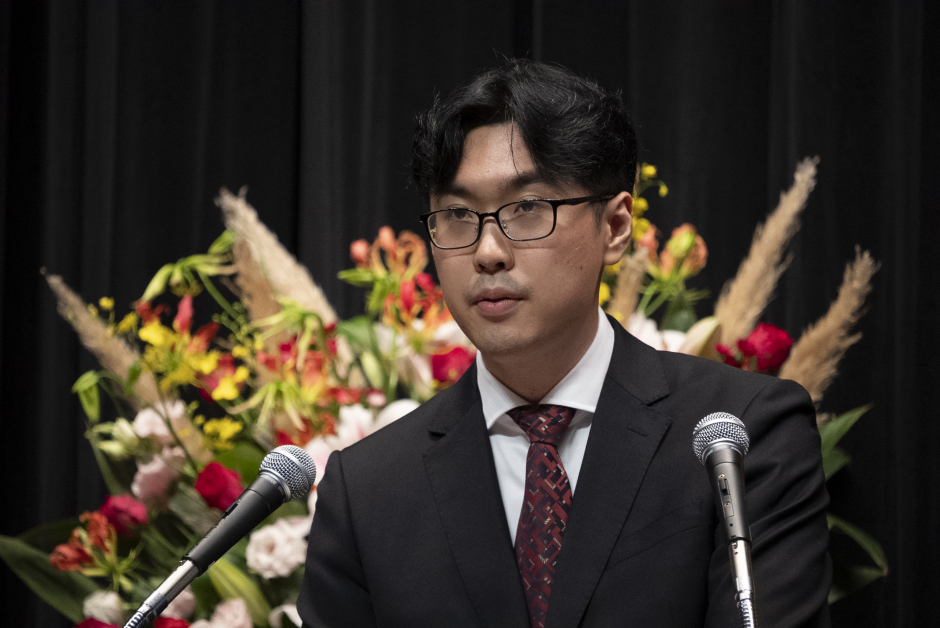
Representative of SILS
Awards to Outstanding Students of GSICCS ・ Address by a Representative of the Graduating Student of GSICCS
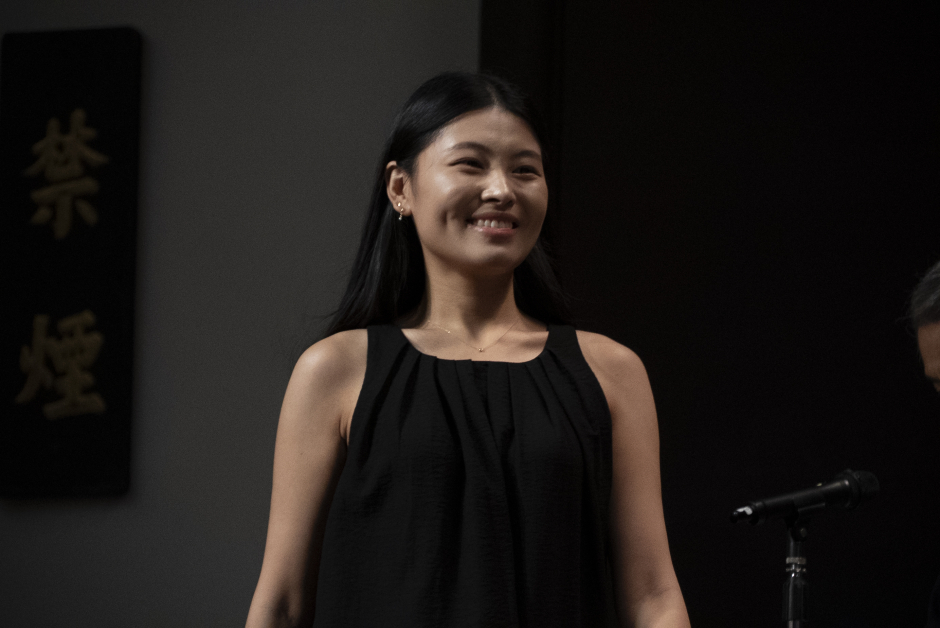
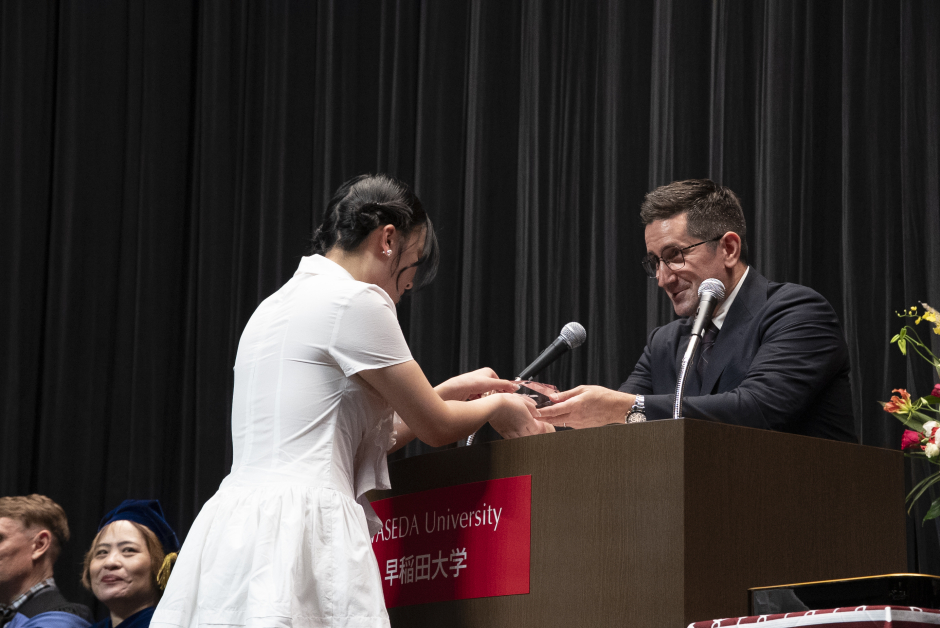
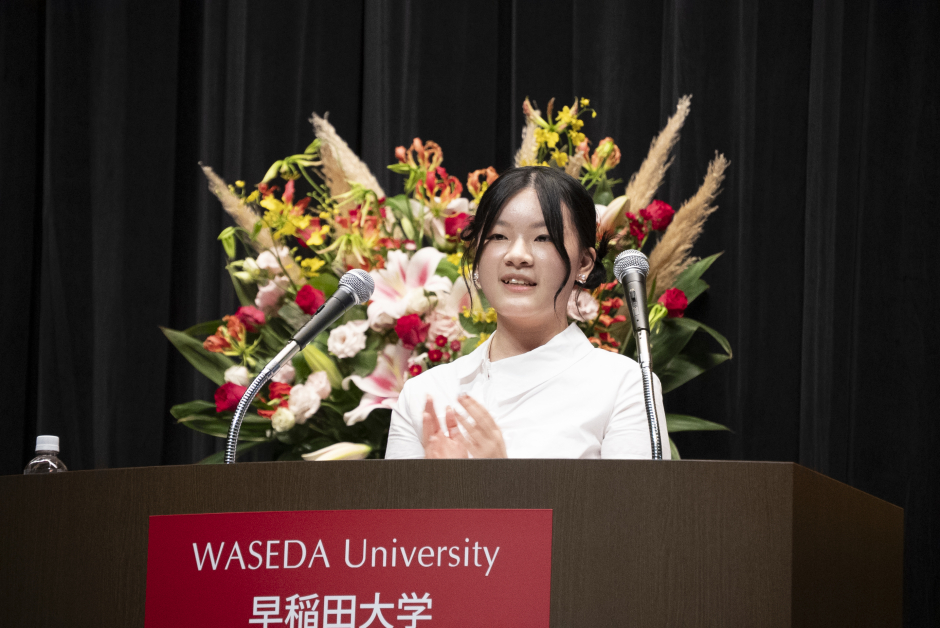
Representative of GSICCS