Research Theme
"Reconciliation" is nurturing new relationships concurrently with the transformation process of the elements that constitute involved subjects, such as an individual or a group, within a process of mutual communication and dialogue. However, such reconciliation is always positioned as a productive activity in the "real world" of the production of public goods and, at the same time, is being constructed through the "symbols" of institutions that produce the meaning of the creation and distribution of public goods in a multilayered society.
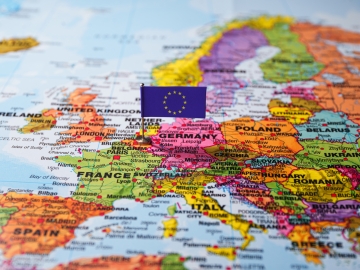
Taking a clue from East Asia, which has experienced prosperity and conflict, it is necessary to examine the causes of conflict in the intersection of the levels of analysis of domestic and international politics. This project is not confined to East Asia so that we will deal with comparative studies between regions or nations.
Taking a clue from East Asia, which has experienced prosperity and conflict, it is necessary to examine the causes of conflict in the intersection of the levels of analysis of domestic and international politics. This project is not confined to East Asia so that we will deal with comparative studies between regions or nations.
Research Director
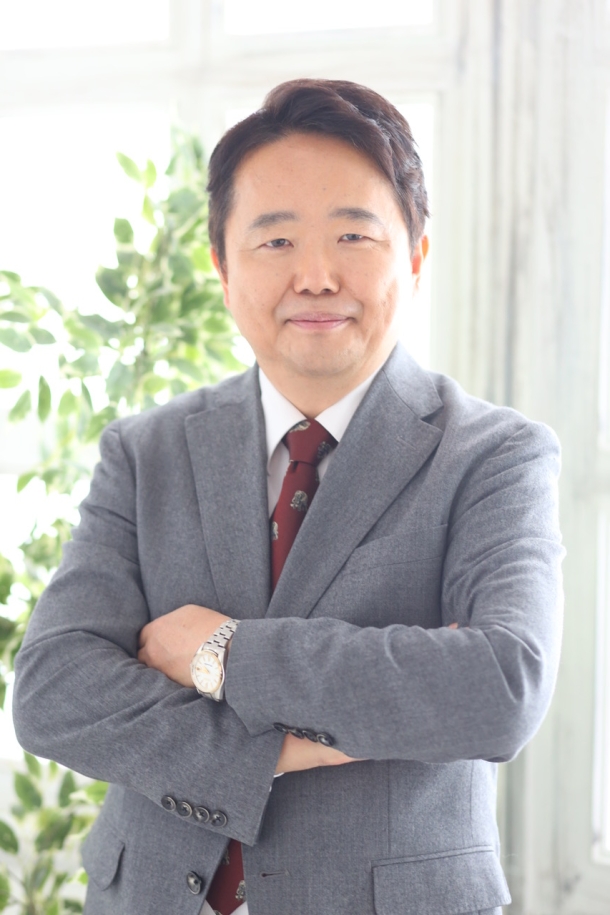
ASANO, Toyomi
Faculty of Political Science and Economics, School of Political Science and Economics
Project Members
- ASANO, Toyomi Professor, School of Political Science and Economics
- IKEGAMI, Keitoku Research Associate, Waseda Institute of Political Economy
- INAMURA, Kazutaka Professor, School of Political Science and Economics
- KAWAGUCHI, Hiroko Junior Researcher(Assistant Professor), Waseda Institute of Political Economy
- KOYAMA, Shukuko Associate Professor, School of Social Sciences
- KURODA, Kazuo Professor, Graduate School of Asia Pacific Studies
- LIU, Jie Professor, School of Social Sciences
- TSUCHIYA, Reiko Professor, School of Political Science and Economics
- UMEMORI, Naoyuki Professor, School of Political Science and Economics
- AMAE, Yoshihisa
- ARIMITSU, Ken
- KIM, Thaesik
- KOH, Hyeonrae
- KUMAGAI, Naoko
- MIYAMOTO, Satoru
- NAGAO, Ryuichi
- NAGASAWA, Yuko
- TSUCHIYA, Yuji