Research Theme
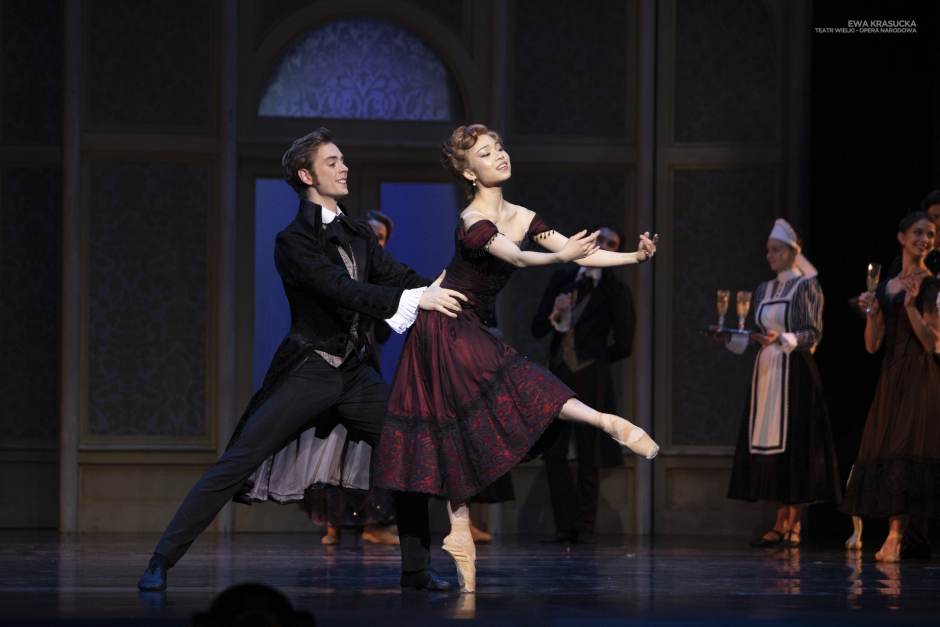
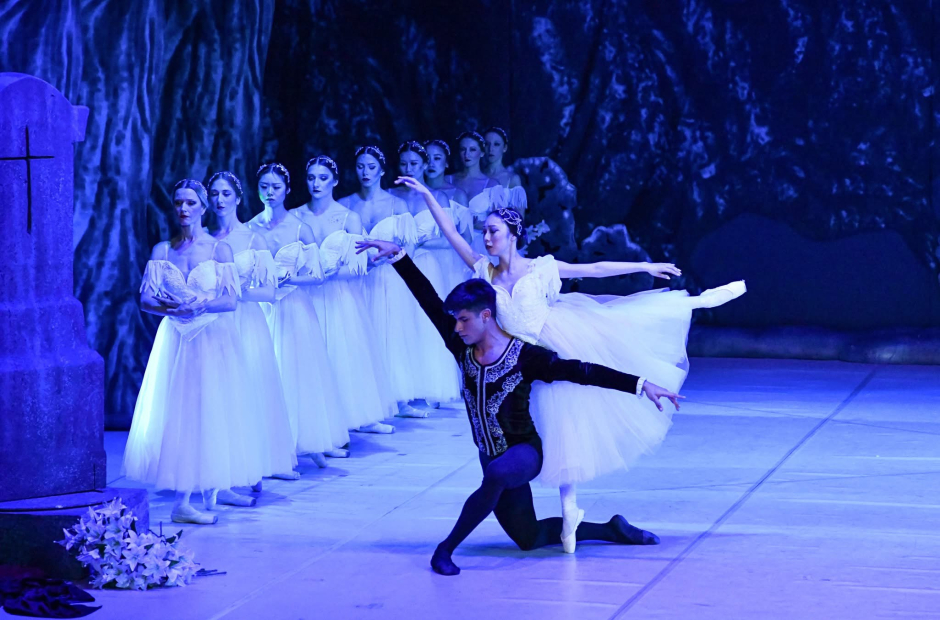
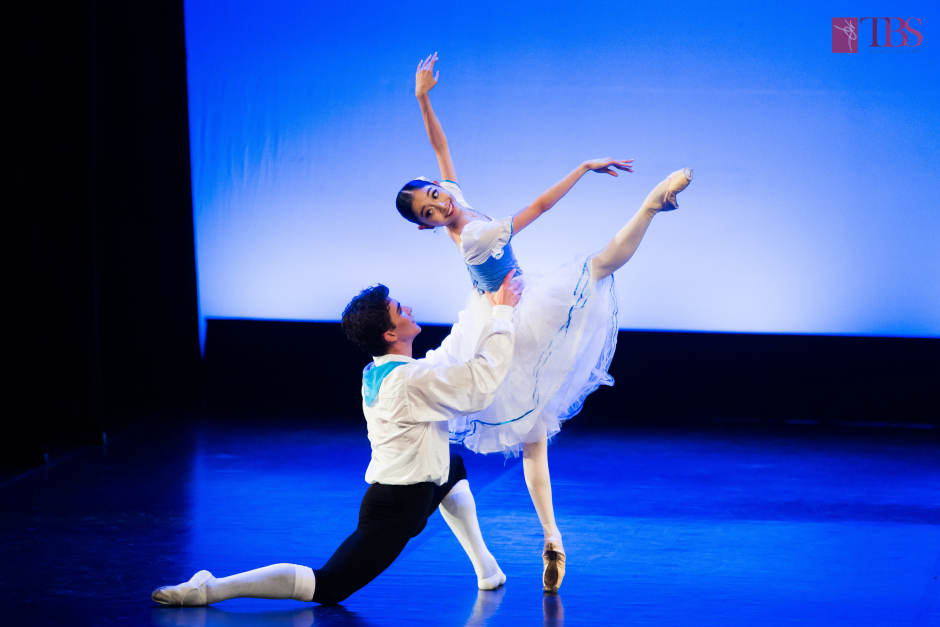
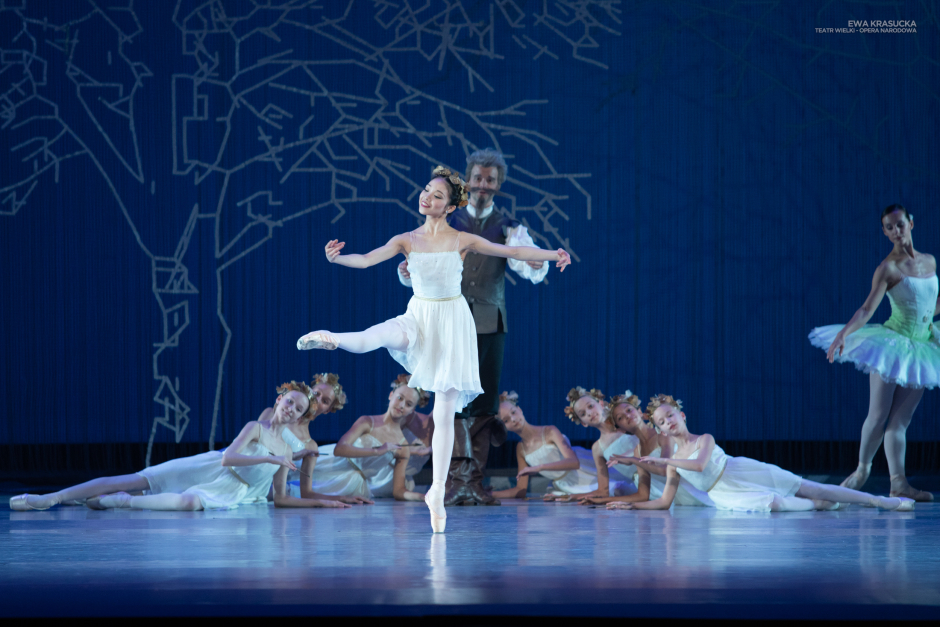
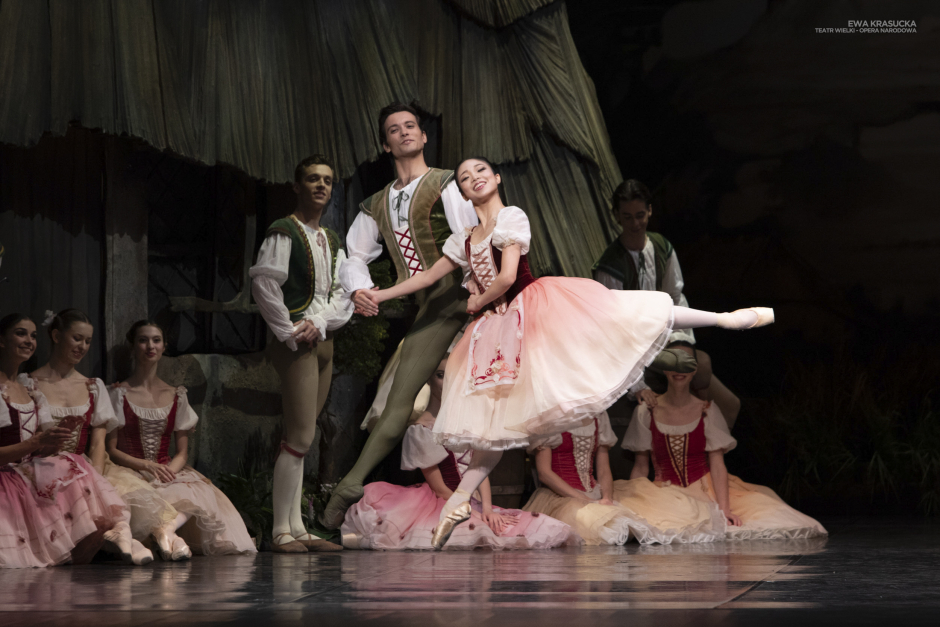
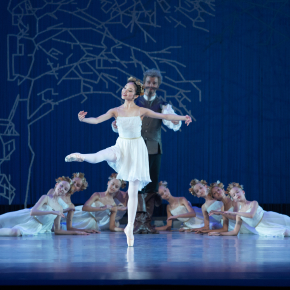
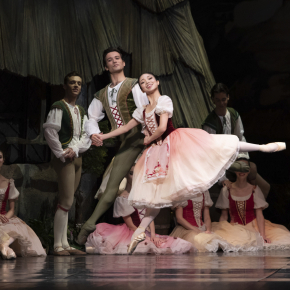
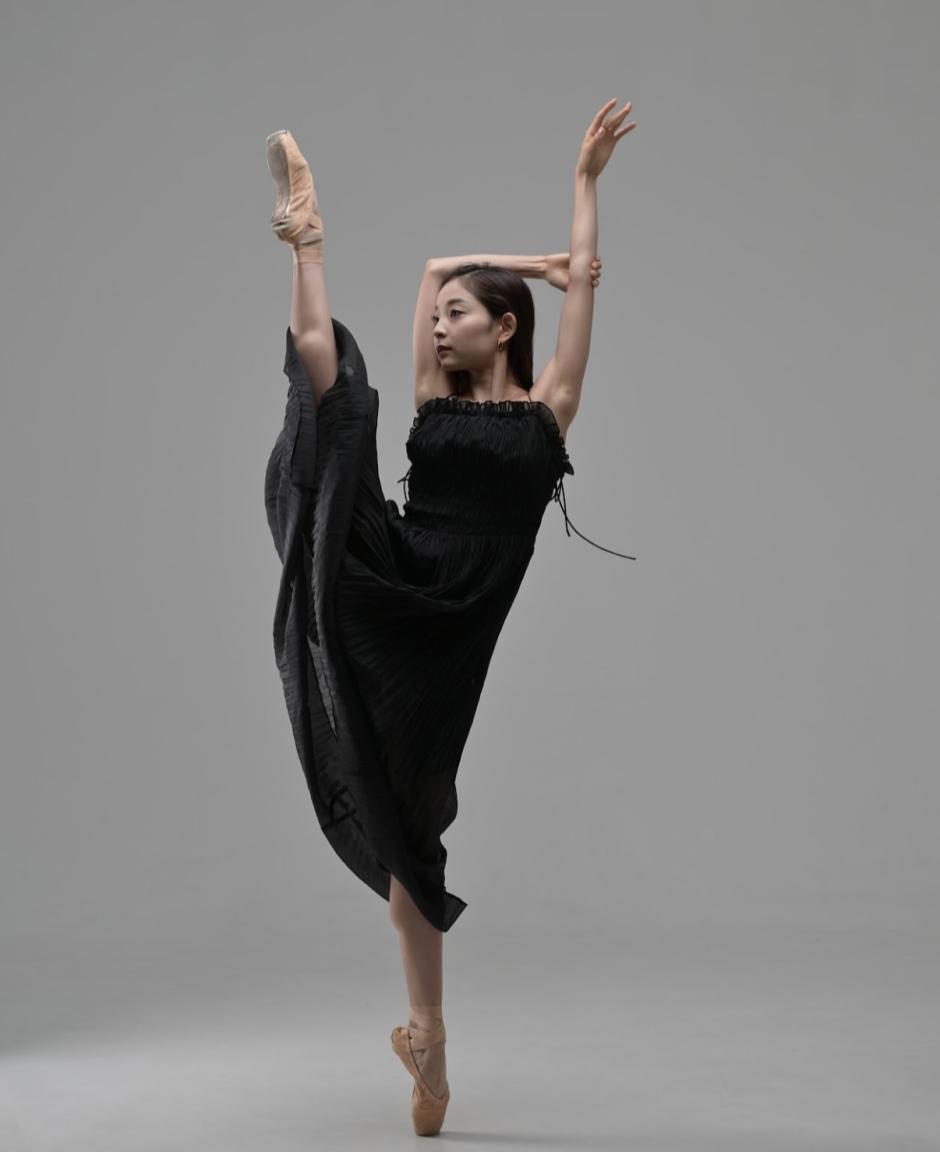
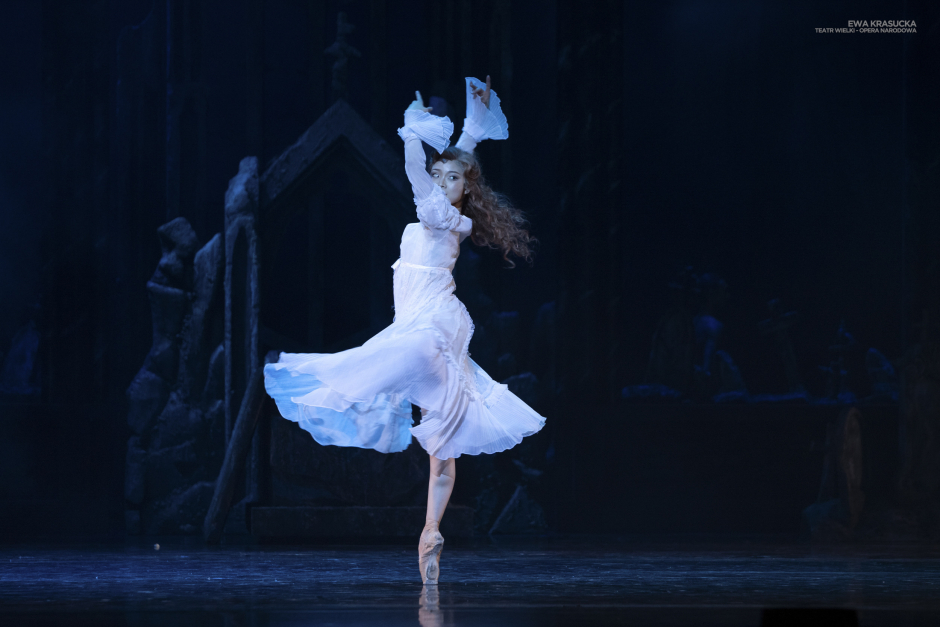
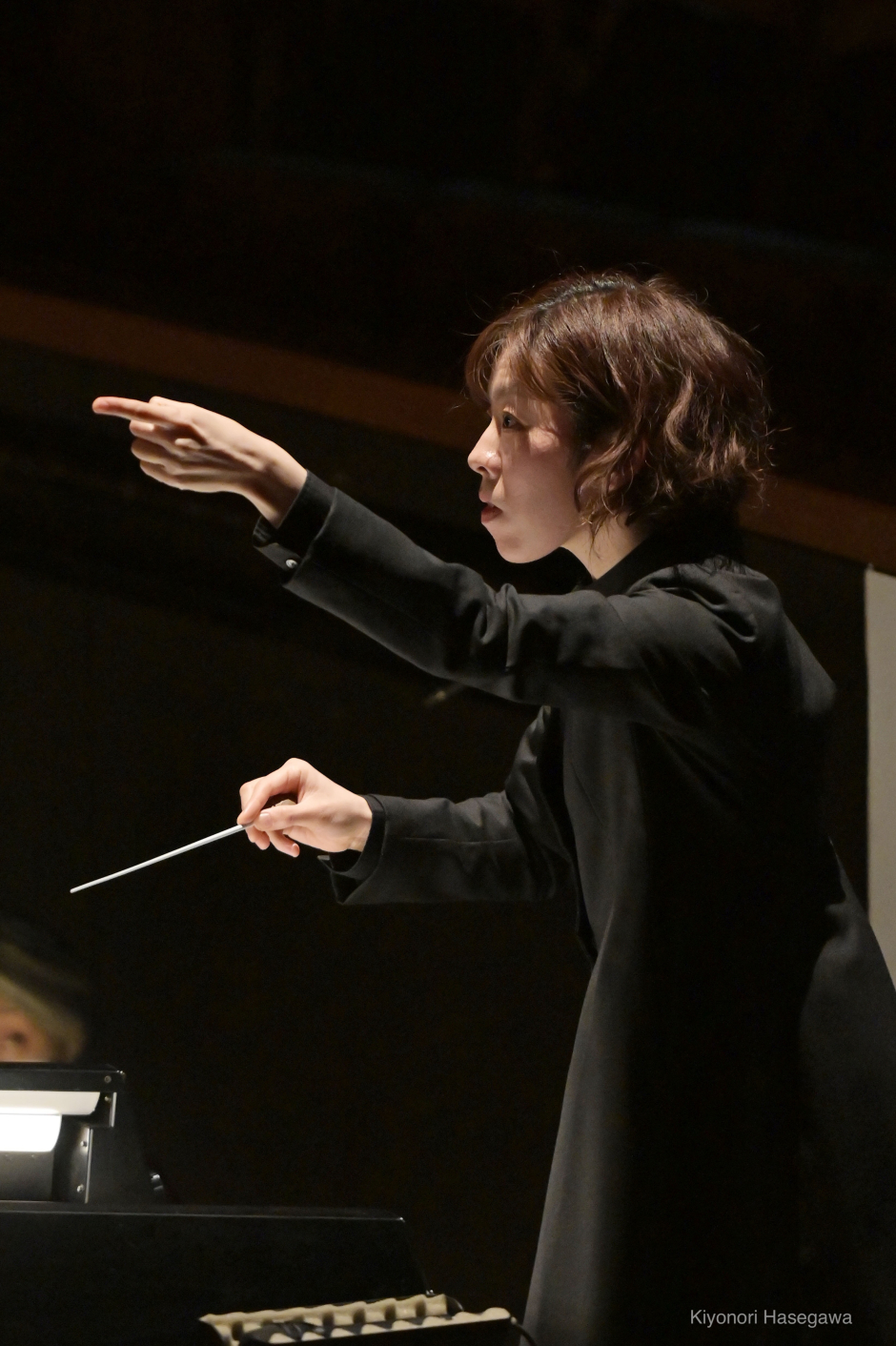
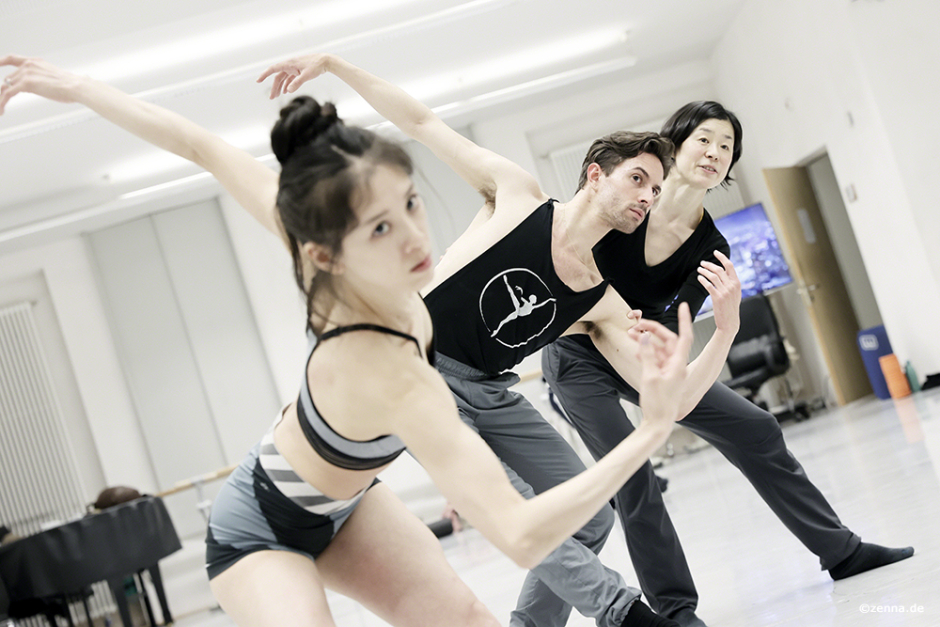
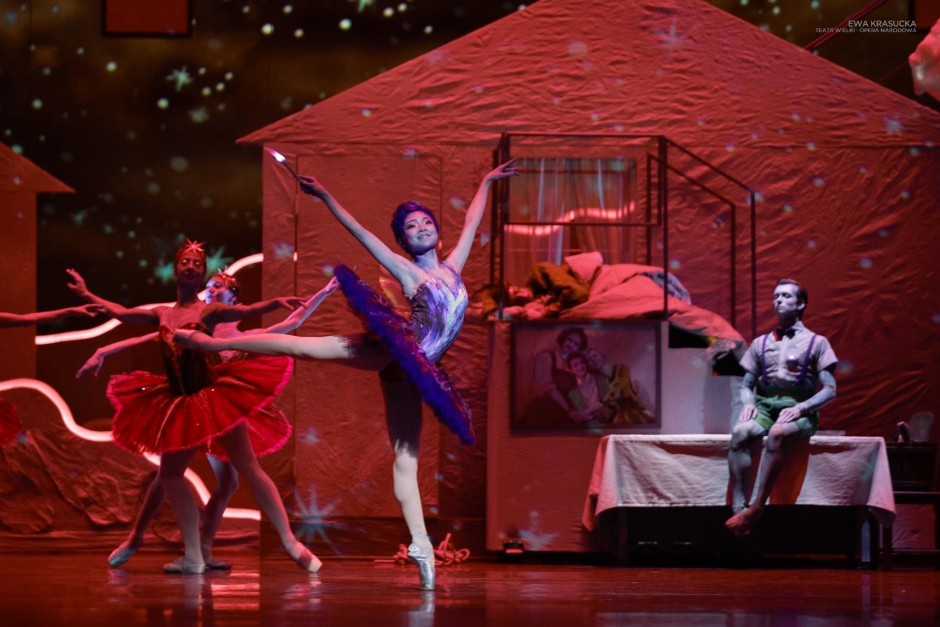
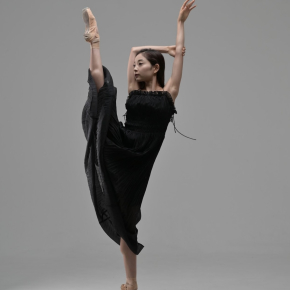
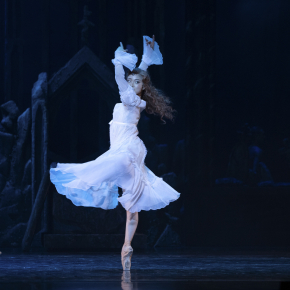
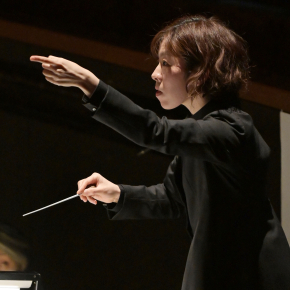
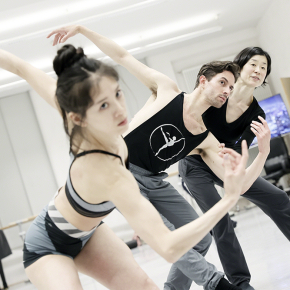
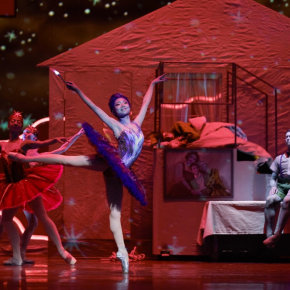
The institute brings together ballet dancers, musicians, and researchers from the humanities, social sciences, and natural sciences to create spaces for dialogue. It promotes collaborative research through the reciprocal exchange of practical and scholarly knowledge, aiming to deepen our understanding of the embodied practices of ballet dancers as performing artists.
Research Director
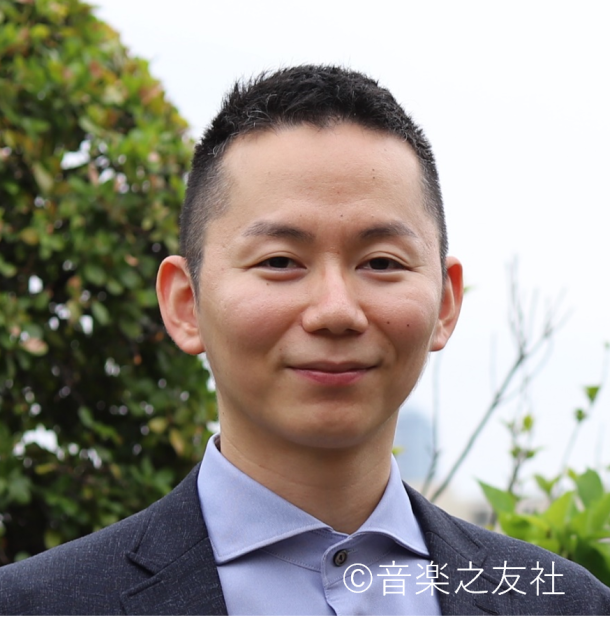
MIURA, Akito
Faculty of Human Sciences, School of Human Sciences
Project Members
- MISHIMA, Hiroyuki Professor, School of Human Sciences, Faculty of Human Sciences
- MIURA, Akito Associate Professor, School of Human Sciences, Faculty of Human Sciences
- NOMURA, Ryota Associate Professor, School of Human Sciences, Faculty of Human Sciences
- OSU, Rieko Professor, School of Human Sciences, Faculty of Human Sciences
- SUGISAWA, Taketoshi Associate Professor, School of Human Sciences, Faculty of Human Sciences
- SUGIYAMA, Chizuru Professor, School of Sport and Sciences, Faculty of Sport Sciences
- ARAI, Mikiko
- EGUCHI, Mayu
- ETANI, Takahide
- KATO, Emika
- KUDO, Kazutoshi
- KUNIMOTO, Hanae
- KURATA, Azusa
- KURIHARA, Yuto
- MUKAI, Kae
- NAGAI, Tamamo
- NATSUDA, Tomoko
- OKANO, Masahiro
- OKANO, Yume
- OKUDAIRA, Hana
- OSHIMA, Natsuko
- SATO, Nahoko
- TANABE, Hiroko
- TOMITA, Misato
- YAGISAWA, Nanae
Research Keywords
Ballet, Embodied Knowledge, Tacit Knowledge, Musicality, Artistic Expression, Embodied Art, Movement Analysis, Embodied Cognition
Research Summary
Ballet research has traditionally been divided in two ways: by disciplinary boundaries and by a gap between academic knowledge and practical knowledge. Rather than working within these divisions, the institute aims to create a rich intellectual environment where practical knowledge and diverse forms of scholarly knowledge can interact and inform each other, leading to a deeper and more comprehensive understanding of ballet as an embodied art.
To achieve this aim, the institute examines the practices of ballet dancers as performing artists through the interplay across three layers: culture, interaction, and mind–body. These practices are embedded in historical and socio-cultural contexts, emerge through interactions in spaces of practice, and are embodied in the dancer’s mind and body. Through collaborative research that moves across these layers, the institute reconsiders ballet as an embodied art in terms of a layered structure.
(1) Ballet as a Cultural Practice
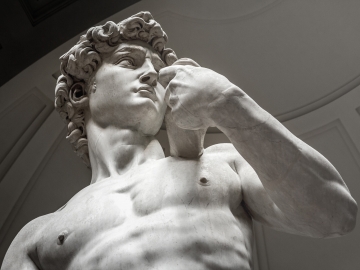
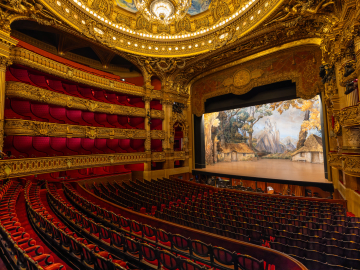
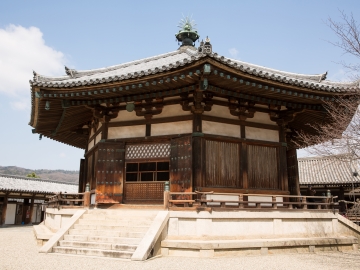
This project examines ballet as a cultural practice by considering its historical development, social institutions, and theatrical spaces. By situating technique and expression within the socio-cultural context in which they are embedded, it aims to clarify their meanings.
(2) Interaction in Practice Settings
This project aims to clarify the structure of interactions among dancers, teachers, musicians, and audiences in practice settings, and how these interactions shape the transmission of technique, how creativity emerges, and how aesthetic experience unfolds, through research grounded in dialogue between practitioners and researchers.
(3) Embodied Knowledge and Cognitive Motor Control
This project explores the structure of embodied knowledge in ballet by examining the relationship between technique and art. Building on this, it investigates bodily skills and how they are organized as expression from the perspectives of movement science and cognitive science, thereby deepening the understanding of embodied knowledge in ballet.
The institute brings practitioners and researchers together to move across these three layers, reconsidering ballet as an embodied art in terms of a structure in which culture, interaction, and mind–body are interwoven.