Research Theme
To elucidate prehistoric culture and society , this institute conducts research based on archaeological investigation while incorporating interdisciplinary scientific approaches and ethnoarchaeological methods. From a global perspective, the following four research themes are pursued:
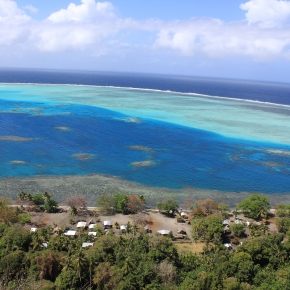
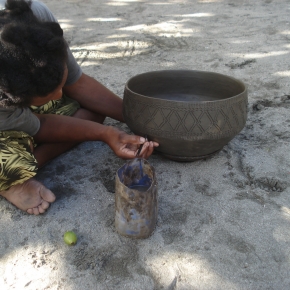
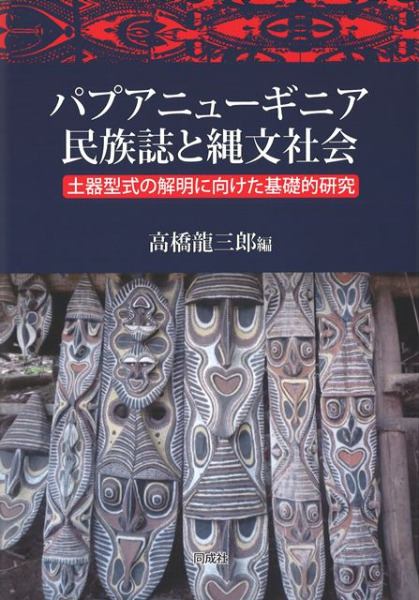
1.Collaborative research in Papua New Guinea
2.Ground-penetrating radar surveys for the identification of Jomon sites
3.Excavation of Jomon archaeological sites
4.Research on and publication of collections held by Waseda University
Research Director
NAKAKADO, Ryota
Faculty of Letters, Arts and Sciences, School of Humanities and Social Sciences
Project Members
- JOKURA, Masayoshi Professor, School of Humanities and Social Sciences, Faculty of Letters, Arts and Sciences
- NAGASAKI, Junichi Professor, School of Humanities and Social Sciences, Faculty of Letters, Arts and Sciences
- NAKAKADO, Ryota Associate Professor, School of Humanities and Social Sciences, Faculty of Letters, Arts and Sciences
- TABATA, Yukitsugu Professor, School of Culture, Media and Society, Faculty of Letters, Arts and Sciences
- TERASAKI, Shuichiro Professor, School of Culture, Media and Society, Faculty of Letters, Arts and Sciences
- MIAMBA, Kenneth
- NEGISHI, Yo
- ONO, Eisuke
- SAKAGUCHI, Takashi
- YANAGISAWA, Seiichi
Research Keywords
Jomon period, Jomon society, Papua New Guinea, Ethnoarchaeology
Research Summary
The institute of Prehistoric Archaeology has conducted research for more than a decade with the aim of elucidating the culture and society of the Jomon period. In particular, by incorporating ethnoarchaeological research in Papua New Guinea and interdisciplinary scientific approaches, we have provided new perspectives on the understanding of Jomon society. Building on these accumulated achievements, the institute will be reestablished under the new name Institute of Prehistoric Culture and Society to further develop the following research initiatives.
1. Collaborative Research in Papua New Guinea
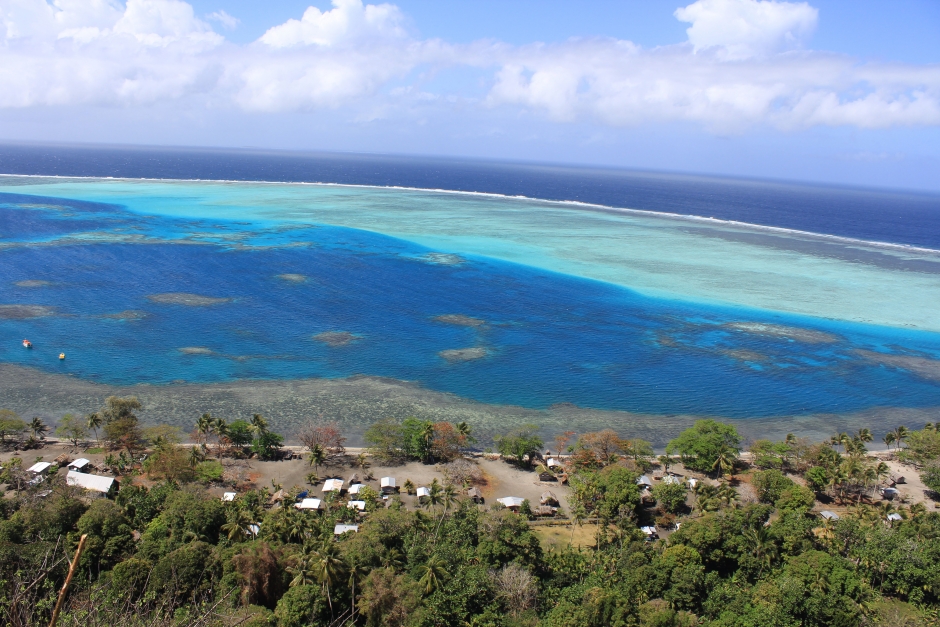
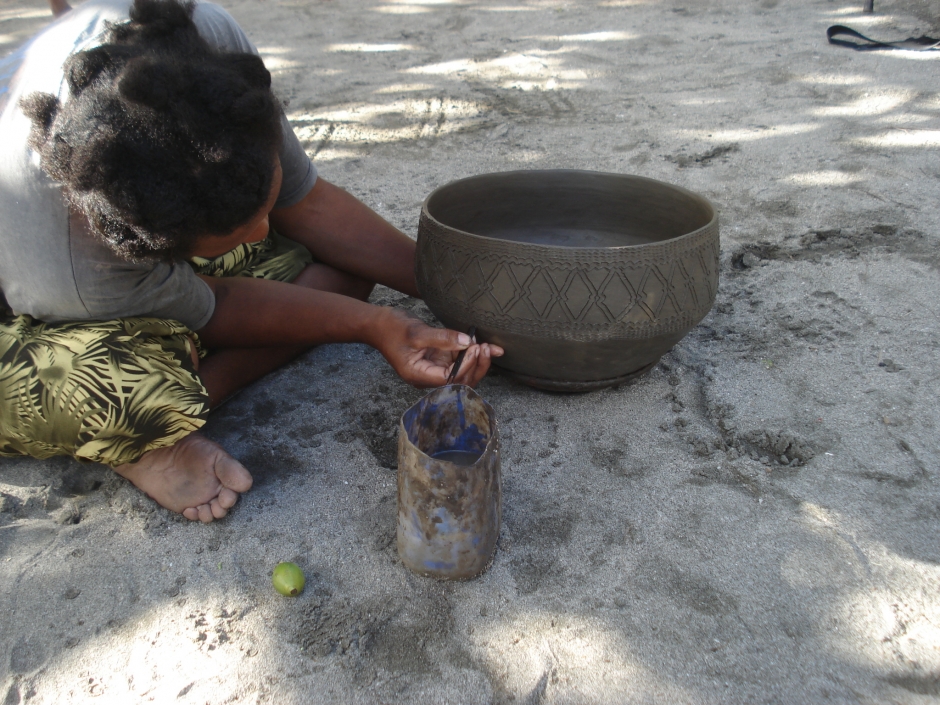
Through the establishment of a collaborative research framework with the Papua New Guinea National Museum and Art Gallery, we will conduct archaeological investigations, including surveying and excavation.
This approach will enable a more concrete examination of processes of social change, bridging archaeological data and ethnographic observations. By further developing the results obtained through previous ethnoarchaeological research, the project is expected to contribute to the construction of theoretical framework for understanding prehistoric society.
2. Ground-Penetrating Radar Survey for the Identification of Jomon Sites
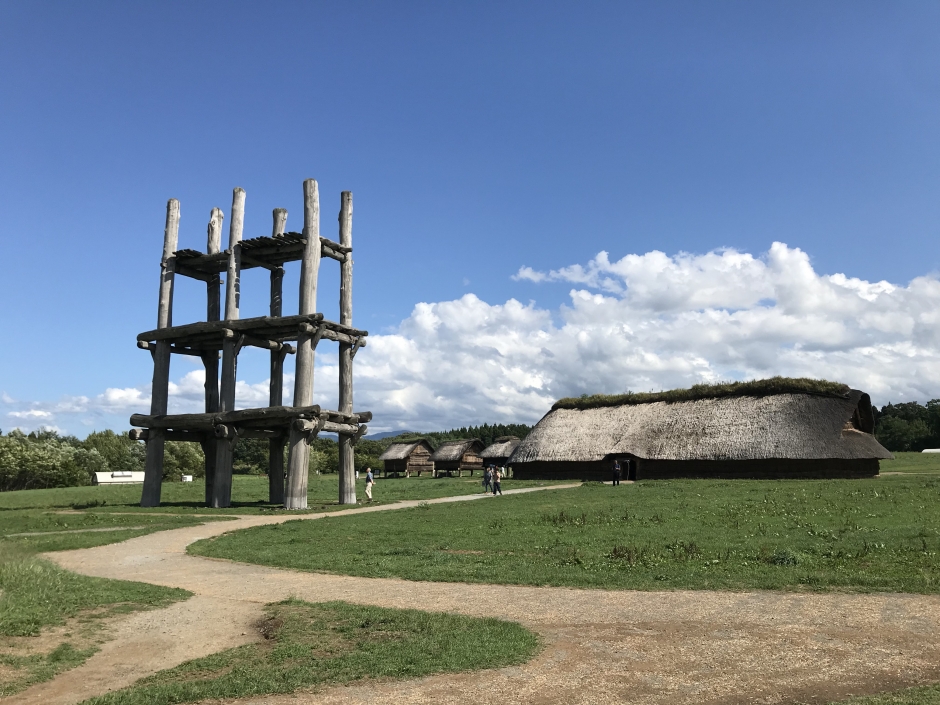
Ground-penetrating radar (GPR) surveys will be conducted at the Sannai Maruyama site. The aim is to examine and evaluate the relationship between underground radar responses and the settlement patterns that have been estimated through conventional archaeological research.
Based on the results obtained at Sannai Maruyama, we will systematize interpretations of features from the Jomon period and establish a methodological framework for site detection using GPR. This methodology will be applied to other Jomon sites through continued survey work.
3. Excavation of Jomon Archaeological Sites
Excavations are planned to begin in 2026 at the Sakata Bodairaone Site and the Tentokuji Site in Nagano Prefecture. These investigations will be conducted in collaboration with Suzaka City and the Suzaka City Board of Education.
The project is expected to span two to three years, with annual post-excavation analyses and the publication of preliminary reports to disseminate research outcomes.
4. Systematic organization and cataloging of Waseda University Collections
In collaboration with the Aizu Museum, we will continue the systematic organization and tcataloging of archaeological materials held by Waseda University.
In the initial phase, priority will be given to organizing and cataloging manuscripts and notes within the Yamauchi Collection. These materials will be systematically digitized, starting with those of highest significance. The results will be made publicly available through a cultural resource database and published in academic outlets such as the museum’s research bulletin.