Research Theme
Archaeological studies on the development of the walled cities of East Asia and cultural
exchanges along the Silk Road.
Research Director
JOKURA, Masayoshi
Faculty of Letters, Arts and Sciences, School of Humanities and Social Sciences
Project Members
- IIYAMA, Tomoyasu Professor, School of Humanities and Social Sciences, Faculty of Letters, Arts and Sciences
- JOKURA, Masayoshi Professor, School of Humanities and Social Sciences, Faculty of Letters, Arts and Sciences
- KAWAJIRI, Akio Professor, School of Culture, Media and Society, Faculty of Letters, Arts and Sciences
- KOIWA, Masaki Associate Professor, School of Creative Science and Engineering, Faculty of Science and Engineering
- NAGASAKI, Junichi Professor, School of Humanities and Social Sciences, Faculty of Letters, Arts and Sciences
- NAKAKADO, Ryota Associate Professor, School of Humanities and Social Sciences, Faculty of Letters, Arts and Sciences
- TABATA, Yukitsugu Professor, School of Culture, Media and Society, Faculty of Letters, Arts and Sciences
- TAKAHASHI, Wataru Research Associate, School of Humanities and Social Sciences, Faculty of Letters, Arts and Sciences
- TERASAKI, Shuichiro Professor, School of Culture, Media and Society, Faculty of Letters, Arts and Sciences
- AOKI, Hiroshi
- CHIBA, Fumito
- DENDA, Ikuo
- GOTO, Ken
- HASHIMOTO, Hidemasa
- KATO, Ichiro
- KOH, Rion
- KUBOTA, Shinji
- KUME, Shogo
- KURIYAMA, Masao
- NAKAMURA, Akiko
- NAKAMURA, Ichiro
- NOGUCHI, Atsushi
- SAITO, Shigeo
- TSUCHIYA, Takafumi
- WAKASUGI, Tomohiro
- WU, Xinyi
- YAMAFUJI, Masatoshi
- YAMAUCHI, Kazuya
- YOKOYAMA, Shin
Research Keywords
①Ancient walled cities of East Asia
②Cultural Exchange along the Silk Road
③Archaeological Studies
Research Summary
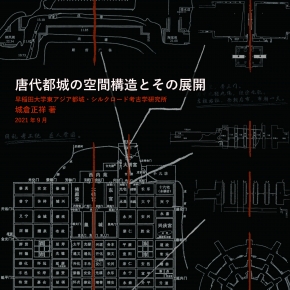
“The Institute of Archaeological Studies on the walled cities of East Asia and the Silk Road“ was
founded 10 years ago. In aims of the continuance and development of its research and studies, the
Institute will be re-established under the same name for a period of five years from 2025. The
research theme of the Institute continues to be “Archaeological studies on the development of walled
cities in the East Asian areas and the cultural exchange along the Silk Road “, as it was at the time of
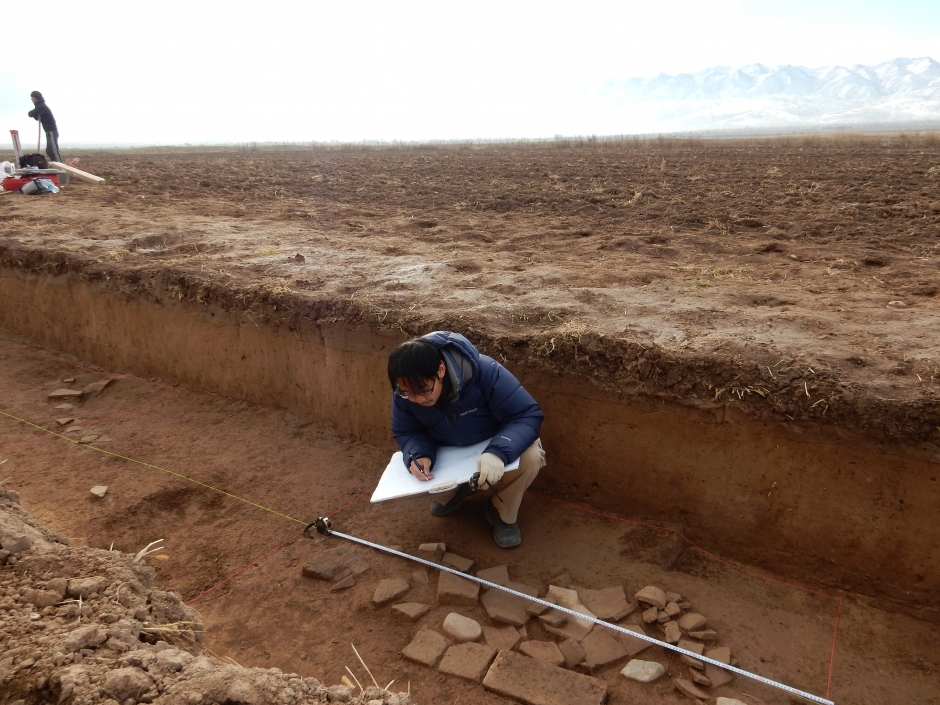
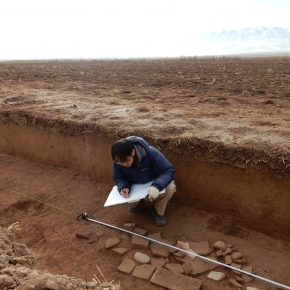
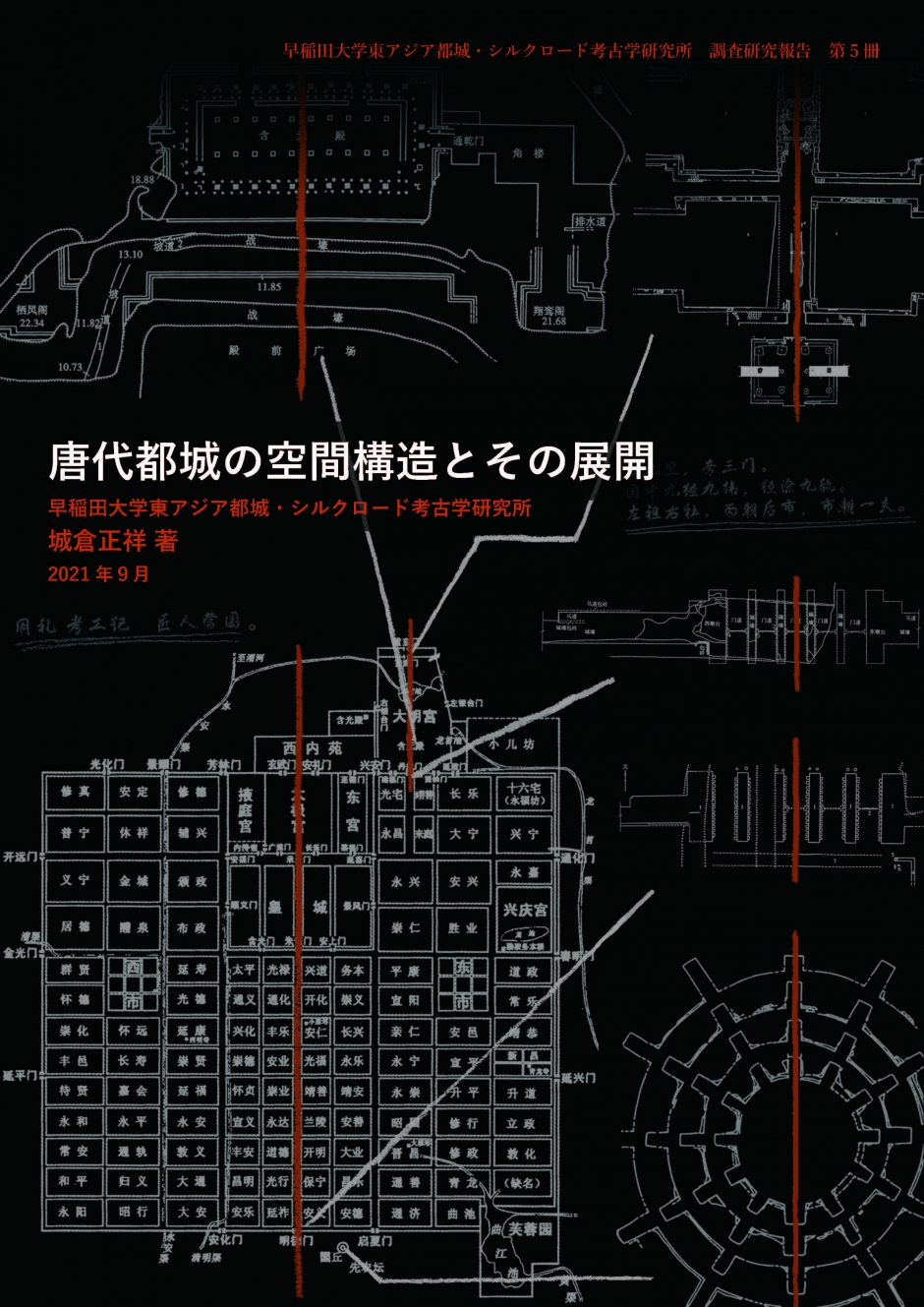
its establishment. Specifically, the Institute will conduct archaeological research on ancient Chinese
walled cities, tombs, and temples from the Han to the Tang dynasties. This work will elucidate the
historical significance of the Silk Road, which connected Eurasia from the east to the west. Since the
research objectives of the Institute are extensive, the following three topics will be emphasized.
1. Comparative archaeological studies of the walled cities of East Asia and the Silk Road.
Through the analysis of excavated remains and GIS analysis using satellite images, we will clarify
the development process of the walled cities from the Han to the Tang Dynasties of China. In
addition, we aim to reveal the propagation of the Tang walled cities through the comparative studies
between East Asian walled cities and the cities of the Silk Road area.
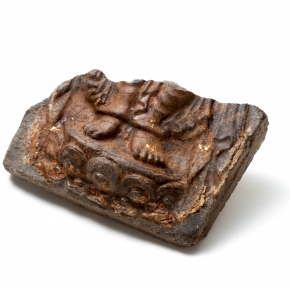
2. Archaeological research on the eastern expansion of Buddhism.
Through the analysis of excavated remains and artifacts, we will clarify the actual situation of
Buddhism as it was introduced from India through Central Asia to China, the Korean peninsula, and
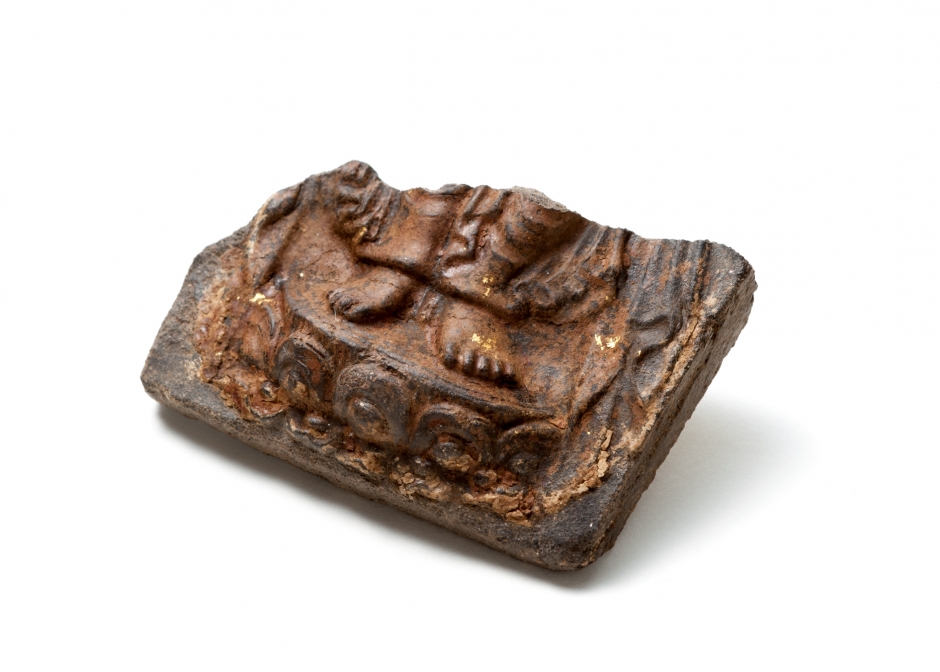
the Japanese archipelago. Specifically, we will compare the building layouts of Buddhist temples,
roofing tiles, and Senbutsu, etc. of the Chinese Northern Dynasty to the Tang Dynasty temples with
those of Japan.
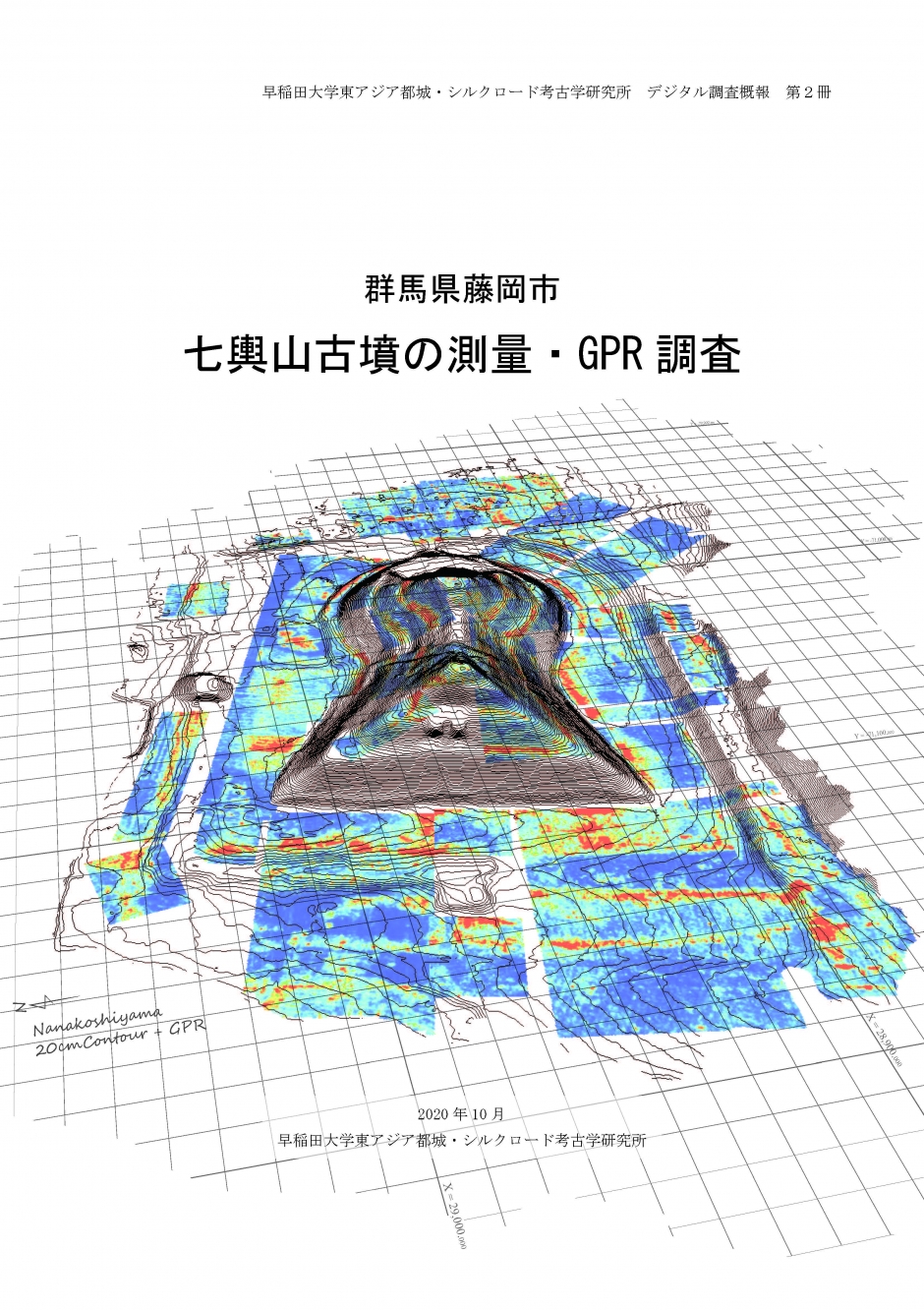
3. Non-destructive survey of archaeological sites using digital technology.
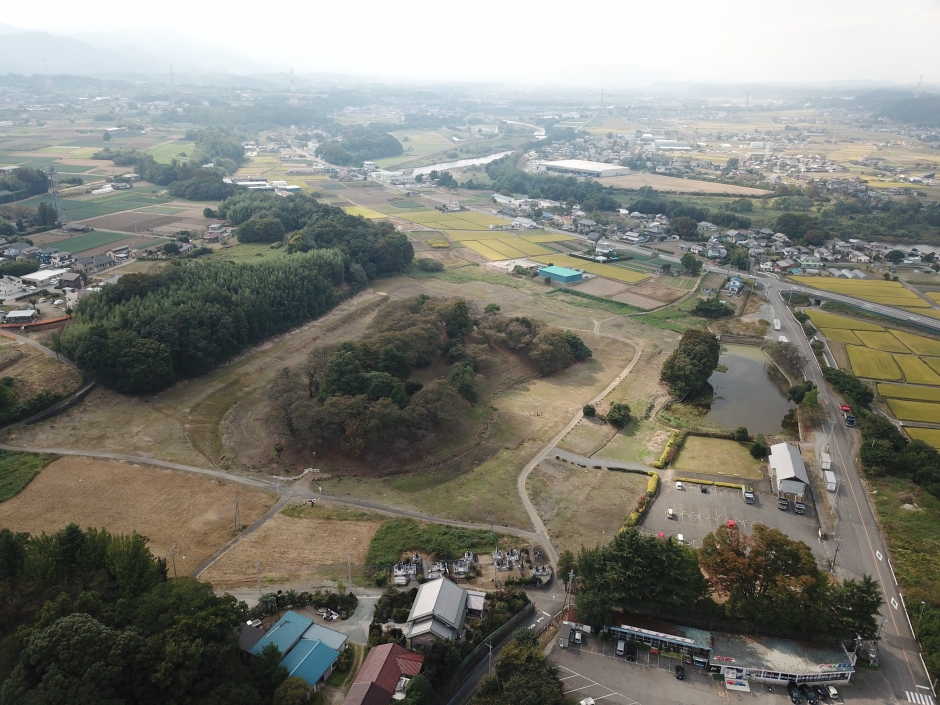
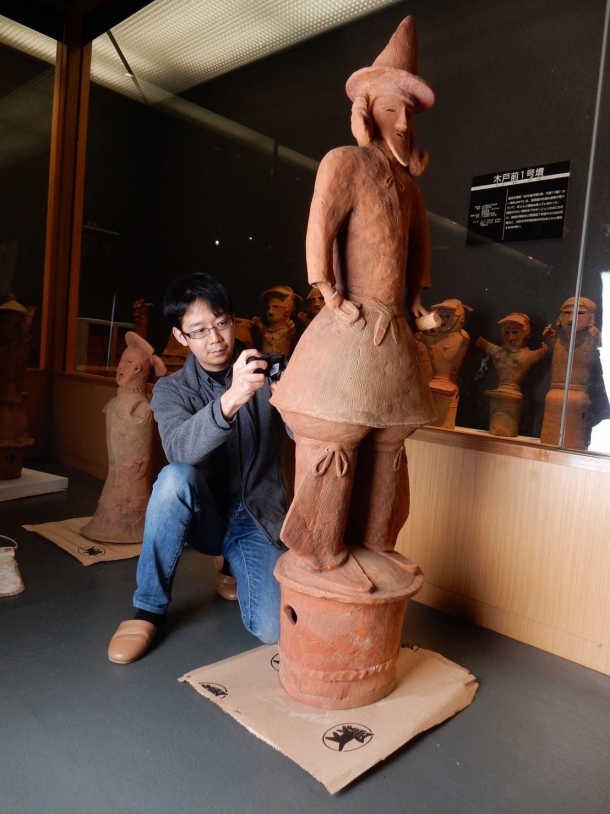
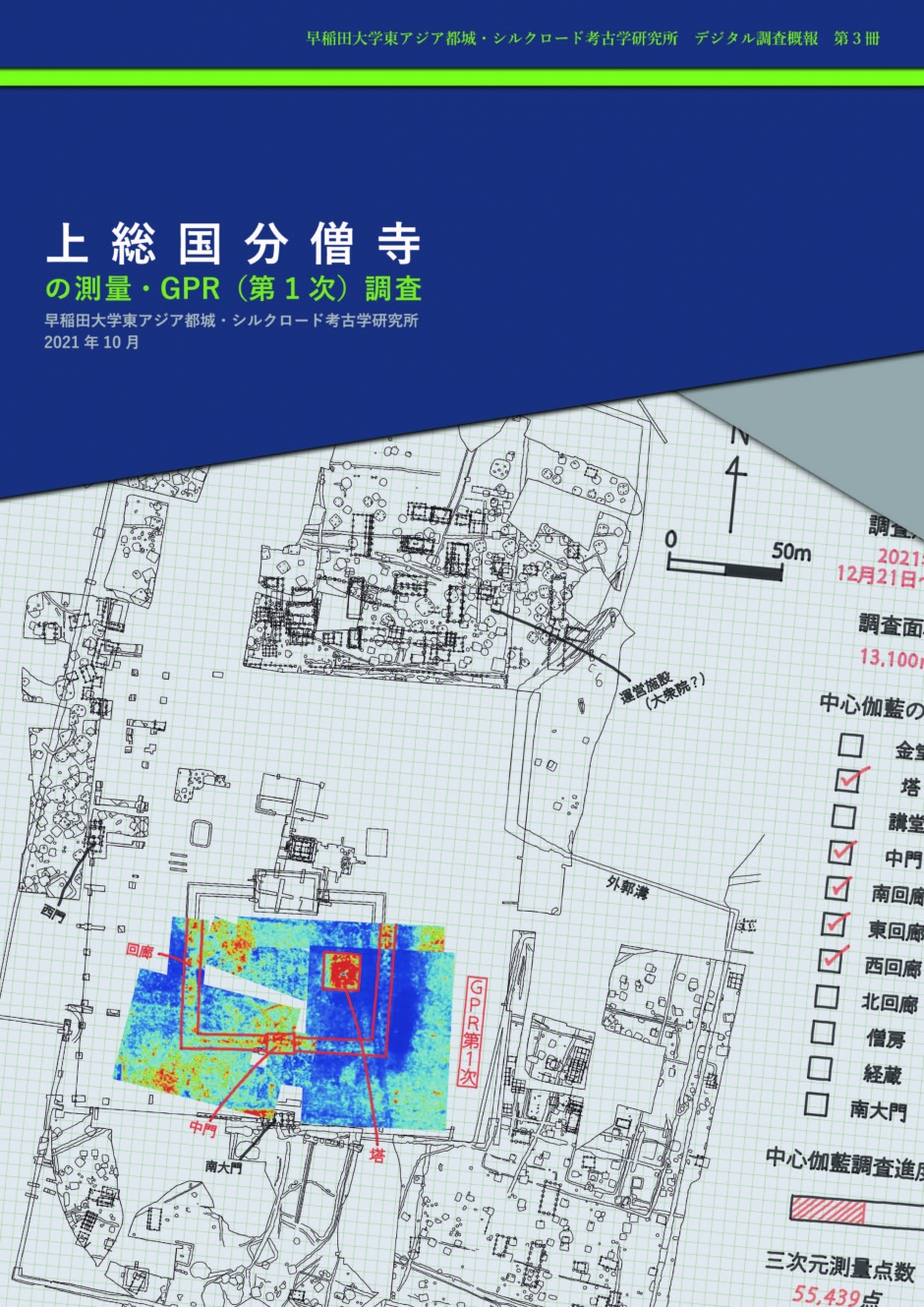
Using non-destructive methods such as 3D surveying and ground penetrating radar, we will survey
tombs and temples of Japan. Our goal is to establish a universal methodology for archaeology.
With the three themes above being established, the Institute will be consisted with one director,
one advisor, nine staff members, and 20 invited researchers, a total of 31 researchers to promote
archaeological research in Japan and abroad.