This research institute aims to conduct multifaceted research on issues related to cities and art. This is the third term for the institute under this name, but because it deals with the broad issue of cities, there are still many issues to address. Furthermore, the pace and scale of urban transformation are extremely rapid, meaning there are many issues that need to be reconsidered. We will fully utilize the methodologies gained through the various activities conducted in the previous two terms to consider issues that will lead to a new vision of the future city.
Now that the COVID-19 pandemic has subsided and things have calmed down, the situation of cities and the people living in them has changed significantly compared to before the pandemic, and new values are emerging. The problem of environmental degradation due to global warming, the fear of impending natural disasters, and economic instability caused by war, among other things, have had a considerable impact on urban life, changing the values of those who live there and forcing a transformation of the cities themselves. In major cities around the world, there is an increasing pursuit of livability and comfort, linked to environmental issues, such as reducing the number of lanes to promote greening and increasing the use of wooden structures instead of reinforced concrete. In this context, the role of art in cities, supporting people’s spiritual lives alongside physical ones, is expected
to become increasingly important.
Based on this situation, this research institute aims to continue its research under three themes, building upon its past activities.
The specific themes and details are as follows:
(1) “Urban Spatial Design and City Planning”
How should people’s living spaces be in cities? How can practical aspects of life, such as convenience, disaster prevention, scenery, and comfort, be related to aesthetic elements? We will consider the problems of city planning in cities from a multifaceted perspective, looking at the global context as well.
(2) “Representation and History of Cities”
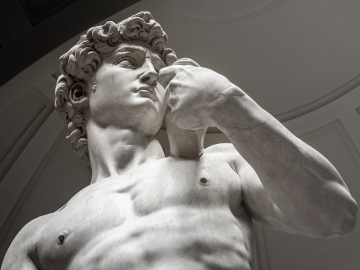
How have urban life and the lives of the people who live there been represented in works of art such as paintings and sculptures, as well as literary works? By examining these works, we will question what “urban life” is. In other words, we will explore the expression of the spirituality of people living in cities, including historical considerations.
(3) “Artworks and Museums in Cities”
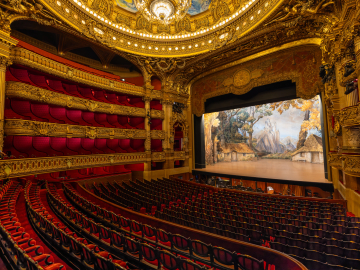
We will explore the existence and significance of art in urban spaces. What meaning does art play in urban settings, such as museums, galleries, and public art? Furthermore, what artistic value do design elements in architecture and civil engineering possess, and what impact do they have on people? This research explores the connection between cities and art.To conduct this research, the institute will maintain a multifaceted perspective by comprising researchers and advisors specializing in various fields, including art, literature, architecture, urban planning, and sociology. Furthermore, by inviting visiting researchers from both domestic and international sources in related fields, the institute aims to broaden its scope, improve quality, and widely disseminate and propose research activities and results outside the university.
Specific activities will be centered around the following two points:
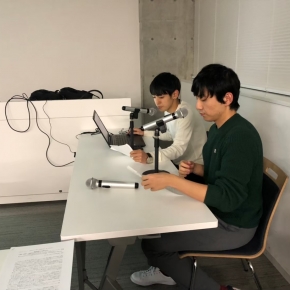
① Holding research meetings and symposiums
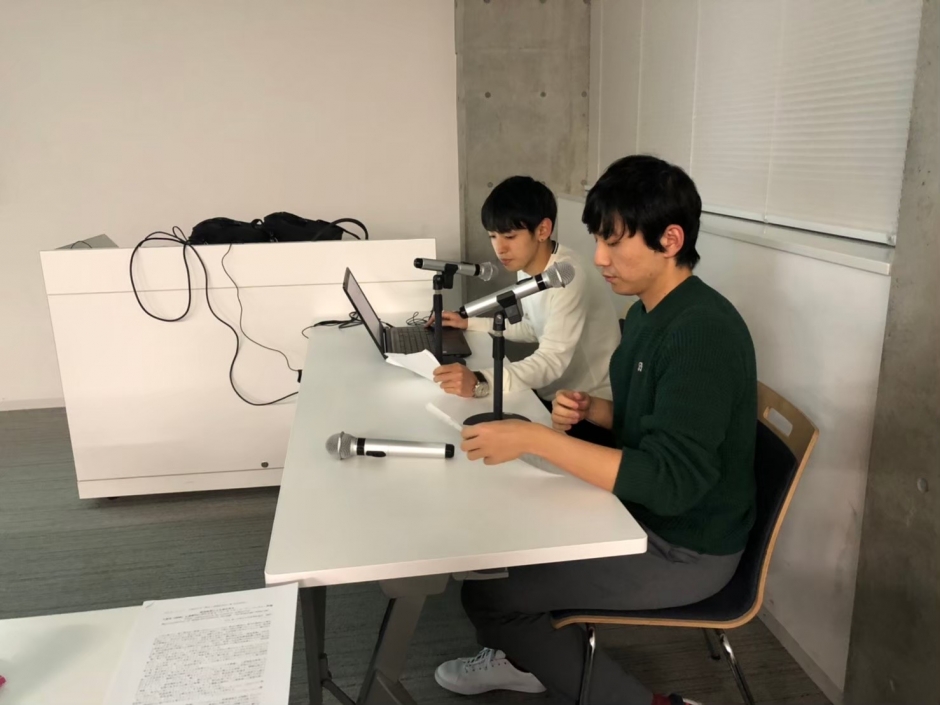
We will hold research meetings and symposiums, inviting institute members, visiting researchers, and other guest speakers, to provide opportunities for the exchange of research perspectives from diverse fields. These research meetings have proven to be highly effective for interaction and exchange of ideas among faculty, experts, and students from other fields, and we intend to continue providing many such opportunities. In particular, we will increase opportunities for study tours that include actual visits to art exhibitions, architectural facilities, and other sites.
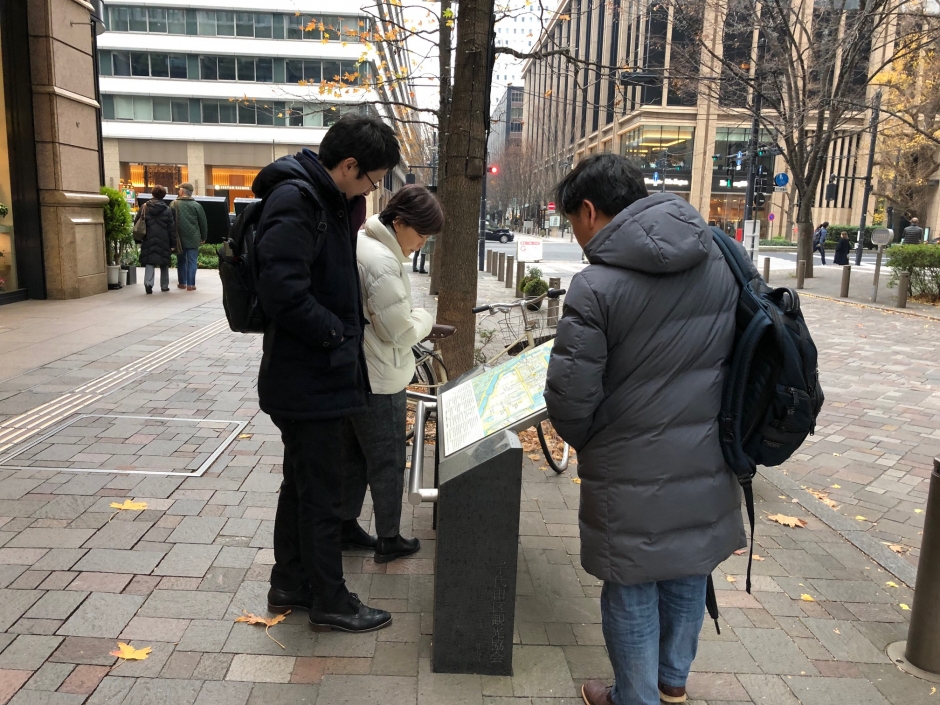
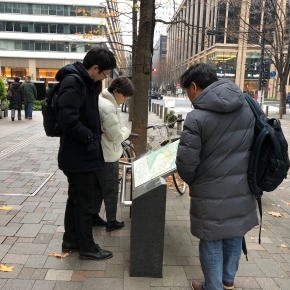
② Implementation of walking tour workshops
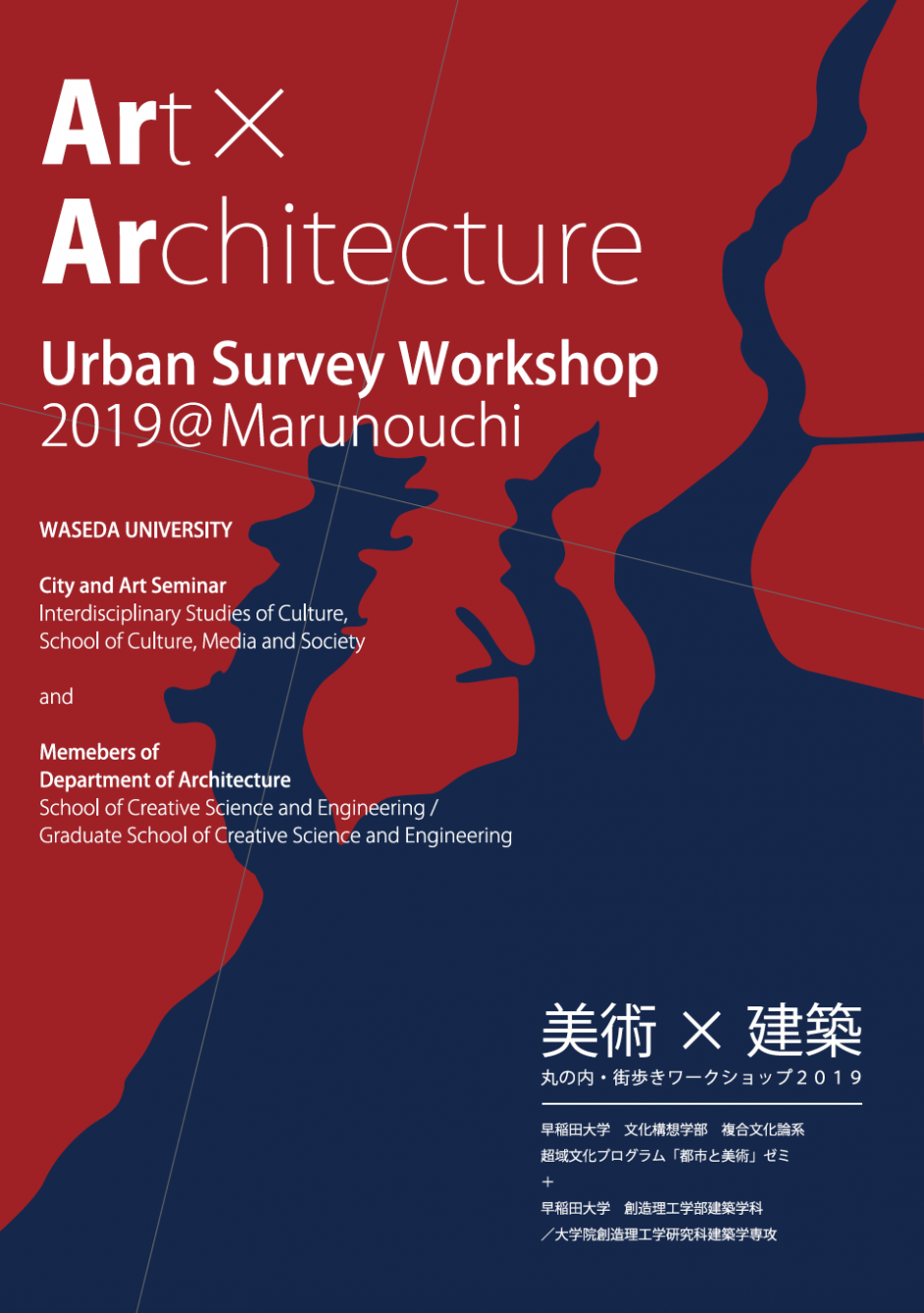
We will leverage and further develop the know-how gained from previous research. Past achievements include surveys in “Marunouchi,” “Tennozu,” “Nishi-Shinjuku,” and “Harajuku/Omotesando,” but in the future, we will increase and expand the target areas so that we can grasp the characteristics of each region while comparing and examining them, and ultimately understand the full picture of Tokyo. We also aim to make the research results widely available so that they can be used to make recommendations.
Specifically, research staff will take the lead in surveying the role of “art in urban space” in a specific area each year. The results will be compiled into books and published as a series.