Research Theme
This institute conducts interdisciplinary collaborative research on various issues such as life and death in contemporary society, bioethics, children's well-being, the meaning of life, and the dignity of life.
Research Director
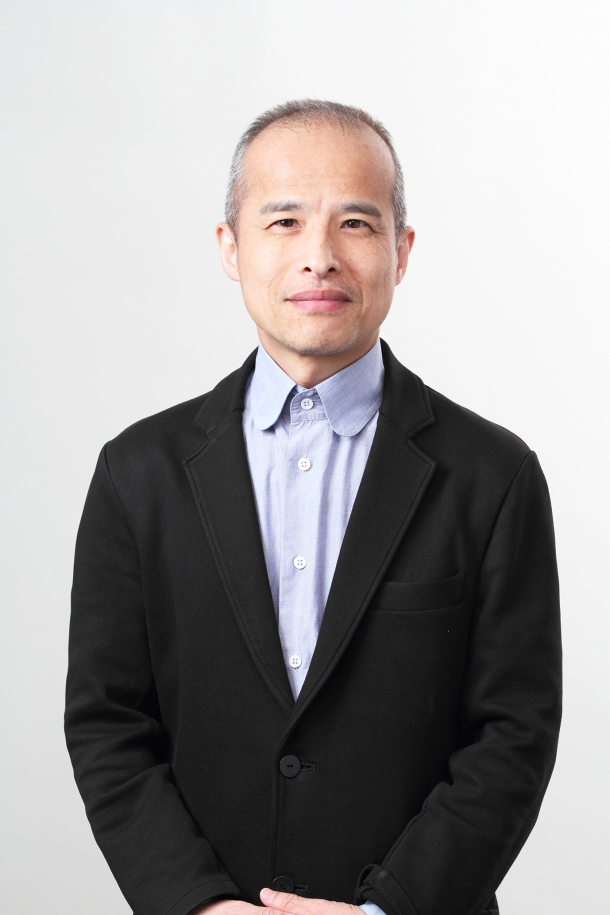
MORIOKA, Masahiro
Faculty of Human Sciences, School of Human Sciences
Project Members
- FUKUSHIMA, Isao Professor, School of Human Sciences, Faculty of Human Sciences
- ITO, Ryo Associate Professor, School of Humanities and Social Sciences, Faculty of Letters, Arts and Sciences
- MORI, Yuria Professor, School of Humanities and Social Sciences, Faculty of Letters, Arts and Sciences
- MORIOKA, Masahiro Professor, School of Human Sciences, Faculty of Human Sciences
- OGIHARA, Atsushi Professor, School of Human Sciences, Faculty of Human Sciences
- SASAZUKI, Momoko Professor, School of Human Sciences, Faculty of Human Sciences
- TSUJIUCHI, Takuya Professor, School of Human Sciences, Faculty of Human Sciences
- YOKONO, Megumu Associate Professor, School of Social Sciences, Faculty of Social Sciences
Research Keywords
Study of death; pediatrics; the best interests of the child; dignity; medical ethics
Research Summary
This institute advances research in two main areas. The first focuses empirical research on life and death in contemporary society and medicine. The second focuses on theoretical studies concerning the meaning of life and death and philosophical inquiry more broadly. By integrating these two strands of research, the institute aims to establish an international hub for interdisciplinary studies on life and death.
[Contemporary Society and Medicine]
(1) Research on human life and death in contemporary society
The institute conducts theoretical and empirical research, including interviewbased studies, on the psychological, physical, cultural, social, and medicalanthropological dimensions of people confronting death in diverse social settings.
(2) Research on the best interests of children and decision-making in pediatric medicine
The institute undertakes both empirical and theoretical studies on the psychological and physical care of vulnerable children and their families, as well as on the concept of the child’s best interests. It also conducts bioethical and legal research on decision-making in pediatric healthcare.
(3) Interdisciplinary research on the discourses, representations, and legal frameworks surrounding medical interventions in human life and death
The institute carries out interdisciplinary research on technologies, discourses, images, and legal systems that shape medical intervention in life and death, including topics such as eugenics, human genetic modification, and the Holocaust.
[Philosophy of Life and Death]
(4) Research on the philosophy of the meaning of life
The institute explores philosophical discussions about the meaning of life and human existence from logical, ethical, metaphysical, and philosophy-of-religion perspectives. Its work integrates approaches from analytic philosophy, continental philosophy, phenomenology, and Asian philosophy.
(5) Building a platform for philosophical research
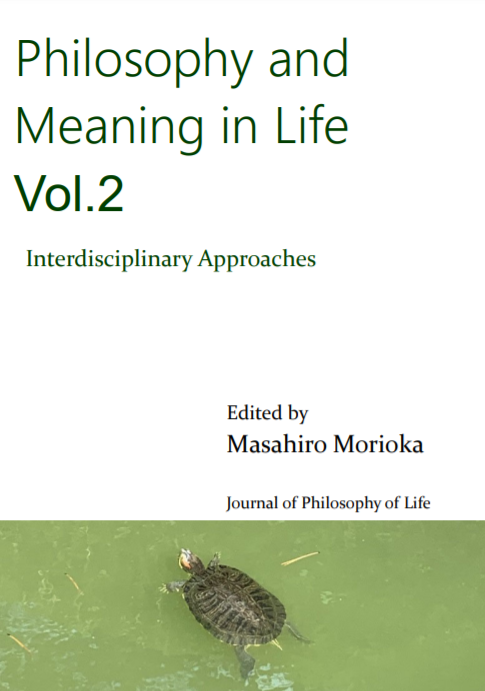
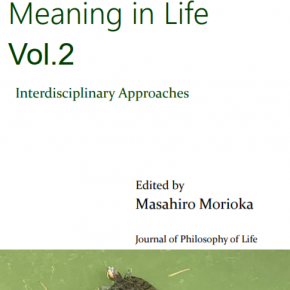
The institute supports philosophical scholarship by editing and publishing academic journals (Journal of Philosophy of Life and 現代生命哲学研究) and organizing philosophy research groups based at Waseda University. It also seeks to create a venue for international philosophical exchange at Waseda University.
(6) Bioethical research on life science technologies
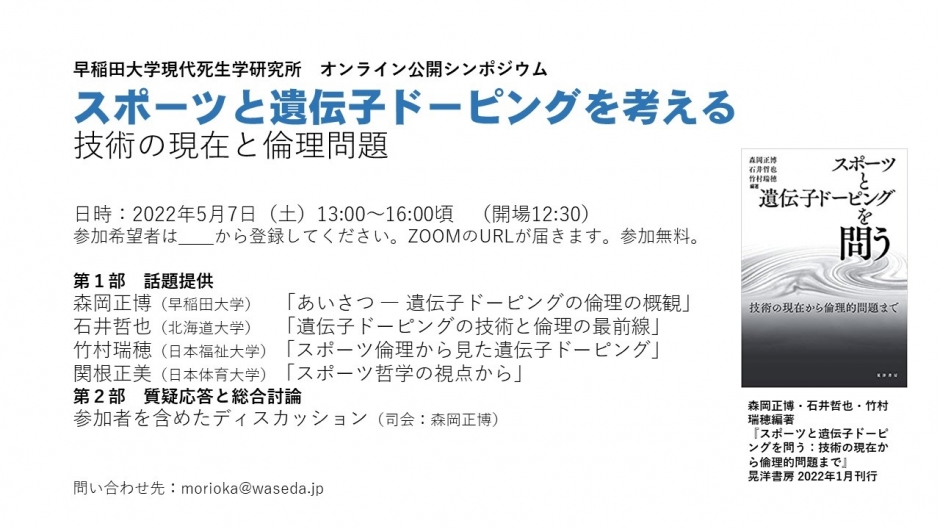
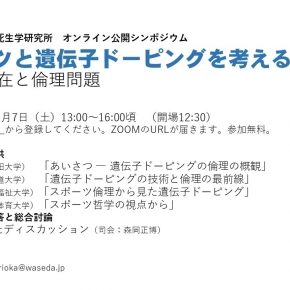
Research is conducted on the ethical implications of applying life science technologies to the human body, including genetic enhancement, sports doping, and life extension.
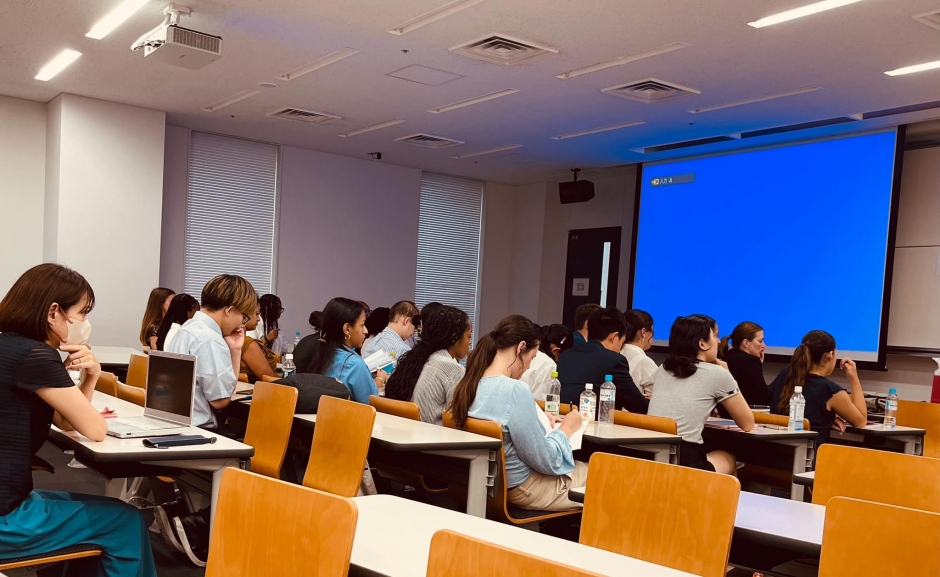
The outcomes of these research activities will be published periodically in collected volumes. The institute also aims to share its findings with society through symposiums, international conferences, and public lectures, and plans to collaborate with mass media.