
- News
- The 103rd WIAPS Seminar (Feb. 9th)
The 103rd WIAPS Seminar (Feb. 9th)
Dates
Add to calendar0209
MON 2026- Place
- ZOOM Webinar
- Time
- 12:25-13:00
- Posted
- Thu, 29 Jan 2026
Date & Time
Feb. 9, 2026 (Monday) 12:25-13:00
Venue
ZOOM Webinar
Intended Audience
WIAPS Full-time Faculty/Research Associates, WIAPS Exchange Researchers/Visiting Scholars/Visiting Researchers, GSAPS MA/Ph.D. Students
Presentation
Presenter
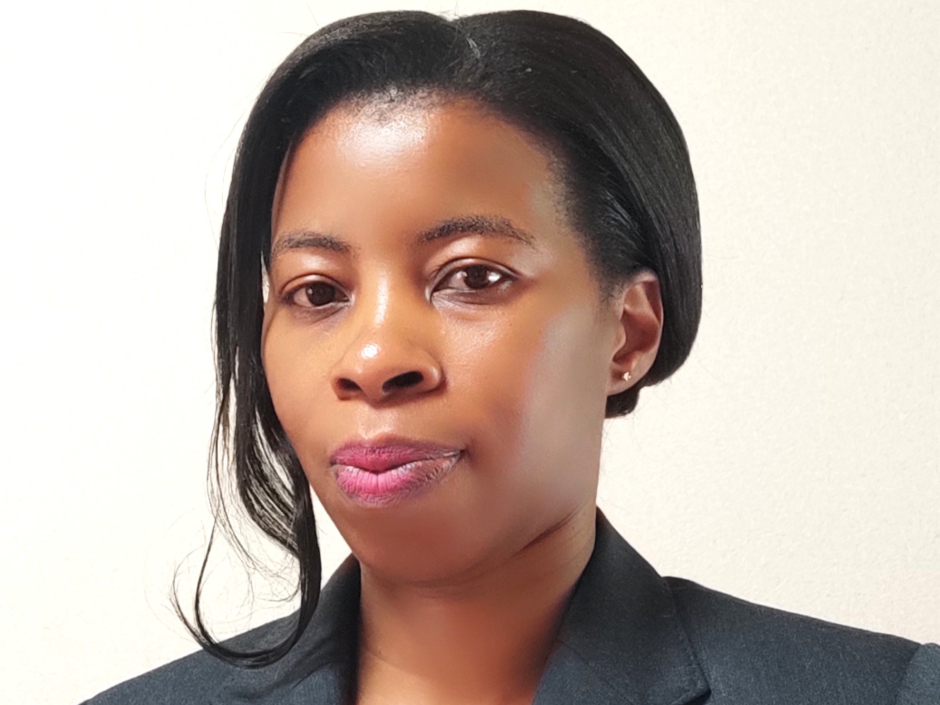
NGULUBE, Nombulelo Kitsepile (Assistant Professor [non-tenure-track], WIAPS)
Presentation Theme
From Frequent Shocks to Future Catastrophe: Public Risk Perception of the Nankai Trough Earthquake
(Conducted in English)
Abstract
Japan’s contemporary risk environment is marked by recurrent seismic activity and enduring expectations of a catastrophic Nankai Trough megathrust earthquake. Although Japan possesses advanced disaster risk reduction systems and extensive scientific knowledge of seismic hazards, individual-level preparedness remains uneven and unstable. This paradox highlights the central role of how individuals perceive and interpret risk. Risk perception refers to individuals’ subjective assessments of the likelihood, severity, and personal relevance of a hazard and is widely recognized as a key driver of preparedness behaviour. Yet, despite its theoretical importance, individual risk perception has been insufficiently examined in relation to recurrent earthquake exposure.
Existing research has largely focused on major disaster events or aggregate-level analyses, overlooking how frequent earthquakes shape individuals’ perceptions of vulnerability, urgency, and agency in everyday contexts. This study addresses this gap by conceptualizing earthquake risk perception as an individual-level psychological process and by proposing a theory-driven framework to examine how recent seismic activity influences preparedness for the anticipated Nankai Trough earthquake. Drawing on Protection Motivation Theory and the Social Amplification of Risk Framework. By foregrounding how individuals perceive and respond to earthquake risk, this research advances understanding of preparedness dynamics in high-hazard societies and offers timely insights for designing disaster risk reduction strategies that align with how people actually experience risk.
- Tags
- Events WIAPS Seminar WIAPS-EN