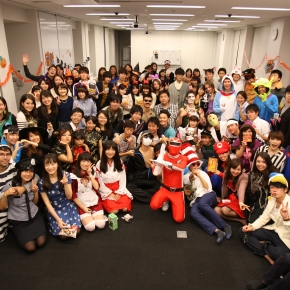
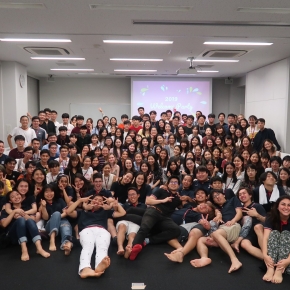
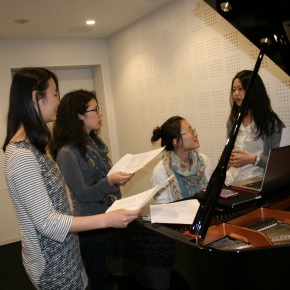
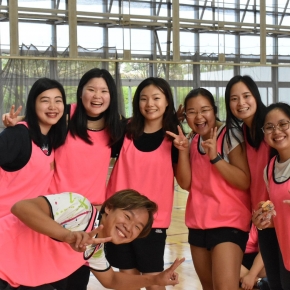
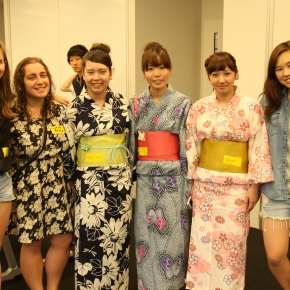
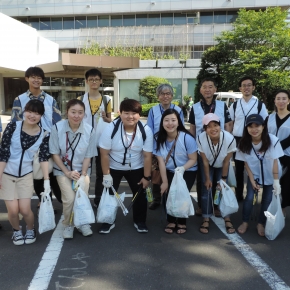
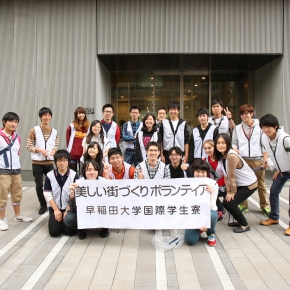
(2017年1月公開 RA制作寮生紹介ビデオ)
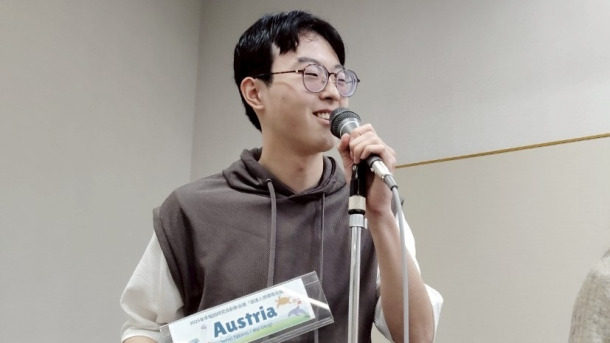
I organized an SI program entitled “Let’s Try Model United Nations!” In collaboration with the Model United Nations Waseda Study Association, an officially recognized club of Waseda University, we recreated within the dormitory the kind of negotiations that take place at the United Nations—an institution that can often feel distant from everyday life.
I was motivated to host this program because, through my life at WISH, I realized that many residents have a strong interest in international issues, and I felt there was a natural affinity between their interests and Model United Nations. On the day of the event, not only students interested in international relations but also those eager to develop their negotiation skills through diplomatic simulations participated. Although some first-year students seemed nervous at first, once they began acting as ambassadors representing their assigned countries, the discussions quickly became lively and intense. A strong sense of unity emerged—so much so that it was hard to believe many of them had just met for the first time.
By providing hands-on experience, we were able to break down the perception that Model UN is “too difficult” and instead create an enjoyable yet academically stimulating space for exchange.
As the organizer, I felt a great sense of accomplishment in sparking intellectual curiosity and fostering peer connections among dorm residents.
(School of Political Science and Economics S.T.)
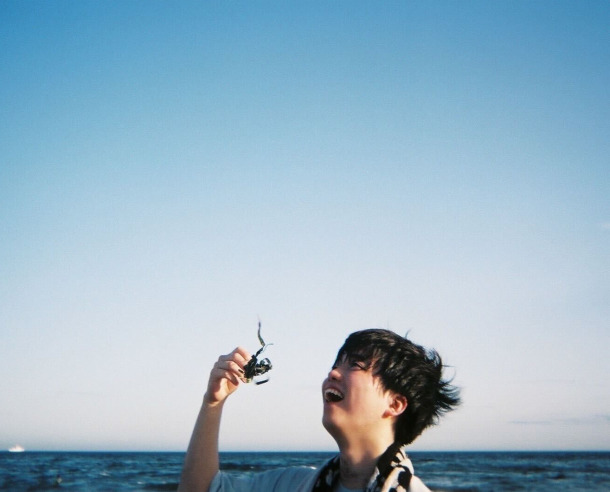
I believe the greatest strength of SI programs is that they offer opportunities that can enrich your university life and shape your future. Up until high school, we are placed in environments where we work toward relatively predetermined goals. In contrast, at university, we must first discover those goals for ourselves. Within the freedom of what is often called the “summer vacation of life,” taking the time to explore and plan for your future is incredibly important.
SI programs are rich in such insights and sources of inspiration, as they offer a wide variety of opportunities from career seminars led by Waseda alumni to Global Communication programs. In my own case, a program I joined simply because its title caught my interest ultimately became a turning point in shaping my current career path.
Not every program will necessarily have a life-changing impact. However, there is immense value in placing yourself in an environment overflowing with opportunities and possibilities. I strongly encourage you to take full advantage of the SI programs at WISH to make the most of your university years and your future endeavors.
(Alumnus now working in industry Y.T.)
When I entered university, I didn’t have anything in particular I wanted to pursue, but SI programs became a major turning point that expanded my sense of what was possible.
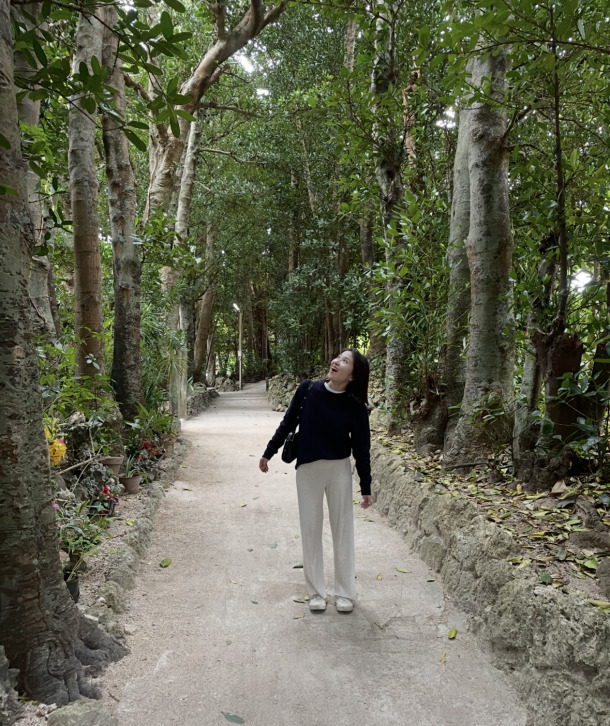
Through a connection I made with one of the SI instructors, I became involved in organizing a business contest in Fiji. Encouraged by the instructor’s words—“If you’re going to do something, you might as well choose what excites you the most”—I also assisted in hosting an event called “Intellectual Bodybuilding,” featuring muscular men wearing glasses, in Sabae City, Japan’s hub for eyewear manufacturing. These were opportunities I never would have imagined encountering in my ordinary university life.
SI programs also gave me early exposure to thinking about my future career. From my first year in university, I had the opportunity to listen to professionals working at the forefront of companies like Bloomberg and Google, which helped me become more conscious of my future path at an early stage.
SI programs are full of opportunities that uncover unexpected interests and offer insights into broadening one’s expertise. How you make use of the opportunities provided—and how you connect them to your future—is entirely up to you. First, step into the world of SI and take the first step driven by your curiosity. Expanding your world during your first and second years of university will surely serve as a solid foundation for making the most of your third and fourth years—and of your life beyond university.
(School of International Liberal Studies K.Y.)
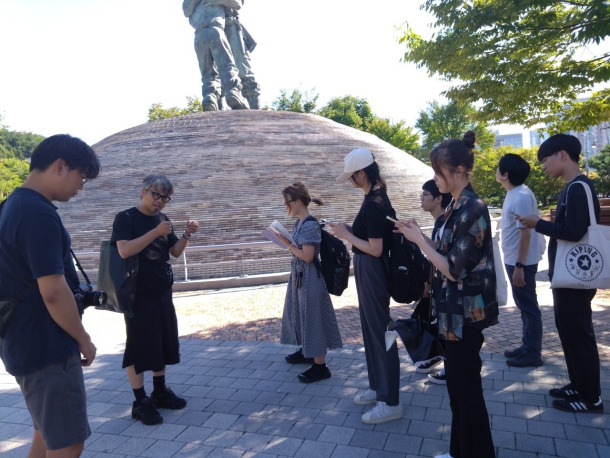
During the summer of my first year at university, I participated in an on-site training SI program in South Korea that profoundly reshaped my values and marked the beginning of my current study abroad experience in the United States. Having been born and raised in Kumamoto with limited exposure to foreign cultures, this program was far more than a trip overseas—it was my first opportunity to view Japan from an outside perspective.
Visiting Seodaemun Prison and the DMZ (Demilitarized Zone) was particularly impactful . There, I experienced firsthand the differences in historical perceptions between Japan and South Korea, as well as the ongoing reality of division—insights that could never be fully understood through textbooks alone. The experience taught me the importance of going beyond the classroom and engaging directly with sources and individuals on-site, using all five senses to fully grasp reality.
Now, as a Japanese literature major, I am studying abroad at the University of California—known for its renowned programs in Asian Studies—driven by a desire to further explore Japan and East Asia’s international relations from multiple perspectives. Grounded in the mindset I cultivated through my time at WISH and my study abroad experiences, I aspire to become a bridge between people of different backgrounds and to promote mutual understanding across the international community in the future.
(School of Education Y.M.)
 Social Intelligence (SI) Program is an eye-opening opportunity for us to learn about things we would not come across in our daily life. It contains a vast variety of topics such as global issues, world economy, and speeches by companies. These opportunities encourage us to deepen our understanding of the overall job hunting process.
What I have benefited from the SI program is a broadened view of the diverse views amongst people from different backgrounds. I was able to discuss various topics with people that I have never encountered before, regardless that we live in the same dorm. Wherefore, not only do we deepen our knowledge on issues about society, but we can also expand our personal network by interacting with a collection of individuals. There will be times when we face difficulties such as coming across the language barrier as there are people from all over the world. The solution to this issue is viewing this as a chance for us to enhance our communication skills. Studying is a must for every student. Therefore, I believe that through applying these skills we have obtained in the SI program, it helps us to refine our abilities on both academic and social aspects.
SI program also prepares us with the right attitude and mindset as we work on acting independently while we train our logical thinking skills. Through the SI program, we get to deepen our knowledge and exchange ideas and thoughts from different cultures. Therefore, it is significant for the residents of WISH to apply these experiences to make our future even brighter.
(L.C.)
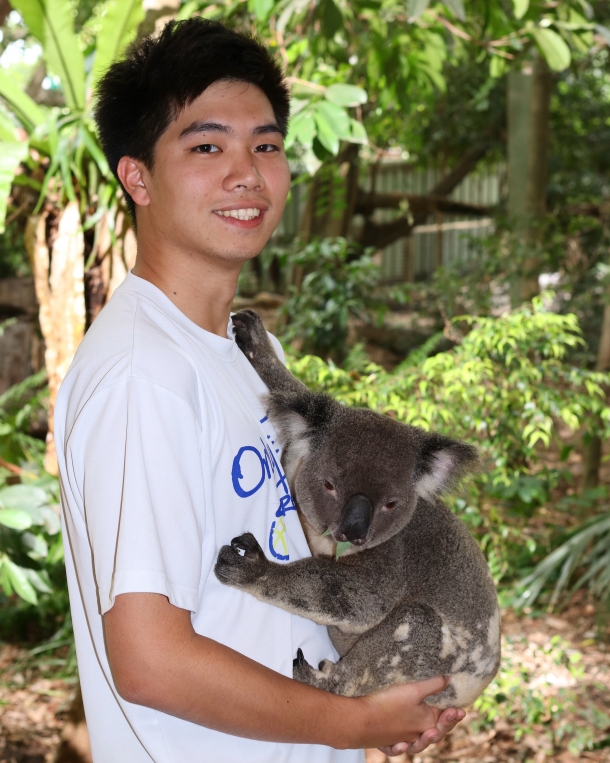
Li Yue, student at School of Political Science & Economics (English-based degree program)
Born in Nagoya but of Chinese descent, Li Yue lived in Japan until he was six because of his father’s work. While he did return to Beijing afterwards, Li Yue came back to Japan again during junior high school, this time in Tokyo. Three years later before entering high school, he had to move to Shanghai, once again due to his father’s work.
Although he is not Japanese by nationality and descent, Li Yue had thought that he was Japanese when he was young because he not only spoke the language but also knew no country other than Japan.
“It was not until I was older that I realized I was Chinese when I first saw my passport and other legal documents. As such, I’d experienced an identity struggle in a very different way compared to people who are born into a bi or multicultural family.”
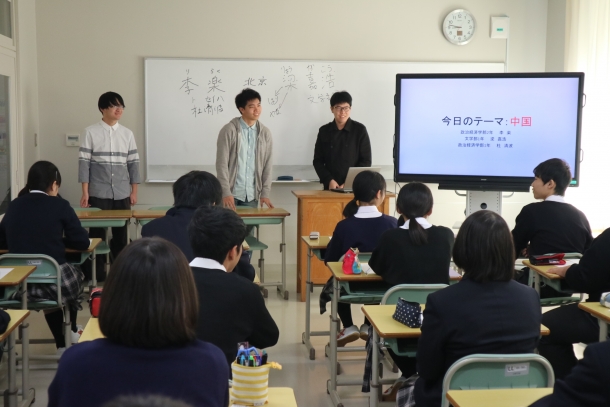
Li Yue (middle) giving a cultural presentation about China in Japanese at a local junior high school
While Li Yue did eventually come to terms with his identity as a Chinese, being in a diverse and international environment became important to him. That was one of the reasons why he decided to study at Waseda among all offers he received from other prestigious Japanese universities. Accordingly to Li Yue, Waseda does not only host the most number of international students among all Japanese universities, but also provides the most robust and comprehensive English-based degree programs. He specifically chose to study at the School of Political Science and Economics because he was interested in understanding how economies work.
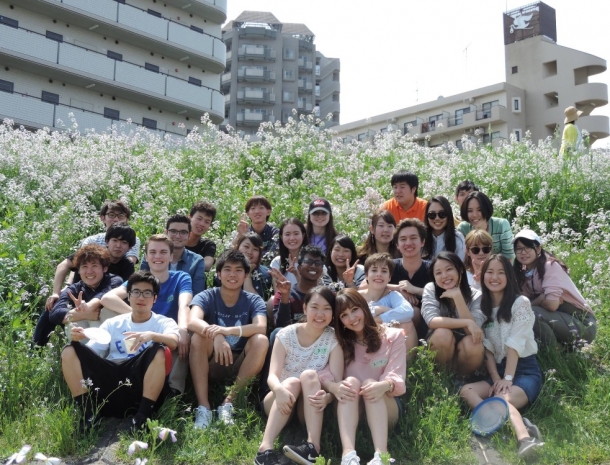
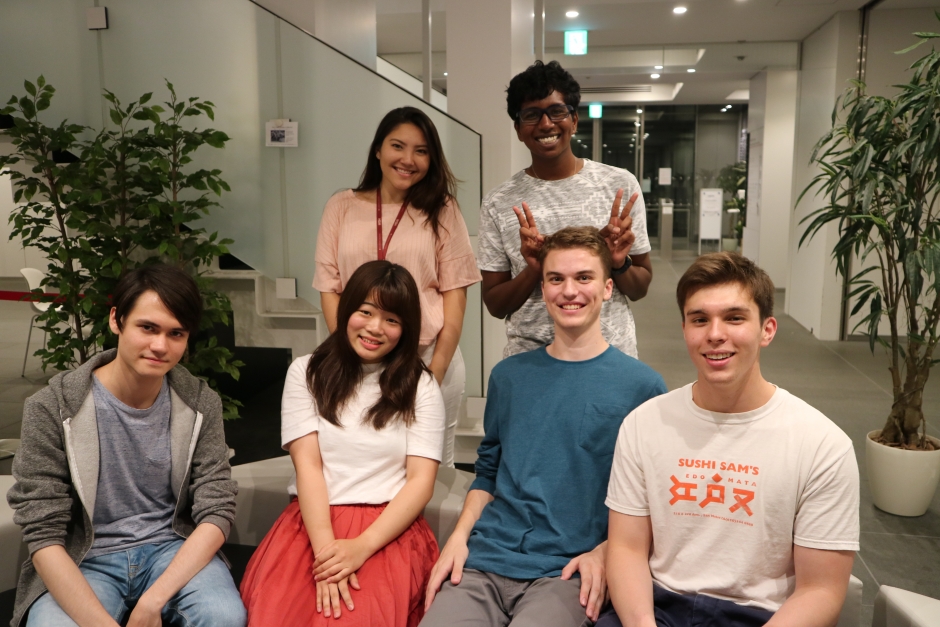
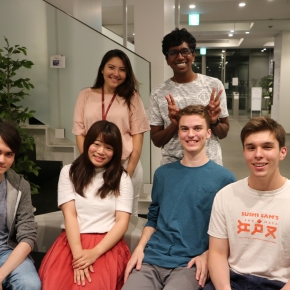
Li Yue (front-most male student in blue T-shirt) and friends he made at Waseda
“Besides being a highly internationalized Japanese university, the other best part about studying at Waseda lies in the university’s location. Waseda is located in the Shinjuku district, in the very heart of Tokyo. There are many internship opportunities that students can find to grow and improve themselves in Tokyo because this is where most headquarters of companies are located. If you are thinking of working in Japan after completing your studies, you want to bear in mind that most job interviews are conducted at the headquarters here in Tokyo. Not to forget that being constantly ranked as one of the best private Japanese universities, if not the best, the Waseda brand gives you tremendous advantage over its counterparts.”
Apart from internships and job opportunities, Li Yue also notes that studying in Tokyo simply adds colors to student life. It is arguably the most happening city in Japan with countless events taking place all year round. Additionally, it is also easy to travel out of the metropolis to other parts of Japan or overseas thanks to its highly sophisticated transportation infrastructure.
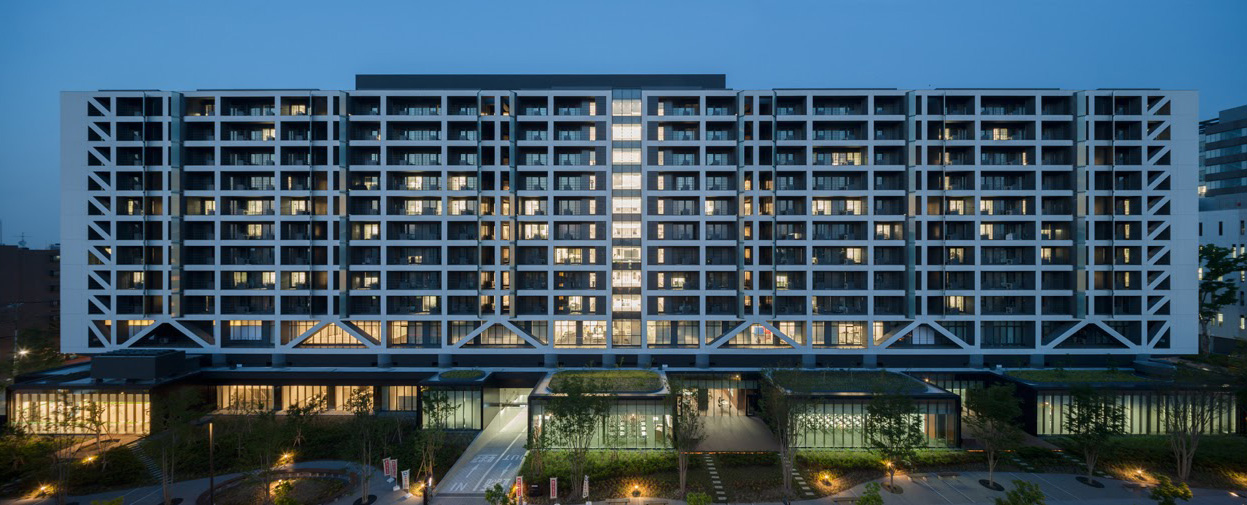
Photo of the exterior of Waseda International Student House (WISH) at dusk
Li Yue lives in the Waseda International Student House (WISH), first as a resident during his first two years of studies but now as a resident assistant (RA).
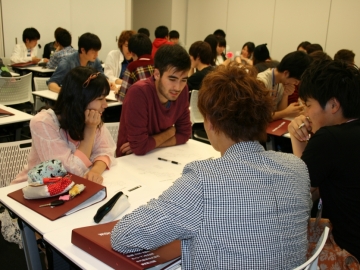
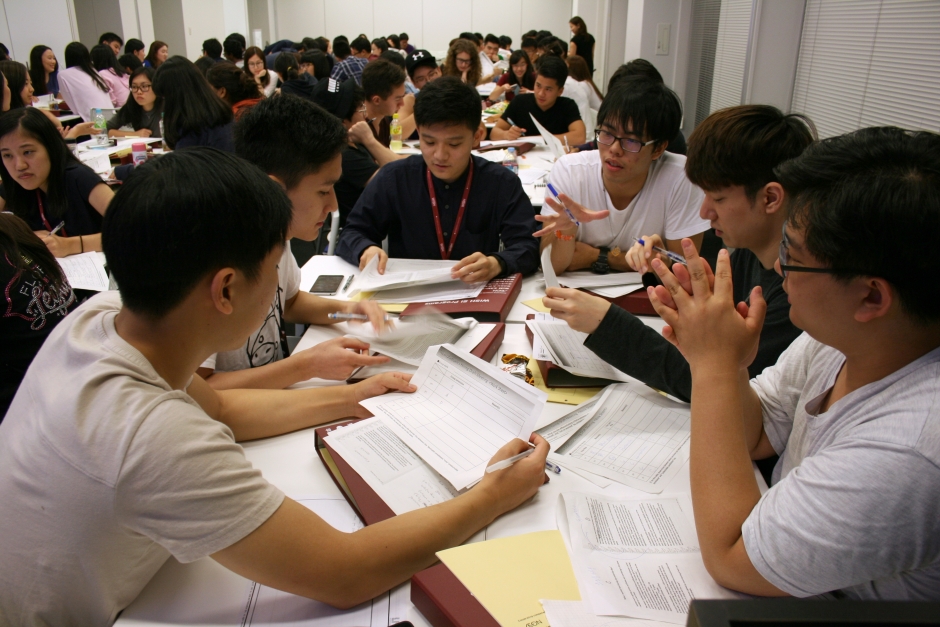
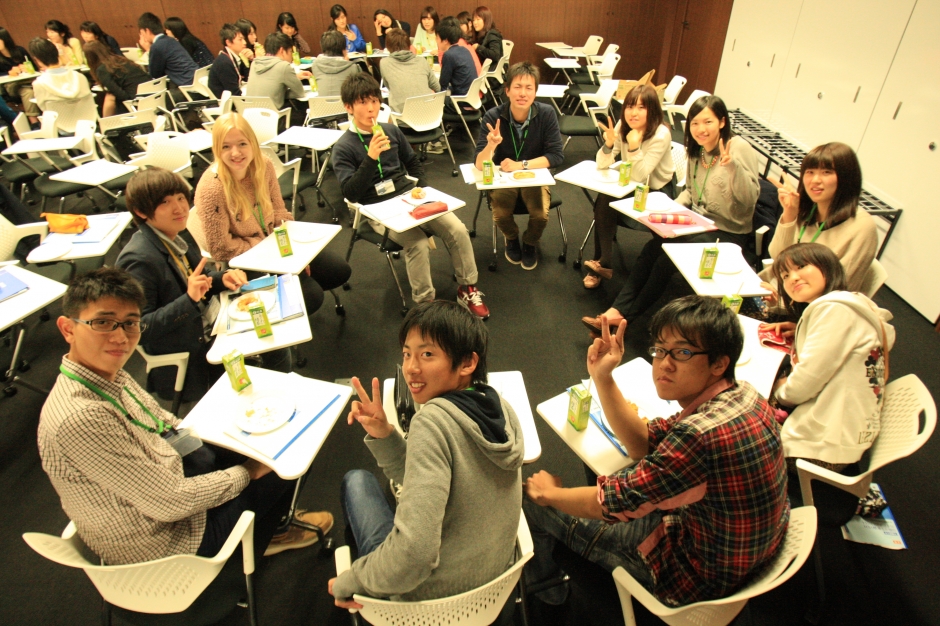
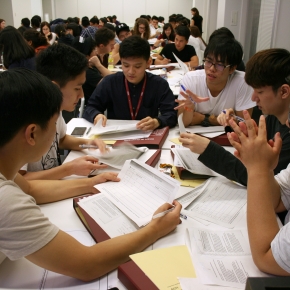
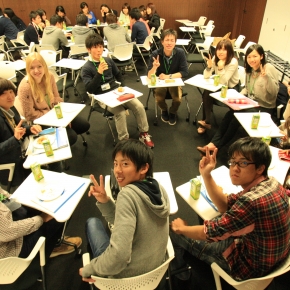
Students engaging in group discussion during SI program at WISH
Launched in March 2014, WISH is an international student dormitory with a total room capacity of 872, where domestic and international students of diverse backgrounds live and interact with one another under one roof. Moreover, the Social Intelligence (SI) program compulsory to all WISH residents intended at cultivating leadership, as well as communication and creative problem-solving skills, are also held at WISH throughout weekdays during term time. Through active participation in the SI program and by living together with students from all over the world, WISH residents can not only further develop their soft skills, but also attain a deep cross-cultural understanding, both necessary to become successful global leaders.
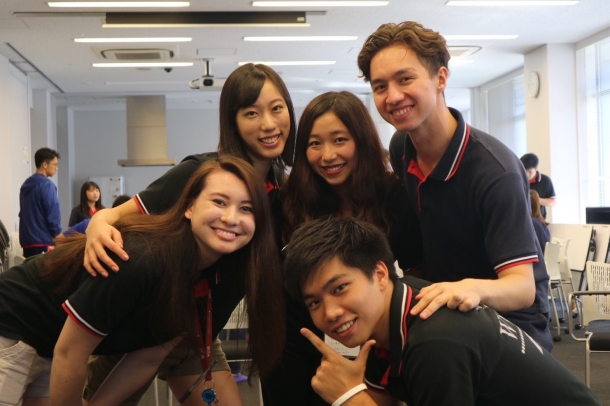
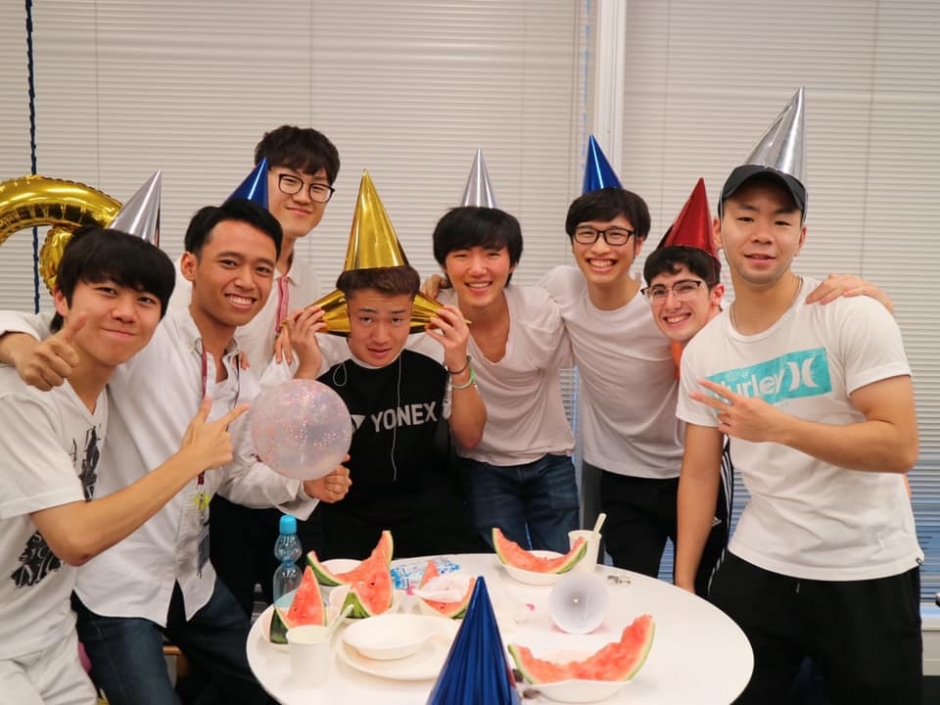
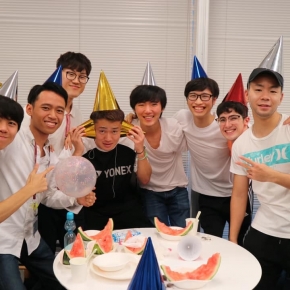
Li Yue (front-right) and four other RAs
“After becoming an RA at WISH, I realized that domestic students and international students need very different kind of support from us and the university. Waseda takes in many Japanese students from outside Tokyo and one of our jobs is to help these domestic students get used to the city life. On the other hand, we not only need to help international students get use to city life in Tokyo, but also assist them in adapting better into a country that is culturally different from their own. Not to mention that many international students, especially those enrolled in the English-based degree programs, would experience language barrier when they first arrive in Japan. ”
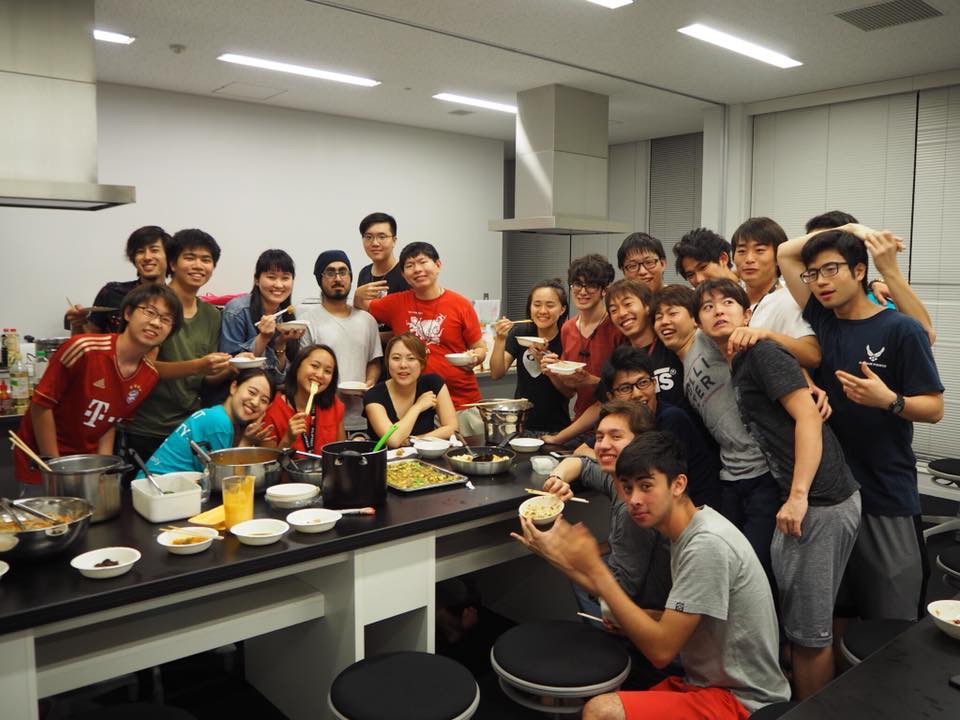
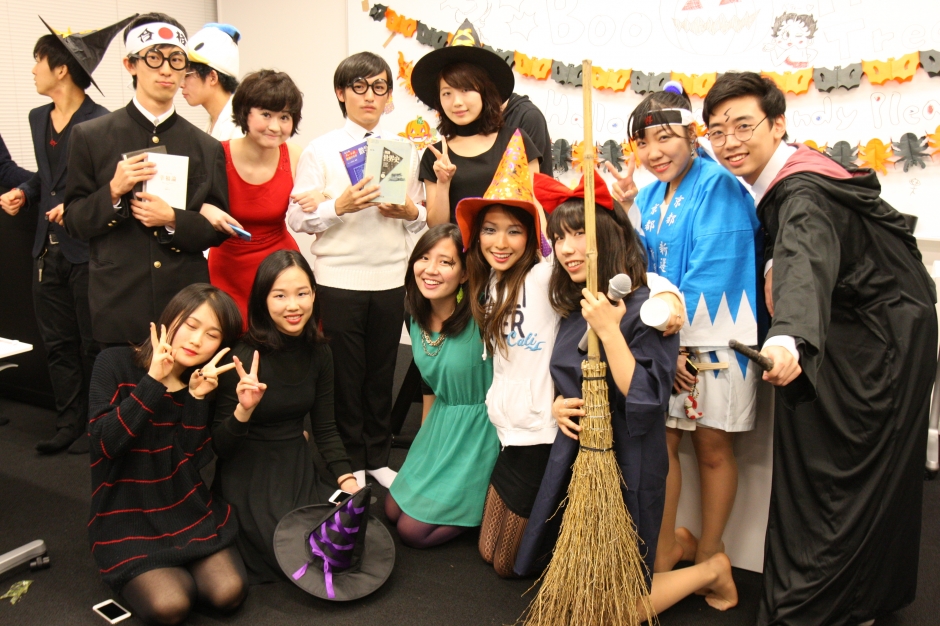
Cooking event organized by RAs for residents at WISH
While the RAs at WISH would always try to make themselves available for consultation and assistance, not all international students would approach them when they need help. As such, Li Yue thinks it is important that he and other RAs stay proactive in communicating with the residents. To build trust with the residents at WISH, the RAs would often organize events to create opportunities for RAs, domestic and international students alike to interact with one another. It could be a sports game event, cultural sharing session through a cooking class or even a language exchange.
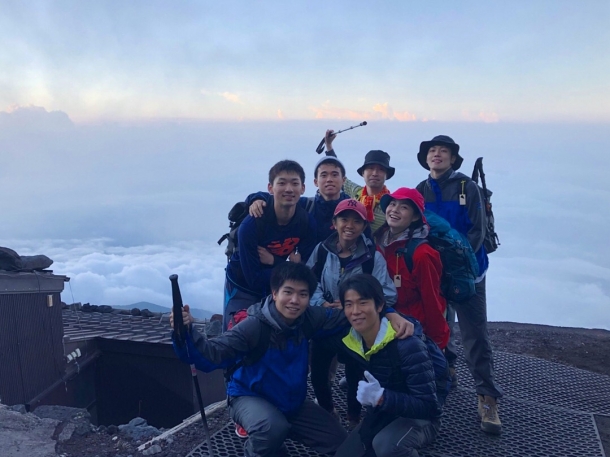
Li Yue (front left) and other WISH residents on Mt. Fuji
“Through participation in events organized by us, I hope residents would not only change their worldview by learning about various cultures and languages, but also treat these experiences as opportunities to reflect upon their very own culture and identity, something that I myself struggled with in the past.”
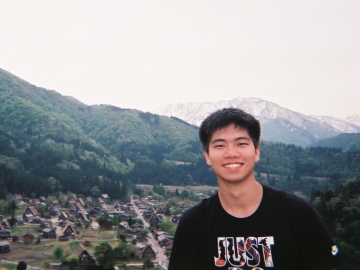
“I think comparing to other Japanese universities, Waseda as a whole is putting in a lot of effort into internationalizing itself and making a name for itself on the global stage. I definitely hope that it would become a university highly recognized by the international community in research and education. But from an international student’s perspective, I would also like to see more student support available in English for international students because some services are only available in Japanese. I could understand that because Waseda is still primarily a Japanese university, most administrative staff are Japanese. However, I do hope to see even more diversity on campuses in future by having more international staff who could provide alternative views and more thoughts to the huge international student body. If Waseda could achieve that, it would certainly achieve true internationalization.”
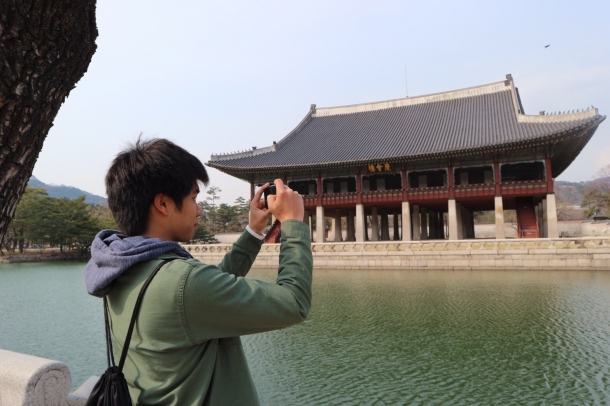
Solo trip to South Korea
“My first advice to students is to travel as much as you can. It can be a domestic travel and you don’t necessarily have to travel out of Japan if you cannot afford to. There are many things that you cannot see on news, from books or the Wikipedia. Sometimes, it is only through travelling that you can truly understand a place, culture, society or how things really are.”
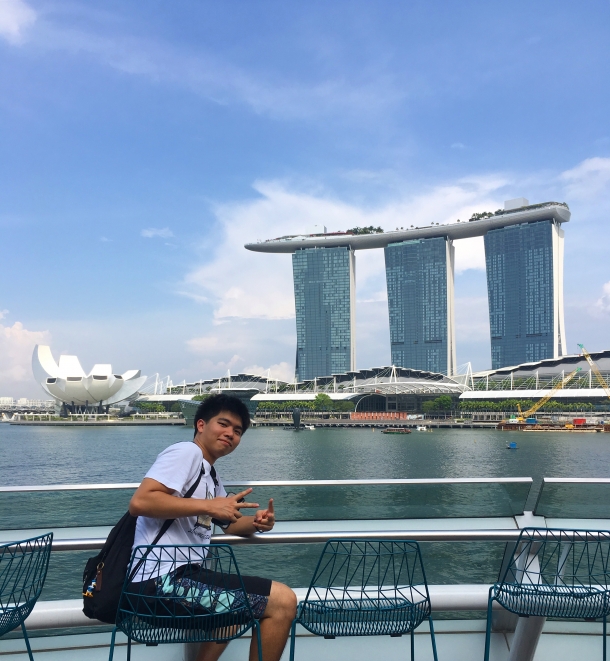
Photo taken opposite Marina Bay Sands, Singapore
To supplement his advice to students, Li Yue gave an example of his trip to Singapore to visit a friend. Situated in Southeast Asia, he had thought Singapore was a very “Asian” country. He was not wrong because geographically, the country is located in Asia and demographically, the Singaporean population is mainly made up of Chinese, Malays and Indians. But when he was there, he recalls seeing many foreigners from western countries working in the Singapore. In addition, many people there speak multiple languages and it is not at all rare to see, for example, a person who looks Indian by appearance speaking Mandarin. He stresses that such experiences are very much unimaginable without personally visiting the country.
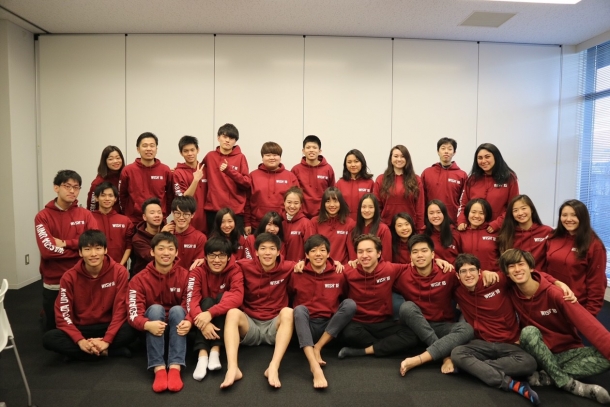
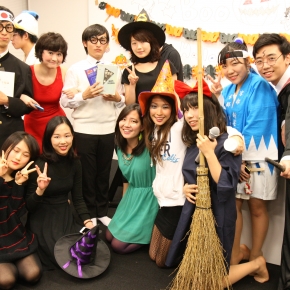
Full member of RAs at WISH
“My second advice to students is to “act first and think later.” Many times when we give too much thought to something, we end up not taking any actions. And as a result, opportunities simply slip away. I think the best part about us being students is that we are allowed to fail, unlike adults. Instead of worrying too much about failing or being obsessed with the outcome, why not take it as a challenge to learn and outgrow yourself? By taking the first step to try, you may end up meeting new people who would change the way you see the world. You may also end up opening doors to new opportunities that would have a great impact later in your life you would not have imagined. In any case, nothing would change if you do not act.”
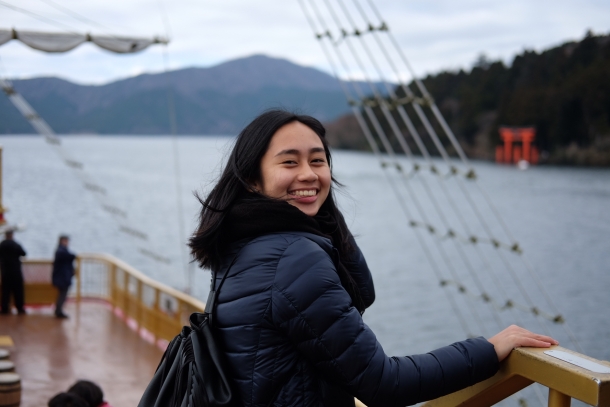
Waseda University is dedicated to maximizing the academic and social experiences for students from all corners of Japan and around the world, encouraging them to become global leaders who meet the needs of society today. The Waseda International Student House (WISH) serves as its newest base for providing such a dynamic environment, where students learn to be compassionate and understanding of others as they live and learn together under the same roof. Francis Therese Calalang, a Waseda student in the EDESSA Program*, speaks about what living at WISH has been like.
*EDESSA is one of Waseda’s many programs which allows Japanese and international students to study together and obtain a Bachelor’s degree entirely in English. Read more about EDESSA here.
Aspiring to work in marketing or public relations, Francis Therese Calalang is a friendly and highly motivated student who demonstrates Waseda’s pioneering spirit. She is part of the 2017 TEDxWasedaU Organizing Team, which she decided to join after having been a TED speaker in 2016, and has also recently joined Waseda’s boxing club. Outside of Waseda, she currently works with Slush Tokyo, one of the largest start-up and technology event organizers in Japan originating from Finland, for their 2017 event. In her spare time, she enjoys traveling and hiking. She says one of her most memorable trips in Japan was to Mount Fuji, which can be spotted from the kitchen at WISH.
Calalang, who is originally from the Philippines with experience living in multiple Asian cities, has lived in Japan for 5 years and attended a Japanese elementary school. She remembers hearing about the University even back then. “When I was searching for Japanese universities that offered courses in English, Waseda was one of the few universities that came up. It also has the largest number of international students in Japan, and growing up with an international background, this was really important. Another reason why I decided to attend Waseda is because of its location in Tokyo. I thought there would be more opportunities in the city for future internships and traveling.”
 She puts her experience living at WISH this way: “Living here is quite interesting because it has more of a Japanese-living style than I expected. As a student coming from overseas, WISH has made the transition to university easier and getting guidance for local government procedures definitely helped. Initially, I thought living in a big city would be slightly stressful, but I actually don’t feel that way because the area where WISH is located is very family-friendly and peaceful.”
Calalang also points out its convenience and proximity to a lot of amenities. “For us who live in WISH, we get a wide range of eateries to choose from, two grocery stores, and the convenience of 100-yen and discount stores in the neighborhood which sell everything you need. The Nakano Central Park nearby is one of my favorite things since they usually have an event going on every week. When the weather is nice, my friends and I like to get takeout from one of the restaurants and have a picnic there.”
Aside from its convenience and safety, students learn to become self-reliant and creative problem solvers at WISH. “I learned how to cook and how to save space here. I actually didn’t cook a lot before I came to WISH. I sometimes had to call home to ask how to make certain dishes, but other than that, it was mainly trial and error with help from the internet. Also, since we have limited space, you learn how to work with what you have to fit everything you own and purchase. The two things that worked for me were those 100 yen vacuum compression bags and this tension bar that I hung by the window for laundry.”
Ultimately, however, the best parts of living at WISH are experiencing firsthand and fostering friendships with Waseda’s diverse community. Such experiences become an excellent opportunity for learning as well as personal growth. “I have been lucky to have great Japanese suitemates who are laidback and open to talk without any formalities. The majority of my close friends are international students who also live here. Living together with them is nice because we get to see each other almost every day. They turn my living room into a study space when exam season rolls in, and after all the hard work, finding them asleep on my living room floor in the morning is sometimes hilarious.”
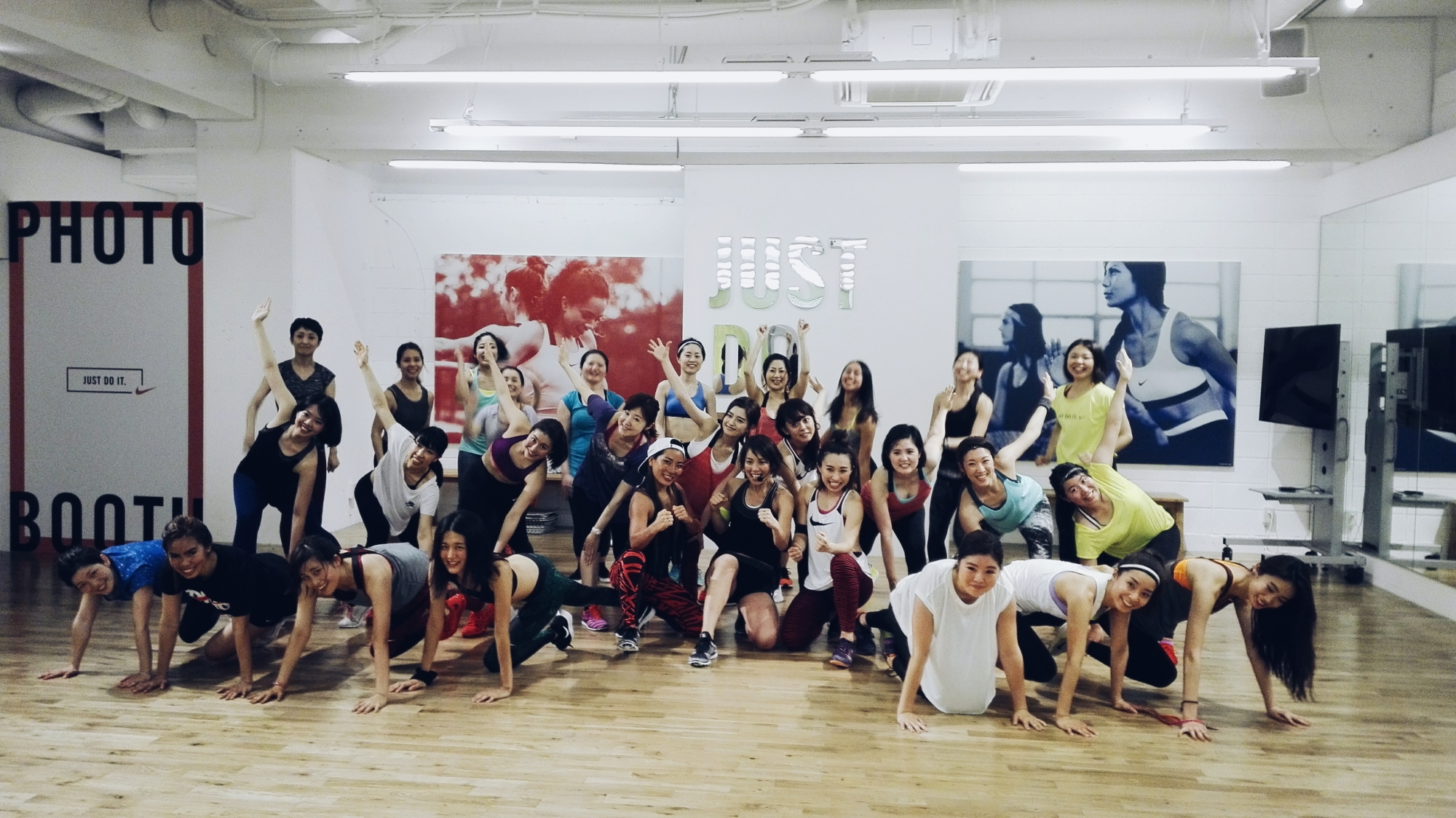
Nike Training Club’s pop-up studio in Shibuya
One of Calalang’s interests includes sharing her experience of living in Japan from an international perspective through her blog. Waseda University’s Office of Information and Public Relations asked her to create a video introducing the Waseda Campus and WISH, which is available below.