Today’s global society demands a multitude of skills: including the ability to identify challenges and to think and act independently, and the logical thinking skills needed to successfully navigate issues arising from the actions of interested parties from diverse backgrounds. Perseverance is essential, especially in challenging situations where results are hard to achieve.
Through group-work, the SI Programs provide students with training to maximize the knowledge and skills they have acquired in their regular university classes. Please take this invaluable opportunity to join students from other countries, regions and family backgrounds at Waseda International Student House (WISH) and set out on the path to your true potential.
IMPORTANT
At WISH, the SI (Supplemental Instruction) Program is held on weekdays (2–3 times per week) from 7:30 p.m. to 9:00 p.m. during the academic term.
Residents are expected to actively participate in this program as a valuable opportunity for personal and academic growth.
Please take this into full consideration when applying for residence.
An additional fee of 22,000 yen per year will be charged for participation in the SI Program.
These programs, which leverage group work, cultivate the skills essential to develop “professionals who are highly demanded and chosen by society,” such as independence, motivation, consensus-building, communication, and presentation skills. Taking advantage of the diverse environment of student dormitory, we will cultivate students’ ability to creatively solve issues through leading discussions with other residents.
The program called “Compass” is the first programs, which is aimed at residents who have just entered university. To enhance learning at university, it is important for students to first imagine the “ideal version of yourself.” In this program, based on the advice of the instructor and through the sharing of values in groups, students delve deep within themselves and set goals for what they wish to achieve while they are university students.
In the Self-Motivation and Social Skills programs, the goals set in the Compass are implemented to promote the use of the PDCA(Plan-Do-Check-Action) cycle. In addition, in these classes, students learn the basic skills required to play an active role in the global society. To overcome conflicts with stakeholders who come from diverse backgrounds and to create new value, linguistic and communication skills must be developed. A major prerequisite to achieve true communication requires establishing trusting relationships. In this program students are trained through group work to learn the ideas and skills required to understand and be understood by people, and be trusted by them.
By controlling motivation and communication, we aim for students to become “professionals who can think and act on their own and produce results in collaboration with other people”—the kind of professional that is required by a global society.
Understanding your own behaviors and attitudes and your own value from the perspective of others is very important for communication. Especially in a global environment, the beliefs that you have regarding common sense may not necessarily be shared by other parties. In this program you will learn about discrepancies in communication arising from cultural differences across the globe, from a bird’s-eye view, through a cultural comparison that we call a “Culture Map”, and also learn tips to overcome the conflicts and frictions that arise in global environments. Rather than simply understanding different cultures superficially, we train students in methods to communicate well with people from different backgrounds through role play and case studies.
International students who have recently arrived in Japan will learn the fundamental points needed to quickly adapt to life using Japanese. Classes are taught from the perspective of differences in language structure and cultural patterns and so provide a good opportunity for Japanese students to reflect on their own language usage. This program also introduces Japanese culture and basic philosophies that are relevant when learning about Japan.
Waseda University’s 13 departments engage in a wide range of research and education activities, allowing students to develop a high level of expertise through their regular university classes.
This informal knowledge exchange is enhanced by Faculty Visits during which Waseda University faculty members deliver informative and comprehensive presentations on their research fields. Finding interests in completely new fields will complement your regular studies. You are bound to have a stimulating conversation with friends studying different majors. Having a wide range of interdisciplinary knowledge will undoubtedly be of future advantage to you.
For university students to deepen their career perspectives and discover their own goals as members of society (such as becoming business people, researchers, entrepreneurs, civil servants, and creators), it is important for them to have a self-image of being someone who is “active as a member of society.” In addition, meeting and interacting with working adults who engage in activities as part of society are facilitated to appropriately build this image.
Utilizing the rich human resource network that is unique to Waseda University, a wide variety of people will be invited to interact with students at the SI Program’s Career Seminar. Examples of visitors include: Alumni from the university, many Japanese and foreign partners, organizations involved in educating people about careers, government agencies and local governments, the founders of NPOs, and artists. We also invite former graduates who share their values and experiences from when they were students. This provides a valuable shortcut for students to find a role model (a former graduate whom they aspire to replicate) for themselves, and to imagine themselves as “active members of society.”
At the SI Program’s Career Seminar, rather than briefing sessions and job-seeking seminars that adopt a short-term perspective, a career view that is more essential and useful in the long term, is facilitated.
A portion of the cost of the SI program is financed by donations from the Waseda University Alumni Association, along with cooperating companies, who have great expectations for WISH residents to be active across the world. Kindly ensure that you utilize the SI programs pro-actively to expand your possibilities.
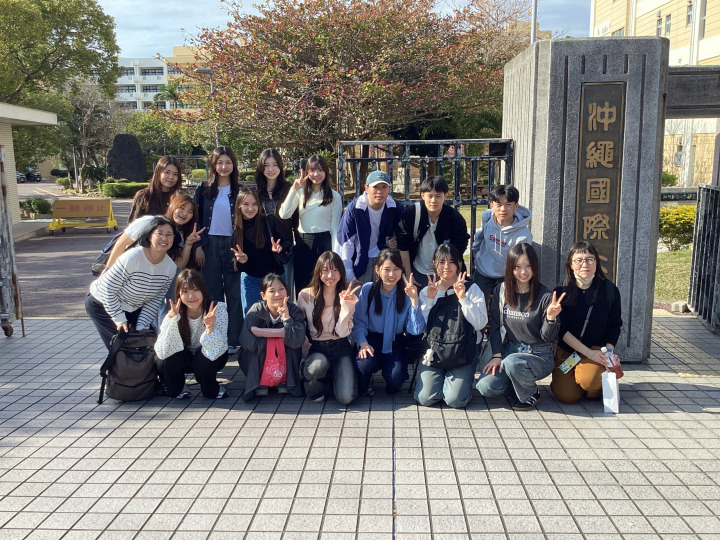
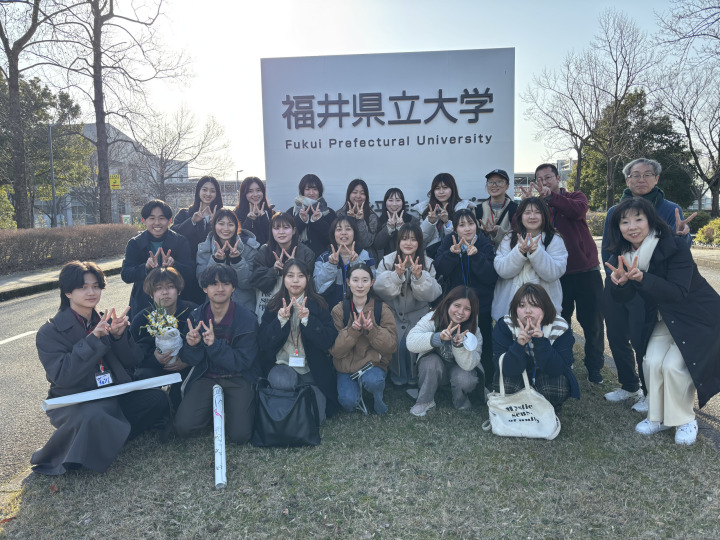
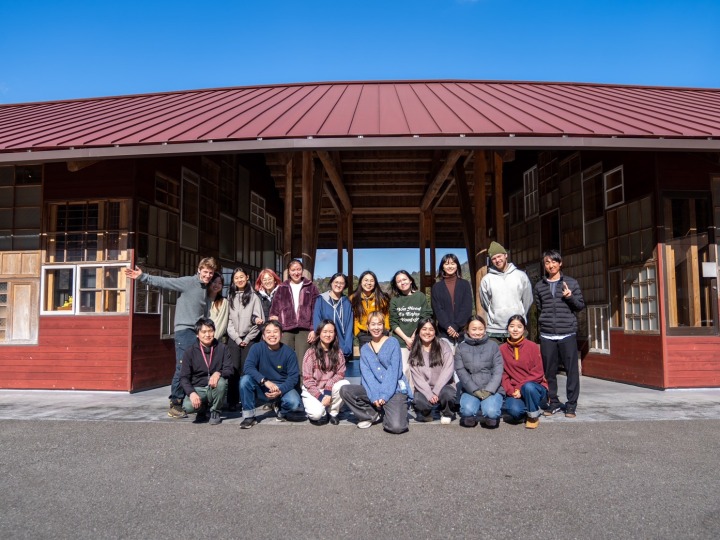
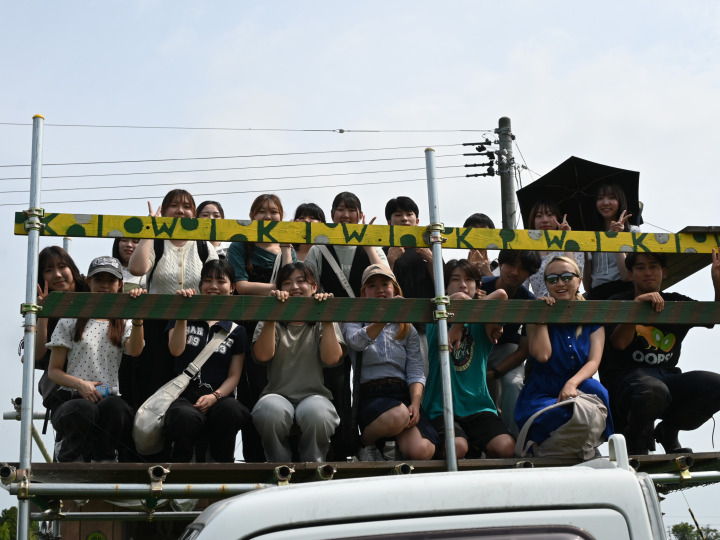
At WISH, in addition to the SI Program offered in the dormitory, on-site training programs (3-4 day training camp) are offered in local communities, in which students can strengthen their understanding of diverse themes such as local business, local culture/society, regional development/revitalization, and earthquake disaster reconstruction.
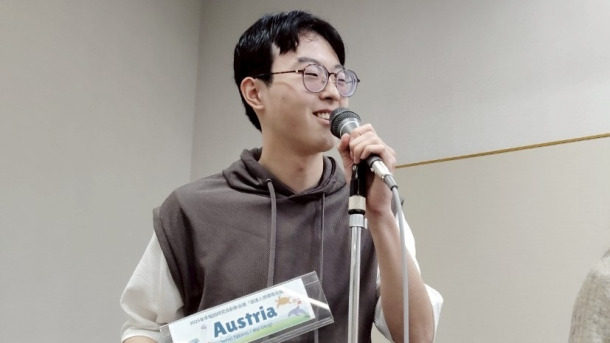
I organized an SI program entitled “Let’s Try Model United Nations!” In collaboration with the Model United Nations Waseda Study Association, an officially recognized club of Waseda University, we recreated within the dormitory the kind of negotiations that take place at the United Nations—an institution that can often feel distant from everyday life.
I was motivated to host this program because, through my life at WISH, I realized that many residents have a strong interest in international issues, and I felt there was a natural affinity between their interests and Model United Nations. On the day of the event, not only students interested in international relations but also those eager to develop their negotiation skills through diplomatic simulations participated. Although some first-year students seemed nervous at first, once they began acting as ambassadors representing their assigned countries, the discussions quickly became lively and intense. A strong sense of unity emerged—so much so that it was hard to believe many of them had just met for the first time.
By providing hands-on experience, we were able to break down the perception that Model UN is “too difficult” and instead create an enjoyable yet academically stimulating space for exchange.
As the organizer, I felt a great sense of accomplishment in sparking intellectual curiosity and fostering peer connections among dorm residents.
(School of Political Science and Economics S.T.)
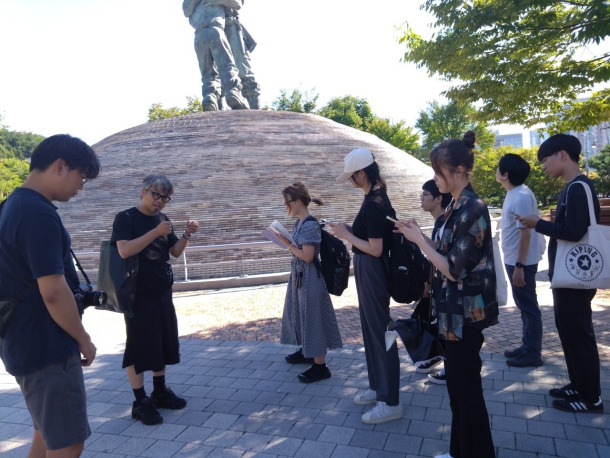
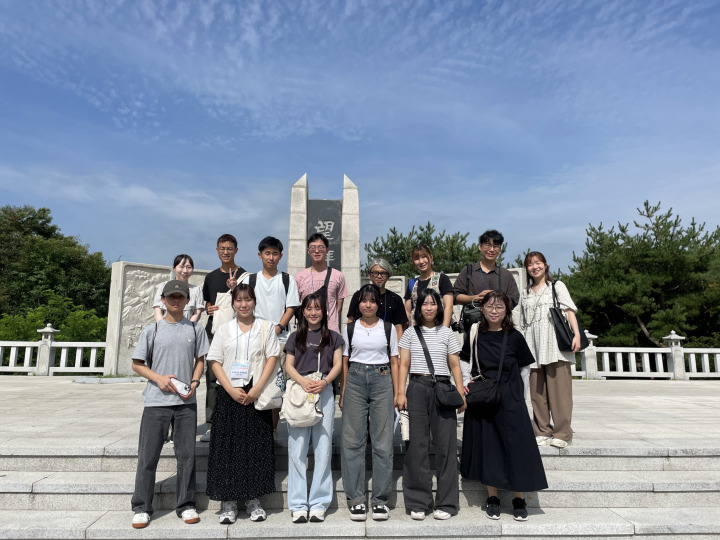
During the summer of my first year at university, I participated in an on-site training SI program in South Korea that profoundly reshaped my values and marked the beginning of my current study abroad experience in the United States. Having been born and raised in Kumamoto with limited exposure to foreign cultures, this program was far more than a trip overseas—it was my first opportunity to view Japan from an outside perspective.
Visiting Seodaemun Prison and the DMZ (Demilitarized Zone) was particularly impactful . There, I experienced firsthand the differences in historical perceptions between Japan and South Korea, as well as the ongoing reality of division—insights that could never be fully understood through textbooks alone. The experience taught me the importance of going beyond the classroom and engaging directly with sources and individuals on-site, using all five senses to fully grasp reality.
Now, as a Japanese literature major, I am studying abroad at the University of California—known for its renowned programs in Asian Studies—driven by a desire to further explore Japan and East Asia’s international relations from multiple perspectives. Grounded in the mindset I cultivated through my time at WISH and my study abroad experiences, I aspire to become a bridge between people of different backgrounds and to promote mutual understanding across the international community in the future.
(School of Education Y.M.)
When I entered university, I didn’t have anything in particular I wanted to pursue, but SI programs became a major turning point that expanded my sense of what was possible.
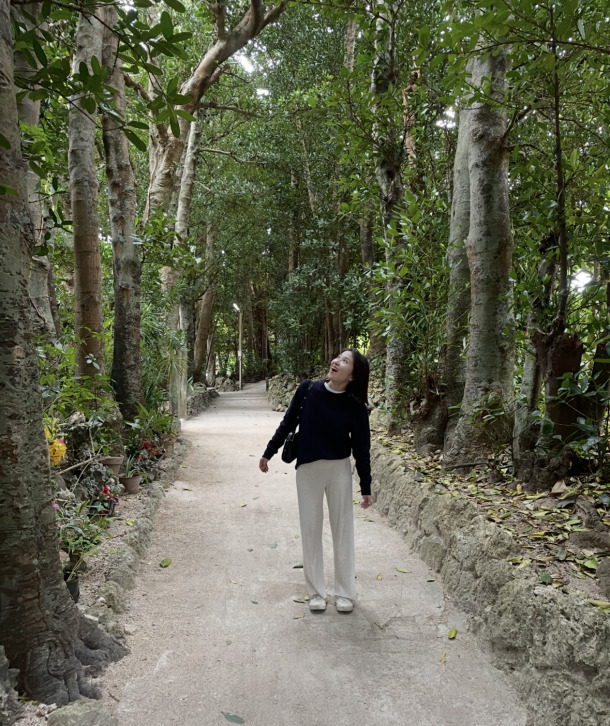
Through a connection I made with one of the SI instructors, I became involved in organizing a business contest in Fiji. Encouraged by the instructor’s words—“If you’re going to do something, you might as well choose what excites you the most”—I also assisted in hosting an event called “Intellectual Bodybuilding,” featuring muscular men wearing glasses, in Sabae City, Japan’s hub for eyewear manufacturing. These were opportunities I never would have imagined encountering in my ordinary university life.
SI programs also gave me early exposure to thinking about my future career. From my first year in university, I had the opportunity to listen to professionals working at the forefront of companies like Bloomberg and Google, which helped me become more conscious of my future path at an early stage.
SI programs are full of opportunities that uncover unexpected interests and offer insights into broadening one’s expertise. How you make use of the opportunities provided—and how you connect them to your future—is entirely up to you. First, step into the world of SI and take the first step driven by your curiosity. Expanding your world during your first and second years of university will surely serve as a solid foundation for making the most of your third and fourth years—and of your life beyond university.
(School of International Liberal Studies K.Y.)
I believe the greatest strength of SI programs is that they offer opportunities that can enrich your university life and shape your future. Up until high school, we are placed in environments where we work toward relatively predetermined goals. In contrast, at university, we must first discover those goals for ourselves. Within the freedom of what is often called the “summer vacation of life,” taking the time to explore and plan for your future is incredibly important.
SI programs are rich in such insights and sources of inspiration, as they offer a wide variety of opportunities from career seminars led by Waseda alumni to Global Communication programs. In my own case, a program I joined simply because its title caught my interest ultimately became a turning point in shaping my current career path.
Not every program will necessarily have a life-changing impact. However, there is immense value in placing yourself in an environment overflowing with opportunities and possibilities. I strongly encourage you to take full advantage of the SI programs at WISH to make the most of your university years and your future endeavors.
(Alumnus now working in industry Y.T.)
At WISH, in addition to the SI program offered in the dormitory, on-site training programs (3–4 day training camps) are offered in local communities,
where students can deepen their understanding of diverse themes such as local business, local culture and society, regional development and revitalization, and earthquake disaster reconstruction.
A partial list of previously held programs is introduced here.