Overview of Activities
Destination: Mt. Fuji and the surrounding area
Participants: 7 students (including 1 RA)
Period: August 3, 2026 (Monday) to August 6, 2026 (Thursday)
Activity Report
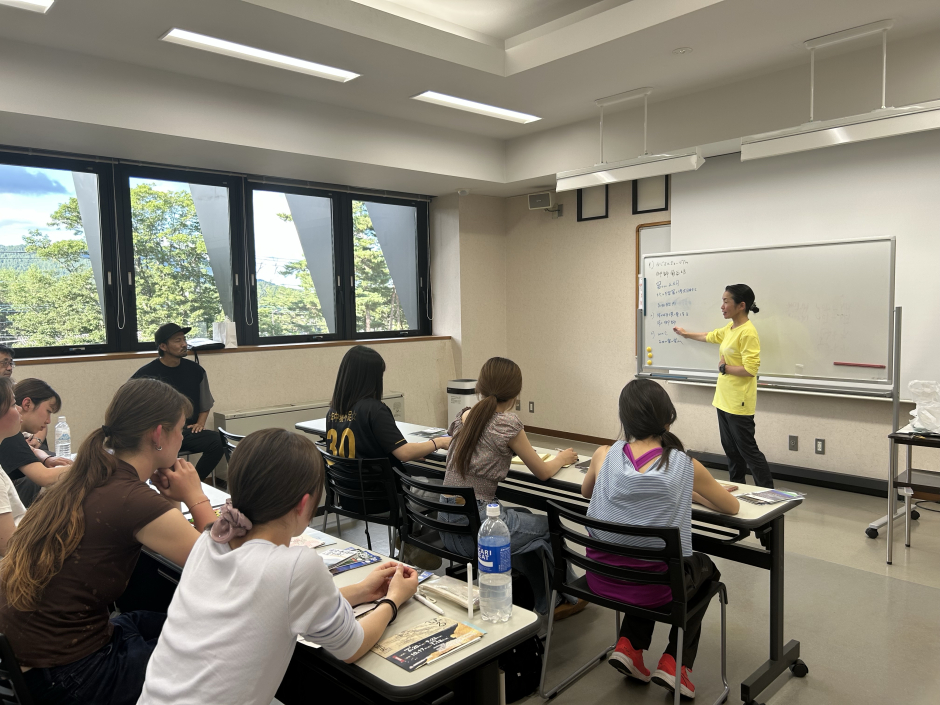
Conducted in cooperation with the certified NPO Mount Fuji Club, this experiential study program offered participants a multifaceted learning experience focused on Mount Fuji and the challenges surrounding it. Activities included a visit to a traditional Oshi house (pilgrims’ lodge) in Fujiyoshida, a lecture on the history of the Kawaguchi Oshi culture, a tour of the Mount Fuji World Heritage Center, a hands-on hōtō noodle-making experience, and a climb of Mount Fuji.
Experience Report from participants
Hello. I’m Kanon Takahashi, a first-year student at Waseda University. This summer, I participated in a four-day, three-night study tour to Mt. Fuji and Yamanashi Prefecture and studied culture, history and environmental issues around the area, as well as climbing Mt. Fuji on the last two days.
Let me introduce the details of each day’s schedule.
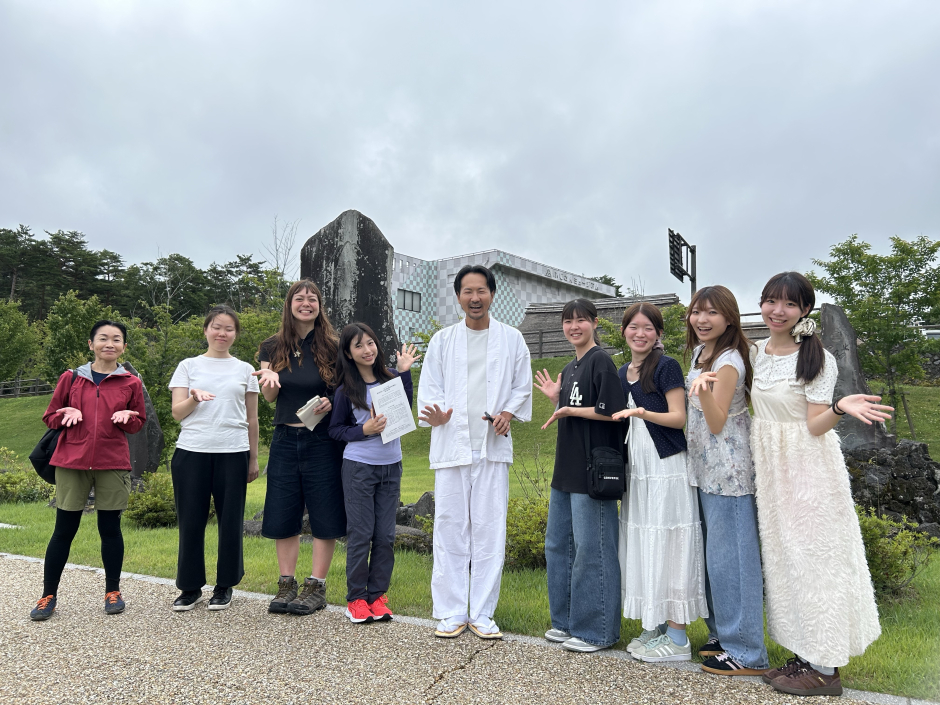
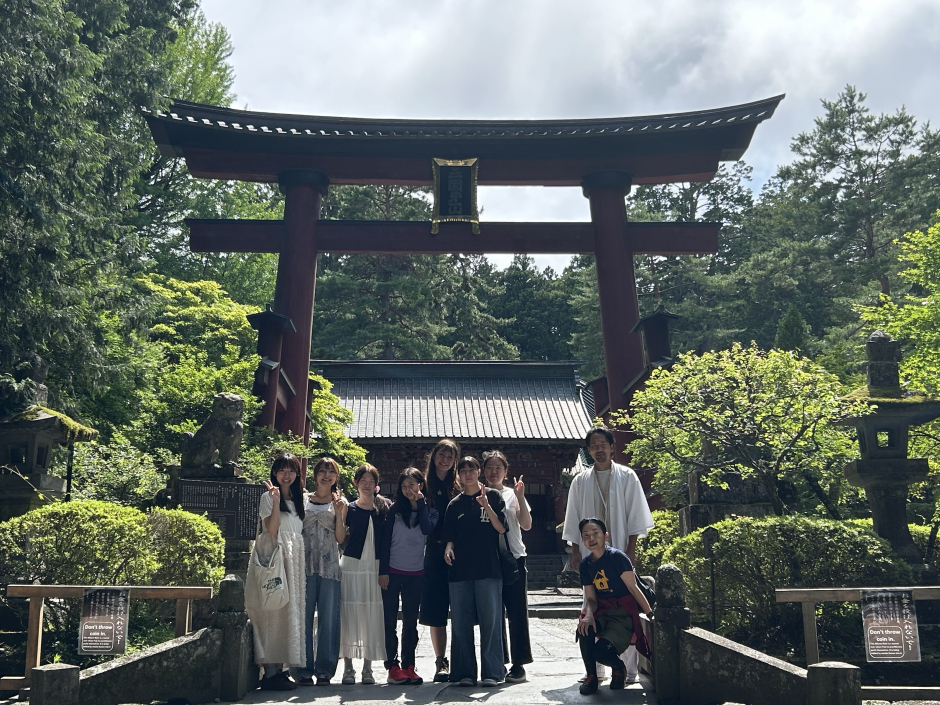
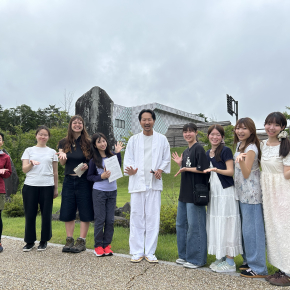
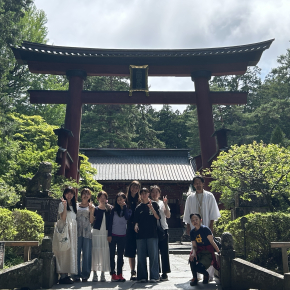
On the first day, the seven participants gathered on the first floor of WISH at 6:00 a.m. and headed to the Shinjuku bus terminal to catch a bus to Yamanashi Prefecture. When we got off the bus in Yamanashi, I was surprised by how cool it was compared to Tokyo. After arriving, we visited the Fujisan Museum, where we learned about the culture and history of Mount Fuji. There, Mr. Katsumata, who works tirelessly to preserve the nature and culture of Mount Fuji, taught us a wealth of knowledge about the mountain, including the history of Fujiko (devotional groups dedicated to Mount Fuji). I was astonished by how thin the clothing worn by Fujiko pilgrims was. Furthermore, it was my first time learning about the concept of viewing the Mount Fuji climb as a journey between this world and the afterlife, which I found deeply fascinating. To be honest, I had always viewed climbing Mount Fuji merely as a leisure activity, so discovering that it used to be a religious practice came as a shock to me. After visiting the museum, we listened to a talk by an Oshi at Kikuyabō in Fujiyoshida. Here, we learned that the number of Oshi who welcome Fujiko has declined significantly due to the fading of Fujiko culture, as well as the challenges currently facing the Oshi. We were served lunch here, during which we were introduced to customs rooted in Mount Fuji worship, such as abstaining from eating meat from four-legged animals during a period of purification before the pilgrimage and clapping once after saying “Itadakimasu”. Next, we visited Shinto-Fusōkyō Fujisan Genshi. It was remarkably beautiful, as the tatami mats and sliding doors (fusuma) had recently been renovated. Mr. Katsumata offered a prayer there for our safe climb. Afterward, we went to Kitaguchi Hongu Fuji Sengen Shrine, where we saw the Grand Torii Gate of Mount Fuji. This torii is said to be rebuilt once every 60 years. After praying at the shrine, we visited a cave called “Tainai” (the womb) and entered it by candlelight. Finally, we arrived at our inn, Masumiya, where we had curry for dinner.
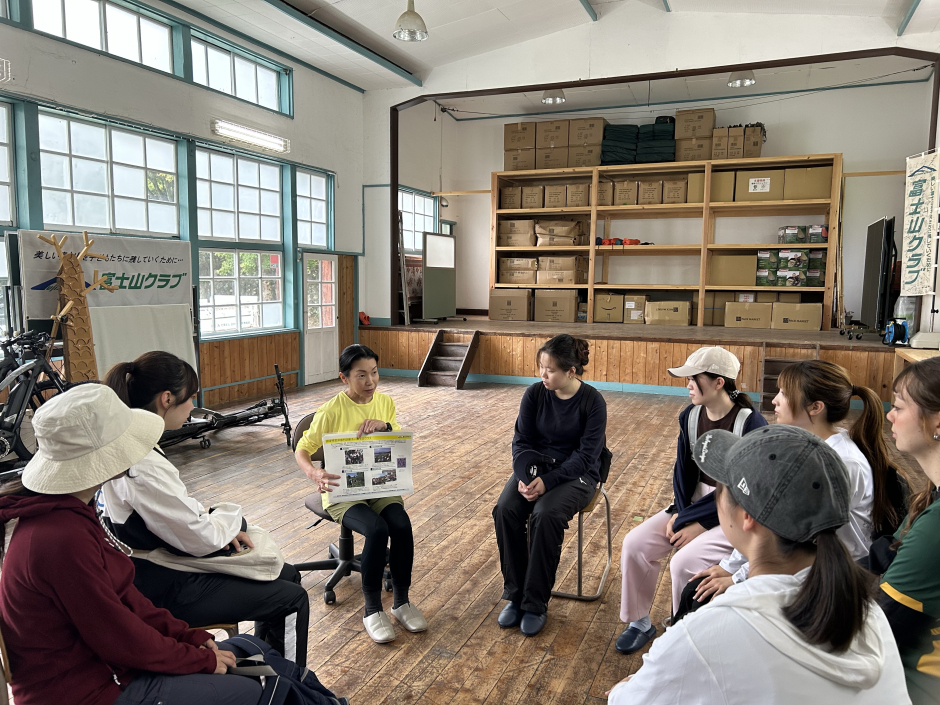
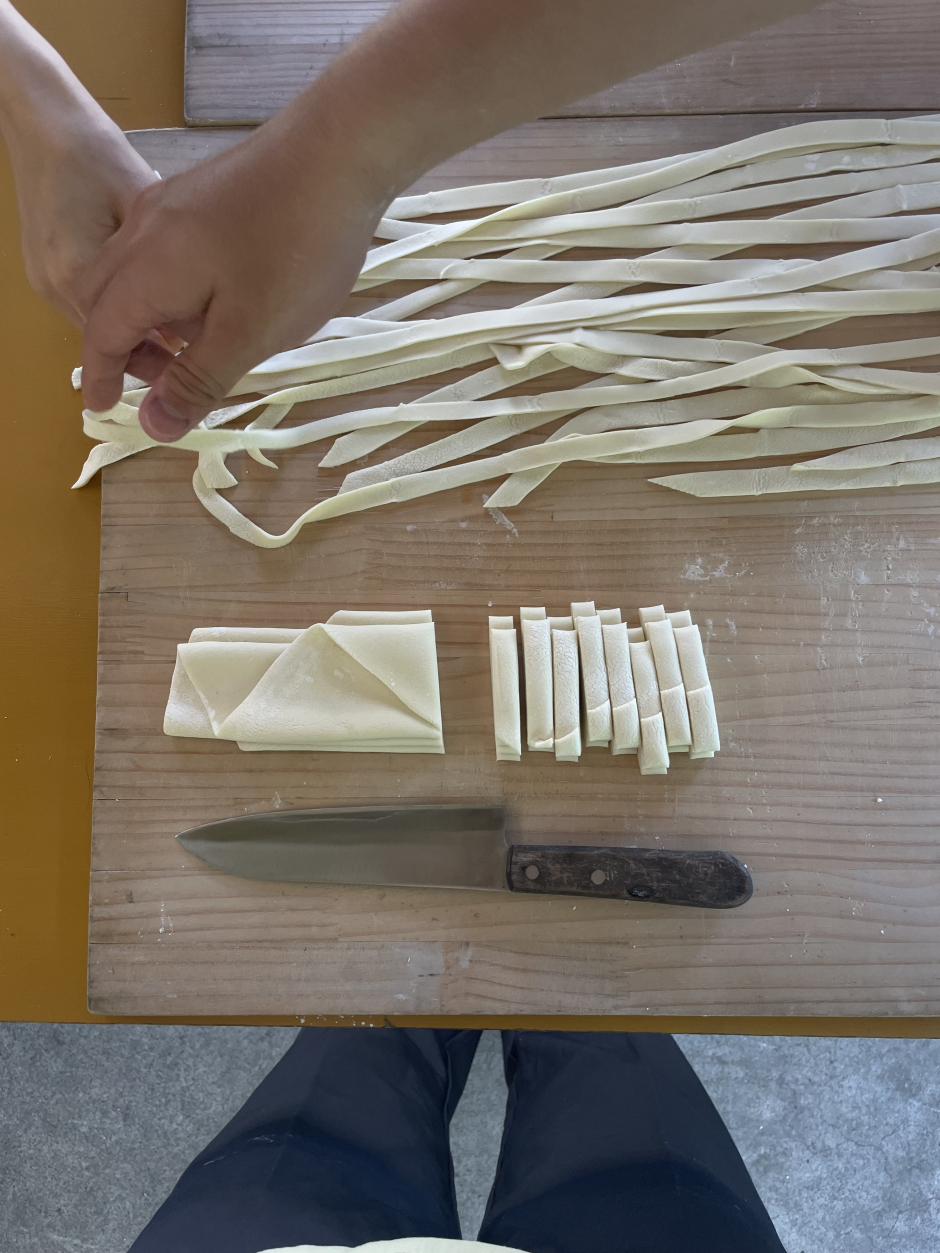
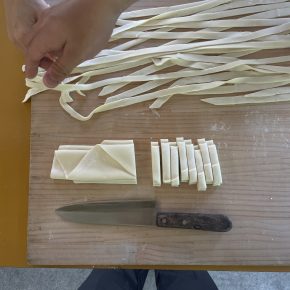
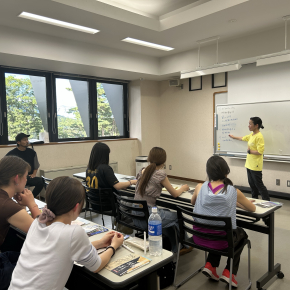
On the second day, as part of the Fujisan Club’s activities, we participated in an initiative to eradicate invasive alien plant species along the shores of Lake Kawaguchi. Working alongside local high school students, we removed burr cucumber (Arechiuri) and lance-leaved coreopsis (Ookin-keigiku). We learned that these highly aggressive, invasive plants originally came from the United States. Afterward, we had a hands-on experience making Houtou noodles at Masumiya. I was in charge of making the noodles, and I thoroughly enjoyed the process of turning powder into chewy noodles. The Houtou we made together was delicious. Later in the day, we listened to a lecture by a curator and municipal staff member from Fujikawaguchiko. The lecture drew comparisons with the Oshi houses in Kamiyoshida, which we had visited on the first day. We learned that while the Kamiyoshida Oshi lodgings were established after the Edo period to welcome wealthy visitors, the Kawaguchi Oshi date back to the Muromachi period and are much simpler, as the guides engaged in farming alongside welcoming Fujiko pilgrims. We then visited Kawaguchi Asama Shrine. The “Seven Cedars,” designated as a Natural Monument of Yamanashi Prefecture, had extraordinarily thick trunks and were truly impressive. On the second night, we had a barbecue and set off fireworks. It was a wonderful and fun time that deepened the bond among all the training members ahead of the climb starting the next day.
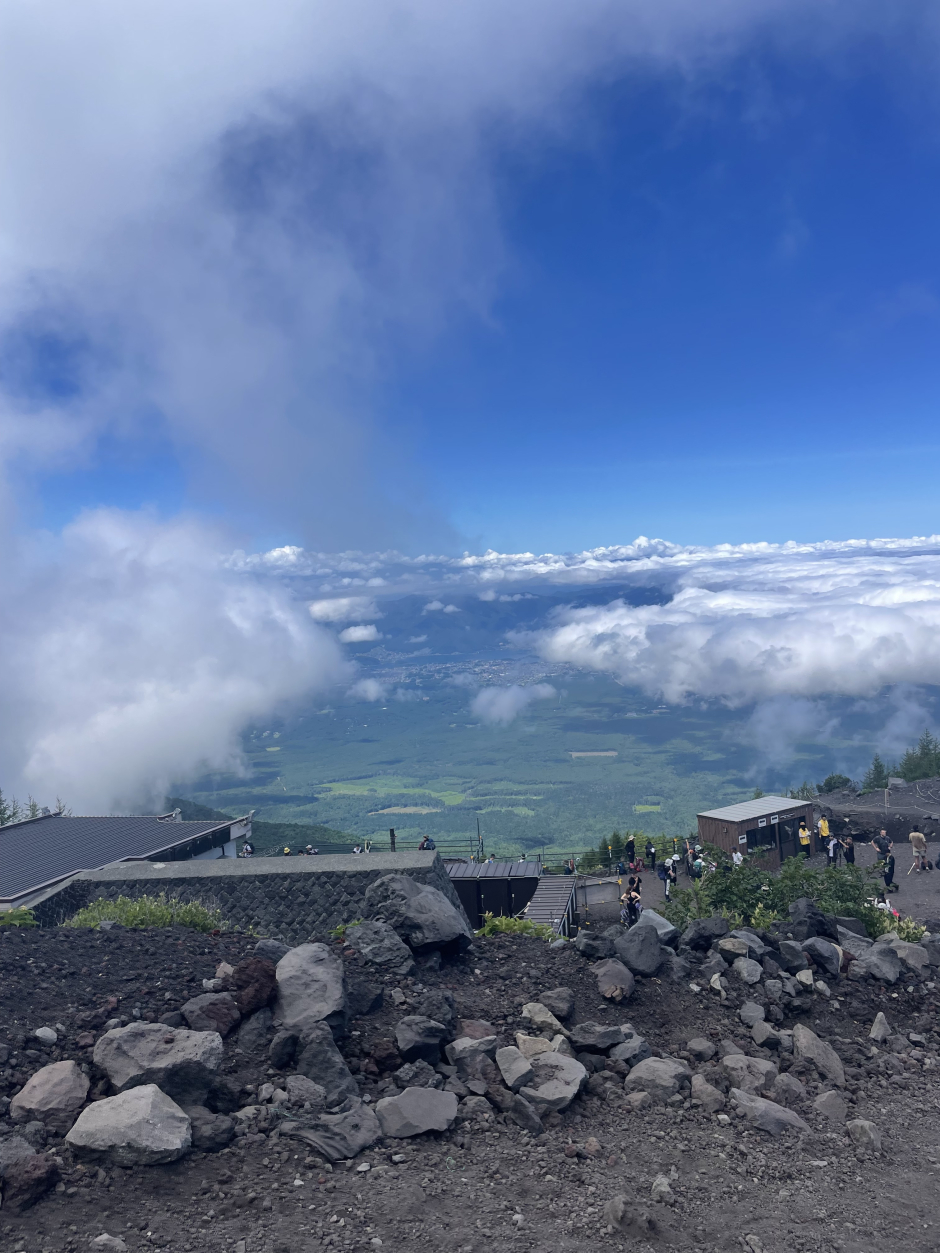
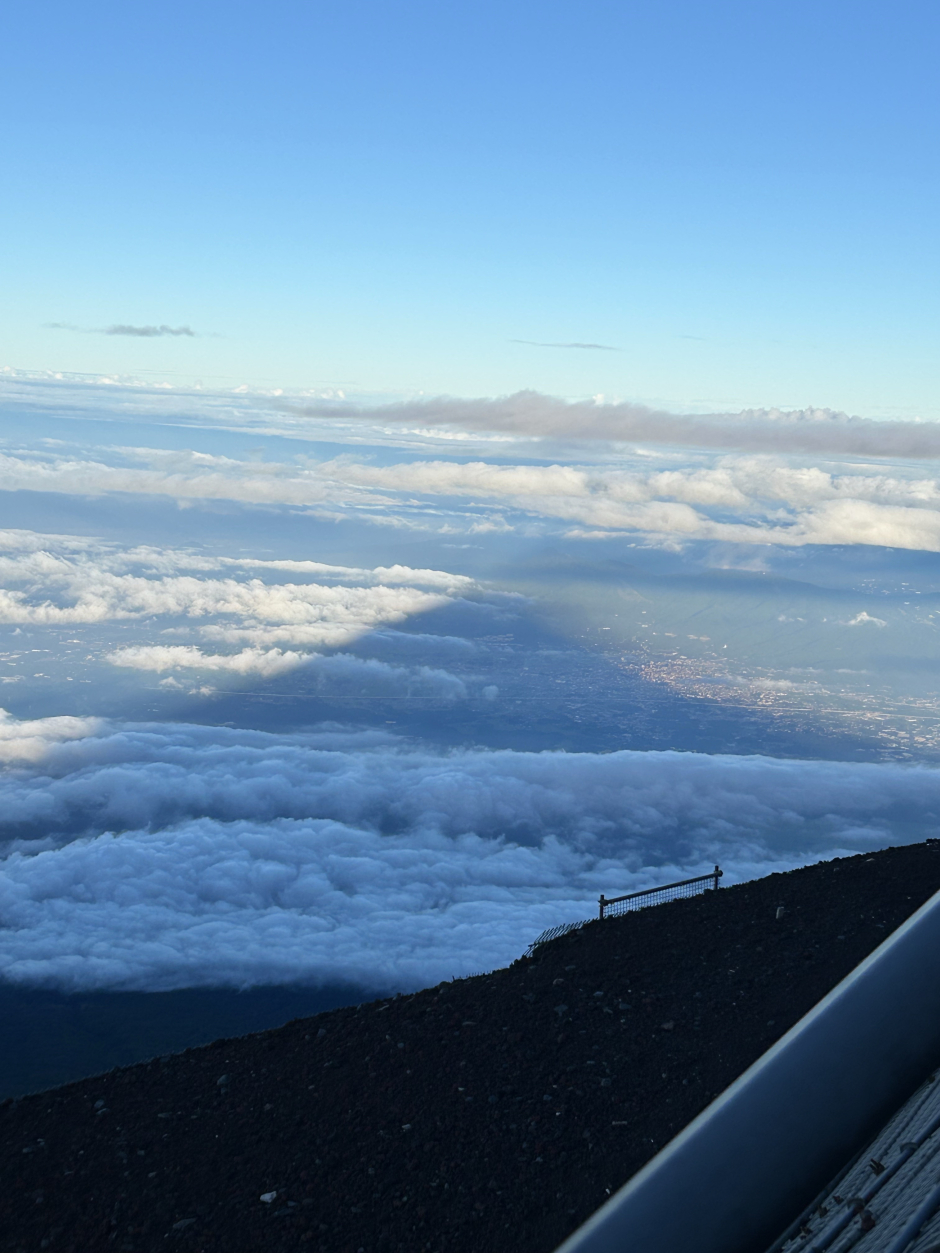
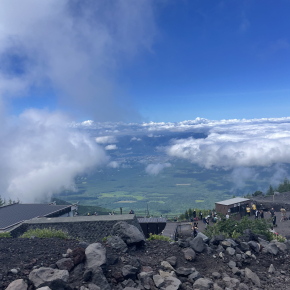
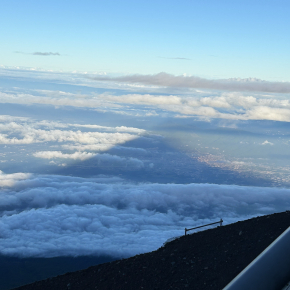
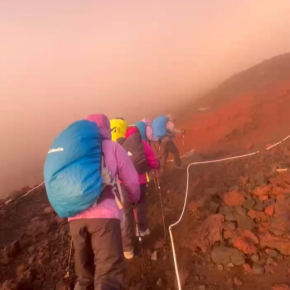
The third day was finally time to climb Mount Fuji. Prior to the climb, we learned more about Mount Fuji at the Fujisan World Heritage Centre. Hearing about what we had learned over the first two days from a different perspective deepened my understanding. We then drove up to the 5th Station, where our climb officially began. I had assumed we would be wearing layered clothing right from the start, but because it was still warm in the lower sections, we started climbing in short sleeves. The trail up Mount Fuji can be roughly divided into two types: gravel paths and rocky sections, and climber’s preferences between the two seem to vary. For me, climbing over rocks was overwhelmingly easier. We were accompanied by a mountain guide, Mr. Omori. Thanks to the break times he scheduled along the way, we were able to maintain a comfortable pace without getting overly exhausted, despite the challenging mountain path. Along the trail, we also had the chance to meet actual Fujiko pilgrims, allowing us to connect our knowledge with real-world practice. The chai tea we drank along the way was delicious. We stayed at “Tomoe-kan,” a mountain hut located at the 8th Station. From there, we were able to witness Kage-Fuji (the mountain’s shadow cast over the clouds) and a breathtaking sunset. After eating curry for dinner, we wrote postcards to send from the summit of Mount Fuji and went to bed early. I also ate a cup noodle! The night at the 8th Station was extremely cold, but the air was clear, and the stars were unbelievably beautiful. It was an unforgettable night.
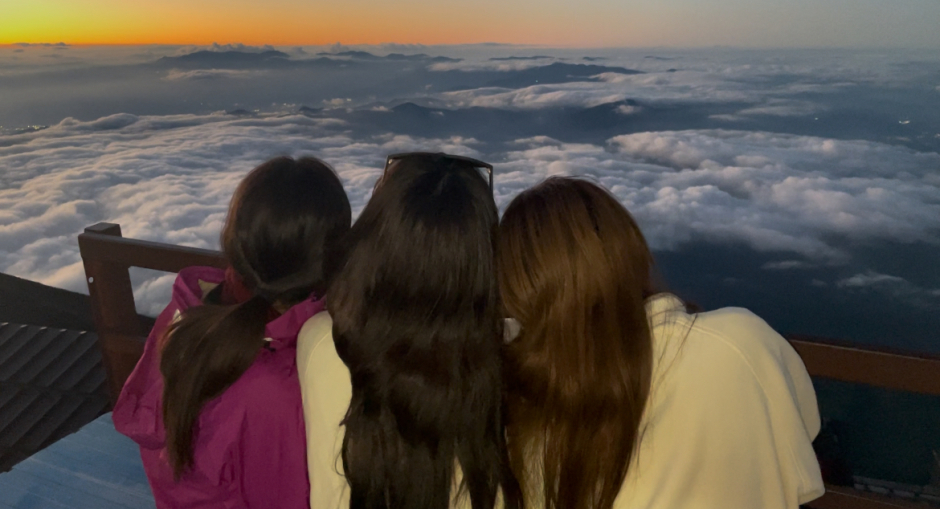
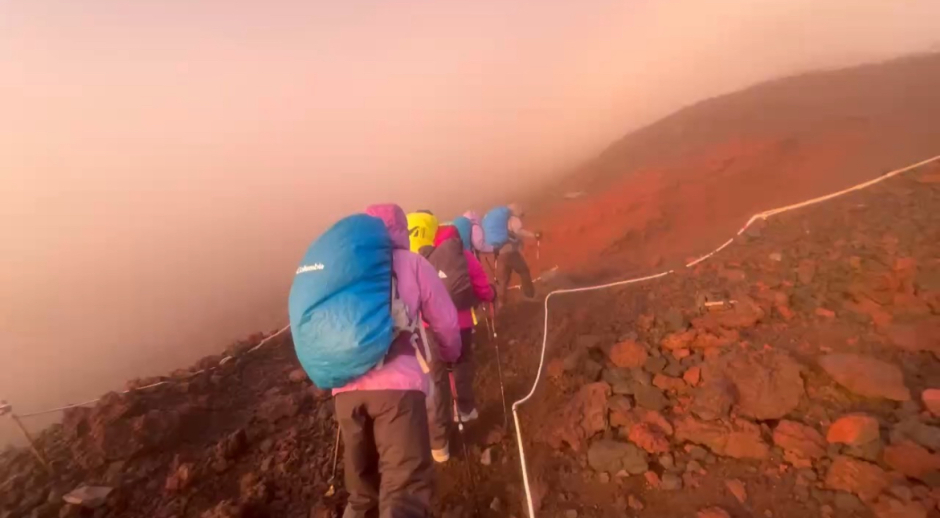
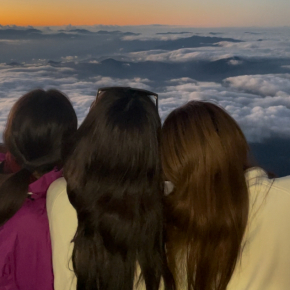
On the fourth day, we woke up at 3:00 a.m. to watch the sunrise (Goraiko). When we woke up, the weather was poor, making it uncertain whether we could reach the summit. However, as we climbed, the weather improved, and we were able to witness a glorious sunrise. It was remarkably beautiful and gave us the courage to keep pushing toward the summit.
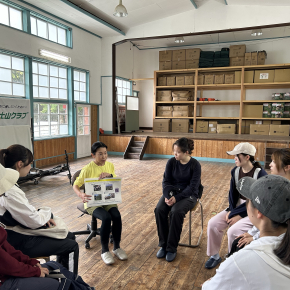
After about another two and a half hours of continuous climbing, we reached the top. From the summit, we had a panoramic, spectacular view stretching across Yamanashi and Shizuoka prefectures. At the top, we performed Ohachi-meguri (crater trekking) while connecting the experience to everything we had learned since Day 1. Along the way, we were even interviewed for a television broadcast. At the summit, we sent our postcards from the post office, bought charms available exclusively at the peak, and purchased climbing certificates. The crater loop was many times larger than I had imagined, and just walking around the summit took a considerable amount of time. Climbing Uma-no-se (the steep ridge) to reach the highest point was physically demanding due to its steep slope, but trekking around the crater together with everyone became a lifelong memory. The descent was carried out at individual paces, so we split into three groups. I chose to run down. Running down Mount Fuji was an experience I had never anticipated, and it was thrilling and fun. After reaching the bottom, we enjoyed soft-serve ice cream. Once everyone had safely descended, we went to the Mount Fuji Lava Hot Spring “Sensui-no-yu” and ate Yoshida Udon at Tamaki-ya. It was wonderfully soothing for our exhausted bodies. Finally, we held a reflection session at the Fujisan World Heritage Centre, concluding the four-day training program.
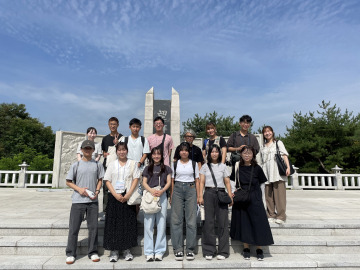
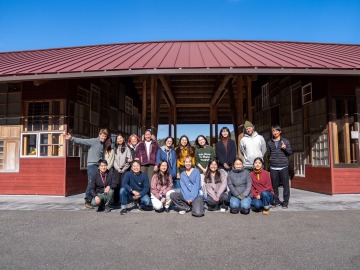
Through these four days, I learned that Mount Fuji—a symbol of Japan—has been revered by countless people since ancient times due to its grand presence, serving as an object of faith that many risked their lives to climb. This experience completely transformed my perspective on Mount Fuji. The whole experience was an unforgettable memory of my summer as a university student. I would not have been able to learn about the history and culture behind Mt. Fuji without this study tour with participants from WISH. Participating in this program will surely be a great asset to my life.
Kanon Takahashi