Sakura Science Program Activity Report
- Posted
- Mon, 02 Feb 2026
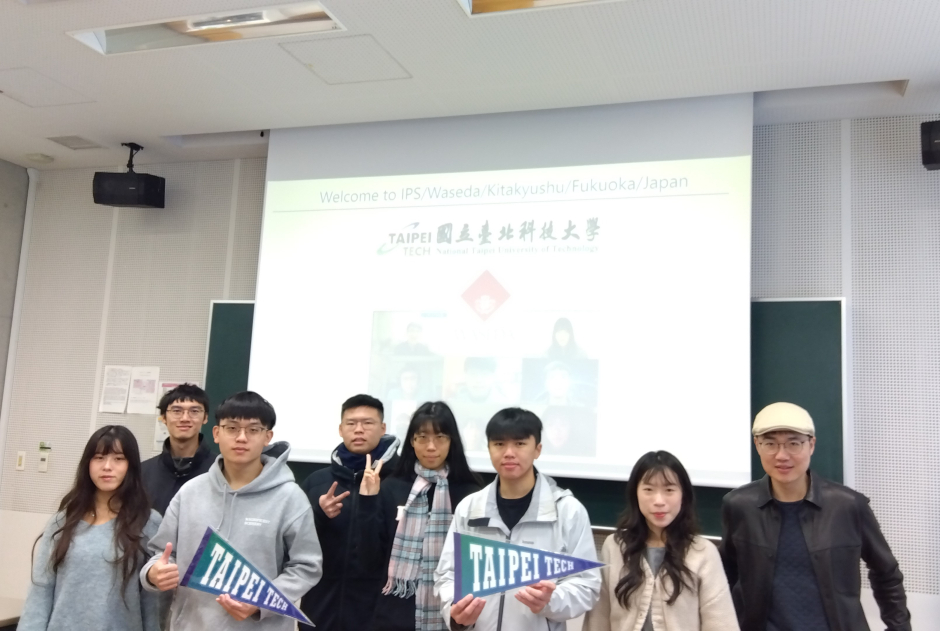
Our Graduate School implemented an international exchange and research outreach initiative through the Japan Science and Technology Agency (JST) Sakura Science Program. It was approved within the Graduate School that this JST program would be used continuously as part of our public relations activities. In this academic year, the program was coordinated by Professor Tanzawa.
■ Program Overview
Students from National Taipei University of Technology who are interested in semiconductor process technology and device technology were invited to participate. The program consisted of specialized lectures delivered by faculty members of our Graduate School and visits to related companies.
Lectures and Research Introductions
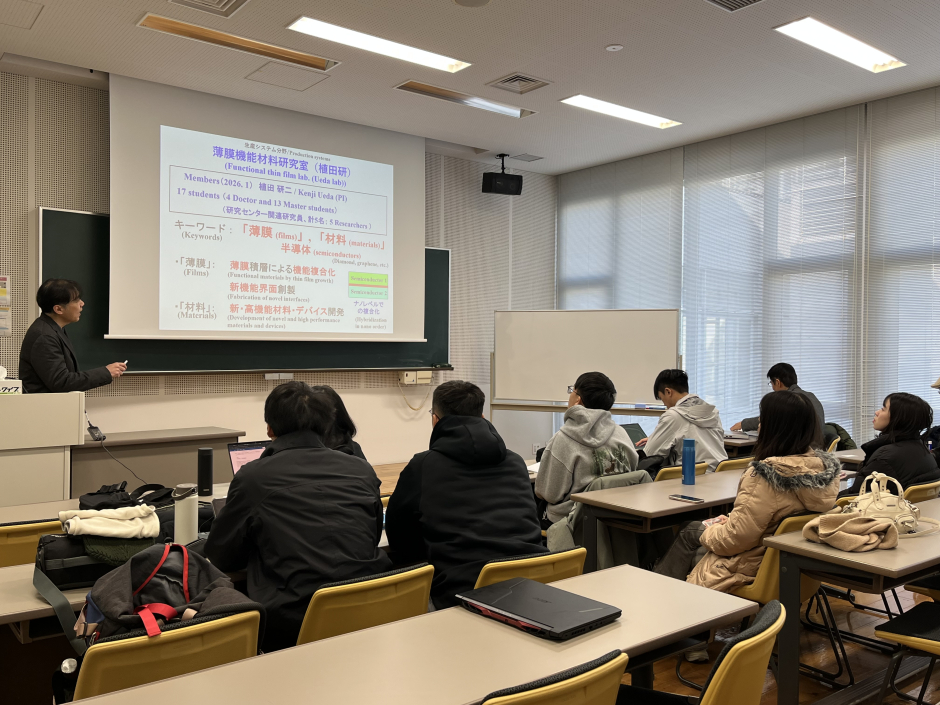
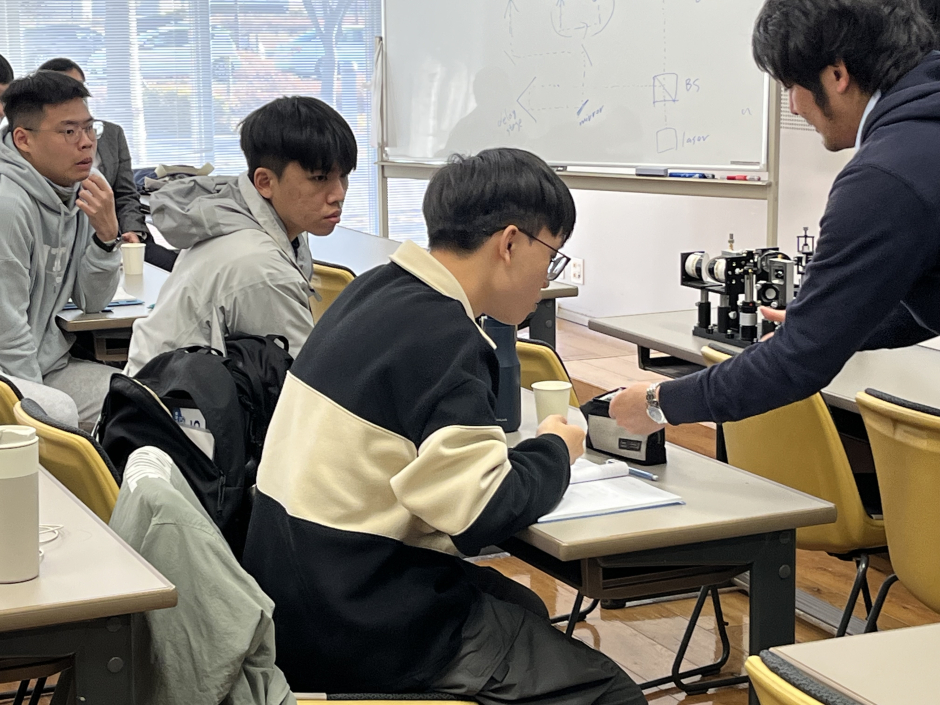
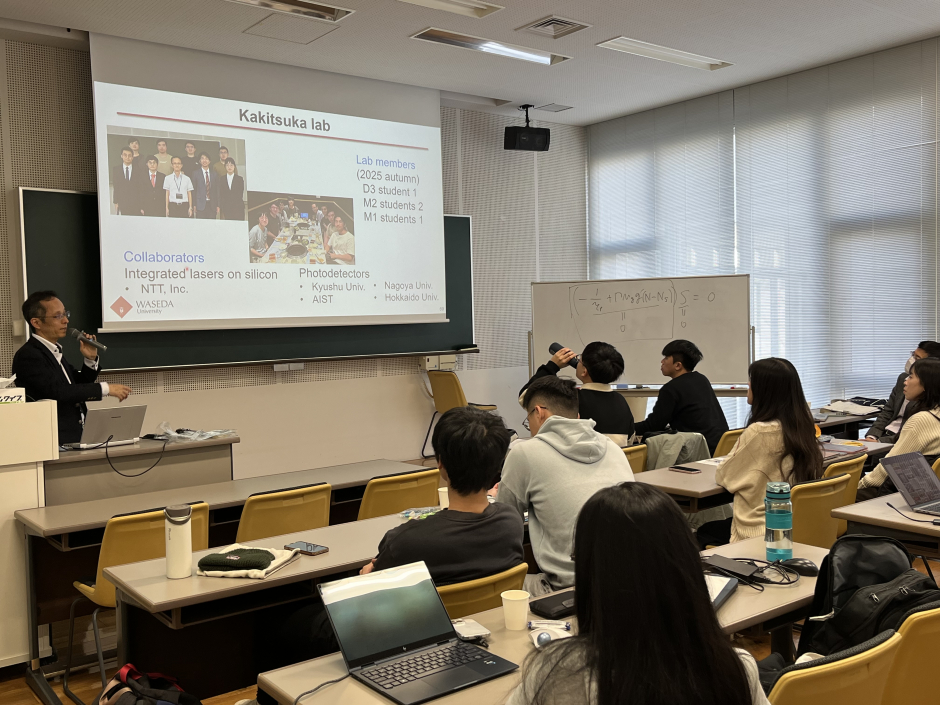
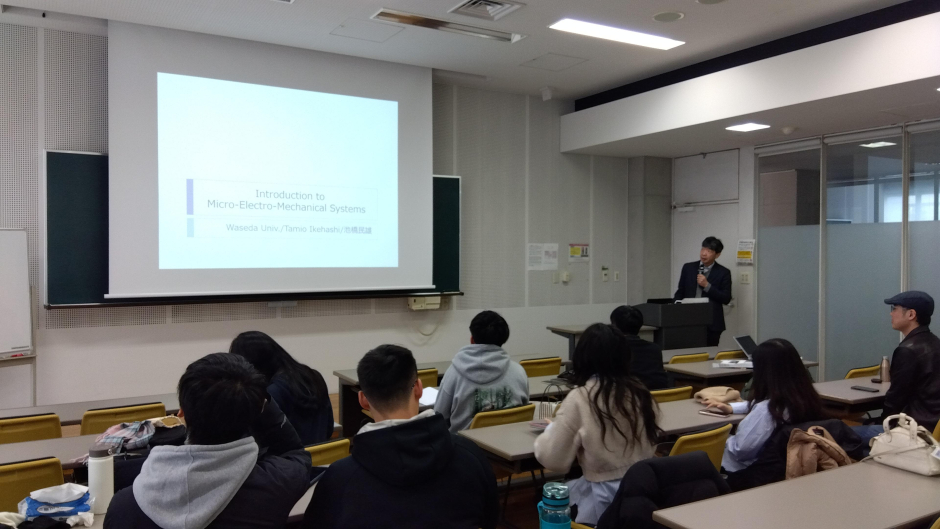
Professors Ueda, Shimura, Yoshimasu, Ikehashi, Takahata, Kakitsuka, and Serita delivered lectures covering the fundamental theories of technology and their connection to cutting-edge research conducted in their laboratories.
 |
 |
 |
 |
Company Visits
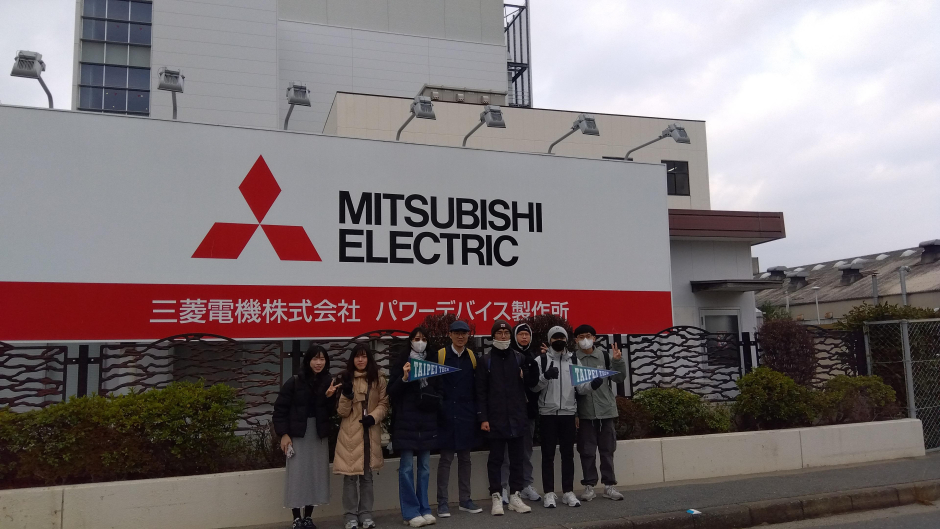
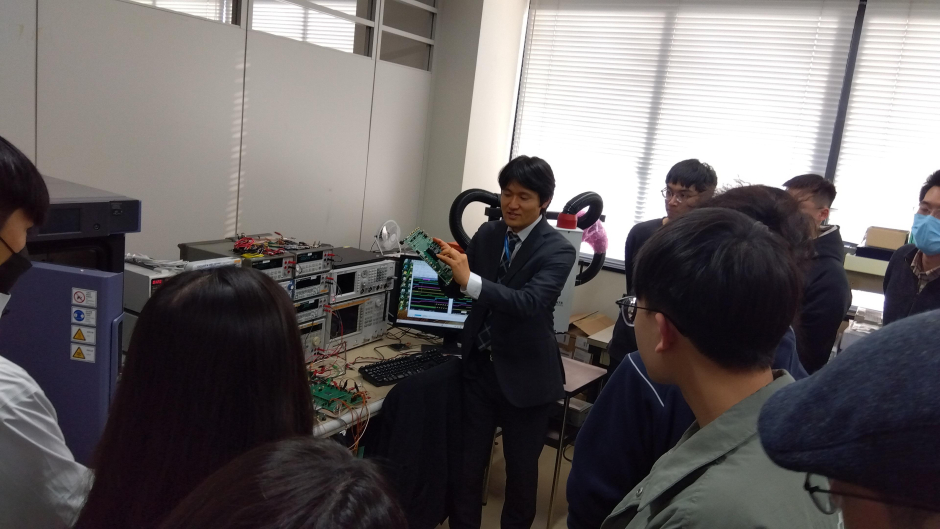
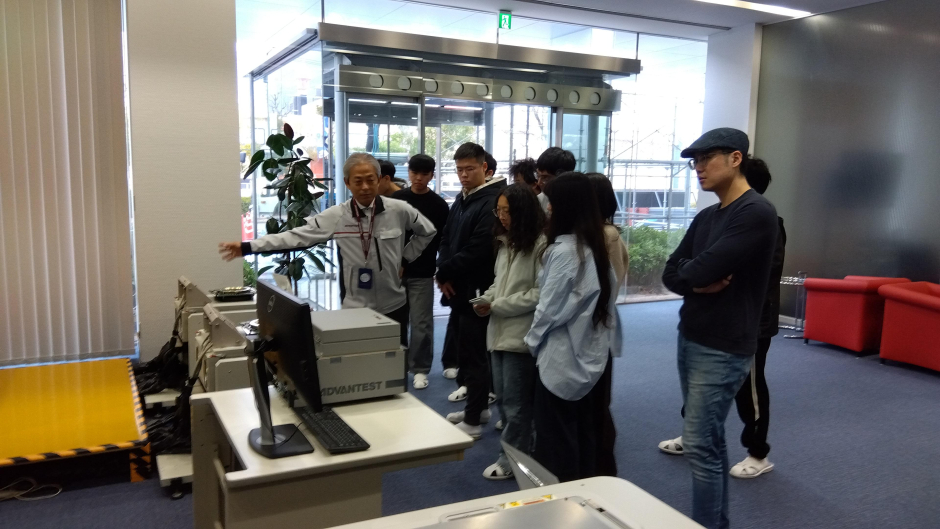
Participants visited leading technology companies to observe research, development, and production sites.
-
Mitsubishi Electric Corporation
-
TOPPAN Inc.
-
Advantest Corporation
 |
 |
 |
Introduction to Kitakyushu City
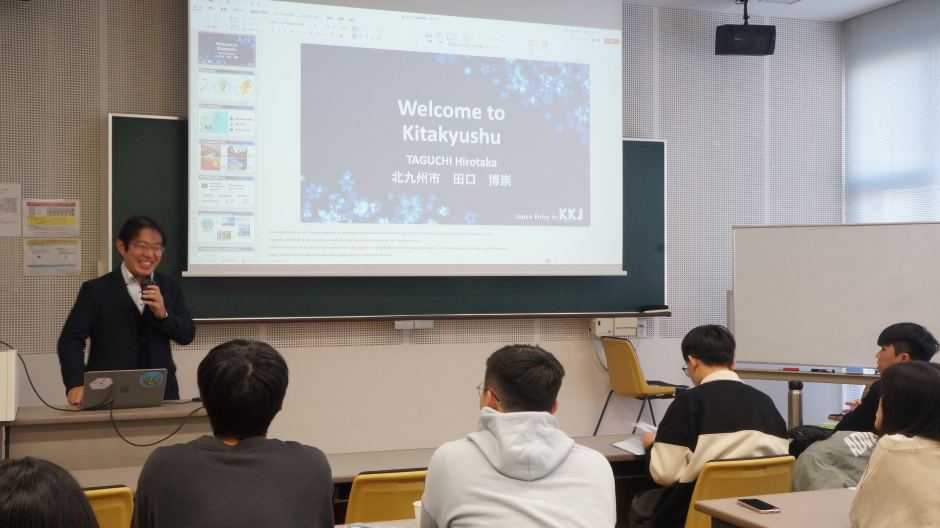
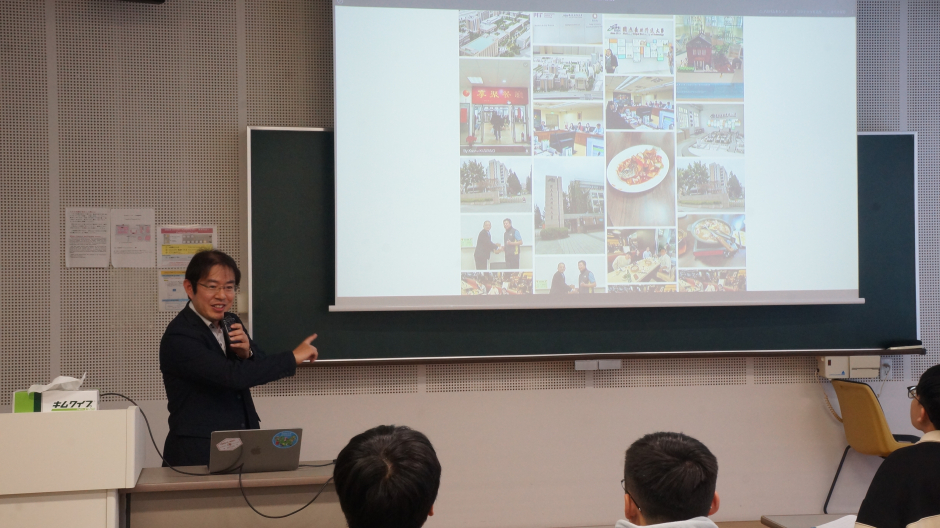
Mr. Taguchi from Kitakyushu City visited the program and introduced the city’s initiatives and the strengths of its industries. The session provided a valuable opportunity to learn about the region’s distinctive characteristics and industrial appeal.
 |
 |
Student Exchange
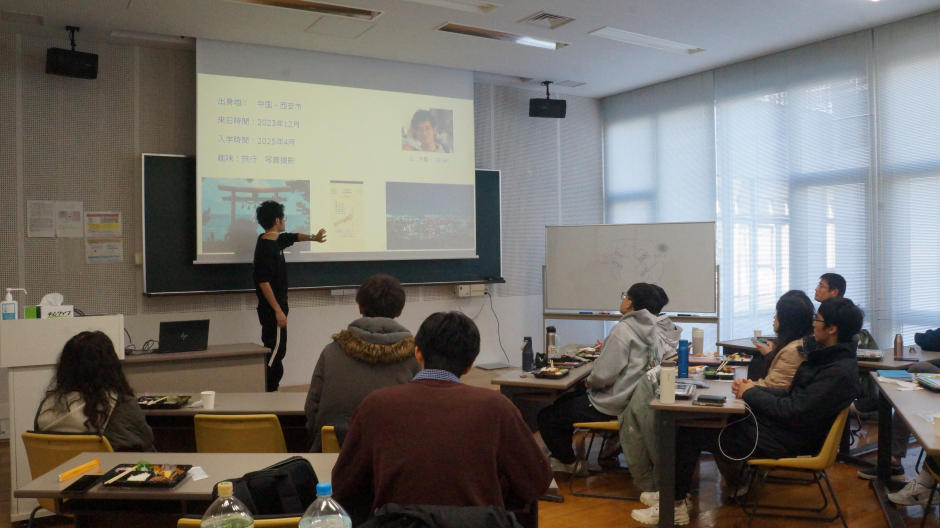
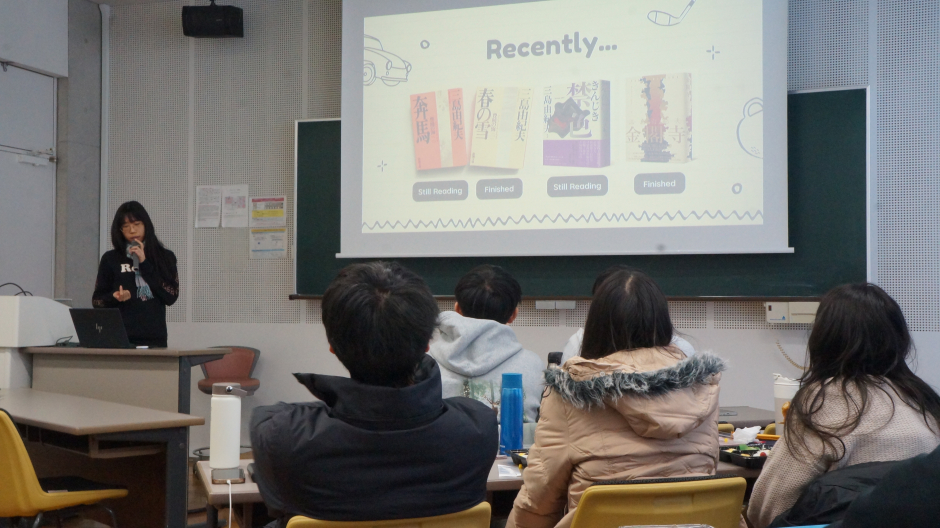
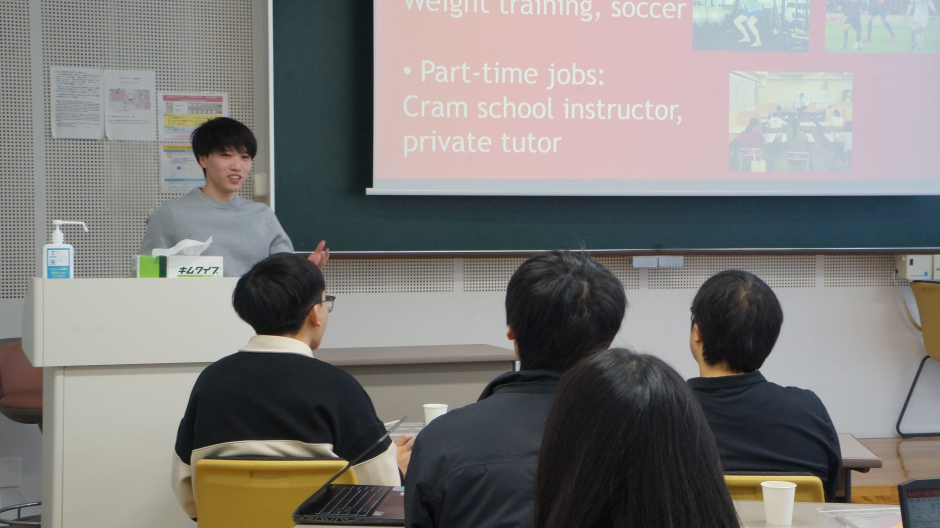
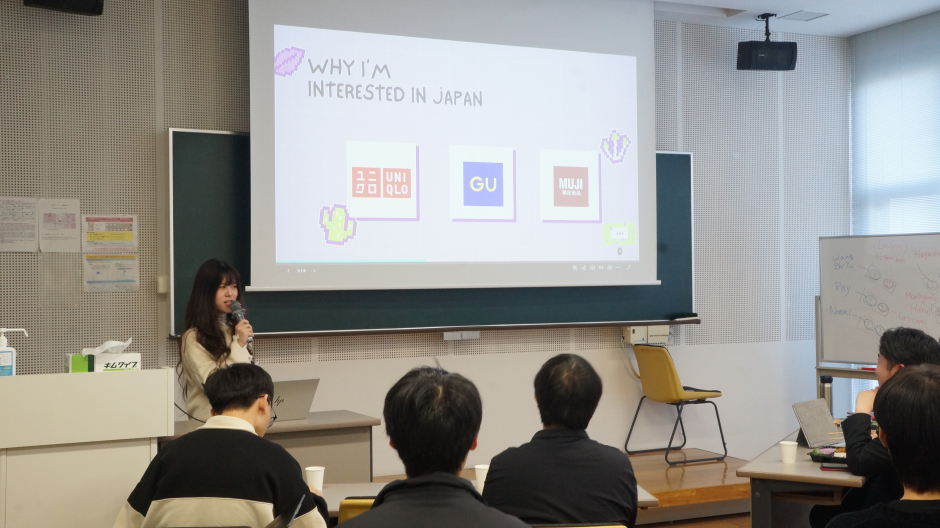
The invited students also interacted with IPS students (five Japanese students and three international students from China).
 |
 |
 |
 |
■ Program Period
January 25–30 (four active program days)
The schedule was arranged to accommodate the academic calendars of both institutions, resulting in a mutually suitable program period.
■ Student Feedback
Participating students expressed strong impressions of being able to directly experience Japan’s research environment and industrial technologies. Through company visits and lectures, they gained practical knowledge related to circuit design and device technologies, while also developing a greater interest in advanced fields such as terahertz research and MEMS applications that support next-generation ultra-high-speed communication and automotive technologies. Demonstration-based lectures were particularly effective in deepening their understanding and helped them better visualize how research connects to real-world applications.
Observing fully automated production facilities also enhanced their appreciation not only of Japan’s technological strengths but also of the environment in which international talent can contribute. Many students noted that Japan’s safety and the kindness of its people left a lasting impression during their stay.
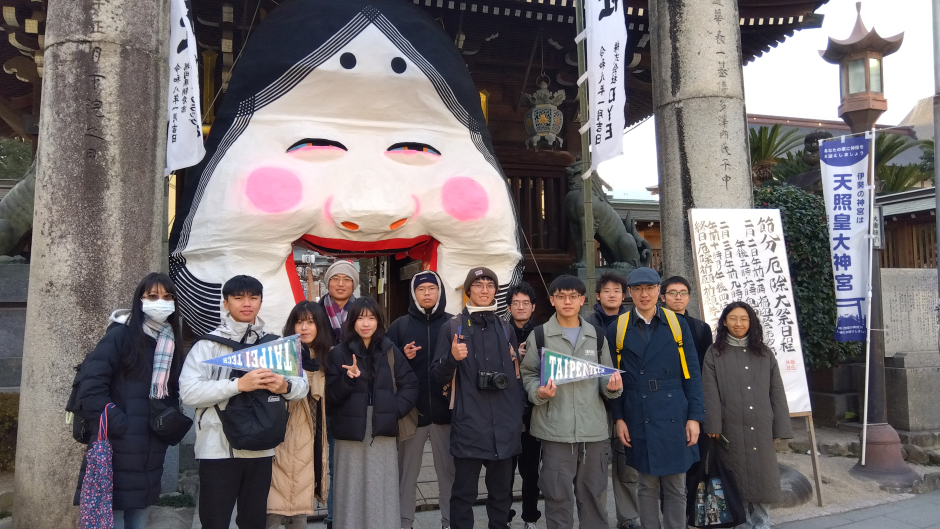
Interaction with IPS students was another key highlight of the program. By discussing differences in culture, learning environments, and industrial trends in their respective countries, participants broadened their global perspectives. Despite the short duration, the exchange fostered close connections among students and provided meaningful encounters that may continue into the future.
 |
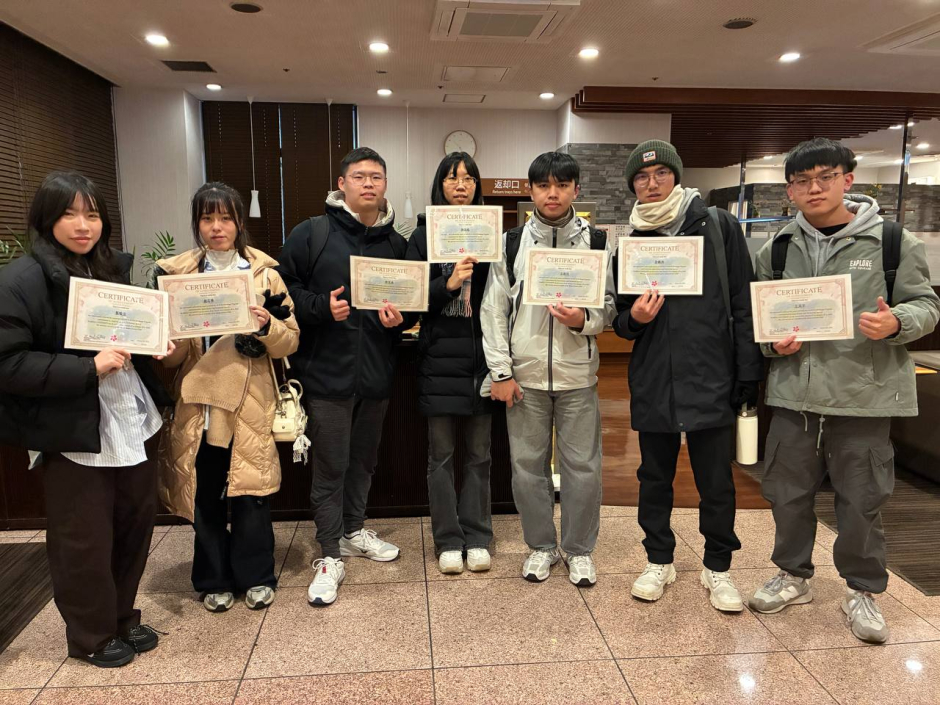 |
This program provided a valuable opportunity not only to experience cutting-edge technology but also to build connections among people. Through continued implementation, we will further promote the development of research talent capable of contributing on a global stage.