Index
- Researchers
- From Bilateral Collaboration to a Global Network: Expanding the WIAS–ZUKO Partnership through Early Career Researcher Initiatives
- Launch of the “WIAS Teatime Seminar”
- Associate Professor SHIMAKAWA Rhythm Awarded the MEXT Young Scientists’ Award
- Publication of Associate Professor FELICIANI Claudio’s Paper
- WIAS at a glance
- Information
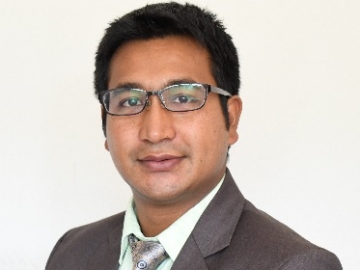
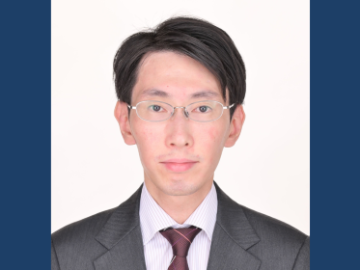
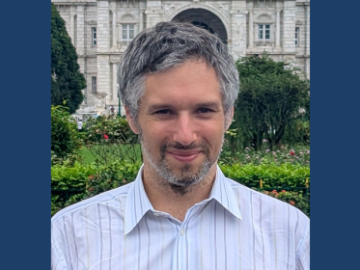
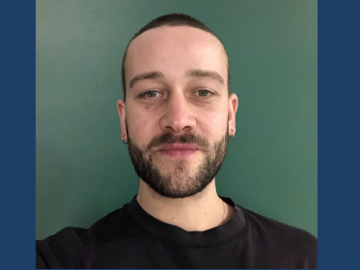
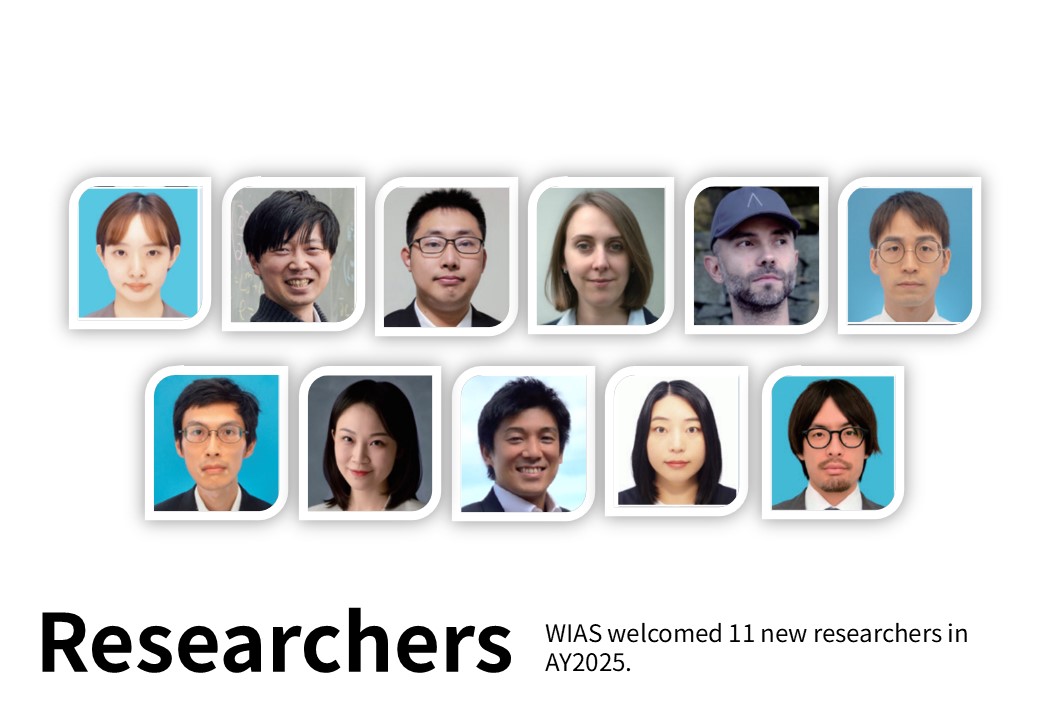
In AY2026, WIAS welcomed 18 new researchers, including those accepted through an emergency call to support scholars facing research difficulties in the U.S.
ANDERSON, Steven R.
I study human performance and cognition in safety-critical environments such as spaceflight, aviation, and healthcare. My research investigates how people use technology to “offload” cognitive demands and how this process can be optimized to reduce mental workload and prevent error. Drawing on cognitive psychology and social and cultural neuroscience, I examine how trust, culture, and human-machine interaction shape decision-making under stress.
COMASTRI, Chiara
I have been fascinated by Japan and its culture since high school and have the study of Japan for over two decades. During my studies, I have lived and conducted research in several countries, including the UK, Australia, and Brazil. My research interests lie in postwar Japanese intellectual and cultural history, with a focus on rural and regional cultural practices, gender relations, and grassroots forms of local democracy beyond formal political institutions.
CROSS, Julia
My research examines the sacred dead and the spirit realm in medieval Japanese Buddhism, with a focus on religious and popular representations. Building on my previous work on relic worship, mummification, and gender, my current project examines how medieval portrayals of female phantoms in Buddhist and folkloric sources influenced—and were reimagined in—Edo-period ghost tales, theater, and ukiyo-e prints. This interdisciplinary study also considers how representations of women, including constructions of gendered emotion, reflect broader cultural perceptions of women in both the living world and the spirit realm.
FELICIANI, Claudio
Despite being trained in engineering, I have long had a strong interest in the social sciences, which has guided my research toward pedestrian traffic and crowd management at the intersection of the two fields. My work focuses on understanding and assessing crowd conditions and supporting safer crowd management practices. I actively collaborate with event organizers in Japan, collecting and analyzing field data to improve crowd safety. Alongside my academic activities, I have also served as a volunteer firefighter.
FUJIMOTO, Yosuke
My research focuses on the Sarvāstivāda school in Indian Buddhism. The doctrines of this school were widely studied not only in India but also in various regions of Asia where Mahāyāna Buddhism was transmitted, such as Tibet, China, and Japan, and they came to form the theoretical foundation of Buddhist philosophy in those regions. This research project aims to compile a collection of defining passages for the core terminology of this school’s doctrinal system, digitize it in
conjunction with other lexical resources, and implement it as a publicly accessible digital tool for broader academic use.
JEUN, Jisu
My research studies policy-relevant macroeconomic questions about how economies can achieve greater resilience and faster aggregate growth. I approach these questions through the lens of firm dynamics, primarily by developing micro-founded quantitative heterogeneous-agent models. For example, in a model with firms’ endogenous IPO decisions, I analyze how cyclical variation in access to public equity markets affects firms’ job creation and amplifies business cycle fluctuations. I also study the implications of heterogeneous subjective expectations and bankruptcy (exit) processes.
LEE, Jinwon
I completed my Ph.D. in International Relations (Political Science) at the University of Illinois, and my research focuses on international security and alliance politics. I have served as a researcher at the Institute of Foreign Affairs and National Security at the Korea National Diplomatic Academy and a research associate at the Korea Institute for National Unification. I closely observed the series of U.S.-North Korea negotiations on North Korea’s denuclearization and its process.
LI, Qiaoyan
Despite seven years of implementation, Japan’s Specified Skilled Worker (SSW) program still struggles to attract sufficient migrant workers to meet labor demand. This project investigates how integration policies intersect with meso-level institutions (e.g., schools and communities), shaping the mobility choices and settlement of workers and their families. By unpacking these dynamics, the research will contribute to the enhancement of social integration and the strengthening of Japan’s competitive advantage in the regional competition for migrant workers.
MATSUNO, Takamichi
Materials containing nanoscale pores are useful across a wide range of applications, including energy materials, catalysts, and biomaterials. Precise and versatile synthesis is essential for rational functional design; however, synthetic methodologies remain under development. In this study, we aim to establish a synthesis strategy that enables simultaneous control over the composition, nanoporous structure, and crystallinity of nanoporous metal oxide materials, which have been difficult to realize using conventional approaches. This advancement will open the way to novel nanoporous materials that enable chemical synthesis and energy conversion utilizing untapped mechanical and thermal energy sources.
NAKAYAMA, Jo
Risk analysis and management are crucial for the safe use of technological systems such as chemical plants and hydrogen refueling stations. This study aims to develop an AI agent conducting systematic risk analysis. The proposed approach is expected to make advanced risk analysis widely accessible, promote systematic evaluation and appropriate mitigation strategies, and provide reliable, transparent, and resilient decision-support frameworks for stakeholders.
OBA, Dai
I am a political theorist with the interest in egalitarianism and institutional visions of social security. I am also exploring methodologies for connecting normative theory to empirical approaches. The aim of my research is to explore desirable institutional proposals of social security against the backdrop of ongoing inequality and poverty with no clear vision of social security for twenty-first century.
I am also interested in feminist theories.
ORTIZ-MOYA, Fernando
As global populations shrink, local governments often exhaust vital resources on obsolete “growth-at-all-costs” strategies. My research shifts this paradigm, focusing on how communities can actually thrive during demographic decline. By analyzing pioneering Japanese municipalities that have abandoned growth-centric models for sustainable alternatives, I am designing an evidence-based planning framework. Ultimately, this actionable playbook will guide shrinking towns in maintaining essential services, enhancing well-being, and securing resilient futures.
PARK, Eun-A
My research project at WIAS will examine how human rights NGOs, museums, and advocacy groups in South Korea and Japan construct and institutionalize memory in relation to North Korea, and how these processes shape the prospects for peace and reconciliation in East Asia. While much scholarship has examined North Korean human rights through the lens of international law, humanitarianism, or geopolitics, less attention has been paid to what I call “memory infrastructures”– victims’ testimonies, museums, archives, transnational advocacy campaigns that give shape and legitimacy to justice claims. This research project reframes human rights activism not only as a matter of legal norms or humanitarian relief, but as a deeply historical and political struggle over memory, victimhood, and legitimacy.
POUNT, Dotno Dashdorj
I am a scholar of Mongolian history and religion. I completed my PhD in 2023 at the University of Pennsylvania, MA in 2015 at SOAS – University of London, and my BSE in 2010 at Princeton University. I grew up in Ulaanbaatar and New Jersey, and am a proud member of the Mongol diaspora from the Xinjiang and Inner Mongolian Autonomous Regions of China. Most recently, I have been researching the shifting gender roles at the Chinggis Khan shrine.
TIAN, Mi (*Resigned as of June 2026)
Research Theme at WIAS:
Collective Making: The “Practical” Turn of Chinese Art in the Nineteenth Century
YAMADA, Masahiko
Quantum spin liquids, which lack magnetic order down to low temperatures, provide an ideal stage for all manner of quantum phenomena that transcend conventional wisdom in condensed matter physics. Dynamically manipulating quantum spin liquids not only enables quantum computing but also leaves the properties of these systems themselves shrouded in mystery. I will employ novel research methods to tackle several unsolved problems in quantum condensed matter physics.
YANG, Yi
I am interested in the relationship between historiography and nationalism. My research first investigates Song-dynasty historical narratives about northern nomadic and hunting peoples and their regimes. It then examines how the history of Song interactions with northern peoples was reinterpreted and reconstructed in the context of academic exchanges between China and Japan in the early twentieth century, the formative period of modern historical scholarship, and how it became an intellectual resource that contributed to the development of national consciousness and nationalism in modern China.
YOSHIDA, Yuri
My research in modern and contemporary art history centers on the question of how and why visual forms take on particular configurations at specific historical moments, and what such processes disclose about the entanglement of art and history. Currently, I focus on diverse artistic practices in American art since the 1960s, examining how technological developments and mathematical modes of thought have shaped visual expression, and how such perspectives may open new approaches to writing the history of postwar art.
Introduction of our activities
1. From Bilateral Collaboration to a Global Network: Expanding the WIAS–ZUKO Partnership through Early Career Researcher Initiatives
The Waseda Institute for Advanced Study (WIAS) and the Zukunftskolleg of the University of Konstanz (ZUKO) first connected through UBIAS (University-Based Institutes for Advanced Study), a global network of institutes for advanced study. Since signing an institutional agreement in 2020, the two institutes have built a robust partnership. Beyond annual online matching sessions, WIAS and ZUKO launched a researcher exchange program in 2023 and expanded their collaboration to include a reciprocal staff exchange in AY2025, maintaining active and systematic institutional ties.
As of 2026, the cumulative impact of these sustained exchanges is yielding even broader engagement.
Exploring the Future of Knowledge Production: The 4th Joint Workshop
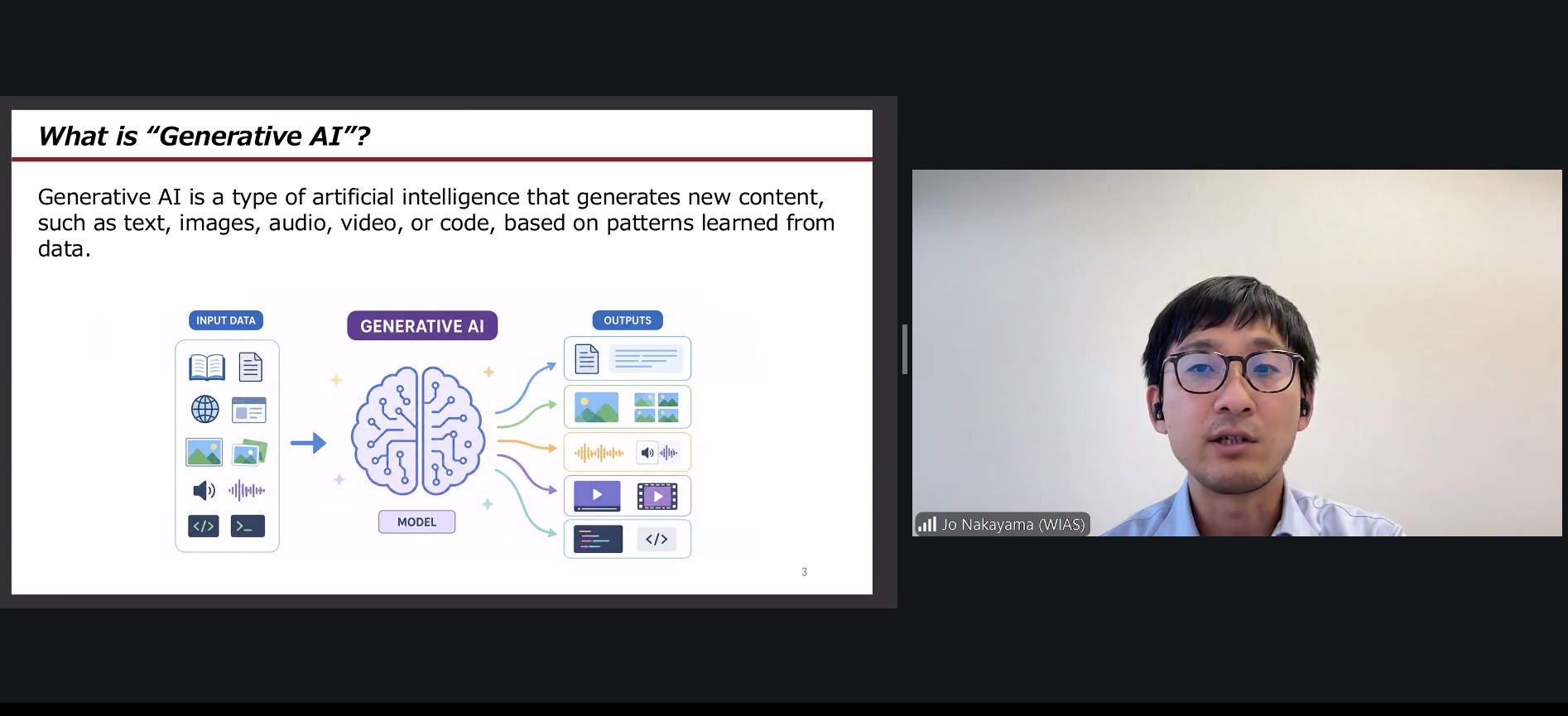
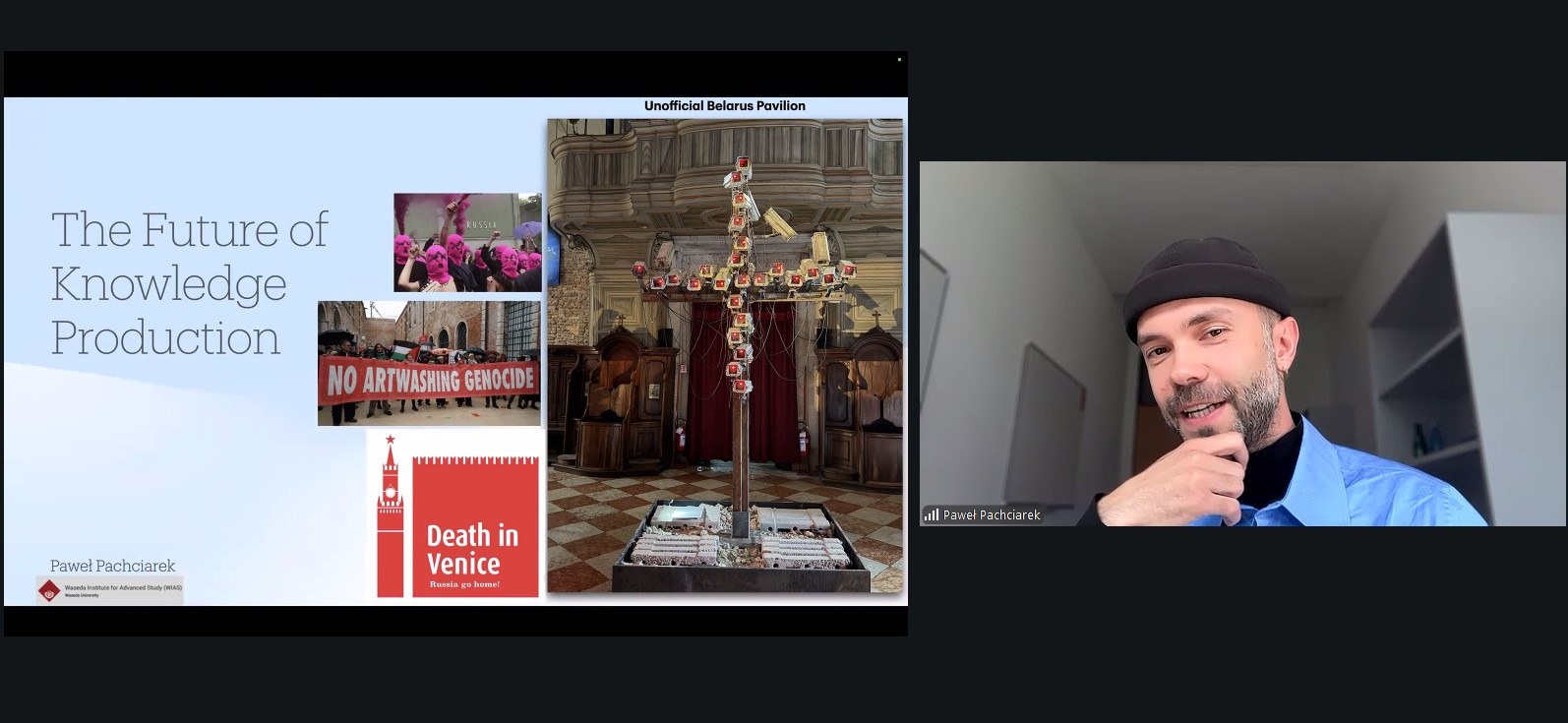
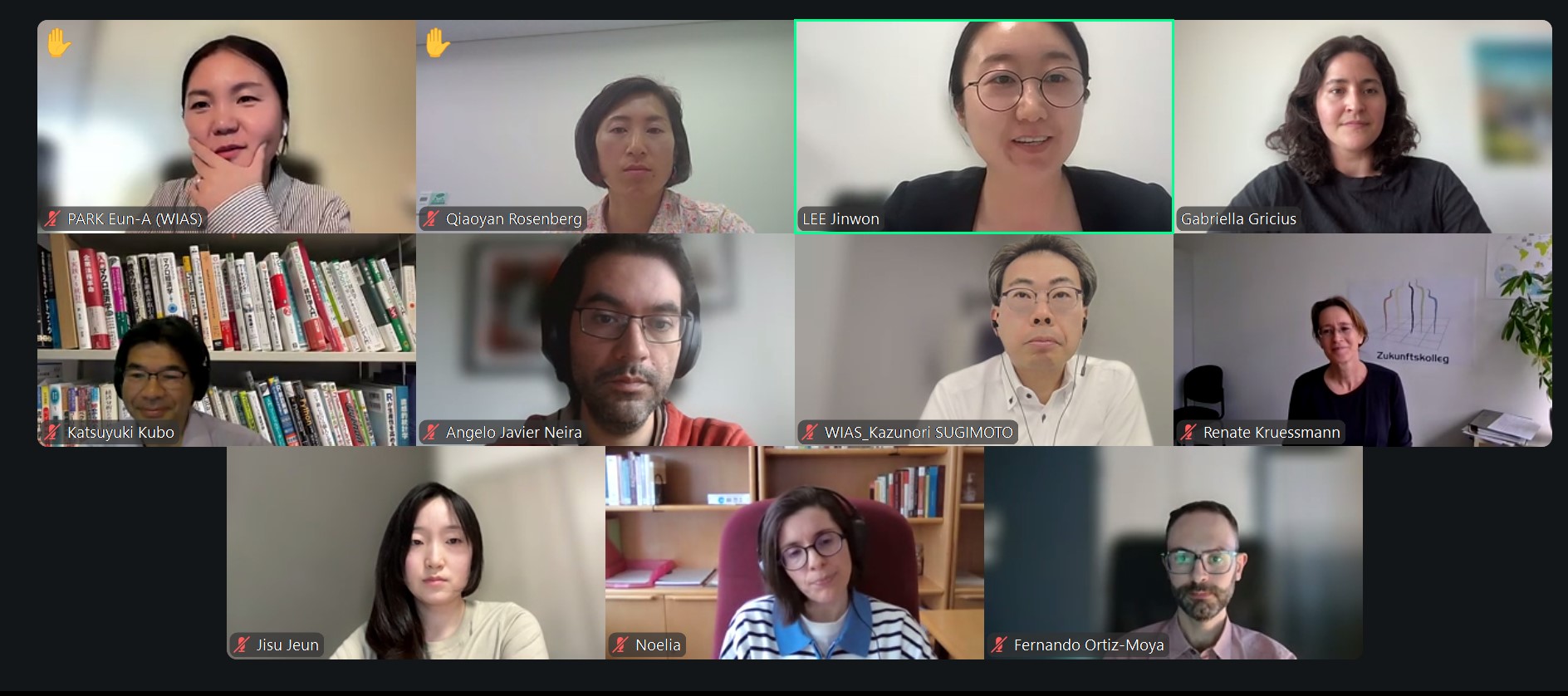
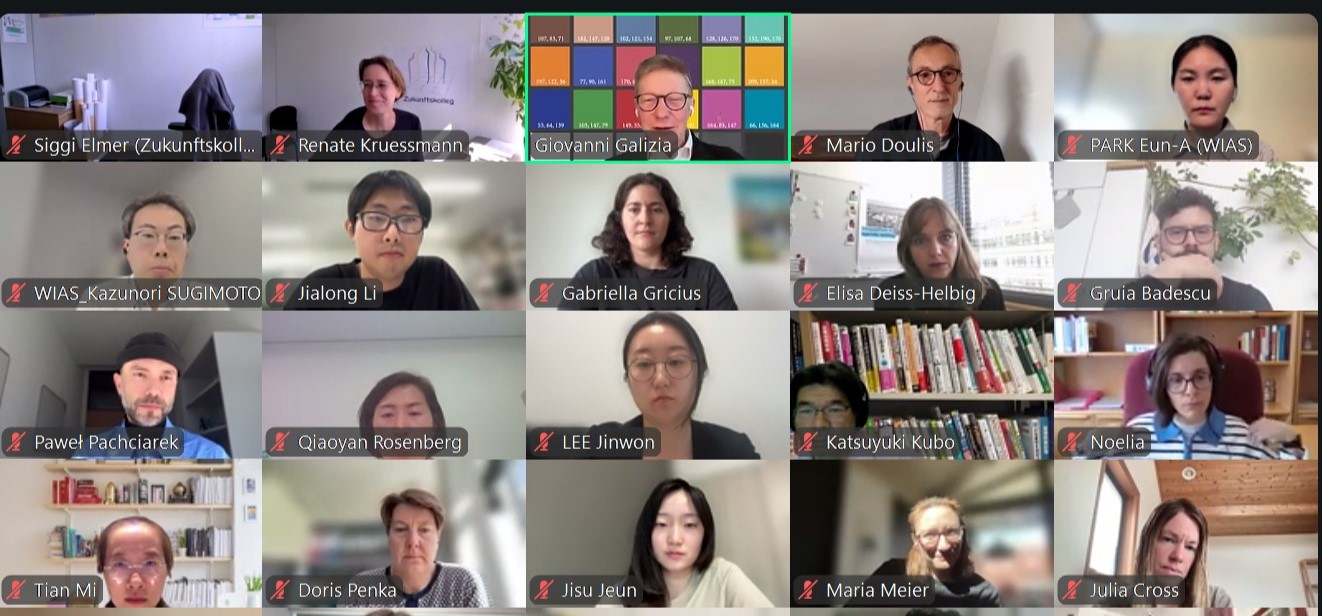
On 12 May 2026, WIAS and ZUKO jointly hosted the 4th ZUKO–WIAS Joint Workshop (Jour Fixe) online under the theme “Future of Knowledge Production.” Organized in connection with the global UBIAS Topic of the Year, the workshop served as a platform for interdisciplinary reflection on how contemporary research systems are evolving amid rapid technological innovation and geopolitical uncertainties.
While this joint online workshop has become an established annual tradition for academic exchange between the two institutes, this year’s edition featured a special highlight. Dr. Paweł Pachciarek, Assistant Professor at WIAS, delivered his presentation directly from Konstanz while staying at ZUKO as a Research Fellow. Presenting as an integrated member of the host institution’s community while bridging the two institutes, his participation vividly symbolized how the researcher exchange program has borne fruit in the form of tangible, real-time scholarly collaboration.
The workshop featured three impulse talks from diverse disciplinary backgrounds:
- Dr. Gabriella Gricius (ZUKO): Arctic Knowledge Production under Climatic and Geopolitical Pressure
- Dr. Jo Nakayama (WIAS): Reframing Safety Engineering as Knowledge Production in the Age of Generative AI
- Dr. Pawel Pachciarek (WIAS / ZUKO Visiting Scholar): Humanities After Overproduction: Art, AI, and the Future of Knowledge
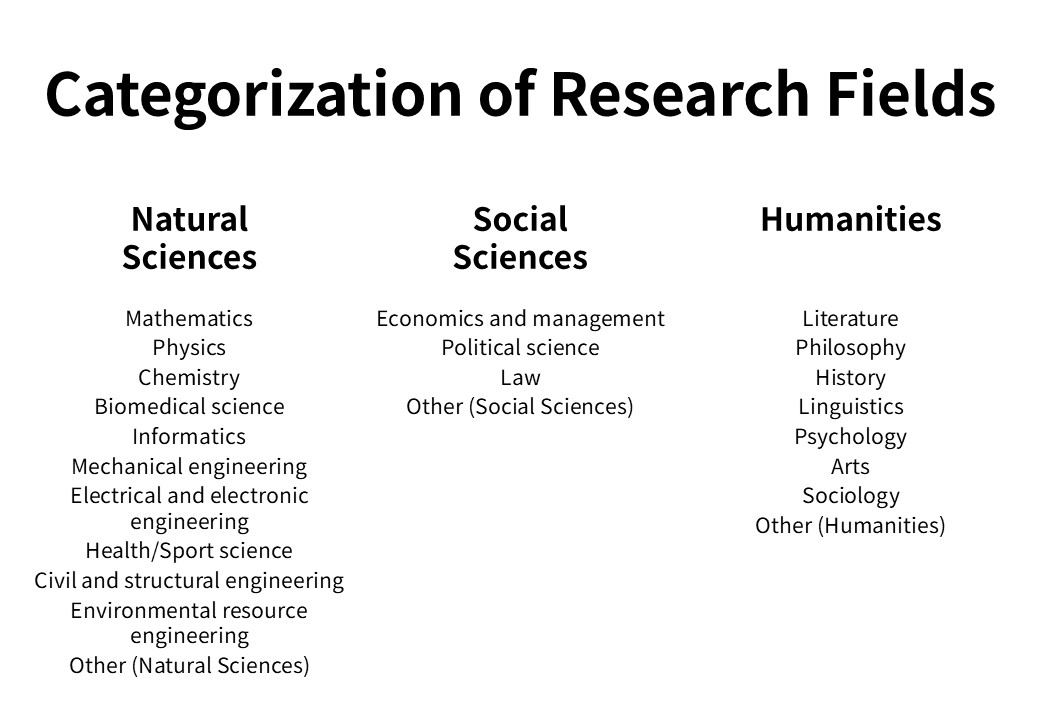
Following the presentations, participants joined breakout rooms dedicated to the Natural Sciences, Social Sciences, and Humanities, engaging in vibrant discussions that deepened connections among fellows across disciplines and institutions.
Spearheading Global ECR Support: Launch of the UBIAS ECR Seminar Series
The collaboration between WIAS and ZUKO has extended beyond bilateral activities to encompass multilateral initiatives within the broader UBIAS network. Since 2024, both institutes have co-led the UBIAS Early Career Researcher (ECR) Working Group. In 2025, the Working Group conducted a network-wide survey on ECR support practices among member institutes and presented the findings at the UBIAS Directors Meeting in November, leading strategic discussions on the future of early-career support.
Building on these efforts, a new online talk series entitled “From Fellowship to Future” was launched in 2026, based on a proposal conceptualized and led by WIAS. This series is designed to foster the professional growth of early career researchers while promoting institutional learning and collaboration.
Comprising six sessions throughout the year, the program provides a platform for sharing best practices across member institutions. Recordings of Talk 1 and Talk 2 are now available on the ZUKO website.
- Talk 1: Recruitment & Onboarding (Held on 21 May 2026 / Archive available)
- Talk 2: Mentorship (Held on 8 June 2026 / Archive available)
- Talk 3: Research & Interdisciplinarity (Scheduled for 16 September 2026)
- Talk 4: Career Development (Scheduled for 5 October 2026)
- Talk 5: Peer-to-Peer Network (Scheduled for 25 November 2026)
- Talk 6: Alumni & Network Asset Building (Scheduled for 11 December 2026)
[Archive & Program Information]
Event recordings and upcoming session details can be accessed on the ZUKO event page:
https://www.uni-konstanz.de/zukunftskolleg/events/upcoming-events/ubias-talk-series-for-early-career-researchers/
The true value of international partnership lies not merely in signing agreements, but in cultivating institutional frameworks that foster continuous dialogue and collaborative practice among researchers. WIAS remains committed to steadily advancing these foundational networks for global academic exchange.
Related Website
For more details on Dr. Pawel Pachciarek’s stay in Konstanz through the Researcher Exchange Program, please click here.
2. Launch of the “WIAS Teatime Seminar”
WIAS hosts around 20 international researchers each year, ranging from promising early-career scholars to experienced senior researchers. To create more opportunities for interaction and academic matching between these researchers and WIAS members, our Activity Planning Committee members launched a new initiative: the ‘Teatime Seminar.’
A total of three sessions were held by the end of July. Over tea, coffee, and snacks in a relaxed setting, WIAS researchers, visiting researchers and scholars discussed differences in global research environments and bridged diverse academic disciplines to inspire future collaborations.
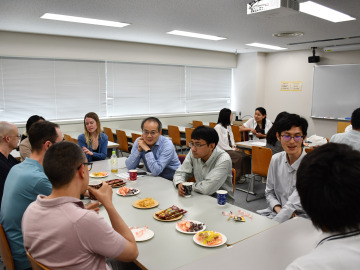
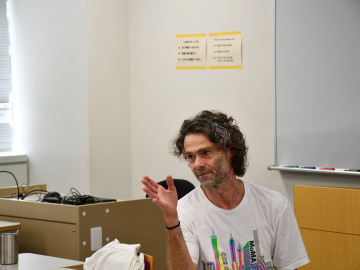
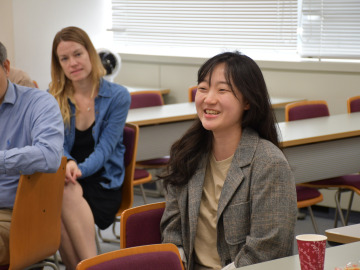
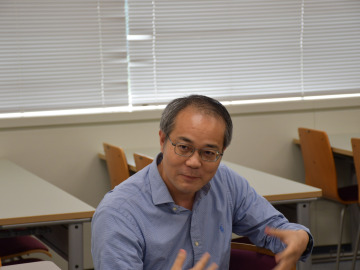
Positive feedback was received from all participants. WIAS researchers noted that “it was very informative to hear from researchers with extensive overseas experience,” while visiting researchers and scholars shared that “it provided a great opportunity to get to know WIAS members.”
Moving forward, we will continue to actively foster further interactions and interdisciplinary collaborations within the WIAS community.
3. Award and publication of Associate Professor SHIMAKAWA Rhythm’s research
Associate Professor SHIMAKAWA Rhythm, a recipient of The Young Scientists’ Award of the Commendation for Science and Technology by the Minister of Education, Culture, Sports, Science and Technology (MEXT) for FY2026, introduces his latest research achievements. His research findings have been published in prestigious international journals, including “Monthly Notices of the Royal Astronomical Society”, drawing significant interest.
Why Did Cluster Galaxies Stop Growing? ― Commuting to a “Scene” 11 Billion Light-Years Away
I am deeply honored to have received the Young Scientists’ Award of the FY2026 Commendation for Science and Technology by MEXT (Japan’s Ministry of Education, Culture, Sports, Science and Technology), for “observational studies of red galaxies forming in protoclusters at the peak epoch of the cosmic star formation.” I am truly grateful to everyone who has supported me. The award recognizes a series of observations that captured galaxies ending their growth about 11 billion years ago, when galaxy formation was at its height. Let me introduce, in a somewhat relaxed tone, the research I have pursued for over a decade since my graduate days.
The mystery of galactic “retirement”
Not every galaxy keeps forming stars forever. The Universe hosts galaxy clusters, the most massive objects, weighing up to a quadrillion Suns, and their centers are occupied by massive galaxies that have already “withered,” having ceased star formation. Moreover, many of them retired more than ten billion years ago, when the Universe was young and galaxy formation was most vigorous. Considering that our Milky Way still forms about one Sun’s worth of stars every year, that is a strikingly early retirement. Why, and how? This remains one of the major mysteries of modern galaxy astronomy.
There is, in fact, a prime mover suspected of halting galaxies prematurely: the supermassive black hole lurking at each galaxy’s center. The enormous energy released as a black hole swallows matter can blow away and heat the gas that would otherwise form stars, shutting down the galaxy’s growth. This scenario has been strongly supported by theory for a quarter of a century, yet observational evidence has remained scarce: in distant galaxies, light from the black hole and light from the stars blend together and are difficult to disentangle. A compelling storyline, but no decisive evidence — such has been the situation to this day.
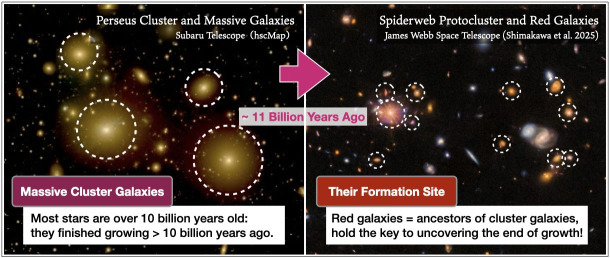
Fig. 1: The Perseus cluster in the present-day Universe (left) and the Spiderweb protocluster about 11 billion light-years away (right). The white circles mark “withered” massive galaxies (left) and their ancestors, red galaxies (right). Since looking deep into space means looking back in time, we can directly witness massive galaxies ending their growth.
Clues caught in the spider’s web
The only way to secure evidence is to directly observe the “scene” where galaxies wither. The scene I have kept visiting since my student days is the Spiderweb protocluster, 11 billion light-years away toward the constellation Hydra. A protocluster is a large assembly of galaxies still in formation, the ancestor of a present-day galaxy cluster. At its center sits a giant galaxy that grows by devouring surrounding galaxies, like a spider awaiting prey at the heart of its web — hence the name. Studied in more than a hundred papers since its discovery in 1997, it is a “Mecca” of protocluster research. It hosts numerous “red galaxies” tinged with the colors of old stars, regarded as the ancestors of today’s retired massive galaxies, and they were thought to hold the key to the mystery.
As a graduate student, I thoroughly surveyed this region with the Subaru Telescope, using special filters that pinpoint the hydrogen emission lines tracing star formation. This revealed that the protocluster is destined to grow into one of the largest clusters in the present Universe, and that it is crowded with far more massive galaxies than usual, showing signs of active black holes (published in 2014 and 2018). The clues were in hand. All that remained was to catch the moment when the galaxies wither.
Two “decompositions”: in spectrum and in space
The answer came in two steps. First, we integrated observational data accumulated over the past two decades by the world’s leading telescopes — from X-rays, which capture high-energy phenomena such as the hot gas around black holes, to submillimeter waves (a kind of radio wave), which capture the faint thermal glow of the cold dust that cradles star formation — and performed a multi-wavelength analysis that spectrally separates the light of galaxies from that of black holes. It turned out that one-third of the “red galaxies,” long believed to be actively forming stars, in fact shine mostly by their black holes, with star formation already coming to an end (published in 2024; Fig. 2, left).
Spectral analysis, however, is indirect evidence that relies on models. So we finally turned to the James Webb Space Telescope, launched at the end of 2021. Exploiting its revolutionary spatial resolution, we observed hydrogen emission lines that trace both star formation and black hole activity, and directly captured, in a spatially resolved way, red galaxies with active black holes in which star formation has indeed stopped, while those with quiet black holes keep forming stars (published in 2025; Fig. 2, right). Although this remains phenomenological evidence, it was the moment a long-theorized scene finally reached the observational table. This result — galaxies quietly withering under the black holes they themselves nurtured, the very scene where the “withered” massive galaxies that dominate clusters are born one after another — fortunately drew a wide response, ranking within the top 1% of contemporary papers in the Altmetric attention index.
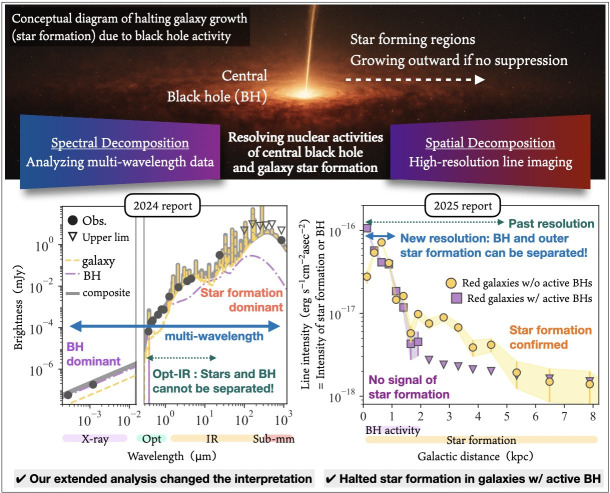
Fig. 2: Illustration of black hole activity suppressing star formation in a galaxy (top), and the two analyses of this work. The spectral decomposition by multi-wavelength data (bottom left; published in 2024) revealed that part of the light attributed to stars actually originates from black holes. The spatial decomposition of emission lines with the James Webb Space Telescope (JWST; bottom right; published in 2025) directly confirmed that star formation has stopped in red galaxies hosting active black holes.
Days at WIAS, and the road ahead
Looking back, this research, which I began as a graduate student at SOKENDAI, has continued back and forth across the Pacific, via the University of California, Santa Cruz, and NAOJ in Hawaii and Tokyo. The Waseda Institute for Advanced Study (WIAS), which I joined in 2023, is a rare environment where daily discussions with researchers in different fields inevitably broaden one’s horizons. Lately I have been devoting particular effort to the use of AI, and new research seeds that exploit large datasets are beginning to sprout.
Still, the mystery is only half solved. How do black holes blow the gas out of an entire galaxy? What pulls the trigger? How much does the special environment of a protocluster hasten the awakening of black holes? Armed with next-generation telescopes, I intend to keep commuting to that distant “scene.”
[Key publications]
・Shimakawa, R. et al. 2025, “Spider-Webb: JWST Near Infrared Camera resolved galaxy star formation and nuclear activities in the Spiderweb protocluster at z=2.16”, Monthly Notices of the Royal Astronomical Society Letters, 537, L36
・Shimakawa, R. et al. 2024, “New insights into the role of AGNs in forming the cluster red sequence”, Monthly Notices of the Royal Astronomical Society, 528, 3679
・Shimakawa, R. et al. 2018, “MAHALO Deep Cluster Survey II. Characterizing massive forming galaxies in the Spiderweb protocluster at z=2.2”, Monthly Notices of the Royal Astronomical Society, 481, 5630
・Shimakawa, R. et al. 2014, “Identification of the progenitors of rich clusters and member galaxies in rapid formation at z > 2”, Monthly Notices of the Royal Astronomical Society Letters, 441, L1
Related Website
4. Publication of Associate Professor FELICIANI Claudio’s co-authored Paper
Associate Professor FELICIANI Claudio’s latest co-authored research investigates human directional preferences in movement. These findings were published in “Nature Communications” (June 10, 2026) and featured in a Waseda University press release, attracting significant attention across various media outlets. Below is an overview of the study.
Why do humans prefer to move counter-clockwise?
In a recently published paper, WIAS member Claudio Feliciani and his colleagues discovered that people have a natural tendency to move counter-clockwise, in other words, to turn left. The study appeared in the prestigious journal Nature Communications, and rapidly attracted worldwide attention, not only among scientists but also among the general public. To the surprise of the authors, it eventually got featured on the front page of The New York Times, showing that in times dominated by political instability, there is still curiosity for scientific research.
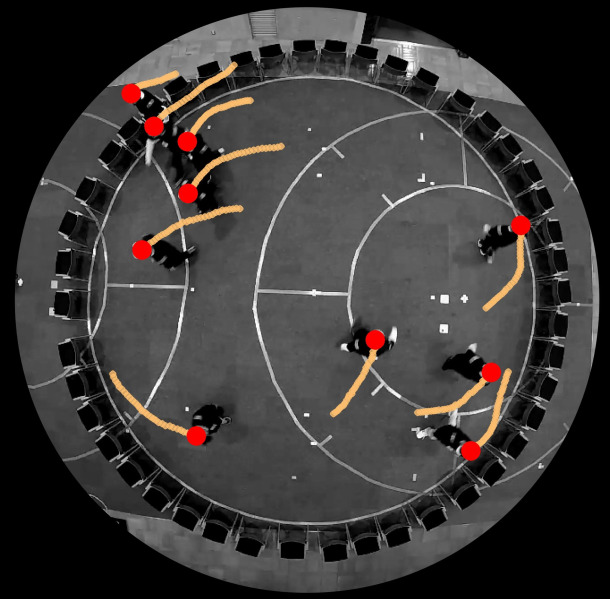
Snapshot from one trial of the Japanese experiments. Red dots indicate the participants’ current positions, while the orange lines show their past trajectories. In this snapshot, most participants are moving in the counterclockwise direction.
A serendipitous discovery during COVID-19
The research began in Spain in 2020, during the COVID-19 pandemic. Policymakers needed safety standards that would allow daily life to continue while limiting viral transmission. Although maintaining (social) distance is relatively simple in a queue, it becomes much harder when people move in different directions, as in a busy railway station like Shinjuku.
Spanish researchers therefore conducted an experiment to determine how many walking people could occupy a room while maintaining an average distance of one metre. Participants were asked to walk randomly without stopping inside a rectangular room. By measuring collision-avoidance indicators such as time-to-collision, the researchers estimated a maximum density of 0.16 people per square metre.
However, while analysing the data, they made an unexpected discovery: participants tended to rotate collectively in the counter-clockwise direction. The effect was difficult to notice in the videos but very clear in the data. Among 32 trials, clockwise rotation prevailed only once.
The interaction with walls
To explain this surprising result, the researchers examined previous studies and found evidence that right-handed people tend to turn left when approaching a wall. They therefore considered whether repeated left turns near the walls could produce counter-clockwise rotation.
After collecting information about participants’ handedness and modelling their interactions with the walls, the researchers successfully reproduced the experimental results in simulations. The explanation about the interaction with the walls seemed plausible, but direct experimental evidence was still missing.
Challenging the original explanation
The experiments were repeated (again in Spain) under more controlled conditions in a circular arena, eliminating the possible influence of corners. Before the main experiment, each participant walked towards a wall, turned, and returned, allowing the researchers to classify them as a left or right turner in regard to the walls.
If wall interaction determined the collective rotation, groups composed only of right turners (i.e. people that move to the right when approaching a wall) should have rotated clockwise. Instead, they still rotated counter-clockwise. The same bias was observed in groups of left-handed participants and in experiments performed in a large schoolyard with no clear boundaries. The walls were therefore not responsible for the phenomenon, nor was the interaction with them.
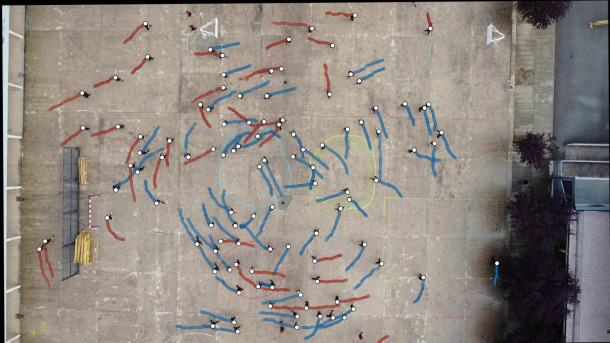
Snapshot from the Spanish experiments with teenagers. Blue trajectories indicate participants moving in the counterclockwise direction, while red trajectories indicate those moving in the clockwise direction.
Social and cultural norms
The first round of experiments was conducted in Spain, where people normally drive and walk on the right. To test whether traffic conventions or cultural habits influenced the result, Claudio Feliciani—then a researcher at the University of Tokyo—joined the project and the experiments were repeated in Japan, where people generally keep to the left.
To ensure complete control of the experimental conditions, the researchers checked the walking preferences of the Japanese participants (left side confirmed) and their turning preferences when interacting with the walls. However, despite the opposite walking preference, the outcome was almost identical to the result obtained in Spain. Japanese participants also rotated counter-clockwise, and the numerical results were very close to those obtained in Spain.
Additional evidence suggested that social expectations were not the cause. In a survey based on a neutral computer-game image, most participants predicted that they and others would move clockwise when looking at the static pictures. In reality, however, when people actually had to walk, they moved counter-clockwise.
Also, previous experiments with five-year-old Japanese children showed the same counter-clockwise bias, which was even stronger than that observed in adults, even though children of that age are (arguably) less strongly influenced by social norms.
An individual rather than collective bias
Until this point, all experiments had involved groups. The researchers therefore asked whether counter-clockwise rotation emerged from social interactions such as collision avoidance, imitation, or following, or whether individuals already had a preference for that direction.
To answer this question, new experiments were performed once again in Spain where participants were tested one at a time. Even when walking alone, approximately 60-65% moved counter-clockwise. However, a more detailed analysis revealed a more interesting and nuanced image. Although most people showed little or no consistent preference, a small number repeatedly turned in the same direction (i.e. people moving in circles). Among these “extreme turners,” most moved counter-clockwise and only a few moved clockwise. In short, the bias is mostly caused by these extreme turners, most of whom had a strong preference for counter-clockwise rotation.
The experiments therefore showed that the bias originates at the individual level. It becomes visible in groups because people continue moving in their preferred direction rather than because they are influenced by others. In short, when 60-65% of a population prefer to move counter-clockwise and a group of, say, 40 people is formed, it is very likely that the group will, on average, move counter-clockwise.
What comes next?
We now know that the counter-clockwise bias begins at the individual level, but its cause remains unknown. Why do some people strongly prefer the left direction? Why is the effect clear only in a minority of individuals?
Media attention has been both fortunate and problematic. Future participants may recognise the purpose of the experiment, making unbiased testing more difficult. Fortunately, additional (yet unreported) experiments were completed before the paper was published and widely showcased.
These new results provide further clues, but the mystery remains unresolved. In fact, the more we investigate, the deeper it appears to become, giving us even greater motivation to continue exploring this fascinating phenomenon.
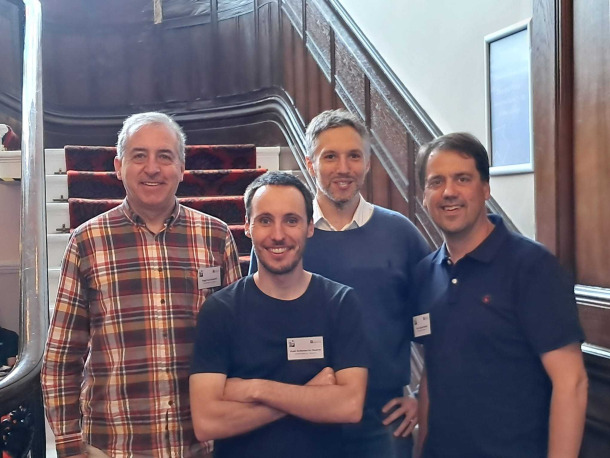
Claudio Feliciani (second from the right) together with the Spanish research team at the Traffic and Granular Flow (TGF) conference in June 2026 (from left to right: Ángel Garcimartín, lead author Iñaki Echeverría-Huarte, and Iker Zuriguel).
Related Website
5. WIAS at a glance
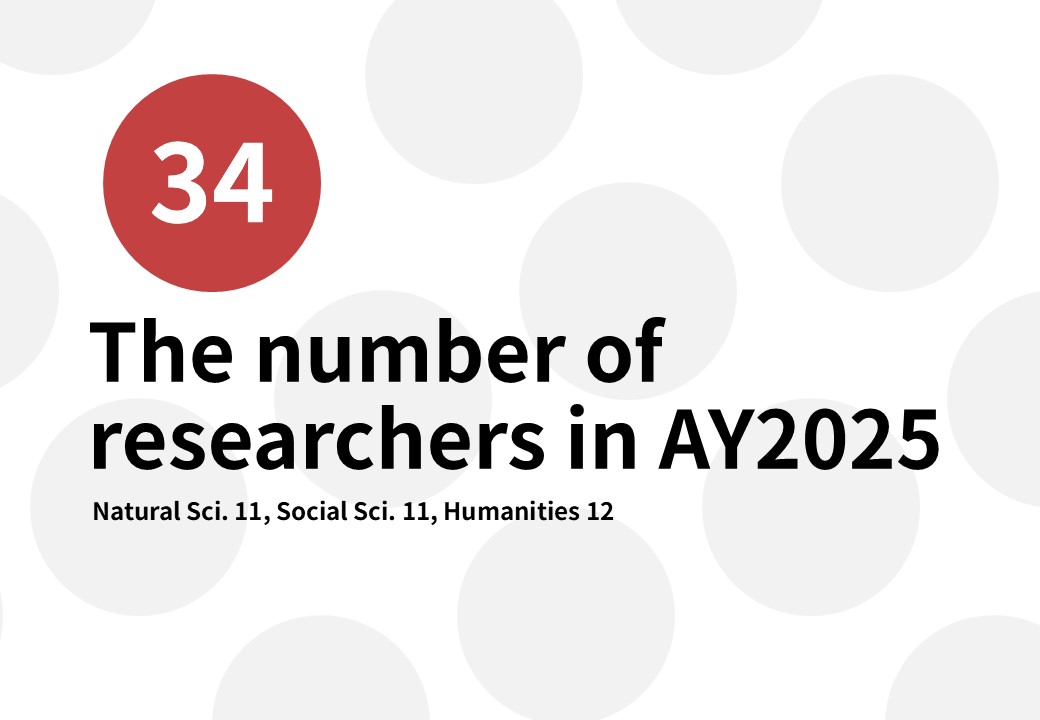
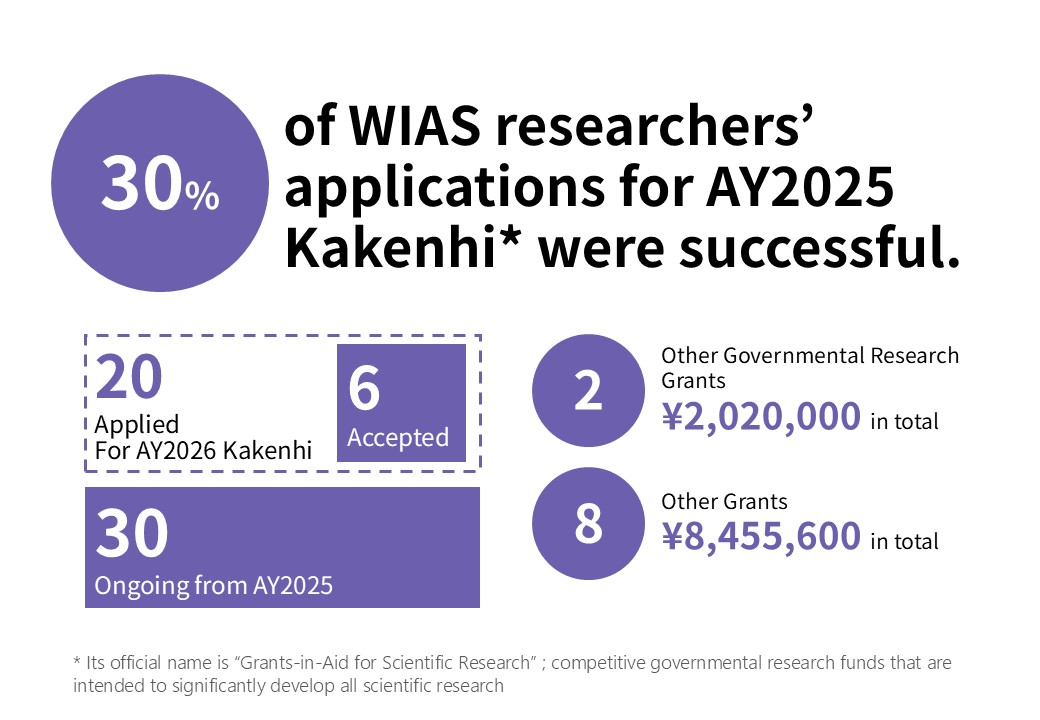
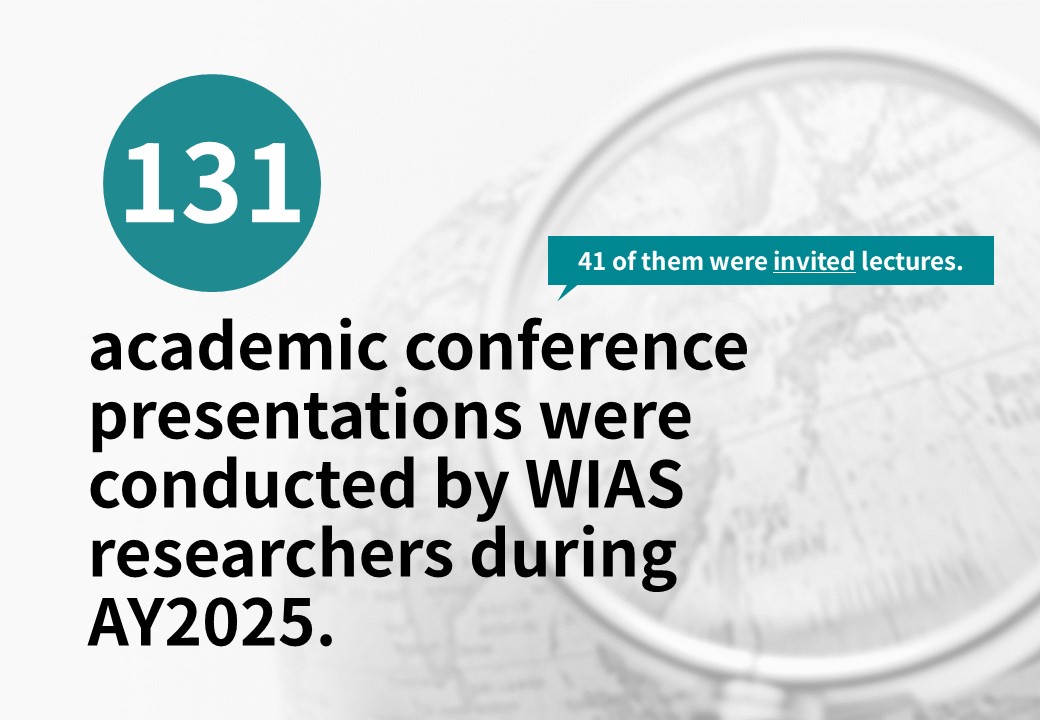
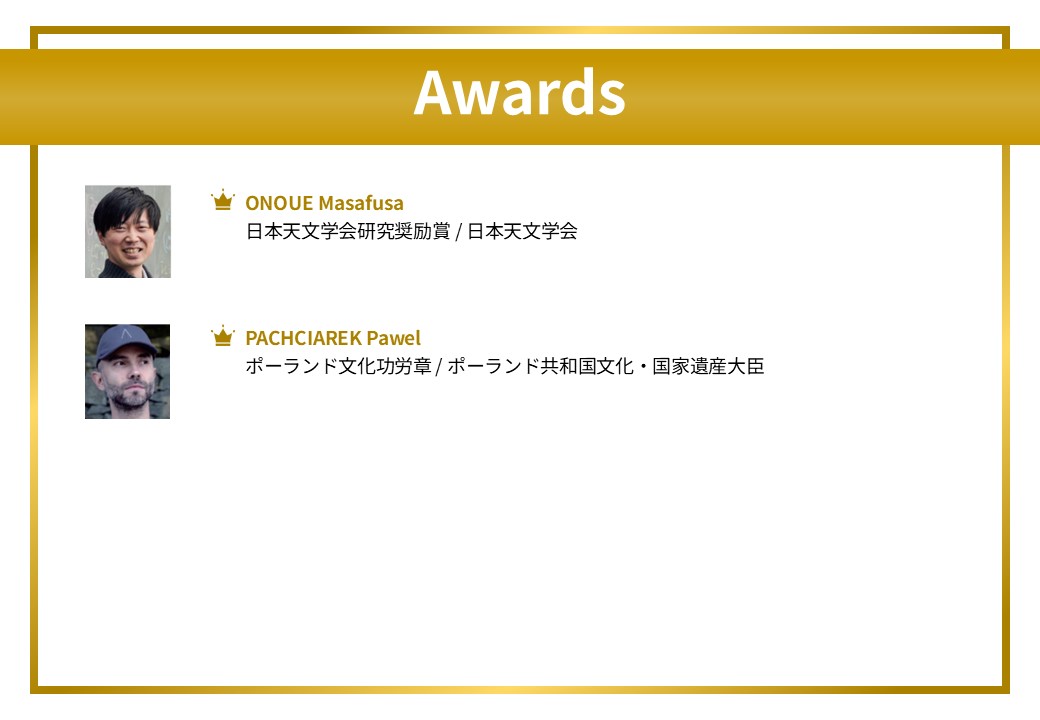
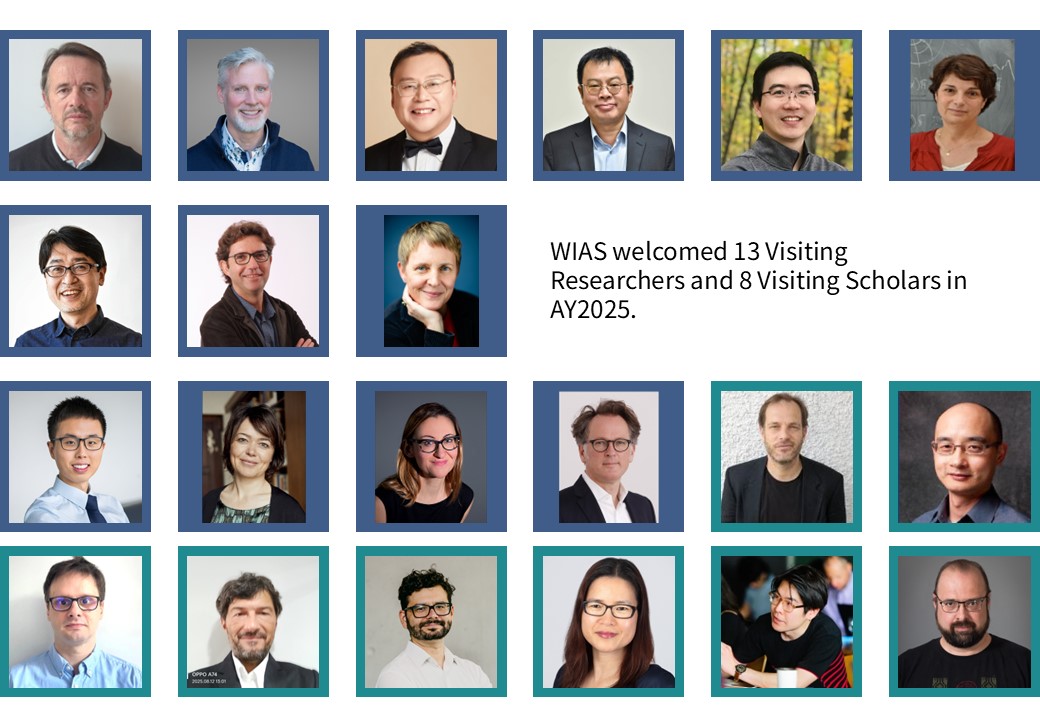
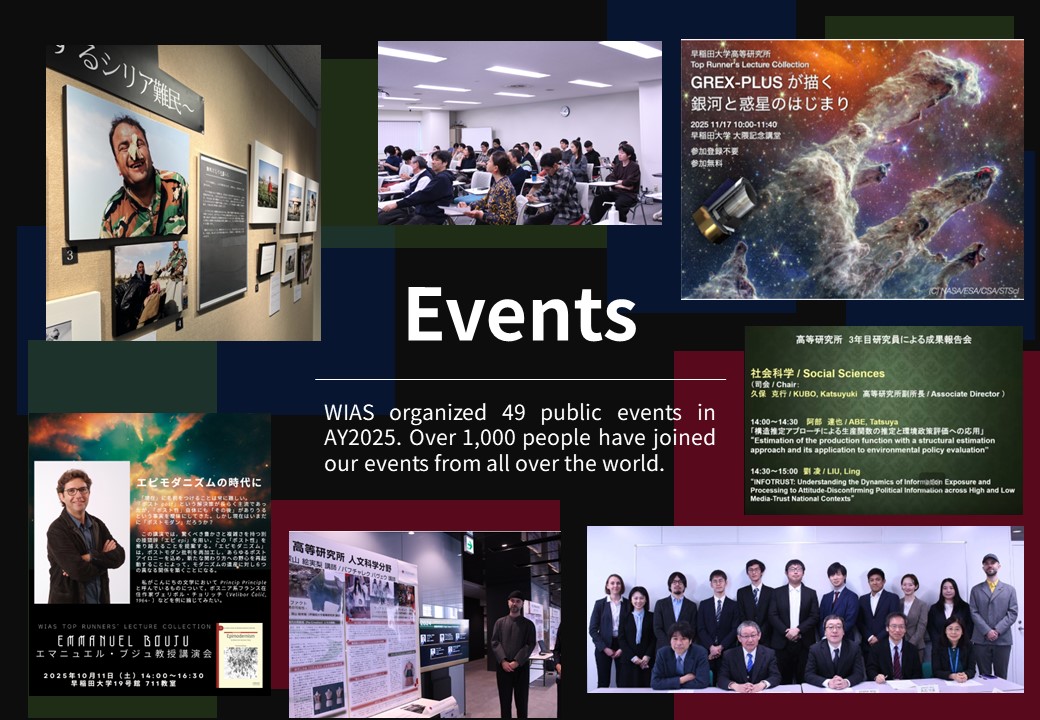
Achievements of WIAS and its researchers in AY2025 are shown in numbers below (Click the following picture or here to see whole slides).
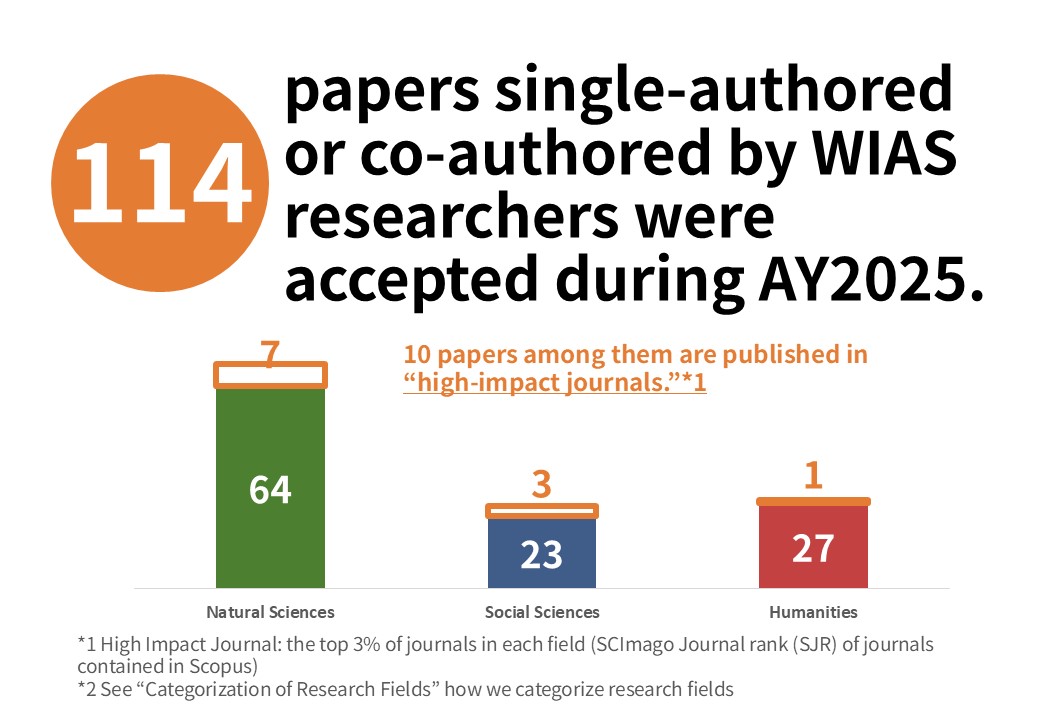
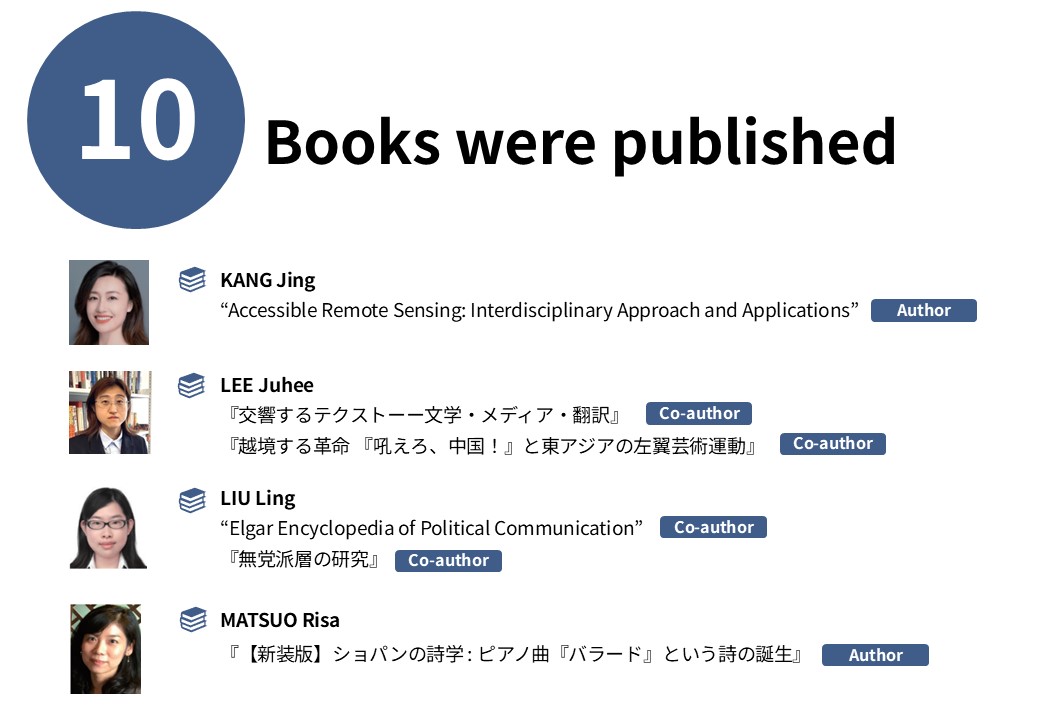
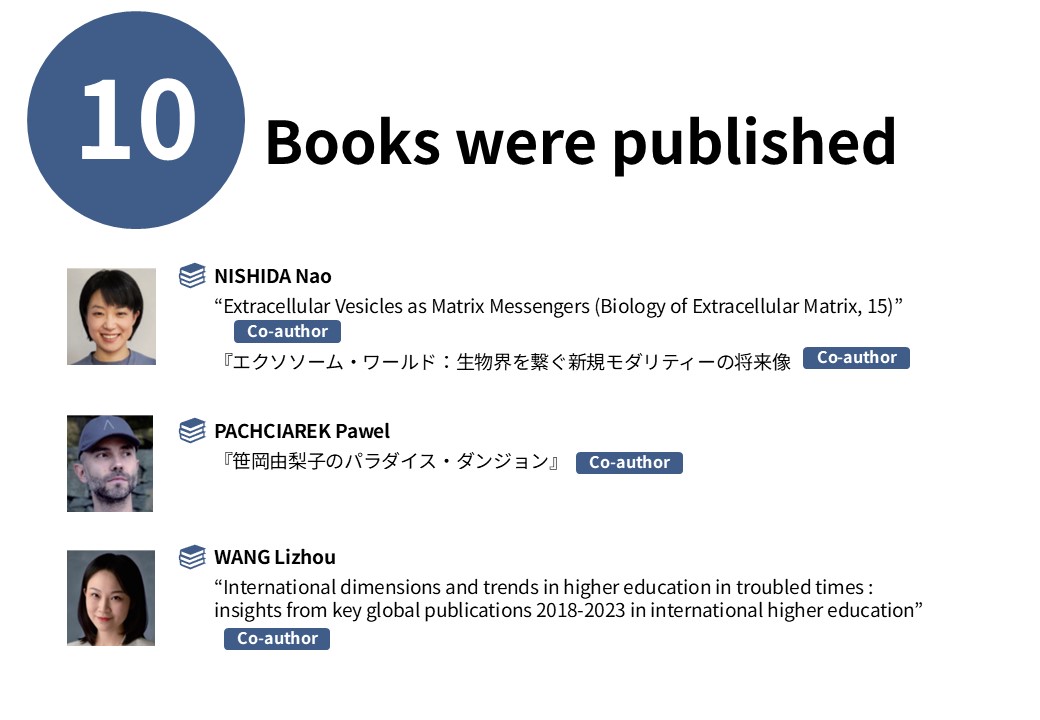
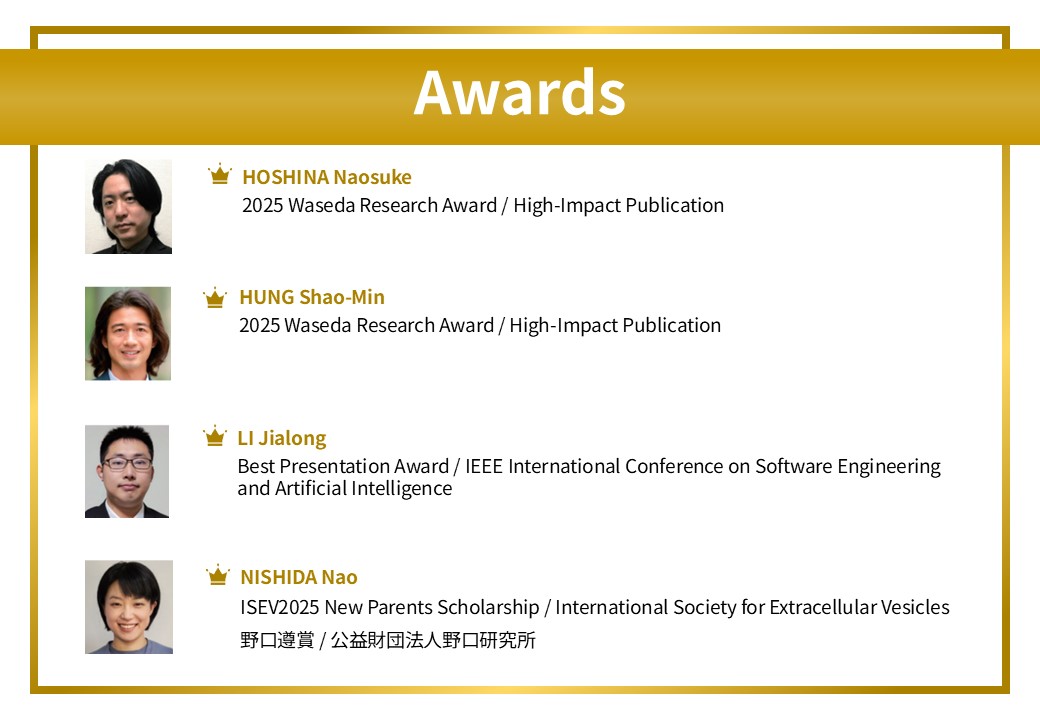

Information
WIAS invites outstanding overseas researchers who are active internationally, and contributes to the energizing of research activities at Waseda University through academic exchanges and seminars between our researchers and the invitees. Click here for more information.
Visiting Researchers
- March 1 –March 31, 2026
DEROY, Ophelia
Professor, Ludwig Maximilian University, Munich (Germany)
- March 1 –March 31, 2026
RATHCKE, Tamara
Professor of English Linguistics, University of Konstanz (Germany)
- March 11 –April 10, 2026
KOSFELD, Michael
Professor of Management, Faculty of Economics and Business, Goethe University Frankfurt (Germany)
- May 10 –June 9, 2026
CALLEJA CORTES, Pedro
Associate Professor, University of Barcelona (Spain)
- May 15 –June 14, 2026
YANG, Xiangfeng
Associate Professor, Department of Government & International Affairs, Lingnan University (Hong Kong SAR)
- June 2 –July 2, 2026
COLE, Benjamin M.
William J. Loschert Endowed Chair of Technology Entrepreneurship, Professor of Strategy & Statistics, Gabelli School of Business, Fordham University,
Associate Editor, Academy of Management Journal (United States of America)
- June 1 –July 1, 2026
BOJANIĆ, Petar
Full Professor, Institute for Philosophy and Social Theory, University of Belgrade (Serbia) - June 14 – July 13, 2026
GALLINA, Marta
Associate Professor, Catholic University of Lille(France) - July 1 –July 31, 2026
ZERNIK, Clelia
Full professor in contemporary philosophy and philosophy of art at the Ecole Nationale Supérieure des Beaux-arts de Paris (France)
Visiting Scholars
- June 1, 2026 –July 5, 2026
MARSCHALL, Malgorzata
Assistant Professor in Teacher Professional Learning
Faculty of Education, University of Cambridge (United Kingdom)
- June 14, 2026 –July 13, 2026
CAMATARRI, Stefano
Research Fellow, Catholic University of Louvain & Catholic University of Lille (France) - July 1, 2026 –August 5, 2026
WU, Zeying
Research Assistant Professor, Japan-Asia Research Institute, Ritsumeikan University (Japan) - July 10, 2026 –August 20, 2026
WAN, Xi
Associate Professor, International Joint Audit Institute, Nanjing Audit University (China)
We welcome your comments and suggestions. Please contact us at the coordinates below.
Waseda Institute for Advanced Study (WIAS)
1st floor, Nishi-Waseda Bldg.
1-21-1 Nishi Waseda, Shinjuku-ku, Tokyo 169-0051, JAPAN
URL:https://www.waseda.jp/inst/wias/en/
TEL:03-5286-2460
FAX:03-5286-2470
E-mail:[email protected]