My Job-hunting Experience as an International Student at Waseda
Thu, Oct 22, 2026-
Tags
Shukatsu. A word so familiar to my Japanese classmates, yet so distant to me that for a long time I filed it away as weather in another country. Shukatsu (就活, “job-hunting”) is Japan’s synchronized recruitment season. The job-hunting suit, the company seminars, the entry sheets, the interviews, all of it running on a calendar everyone around me seemed to have memorized from the start of their school life. I had not. I am an international master’s student studying architecture at Waseda, writing this in the autumn of 2026 with my shukatsu unfinished. Some applications are barely started — this is not a victory speech. It is an honest map of the job-hunting support Waseda actually provides, drawn by someone still mid-journey who walked past it and could now tell you, concretely, where the doors are. The doors are mainly divided into three categories, the Career Center where consultation actually takes shape, the online platforms where diverse information is found, and the powerful Waseda networking system where valuable personnel are contacted.
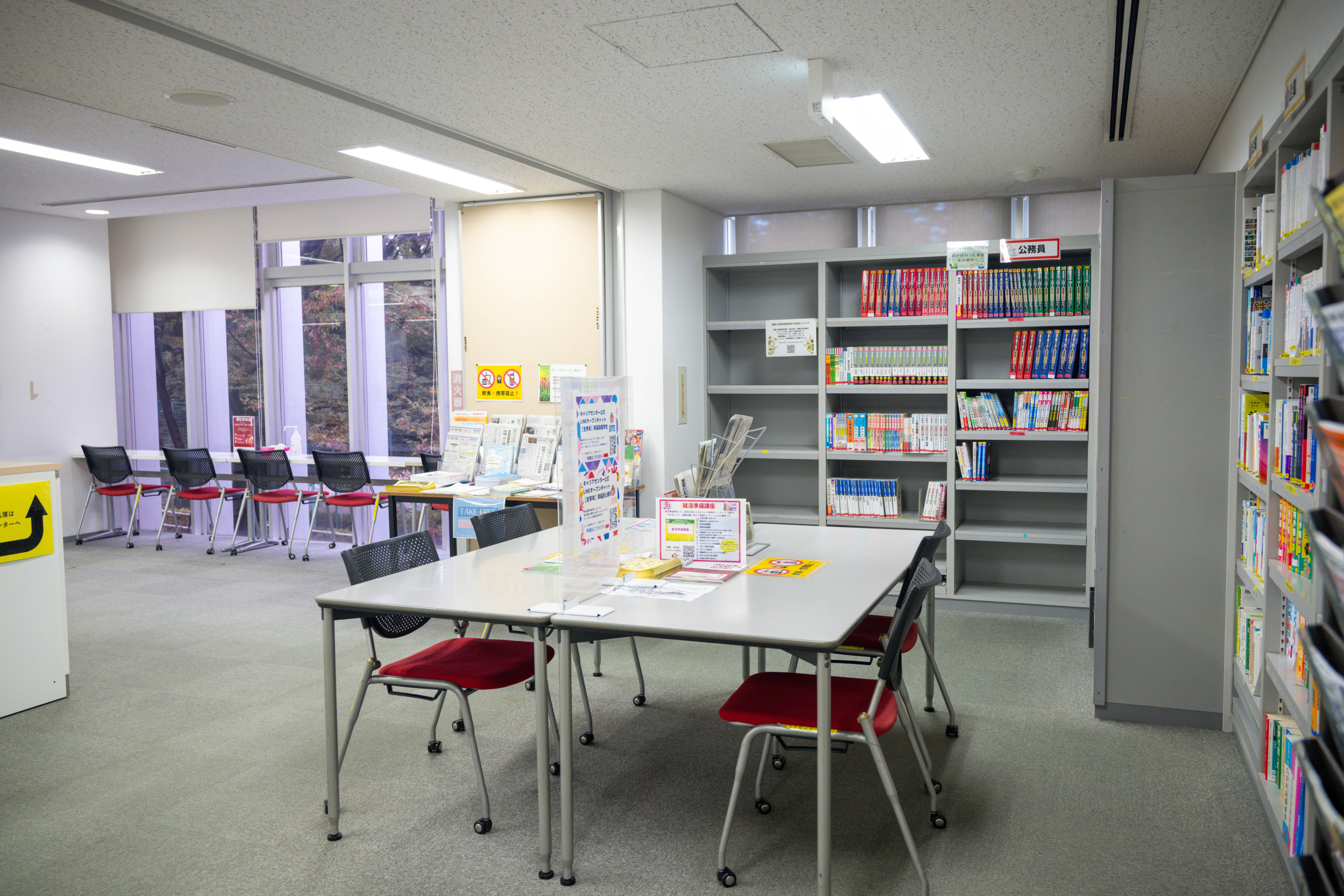
Inside the Career Center
The Career Center: Where It Is and How to Use It
C Space
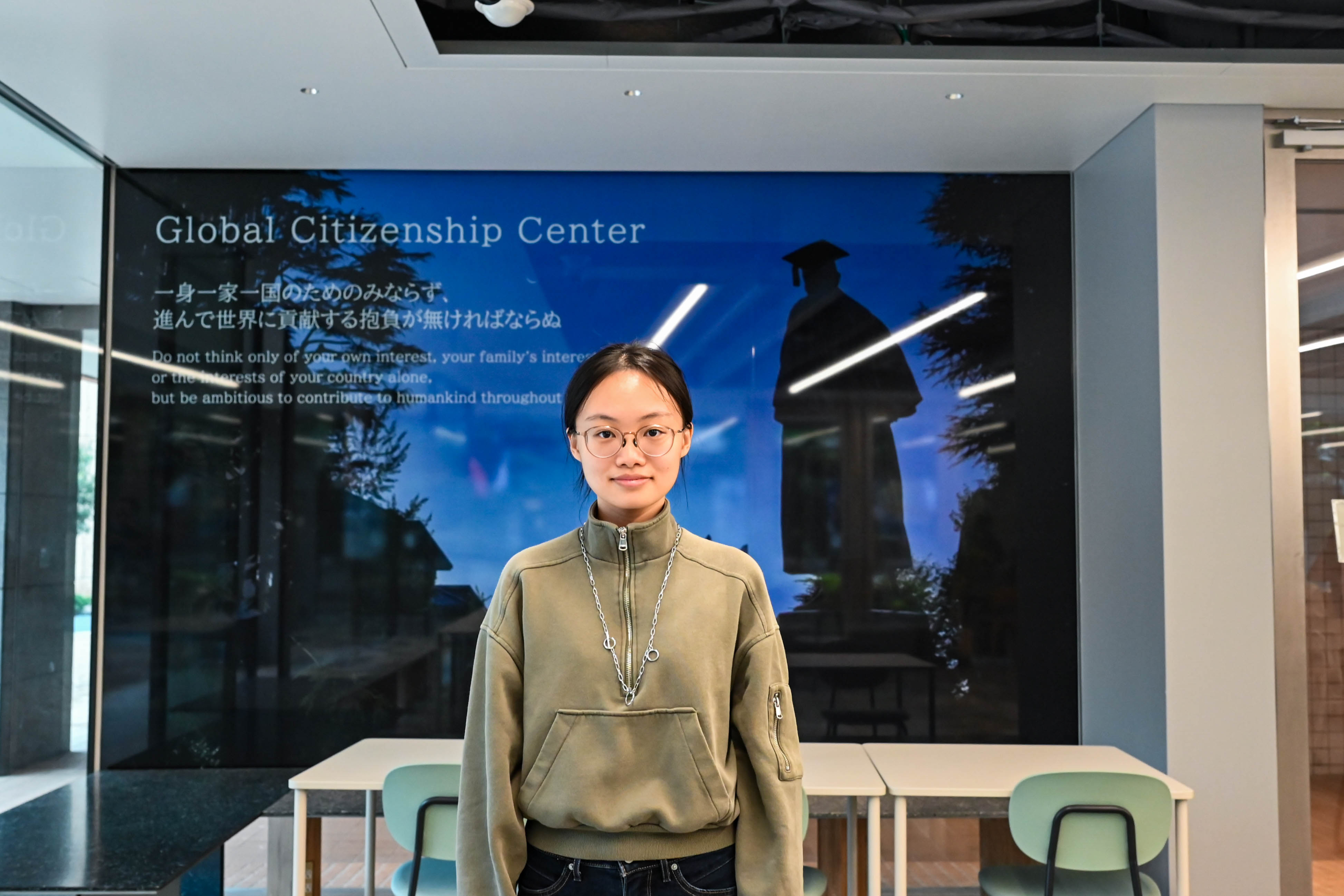
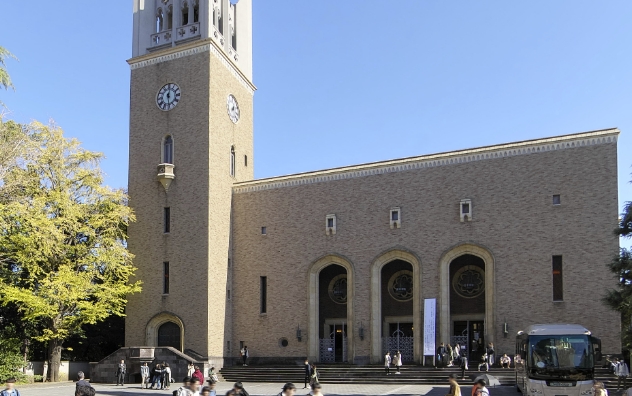
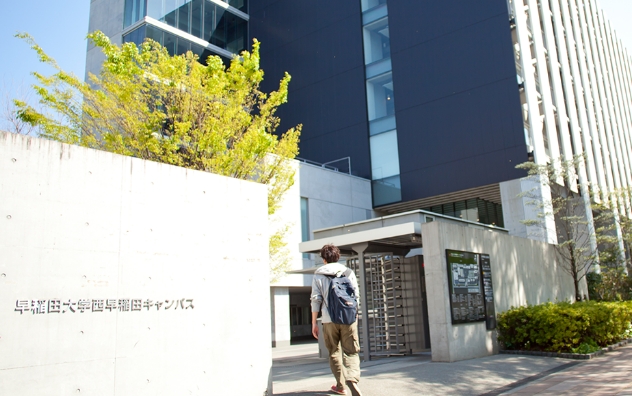
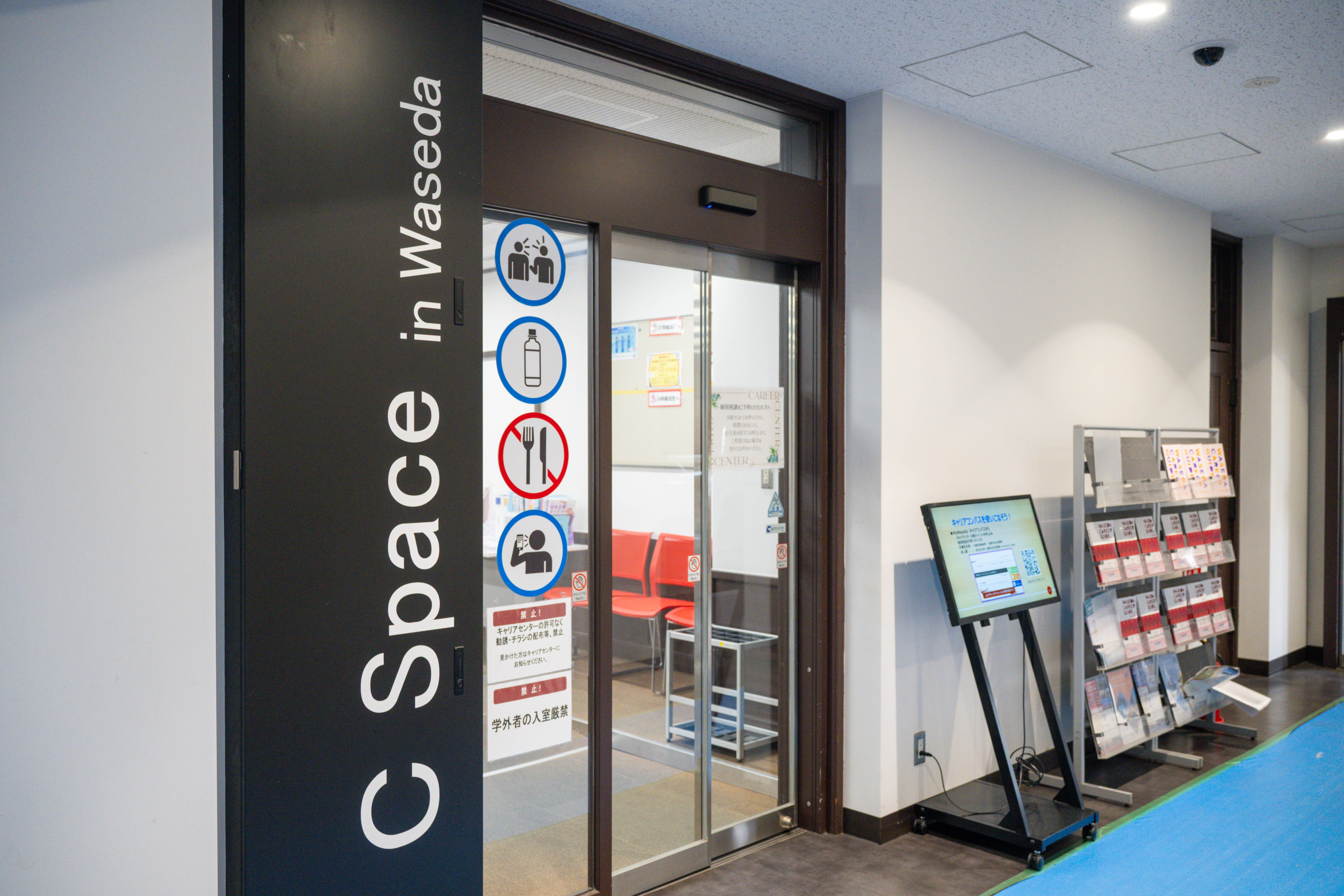
Waseda University offers direct and simple face to face and online consultation at the Career Center for all students with easy access and prior booking registration, in Japanese and English, offering all-around assistance throughout the year. Face to face consultations take place at C Space on the first floor of Building 6 on the Waseda Campus. You can contact the Career Center at [email protected] or 03-3203-4332.
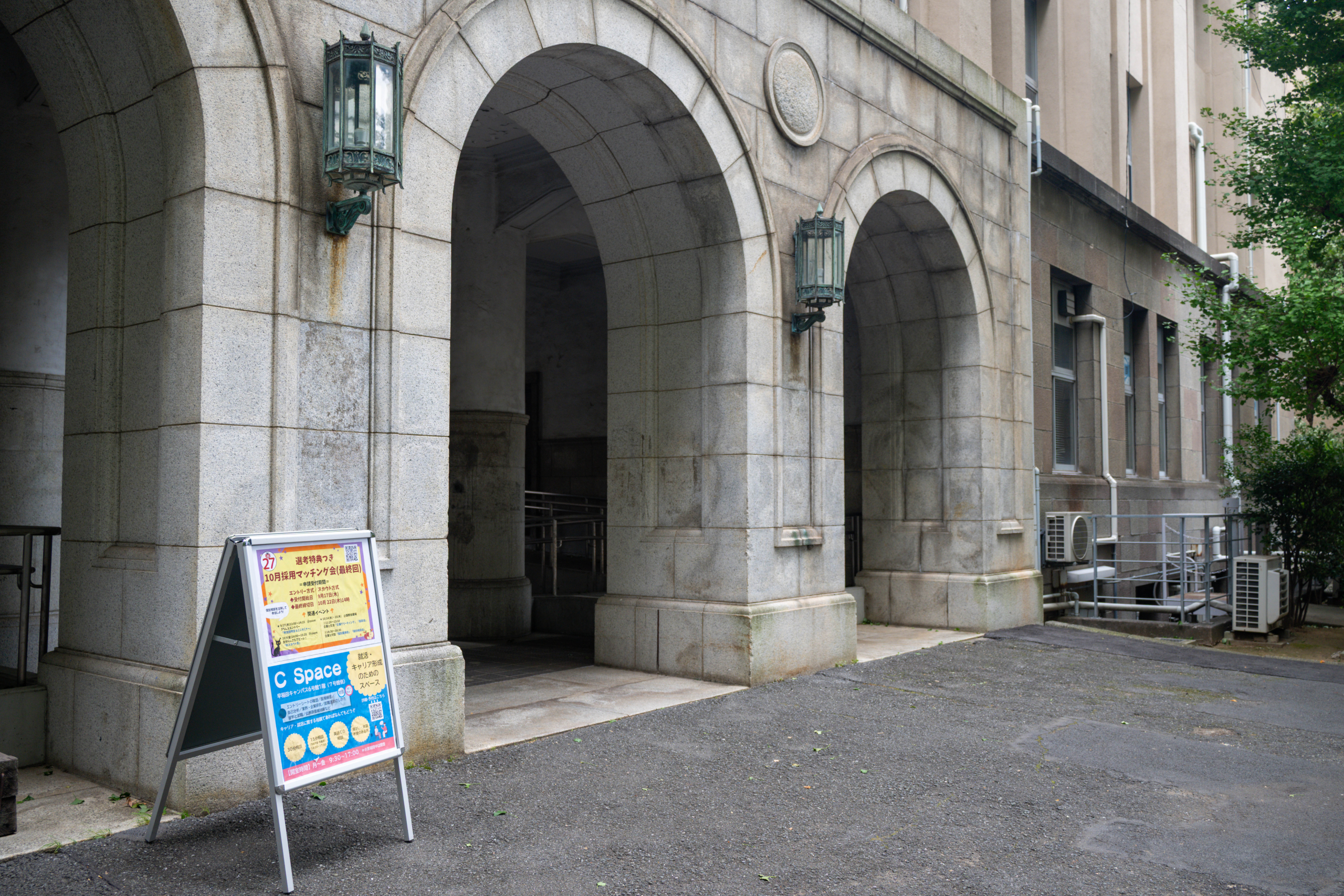
Entrance to C Space
There are three consultation formats, and the differences matter. The standard one is a 30-minute session, booked through Career Compass (more on that system below). This consultation can be either in person at C Space or online, and if you choose to meet online to request for an Entry Sheet review, you will be asked to share your screen on Zoom. Reservations open at 12:00 PM, five business days ahead, and you can hold one advance slot per week; if you miss that window, same-day slots are released at 8:00 AM when available. The second format is a 15-minute walk-in consultation only available when classes are in session. These consultations are conducted in Japanese at C Space on weekday afternoons, first-come, no reservation. During breaks when classes are not in session, some 15-minute consultations are offered online, as well. The third exists specifically for people like me, a 10-minute consultation in English, online only, at lunchtime, no reservation, first-come. Ten minutes is short. It is also long enough to ask whether your entry sheet’s opening sentence makes sense, which is the question most of us are actually carrying. That said, the 10-minute session I tried could only scratch the surface, so be sure to dig deeper into the recommended resources afterward.
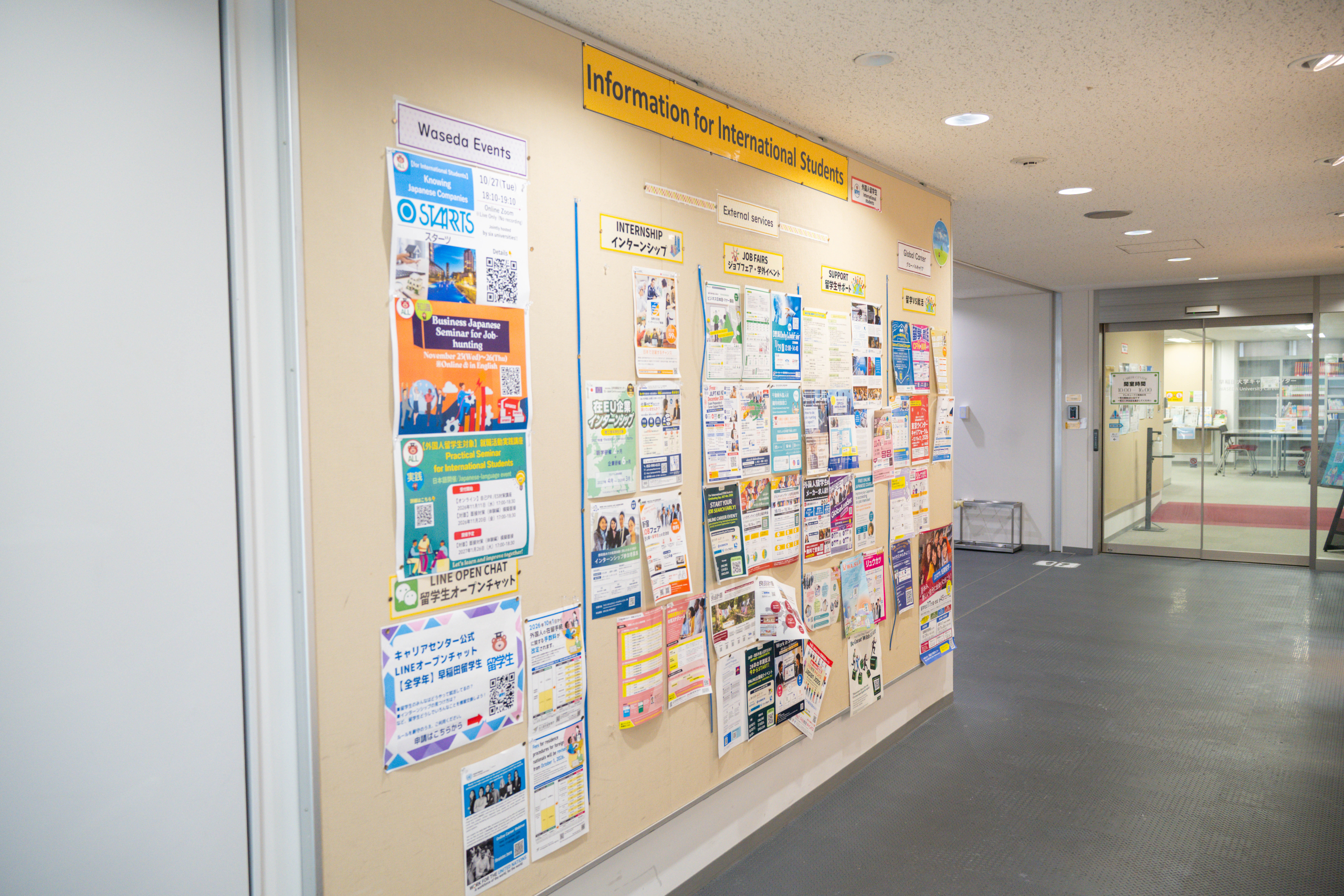
Bulletin board with information for international students
Students can ask specialists to check their materials in-depth in the 30-minute session, online or in person. For document, entry sheets and resume checks in person, you bring your own laptop and project your screen at the booth through HDMI or USB-C, or you bring printouts. Bring your student ID and arrive five minutes early. Procedures change, so check the Career Center website for the current rules before you go.
My own misstep is that I read every word of this information early on, nodded, closed the tab, asked my plain questions like where can I get my information but never followed-up with the places mentioned after asking, or getting stuck in the information gathering process due to language barriers. I wish I had.
Career Compass: The Portal Behind Everything
The Career Compass is Waseda’s online career support portal. It is where you apply for career events, reserve the consultations I just described, and browse job and internship listings, including openings that companies send specifically to Waseda students, which never appear on the big public job sites. If the Career Center is the building, Career Compass is the plumbing.
Signing up takes about ten minutes. The procedure could take a bit longer for non-Japanese speakers. Log in to MyWaseda, go to “Student Life,” and open “Career Compass.” The first time, you complete an initial registration, your student information plus your intended career path, and then the whole thing unlocks.
Shukatsu exceptions vary with departments
This section matters to me generally because architecture hiring does not run on the standard shukatsu calendar. It follows its own rhythm, offset from the brochure version, and nobody hands you the alternative schedule in a neat PDF. For a stretch, I assumed I was late because I was disorganized, when I was also measuring myself against a calendar that was never mine, an international student starting in September, not April. What I missed is that Career Compass is where the alternative dates actually surface, the off-cycle listings, the firm-specific seminars and the autumn deadlines in my field. They appear there, not on the general timeline posters. Register in your first semester, not your third.
Meeting Companies: Career Fairs, UNIVCOOP, MyNavi, and the Doctoral Conference
The University’s co-op, UNIVCOOP, runs career fairs where many companies set up booths and introduce their work, along with matching events where you can request meetings with specific companies. These are not token gestures; the rooms are full and the companies are real. My honest take, in short, is that the presentations are in fastly spoken Japanese, and I would stand at a booth trying so hard just to keep up that the meaning underneath kept sliding away. Go anyway. Spectating counts, and it matters way more in your first year.
MyNavi 2028, the big job-hunting portal’s service for 2028 graduates, is another platform I have used frequently, and I have mixed feelings about it. They offer useful advice on how to handle the individual interview through an ‘Online workshop’ and offer general advice on how to show your talents, broaden your appeal, and provide concrete details on what recruiters look for in group interviews, and tips on how to ask questions afterward. But these online resources and articles are written for the mass job market; once the role itself becomes as niche as architectural design, the reality can look very different. While MyNavi arrange online seminars, like ‘Mensetsu/GD taisaku contentsu pakku (面接・GD対策コンテンツパック)’ which predominantly provides cookie-cutter templates for job-hunting, the recruiter in specific fields like architecture, will ask detailed questions about your own research and will not follow the online videos’ script. Those videos, in my experience, are mainly prepared for students in the humanities and social sciences/arts, and for sales positions.
In October 2025 I attended the Waseda-Keio Joint Doctoral Career Design Conference 2025, held on October 9 in Waseda’s Building 121, which I found by casually scrolling the “Events” tab on the Career Center website. On paper it is the event an international graduate student dreams about: company and research-institute presentations with simultaneous interpretation, poster sessions where doctoral students present their research, and networking booths. And it was a good event. But most of the energy in the room was aimed at doctoral students in AI and computer science, and an architecture master’s student is simply not that audience. I read the room as “not for me,” which was a mismatch, not a failure, and it taught me something useful, to know which audience each event targets before you pin your hopes on it. The impression I took from those booths was that some of the foreign companies that present, a major Chinese tech firm, an Indian IT company, seemed to be looking for people with native-level Japanese and deep cultural fluency. The logic is understandable, but it surprised me. A doctoral student researching in AI should go without hesitation.
You do not have to rely on luck to find these events. Waseda pushes them through several channels at once. The events page on Career Compass, the event listings on the Career Center website, the “Career Center Archives & Information” course on Waseda Moodle, and the Career Center’s LINE Open Chat for your graduating class. Doctoral students have one more door; dedicated coordinators for doctoral career support, reachable at [email protected]. However, be precise when filling in the registration form. The events on offer are diverse, and some may not match your field or your own shukatsu schedule.
The Language Wall, Honestly
Let me be direct about the wall, because no resource list should pretend it away. My Japanese is not strong enough for shukatsu, and I regret not studying it earlier and harder. At company presentations I sometimes cannot catch the words themselves, not to mention the underlying meaning, which is where the actual information lives. There is the language wall, and a few inches behind it, the culture wall. I will also say this once, that asking for help does not come naturally to everyone, and it did not come naturally to me.
Now the useful part. The 10-minute English consultations at the Career Center exist precisely for students standing where I stand. The schedule can be found here. You can ask your question in English, at lunch, without booking anything, and nobody expects you to apologize first.And there is visa support for job-hunting, which matters more than any single listing, because the paperwork question is usually the first one a foreign applicant gets asked and the last one we prepare. None of these resources requires fluent Japanese to use. Fluent Japanese is still worth building; the wall is real, and I am not going to candy-coat it. But the support system was clearly designed knowing that students like me exist, and ignoring it out of embarrassment is a choice, one I made, and one you can skip.
To the Applicant Reading This From Overseas
If I could redo my first semester at Waseda, the list is short and unglamorous. Register on Career Compass in the first month. Book one consultation, a 30-minute one, or the 10-minute English one if your Japanese is not there yet, before you think you need it. Attend one career fair as a spectator, with no goal except learning what those rooms feel like. None of this requires perfect Japanese, a finished plan, or confidence. It requires walking through a door that is already open.
I cannot offer you a success story. I am not successful yet, but I am still willing to participate more. If you are weighing whether Waseda will support you, the support exists, it is concrete, and the people staffing it have met every version of the lost international student, including the one writing this. Start earlier than I did. It is easier and kinder to yourself than trying to catch up.
I cannot tell you how my shukatsu ends, because I am still inside it. But I can tell you what the view looks like from here, finally looking back down the corridor I walked so carefully and so alone. Most of the doors were never locked at all. They were propped open the whole time, and I stood in the hallway in front of them, rehearsing a knock in a whisper nobody could hear.
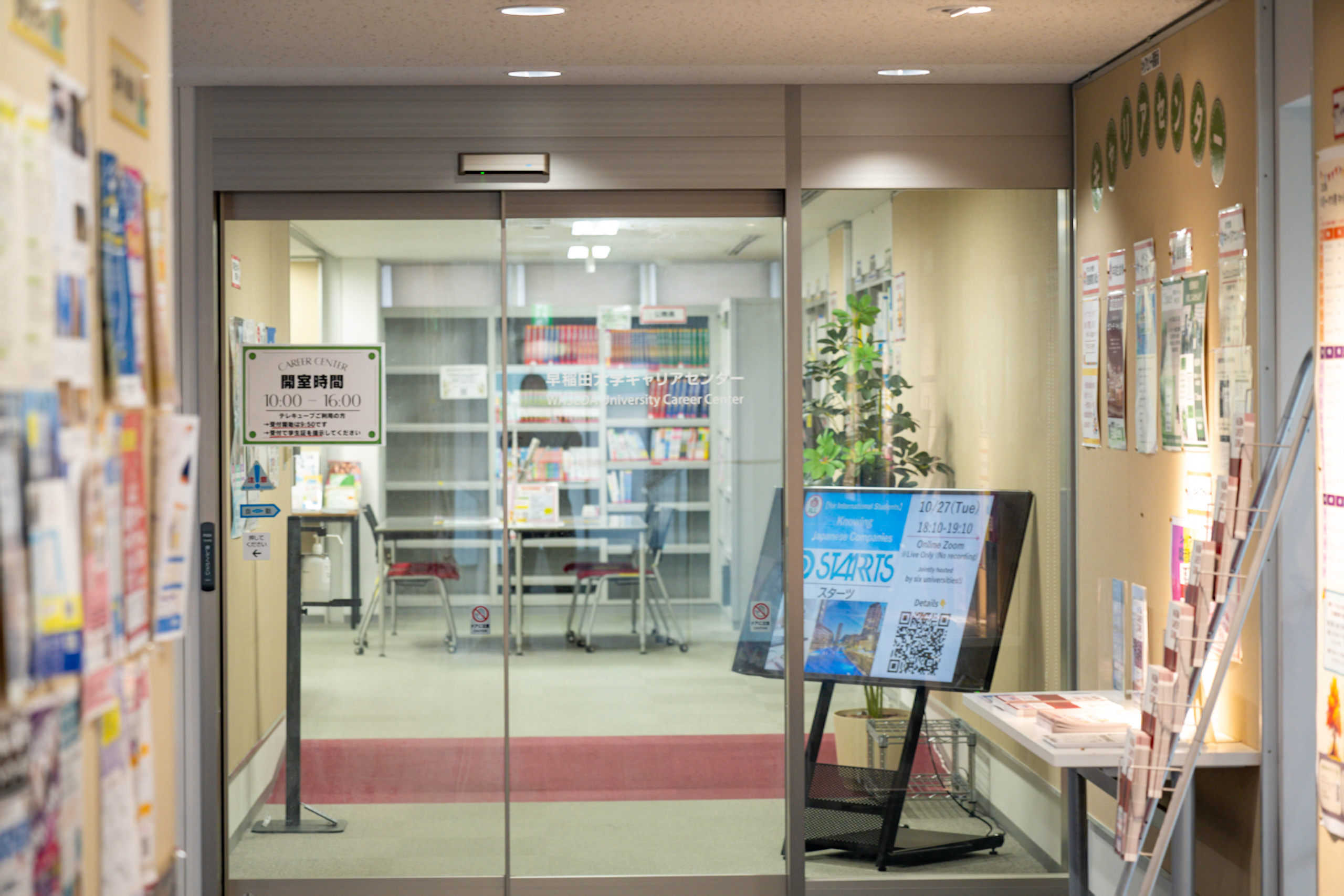
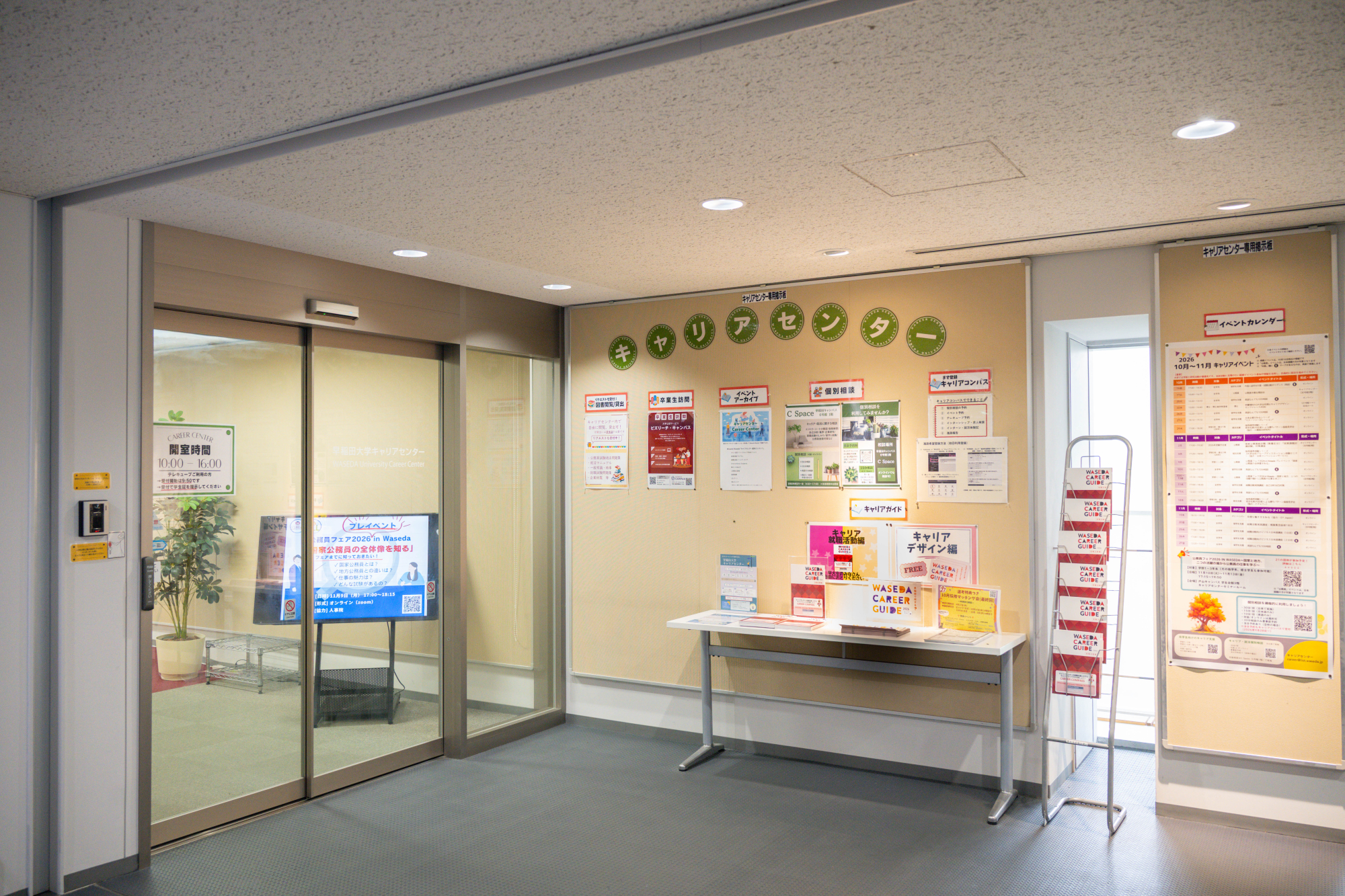
Entrance to Career Center
About the author: Jingshi XIAO is a second-year master’s student studying architecture at Waseda University, originally from China. A coffee shop lover staying near Waseda Campus.