Academia Without Walls: Global Networking, Academic Growth, and the EAUI Program
Fri, Oct 16, 2026-
Tags
Introduction: IR Beyond the Classroom
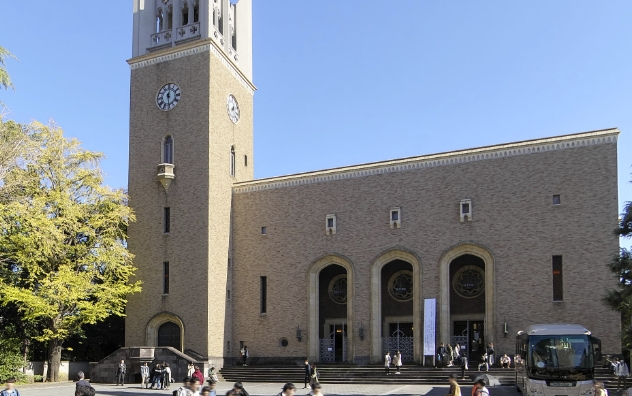
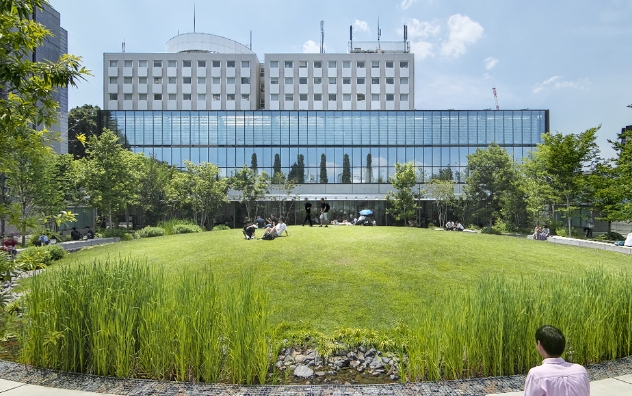
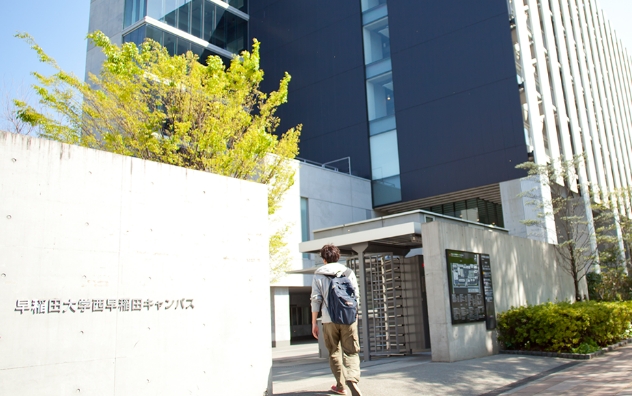
When prospective students apply to Waseda, the image that comes to mind is often one of the University’s physical spaces: the vast halls of the Waseda Central Library, the bustling Waseda Campus streets between class periods, and the school’s expansive festivals. Yet, while these assets certainly enhance the Waseda experience, one thing that often goes unmentioned is the notable academic opportunities accessible outside Waseda’s campus walls. These opportunities matter especially to me as a graduate student in the humanities, as my field of International Relations (IR) requires students to move beyond textbooks and endless reading to engage in in-person debates with students with different ideas. Here, studying IR is an innately active discipline, necessitating engagement with global perspectives both through reading and in-person discussions. Consequently, beyond research libraries and archives, away from textbooks and the written word, and equally applicable for students of any discipline, Waseda is an unparalleled gateway to precisely this kind of experiential learning, with its around 800 institutional connections supporting academic development and research.
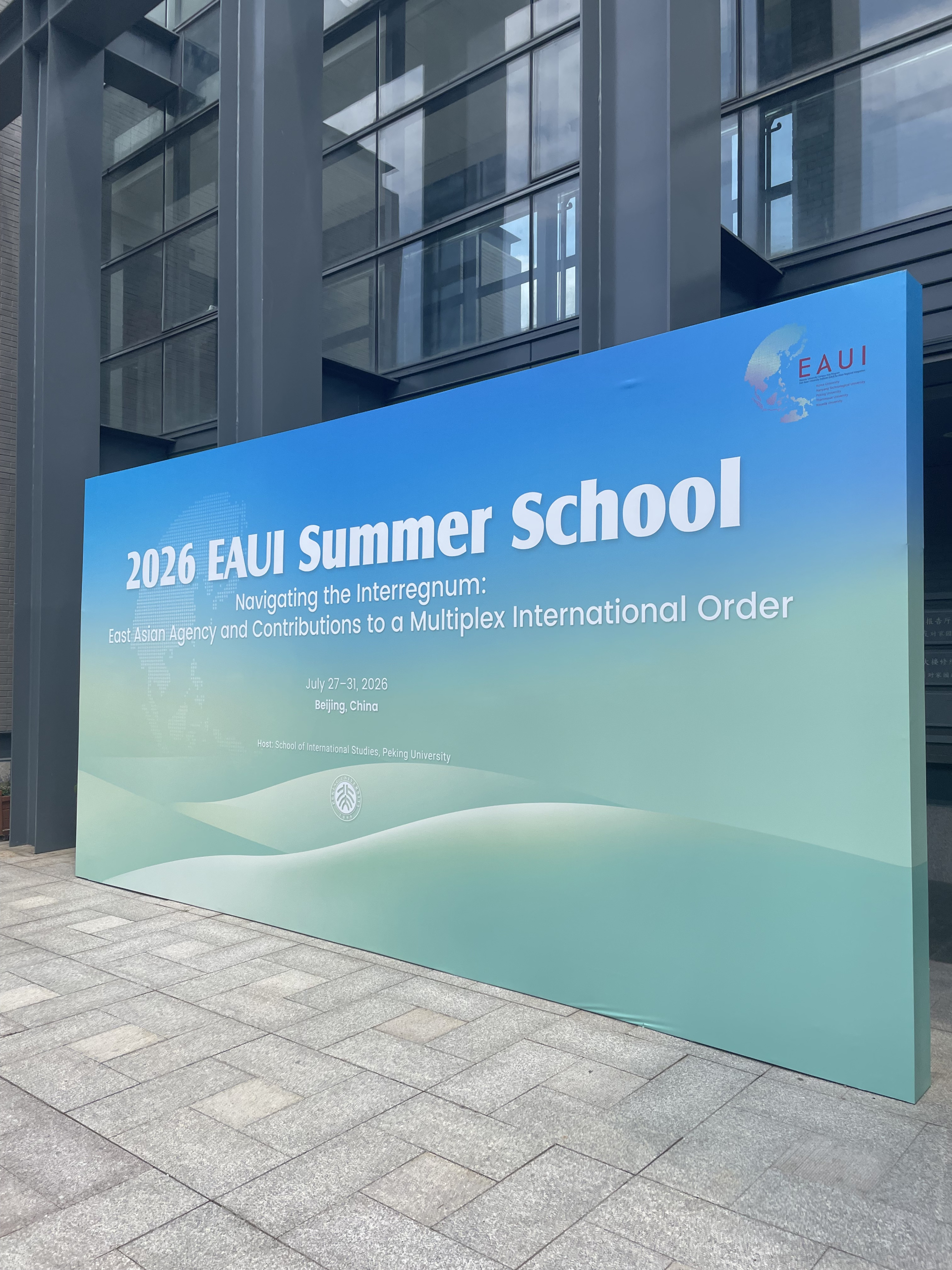
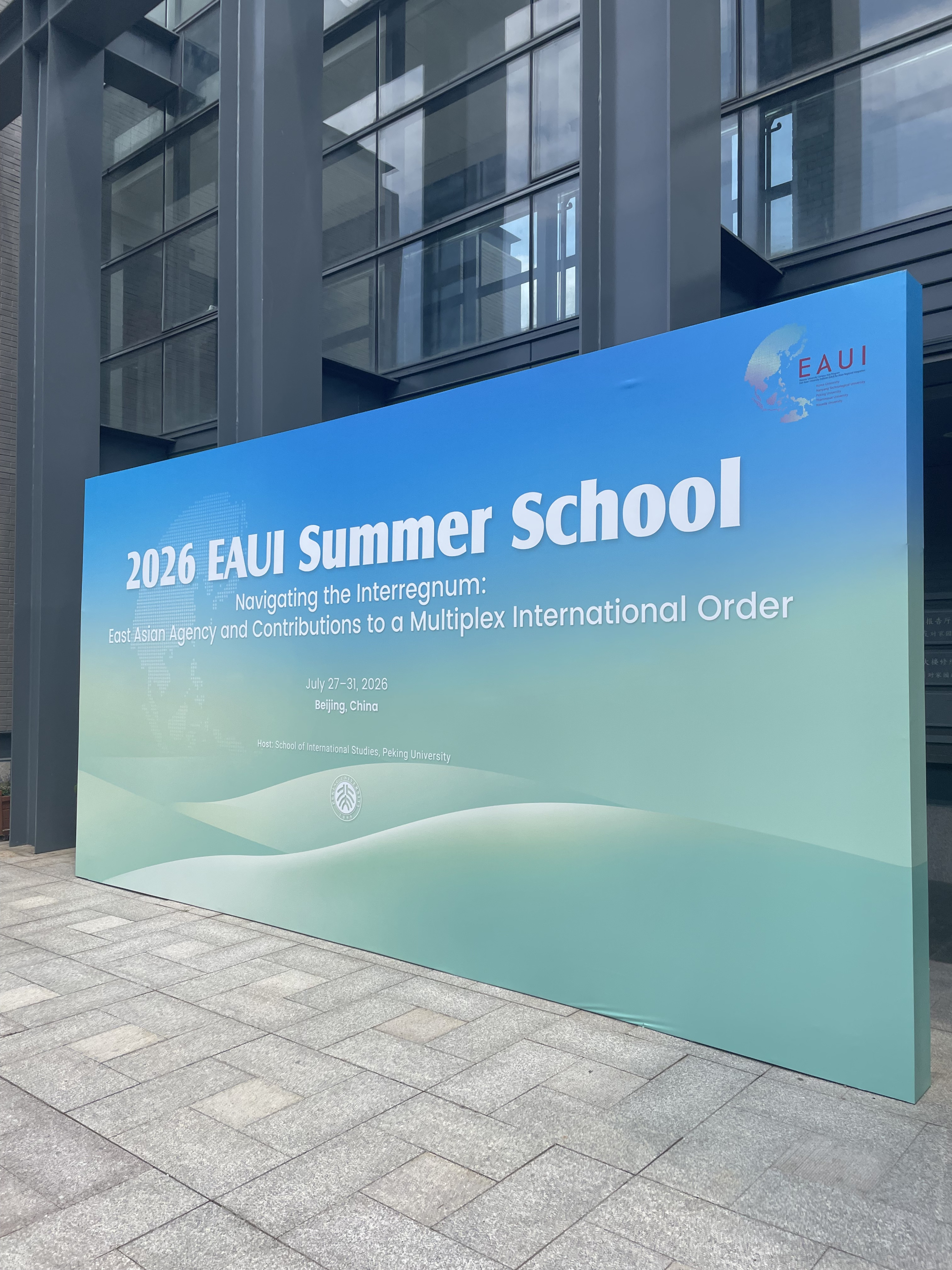
Held from July 27th – 31st, 2026, at Peking University’s School of International Studies in Beijing, China, students were challenged to develop group presentations on themes related to EAUI’s central topic on East Asia, ‘Navigating the Interregnum’.
Specifically, my personal experiences manifested firsthand through my participation in the East Asian University Institute (EAUI) Program, a research seminar and summer school overseen by Waseda’s Graduate School of Asia-Pacific Studies (GSAPS) alongside four other significant institutions throughout Asia: Korea University, Nanyang Technological University (Singapore), Peking University, and Thammasat University (Thailand). Critically, operating as an educational initiative aimed at developing young and upcoming scholars focused on regional integration, this year’s iteration of the course was hosted from July 27th until July 31st by Peking University’s School of International Studies in Beijing, China, with students tasked both with participating in group seminars and an international symposium, and eventually giving a presentation related to East Asia’s position in today’s international order. Yet, beyond the programme’s impressive institutional pedigree, the course served as a vital reminder of why location and institutional connections matter so much. Here, Waseda’s educational environment extended far beyond Tokyo, granting students access to a diverse cohort of over 40 international peers (12 of whom were Waseda students and faculty members) and world-class academic forums that transform theoretical research into dynamic forms of international dialogue.
Defending Ideas on a Global Stage
At the heart of this dynamic dialogue in Beijing was EAUI’s academic symposium and presentation contest, a part of the course explicitly designed to push young scholars out of their comfort zone and towards participating in active debates. For both graduate and undergraduate students at Waseda, working towards a graduation thesis stands as a daunting final task to receive your degree, yet a significant proportion of this long process involves not just writing, but instead the active defence of original ideas. Indeed, while reading, research, and editing may seem like solitary tasks, they are inherently communal processes, engaging with both the perspectives of other scholars and people with whom we discuss our ideas. To this end, EAUI emerged as a high-stakes testing ground, serving as an extracurricular academic space ‘without walls’ that replicated the rigorous and often highly intensified requirements of thesis originality and defence; albeit uniquely elevated onto a global stage.
It is within these similarities to thesis writing that I feel EAUI, and Waseda’s institutional connections and extracurricular academic opportunities function as an essential yet underemphasised student resource. Particularly, during the conference, I was tasked with conducting, orchestrating, and presenting research on the integration of Artificial Intelligence in the Military Domain (AIMD), a topic about which I had only limited prior knowledge. My main challenge here resided in a central question, asking the audience to reflect on a pivotal debate within modern security studies, mainly: does the adoption of military AI represent an evolutionary step in warfare, or a revolutionary paradigm shift? Indeed, debating such concepts within the walls of GSAPS would already have proved to be an arduous task, yet presenting these contemporary issues to a room full of my international peers from major institutions across Asia transcended the usual boundaries of classroom learning, initiating a challenge unique to professional academic environments.
Consequently, through EAUI, the true value of Waseda’s academic network became apparent, with the close integration of students with varying academic philosophies through group tasks, necessitating that our research be filtered through a lens of varying geopolitical perspectives. Specifically, when both drafting my presentation and receiving questions, these peers made me aware of new regional insights that were not readily apparent to me, with debates over issues such as the role of third-party involvement in AI requiring me to not only defend my opinion but adapt to integrate new perspectives.
Ultimately, my experiences at EAUI underscored a profound realisation as a graduate researcher: understanding that Waseda’s commitment to student development does not stop after leaving the physical campus. By facilitating academically engaging, cross-institutional opportunities, the University provides students with a range of settings to develop their intellectual capabilities and defend their own original ideas. Certainly, writing a thesis, term paper, or presentation in isolation is one task; yet doing so while actively defending those ideas within a diverse group of international peers is another, proving how Waseda’s resources stretch far beyond its campus walls.
Academic Networking in Practice
Beyond EAUI’s academic environment, I would be remiss not to explore how the course provided the opportunity to explore East Asian relations in a setting outside the classroom. Indeed, while the course’s presentation component tested and developed my ability to be original, comprehend theoretical concepts, and defend definitions, the programme’s excursions to sites of academic significance provided an equally vital form of experiential learning. Here, for students of IR, written research is only one developmental step, with the true comprehension of global relations requiring the use of academic networks to understand how modern institutions and regional historical memory interact.
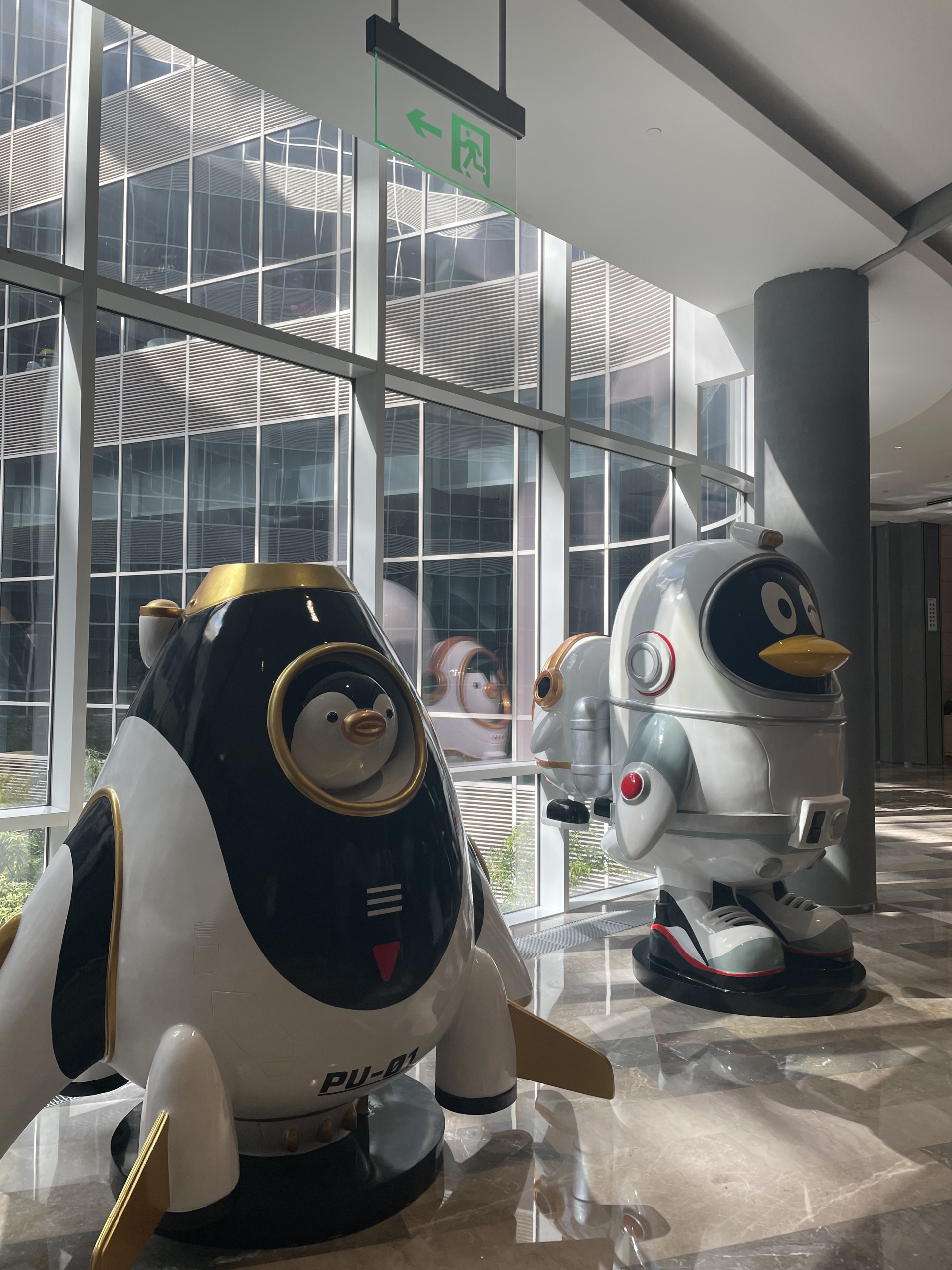
Created for the 1999 instant messaging software QQ, the penguin quickly became the official mascot of Tencent and is often linked with the idea of reliability and flexibility in the quickly developing technological era due to a penguin’s inability to fly.
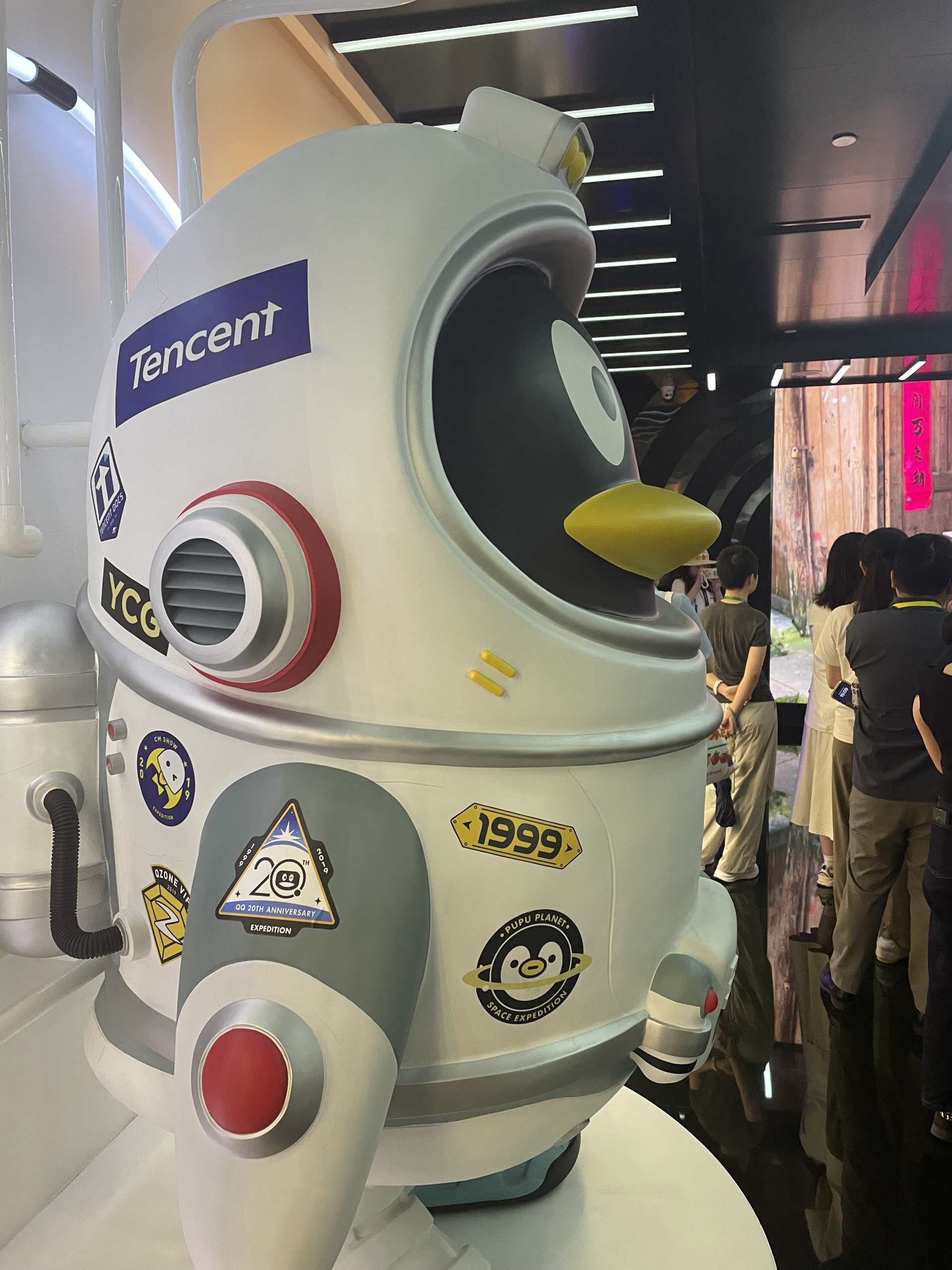
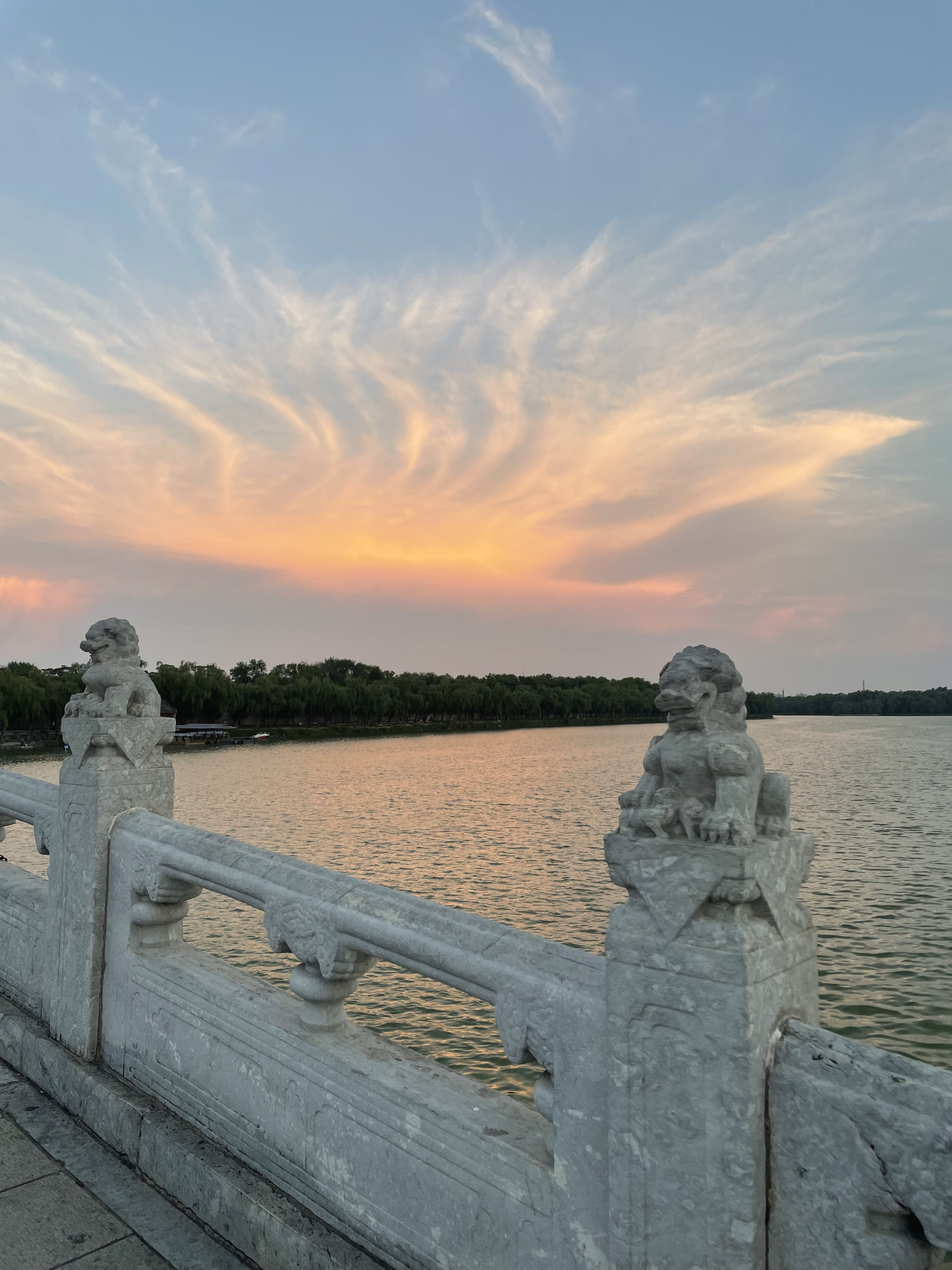
One relevant example of this experiential lens came through EAUI’s field trip to Tencent’s Beijing headquarters, offering a real-time look into one of the world’s leading technology conglomerates. Specifically, not only could I think more deeply about my presentation on the military uses of AI, but also, on a more abstract level, I was able to organically foster academic networks in a more relaxed setting. In such a way, while wandering through Tencent, I found myself engaging in informal debates alongside my global peers, considering topics from those on technical sovereignty to those on the future of tech integration in East Asia. These casual, yet academically grounded conversations transformed an informative company tour into an active space of discussion, allowing me not only to more deeply consider my upcoming presentation, but also to replicate the deep reasoning and analytical skills required to defend my own upcoming master’s thesis. Furthermore, away from the course itself, other trips to Beijing’s Summer Palace and the Zhongguancun National Innovation Demonstration Zone Exhibition Centre allowed the formal barriers of academia to dissolve, enabling deep discussions over national histories, culture, and education.
Consequently, these networks mirror a core philosophy of Waseda’s extracurricular opportunities, cementing international and institutional networking as an essential component of meaningful higher education. Personally, I feel that access to these environments stands as an invaluable advantage offered to Waseda students, enabling the development of meaningful academic networks that not only encompass Japan, but also top global institutions. Thus, students are not mere observers of their respective fields, but deeply ingrained participants, equipped to both be original and defend their ideas in today’s increasingly globalised world.
Conclusion: The Tangible Benefits of Extracurricular Interactions
Ultimately, the relevance of cross-cultural and extracurricular academic engagement cannot be overstated. The ability to look beyond secondary literature and both form and defend original ideas stands as a significant means of producing meaningful research and work, pushing the boundaries of student projects. To this end, Waseda stands as a place with not just meaningful benefits in Tokyo, but as an institution with widespread access to wider academic spheres. I hope that, as my experiences researching military AI in Beijing proved, participating in joint educational initiatives offers a unique ‘living laboratory’ for students, allowing hypotheses to be tested against the diverse geopolitical realities of our global peers. Here, beyond EAUI, Waseda offers countless opportunities for both long- and short-term exchanges, with notable academic partners being institutions such as: Peking University (China), Oxford University (UK), Columbia University (USA), and Korea University (South Korea).
Indeed, for all students, I implore you to look beyond the physical benefits Waseda offers in Tokyo and apply for forms of ‘academia without walls’ that are available. Here, a university’s true value must also be measured by its international academic mobility, ensuring that student research is never confined to a singular domestic opinion, but developed, matured, and refined through a plurality of global perspectives. Therefore, Waseda’s academic network must be understood beyond just a static relationship, existing as a critical tool of research development that enhances academic perspectives and student research.
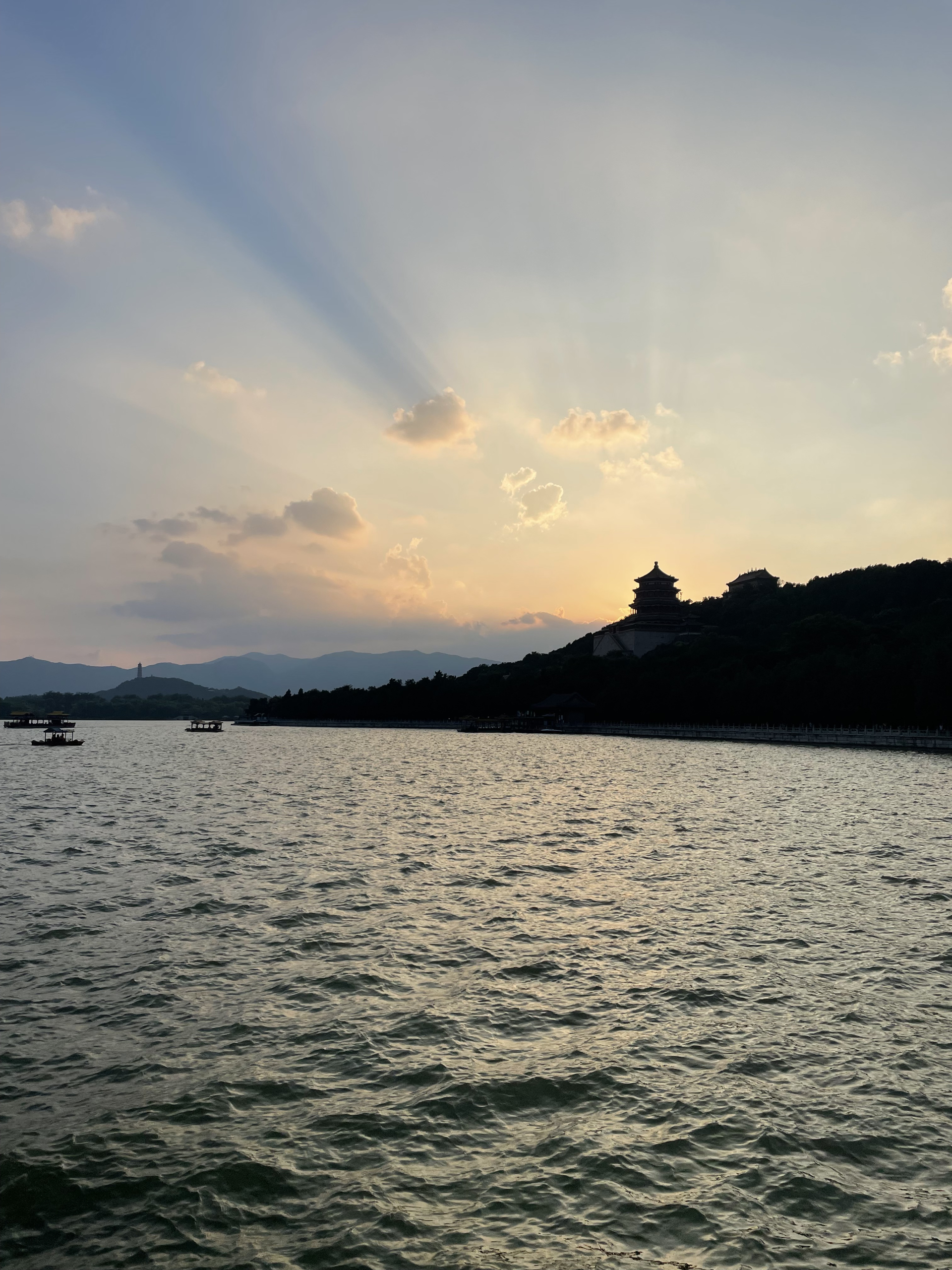
Evening views of the famous Foxiangge (Tower of Buddhist Incense) and surrounding environments in Beijing’s Summer Palace, a wooden pagoda originally commissioned by the Qianlong Emperor in 1750 and rebuilt by the Empress Dowager Cixi between 1891 and 1895.
About the Author: Dylan Bonner Higham
Hi everyone, I’m Dylan, a second-year master’s student at Waseda’s Graduate School of Asia-Pacific Studies, focusing on International Relations and Area Studies (English-based Degree Program). Since joining Waseda in September 2025, I have had the opportunity to take classes from different graduate schools and delve into my research on the role of maritime voyages in Japan’s construction of the West during the Meiji era, a factor I hope to use to inform my writing for the PR Office. On a personal level, I enjoy exploring the opportunities Tokyo has to offer, with my background in history motivating me to constantly seek new stories, museums, and areas (hopefully learning new anecdotes to tell my friends). To current and prospective students alike, I hope you explore the deep connections Waseda has to offer. A university’s network is not just a static relationship, but an active and often underemphasised resource for academic success.