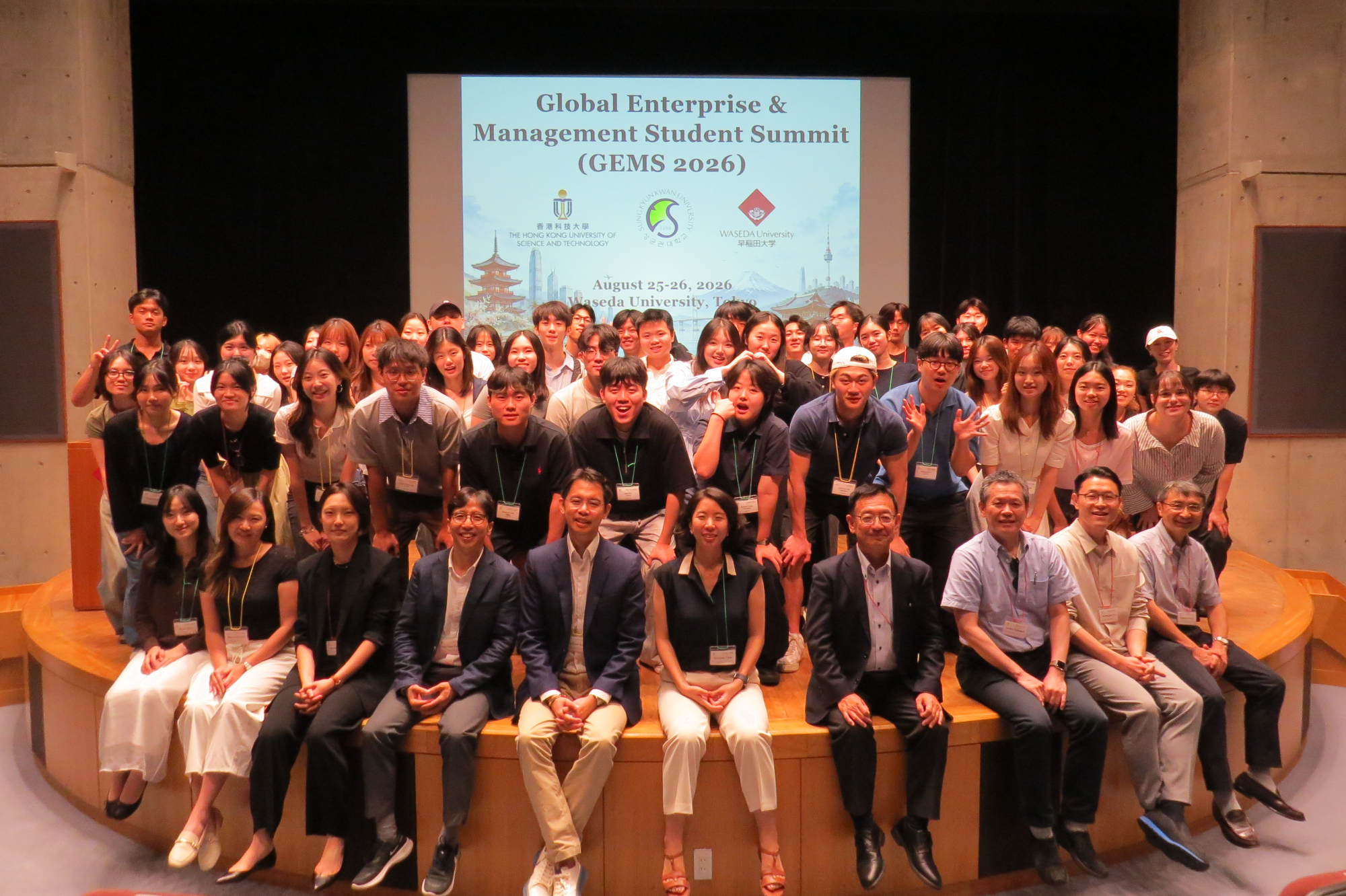
Global Enterprise and Management Student Summit: The First Symposium
Fri, Oct 2, 2026-
Tags
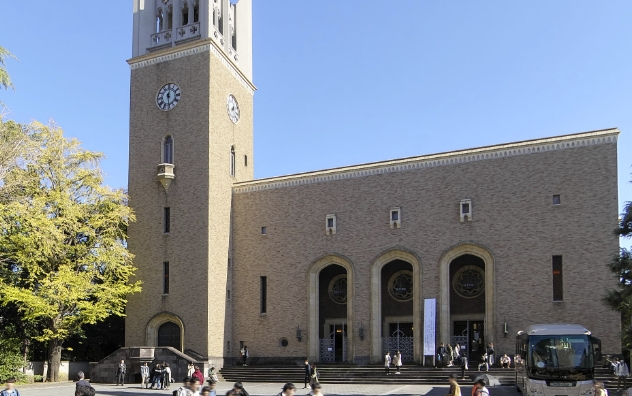
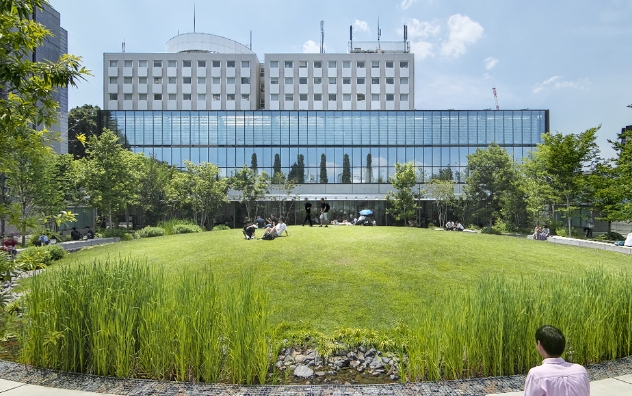
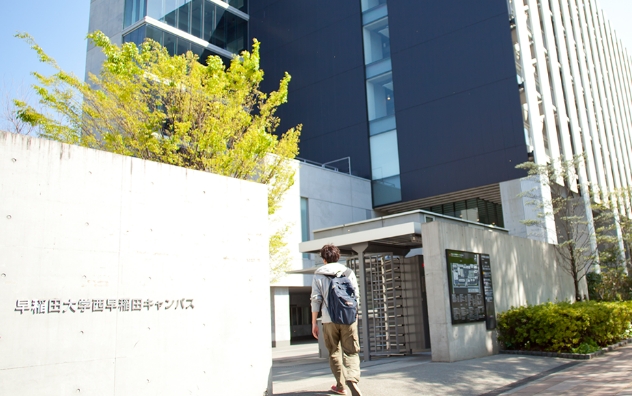
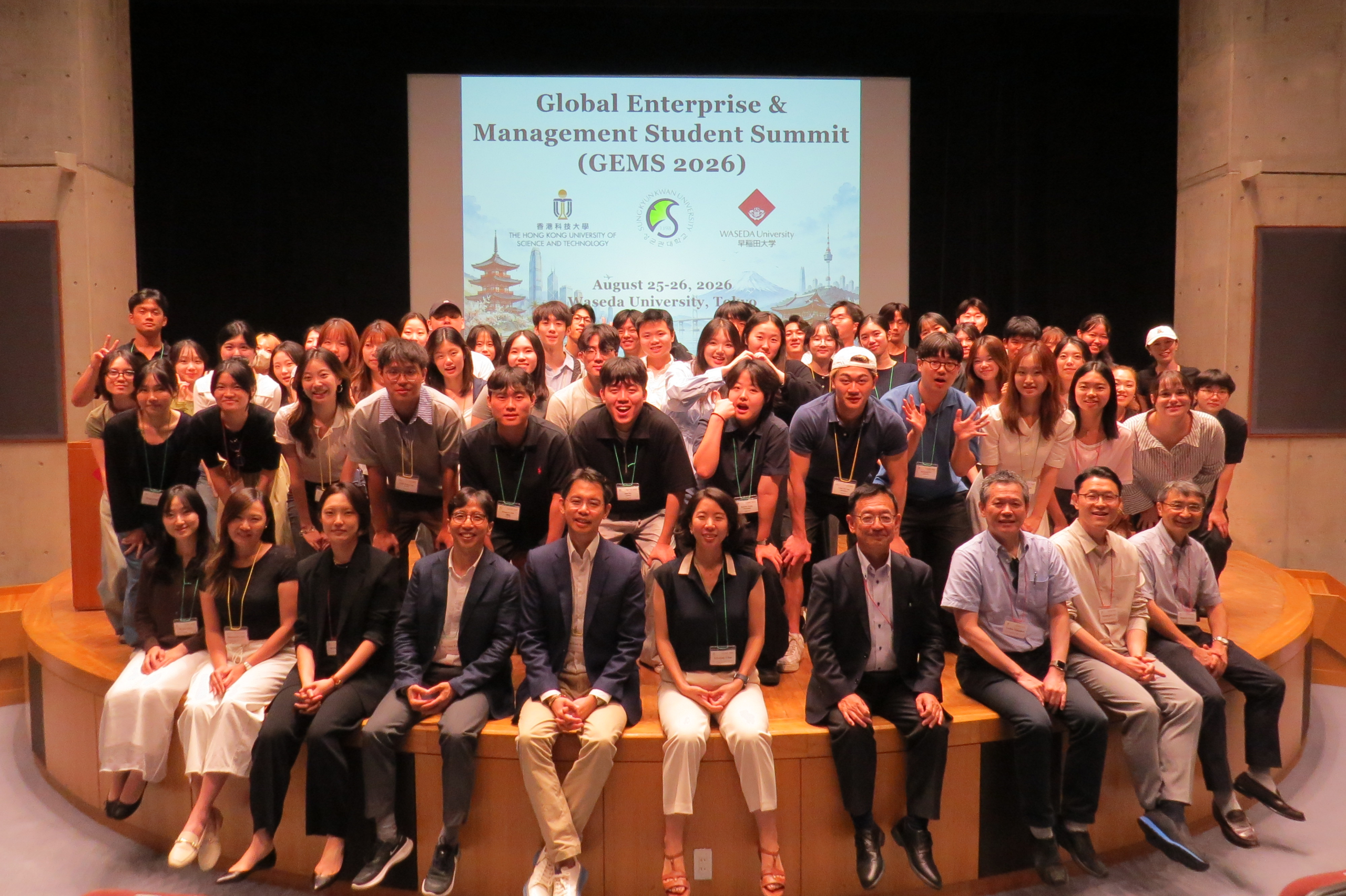
The First Symposium of GEMS (Global Enterprise and Management Student Summit) was held at Waseda University on August 25th and 26th. It brought together students from three different business schools across East Asia: Hong Kong University of Science and Technology Business School, Sungkyunkwan University Business School and our very own Waseda University’s School of Commerce’s Global Management Program. 50 students were given an exciting opportunity to collaborate and communicate across cultures and immerse themselves in the ever-changing environment of the global business community.
The program took place over a span of two days and was filled with activities that challenged each student’s ability to apply their classroom knowledge to real-world situations and form long-lasting relationships with each other. The opening remarks from the various esteemed faculty members of these three institutions set the stage for an eventful and productive day.
I attended three sessions across these two days, eager to witness the cultural exchange among these students and to understand the relevance of collaborative partnership, especially in a world where businesses and social enterprises often expand across several countries. My focus was understanding how GEMS could create student business leaders who can tackle the fast paced and rapidly changing world of business.
Day 1:
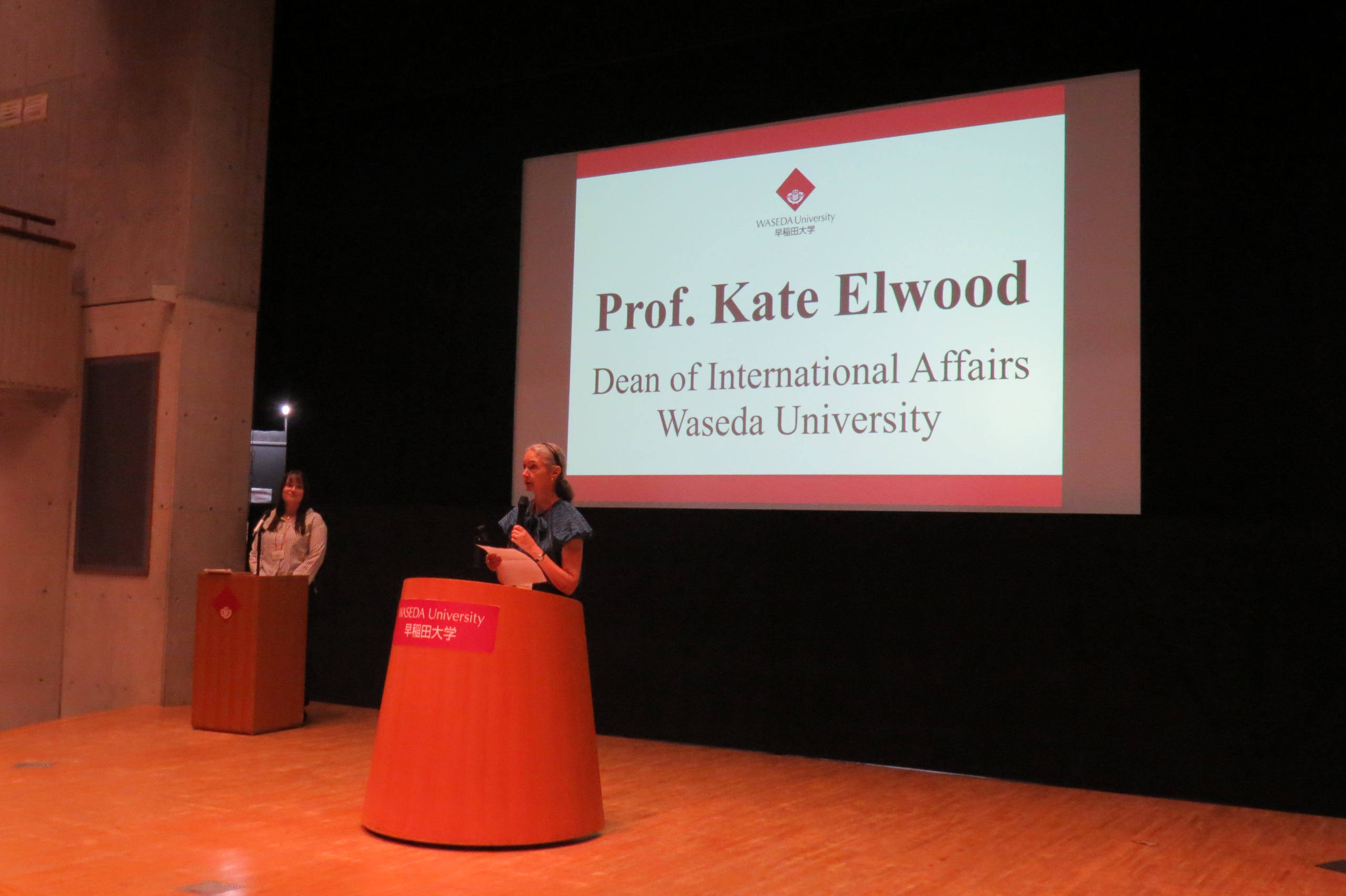
The first day began with a welcome address from Prof. Kate Elwood, Dean of International Affairs at Waseda. She emphasized the importance of cross-cultural collaboration and individual creative thinking as each student approached their various tasks throughout the day.
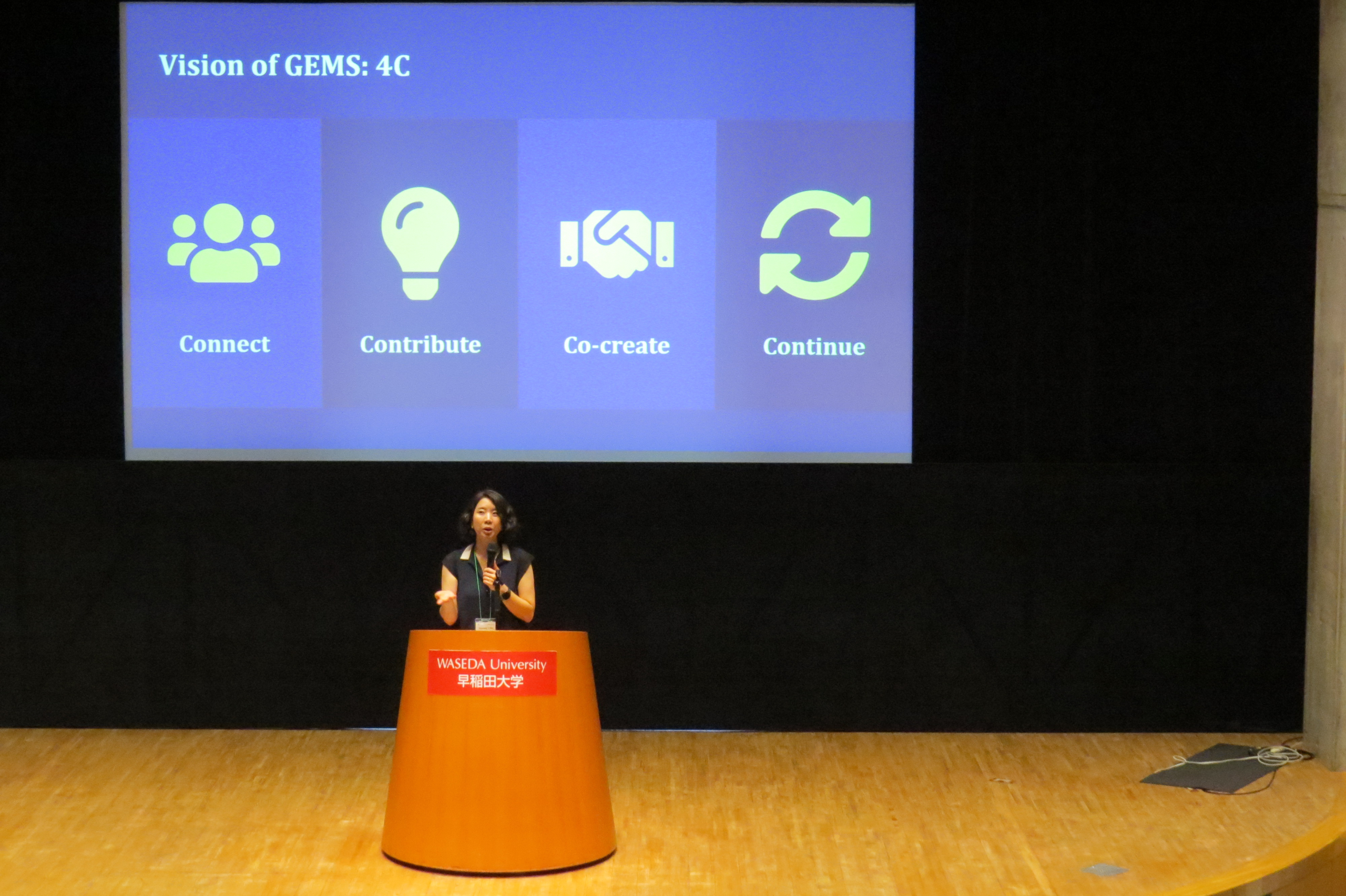
She was followed by Prof. Inyoung Chae, Program Chair of Global Business Administration at SKKU Business School, Sungkyunkwan University. Her speech detailed the vision of GEMS and its purpose in equipping students with the skills business leaders depend upon. A key takeaway I had from her speech was the phrase ‘better knowledge, better insight, better intuition’. In a world where AI gains greater eminence, the importance of human intuition and understanding is key when creating business models and understanding the consumer as a fellow human. She also mentioned the 4 C’s: ‘Connect, Contribute, Co-create, and Continue’ as essential points for the students to have a successful summit.
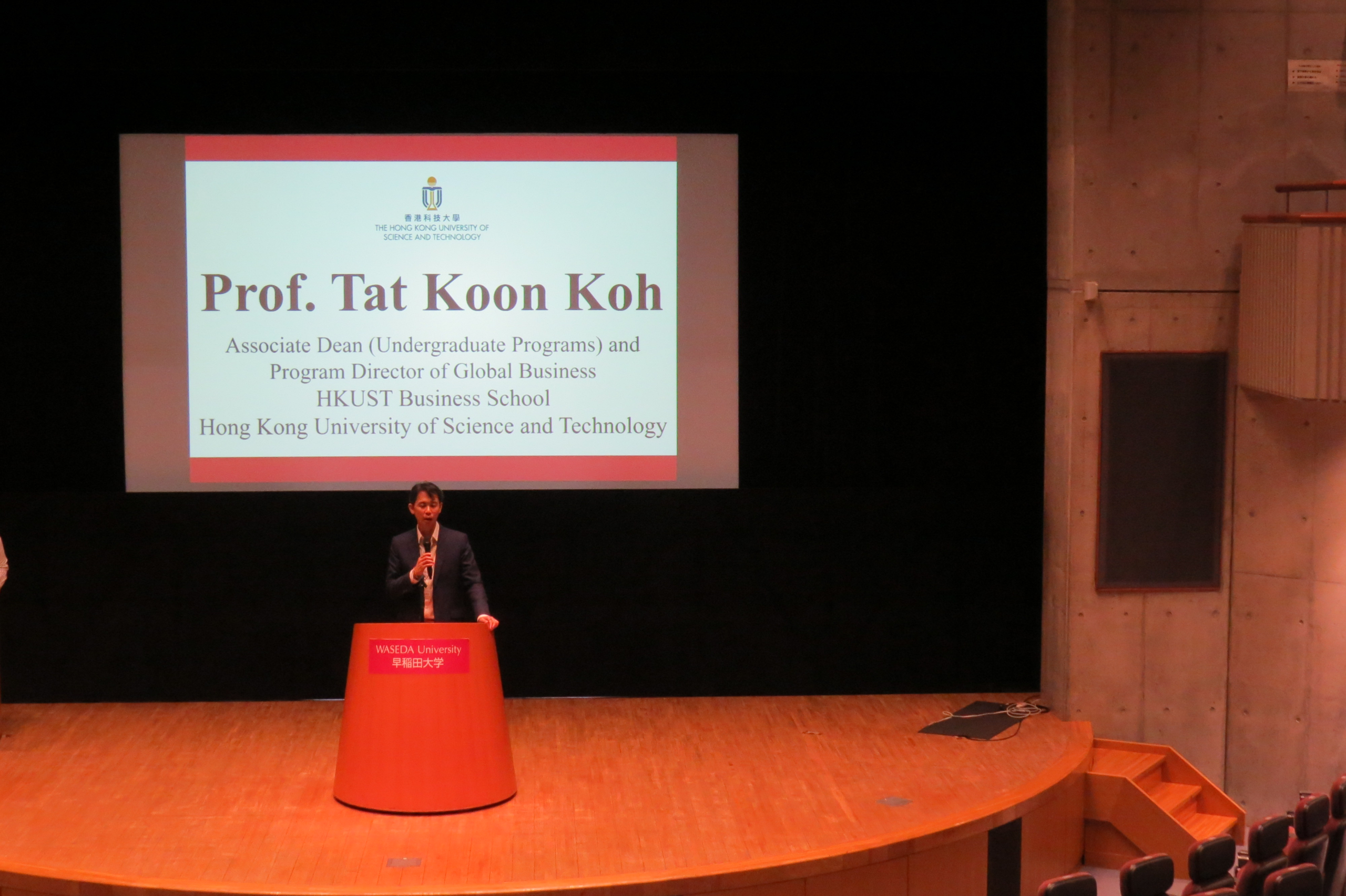
Finally, Prof. Tat Koon Koh, Associate Dean (Undergraduate Programs) and Program Director of Global Business at Hong Kong University of Science and Technology Business School, gave us a riveting speech on how GEMS could empower the next generation of global business leaders. He left us with two key principles to bear in mind throughout the program: leveraging the unique experiences of others and seeing a world beyond one’s personal experiences, and embracing the friction caused by teamwork to create a breakthrough at the intersection of differences.
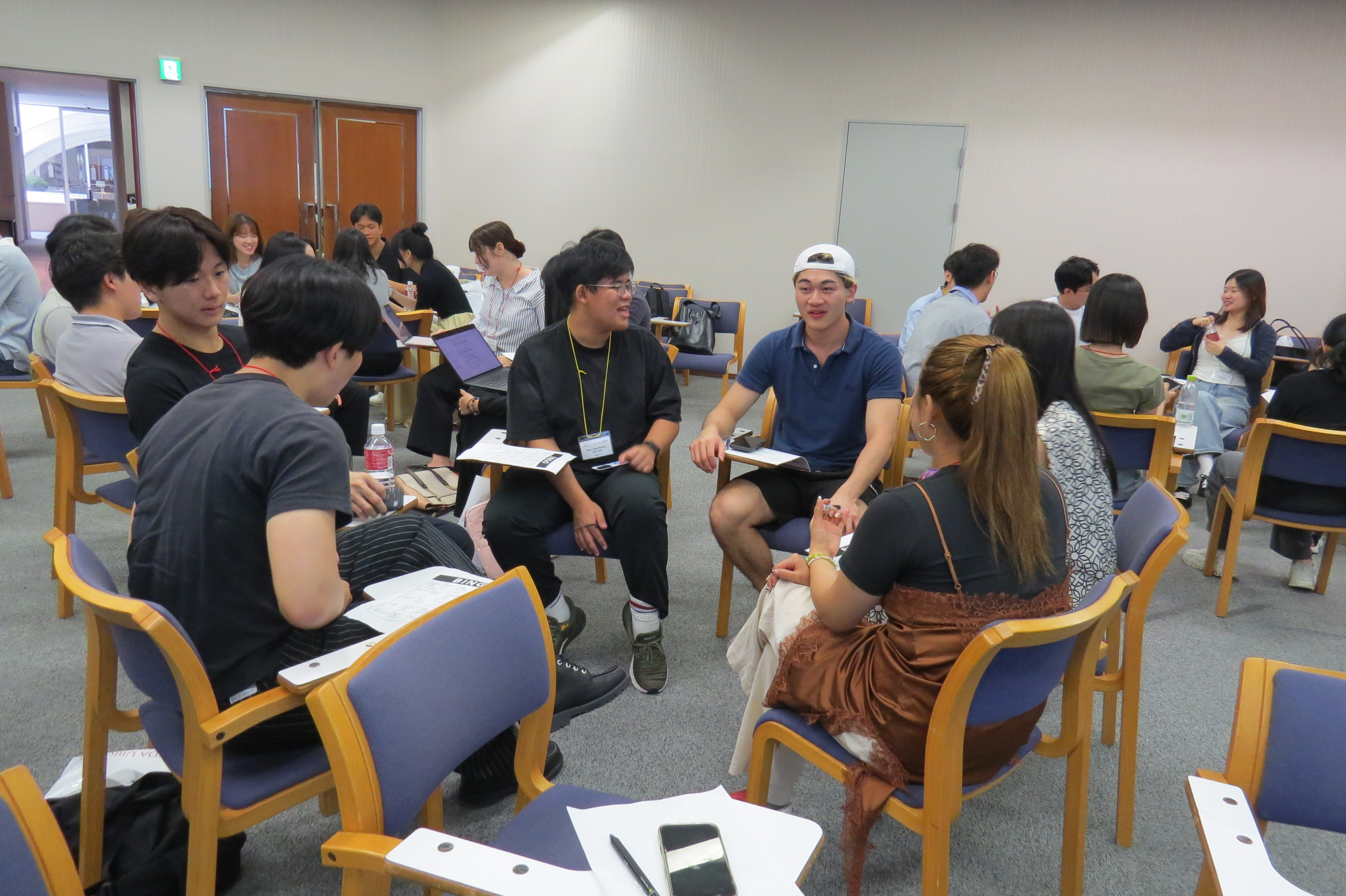
Inspired by these motivational words, the students headed off to the second session, led by Assoc. Prof. Yoko Asari from the School of Commerce, which included icebreaking activities where they could mingle with their teammates, creating the perfect environment for student collaboration.
Then began Session 3, the main event for the day, which featured presentations by nine student teams as they explored social enterprises pursuing their mission of addressing pressing global challenges and how business ideas can be designed to create both economic and social value. This involved discourse regarding the impact of climate change, and consumer concerns about corporate sustainability.
The session began with an introductory lecture by Asst. Prof. Kwangjun An, from the School of Commerce, Waseda University. He briefed the students on the key problem when considering the growth of a business: what should change and what should be the same? It was an extremely insightful lecture and set the stage for the student presentations.
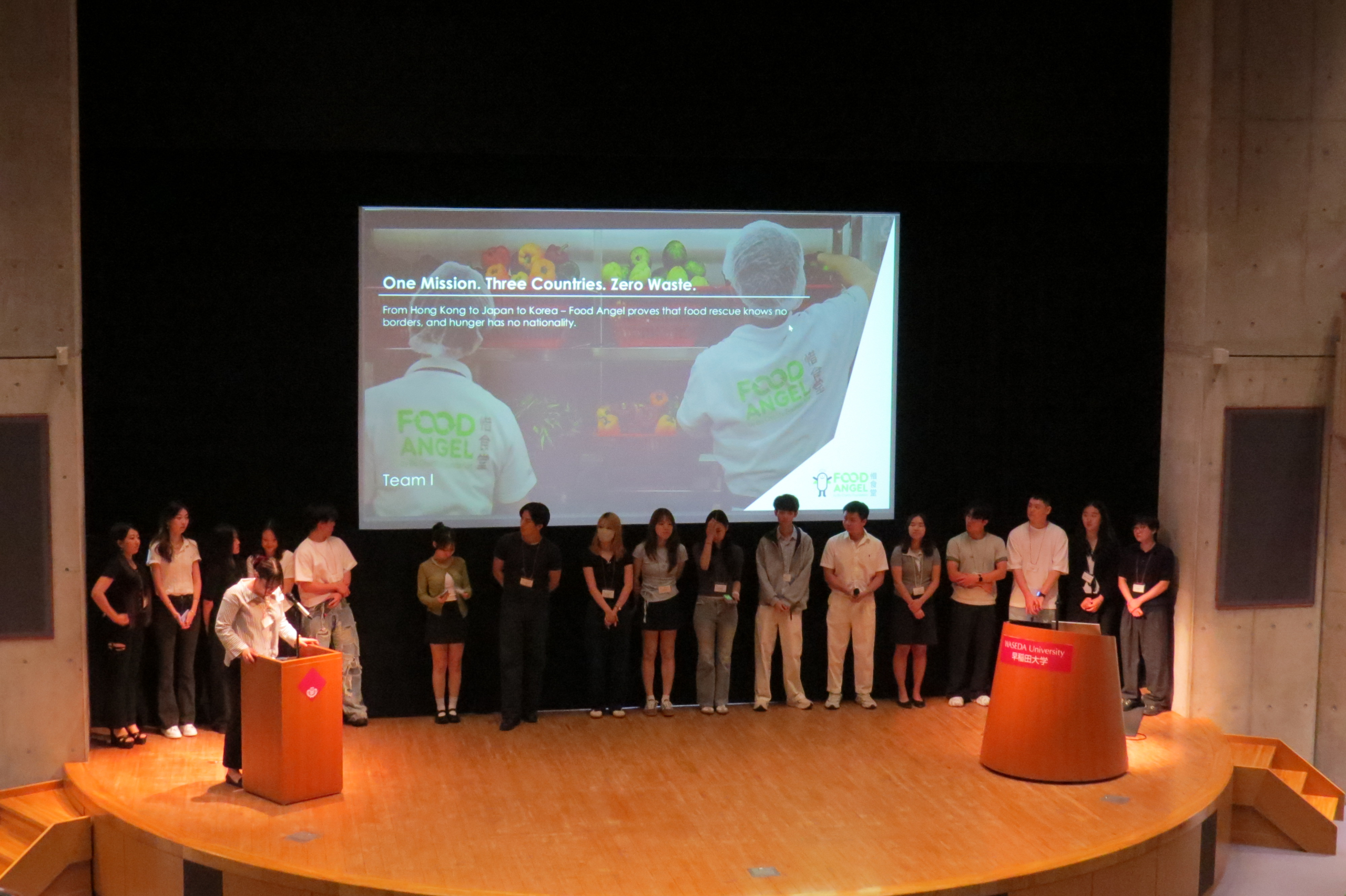
The case studies of each team varied by the type of social enterprises (from food waste to eco-friendly cosmetics) as well as the country they were based in. Each team was comprised of students from each of the three institutions and thus gave them unique perspectives on the workshop’s guiding questions. Student presentations were organized into three thematic rounds: Growth Choice, Mission Protection, or Cross-Country Adaptation. This also created a forum for students to question each other and compare their understanding of the themes. With a little friendly competition, the first day ended successfully with a prize distribution for the winning teams.
Day 2:
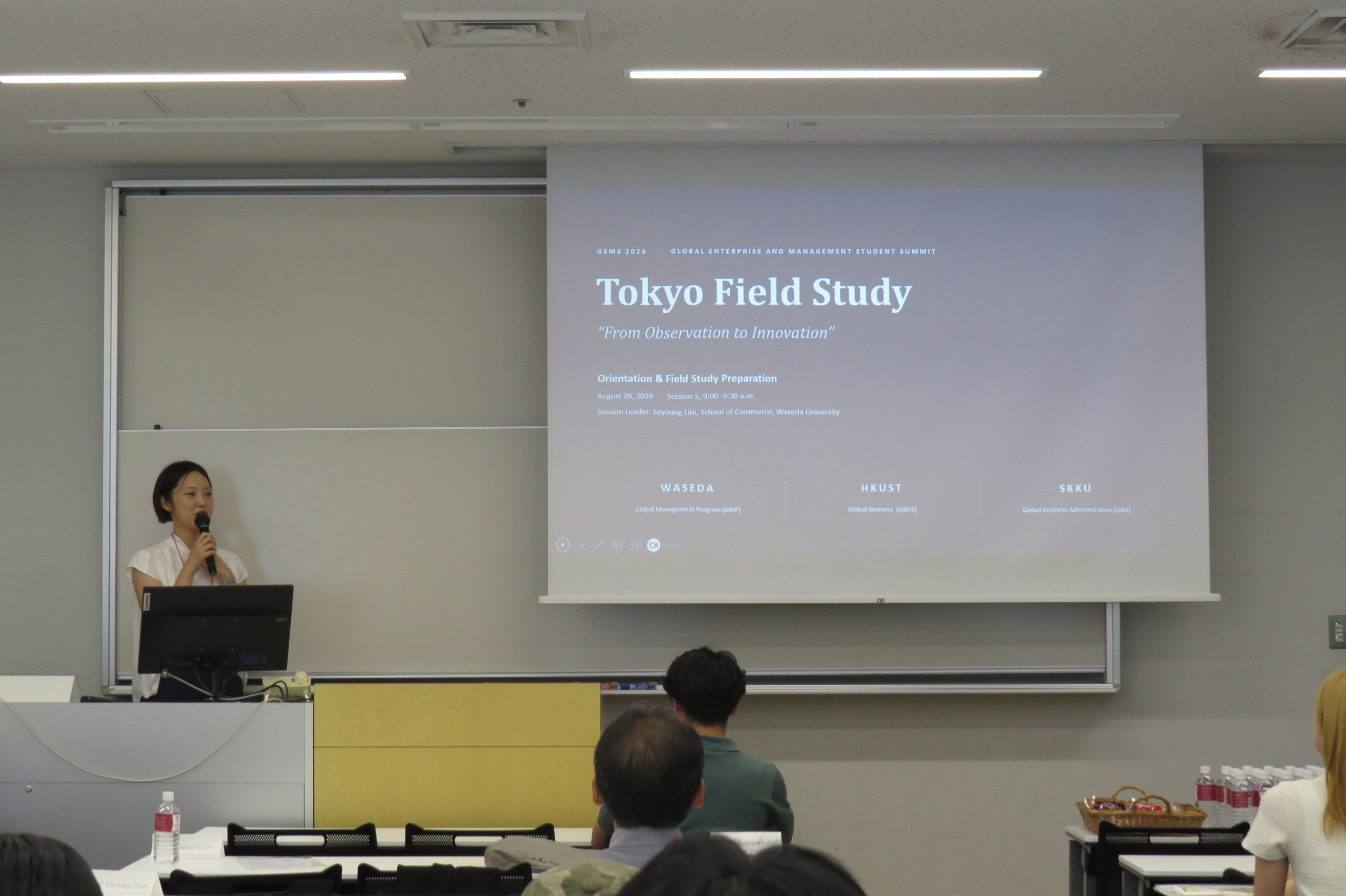
The second day Asst. Prof. SoYoung Lim from the School of Commerce opened the floor for an unconventional challenge. Students were given the task of applying classroom learning to real-world situations. Essentially, each team explored an area of Tokyo of their own choosing to identify a business and social challenge and then developed a unique solution all within the span of a few hours!
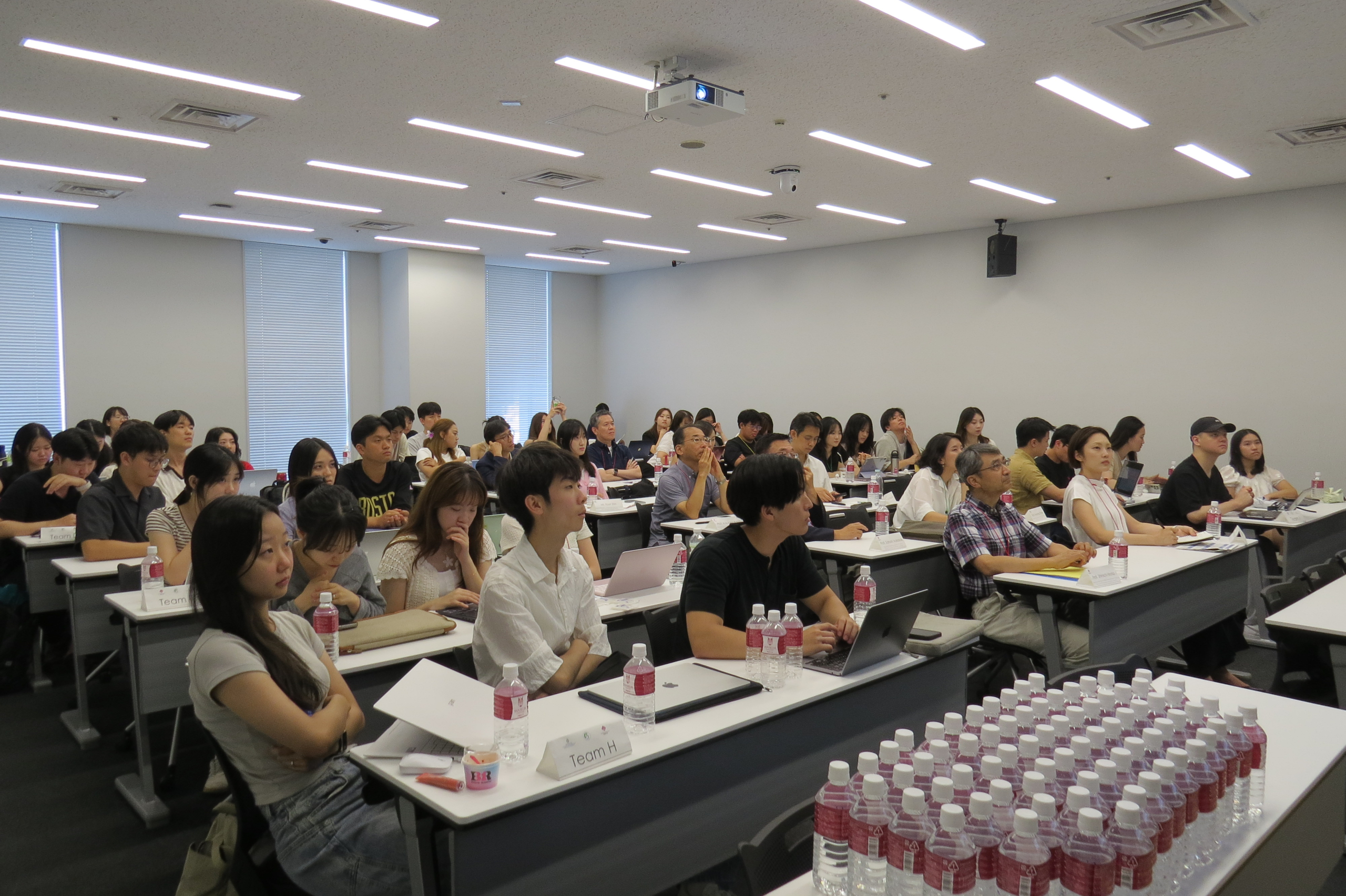
By 4pm, all teams had gathered to present their business innovation proposal developed through their field work in Tokyo. I was amazed by the range of locations covered, from bustling commercial centers like Shibuya to quaint but well-loved neighborhoods such as Jimbocho. Students identified a wide range of unique problems such as the humid summer in Tokyo, littering in public spaces, and even the mysterious pricing system of vintage clothing in thrift stores. Their solutions were even more interesting, and I could clearly see the extent of effort and creativity that each team dedicated to their presentation.
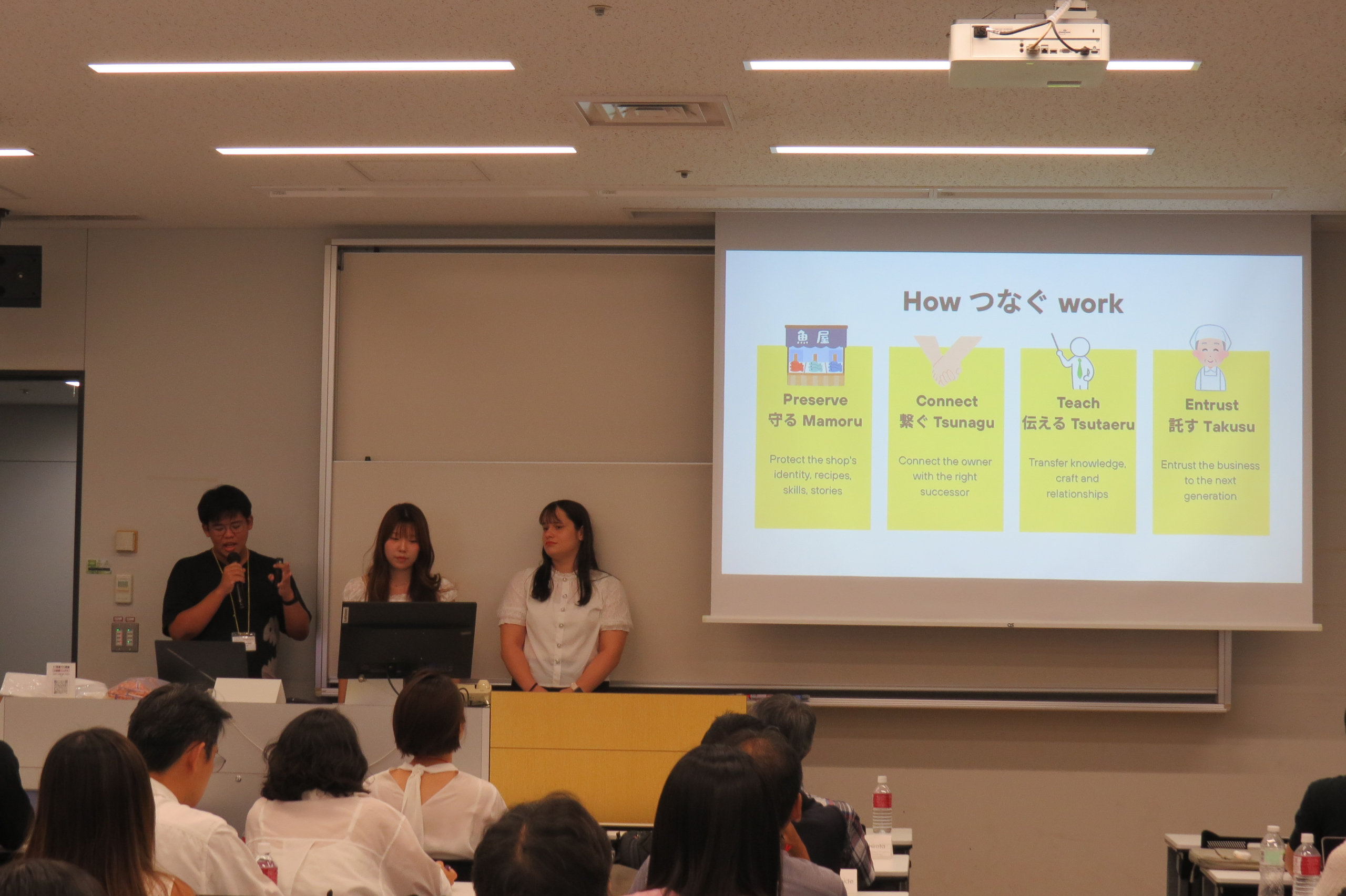
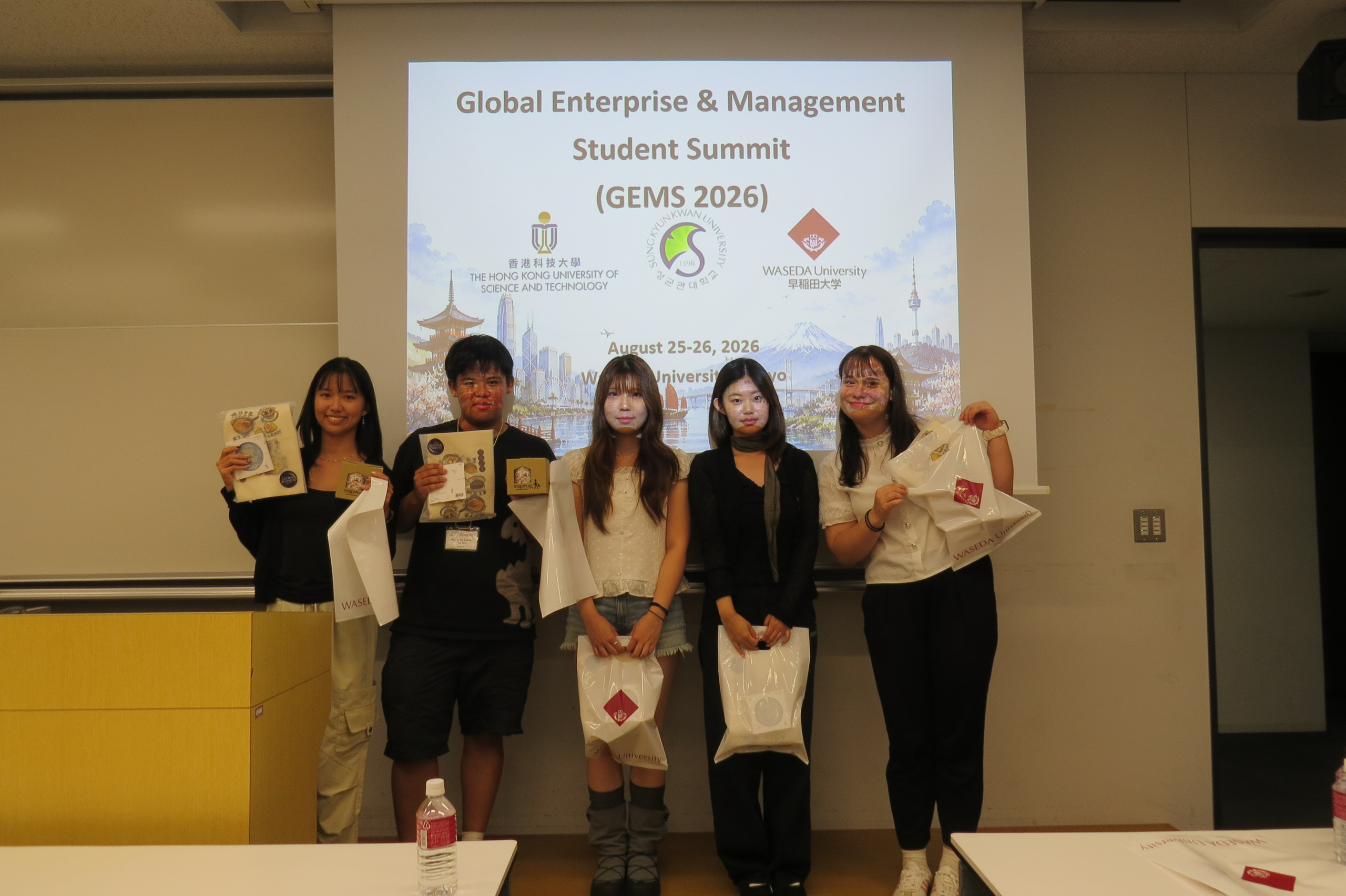
My personal favorite presentation focused on the long-term preservation of small local businesses. This team conducted their fieldwork in Asakusa, a famous district in Tokyo filled with traditional street food stalls near the famous Sensoji temple. The issue that they identified was that elderly business owners are often unable to place a successor to continue their business which results in the loss of longtime small businesses. Their solution which they named “Tsunagu” meaning ‘to connect’ was a social enterprise that offered these elderly owners a flexible way to retire and pass down their knowledge to young entrepreneurs who were interested in cultural preservation. This team also won first place in the prize distribution ceremony for the field work session.
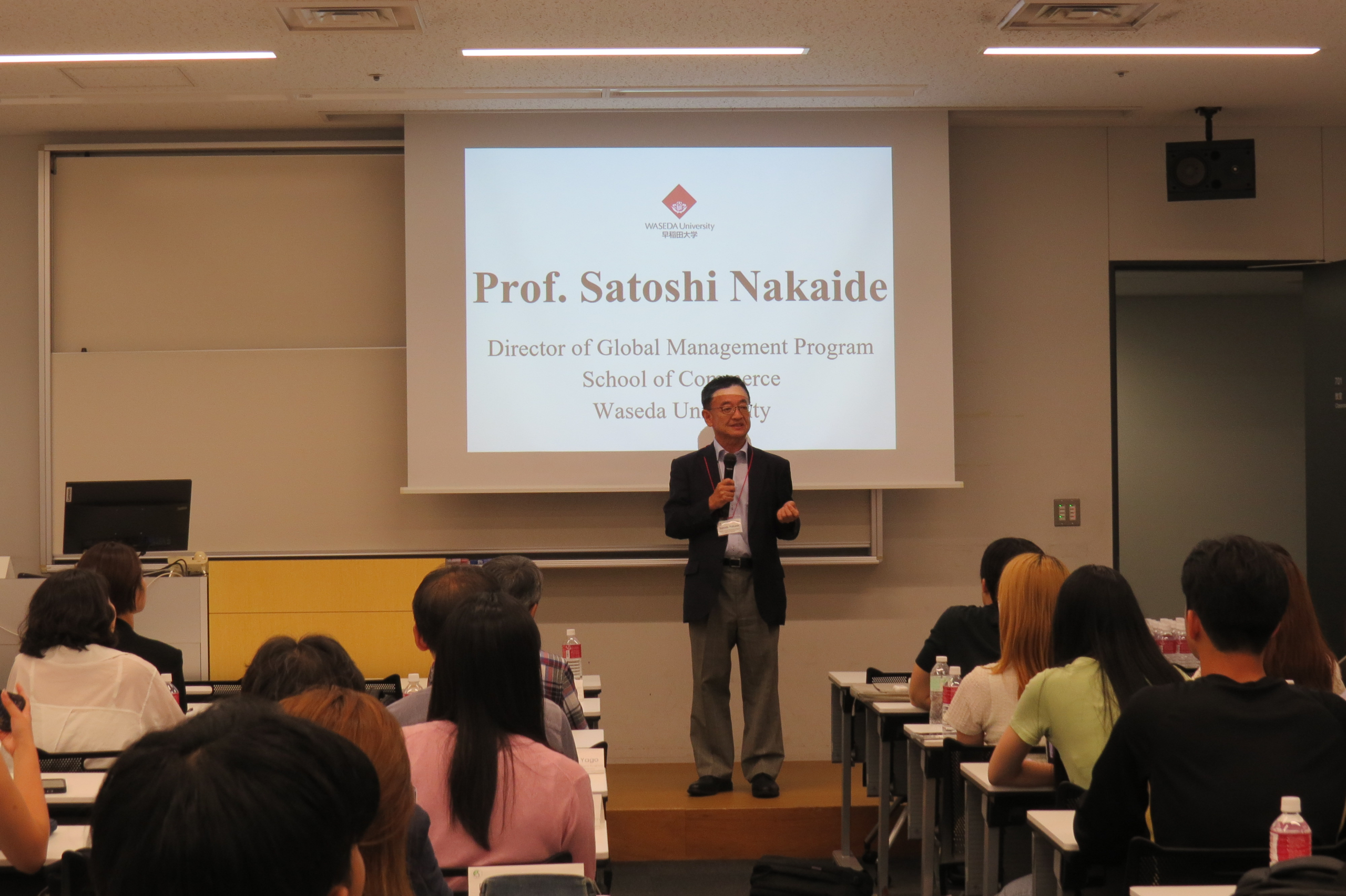
This was followed by closing remarks by Prof. Satoshi Nakaide, Director of the Global Management Program at the School of Commerce, Waseda University. His speech highlighted the efforts of the faculty members in organizing the program. Moreover, the student volunteers ensured a smooth transition between each session, resulting in a summit that was for the students but also by the students themselves. Thus, the First Symposium of GEMS ended with a group photo and a room overflowing with the fulfillment of a long day’s hard work and eager anticipation for next year’s events.
Written by Student Contributor BASAIAWMOIT Riiaki Iyer