Waseda Summer Session Welcome Party Promotes Networking Amongst Participants
Tue, Jul 7, 2026-
Tags
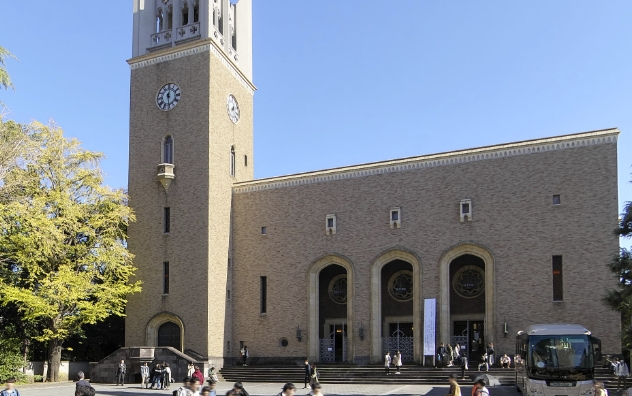
The Waseda University International Conference Hall became the focus of global academic exchange as it hosted the orientation and welcome reception for the Waseda Summer Session on June 15th, 2026. Waseda University’s Global Immersion Program (GIP) held the event, which attracted a diverse group of scholars.
The short-term exchange orientation transcended traditional study-abroad frameworks, operating on five core tenets: to introduce the international student body to Japan’s distinct cultural and academic landscape; to cultivate enduring global networks over an intensive six-week period; to provide profound immersion into the dynamic urban fabric of Shinjuku; to advance cross-lingual communication; and to foster environmental engagement through collaborative fieldwork. Welcoming over 200 visiting international students alongside an equal number of local peers, the reception highlighted the high degree of student autonomy and linguistic proficiency that define the Waseda community.
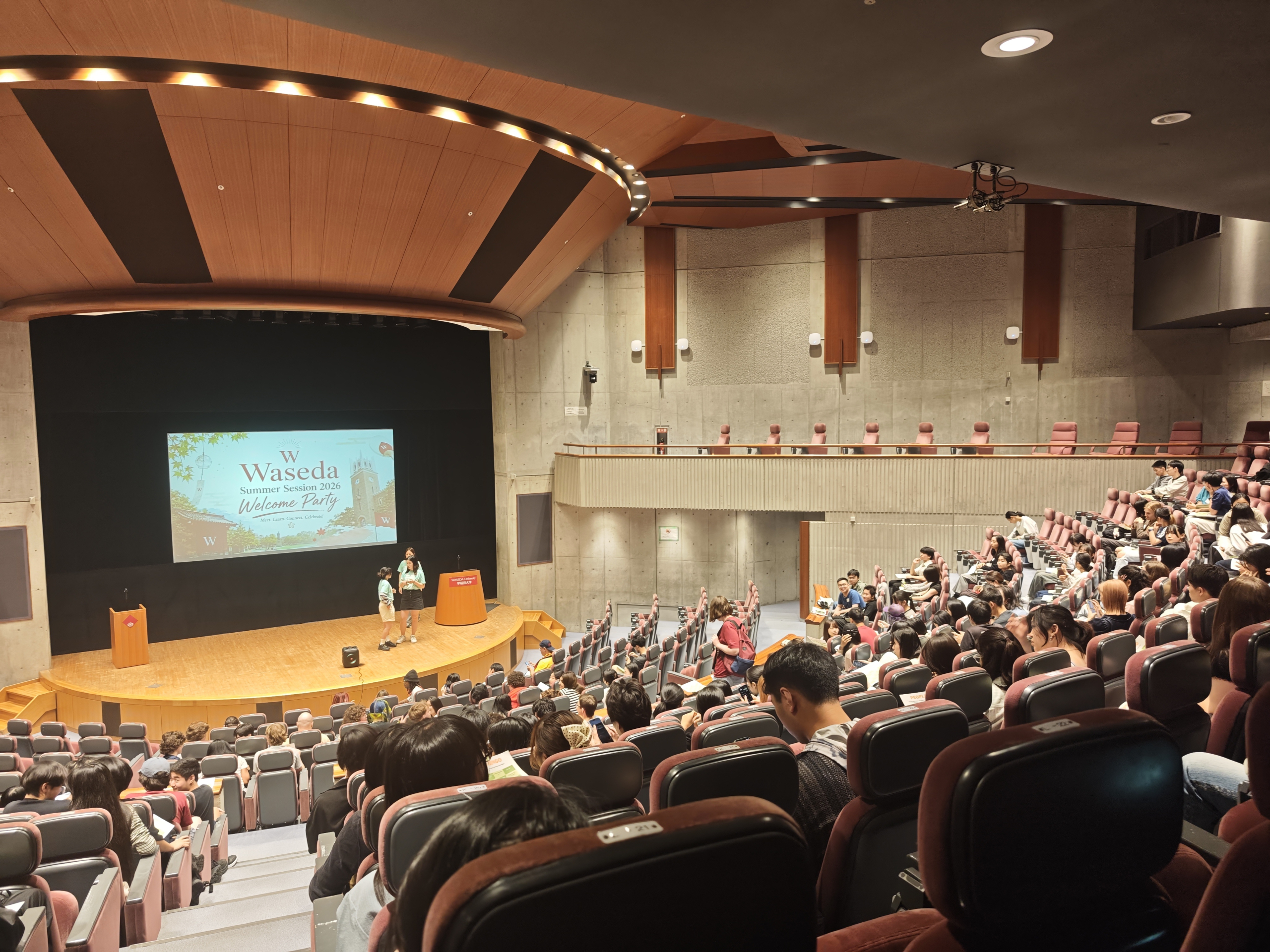
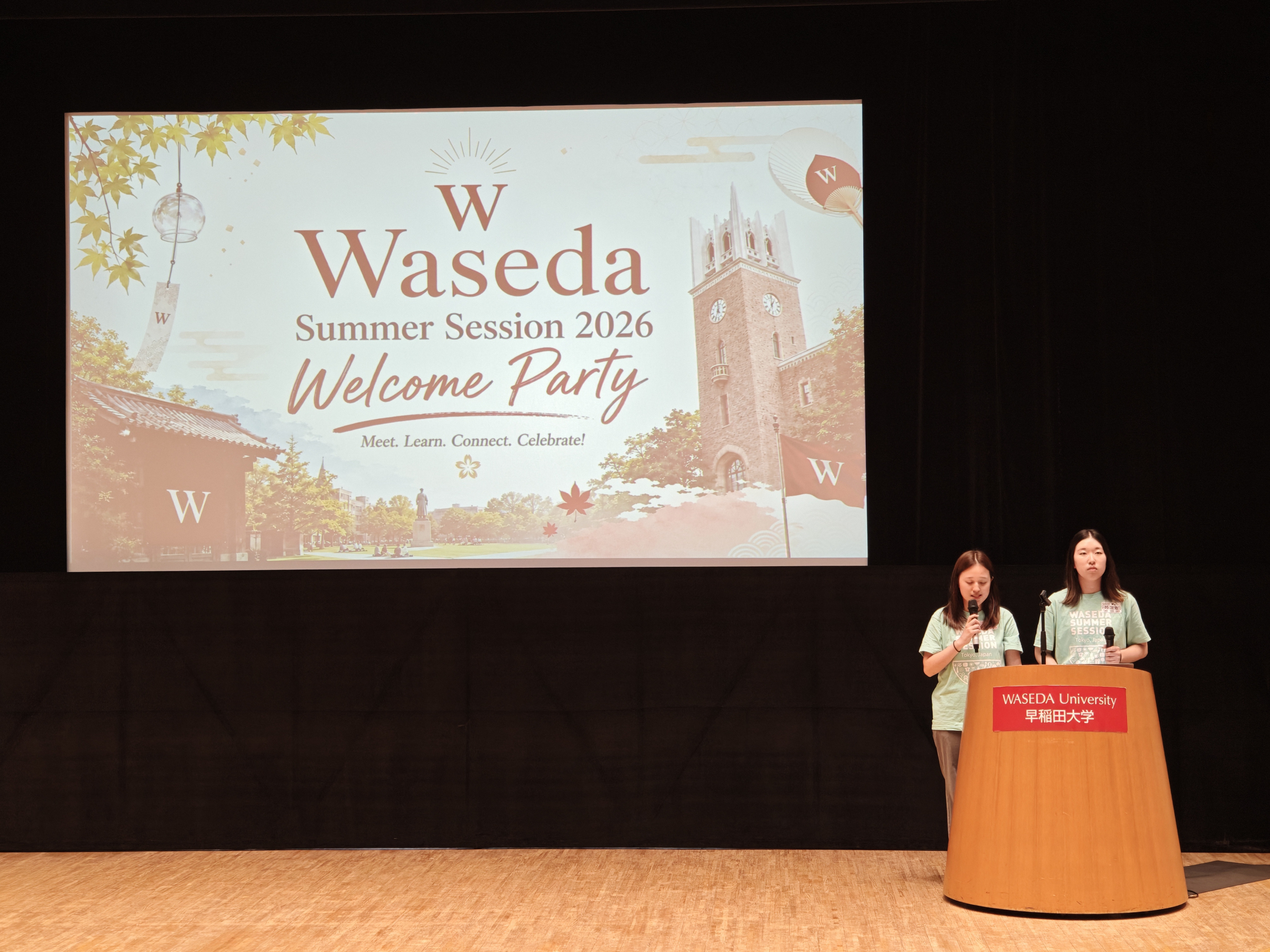
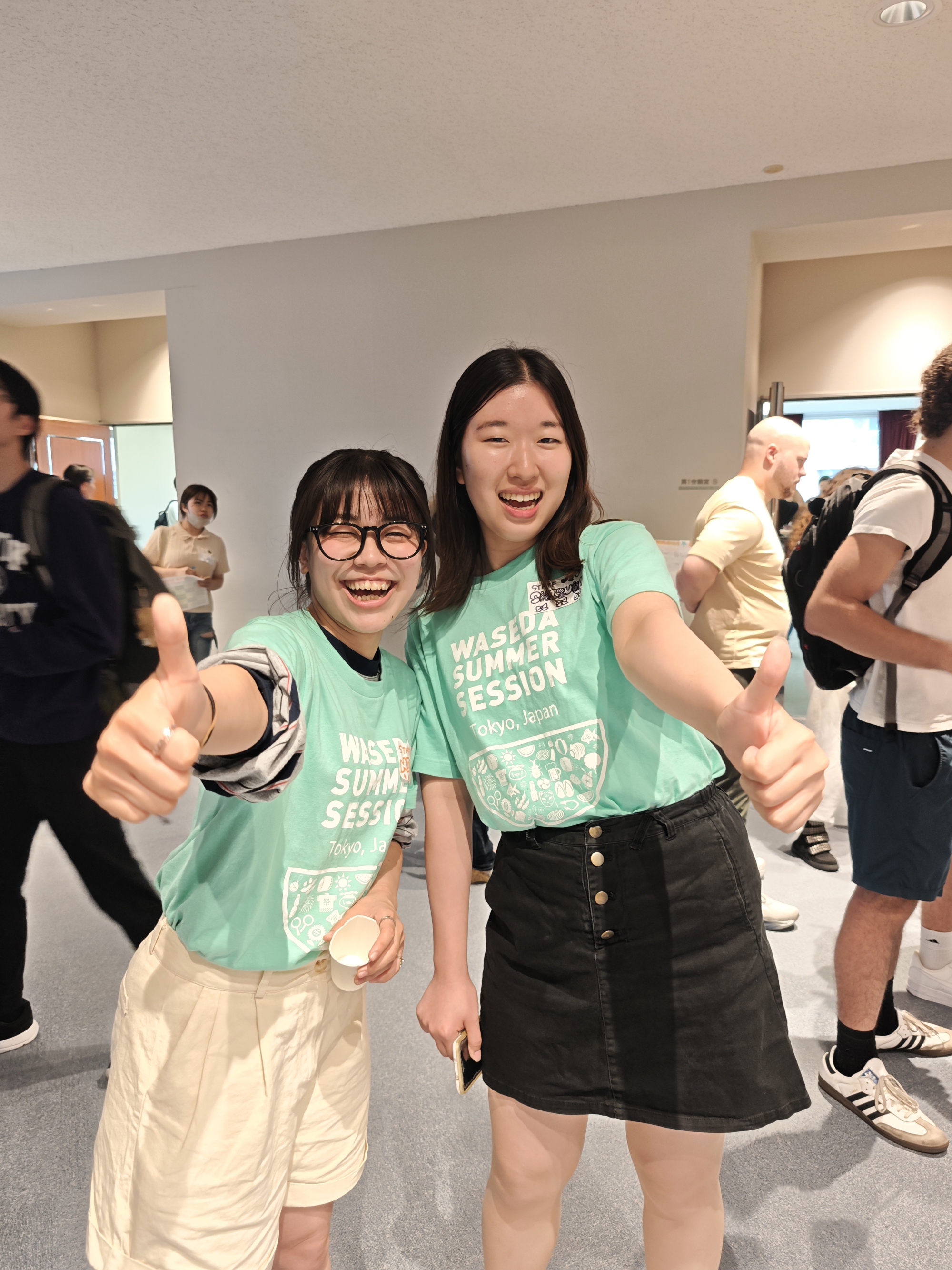
The energy of the event was palpable, filled with a vibrant mosaic of languages, expectations, and excitement. What immediately stood out was the high degree of autonomy driving the event. The welcome party was almost entirely organized and managed by Waseda student staff in bright green uniforms. The students directed traffic, facilitated conversations, and showcased the impressive linguistic capabilities and independent culture that signifies the inclusivity of Waseda’s academic environment.
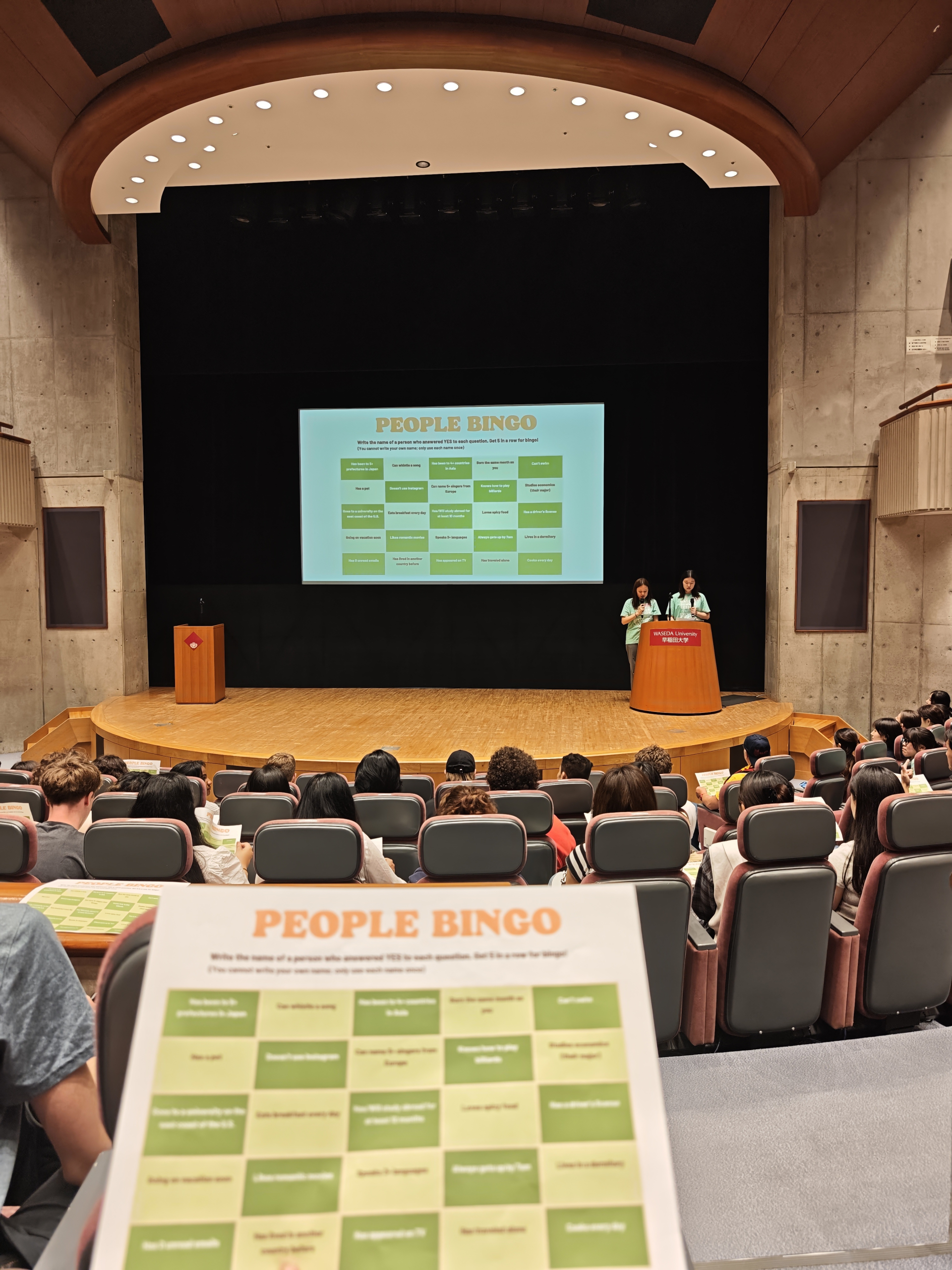
The spatial arrangement of the event was carefully managed to encourage face-to-face conversation naturally. As participants entered, we were given name stickers and a sheet of paper with ‘People Bingo’ written on it. The ice-breaking game featured a grid of characteristics and experiences that students might share across borders. Prompts ranged from daily habits like, “Do you eat breakfast every day?” to more complex background traits like, “Do you speak more than three languages?” These unique and hilarious questions swiftly became the hook for further conversations, as participants were guided by bilingual student hosts to separate meeting rooms where we were encouraged to take snacks and chat in groups.
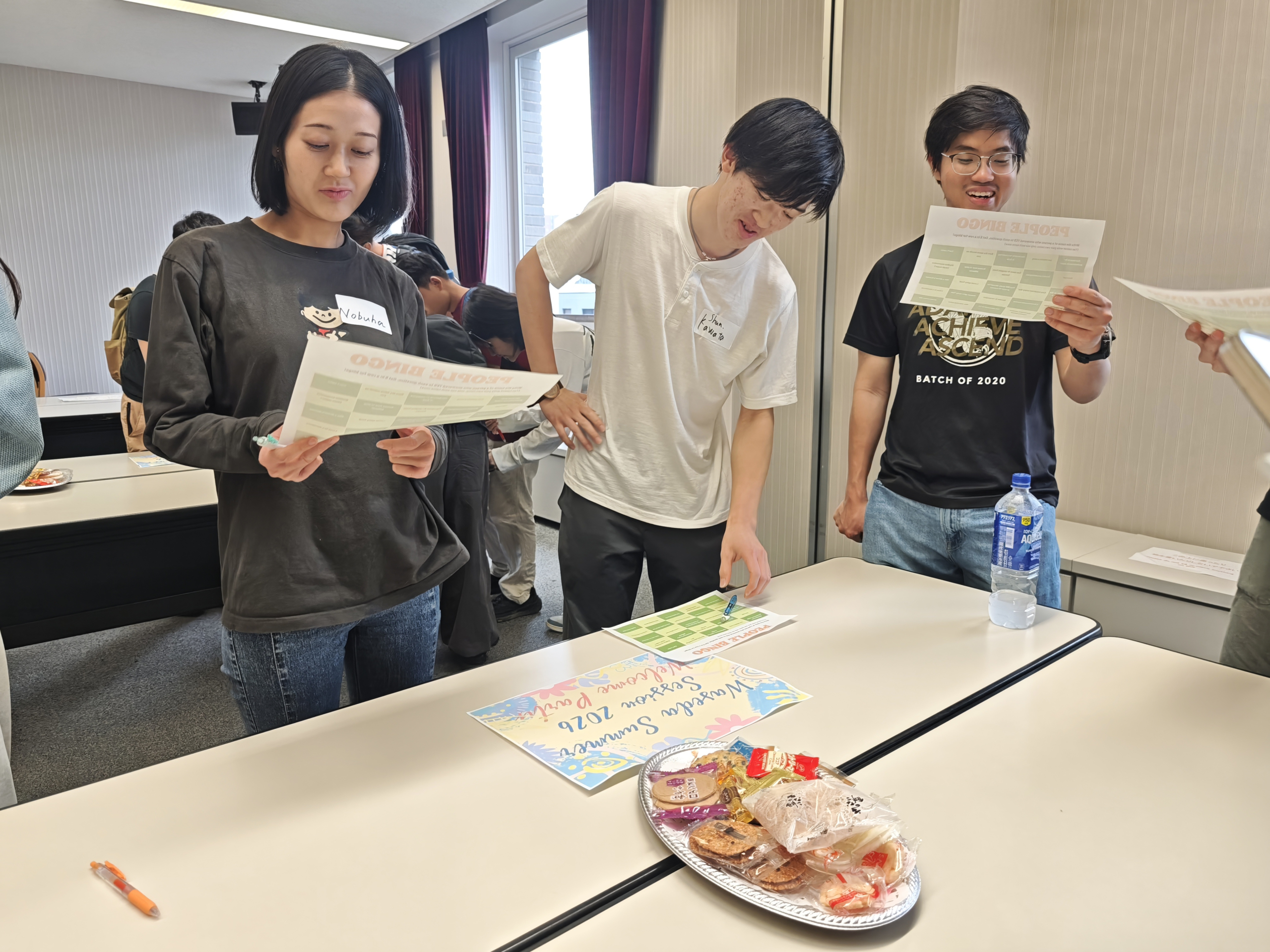
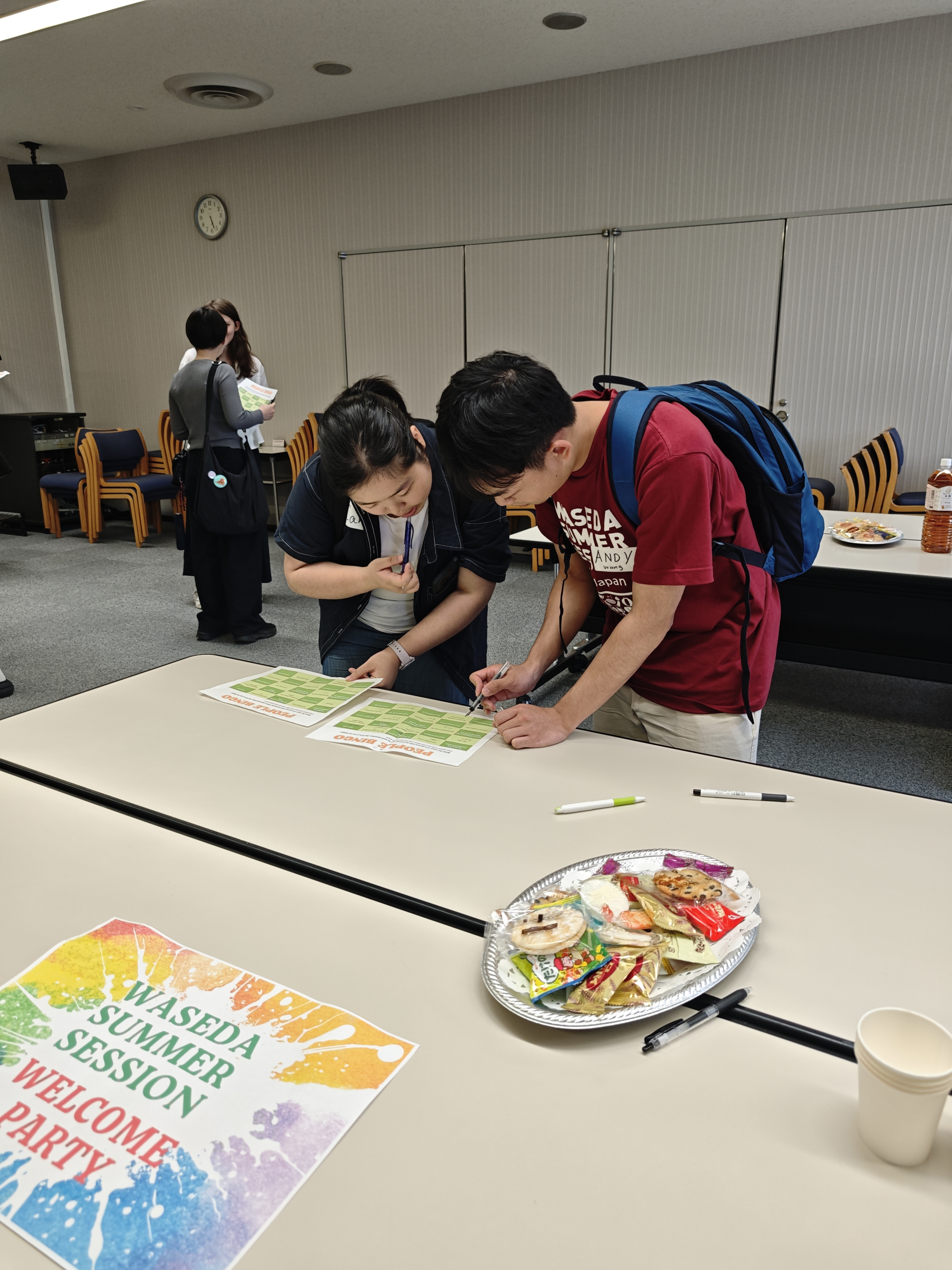
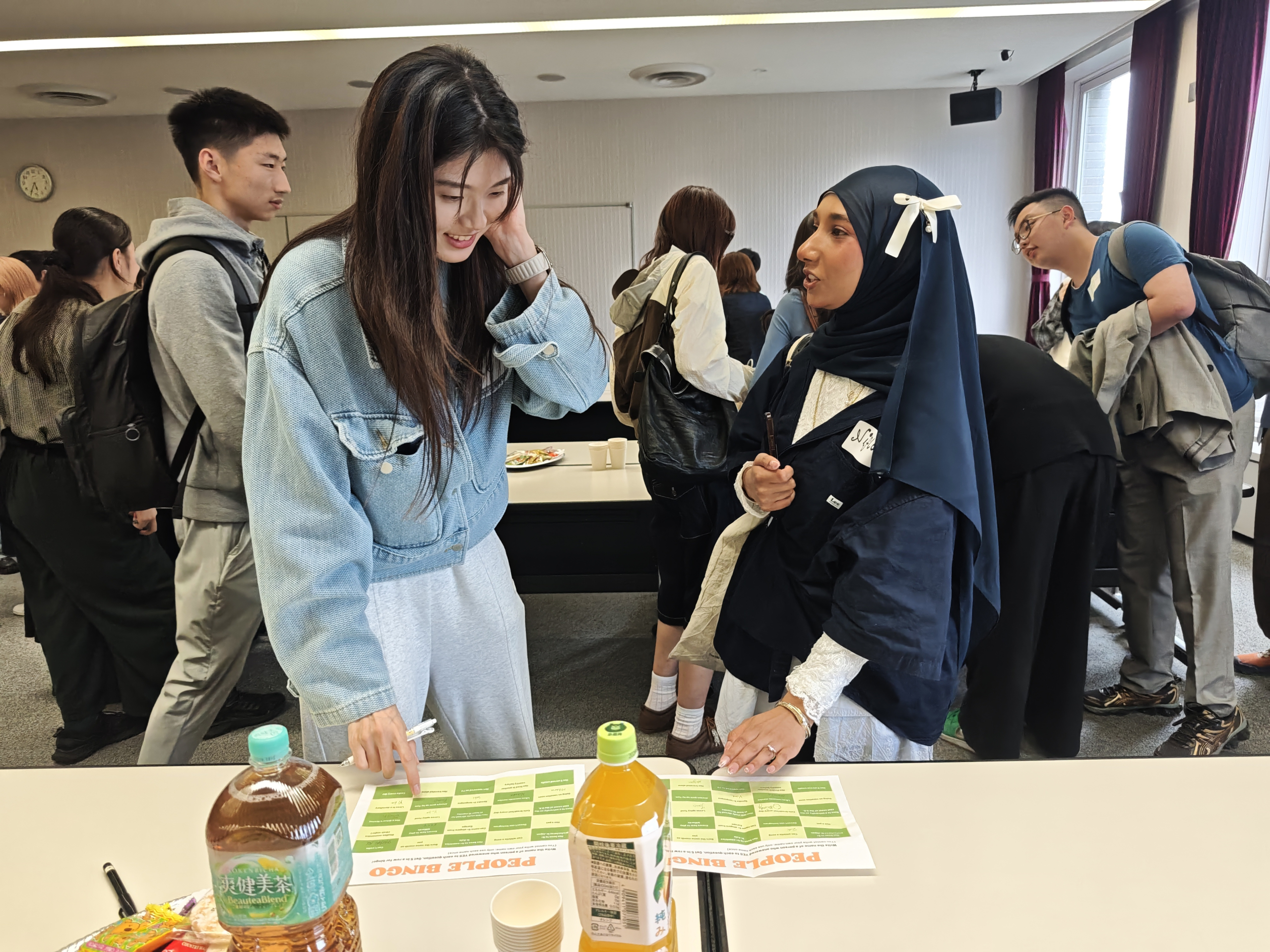
‘People Bingo’ proved to be a genius event. It gently engineered a friendly, low-pressure environment where even the most hesitant or shy individuals were encouraged to approach strangers. Urged on by the natural momentum of the room and the enthusiasm of more extroverted peers, the initial quiet quickly dissolved into a steady hum of laughter and chatter. The adaptation of Japanese teatime with the accompaniment of Japanese snacks is a very traditional and effective way to comfort the local peers and international guests.
I had the privilege of speaking directly with several international attendees with a striking variety of backgrounds. I spoke with students hailing from the United States, Canada, the United Kingdom, Singapore, India, Indonesia, Hong Kong, and Thailand. We joked about the ways of greeting each other and exchanged information on how we study Japanese. Despite immense differences in our linguistic levels and diverse backgrounds, conversations flowed surprisingly smoothly. When words failed to convey our stories, we enthusiastically relied on hand gestures, Google Translate, and Google Maps to share our stories.
Attendees viewed this welcome party as a rare and precious opportunity to interact with peers they otherwise would never cross paths with. Lin, from Vancouver, Canada, shared that she specifically chose Waseda for its abundant networking resources in the renowned major, Political Science.
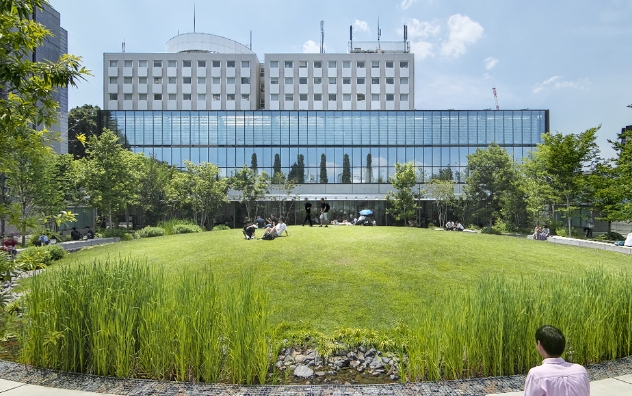
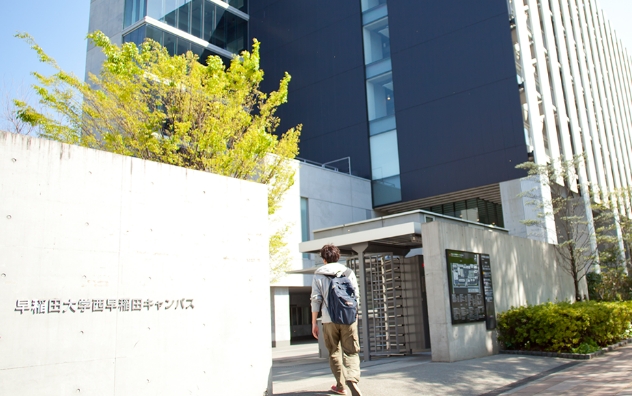
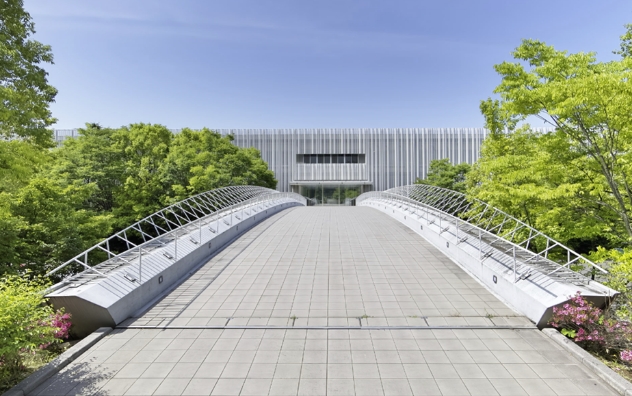
Ian, from the University of Connecticut, accompanied by his Japanese friend Sawaki, navigated the application process personally to expand his perspective in the sciences as they discussed the differences between the four campuses: Waseda Campus which houses the central administrative buildings and Faculty of Political Science and Economics, Faculty of Law, Faculty of Commerce, Faculty of Social Sciences and Faculty of International Research and Education; Nishi-Waseda Campus which fully integrates the Faculty of Science and Engineering; Toyama Campus that is dedicated to the Faculty of Letters, Arts and Sciences; and Tokorozawa Campus which focuses on the Faculty of Human Sciences and the Faculty of Sport Sciences.
For others, the draw was Japan itself. Clarice from the US and Niflo from Queen Mary University of London both spoke passionately about their fascination with Tokyo’s unique lifestyle and culture. Compared to other parts of the world, the tranquility of Tokyo provides a satisfying learning environment for international students.
Universal shared experiences quickly bridged the geographical gaps during the ice break activities. Students from the US bonded with local Japanese students over the abrupt shifts in Tokyo’s early summer weather, laughing off the humidity and the mutual shock of experiencing minor earthquakes as a “local greeting.” A film student, Wang, from China expressed her deep admiration for Japanese cinematic aesthetics and was eager to see how Waseda’s summer curriculum would approach the subject. Meanwhile, students like Rizan and Akbar from Indonesia, studying law and electrical engineering, expressed a strong desire to explore future career opportunities in Japan. They are learning Japanese with enthusiasm and are looking forward to communicating with the local students with the newly learned language.
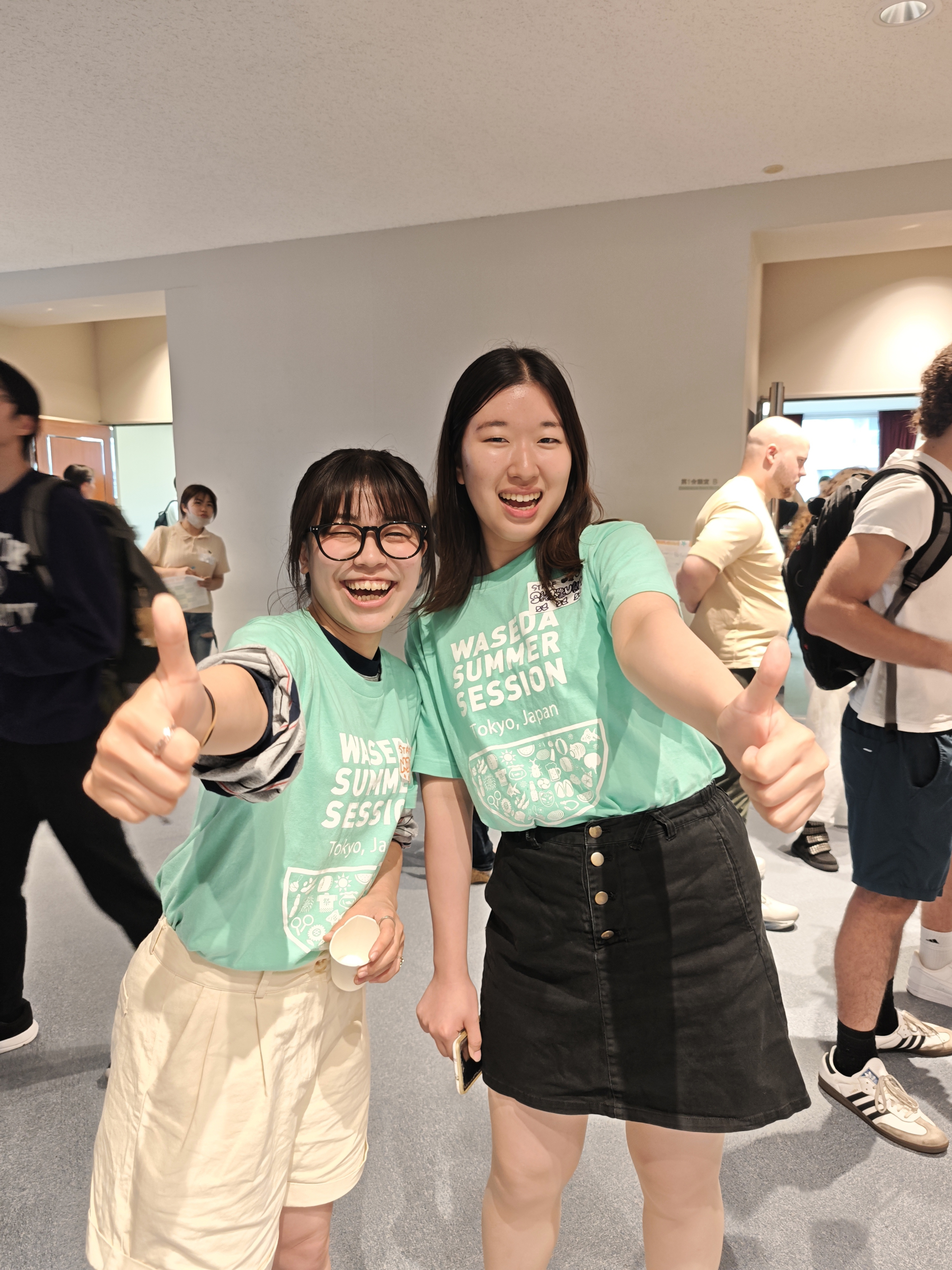
When the natural momentum of conversation slowed, the student staff were always nearby to bridge the gaps. Staff members like Nirai drew on her experience in overseas education as she understood firsthand how intimidating it can be to build a network in a foreign country. They warm-heartedly guided smaller groups together to ensure no one was left on the periphery. They also carried the flow of clearing up the scene after the events ended with a touch of hospitality, which warmed my heart as a guest.
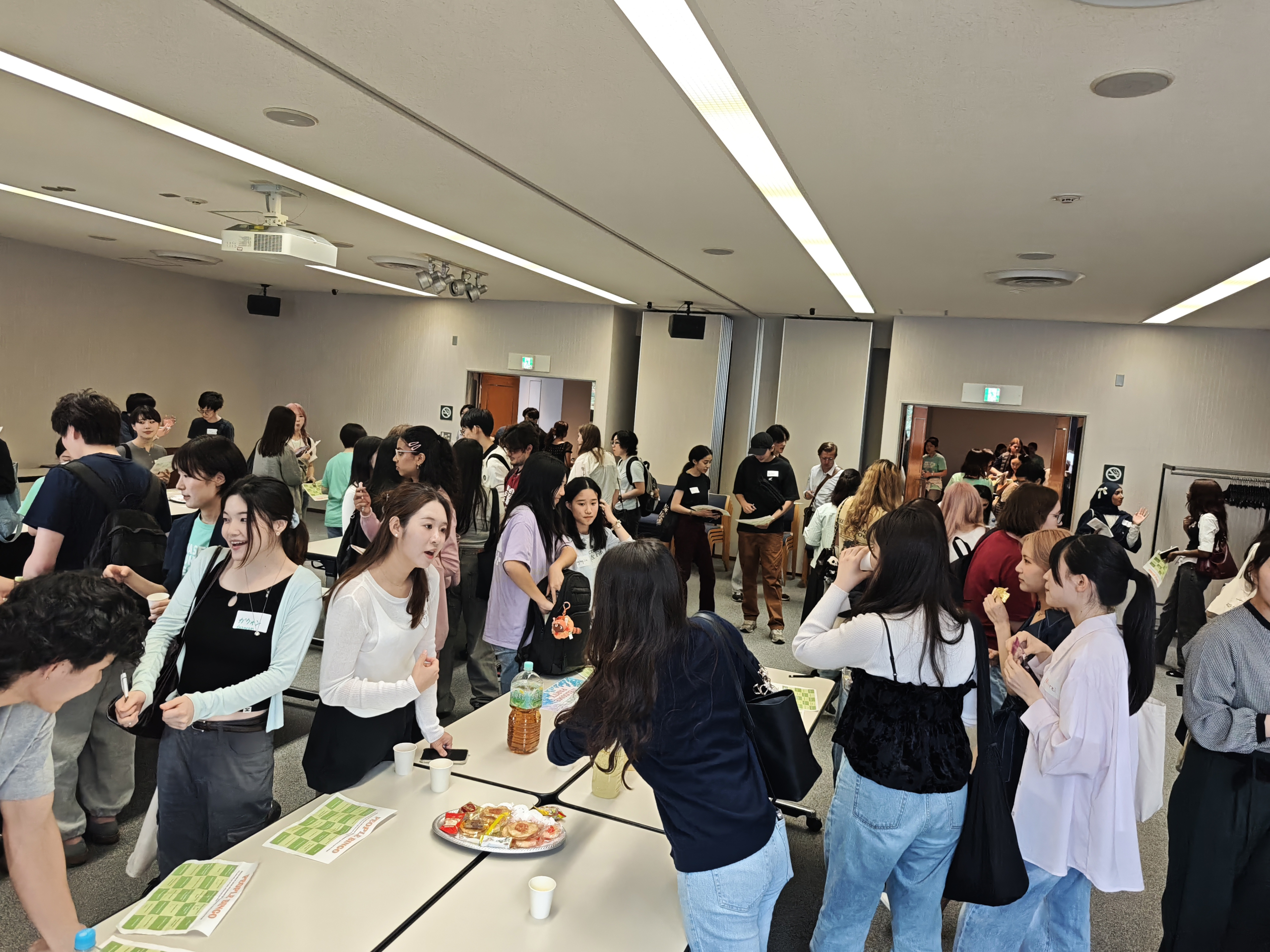
The impact of the event was clear. Groups of newly acquainted friends were already making plans to grab dinner together in Shinjuku, exchanging social media for future international collaboration. The exchange of contacts laid the foundation for a network of cross-cultural knowledge and opportunities. The organizing administrative staff of the event from the Intercultural Communication Center (ICC) and Center for International Education (CIE) also expressed their warm welcome to students from overseas and that the annual event has become a routine at Waseda that forges the foundation of an educational network all around the world.
Tokyo in the fresh eyes of international guests provided me with an enchanting new perspective on my own campus. The event was a profound display of diversity and a testament to Waseda’s massive investment in bilingual, globalized education. The students I spoke with deeply cherished this initial opportunity to build an educational network, their excitement for the coming six weeks radiating across the hall. When we choose to step out of our comfort zones and cross language barriers, incredible potential emerges for collaboration. As a current Waseda student, I sincerely hope they experience everything Waseda, and Tokyo, have to offer to the fullest.
The Waseda Summer Session is an annual program. Further information can be found on https://www.waseda.jp/inst/gip/summer-session .
About the Author: Jingshi Xiao
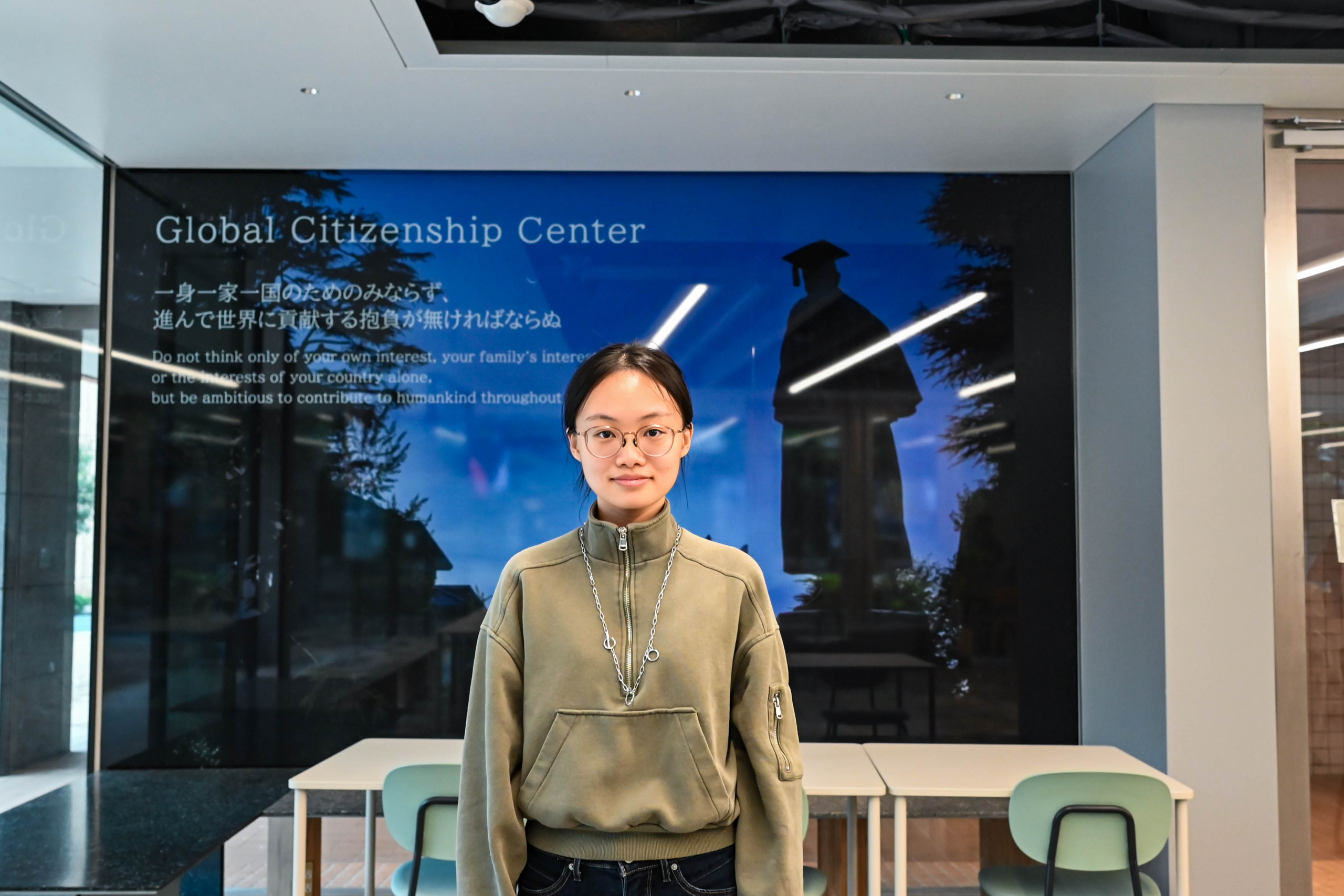
I am a student contributor studying science and practising spoken Japanese here at Waseda. I spend most of my time at Nishi-Waseda Campus, where I write articles and enjoy hand-poured Japanese style coffee.