


“Letters from the Haruki Murakami Library”―レベッカ・ブラウン(Rebecca Brown)
2026.02.25

“Letters from the Haruki Murakami Library” は「早稲田大学国際文学館(村上春樹ライブラリー)を訪れて、だれかにお手紙を書くとしたら?」という発想で、国際文学館に滞在いただいた方に執筆いただくシリーズ企画です。
カミラ・グルドーヴァ(Camilla Grudova)さんにつづき、2025年6月に当館に滞在したシアトル在住の作家 レベッカ・ブラウン(Rebecca Brown)さんに手紙を書いていただきました。
本ページでは、日本語版を公開しています。(翻訳:小磯洋光)
原文(英語)とあわせてお楽しみください。
親愛なるディック・ギャロウェイ
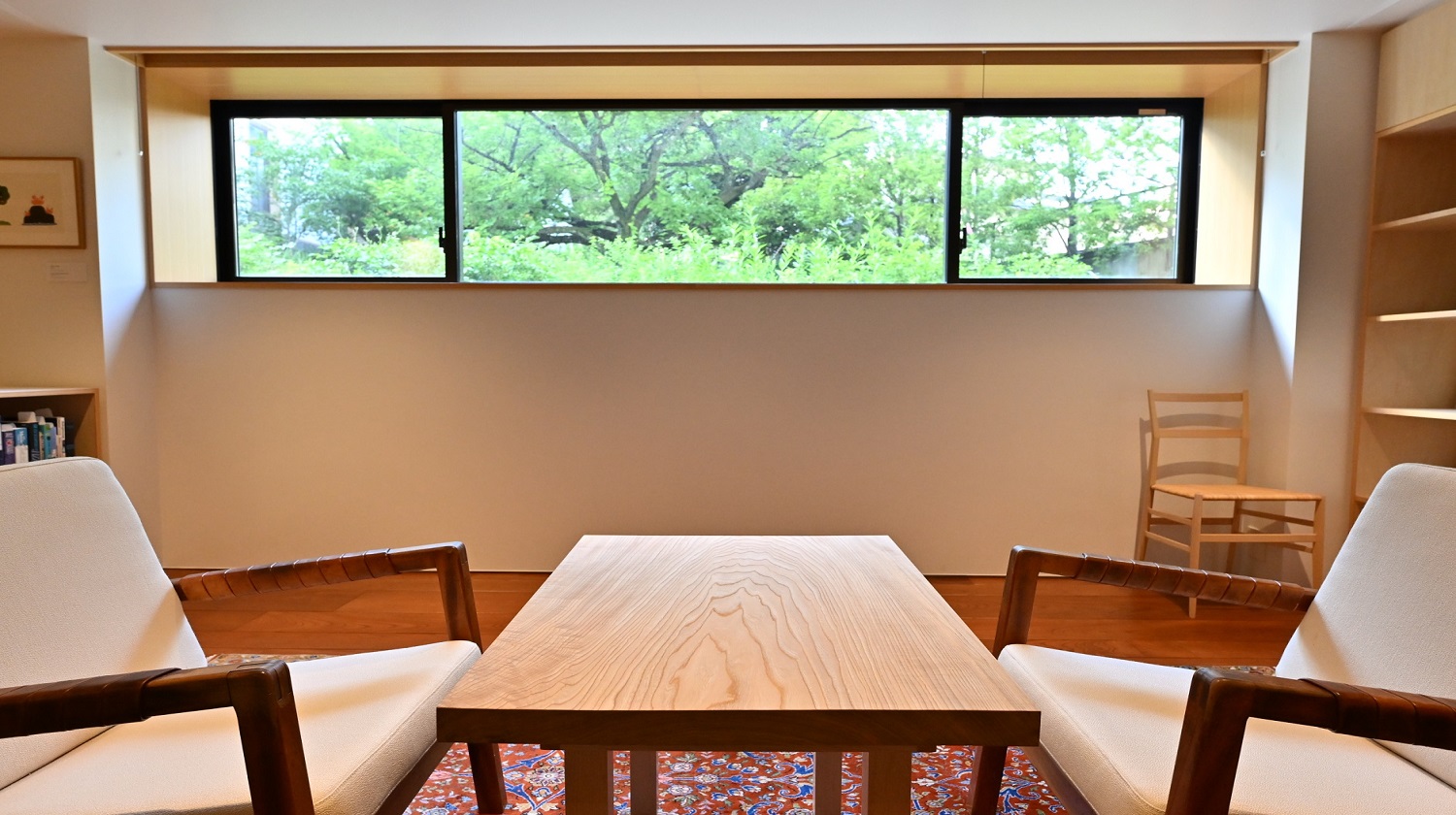
先日日本から戻ってきて、あなたに手紙を書きたいと思っていました。私が日本に滞在したのは、東京にある早稲田大学国際文学館(村上春樹ライブラリー)に招かれたためです。そこは、世界中から訪れた人たちが交流できるように設計された、とても素晴らしい場所でした。滞在中、作家や翻訳者、そして長年の友人たちと再会し、いくつかのイベントに参加し、執筆を少し進めることもできました。朝は自分の部屋で作業し、昼頃に村上ライブラリーへ出かけて、そこにあるカフェで昼食を取りコーヒーを飲み、本を読んだり音楽を聴いたりしました。午後はたいてい散歩をしました。
ある日の午後、村上ライブラリーの向かいにある坪内博士記念演劇博物館を訪れて、展示されていた人形や、上演台本や、日本や世界の演劇に関するテレビの映像や動画を見て回りました。どれも見事でした。
ただ、20世紀後半以降の日本の演劇を扱った部屋は、空気が違いました。部屋には芝居のスチール写真がありました。そこに写っていた舞台装置は、荒涼としていて、陰鬱で、崩れていて、まるで爆撃を受けた後のようでしたし、俳優たちはくすんでいてボロボロで埃まみれの衣装を着て、飢えているように頬がこけて見えるメイクをしていました。掲示されていた解説には、第二次世界大戦後の日本で作品をつくることの実情については書かれていませんでしたが、私はそのことを想像せずにはいられませんでした。
滞在先の部屋からそう遠くないところに、漱石山房記念館がありました。あなたが彼のことを知っているかわからないけれど、彼は20世紀初頭の偉大な作家で、作風が実に多彩なので、私は刺激を受けています。友情や喪失を描いた胸を打つ小説があるかと思えば、猫の視点から書かれた風刺もあり、奇妙な夢を思わせる作品もあります。そういった作品のどれも、周囲の世界が急速に変化していった様子への、強烈な意識に満ちています。
あなたの生前に聞いておけたらよかったことがあります。あなたが育った時代はどんな世界だったか、第二次世界大戦を生き抜いたこと、子どもたちがベトナム戦争に抗議する時代やフェミニズム運動、そして同性愛者の娘をもつことについてです。もっとも、最後に挙げた点については知っています。あなたはクリスに同性愛者だと打ち明けられたとき、彼女を受け入れ、愛しましたし、彼女が私を家族にしようとしたとき、あなたは私を娘として扱ってくれましたね。
外から見ると、漱石山房記念館はすっきりとしたモダンな建物です。ガラスと反射する金属でできています。中に入ると、漱石の家の一部が再現されていて、彼の書斎だとか、妻や子どもたちとの暮らしぶりや、来客をもてなしていた様子がわかるようになっています。私は猫の足跡に導かれながら展示を眺めているうちに一通り見終わると、外の庭をぶらぶらしました。滞在先の部屋に戻って調べると、その「家」は「戦後」に再建されたものだということがわかりました。
それと同じ表現を、近隣にあった別の家を訪ねたときにも目にしました。関口芭蕉庵も、芭蕉が住んでいた場所に、「戦後」になって再建されたと書いてあったんです。その言葉がさりげなくいろんな場所にあったことが——ほかでも度々目にしました——、ずっと引っかかっていました。「戦後」に、どれほど多くのものが再建されなければならなかったのか、私は想像しました。日本では、戦争の影響は観念的なものではなく、物質的なものでした。9・11以前に国外から本土を攻撃された経験のないアメリカとは、違うのです。
人は、戦争をどうやって乗り越えるのでしょう。それには、どれくらい時間がかかるのでしょう。戦時中の敵を憎む気持ちから、憎まなくなるところへ、人はどうやって移っていくのでしょう。そんなことを考える自分が馬鹿みたいに思えました。人生がフェアじゃないことに初めて不平を言う子どもみたいだ、と。でも、かつて爆撃を受けた都市を歩き、原爆を落とされた国に身を置いていると、戦争とその後のことが、否応なく生々しいものとして迫ってきました。
ディック・ギャロウェイ、あなたは小さな男の子だった頃、大切な体験をしましたね。クリスから聞いた話では、5年生のとき、ある日担任の先生が封筒の束を持って教室に入ってきて、誰かと文通をしたい人はいませんかと尋ねたそうですね。あなたは手を挙げ、名前を一つ選び、日本に住む男の子と手紙のやり取りを始めました。その男の子は、ヤマタマサミという名前でした。あなたたちは何年も手紙を送り合いました。第二次世界大戦のあいだは途絶えましたが、戦後、マサミさんが再びあなたに手紙を書き、あなたも返事を出しました。それからあなたたちは、少年期を終え、思春期を終え、大人になり、結婚し、父親になるまで、長い間ずっと文通を続けたんです。ウィスコンシン州に暮らすあなたの家族のもとへマサミさんが訪ねてきたときのことを、クリスは覚えています。彼女は当時10歳で、あなたがマサミさんとの文通を始めた年齢でした。マサミさんは、あなたの妻パットにノリタケの食器セットを贈り、子どもたちには『桃太郎』——日本の昔話を集めた児童書——をプレゼントしました。ウィスコンシン州の「メナシャ紙」は1ページを丸ごと使ってマサミさん訪問を報じ、あなたと、パットと、マサミさんと、ノリタケの食器が、そのページの4分の1ほどの写真に収まっていました。それは1950年代後半のことで、私たちアメリカ人が広島と長崎に原爆を投下してから、10年余りが経っていました。その後、メナシャに日本人が訪れたことはあったのでしょうか。それ以前に、日本人がメナシャを訪れたことはあったのでしょうか。あの町に、日本人の友人がいる人物は、他にいたのでしょうか。
ギャロウェイ家の子どもたちは、その日本の昔話の本を長い間読み続けました。とりわけクリスが好きだったのが、桃太郎のお話です。正義が悪に勝つという、とても良いお話です。クリスは、その本がきっかけで日本文化が大好きになったと言っています。彼女は大学で小津と黒澤を学び、息子と一緒にサムライ映画を観て、孫たちには宮崎駿の映画を見せ、近松から村上春樹まで、あらゆる作品を読み続けてきました。
2000年代初頭、クリスと私が日本を訪れたとき、彼女は名古屋まで列車で足を伸ばしました。そこはヤマタマサミさんが住む街でした。彼女が列車を降りると、80代と思われる日本人の男性が近づいてきて、こう言ったそうです。「私はヤマタマサミです。ディック・ギャロウェイの友人です。」
私が国際文学館への訪問中に住んでいたのは学生街で、安く食べられる店がたくさんありました。見覚えのある名前がいくつもありました——マクドナルド、サブウェイ、スターバックス、セブンイレブン。「ファミリーマート」や「フレッシュネスバーガー」といった英語名の店も見かけました。アメリカが溶け込んだ日本、という感じがし、学生たちはそれを楽しんでいました。私が思ったのは、そんな学生たちと同じ年頃の、私たちの孫のことです。アニメやサムライ映画を観て育ち、日本の文化は「かっこいい」と感じている世代です。
ディック、私はこうしてあなたに手紙を書いているわけですが、その理由には、私が知る人の大半と同じように、世界に対して激しく絶望しているというのもあるかもしれません。ガザで起きているジェノサイド、ウクライナの破壊、移民や難民を拘束し虐待するトランプ時代のアメリカ――私の、酷いアメリカ。人間は最悪だ、と感じてしまうことが多いので、私は別の何かのための余地を自分の中につくろうとしています。人間は、個人としても、国家という集団としても、悲惨な出来事のあとで変化し、より良い方向へ進めるのだと、私は信じたいです。
ディック・ギャロウェイ、あなたとマサミさんは友人でした。あなたたちは、母国同士の戦争を越えて手紙を書き、友人であることを新たにしました。ひとりの日本人男性が、アメリカの子ども数人に一冊の本を贈り、そのうちの一人に、一つの文化全体を開きました。
世界各地の読者、作家、翻訳者たちが、国際文学館という場所に集い、互いの話に耳を傾け、語り合い、学び合い、もしかしたら手紙を書き、友人になっていく。
そうした出来事のすべてが、私にとって希望です。
ありがとう。
心を込めて。
レベッカ・ブラウン
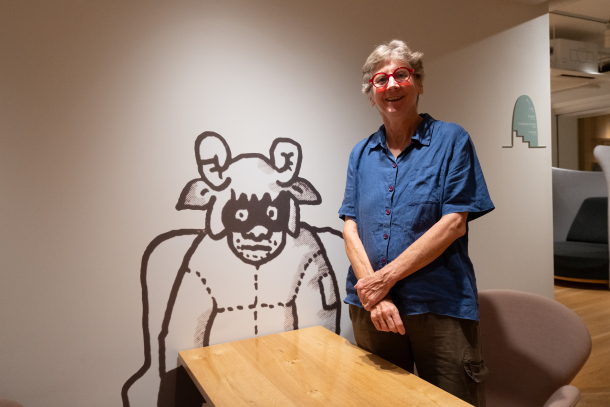
レベッカ・ブラウン(Rebecca Brown)
シアトル在住。作家。邦訳書に『体の贈り物』『若かった日々』『家庭の医学』『犬たち』『天国ではなく、どこかよそで』、『かつらの合っていない女』(絵:ナンシー・キーファー)がある。代表作『体の贈り物』は2025年6月20日にtwililightから復刊された。
Related
-
ライブラリーを、本とめぐるーーアフターダークとファミリーレストラン考
2026.09.25
-
“Letters from the Haruki Murakami Library”―謝曉虹 (Dorothy TSE Hiu Hung)日本語版
2026.09.14
-
“Letters from the Haruki Murakami Library”―オチルフウ ジャルガルサイハン(Ochirkhuu Jargalsaikhan)
2026.07.27
-
“Letters from the Haruki Murakami Library”―ヘバ・バクル(Heba Bakr)
2026.07.22
-
ライブラリーを、本とめぐるーー雑貨と村上春樹と
2026.07.17
-
“Letters from the Haruki Murakami Library”―謝曉虹 (Dorothy TSE Hiu Hung)
2026.07.08