Lee Liang Ying, School of Culture, Media and Society
“Why That One Photograph?”, asked the ICC event Photography as a Bridge Between Cultures, hosted by Ishikawa Naoki – a photographer/ adventurer who has summited all 14 of the highest peaks in the world.
If I could only save one photo from my gallery forever, which would I choose?
This is the type of question that is deceptively simple but gives pause on second thought, because my choice touches upon who I am as a person. What does the photo say about my individual experiences, lifestyle and outlook? What do I base my judgement on – aesthetic qualities, specialness of the occasion, closeness of subject matter?
Other than the internal aspects – keeping in mind that it was a public event – I also considered how I wanted to introduce myself to others through the photo. Initially, I thought of choosing a photo from one of my hikes because I knew Mr Ishikawa is an avid hiker too. It would’ve been something we had in common to bond over.
However, I found that I couldn’t pick one mountain over the other. They are all beautiful and unique in their own way; they all have stories behind them. Besides, I will undoubtedly carry memories of all my past journeys with me into the future in their intangible form.
This led to the revelation that I don’t need photos of what I will remember even without photos. The same way that I don’t need photo evidence of my family and friends for them to be a part of my life, I also don’t need photos of past achievements to reminisce over. In fact, since we take photos of things we don’t want to forget, I realised that my photo should be of something mundane, without inherent significance to my life, yet worth keeping.
Nonetheless, there is a distinction between mundane and meaningless. Phones with built-in cameras have become ubiquitous. Many modern humans living in cities rarely face scarcity – we have digital memory spaces by gigabytes units. If we run out, we could simply buy more hard drives. On one hand, our trove of memories has expanded. On the other hand, each photo might not have the same preciousness, intention and candidness as when we didn’t have the chance to re-do it.
Mr Ishikawa self-imposes the practical dilemma of scarcity by sticking to film cameras for his professional works – 10 shots per film. Perhaps this is why his photos look compelling – their visual aspects reveal vision and conviction. For example, many people climb Mount Everest for the sake of it, but Mr Ishikawa sought to see it in a different light by photographing it from less-known surrounding mountains. He transformed Mount Everest from an object to be stood atop of, to a subject to be explored in its entirety.
As for me, I chose a photo of the sky I saw in Okinawa. Being able to look up at the immense vastness without fear symbolises freedom and privilege. Preserving the sky I once saw is my hope for future skies to be just as beautiful, or at least remember that there is beauty in the world.
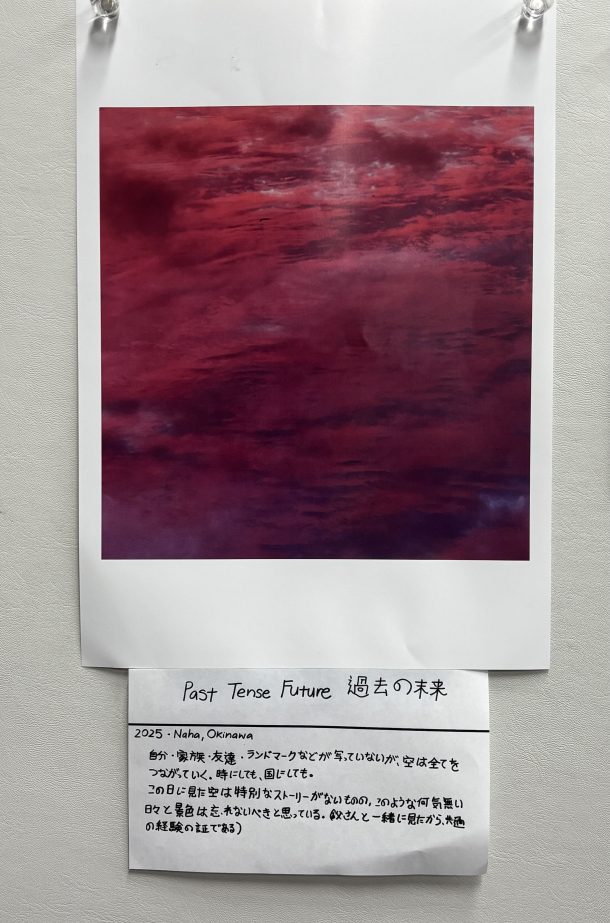
Photo by ICC : One photo selected by the author for this event
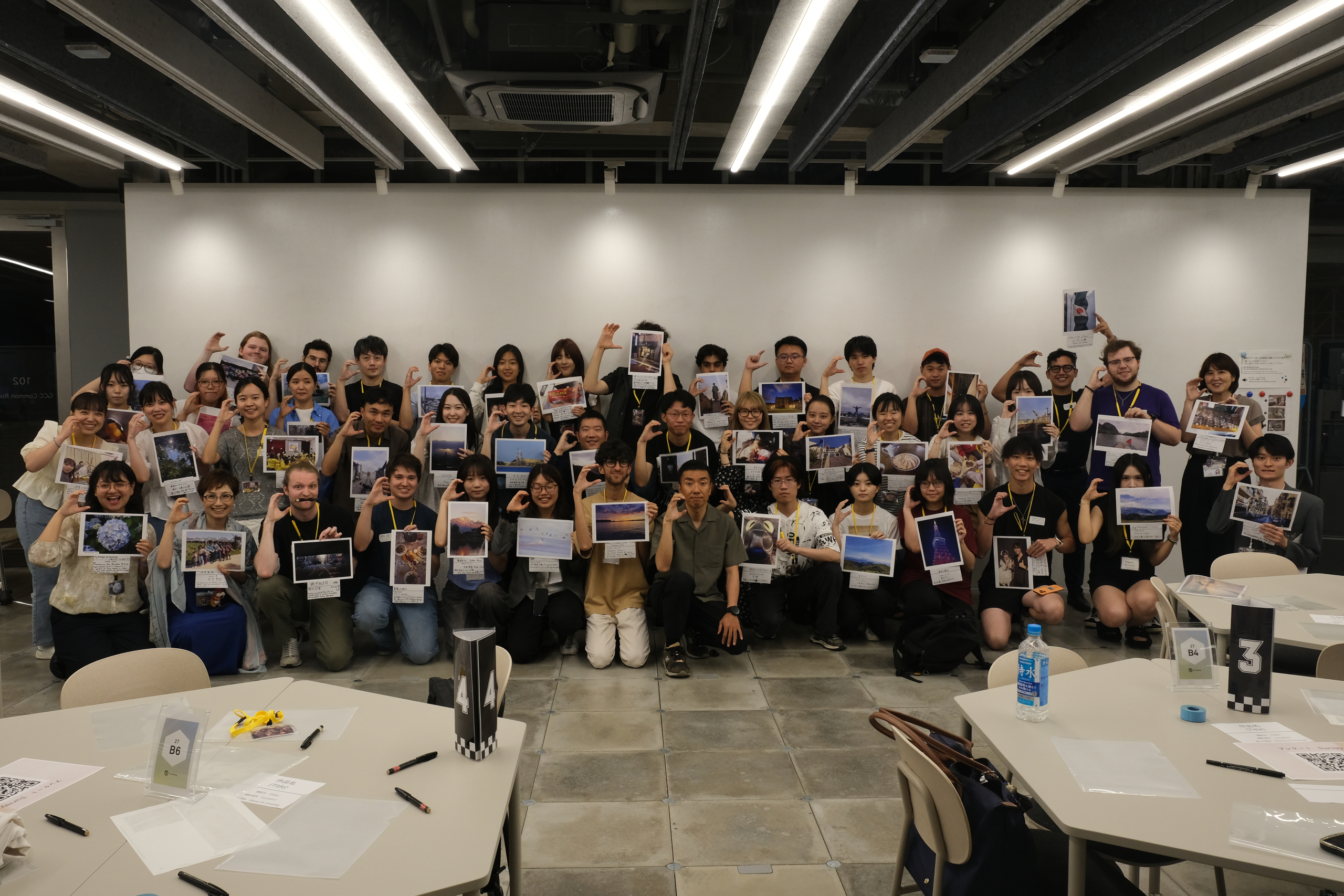
Photo by ICC