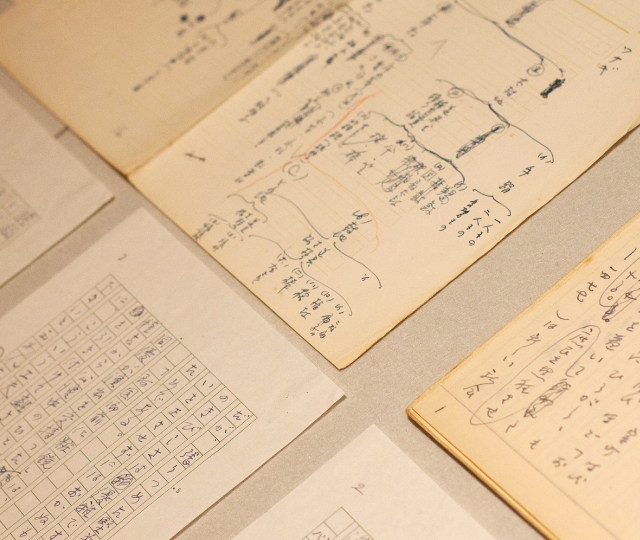
Mystery Fiction Studies Beyond Borders: Adaptation, Translation, and Characters
Japanese mystery fiction has recently garnered growing domestic and international recognition, highlighted in the film adaptations of Go Katsuhiro’s Suzuki=Bakudan and Yonezawa Honobu’s Kokurōjō: The Samurai and the Prisoner, as well as major international honors such as the Dagger Award for Otani Akira’s Babayaga and the British Book Awards 2025 Debut Fiction for Yuzuki Asako’s Butter. This symposium reconsiders the genealogies and genre transformations of Japanese mystery fiction from its nascent prewar era to the present, drawing on diverse perspectives of cross-media adaptations—including film, television, and streaming services—as well as translation and character development. Furthermore, by examining the circulation of texts and an expanding readership, the symposium explores the current directions of border-crossing mystery fiction studies.
Details
- Date & Time: December 12, 2026 (Sat.) 13:00-17:15 (Doors open at 12:30)
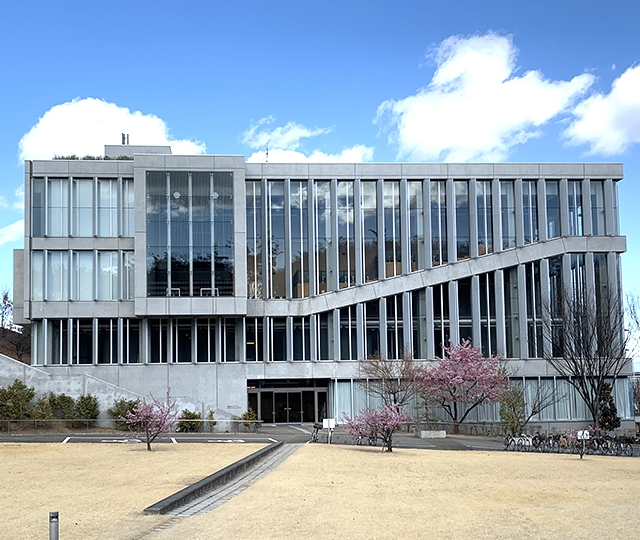
- Venue: Room 453, 4th Floor, Bldg. #34, Toyama Campus, Waseda University
- Languages: Japanese and English *Abstract booklets will be available in both languages.
- Participants: Students, Faculty members and the Public
- Admission: Free. No reservation is required. Everyone is welcome. Please come directly to the venue on the day of the event.
- Organizer: The Yanai Initiative
Program
13:00 Opening Remarks: Michael Emmerich
Session 1: Beyond Nation and Language
13:05 Michael Tangeman: “Teaching and Researching Japanese History and Culture in America Using Japanese Mystery Fiction”
13:25 TSUNODA Takuya: “Platform, Cinéphile, and a Curated World of Genre: On Castle of Sand (1974) in the United States”
13:45 SUZUKI Yusaku: “On the Reception of the Detective Kindaichi Mysteries Series in the UK and US”
14:05 Comments and Discussion (Discussant: Pau Pitarch)
* 14:45 Break *
Session 2: Beyond Time, Culture and Genre
15:05 ISHIKAWA Takumi: “Akechi Kogoro as a Chimera”
15:25 YOSHINO Taihei: “Approaching and Avoiding ‘Society’ in Adaptations of Matsumoto Seicho’s “Point Zero”: An Examination of the Nikkatsu Version Screenplay”
15:45 IGAWA Osamu: “Mystery as a “Healthy” Literary Genre: Niki Etsuko’s “The Cat Knew” and the Transition from “tantei shōsetsu” to “suiri shōsetsu””
16:05 KAKIHARA Kazuhiro: “The Invisible Man in Post-War Juvenile Detective Story”
16:25 Comments and Discussion (Discussant: KOMATSU Shoko)
17:05 Closing Remarks: TOEDA Hirokazu
General Moderator: OHKI Erika, Session 1 Moderator: MABUCHI Kanako, Session 2 Moderator: Yusuke Henry Bent
Presenters (in order of appearance)
Michael Tangeman
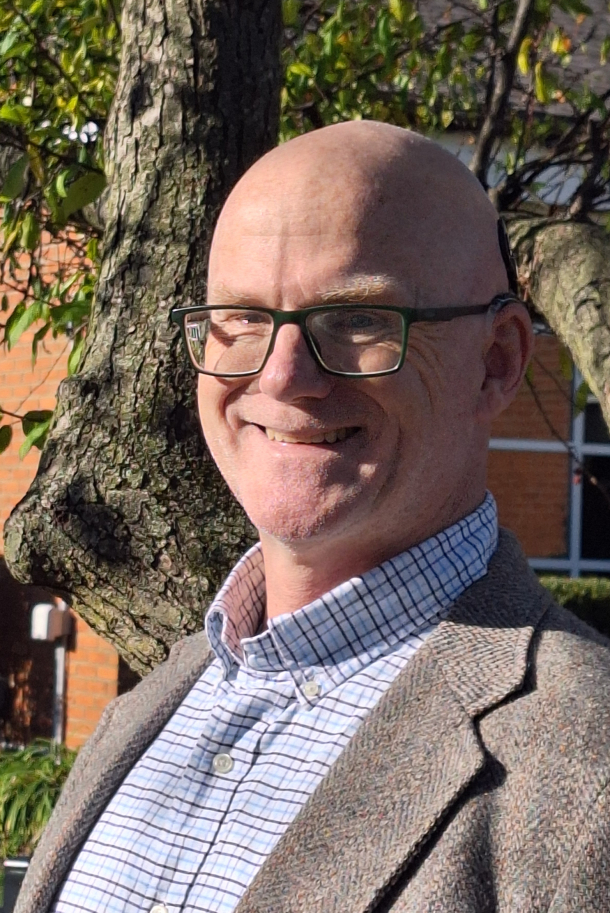
Michael Tangeman teaches Japanese language and literature at Denison University in Granville, Ohio. He teaches introductory and intermediate language classes, and classes on Japanese literature, culture, and film. His research consists of publications of translations of Japanese popular fiction. He has published translations of Edogawa Ranpo’s “The Caterpillar” (2008) and “The Man Traveling with the Brocade Portrait” (2008). He co-edited (with Charles Exley) Old Crimes New Scenes, an anthology of Japanese mystery fiction (2018), for which he translated stories by Matsumoto Seicho, Tanikawa Shuntaro, Nishimura Kyotaro, Hiraiwa Yumie, Takamura Kaoru, and Isaka Kotaro. He is currently working on a digital humanities project using online mapping to track locales featured in the fiction of Matsumoto Seicho to better understand the relationship between “the periphery” and “the center” in Seicho’s fiction.
TSUNODA Takuya
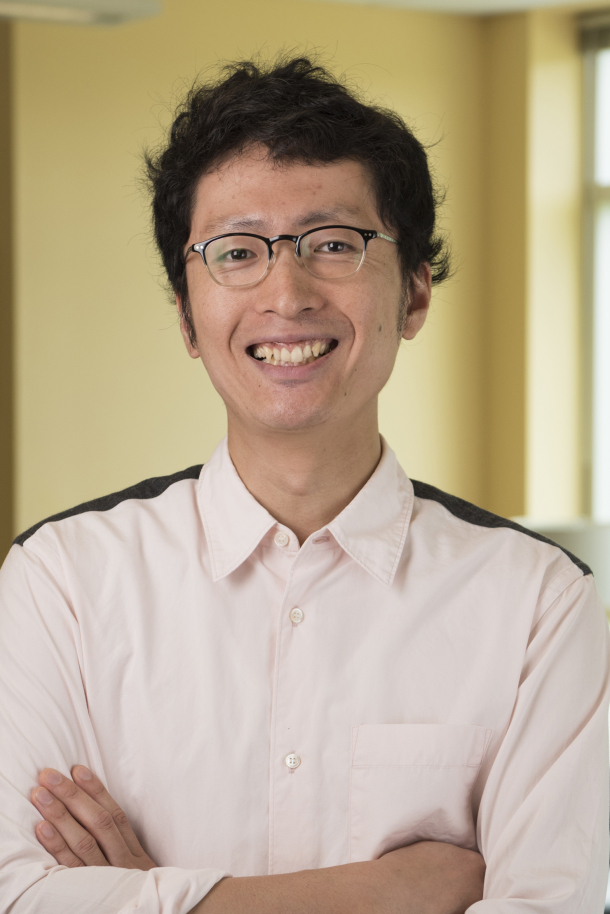
Associate Professor of Japanese film and media in the Department of East Asian Languages and Cultures at Columbia University. His research centers on the interplay between institutions and media, technologies and sociocultural practices, science and material culture, and representation and knowledge formations. His first monograph, Processual Technics: Industrial Films & New Cinemas in Postwar Japan, is forthcoming from Columbia University Press in the Investigating Visible Evidence Series. His works have appeared in A Companion to Japanese Cinema and the Journal of Japanese and Korean Cinema among others.
SUZUKI Yusaku
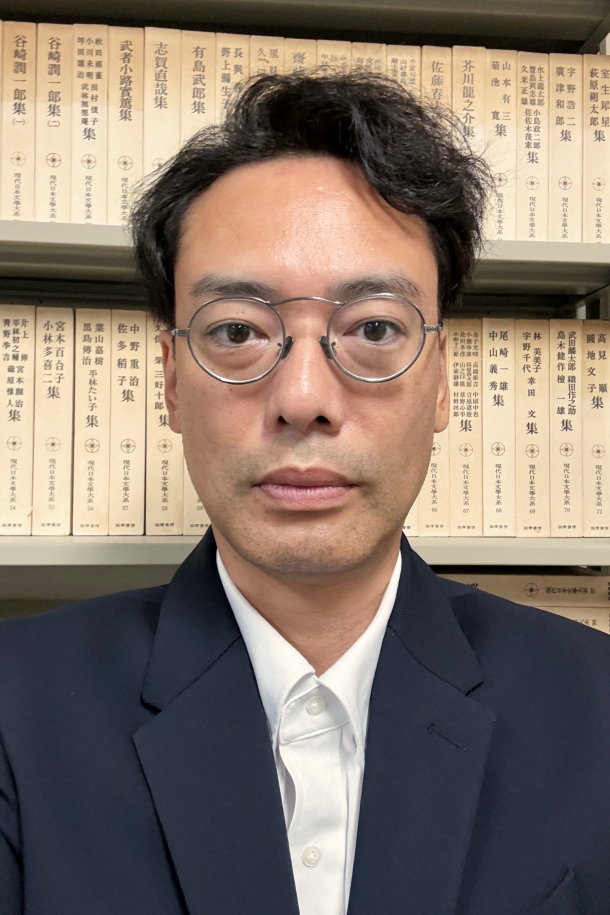 Specially Appointed Assistant Professor at the Center for Modern Kagoshima Studies, Faculty of Law, Economics and Humanities, Kagoshima University. Earned a Ph.D. in Literature after completing the doctoral program at the Graduate School of Humanities, Seikei University. Specializes in modern and contemporary Japanese literature, with a particular focus on representations of mental illness in prewar and postwar detective fiction. Author of Detective Fiction and “Madness” (Kokusho Kankōkai, 2021) and co-editor of “Supernatural” and Detective Fiction: What Has Modern Japanese Literature Considered a “Mystery”? (edited by Eijirō Inui, Syōko Komatsu, Yūsaku Suzuki, and Motoi Taniguchi; Seikyusha, 2022). Selected articles include “Perspectives From Inside a Psychiatric Hospital: Nishina Haruko’s Hari no Yakata” (Studies in Showa Literature, No. 91, 2025) and “The Creativity of Madness: A Note on Nakai Hideo’s Gensō-hakubutsukan” (Japanese Literature, Vol. 71, No. 12, 2022).
ISHIKAWA Takumi
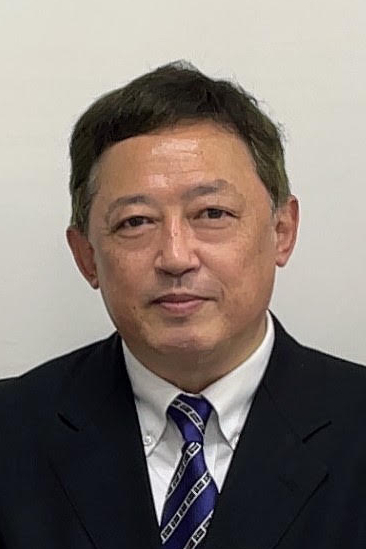 Professor in the College of Arts at Rikkyo University and a steering committee member of the Edogawa Rampo Memorial Center for Popular Culture Studies at the same university. Specializes in modern Japanese literature and the study of publishing culture. Major publications include *Literature During the Period of High Economic Growth* (Hitsuji Shobo, 2012); *War as Seen Through Forgotten Magazines: “Monthly Mainichi,” “International Women,” “New Life,” and “Soen”* (Seidosha, 2019); *How to Read Plays: Dialogue, Stage Directions, and Pauses in the Works of Mantaro Kubota* (Keio University Press, 2022); and *On Crowds: “Crowds” and “Swarming” in Modern Literature* (Kohaku Shobo, 2024). A forthcoming book, *A Secret Pact with Print: Edogawa Rampo’s Obsession with Magazines*, is scheduled for publication by Hitsuji Shobo in the spring of 2027.
YOSHINO Taihei
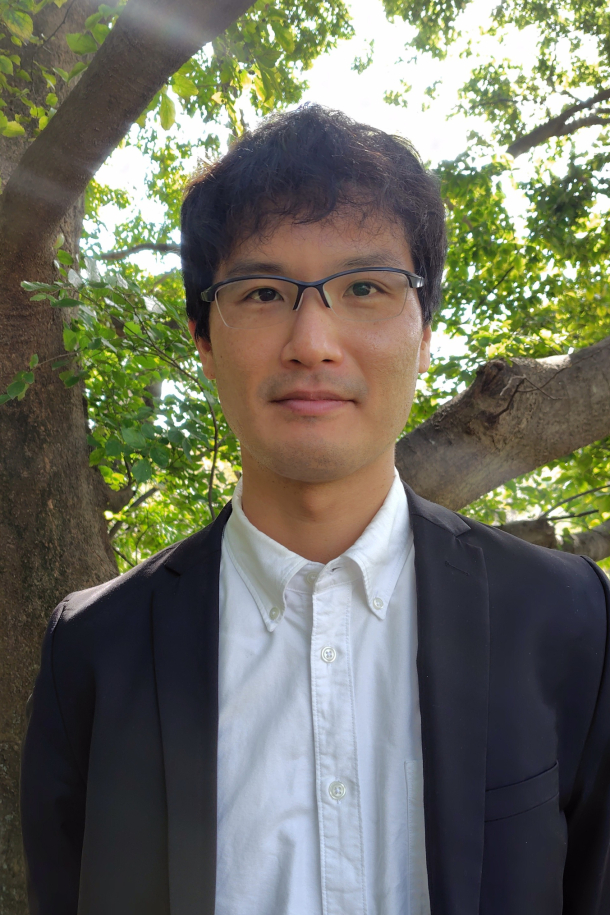
Part-time lecturer at Meiji University, Aoyama Gakuin University, Showa Women’s University, Otsuma Women’s University, and Jissen Women’s University. Holds a Ph.D. in Literature from the Graduate School of Letters, Arts and Sciences at Waseda University. Research focuses on the relationship between popular literature and society, with a particular emphasis on the works of Matsumoto Seichō. Key publications on Matsumoto Seichō include “Triple Self-Censorship in Matsumoto Seichō’s “Hikki Genko”: Forgetting the Memorandum of Oblivion” (Nihon Kindai Bungaku, November 2015) and “The Evolution of Matsumoto Seichō’s “Kuroji no E” and ‘True Stories’: Experiments in How to Write ‘Facts’ for Weekly Magazines” (Shakai Bungaku, February 2017). Other research on the intersection of popular literature and society includes “Kaionji Chōgorō and the Lineage of Proletarian Popular Literature: From “Jitsuroku Bungaku” and “Bungaku Kensetsu” to “Taira no Masakado”” (Shakai Bungaku, March 2024) and “Rural Hokuriku and Society in the ‘Intermediate Novels’ of Moriyama Kei: From Proletarian Literature to “Shōsetsu Shinchō”” (Shōwa Bungaku Kenkyū, September 2025).
IGAWA Osamu
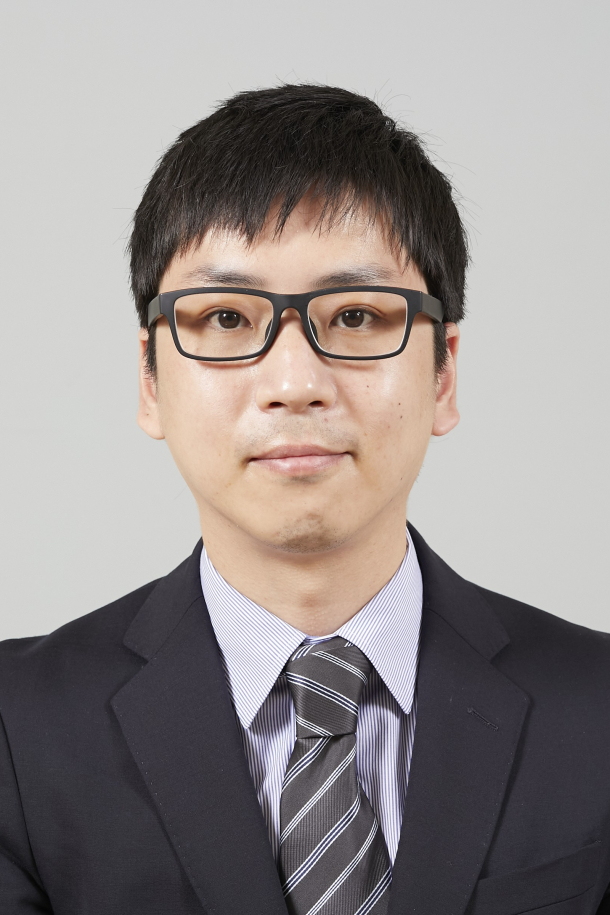 Associate Professor at the Faculty of Economics, Kumamoto Gakuen University. Specializes in Modern and Contemporary Japanese Popular Literature and Culture. His publications include “Detective Novels and Crime Journalism around the 1930s : Rampo Edogawa, Shiro Hamao, and Crime Reporting” (Japanese Literature 65(3), 2016), “Crime, Motion Pictures, and Detective Novels: The Zigomar incident and the Reconfiguration of Discourse Surrounding Crime Fiction” (Popular culture 24, 2021), and “The Actuality of “Suiri Shosetsu”: Kigi Takataro’s “Kumazasanikakurete” and Kikuchi Incident. ” (KGU journal of language and literature 31(2), 2024).
KAKIHARA Kazuhiro
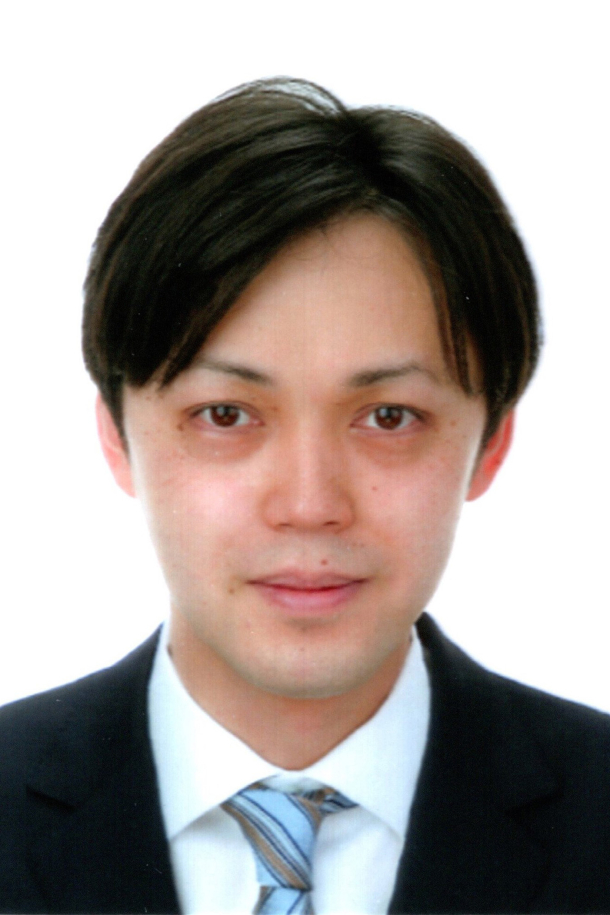 Full-time Lecturer in the Department of Japanese Culture, General Education and Research Division, Komazawa University. Received a Ph.D. from the Graduate School of Education at Waseda University in 2024. Research focuses on modern and contemporary Japanese detective story, with a particular interest in Edogawa Ranpo’s works for the reading public, as well as works by Seishi Yokomizo and the Takagi Akimitsu intended for young readers. Key publications include: “The Detective as a Career Path to University Professorship: The Secret Ambitions of Kyōsuke Kamizu in Akimitsu Takagi’s ‘Doctor Death’ Series” (“Shin Seinen Shumi”, 2025); “Terror by a Displaced Aristocrat: A Study of Seishi Yokomizo’s “The Monster Baron” and the Postwar Peerage” (“Shin Seinen Shumi”, 2022); and “The Postwar Turn in Edogawa Ranpo’s Mystery Fiction: Focusing on Round-Table Discussions Between Detective Fiction Authors and the Police” (“Nihon Bungaku”, 2019).
Discussant
KOMATSU Shoko
Professor, Faculty of Letters, Arts and Sciences, School of Culture, Media and Society, Waseda University
Pau PITARCH
Associate Professor, Faculty of Letters, Arts and Sciences, School of Culture, Media and Society, Waseda University
Moderator
Yanai Initiative Committee
◆OHKI Erika: Part-time Lecturer, Faculty of Letters, Arts and Sciences, Waseda University
◆Yusuke Henry Bent: Research Associate, Faculty of Letters, Arts and Sciences, School of Culture, Media and Society, Waseda University
◆MABUCHI Kanako: Yanai Initiative Research Fellow, Asian Languages and Cultures, UCLA
Important Notes
During the symposium, Yanai staff will take photographs of presenters and participants for documentation purposes. If you prefer not to be photographed, please inform a member of the Yanai staff.
Contact
Waseda Yanai Initiative:[email protected]