Rising Researchers Demonstrating Their Originality: Associate Professor Yasuaki Wasa
Fri, Nov 20, 2026-
Tags
Modeling the World’s Diverse Phenomena Mathematically to Update Social Systems from a Holistic Perspective
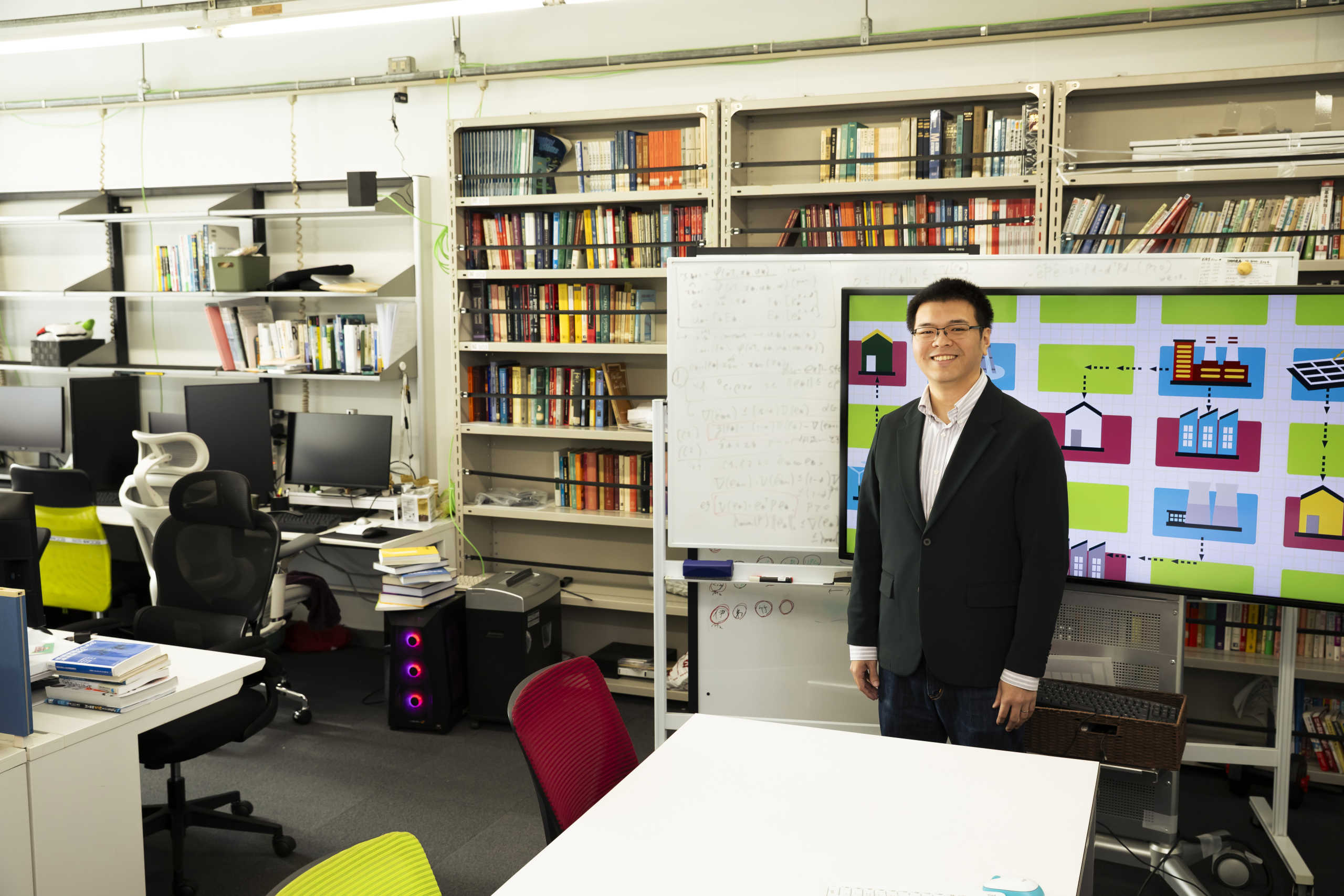
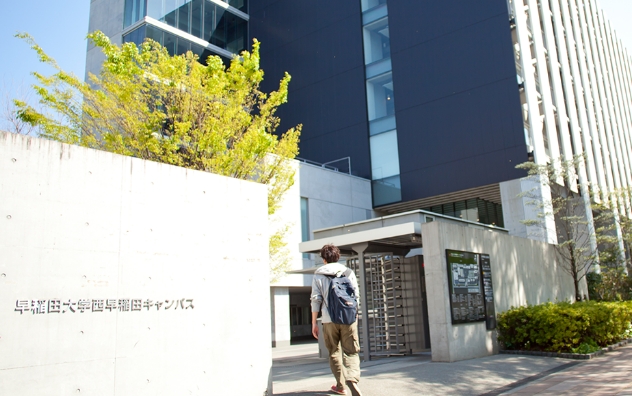
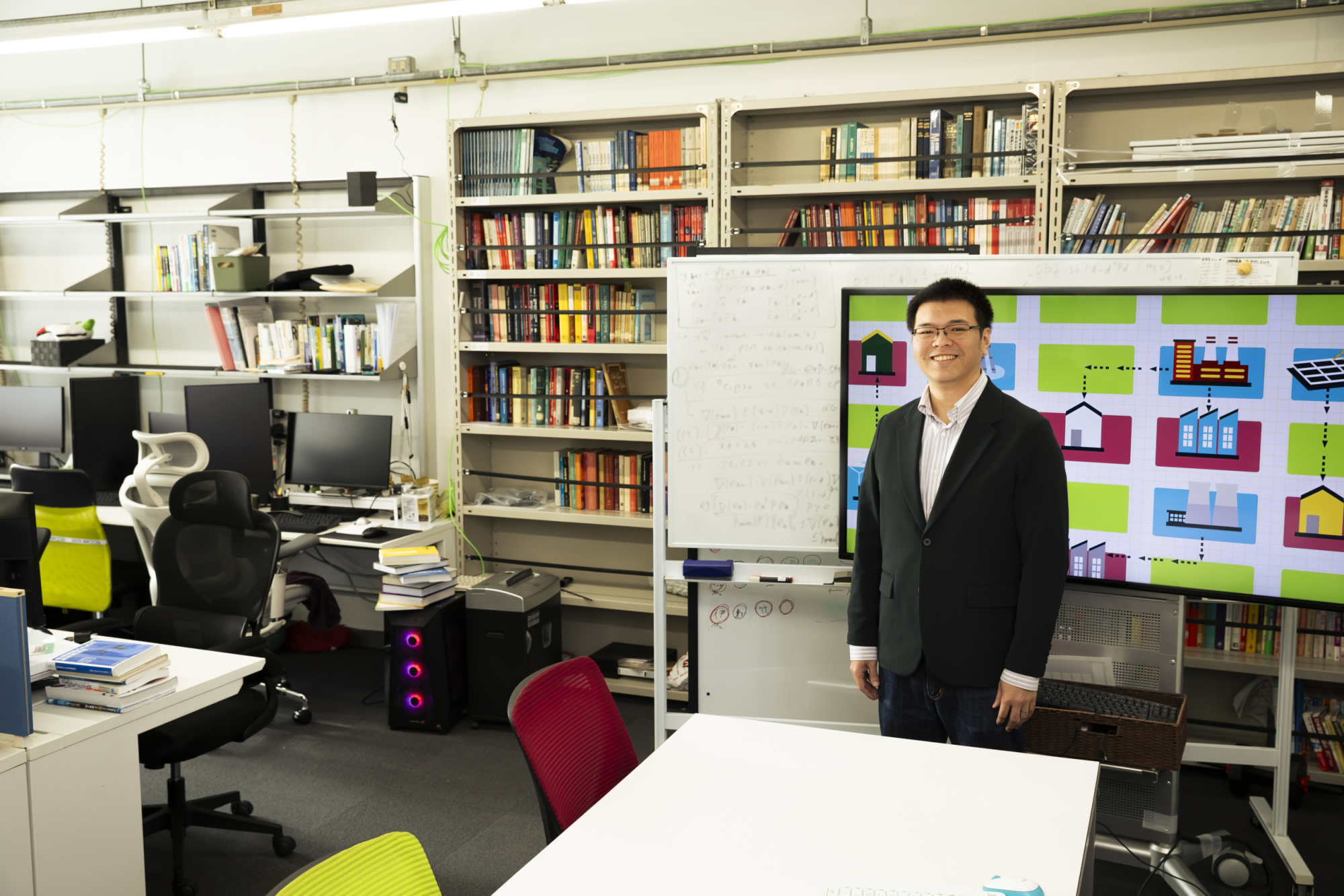
Associate Professor Yasuaki Wasa, Faculty of Science and Engineering. Photo location: Nishi-Waseda Campus.
Associate Professor Yasuaki Wasa specializes in control engineering. His interdisciplinary theoretical research applies systems control and mathematical engineering perspectives to electric power, economics, life sciences, robotics, and other fields.
“Our society is filled with diverse phenomena, including infrastructure and machinery, financial transactions, and human behavior. Alongside these visible physical systems are cyber systems, including AI and the Internet of Things, that support the real world itself. My overarching objective is to view the world formed by these elements as Cyber-Physical Human Systems, or CPHS, and explore how their control systems should be designed.”
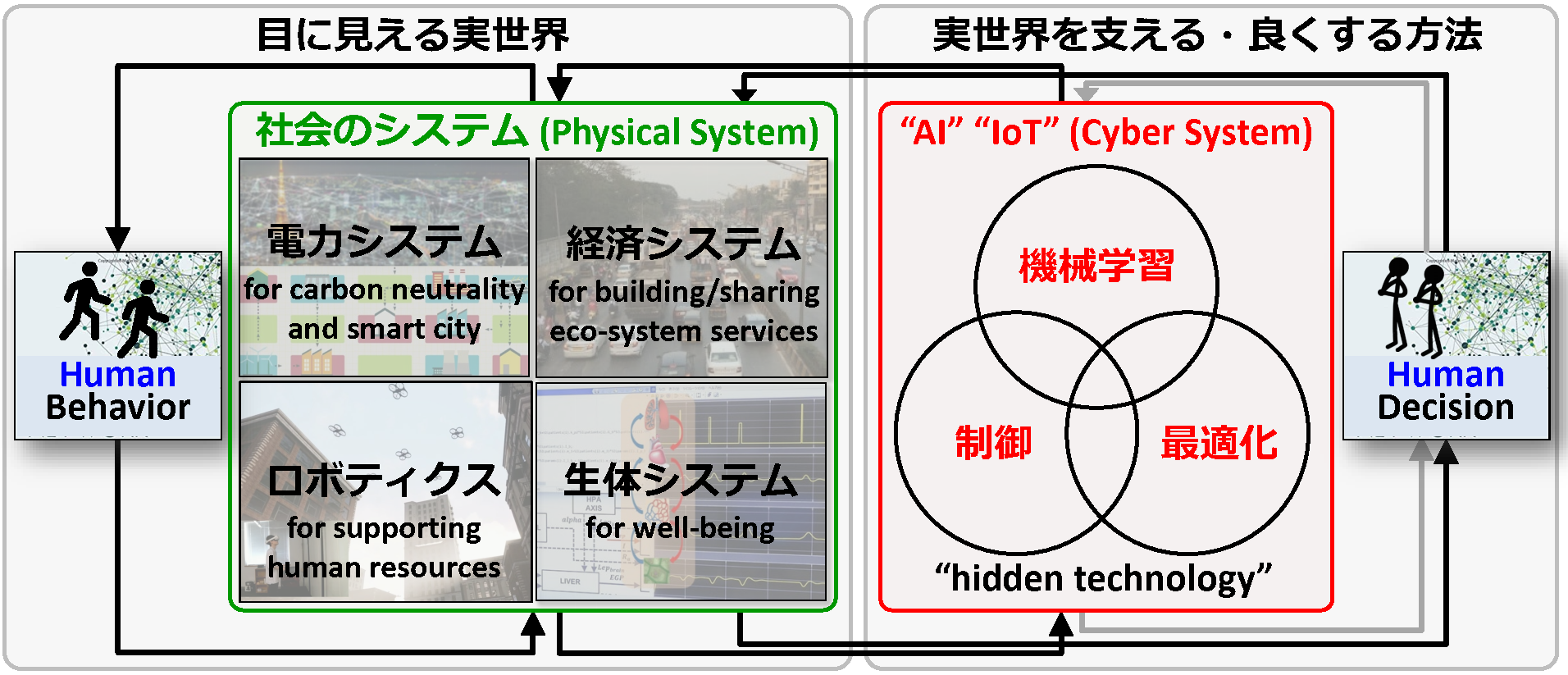
Associate Professor Wasa’s research theme is to identify structural issues from individual tasks and solve them through insights into control.
Control is commonly associated with robots, automobiles, and semiconductors. Wasa’s perspective, however, is that it can also address broader phenomena involving the environment, energy, transportation, economics, and biological activity. Translating stakeholder decisions and economic interests into mathematical models can improve the design of systems and institutions.
“Control is used both to improve component technologies such as automotive semiconductors and to determine how vehicles incorporating those technologies should operate. Such improvements must take into account interconnected issues including climate change, energy performance, safety, and traffic congestion. Control engineering identifies structural challenges across multiple domains and designs mathematically grounded solutions.”
The PI Advancement Program project is titled “Control-System Design Theory for Connected Humans with Autonomy.” In a society where AI agents are becoming pervasive, it explores the appropriate roles of humans and AI and consensus formation based on diverse decision-making processes.
“We are entering an era in which computers operate autonomously. At the same time, people possess experience-based knowledge, such as tacit mutual understanding, that cannot readily be represented as data. I want to investigate multi-agent systems that optimize autonomous decision-making in a society where humans, AI, and many forms of decision-making coexist.”

Associate Professor Wasa, builds the foundational theory of CPHS supported by mathematics while integrating knowledge from various fields
In parallel, Wasa is working to improve electricity-market mechanisms. Electricity-sector reform and large-scale renewable-energy integration require control technologies and institutional design based on a comprehensive perspective.
“Electricity liberalization has expanded options for consumers and suppliers. Markets are also influenced by crude-oil prices, weather-dependent solar generation, improper pricing, and individual managerial decisions. By incorporating economics and deep learning into a CPHS perspective, we aim to develop appropriate electricity-market mechanisms and mathematically grounded pricing models that support fair decision-making.”
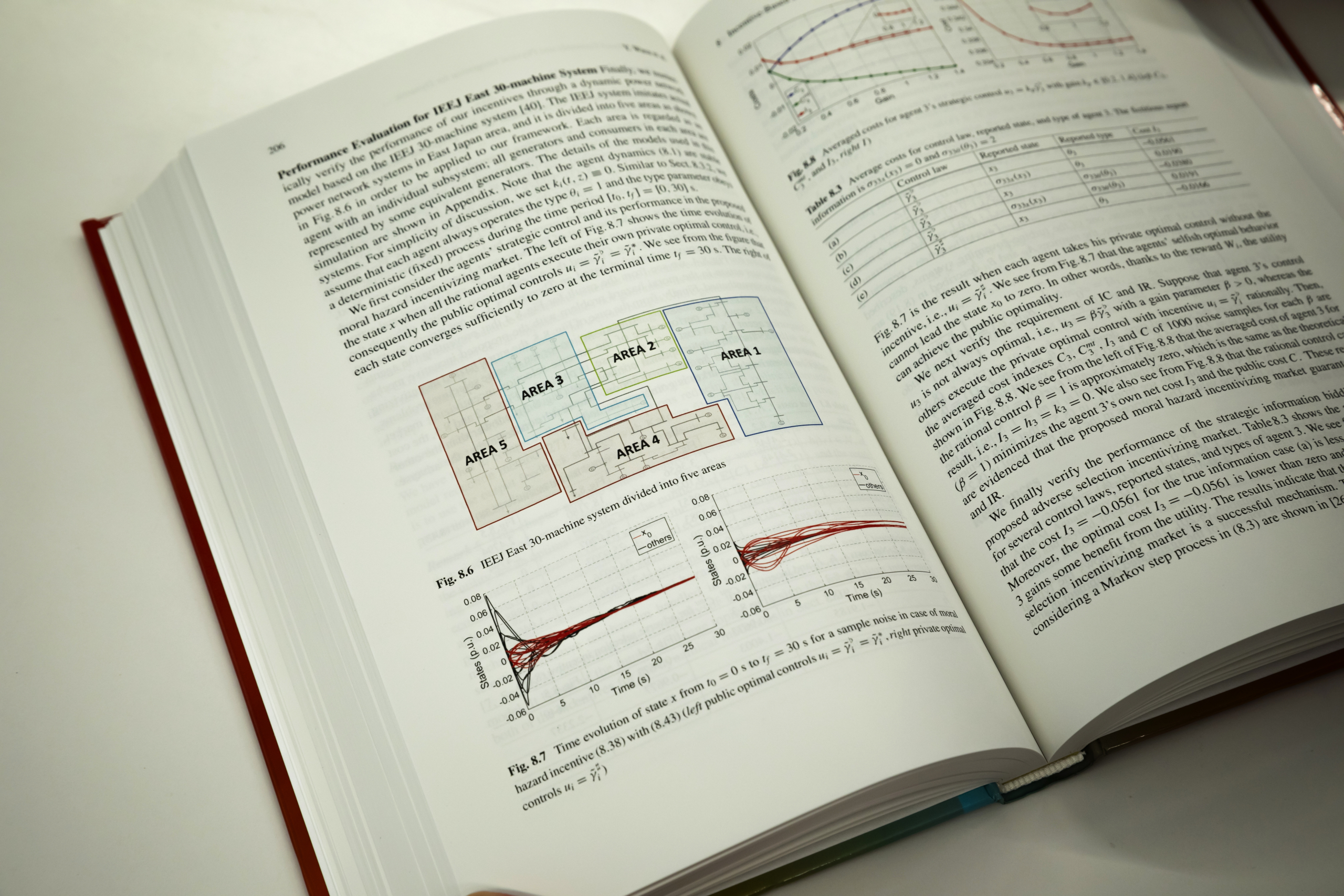
Economically Enabled Energy Management, to which Associate Professor Wasa contributed as a co-author.
Following his selection, Wasa will accelerate research through research-support personnel and strengthen international networks through conferences, collaboration with University Research Administrators, and connections with researchers integrating the humanities and sciences.
A Tailor-Made Support Program Designed around the Needs of PIs
Established by Waseda University in 2022, the PI Advancement Program provides tailor-made support because the needs of researchers pursuing original work differ. In principle, it is open to researchers within 15 years of receiving their doctoral degree.
Selected researchers receive research promotion funding and advice on expanding research networks and planning international collaborations. University Research Administrators in the Research Strategy Section of Waseda University’s Research Innovation Center also provide hands-on support for securing major external funding and promoting industry-academia collaboration.
What kinds of achievements will the three selected researchers cultivate in the years ahead? We look forward to following their progress.
*University Research Administrator: A professional who works with researchers and administrative staff to acquire research resources, plan and manage research, and facilitate the use of research outcomes.