Collaboration Between Saga Prefecture and Waseda University Aiming to Solve the Marine Plastic Problem
Tue, Jul 21, 2026-
Tags
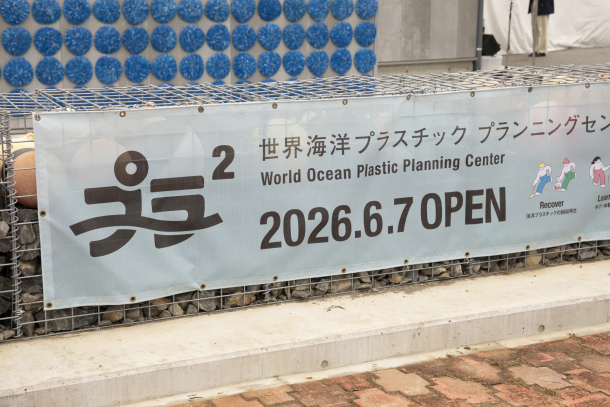
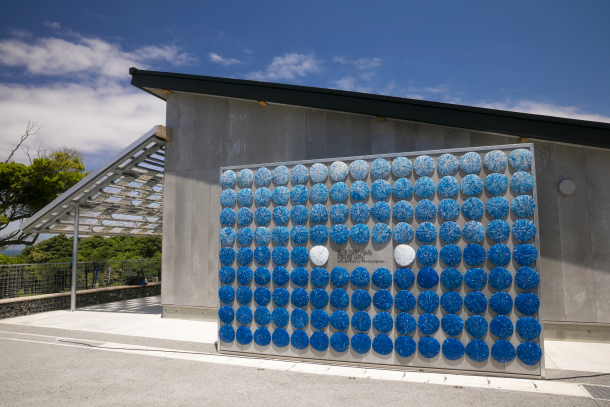
Saga Prefecture, which has previously signed a partnership agreement with Waseda University, opened the “World Ocean Plastic Planning Center (PLA PLA)” on June 7, 2026. PLA PLA is the world’s first hub dedicated to solving the problem of marine plastic waste through locally driven initiatives. It is closely linked to the University’s research and social contribution activities, serving, for instance, as an observation base for Professor Hiroshi Okochi of the Faculty of Science and Engineering.
In this article, we highlight a regional approach to addressing global challenges, drawing on the opening ceremony held on June 7 and interviews with key stakeholders.
INDEX
- The Front Lines of the Marine Plastic Issue, Which Impacts the Environment and Human Health
- “Pla Pla”: A Hands-on Hub Addressing Global Issues From Saga
- A Wide Range of Stakeholders Participate, Including Students From Waseda Affiliated Schools and Graduate Schools
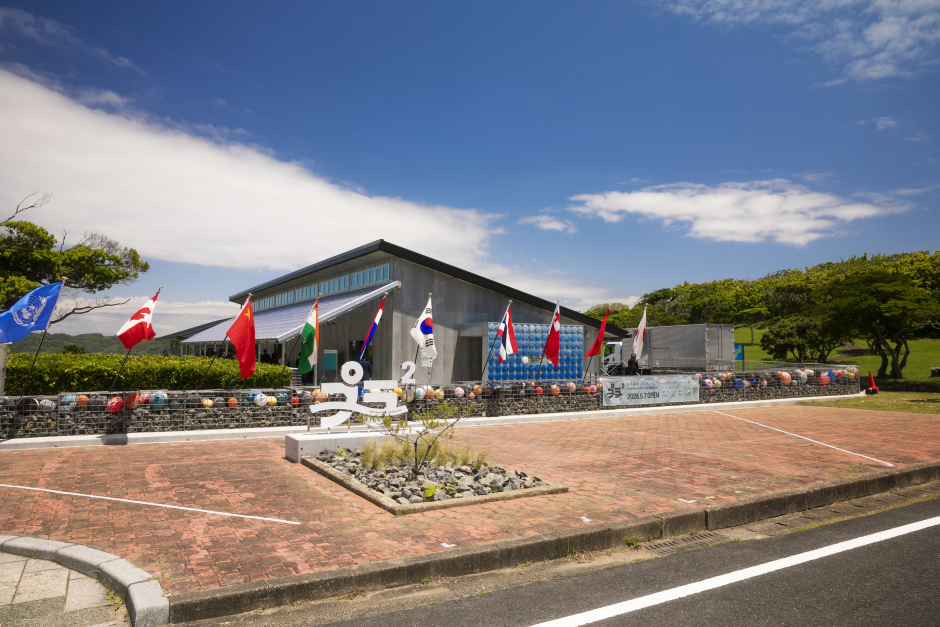
Photo: World Ocean Plastic Planning Center (PLA PLA)
The Front Lines of the Marine Plastic Issue, Which Impacts the Environment and Human Health
In 2006, Waseda University concluded a “Basic Agreement on Collaboration and Cooperation” with Saga Prefecture—the birthplace of the University’s founder, Shigenobu Okuma. Since then, the University has strengthened regional ties by engaging in various collaborative initiatives spanning education, research, and social contribution, as well as personnel exchanges. Efforts have included the “Waseda’s Sacred Site: Saga Revitalization Project,” launched in the 2018 academic year to foster a “connected population” by encouraging members of the Waseda community to visit Saga, and “Regional Collaboration Workshops” in Saga involving current students aimed at solving local issues. This year, marking the 20th anniversary of the partnership, a special exhibition looking back on these collaborative activities is scheduled to be held at the Waseda University History Museum.
In recent years, Saga has been grappling with the issue of marine plastic debris washing ashore. Large quantities of waste, including PET bottles, plastic bags, Styrofoam, fishing gear, and plastic containers, accumulate on the coast of Cape Hado in Karatsu (located in northwestern Kyushu); despite the diligent cleanup efforts of local stakeholders, the situation remains difficult to manage.
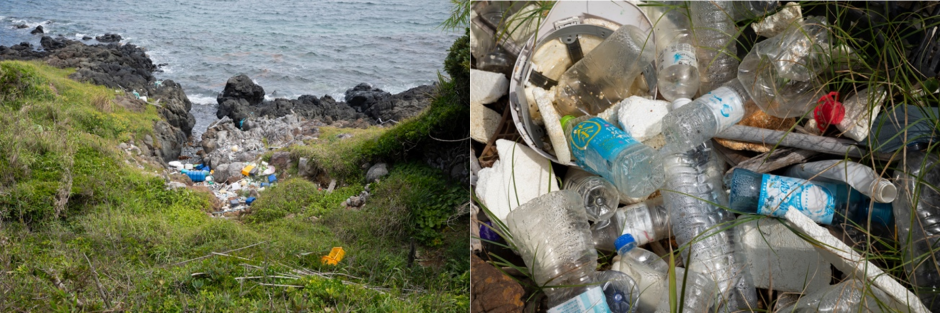
Plastic waste at Cape Hado includes not only domestic refuse but also a significant amount of debris washed ashore from overseas, including China, South Korea, and Southeast Asia.
“The waste problem at Cape Hado is closely linked to global-scale issues,” explains Professor Hiroshi Okochi of the Faculty of Science and Engineering, who specializes in environmental chemistry and researches the impact of microplastics on the environment and human health.
“There is an area in the Pacific Ocean known as the ‘Great Pacific Garbage Patch’ where drifting plastic waste tends to accumulate. It is believed that this debris includes waste originating from the North Pacific region, including the waters around Japan, as well as from fishing activities. Furthermore, due to geographical factors such as ocean currents flowing northward from Southeast Asia and the northwest seasonal winds, northern Kyushu becomes a collection point for debris drifting in from both domestic and international sources,” says Professor Okochi.
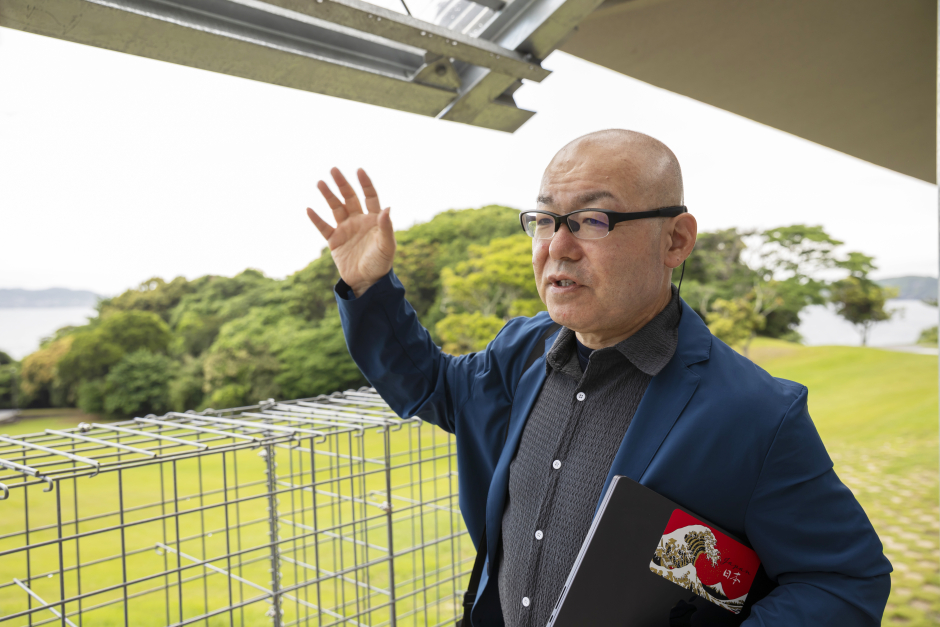
Professor Hiroshi Okochi of the Faculty of Science and Engineering has conducted research on the quantities and transport pathways of released pollutants, as well as their impact on the environment and human health.
The problem extends beyond large debris, such as plastic bottles, to include invisible marine microplastics. Microplastic concentrations in the waters surrounding Japan have reached levels 27 times the global average, leading to increasingly serious impact on the ecosystem.
“For instance, when a plastic bottle is illegally dumped, it gets crushed by vehicles, abraded against the ground, and exposed to ultraviolet rays, causing the plastic to gradually break down into smaller fragments and micro-particles. In developing nations across Southeast Asia, plastic waste is often piled up in open-air disposal sites; exposed to sunlight, the plastic degrades into tiny particles that frequently wash into the ocean via rivers. There is no doubt that these various factors are causing harm to marine life,” says Professor Okochi.
Professor Okochi adds that microplastics drifting on the ocean surface are also dispersed into the atmosphere; for instance, when foam bubbles burst. These tiny plastic particles float in the air and can be carried to higher altitudes by the wind; in recent years, an increasing number of reports have raised concerns about the quantity of such particles.
“Colored microplastics and nanoplastics—particles with a diameter of 1 μm*1 or less—have begun to be identified as contributors to global warming because they absorb sunlight in the atmosphere and emit infrared radiation. Furthermore, since some of these particles facilitate cloud formation, they may also be a factor behind sudden, localized downpours in urban areas. There are also concerns regarding their impact on human health, as these minute particles can enter the respiratory system,” explains the professor.
*1 μm: Micrometer (one-thousandth of a millimeter). While microplastics range in size from 1 μm to 5 millimeters, nanoplastics refer to even smaller particles.
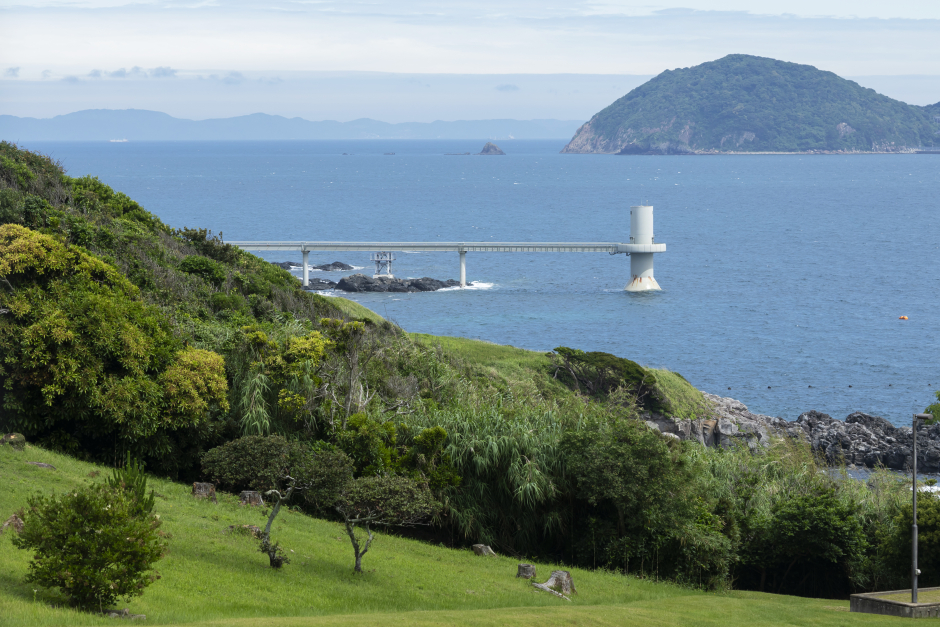
The view from Cape Hado. Located in northwestern Kyushu, the area is influenced by the Tsushima Current.
“Pla Pla”: A Hands-on Hub Addressing Global Issues From Saga
Marine plastic waste impacts various spheres of nature and society. The World Marine Plastic Planning Center (PLA PLA) takes a community-based approach to addressing this global issue.
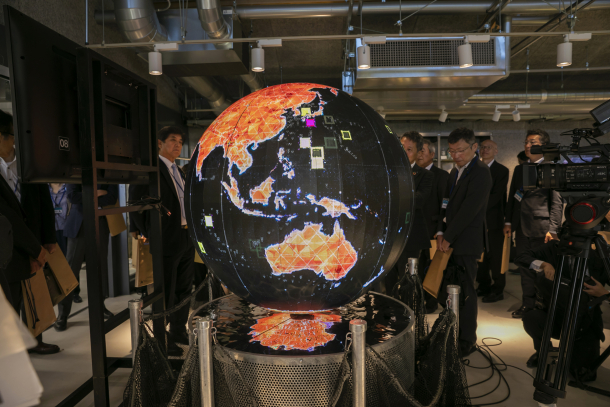
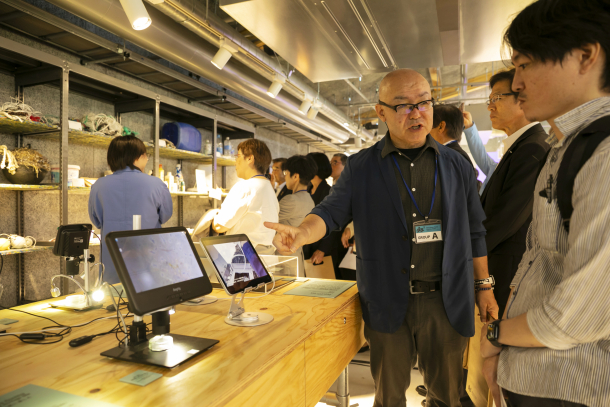
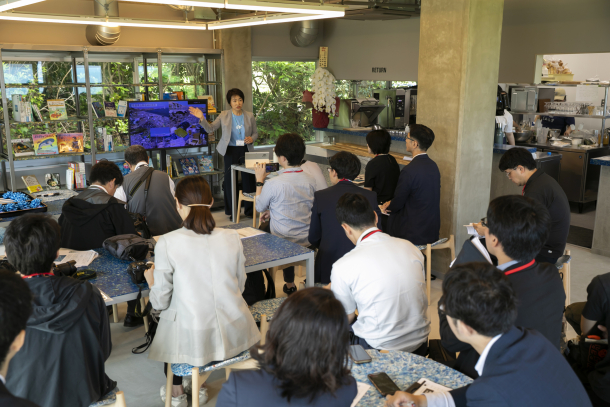
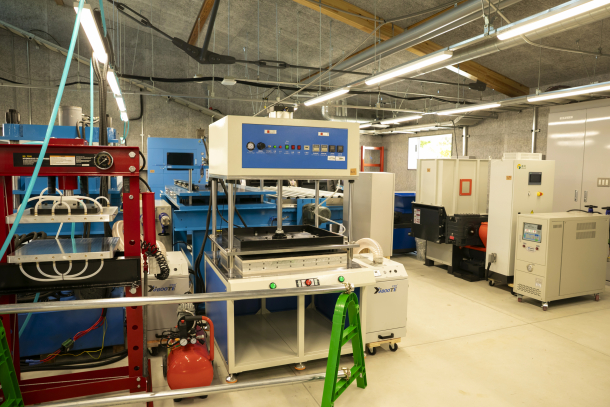
PLA PLA, newly opened at Cape Hado, provides opportunities for individuals to understand the issue of marine plastic pollution and take action through various means: educational exhibits on the current state of the problem and the mechanics of ocean currents, coastal fieldwork, a laboratory for recycling collected plastic, and hands-on workshops. By collaborating with schools, companies, research institutions, and local organizations, the facility also serves as a hub for information dissemination and environmental education. Waseda University is one of these partners, and research findings from Professor Okochi are showcased in PLA PLA’s “Experience Lab.”
“In my laboratory, we monitor the concentration of microplastics smaller than 100 micrometers in the atmosphere and ocean. The Genkai Sea is a crucial area for observation due to its rough waters, and we have now established a new base at Cape Hado. We plan to rely on the cooperation of PLA PLA staff and students from Waseda Saga High School for necessary on-site tasks, such as changing sampler filters.” (Professor Hiroshi Okochi)
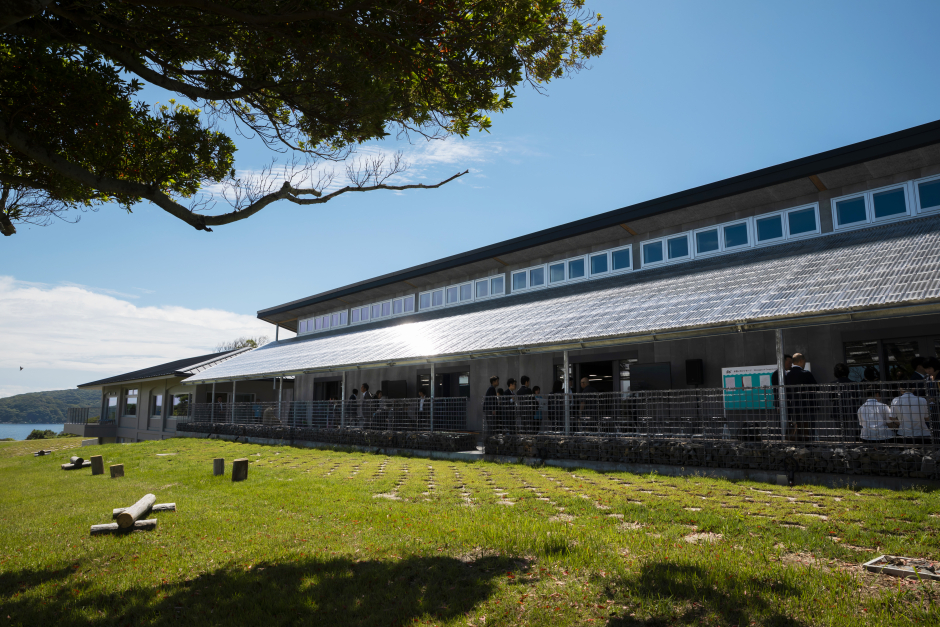
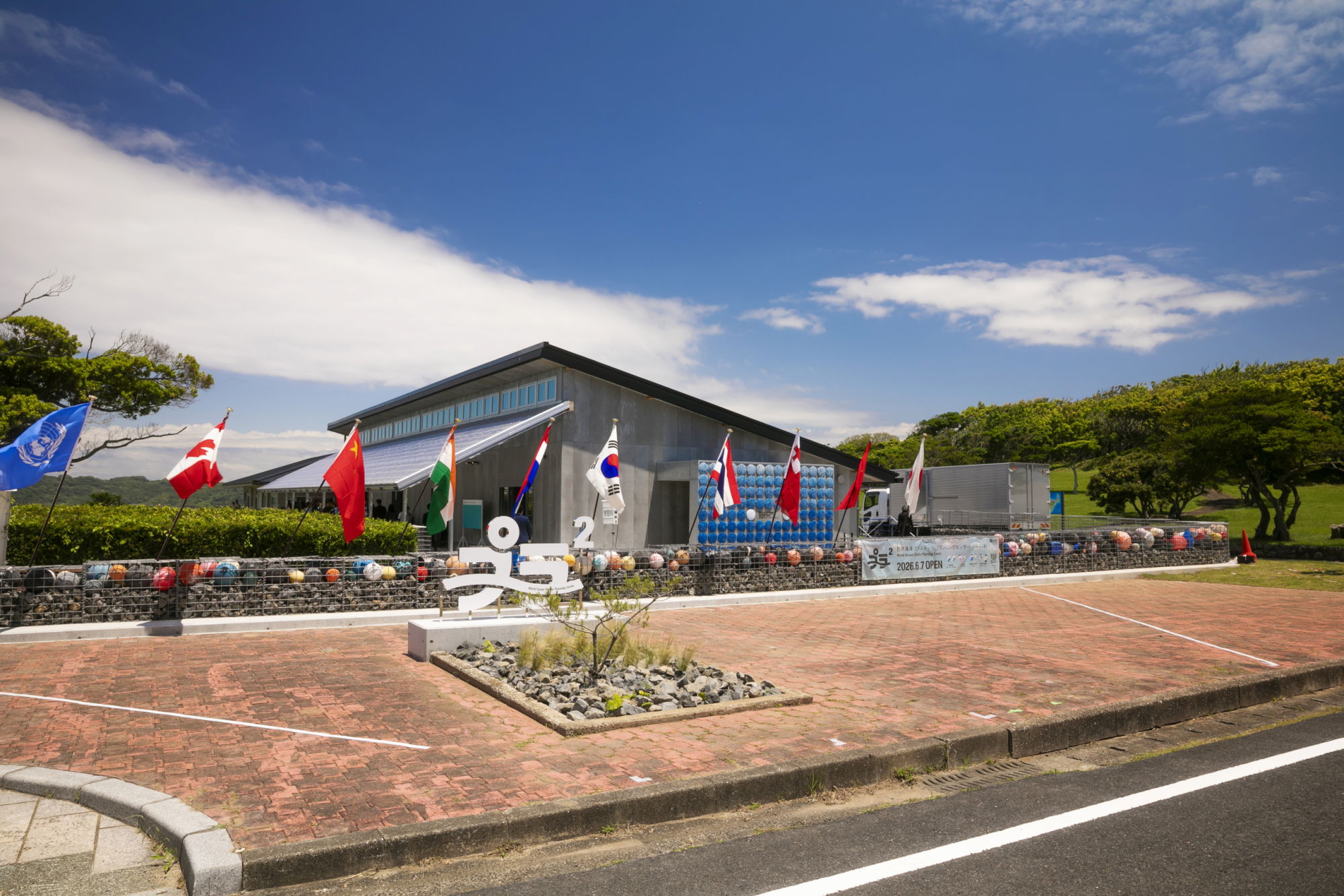
PLA PLA, located on the coast of Cape Hado.
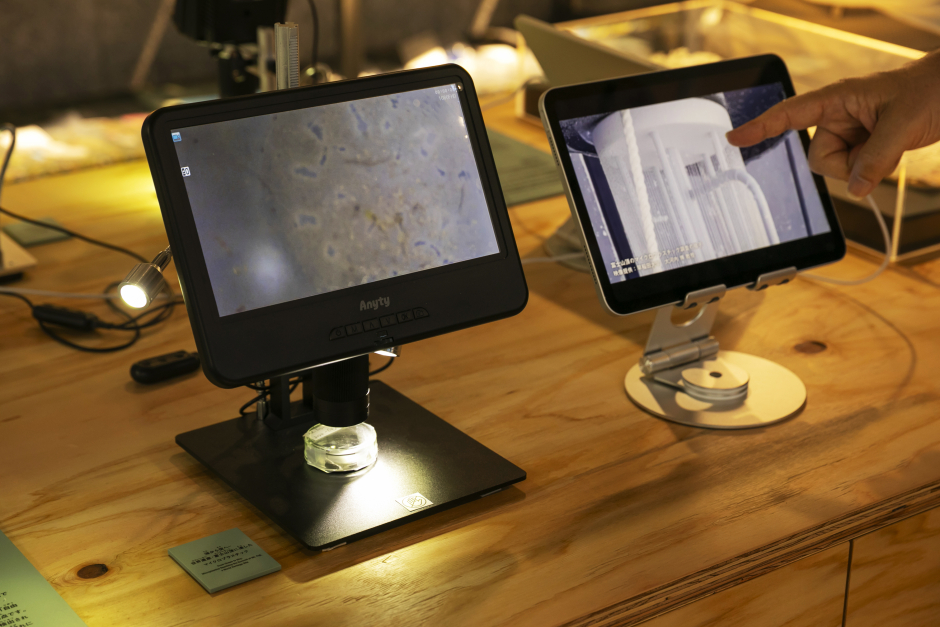
Professor Okochi’s exhibition booth, showcasing methods for observing microplastics.
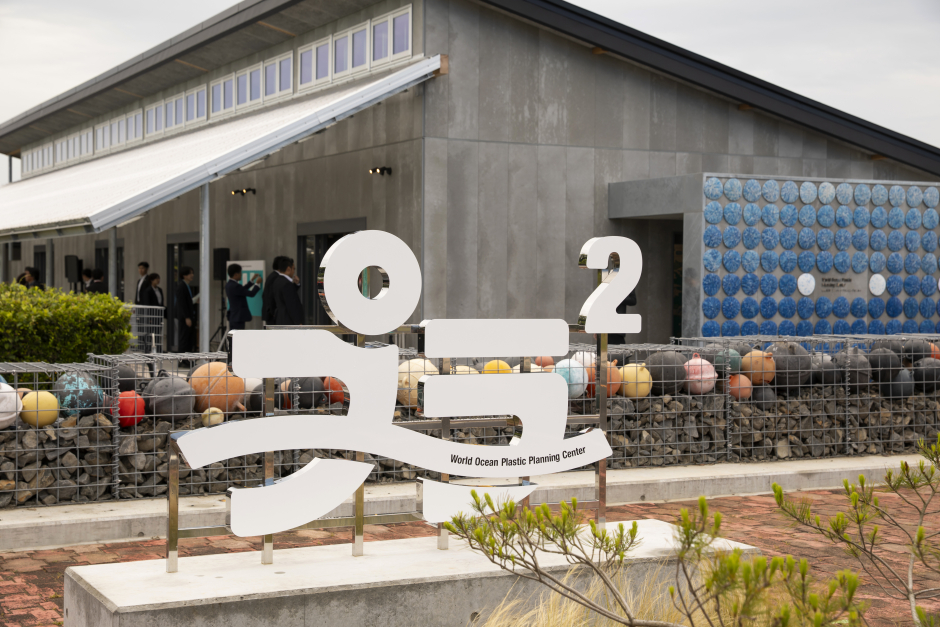
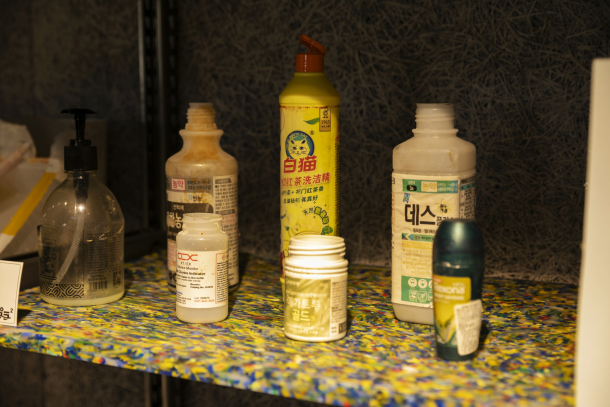
Materials used for the PLA PLA building include buoys collected at Cape Hado and recycled plastic made from marine debris.
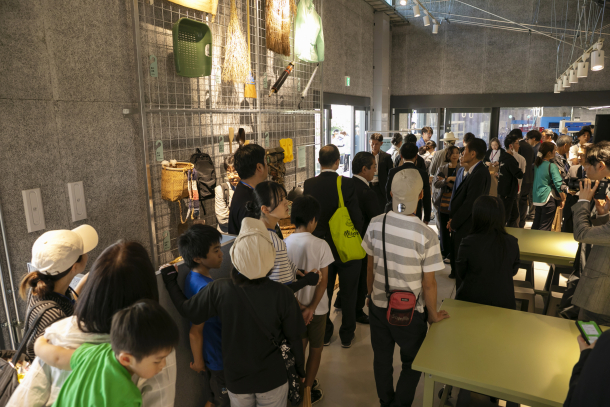
On June 7—the day the facility opened—an opening ceremony was held, with many associated individuals attending the briefing and tour. Saga Prefecture Governor Yoshinori Yamaguchi delivered remarks during the opening ceremony.
“To reclaim the world’s beautiful oceans and protect the world’s fish from plastic, the ‘World Ocean Plastic Planning Center’ sets sail today. (…) The future of this planet depends on the wisdom and resolve of humanity—both those living today and those who will live in the future. I hope that this center will serve as a catalyst for restoring oceans free from the threat of plastic.” — Governor Yoshinori Yamaguchi
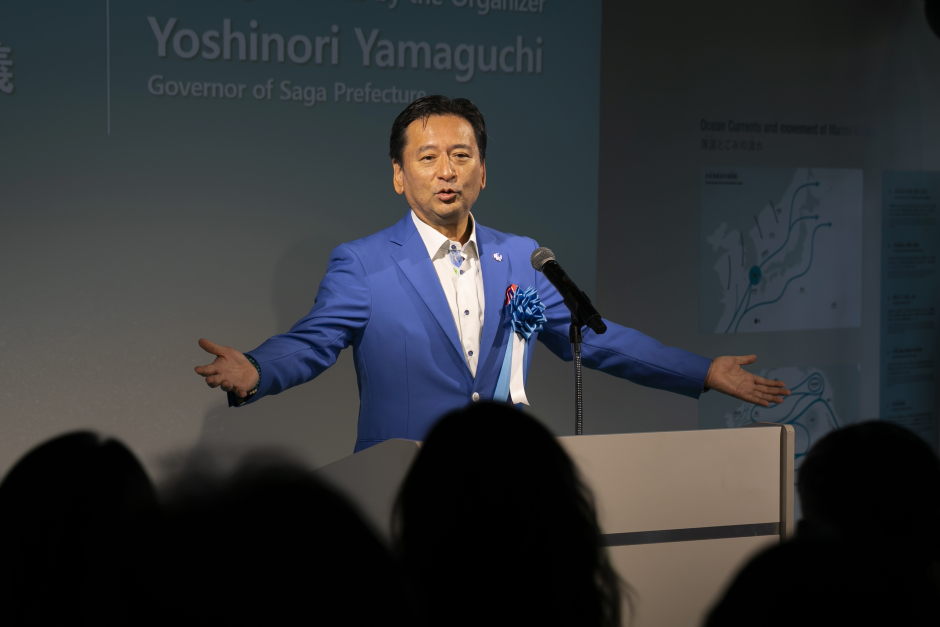
Yoshinori Yamaguchi, Governor of Saga Prefecture
Distinguished guests who took the stage at the ceremony included Hirotaka Ishihara, Minister of the Environment, and Tevita Suka Mangisi, Ambassador Extraordinary and Plenipotentiary of the Kingdom of Tonga.
“While plastic is incredibly convenient and indispensable to our daily lives, it flows into rivers and oceans, becoming waste. This has a significant impact not only on the natural environment but also on industry and our way of life. (…) The Ministry of the Environment will work proactively to resolve the issue of marine plastic pollution in cooperation with Saga Prefecture and all of you present here today.” — Minister Hirotaka Ishihara
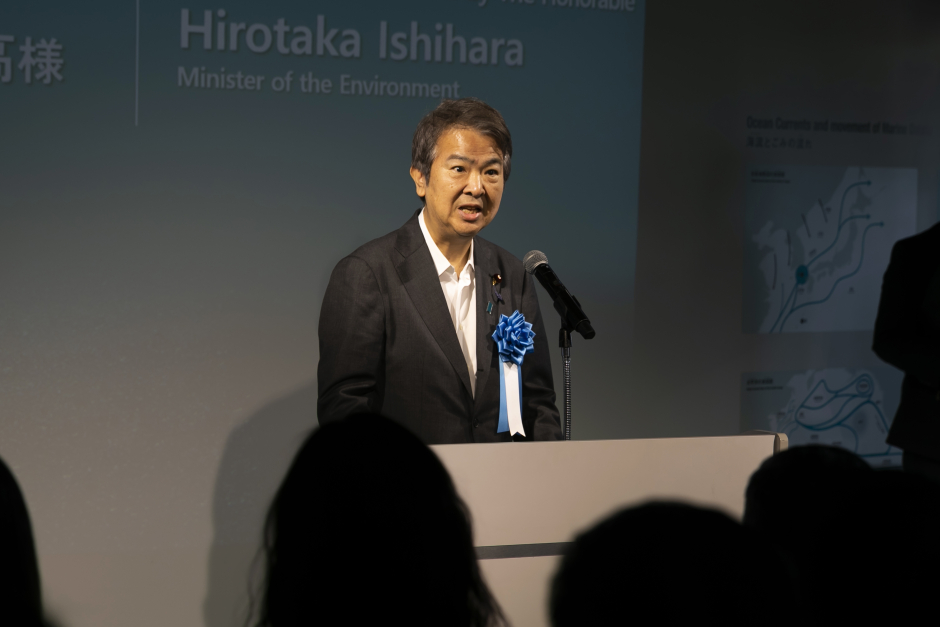
Hirotaka Ishihara, Minister of the Environment
“For Tonga, which possesses an ocean area far greater than its landmass, the sea is a lifeline that supports sustainable development and prosperity. (…) It is truly wonderful to see Saga Prefecture vigorously advancing initiatives toward the realization of the SDGs. These efforts will undoubtedly serve as a valuable learning opportunity for the various nations gathered here.” — Ambassador Tevita Suka Mangisi
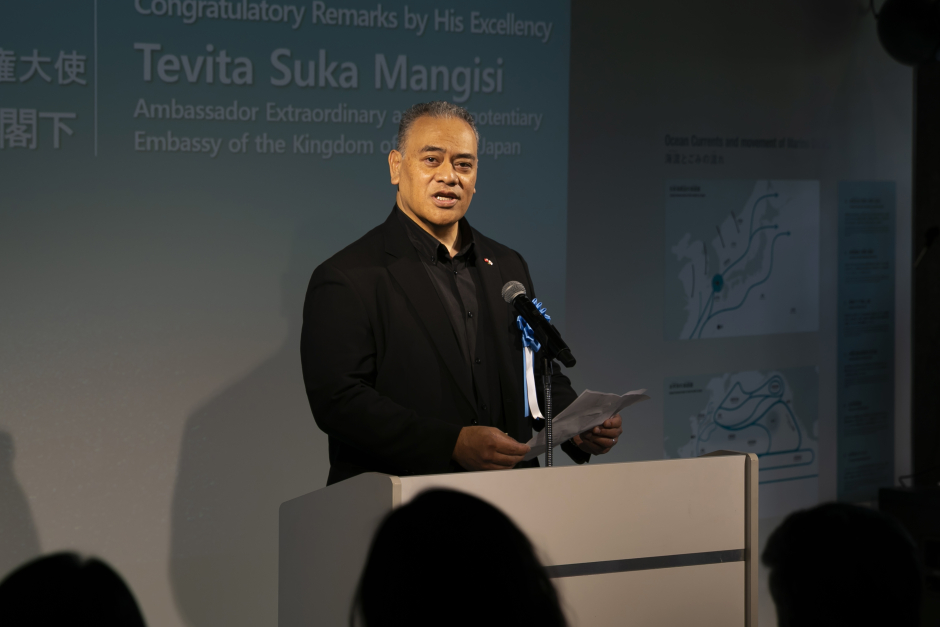
Tevita Suka Mangisi, Ambassador Extraordinary and Plenipotentiary of the Kingdom of Tonga
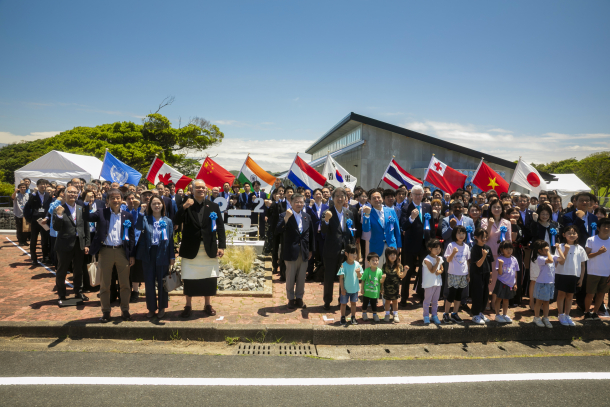
Following the opening ceremony, details of the facility were presented, and representatives from various countries took part in a “flag-linking” event to commemorate the opening. Previews of the exhibits and interactive labs were held, and a café was open, creating a lively atmosphere at the venue.
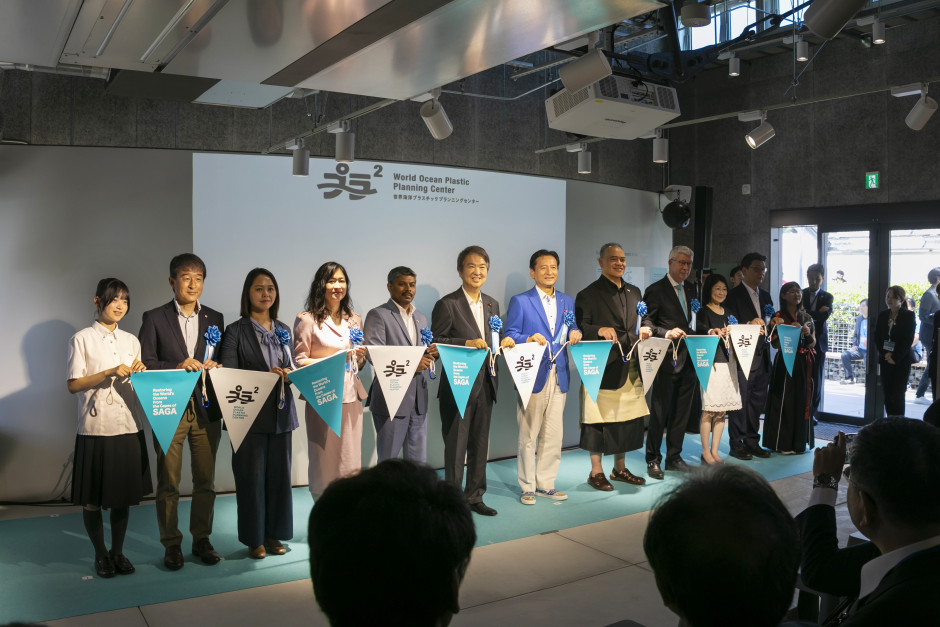
A scene showing the flag-linking ceremony. In addition to guests from overseas, students from the Waseda Saga High School Sustainability Club also participated.
A Wide Range of Stakeholders Participate, Including Students From Waseda Affiliated Schools and Graduate Schools
On June 6, the day prior, a reception was held in Karatsu, bringing together ambassadors, consular officials, corporate representatives, and others; at the event, the “Sustaina-club” from Waseda Saga High School presented a report on their activities. The school, an affiliate of Waseda University, is a combined junior and senior high school in Karatsu that draws students from diverse regions. With a membership of approximately 50 students, the Sustaina-club engages in initiatives such as upcycling plastic bottle caps and conducting beach cleanups. During their presentation, the members explained that the upcycled items they create embody their desire to raise awareness about the issue of marine plastic waste.
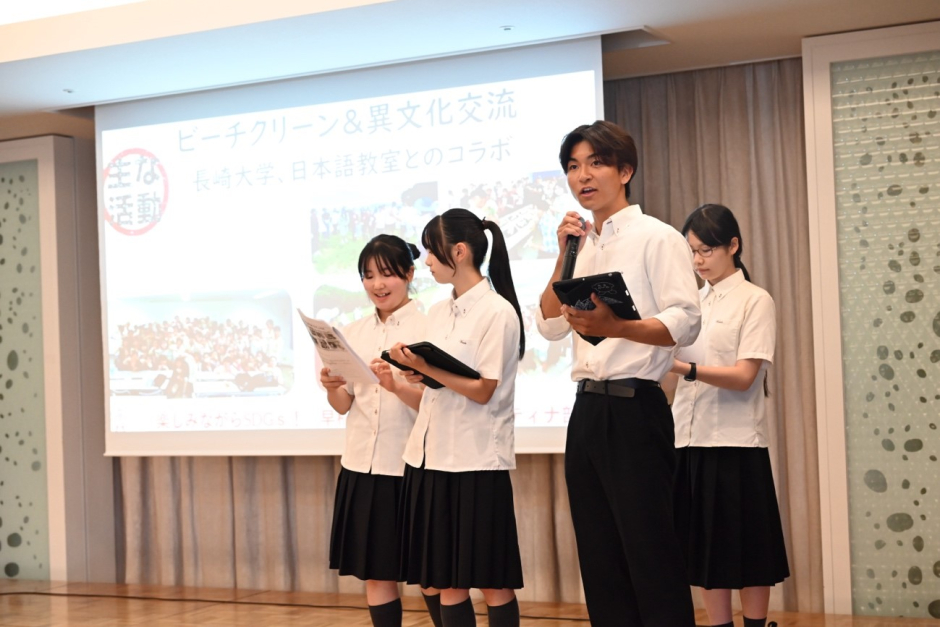
The Sustainability Team presenting at the reception (Photo: Karatsu Seaside Hotel)
Members of the Sustainability Club, who also attended the opening ceremony, share their expectations for PLA PLA.
“We are raising awareness about the plastic waste problem by upcycling plastic bottle caps discarded at school into items such as accessories. As high school students who feel a close connection to the nature of Saga, we believe we have a responsibility to protect the ocean. I felt that the opening of PLA PLA—a place where we can learn about these issues and deepen our connections with others—was truly significant.” A Member of the “Sustaina-club” [Sustainability Club], Waseda Saga High School
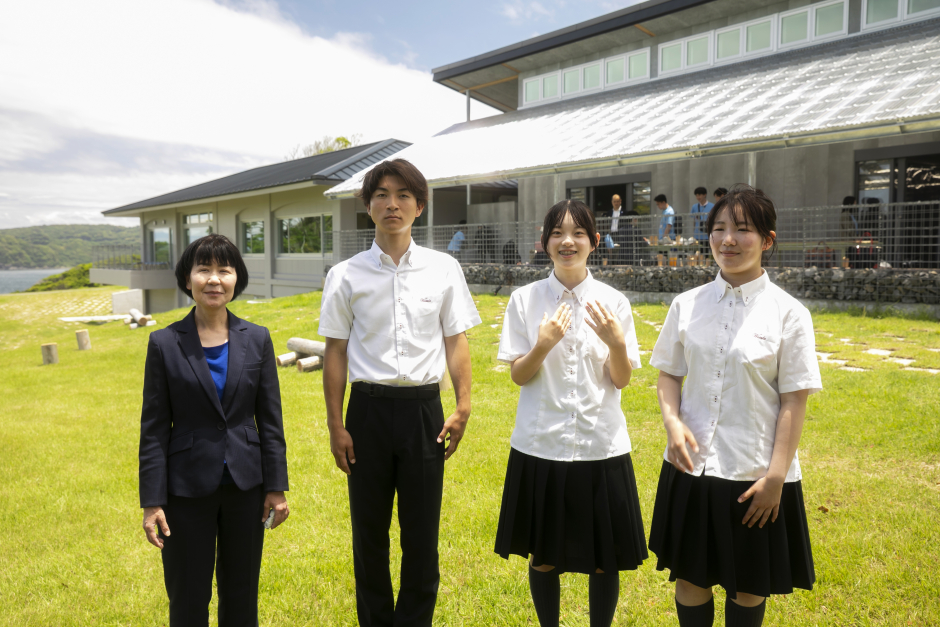
Pictured from left: Teacher Sayako Hirano (Sustainability Club advisor), and club members Sota Watanabe, Suzuno Shimokawa, and Kino Nakanishi.
Additionally, members of Professor Okochi’s laboratory installed a sampler at Cape Hado. They also collected seawater samples and began observation activities.
“We are conducting observations at multiple sites, including the Noto Peninsula, where the dispersal of microplastics from the ocean is a concern, Chichijima in the Ogasawara Islands (which is vulnerable to the Great Pacific Garbage Patch), and the summit of Mount Fuji, located in the free troposphere. Research across diverse environments with varying conditions is crucial for elucidating the mechanisms and impacts regarding environmental and health risks. Our collaboration with Saga Prefecture will significantly advance these activities.” (Professor Okochi)
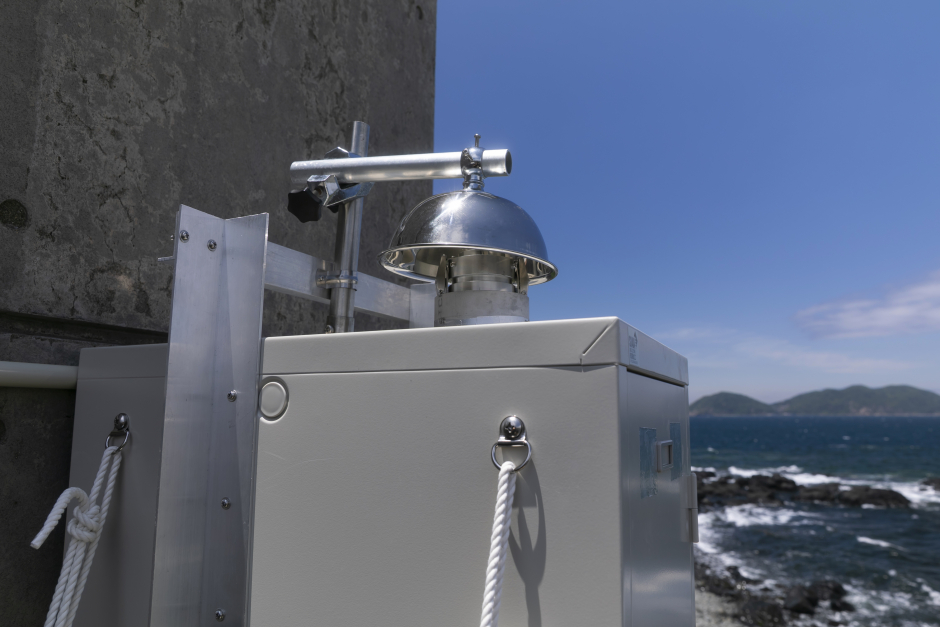
Sampler installed at Cape Hado
“While plastics are a familiar part of our daily lives, many aspects regarding the associated risks remain unresolved. Although public awareness of the marine plastic issue is growing, it seems that a true understanding of the actual situation has yet to be fully realized. This presents a significant opportunity for us to share insights and messages from Japan regarding the issue of marine microplastics, which is garnering global attention. We intend to redouble our research efforts while continuing to collaborate with the local community.” (Member of the Hiroshi Okochi Laboratory)
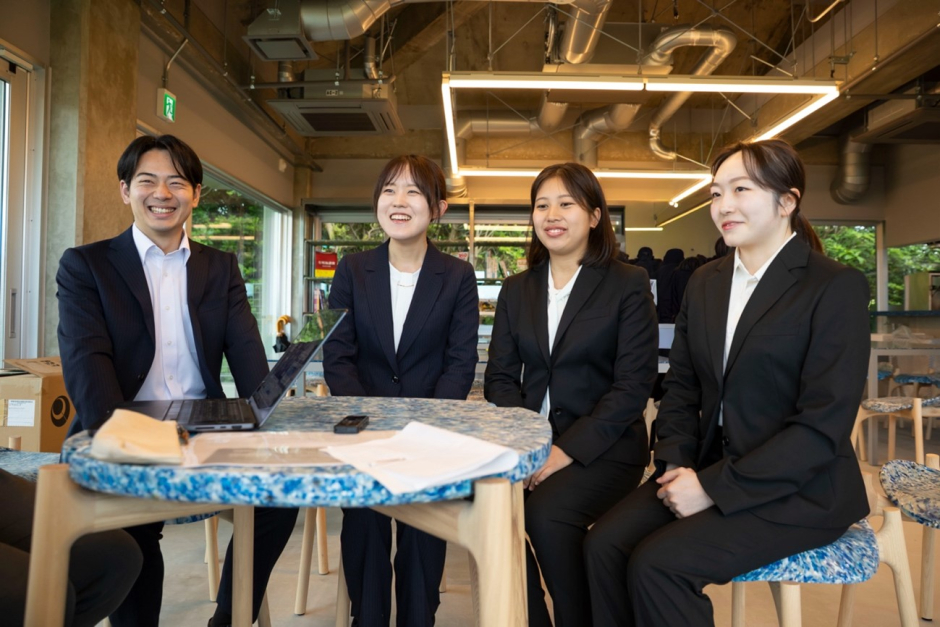
Members of the Okochi Laboratory. From left: Shunki Sasai, Akari Ozawa, Yukino Ichijo, and Reina Otsubo (Department of Resources and Environmental Engineering, Graduate School of Creative Science and Engineering).
PLA PLA serves as a new hub for the many stakeholders tackling the issue of marine plastic pollution. Waseda University, which aims to contribute to humanity through the “convergence of knowledge,” intends to further strengthen its regional partnership with Saga.
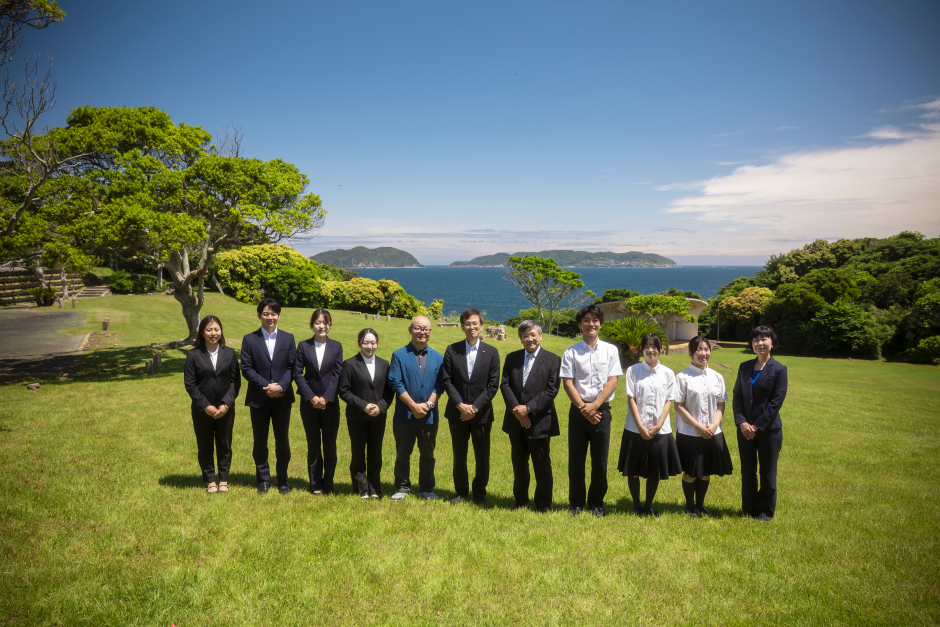
Yoshihiro Watanabe, Executive Director of Waseda University and Chairman of the Board of Waseda Saga Gakuen (fifth from right), and Hideki Hamada, Chairman of the Board of ANA Akindo Co., Ltd. (sixth from right; a Waseda alumnus), along with other representatives from Waseda University and Waseda Saga High School, attending the PLA PLA opening ceremony.