Waseda and Historical Memory: The Sōseki Museum, Local Neighbourhoods, and Academic Research
Thu, May 28, 2026-
Tags
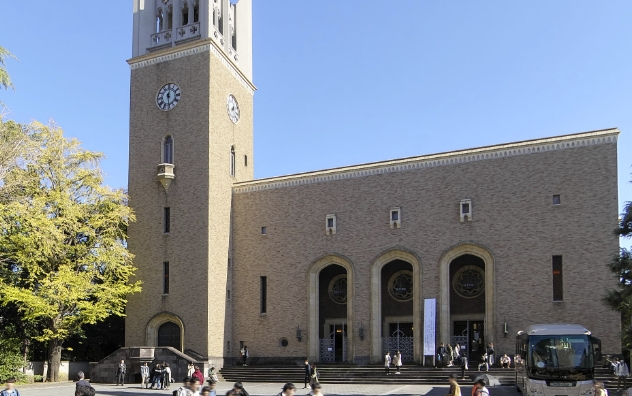
When students visualise Waseda, a few typical images often come to mind: the iconic Okuma Auditorium, bustling campus streets, and hardworking days in the library, to name a few. Yet for humanities and social sciences students, some of Waseda’s most valuable assets lie beyond the library, with research opportunities emerging from Waseda’s historic neighbourhood. Indeed, as a student researcher living in Tokyo, it quickly becomes clear that history is not restricted to textbooks; it is a living, tangible, and accessible resource integrated into the streets surrounding the Waseda Campus. From the alleys surrounding Waseda Station to museums and galleries, a wealth of world-class primary research materials and cultural histories is available just a few minutes from the campus.
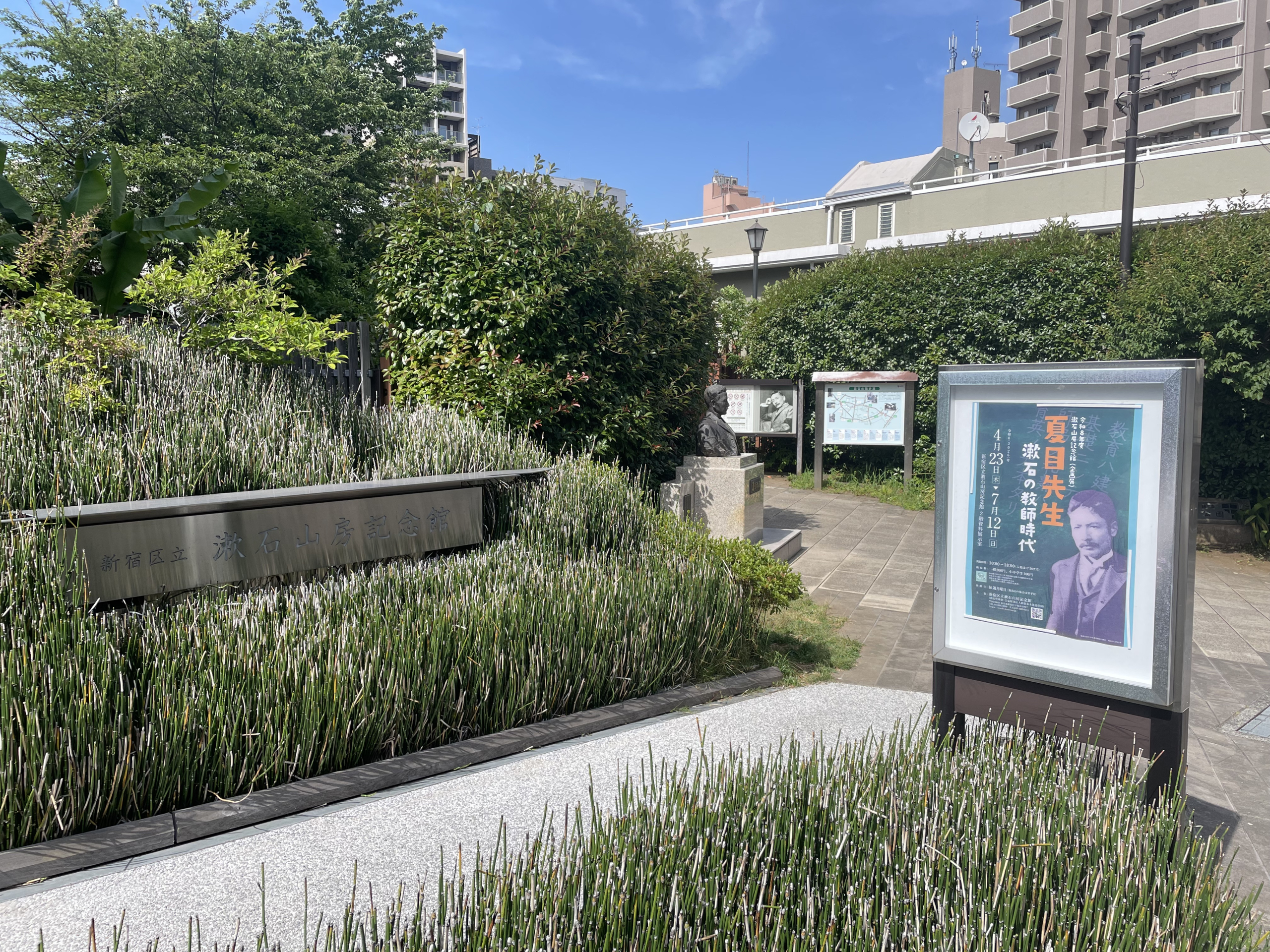
The outside of the Natsume Sōseki Memorial Museum, and the museum’s side entrance to Sōseki Memorial Park.
Notably, my own journey into this ‘living library’ of primary research material began during my master’s degree at Waseda’s Graduate School of Asia-Pacific Studies (GSAPS). While locking myself in the Waseda Central Library, reading countless academic articles, I discovered that my research did not need to be contingent on archival sources. Indeed, just a ten-minute walk from Waseda Station is the Natsume Sōseki Memorial Museum. Here, Waseda’s typically peaceful neighbourhood environment transforms into a critical primary research archive, confirming how Waseda’s location in central Tokyo enriches student resource availability and academic experiences.
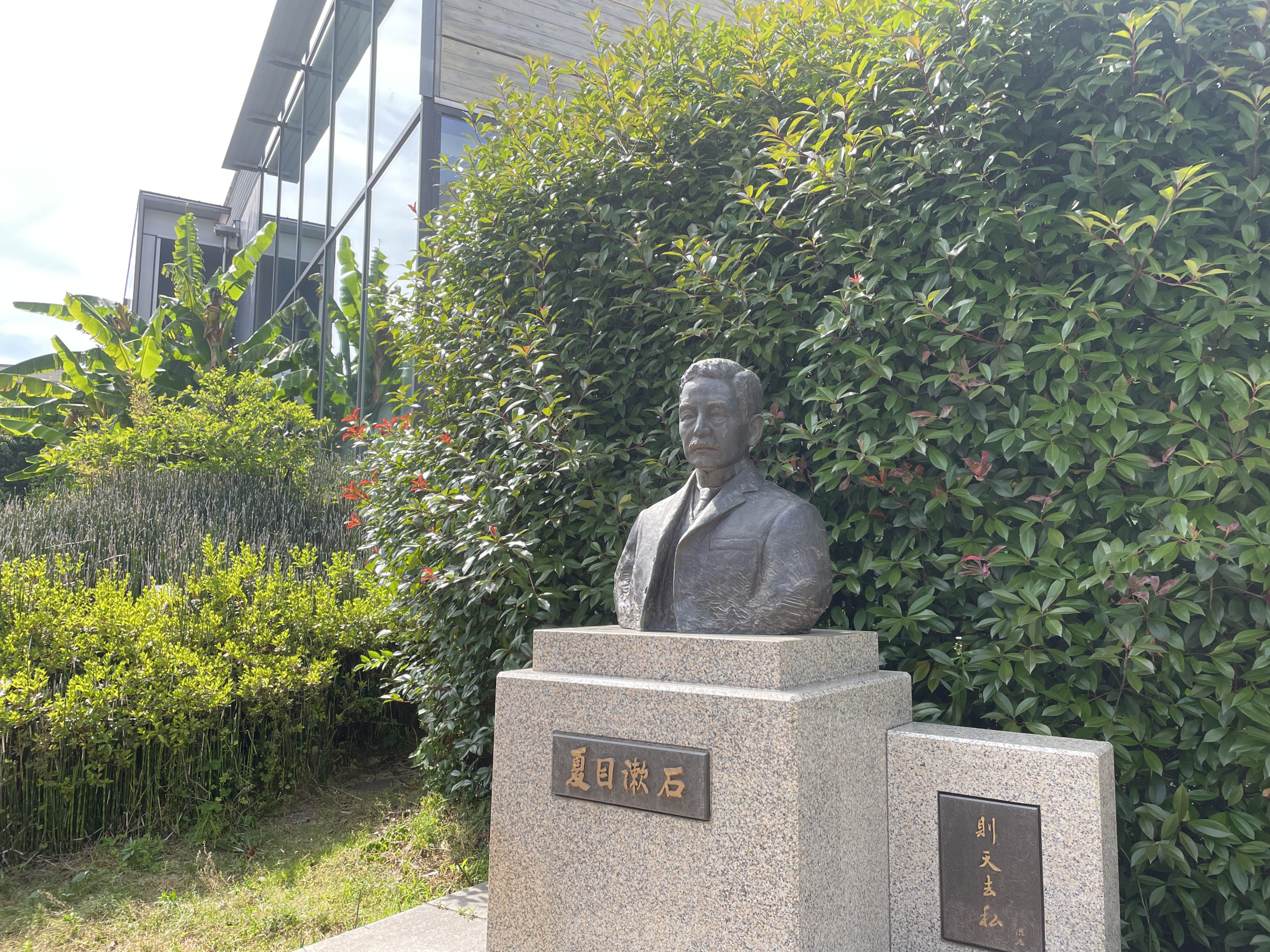
The bust of Natsume Sōseki, placed outside the museum’s physical building.
An Archive in Waseda’s Backyard:
As an international student, I have found Natsume Sōseki to be a somewhat enigmatic figure in my studies. Indeed, while many students of Japanese culture, history, and literature will have probably come across notable works (such as Kokoro, Sanshiro, and I am a Cat), Sōseki’s life exists beyond just being a novelist. For instance, the author was one of the few Japanese scholars sponsored to travel and study abroad in the Meiji Period, living in London between 1900 and 1902 and providing formative opinions that shaped Japan’s perceptions of the West.
It is within the context of Sōseki’s unique experiences that the museum is founded, seeking to provide information through audio guides (in English and Japanese), textual exhibitions, and visual recreations to deeply contextualise the author. Specifically, the museum comprises three main sections: a permanent exhibition space chronicling Sōseki’s life and works, a visual recreation of the author’s original study, and a curated library available for public access. These aspects shaped my experience at the museum, enabling me to gain insight into the author’s life by revealing the intricacies of Sōseki’s domestic life. Particularly interesting here are exhibitions on study clubs held by Sōseki, outlining how the author was directly interconnected to other scholars, intellectuals, and authors. This, combined with the wide range of both English and Japanese language manuscripts scattered throughout the museum, provided a new way to think about Sōseki, introducing new sources that I intend to peruse in my master’s research, but struggled to find online.
These perspectives beyond the page are uniquely tied to experiencing history in its primary environment. Notably, built on the site of Sōseki’s former residence, where he authored all of his major works from his 1908 work titled Kofu (The Miner), until his death in 1916, the museum places visitors into an environment that feels authentic and lived in. Indeed, upon my visits to the museum, I often found myself sitting in its provided library, or trying to transcribe the wealth of Sōseki manuscripts, documents, and diaries put on show. Therefore, as a researcher who is using resources associated with Sōseki for my master’s thesis, this purposefully constructed environment offered an invaluable lens into the value of first-hand research, transforming the museum from a tourist attraction to a primary research asset.
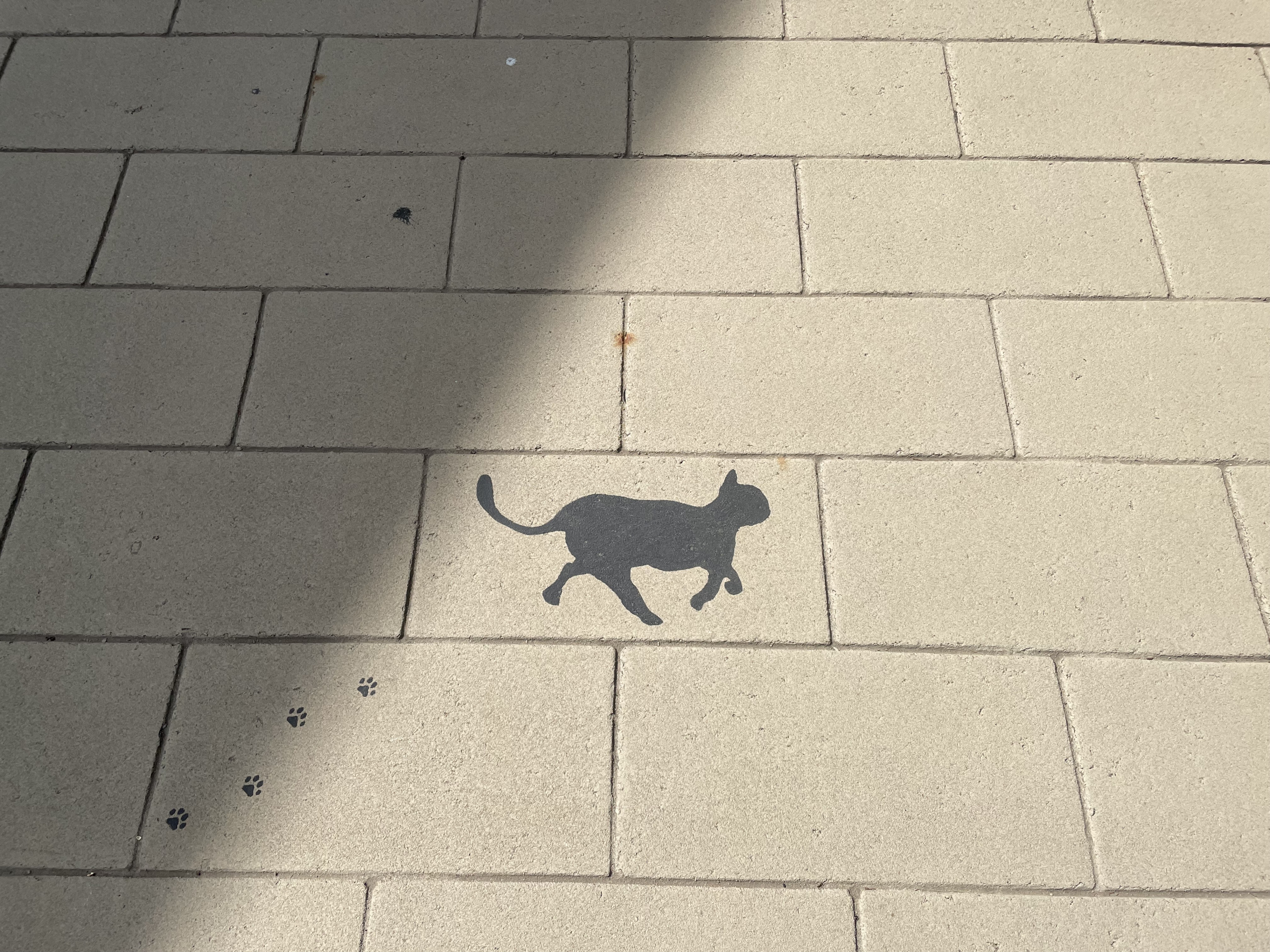
Throughout the museum and the surrounding area, notable sites and routes are marked by images of cats and their paw prints, an animal associated with the author due to his own personal house cat being the subject of his first novel, I am a Cat (published in serial instalments between 1905 and 1906).
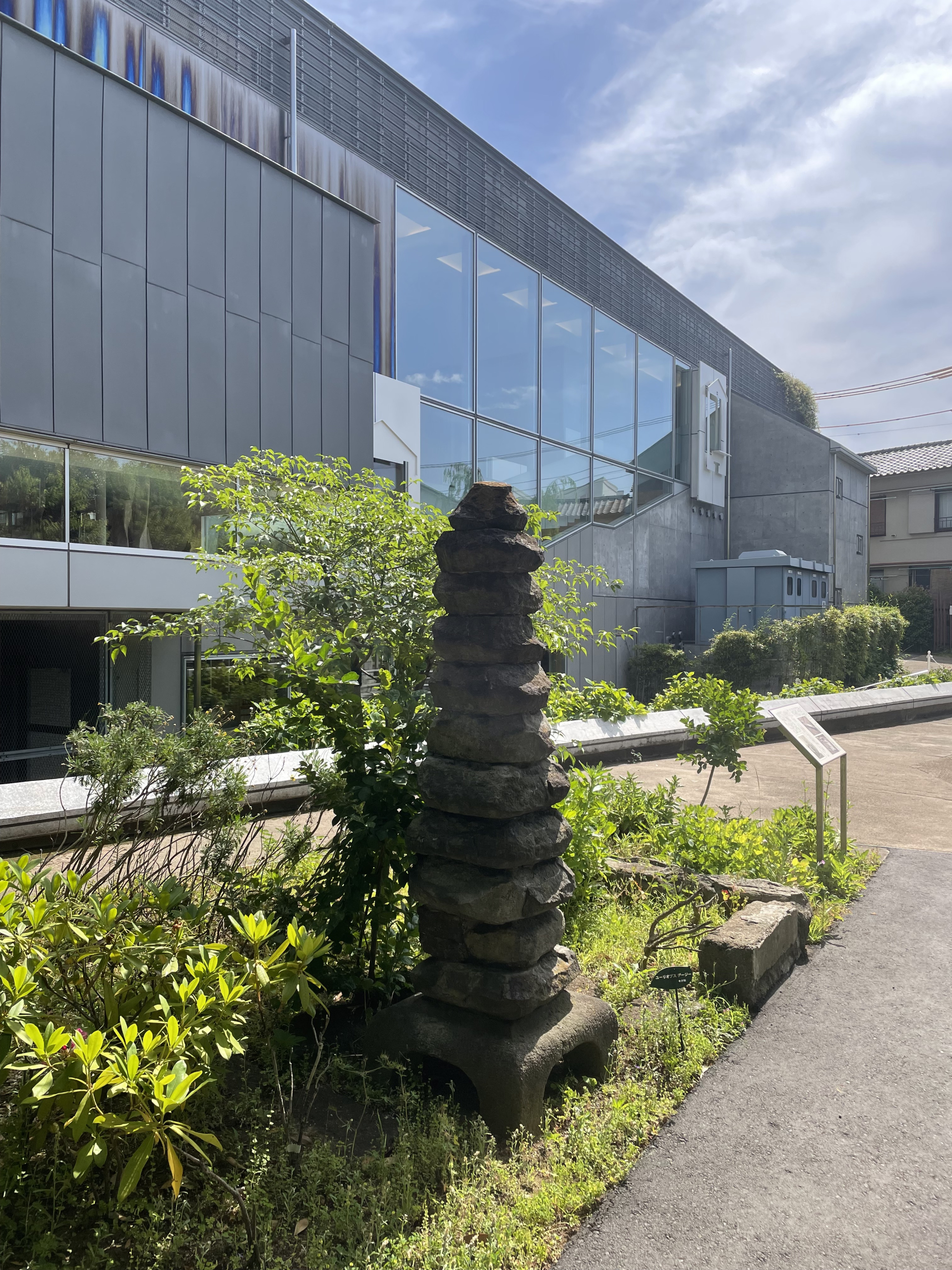
Linked to this cat iconography, the outside area of the museum, located within the so-called Sōseki Memorial Park, is a tombstone to the housecat that inspired the novel, with its location being in the same place as the original grave prior to the residence’s destruction in the Second World War.
From Local History to a Master’s Thesis:
It is within this realm of research assistance that I feel the museum, and on a more general level, Waseda’s surroundings, function as an essential tool for students of the humanities. Indeed, when students come to compose their research, working towards the ultimate goal of a lofty graduation thesis, much emphasis is placed on our use of primary sources. Personally, my professors at both the undergraduate and graduate levels have constantly reiterated the fact that good primary resources are the most essential and determining factor in composing successful research projects.
For my own master’s thesis at GSAPS under the supervision of Professor Alexander Bukh that seeks to explore the role of the Meiji-era maritime voyages in influencing Japan’s perceptions of the West, finding physical documents has proved to be a challenging yet important part of my research process. Specifically, my research focuses on the use of personal diaries and essays written by Japanese scholars abroad, with many such diaries being accessible to students through Waseda’s expansive archive systems. Yet, while Waseda’s Central Library is essential, my visits to the Sōseki Museum provided a unique breakthrough. Seeing the physical displays of the author’s personal journals, which document Sōseki’s personal reflections on living in the West, grounded my research in a way digital PDFs never could.
One relevant example came from my most recent visit to the museum in May 2026. When walking around the museum, I stumbled upon a small collection of Sōseki’s reflections on living in London, outlining exams he had to take to receive second-language English qualifications. This was an interesting find, as within my prior readings, I had never found mention of Sōseki’s English learning journey and the tasks he had to do while in England, with textbooks instead purely mentioning that the author had a working proficiency of the language. Such discoveries thus progressed the direction of my research, motivating me to revisit how my thesis framed Sōseki by considering how these new sources related to Sōseki’s student identity may have influenced his time abroad.
Ultimately, the museum’s proximity to Waseda has had a transformative effect on my research process, not only providing a physical space for inspiration and learning but also transforming what an abstract research exercise was into a tangible process of physical learning and historical investigation. Personally, I feel as if this proximity is an invaluable advantage that many institutions simply cannot facilitate, with Waseda’s unique location in central Tokyo providing students with the proximate resources necessary to personalise, contextualise, and transform their research into processes filled with physical interactions outside the library.
Conclusion: Why Location Matters for Humanities Students
All in all, the relevance of primary source usage for students of the humanities is something that I cannot understate. The ability to move beyond secondary literature is often cited by academics as an essential process in forming unique ideas, pushing the boundaries of writing and how students construct original and insightful projects. To this end, Waseda has revealed itself as an ideal place to pursue meaningful research, with the University’s expansive archival collection being vastly supplemented by its physical integration with primary research materials and cultural histories within the neighbourhood surrounding the Waseda Campus. Here, while the Natsume Sōseki Memorial Museum has personally proved to be an essential resource, it is not the only historically significant area around campus. Notably, Waseda is home to countless museums and sites providing a wealth of resources that students can easily access. More specifically, proximate to the Waseda Campus are: the Women’s Active Museum on War and Peace, the Waseda University History Museum, The Haruki Murakami Library, the Tokyo Dyeing Story Museum, the Tsubouchi Memorial Theatre Museum, the Printing Museum, Tokyo, and the Eisei Bunko Museum, to name a few.
Indeed, for humanities students (and all students in fact), location does matter. Be it proximity to home, the closeness of restaurants, or the availability of entertainment, location is a significant factor in enriching your university experience. Yet, beyond seeing location as a parallel to personal convenience, I implore my fellow students to consider the value of exploring the history of their surroundings; it will not only reveal meaningful resources to expand your research, but it will also place you into a living and tangible environment. Ultimately, Waseda’s location will make the development of perspectives, options, and ultimately your thesis all the more personal.
About the Author: Dylan Bonner Higham
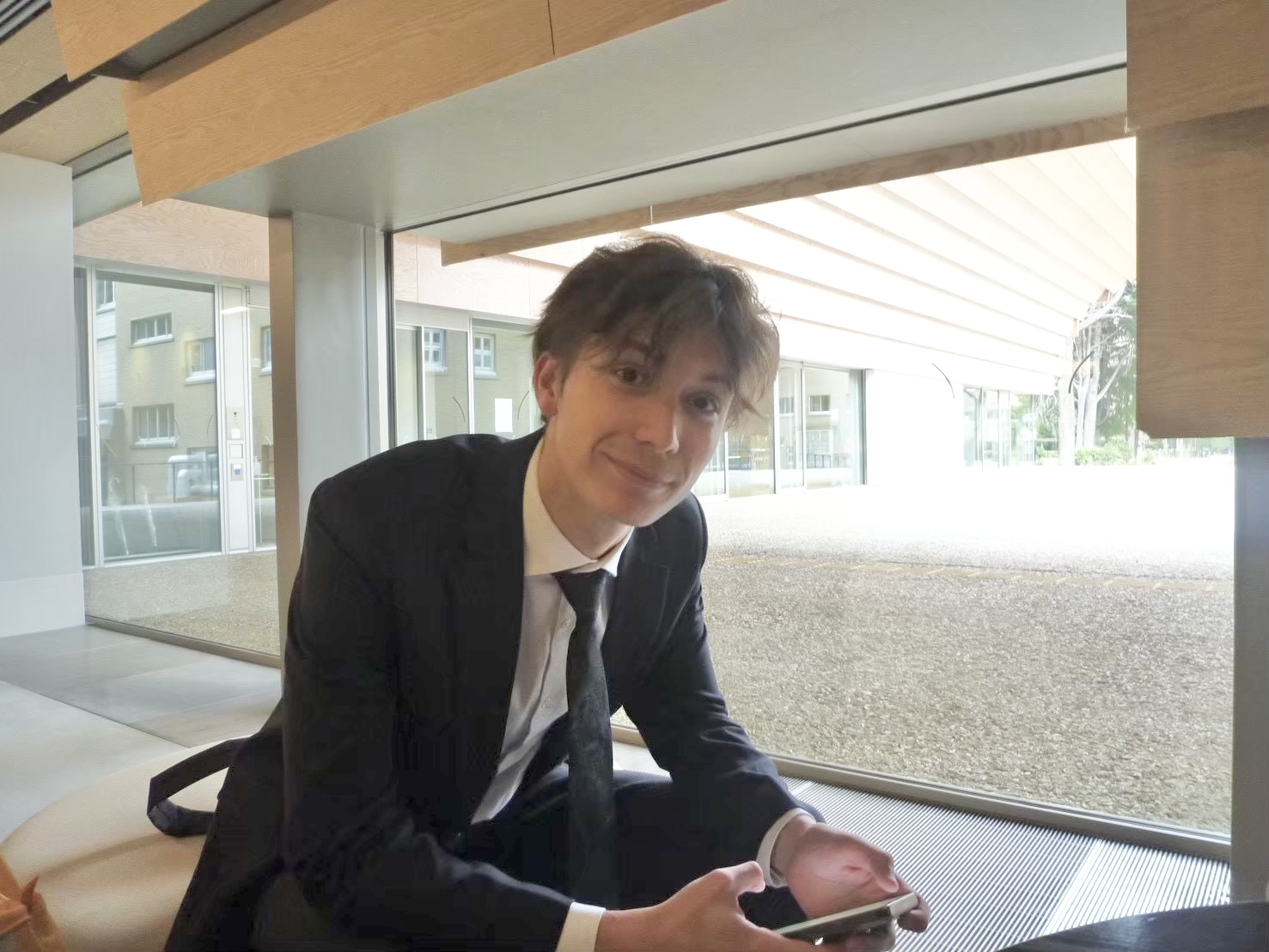
Hi everyone, I’m Dylan, a current first-year master’s student at Waseda’s Graduate School of Asia-Pacific Studies, focusing on International Relations and Area Studies (English-based Degree Program). Since joining Waseda in September 2025, I have had the opportunity to take classes from different graduate schools and delve into my research on the role of maritime voyages in Japan’s construction of the West during the Meiji era, a factor I hope to use to inform my writing for the PR Office. On a personal level, I enjoy exploring the opportunities Tokyo has to offer, with my background in history motivating me to constantly seek new stories, museums, and areas (hopefully learning new anecdotes to tell my friends). To current and prospective students alike, I hope you explore the deep histories Waseda has to offer. A university’s location is not just about its convenience, but on a deeper level, it is an often underemphasised resource for academic success.