Index
- Exhibits at the Waseda Open Innovation Forum 2025 (WOI’25)
- WIAS Homecoming Day
- Report on the bilateral staff exchange with Zukunftskolleg, University of Konstanz
- Activities of the UBIAS ECR Working Group―The Current Landscape of Early Career Researcher Support
- Network Research Visits program with partner institution ZUKO
- Information
Introduction of our activities
1. Exhibits at the Waseda Open Innovation Forum 2025 (WOI’25)
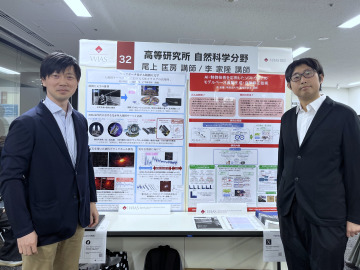
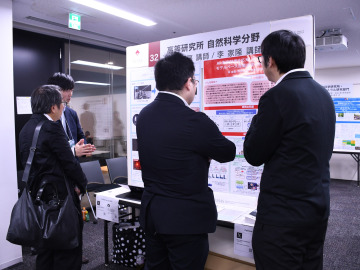
The Waseda Open Innovation Forum 2025 was held on Wednesday, November 26, 2025. WIAS hosted three dedicated booths representing the field of Natural Sciences, Social Sciences, and Humanities, where our researchers presented their latest findings:
- Natural Sciences
Theme: “The Challenges of Big Data Science: Self-Evolving Software and Exploration of the Mysteries of the Universe”
Presenters: Assistant Professor ONOUE Masafusa, Assistant Professor LI Jialong - Social Sciences
Theme: “New Developments in Quantitative Political Economy”
Presenters: Assistant Professor FUKASAWA Takeshi, Assistant Professor KADOYA Hisashi - Humanities
Theme: “Wearable Art & Artifacts: Possibilities for Industry-Academia Collaboration in the Humanities and Fashion”
Presenters: Assistant Professor MIYAMA Emily, Assistant Professor PACHCIAREK Pawel
Throughout the day, each booth welcomed upwards of 50 visitors, including industry professionals, researchers, and students, resulting in a vibrant atmosphere of intellectual exchange. By featuring two researchers per field collaborating under a shared theme, this exhibition served as a vital platform for advancing the interdisciplinary research that defines the mission of WIAS.
We would like to extend our sincere gratitude to everyone who visited our booths and participated in these engaging discussions.
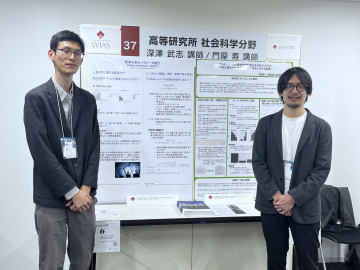
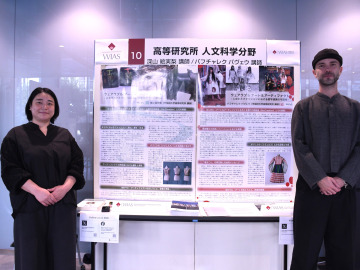
For more highlights and details of the Waseda Open Innovation Forum 2025, please visit the Waseda University website.
勢いづくスタートアップと最先端研究 – 早稲田大学
2. WIAS Homecoming Day
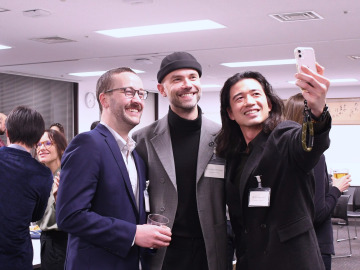
The Waseda Institute for Advanced Study (WIAS) held our third Homecoming Day Event on January 24, 2026. The following is the report from Associate Professor SHIRAI Tatsuhiko and Assistant Professor YANG Yun Jung, who contributed to this event as Chief Secretaries.
WIAS held its Third Homecoming Day on January 24, 2026. The primary objective of this event was to promote networking among current WIAS members and former researchers (alumni). Building on the emphasis placed at the previous Homecoming Day on fostering two-way communication, the event was planned and organized with the introduction of new programs aimed at further encouraging interactive exchange. As a result, participants engaged in discussions from a variety of perspectives, ranging from the exchange of research themes and interdisciplinary collaboration to career development, thereby strengthening networks among attendees.
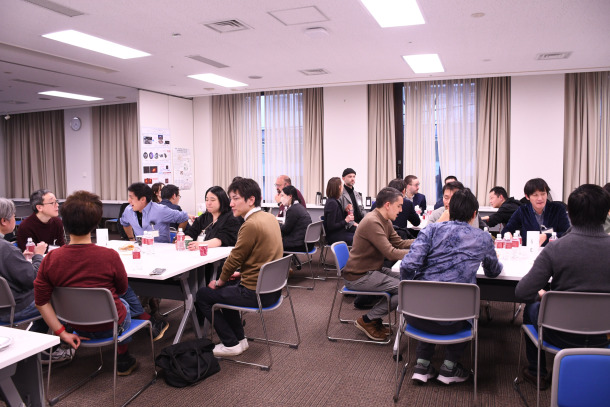
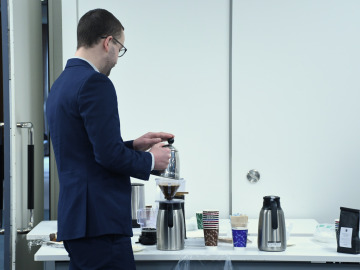
One of the new initiatives introduced this year was a group talk session planned based on a proposal by Associate Professor Tatsuhiko Shirai (Natural Sciences) and Assistant Professor Yun Jung Yang (Social Sciences), both serving as the Chief Secretaries. The session was designed as a program to encourage the formation of new connections, based on the concern that sessions conducted only in a plenary format may result in discussions limited to researchers who are already acquainted, making it difficult to interact with other participants. In addition, following last year’s event, during the break time, coffee was served at the venue by Assistant Professor Yuya Ominato (Natural Sciences), with the support of Assistant Professor Emily Miyama (Humanities) and Assistant Professor Alexander Stokes (Natural Sciences), helping to create a relaxed environment for casual conversation.

The main session, which opened with greetings from the Chief Secretaries, took place on the second floor of Okuma Kaikan and began with flash talks by WIAS members and former researchers. Starting with Associate Professor Alexander Mallet, a former WIAS researcher, of the School of International Liberal Studies at Waseda University, three current WIAS members (Assistant Professor Lizhou Wang, Assistant Professor Yuya Ominato and Assistant Professor Alexander Stokes) delivered five-minute presentations followed by a five-minute of Q&A sessions each. In addition, poster presentations by WIAS members were held throughout the venue, providing an opportunity to introduce their research visually. The lively discussions that crossed disciplinary boundaries helped energize the opening of the event.
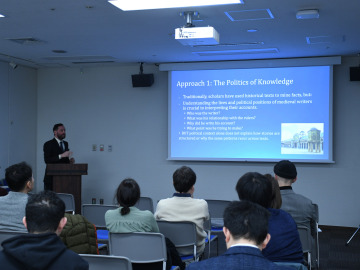
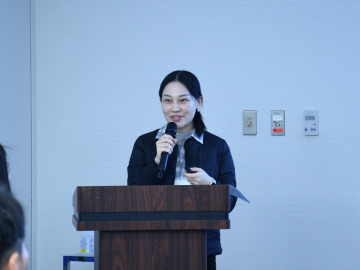
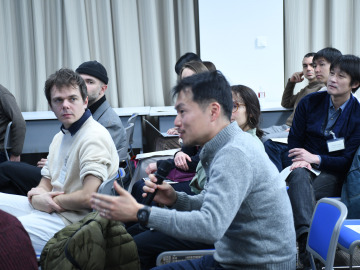
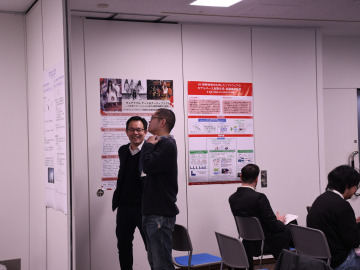
In the career talk session led by WIAS alumni, Professor Toshinori Fujie (School of Life Science and Technology, Institute of Science Tokyo), Associate Professor Susumu Annaka (Faculty of Social Sciences, Waseda University), and Associate Professor Garry Kong (Graduate School of Humanities and Social Sciences, Hiroshima University) shared highly insightful perspectives based on their own research and experiences in career development. Following a coffee break, the flash talk session resumed with a presentation by Adjunct Researcher Áron Fittler, followed by brief research presentations by three WIAS members (Assistant Professor Masafusa Onoue, Assistant Professor Sabine Sophia Bradel and Assistant Professor Shao-Min Hung), as with the first half. These presentations can be said to have served as a major catalyst for the research exchanges that followed.
-
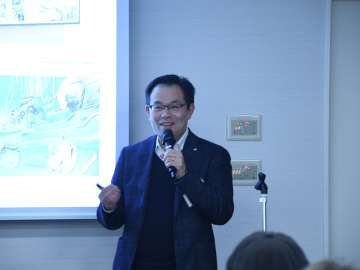
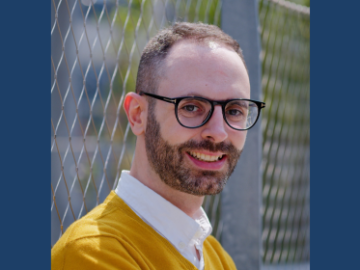
- Professor Toshinori Fujie
-
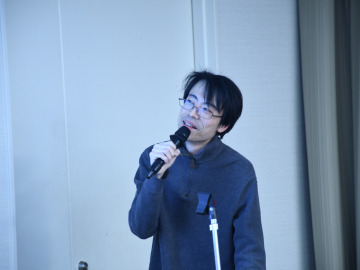
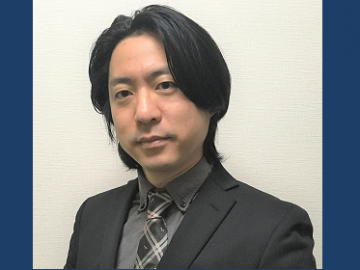
- Associate Professor Susumu Annaka
-
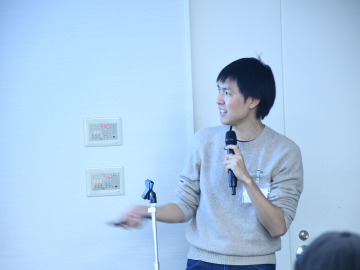
- Associate Professor Garry Kong
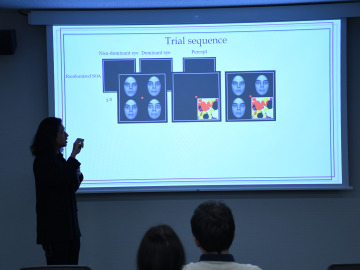
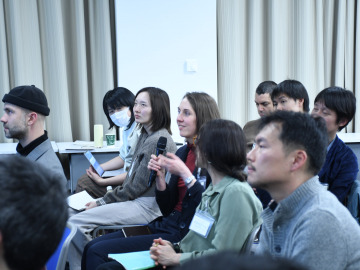
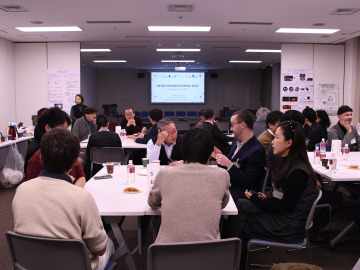
Participants were divided into groups of approximately six, comprising both current WIAS members and alumni, and engaged in group discussions while enjoying coffee and donuts. After lively discussions at each table, the session concluded with closing remarks by Associate Director Professor Katsuyuki Kubo (Faculty of Commerce, Waseda University).
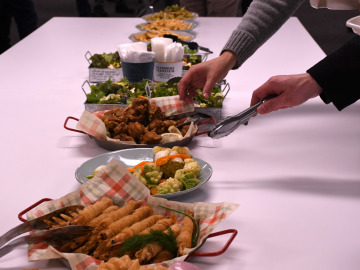
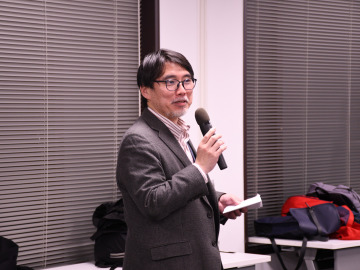
In the evening, the venue was moved to the third floor of Okuma Kaikan, where a standing buffet-style reception was held. Beginning with a toast by former Director Professor Ken-Ichi Akao (Faculty of Social Sciences, Waseda University), participants enjoyed food and drinks while deepening mutual interaction. Finally, Professor Toshihide Arimura (Faculty of Political Science and Economics, Waseda University), who has also served as Director of the Institute from 2020 to 2022, offered concluding remarks summarizing the event, bringing the entire program to a close.
The Homecoming Day proved to be a highly meaningful event that deepened interaction between WIAS members and former researchers. In particular, the group talk sessions newly introduced this year served not only as a forum for strengthening existing connections but also as an opportunity to foster new ones. As this event continues to be held regularly, it is expected to become increasingly refined as a venue unique to the Institute for Advanced Study, where researchers from diverse backgrounds come together. Finally, we would like to express our sincere gratitude to the WIAS members, administrative staff, and all others involved who contributed to the organization of this event. Thanks to their support, the event was a great success. Thank you very much.
Event website
WIAS Homecoming Day (*Event held on Jan. 24, 2026)
3. Report on the bilateral staff exchange with Zukunftskolleg, University of Konstanz
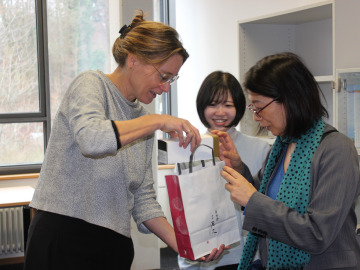
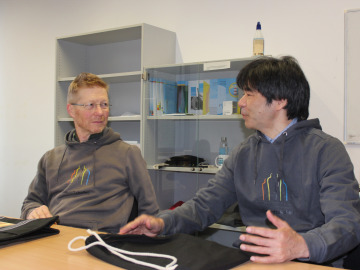
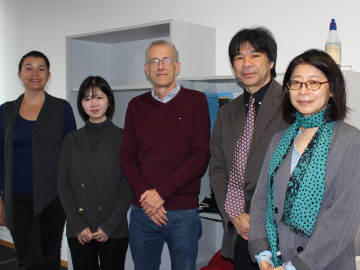
In December 2025, Associate Director Katsuyuki Kubo and two WIAS administrative staff members visited the Zukunftskolleg (ZUKO) at the University of Konstanz.
The partnership between ZUKO and WIAS began through our shared membership in UBIAS (University-Based Institutes for Advanced Study). Since signing a Letter of Intent in 2019, we have cultivated a cooperative relationship through various initiatives, including joint online workshops, reciprocal researcher exchanges, and monthly administrative meetings.
The primary purpose of this visit was to extend and deepen our collaboration beyond research activities to the administrative level. Following discussions during the WIAS delegation’s visit to German and Swiss institutes in May 2024, a formal “staff exchange” program was realized.
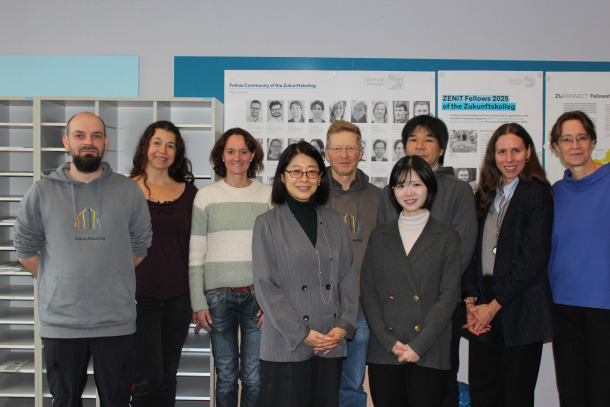
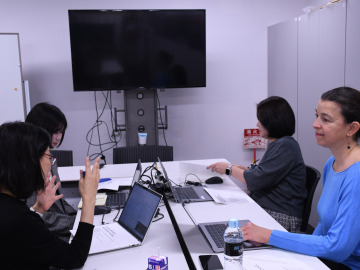
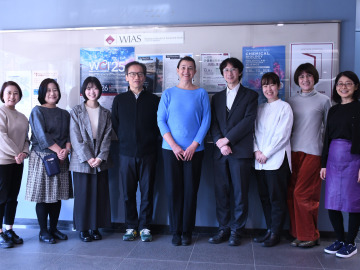
In November 2025, the ZUKO Program Director for Research and Fellows visited WIAS. This was followed by the WIAS a visit from office manager and staff to ZUKO in December. The itineraries for both parties were coordinated based on preliminary briefings, enabling both sides to delve deeply into practical challenges and operational know-how. Topics covered in the discussions included researcher recruitment, personnel matters, accounting procedures, and public relations.
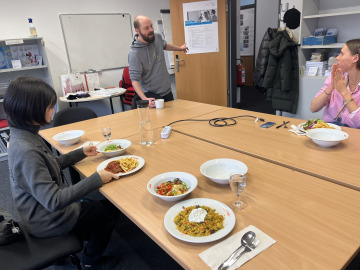
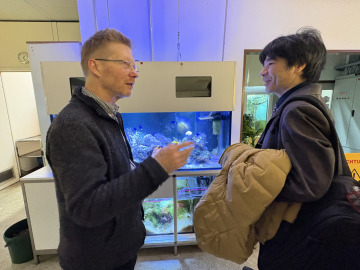
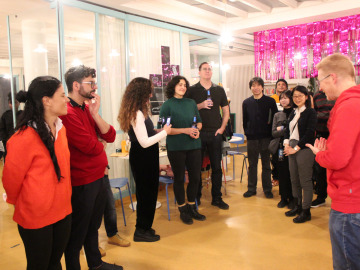
During the first half of the visit, the WIAS office staff shadowed their ZUKO counterparts to observe administrative operations. Associate Director Kubo joined for the second half. Through discussions with Dr. Dirk Leuffen, Vice Rector for Research, we gained a deeper understanding of the university headquarters’ strategies and initiatives. On-site interactions, including research meetings, campus tours, and participation in community events, contributed to a highly productive stay.
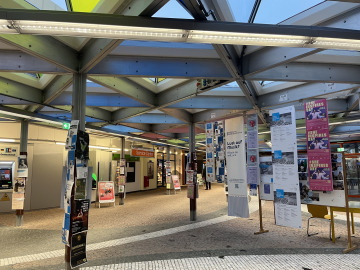
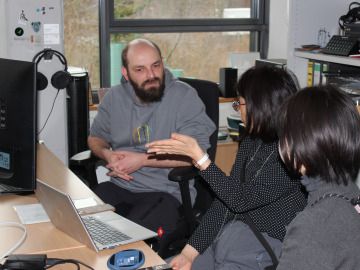
Operational Excellence: Flexibility and a Sense of Unity
We were particularly struck by the close interdepartmental collaboration and flexibility at ZUKO. The University of Konstanz is relatively compact, with three faculties and approximately 11,000 students. It leverages this scale to foster effective internal cooperation. ZUKO also actively promotes partnerships with external institutes, utilizing these networks to expand its initiatives and enhance its attractiveness as an Institute for Advanced Study (IAS).
We were also impressed by how thoroughly ZUKO’s mission – to enhance its appeal, attract outstanding fellows worldwide, and create a vibrant community – is shared across the organization. The team is united in its efforts to promote internationalization, strengthen research support systems, and diversify fellowships.
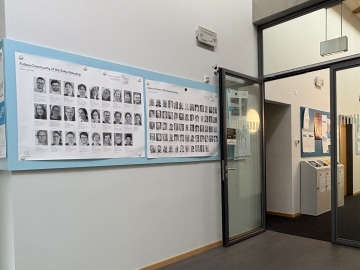
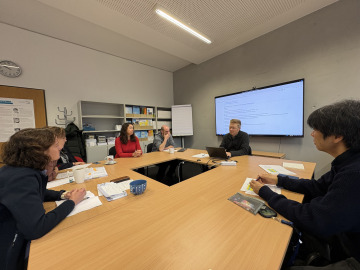
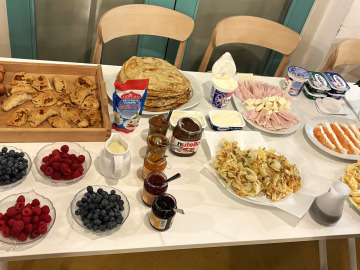
Moreover, ZUKO’s strength lies not only in research exchanges but also in the strategic use of opportunities arising from these networks. ZUKO places great emphasis on communication and community building. In addition to their jour fixe meetings and seminars, they consistently create opportunities for interaction. A prime example is the Christmas Cooking Party, a fellow-led initiative that welcomes the families of researchers and staff. These efforts truly strengthen internal cohesion, forming the foundation for promoting research collaboration and ensuring smooth administrative support.
The ZUKO office staff’s warm hospitality left a lasting impression. We felt welcomed as part of their community and realized that the staff’s daily interactions form the foundation of mutual trust.
A Strategic Approach to Research Evaluation
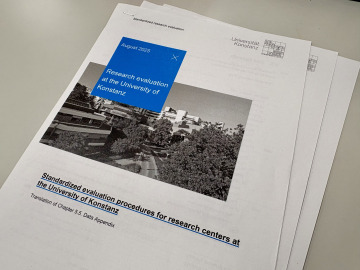
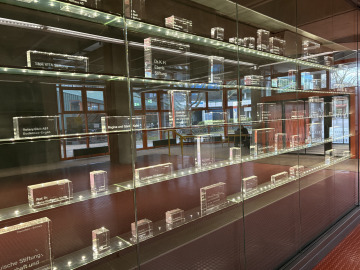
Another notable feature we observed at the University of Konstanz was the Strategic Research Evaluation System, based on their unique “Research Quality Matrix.” Guided by the purpose on being a “truly strong research university producing outstanding research by outstanding researchers,” the university translates strategic goals into concrete metrics to build an effective evaluation framework.
The process begins with the Quality Management Department presenting common indicators, such as publication records, citation counts, awards, and competitive funding. Each research department then selects indicators suited to its academic characteristics, conducting evaluations through peer review. This process provides a nuanced understanding of each department’s specific situation, facilitating strategic improvement. It was highly insightful to witness how they objectively analyzed their strengths and challenges in order to secure government funding and formulate research strategies.
Looking Ahead
During the visit, we also exchanged views with Dr. Dirk Leuffen (Vice Rector for Research), Dr. Peter Krause (Director of the Faculty of Humanities Administration), and Dr. Mirjam Müller (Career development staff for early- and mid-career researchers). These meetings provided multifaceted perspectives on managing a research institution, particularly regarding the challenges of evaluating interdisciplinary research and supporting researchers’ career development.
This staff exchange offered a valuable opportunity to experience the working styles and academic culture of our partner institute and examine practical initiatives for implementation at WIAS. Despite our differences in university scale and systems, we reaffirmed that we share many common challenges in our mission to foster and support early-career researchers.
Crucially, face-to-face interaction has significantly strengthened the mutual understanding and cooperative spirit between the administrative staff responsible for institute operations. We will continue to develop this mutually beneficial relationship and apply the insights leaned to further enhance WIAS’s operations.
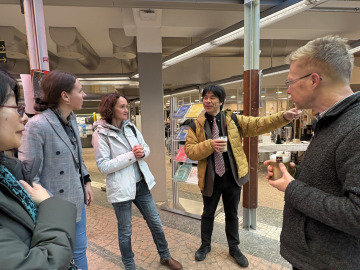
For more details about ZUKO, please click here.
Zukunftskolleg
4. Activities of the UBIAS ECR Working Group―The Current Landscape of Early Career Researcher Support
On November 4 last year, at the UBIAS (University-Based Institutes for Advanced Study) Directors’ Meeting held at the University of Ghana, Associate Director Katsuyuki Kubo of WIAS participated online to report on the activities of the Early Career Researcher (ECR) Working Group, which WIAS co-chairs. He also presented the results of a survey conducted among UBIAS member institutes.
This article outlines recent developments in global ECR support led by WIAS and highlights key shared challenges identified through this initiative.
Establishment and Activities of the UBIAS ECR Working Group
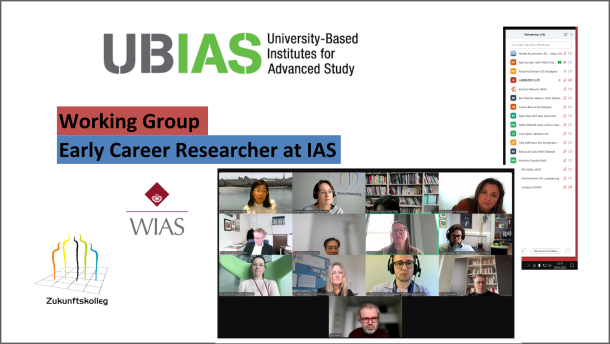
The UBIAS ECR Working Group was established in 2023 following discussions at the Directors’ Meeting hosted by Nagoya University. It was created as part of an effort to activate the UBIAS network as a more practice-oriented platform for collaboration.
A key motivation behind its formation was the recognition that, while many institutes face similar challenges in supporting early career researchers—the next generation of academia—there had been limited opportunities to systematically share experiences, strategies, and practical knowledge.
WIAS has led the Working Group together with Zukunftskolleg (ZUKO) at the University of Konstanz in Germany. Since its launch, the group has facilitated regular online meetings to promote dialogue among member institutes. In addition, it designed and implemented a detailed survey to better understand existing ECR programs, support structures, and shared challenges across regions.
International Survey on ECR Programs
As a central initiative of the Working Group, a survey entitled “Questionnaire on ECR Programs (Selective) at University-Based Institutes for Advanced Study” was conducted from June to September 2025.
Out of approximately 50 UBIAS member institutes, 24 responded, representing about half of the network. Regionally, responses were concentrated in Europe (approximately 75%, 18 institutes), followed by the Asia-Pacific region (3), North America (2), and Australia (1).
Although this regional distribution suggests the need for broader global participation in the future, the survey nevertheless provided valuable insights into worldwide trends in ECR support at institutes for advanced study.
Survey Findings: Three Perspectives on ECR Support
The survey was structured around three main areas in order to analyze ECR support from multiple perspectives.
1. Program Design and Support Models
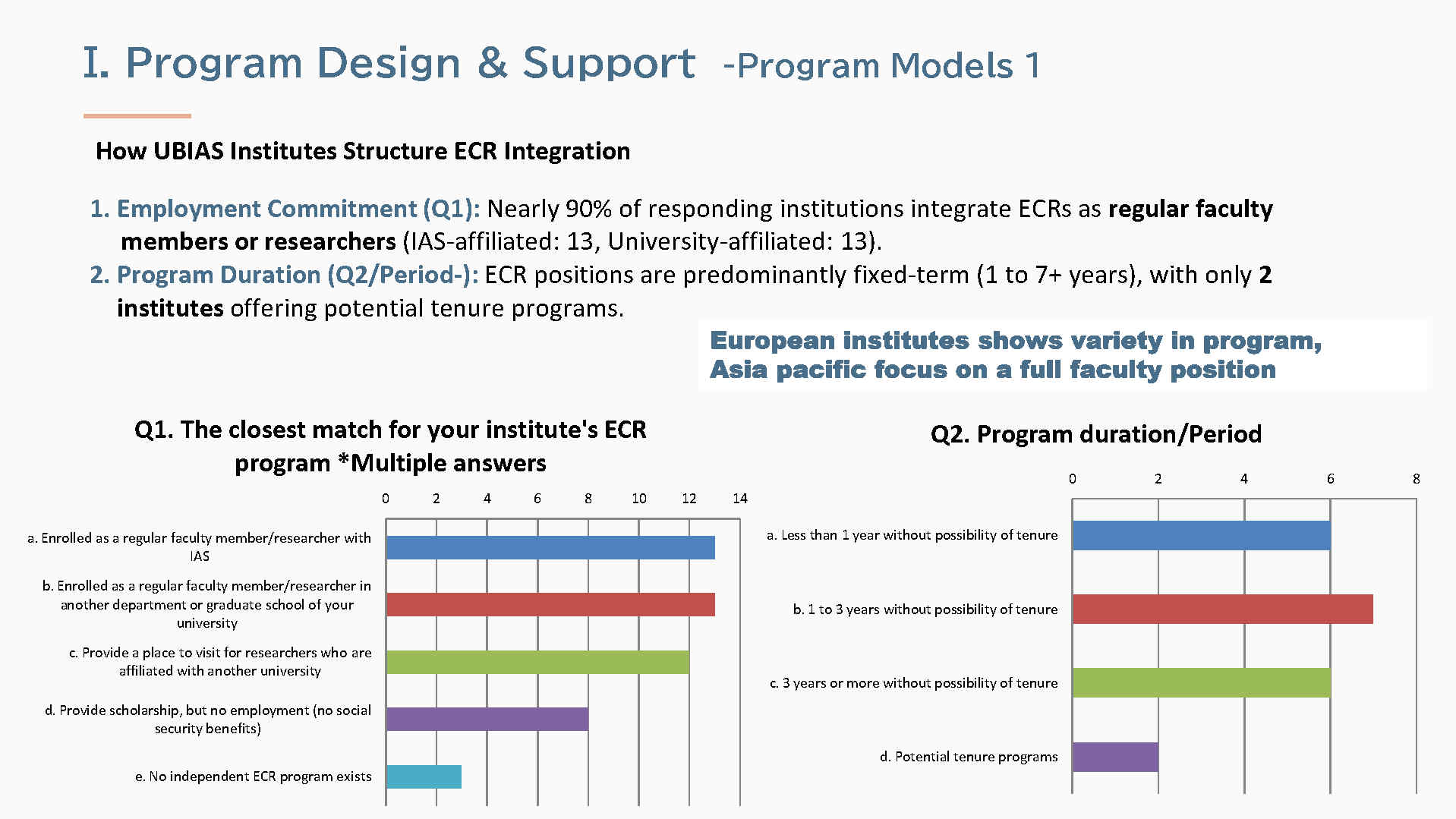
Most institutes define ECRs as researchers within seven years of obtaining their PhD. Fixed-term appointments ranging from one to seven years are the most common employment model.
Regarding institutional affiliation, practices vary: some institutes position ECRs as members of the IAS itself, while others appoint them within faculties or departments of the host university. Regional characteristics were also observed. European institutes tend to adopt diverse program formats, whereas in the Asia-Pacific region, ECRs are more often appointed as full-time faculty members.
Across regions, the primary missions of ECR programs are the development of outstanding researchers and the promotion of interdisciplinary research, with a strong emphasis on international collaboration.
2. Addressing ECR Needs and Challenges
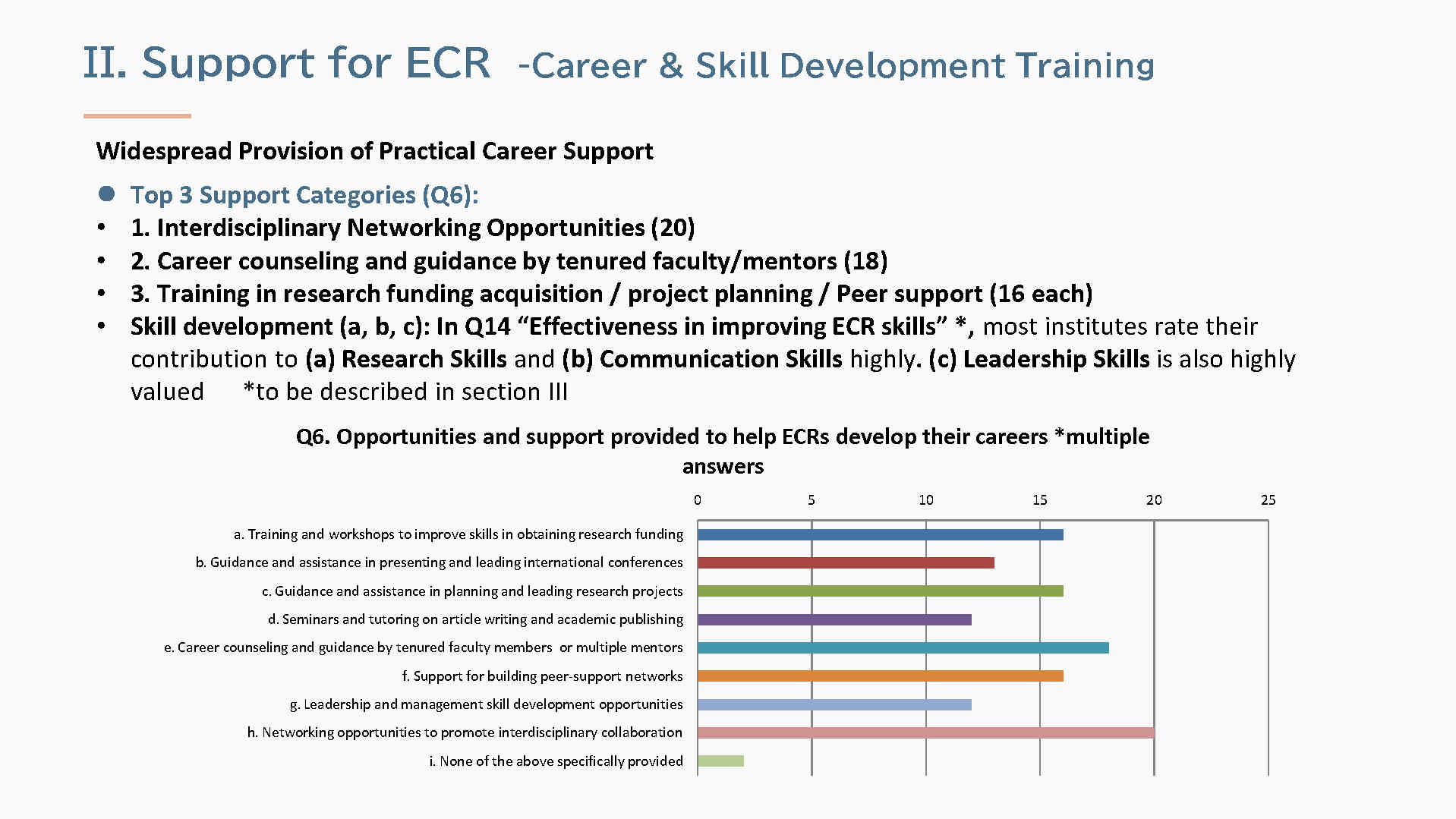
The survey identified three forms of support most commonly provided across institutes:
- Interdisciplinary Networking Opportunities
- Career counseling and guidance by tenured faculty/mentors
- Training in research funding acquisition / project planning / Peer support
In promoting interdisciplinarity, institutes tend to emphasize practical engagement—such as cross-disciplinary interaction and collaborative research—rather than classroom-based instruction.
While some institutes make use of the UBIAS network for initiatives such as job postings, the findings suggest that there remains considerable room to expand global-level collaboration beyond exchanges within individual institutes or universities.
3. Impact and Outcomes
The most common career outcome after completing an ECR program is appointment to academic positions at other universities, either domestically or internationally. This finding underscores the role of institutes for advanced study as springboards for global academic careers.
Programs received particularly high evaluations for expanding international research networks. However, the survey also revealed that only a limited number of institutes conduct systematic long-term career tracking of their alumni.
Shared Challenges and Future Directions
Despite differences in regional context, institutional size, and governance models, the survey highlighted several common challenges in ECR support:
- Securing funding for operations
- Attracting and retaining excellent ECRs
- Providing career path support (especially outside academia)
- Strengthening mentorship and internal positioning
Given variations in academic cultures and employment systems across regions, identifying a single comprehensive solution is not straightforward. However, discussions within the Working Group pointed to the potential for collective initiatives that transcend institutional differences—for example, the creation of a digital mentorship hub or a shared database of best practices.
Although these challenges cannot be resolved immediately, we believe that steady and practical steps will lead to meaningful progress. WIAS will continue contributing to the development of effective ECR support systems for early career researchers while strengthening global collaboration within the UBIAS network.
Photos and highlights from the UBIAS Directors’ Meeting are available on the University of Ghana’s website:
University of Ghana Hosts 8th UBIAS Directors’ Conference
5. Network Research Visits program with partner institution ZUKO
Assistant Professor LI Jialong from WIAS visited ZUKO for the third round of the two institutes’ research exchange program. In the first article, he presents his motivation for this program, research activities and daily experiences there in January. The final report on his two-month stay is scheduled to be published in March.
Information
Visiting Researchers and Visiting Scholars
WIAS invites outstanding overseas researchers who are active internationally, and contributes to the energizing of research activities at Waseda University through academic exchanges and seminars between our researchers and the invitees. Click here for more information.
Visiting Researchers
- September 1 – October 1, 2025
DE BOUARD, Anne
Senior Scientist, Research Director, CNRS and École Polytechnique (France)
- September 17 – October 17, 2025
SHIKANO, Susumu
Full Professor (W3), University of Konstanz (Germany)
- September 26 – October 26, 2025
BOUJU, Emmanuel
Professor, Université Sorbonne Nouvelle (France)
- October 1 – October 31, 2025
ELLERMANN, Antje
Professor, University of British Columbia (UK)
- November 22 – December 22, 2025
YAM, Kai Chi
Jardine Cycle & Carriage Professor, National University of Singapore (Singapore)
Visiting Scholars
- September 1, 2025 – October 1, 2025
LE RICHE, Antoine
Senior Lecturer, Oxford Brookes University (UK)
- September 8, 2025 – November 6, 2025
SELVA, Simone
Associate Professor, University of Naples L’Orientale (Italy) - October 25, 2025 – November 30, 2025
BADESCU, Gruia
Research Fellow (Research Group Leader), University of Konstanz (Germany) - November 30, 2025 – January 27, 2026
HOANG, Lan Anh
Professor, The University of Melbourne (Australia) - January 8, 2026 – March 4, 2026
UEGAKI, Wataru
Reader, University of Edinburgh (UK) - January 23, 2026 – Febrary 22, 2026
DZHAMAY, Anton
Associate Professor, Beijing Institute of Mathematical Sciences and Applications (China)
We welcome your comments and suggestions. Please contact us at the coordinates below.
Waseda Institute for Advanced Study (WIAS)
1st floor, Nishi-Waseda Bldg.
1-21-1 Nishi Waseda, Shinjuku-ku, Tokyo 169-0051, JAPAN
URL:https://www.waseda.jp/inst/wias/en/
TEL:03-5286-2460
FAX:03-5286-2470
E-mail:[email protected]