Public Health Nurse, Tokorozawa Health Support Center Branch, Ariyoshi
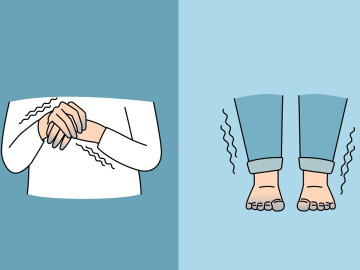
Do you have trouble falling asleep because your hands and feet are cold? Or are you unable to let go of your socks even in summer? Half of Japanese women suffer from this condition, and it's said that the number of men suffering from sensitivity to cold is also increasing these days. While this sensitivity to cold is often seen as simply a matter of constitution, it may actually be a sign of physical illness.
What causes sensitivity to cold?
Sensitivity to cold is a condition in which the extremities of the body, such as the hands and feet, feel chronically cold. Sensitivity to cold is not only common in the cold winter, but is also increasing in the summer due to the effects of air conditioning.
One of the causes is poor circulation. Our bodies rely on blood to transport oxygen and nutrients and maintain a constant body temperature. However, when blood flow is poor due to lack of exercise, stress, or an unbalanced diet, warm blood does not reach the extremities of the body, making people more susceptible to feeling cold. In general, people with less muscle mass tend to feel cold more easily. In addition, smoking constricts blood vessels, causing poor circulation, which often leads to sensitivity to cold. It is also known to be related to fluctuations in hormone balance, stress, and autonomic nervous system disorders.
How to deal with sensitivity to cold
So, what kind of tips can you use to deal with sensitivity to cold effectively?
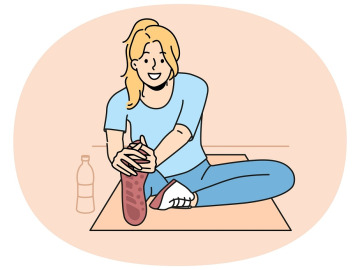
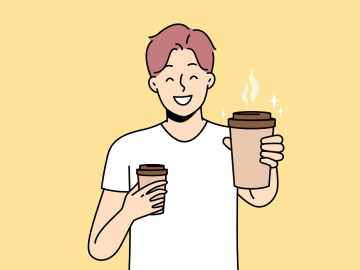
To improve sensitivity to cold, it is important to first live a life that "does not chill the body." Even in the hot summer, avoid drinking a lot of cold drinks and try to drink warm ones instead. In addition, exercises that can be easily continued in daily life, such as walking, stretching, and yoga, are also effective in promoting blood circulation. Stimulating muscles improves blood flow, making it easier for the body to naturally warm up. Bathing to warm the whole body is also recommended.
What are the guidelines for visiting a medical institution?
If you have any of the following symptoms, see a doctor as soon as possible:
- Extremely cold hands and feet, accompanied by numbness and pain
- Sudden weight loss, palpitations, or shortness of breath
- Irregular menstruation or worsening menstrual pain
- General fatigue and insomnia are interfering with your daily life
When it comes to where to seek advice, we recommend first consulting an internal medicine specialist. If a circulatory system problem is suspected, the internal medicine specialist may refer you to a cardiologist. Menstruation and hormonal influences can make you more susceptible to feeling cold, so in such cases, you should also consider visiting a gynecologist. Consulting a Chinese medicine specialist (Oriental medicine specialist) can also be effective, as they can provide you with herbal medicines and lifestyle advice that are suitable for coldness.
If you feel cold, review your lifestyle habits
Sensitivity to cold can often be improved by reviewing your lifestyle habits, but it can also be a sign of an underlying illness, so it's important to pay close attention to your own physical condition. If you have any symptoms that concern you, consult a specialist as soon as possible and receive appropriate testing and treatment. Maintaining a healthy body temperature can also help improve the quality of your daily life.
[References]
Women's Health Promotion Office Healthcare Lab

![[Save version] Map of the four main campuses](https://www.waseda.jp/inst/weekly/assets/uploads/2026/06/110d605cfac40346aad1d2df464a6586-940x705-1-1-610x457.jpg)