2026年4月13日公開



大学進学の動機は人それぞれ。「とにかく早稲田に入りたい!」「この学問を学びたい!」という人もいれば、不本意ながら早稲田大学に進学した人もいるだろう。「早稲田の良さってなんだろう?」と、入学後に悩む学生もいるのでは。
でも、せっかくのキャンパスライフ、全力で楽しまなきゃもったいない! 卒業するその瞬間まで、「早稲田が好きだ!」という気持ちで突っ走れたら、最高だと思う。
今回登場するのは、そんな早稲田への愛にあふれた4人の“早稲田人”。
4人は何に心を惹かれ、どんな刺激を受けてきたのか。彼らの物語に、ちょっと耳を傾けてみよう。
さらに特別に、田中愛治総長にもインタビューを実施。学生時代の思い出や、胸に抱く早稲田への思いを語っていただいた。この記事を読めばきっと、あなたのキャンパスライフをワクワクで満たすヒントが見つかるはずだ。

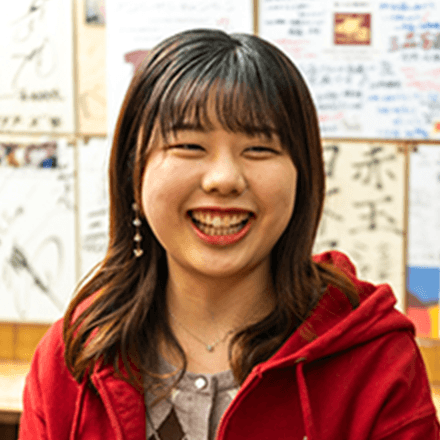
米田 菜々美
(よねだ・ななみ)
社会科学部4年。『早稲田ウィークリー』学生スタッフ。その他、キャンパスツアーガイド、早稲田祭運営スタッフなどを務めてきた。
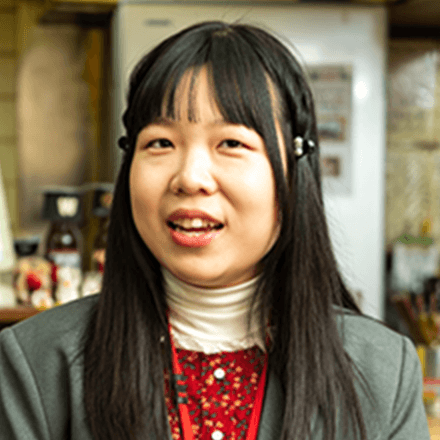
劉 真
(りゅう・じぇん)
文学部4年。中国・杭州から留学。文化心理学や神経科学を学びながら、ICC(異文化交流センター)にて学生スタッフとして活動。
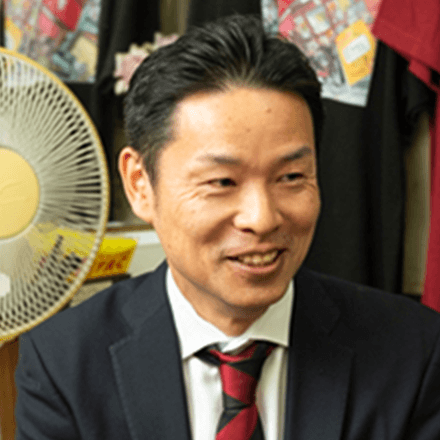
笹山 俊彦
(ささやま・としひこ)
2003年第一文学部卒業。早稲田大学応援部2002年度代表委員主将。2025年10月の創立150周年記念事業オープニングセレモニーでは総合演出を務めた。会社員。
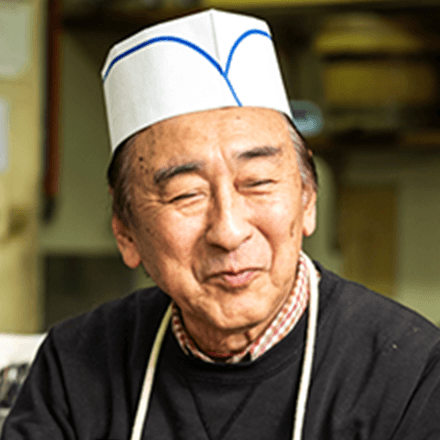
北上 昌夫
(きたかみ・まさお)
牛めし屋「三品食堂」店主。日本大学理工学部卒業後、会社員を経て現職。早稲田大学周辺商店連合会会長。早稲田生まれ早稲田育ち。


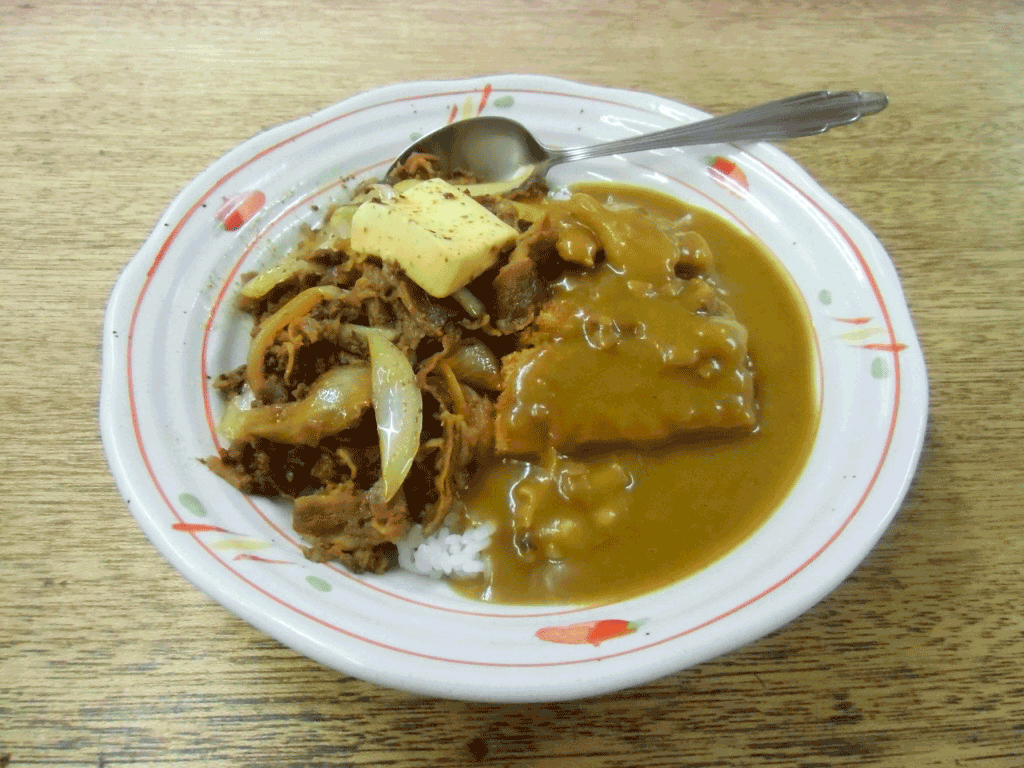
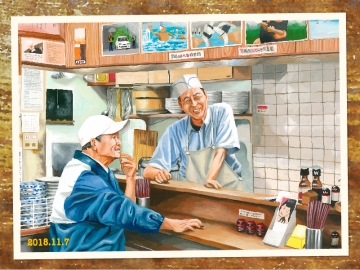
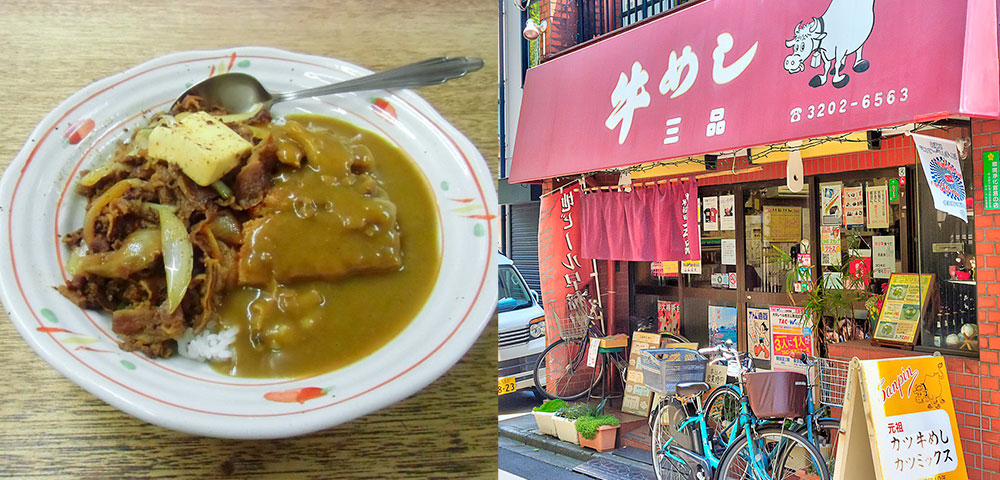
北上さんが営む牛めし屋。昭和40年の創業以来、長年にわたり早大生の胃袋を満たしてきた。(過去記事はこちら)
【住所】東京都新宿区西早稲田1-4-25
【TEL】03-3202-6563
【営業日時】月〜土曜日 11:30〜14:00
【定休日】日曜日・祝日、第2・4・5土曜日、早稲田大学の休暇期間中



早稲田キャンパス西門近く、2025年に創業60周年を迎えた「三品食堂」。この日、店を訪れたのは、現役生・校友(卒業生)の3人だ。店主・北上昌夫さんを交え、それぞれが自らの早稲田愛を語り始めた。
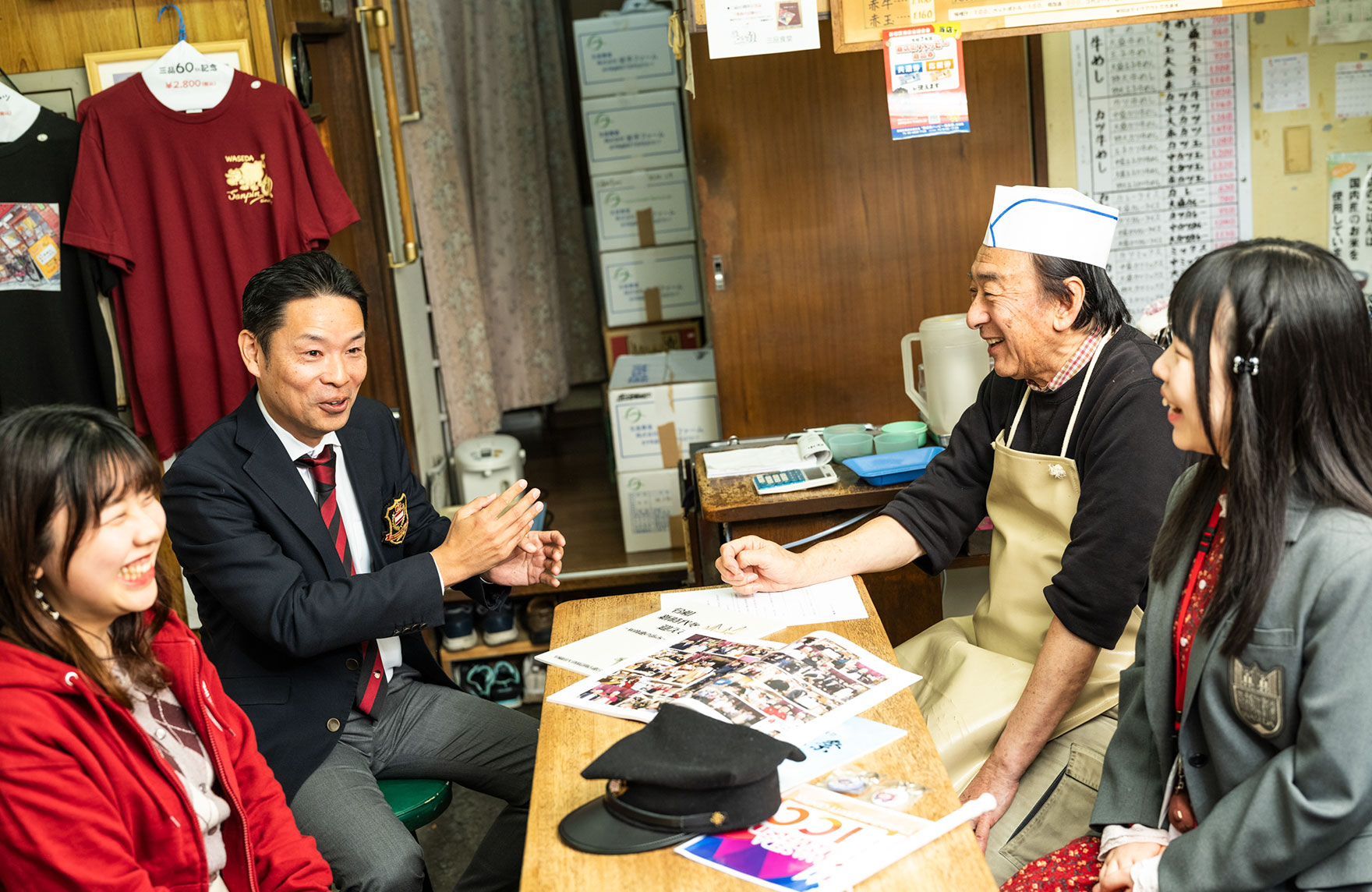
撮影=「三品食堂」

早稲田に入学したのは、“一目ぼれ”が理由。高校生の時に参加したキャンパスツアーで、雑多で開放的なキャンパス、そびえ立つ大隈記念講堂が忘れられず、一度は別の大学に進学しましたが受験し直して入学したんです。大隈記念講堂をスマホの待ち受け画面にしていたほど、当時早稲田は憧れの存在でした。
私は中国出身で、海外の大学へ行きたいと考えていました。世界中の大学を比較する中、ベストだと選んだのが早稲田です。学習環境が充実している点に加え、グローバルな雰囲気、留学生に対するサポートの手厚さに感銘を受けました。
バンカラ(※)な雰囲気に憧れて早稲田に入学したのは、今から27年前。在学中は応援部で主将を務めていました。卒業後も早稲田愛は止まらず、早稲田の歴史や文化を個人的に研究しています。最近は早稲田の特産品として新しい飲料を開発しようと、仕事の合間に活動し始めました。
※明治以降に流行した、粗野さや野蛮さを美徳とするスタイルや風潮のこと。西洋風の洗練された「ハイカラ」に対するアンチテーゼとして生まれた。
生まれ育った早稲田の街とは、切っても切れない関係です。会社員を辞めて親から店を引き継いだのが、1990年のこと。以来、食堂一筋で、さまざまな学生と関わってきました。七つの商店会と古書組合の八つの団体から成る「早稲田大学周辺商店連合会」では会長を務め、大学とも年2回の懇談会を行っています。
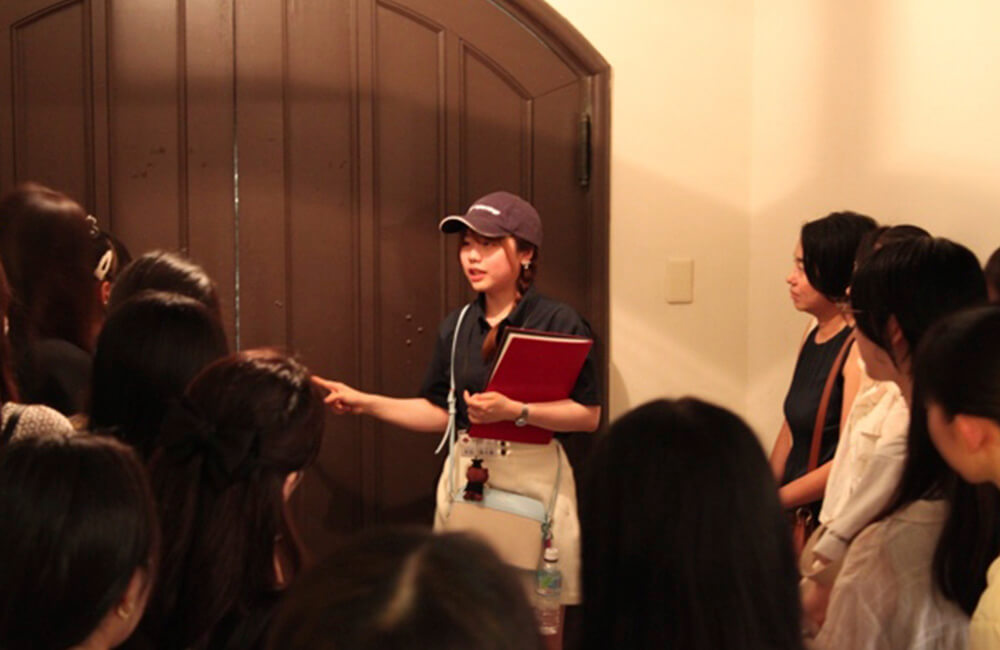
キャンパスツアーで早稲田を好きになった米田さんは、入学後にキャンパスツアーガイドとしても活動。早稲田の魅力を発信する側となった
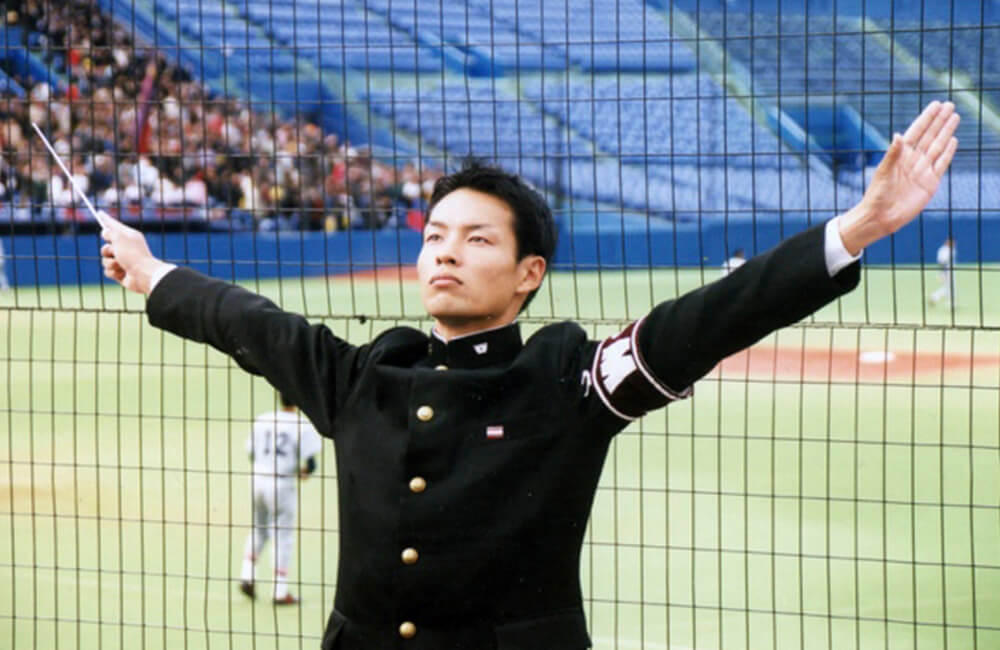
入学式での応援パフォーマンスに心を打たれた笹山さんは、応援部に入部。4年生時には主将を務め、部員たちをけん引する存在に


「雑多」「グローバル」「バンカラ」など、4人の口から出る独特の校風。一方で「早稲田らしさ」を問われると、つかみどころがない部分も多い。早稲田とは一体、どんな大学なのだろうか。

早稲田に来て強烈に感じたのは、“カオス”です。学生がメガホンで自身の考えを主張したり、そこかしこに立て看板があったりと、キャンパスは自由奔放な空気で満ちている。戦没者の遺骨を集めるボランティア活動をするためにパプアニューギニアへ行く人や、マレーシアでラマダンをする人など、独特な活動をしている先輩にも出会いました。
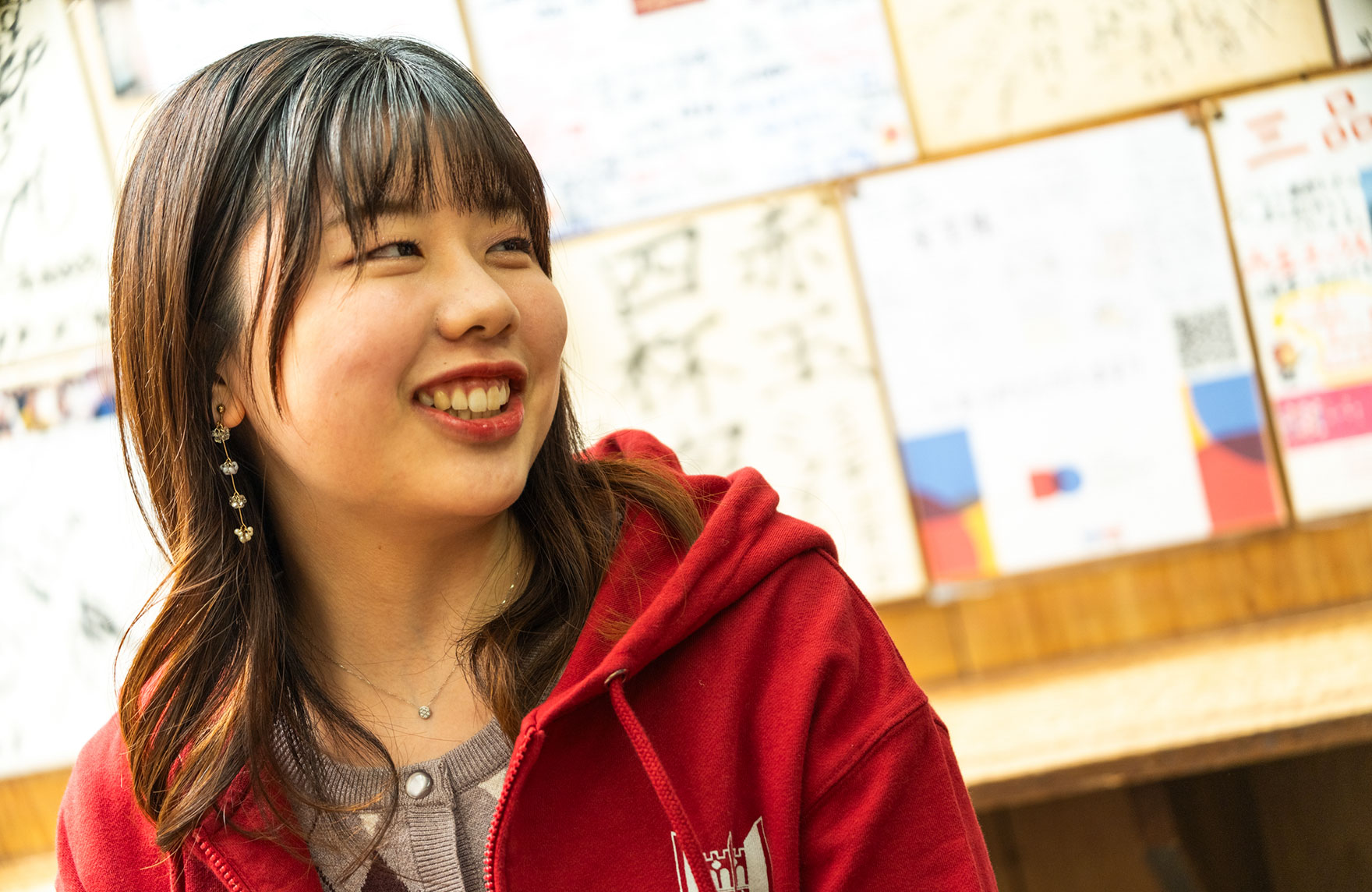

何げない日常会話で突然、「私、33号館のエレベーターの匂いが好き」と言い出す子がいて、「なんて不思議な感性なの!?」と思ったこともありました。でも今となっては、個性豊かな学生と接しすぎて、何を聞いても驚きません(笑)。
1980年代にピンクの学ランで登校していた大阪太郎さん、10年も大学にいたらしい芸人のチベット太郎さんなど、昔から謎めいた学生は多かった。実直で真面目そうな応援部の学生がお笑い芸人になったりと、卒業後のキャリアも独特だよね。
その方、私の1学年上の先輩です(笑)。現役時代は練習でも厳しい先輩でした。「俺、普通の会社じゃ駄目だ」と、吉本興業に入ったそうです。
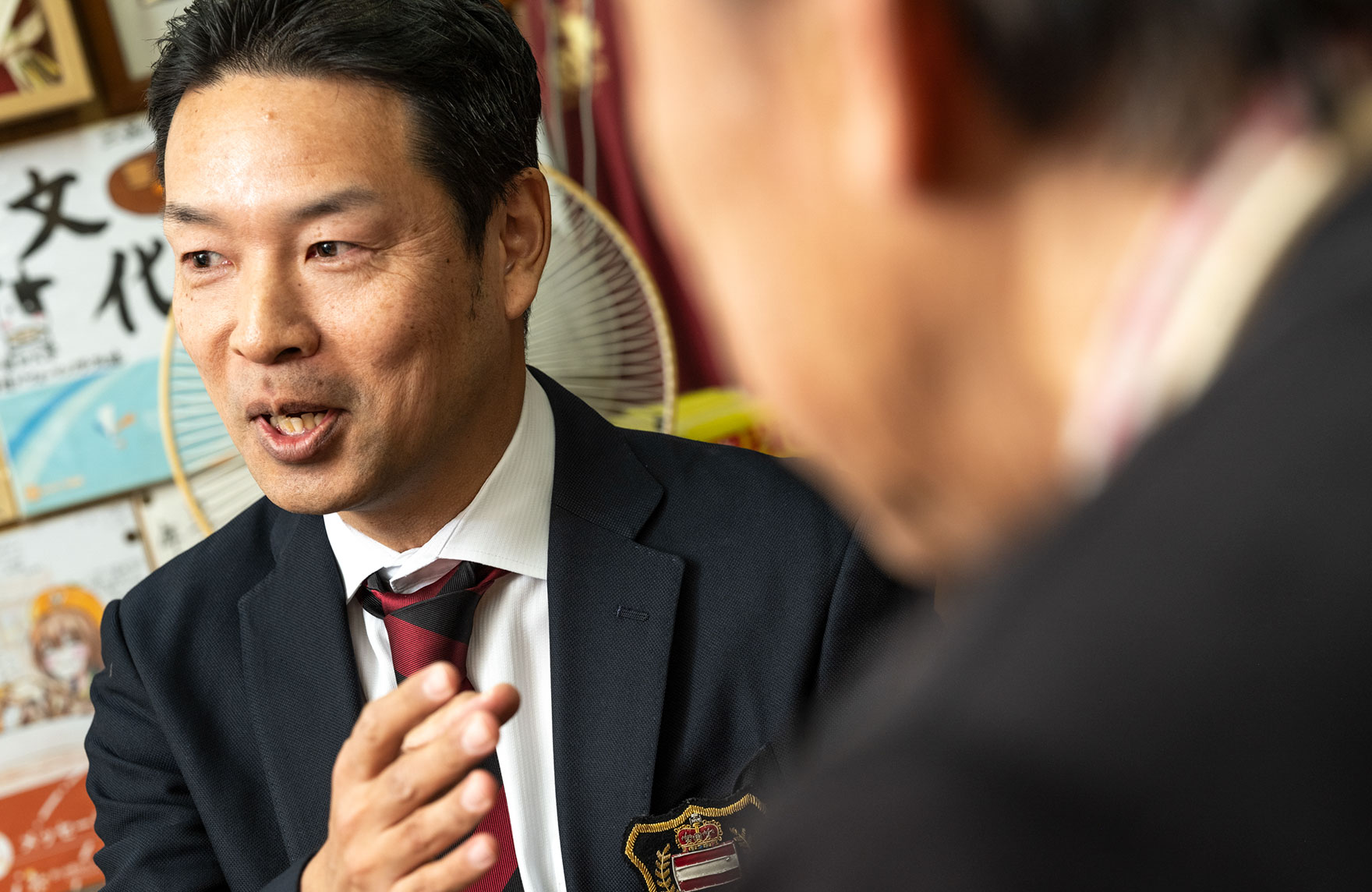
現在、応援部のコーチを務める笹山さんは、現役生とのつながりも強い。三品食堂にも頻繁に通い、北上さんとも長い付き合いとなる
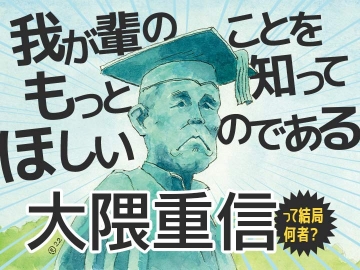
大隈さんを尊敬するあまり、命日には必ず墓参りし、自宅に祭壇まで作っているという先輩にも出会いました。
その子も知り合いなんだけど、いわゆる「早稲田バカ」ってやつですね(笑)。「角帽」が好き過ぎて、友人に次々と買わせていると聞いて驚きました。
私も買いました! 早稲田キャンパスの東門を出た所にある「記念ペナント オギワラ」さんで、角帽の歴史の話を聞いて購入したので、思い出深いです。
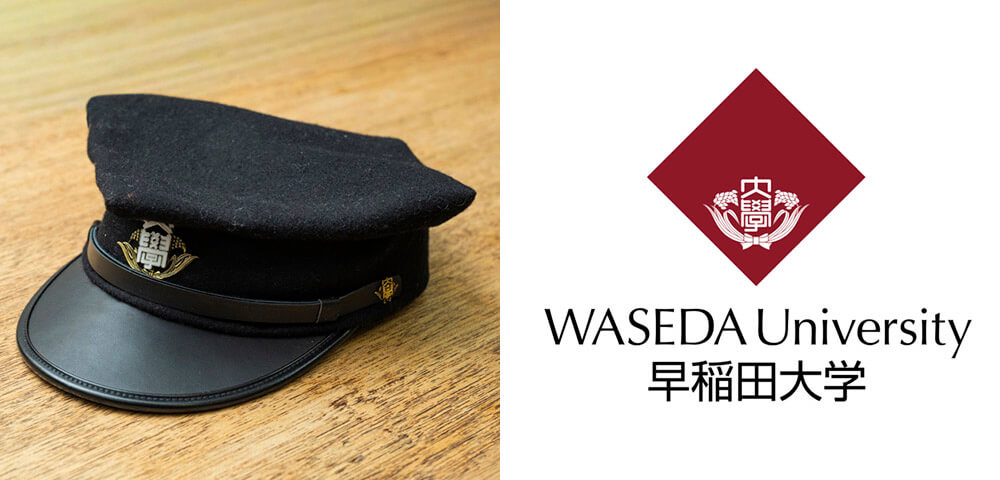
1960年代ごろまでは、大学生は私服ではなく学生服を着ていたんです。その際にかぶったのが、「角帽」。しかし現在、角帽をかぶる学生は激減し、販売する店もオギワラさんだけになってしまった。なんとか消滅だけは避けたいと「角帽復活プロジェクト」を立ち上げ、クラウドファンディングで資金を調達しながら、製造ルートの整備に尽力してきました。


かつての制帽。早稲田大学のシンボルマークのひし形も、角帽の形状が基になっている。大学周辺には角帽の販売店が多かったが、現在は需要減少と作り手の高齢化により、存続の危機にひんしている。



公認サークルだけで約500もある早稲田大学は、課外活動も魅力ですよね。一つのことに夢中になれる環境がそろっています。
私は「早稲田祭運営スタッフ」の活動に熱中しました。毎年約20万人が来場する早稲田祭は、学生の情熱を凝縮したようなイベントです。企画をゼロから立ち上げるチームに所属し、「早稲田スポーツ魂」という体育各部に協力してもらうコンテンツを担当。100人以上の学生と関わり、みんなが演目の細部まで真摯(しんし)に向き合ってくれる姿を見て、「夢中の渦を作り出せるんだ!」と、熱い気持ちになりました。
早稲田祭って、海外でも知られているんですよ。早大生が制作したPVを外国人が見て、「アニメや漫画に描かれた青春が、そのまま現実になっている」と、衝撃を受けるんです。私自身も、中国では一般的ではない応援部の独特なパフォーマンスに感動したのを覚えています。

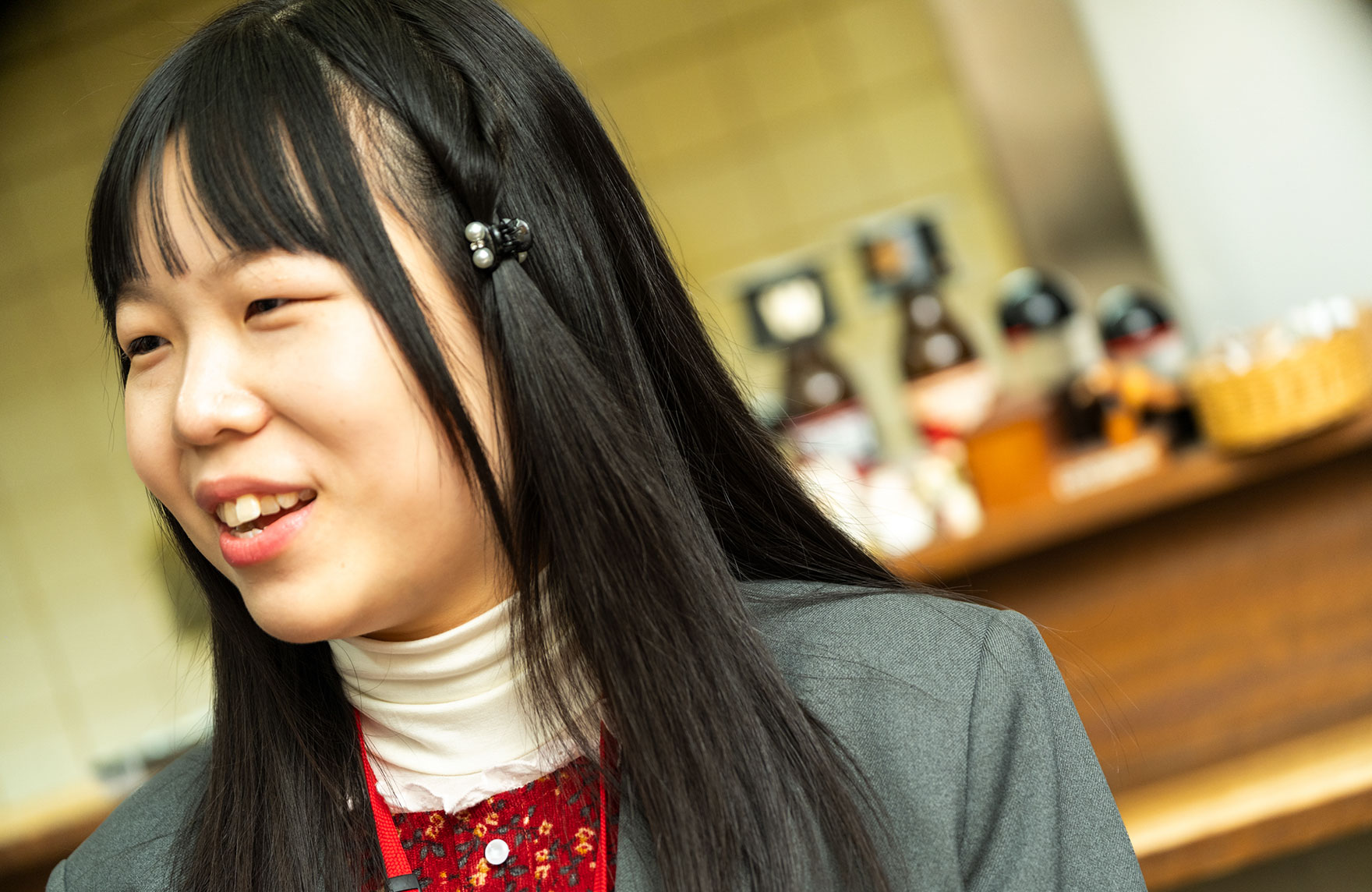
日本のアニメや声優文化にも関心がある劉さんは、コンテンツ業界で多くの卒業生が活躍することも、早稲田大学を身近に感じる一つの要因となったという
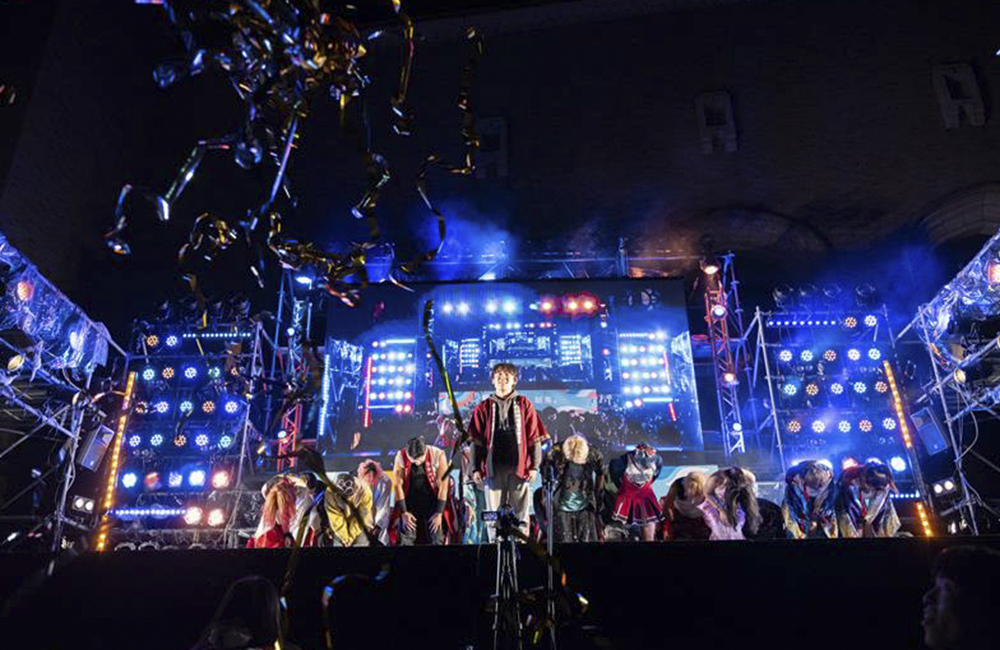
それはうれしい。私が入学した時代は、早稲田祭は休止状態でした。不明瞭な決算など、実行委員会の運営体制が問題視されていたんです。関わっていたサークルの先輩が、「少し前まで、早稲田祭では芸能人を呼ぶイベントもあったんだぜ」と自慢しながら、寂しげな顔を見せたのが忘れられません。その後、4年生の時に復活した早稲田祭のエンディングステージで、応援部員として校歌の指揮を執りました。大隈記念講堂前の特設ステージ、見渡す限り埋め尽くされた学生や来場者の前で、「諸君、祭りはこれからだ!」と叫んだ瞬間は、在学中の最高の思い出の一つです。


学生が主体となり運営する、年に1度の早稲田文化の祭典。2日間で約450もの企画を実施する(2025年度)。えんじ色の法被を着て企画・運営を担うのが、早稲田祭運営スタッフ。例年約650人で運営を担っている。
11/1、2は早稲田祭と理工展へ! 注目企画とスタッフの裏側を紹介(『早稲田ウィークリー』2025年10月公開)
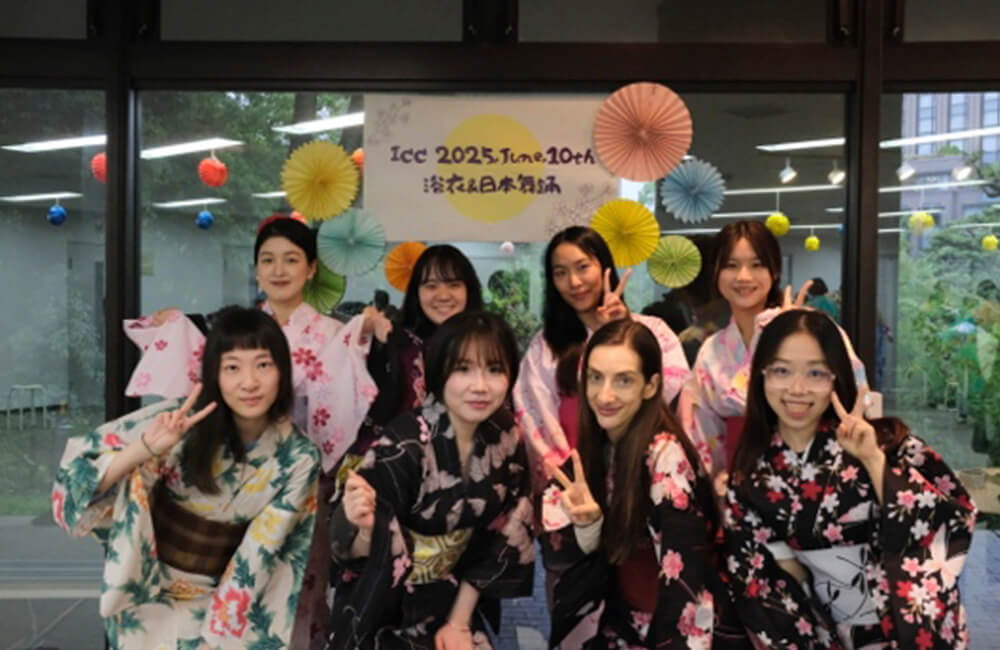
私が取り組んでいるのは、「ICC(異文化交流センター)」の学生スタッフの活動です。せっかく早稲田というグローバルな環境にいても、授業中だけだと留学生と交流する機会には限りがあります。気軽に訪問でき、ランチをしているだけで隣の席に外国人が座っているのがICCです。イベントも多数企画しており、さまざまな異文化交流を体験できます。
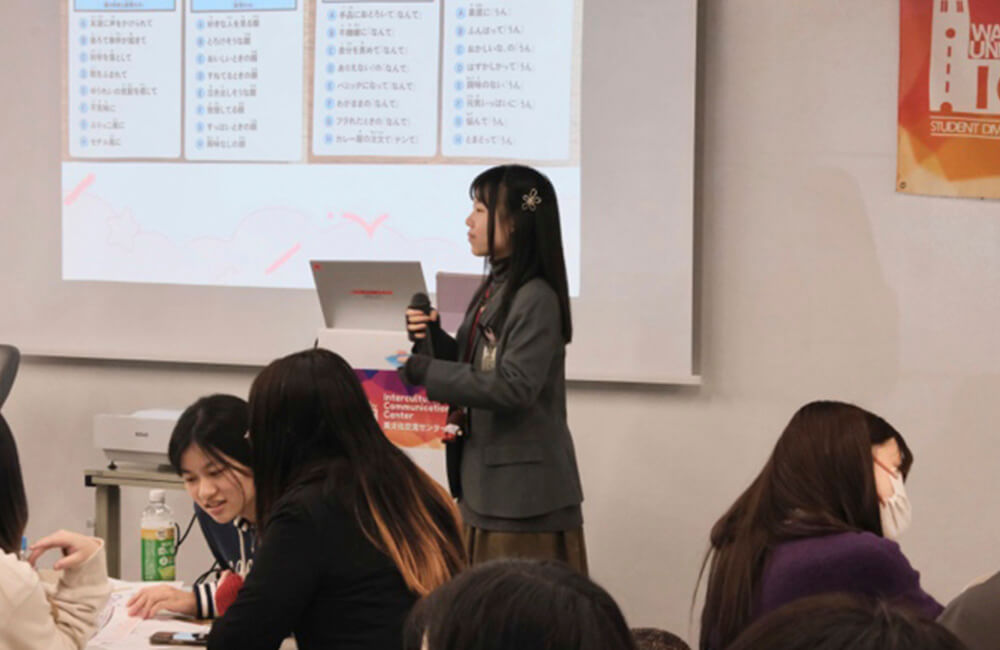
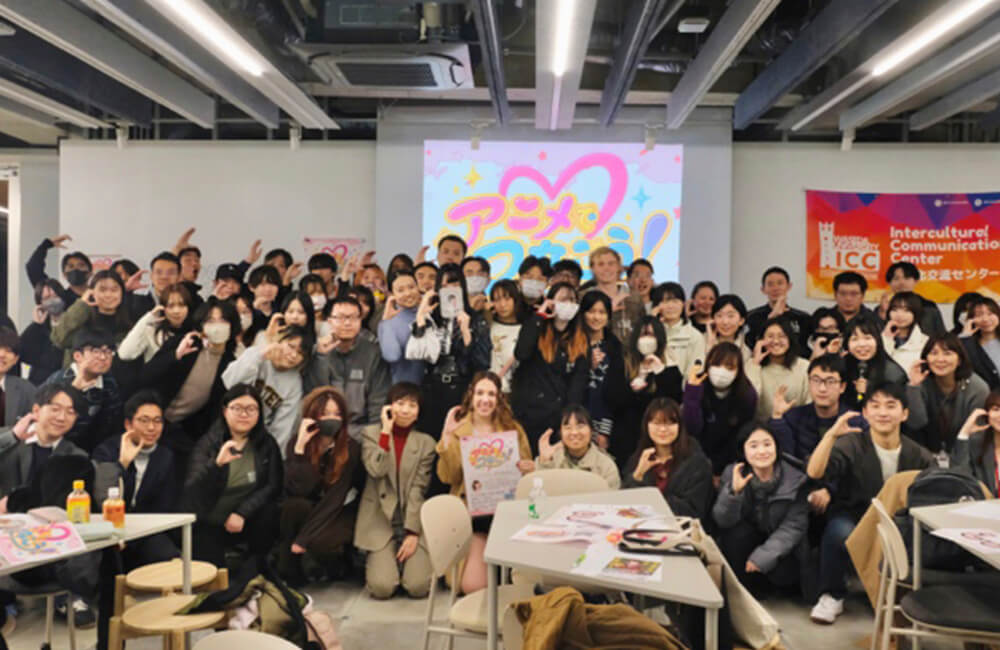
ICCでは、よさこいや生け花など日本古来の文化を体験的に伝える企画に携わった他、アニメをテーマにした異文化交流イベント「アニメでつなごう!」の企画・運営も担当
三品食堂のお客さんも、外国人留学生が増えました。お昼時は「ここって本当に日本?」と感じるくらい、外国語が飛び交うことも。最近も中国の留学生が牛めしを気に入って、頻繁に食べに来てくれるようになりました。
グルメに厳しい中国人も足しげく通うくらい、早稲田にはおいしいお店が本当に多いと感じます。ICCでは大学周辺の文化財や史跡を巡るイベントも行っていますが、歴史や美術を感じられる地域であることも、早稲田の素晴らしさだと思います。


Intercultural Communication Center(異文化交流センター)。異文化交流の充実を図るために設立した拠点施設。学生が主体となり、年間約200のさまざまなイベントを企画・運営している。早稲田キャンパス3号館1階のラウンジは、いつでも気軽に訪問可能。



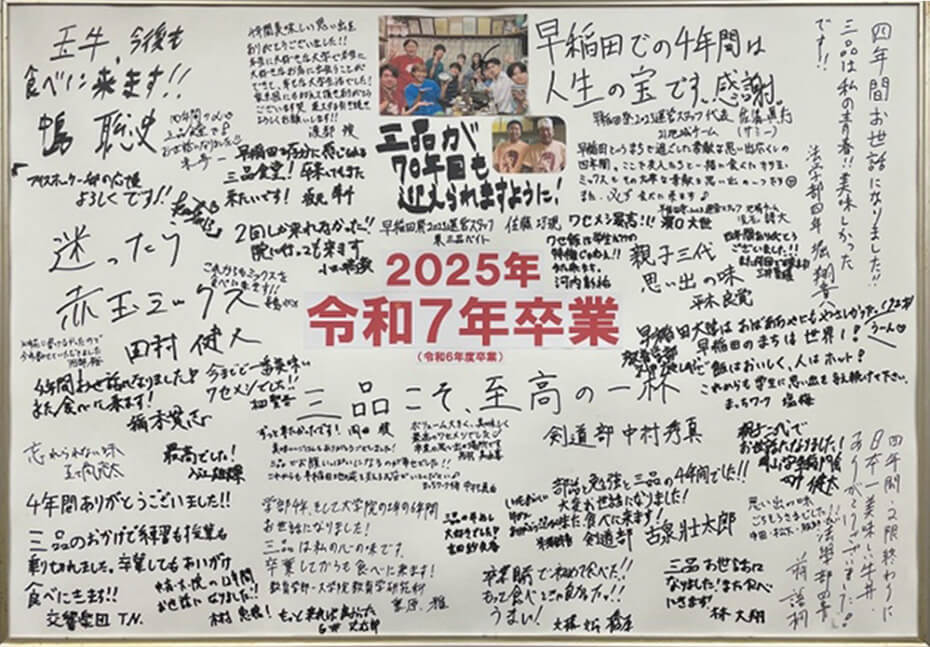
歴史ある早稲田の街ですが、コロナ・パンデミックの時期は危機にひんしていました。授業がオンライン化して、誰も街を歩かなくなったんです。そこで立ち上がってくれたのが、街の様子をテレビで見て心配した卒業生。「お世話になった街を助けたい」と、商店街の商品を販売するECサイトを立ち上げ、応援しながら売り上げを生み出す仕組みを作ってくれたんです。それでなんとか危機を乗り越えられたのですが、これぞ「早稲田愛」と言えるでしょう。本当にうれしかったです。
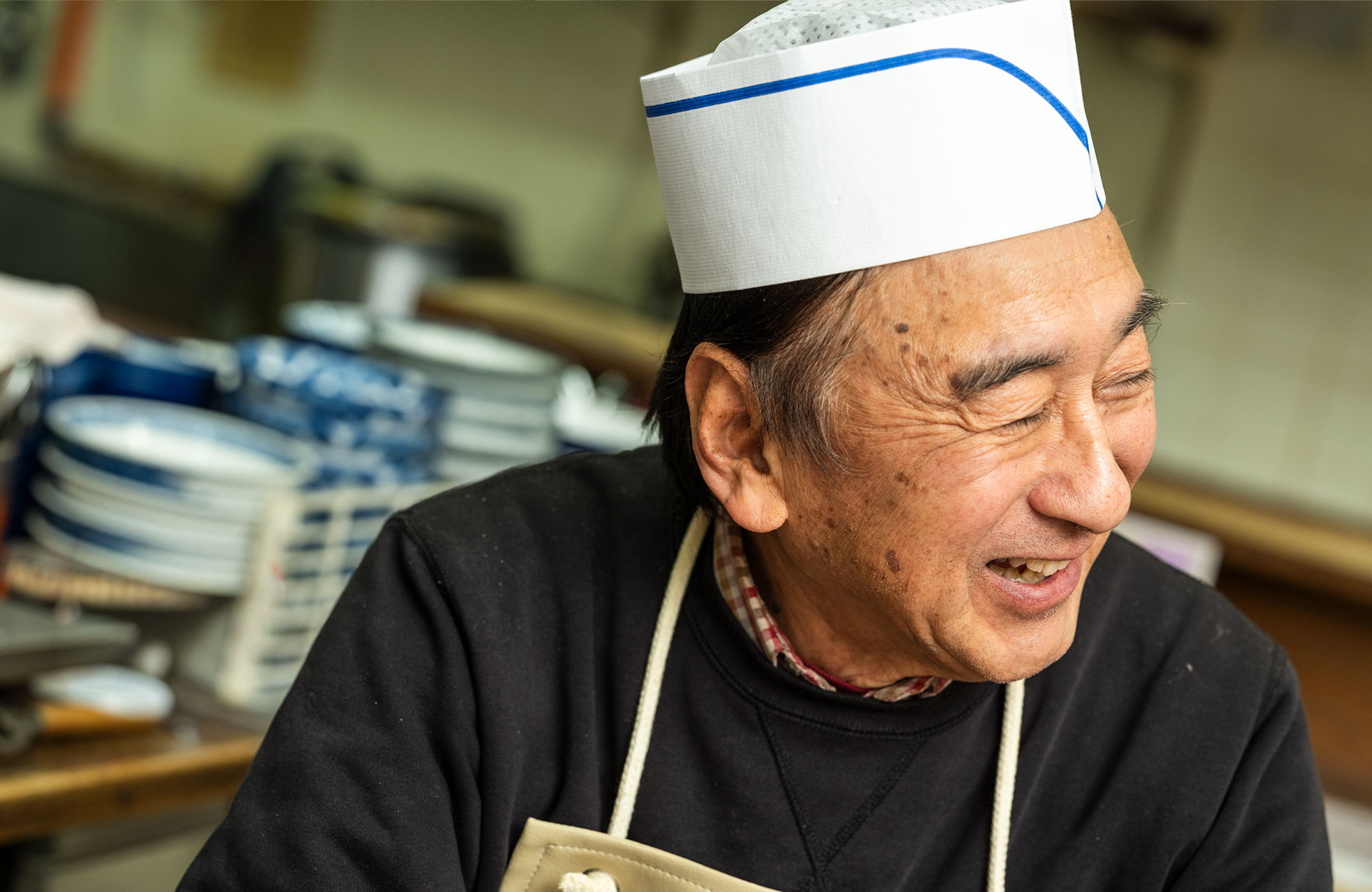
三品食堂では約30年にわたり、すぐ近くに道場がある剣道部の学生が店を手伝ってきた。多忙な先代を見かねた学生が皿洗いを手伝い、店主がお礼に昼食をごちそうしたのが始まりだったという

就職活動で卒業生を訪問すると、「ワセメシ」トークで盛り上がります。「三品食堂は今でも行く」と、社会人になっても早稲田文化が語られるのは、居場所のような学生街があったからですよね。
早稲田にある店って、学生が「ポスターを張りたい」と希望すれば、「はいよー」と受け入れるんですが、他の学生街では結構苦労するそうですよ。それだけ学生と地域の距離が近いのでしょう。


早稲田大学周辺のグルメ。長年愛される老舗、“油田”とも表される揚げ物や油そばなどの脂っこい料理や弁当の店、多彩な異国料理などが特徴。
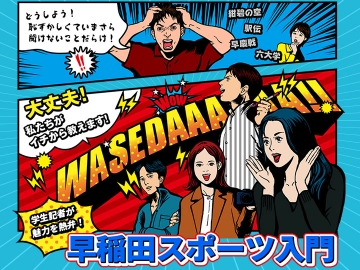
学生生活でいうと、「早稲田スポーツ」も欠かせません。箱根駅伝(競走部)やラグビー(ラグビー蹴球部)などの有名どころはもちろん、他のスポーツ観戦も楽しいです。春に隅田川で行われる「早慶レガッタ」(漕艇部)は、なかなか見られないボートの対決。ぜひ現場で観戦してほしいです。
野球部の早慶戦を見た時は感動しました。観客も多く、応援部の熱量には圧倒されましたし、みんなで校歌を歌う場面では「これが早稲田か!」と感じます。
伝統と誇りを背負って戦うのが、大学スポーツの醍醐味(だいごみ)。各大学の応援文化の違いも見どころです。とはいえ曲を知らない学生も多いと思いますが、ご安心を。まずは「早稲田〜早稲田〜」のフレーズだけ歌えれば大丈夫です!


早稲田大学には44もの体育各部がある。現場観戦で臨場感を味わえる他、戸山キャンパスの「早稲田スポーツミュージアム」では、その歴史に触れられる。
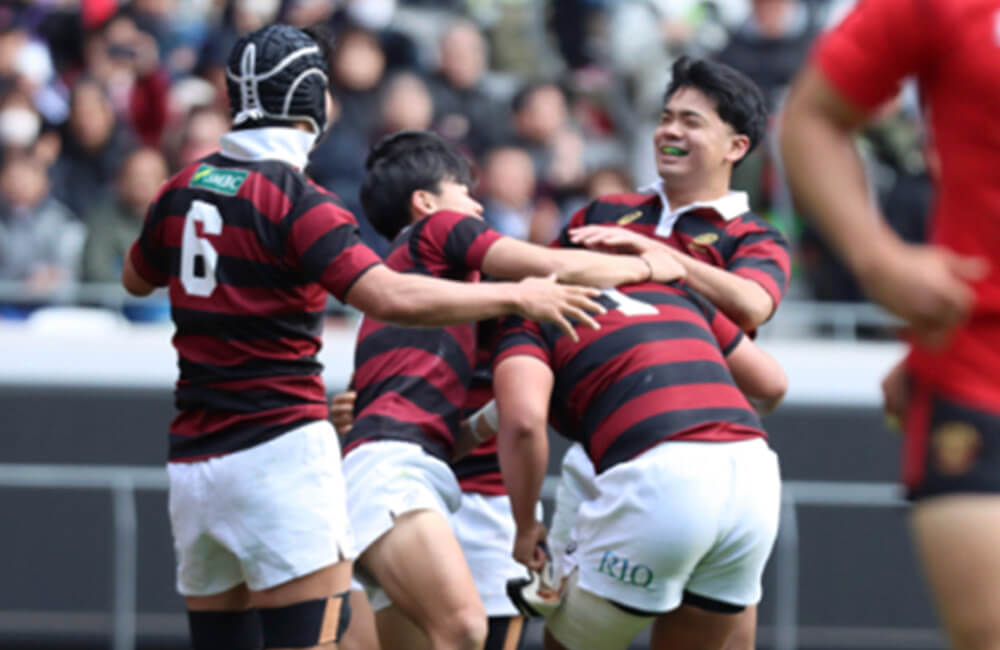


私たちにとって「早稲田」とは、一体どんな存在なのだろうか。『早稲田ウィークリー』読者モニターに実施したアンケートでは、実に多様な早稲田の魅力が語られていた。
では、4人の“早稲田人”たちの目には、「早稲田」はどう映っているのだろうか―。

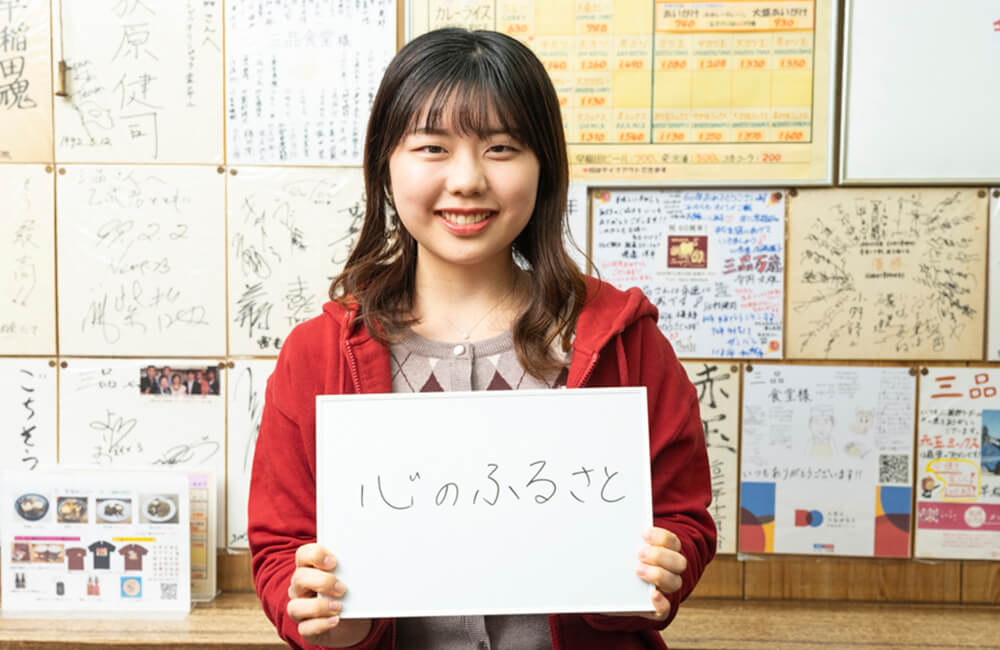

私にとって早稲田は「心のふるさと」。早稲田には、自分の居場所を作れるたくさんの可能性があり、みんなを温かく迎えてくれます。今でも、夕暮れ時に大隈銅像や大隈記念講堂の時計台を見ると、元気をもらえます。
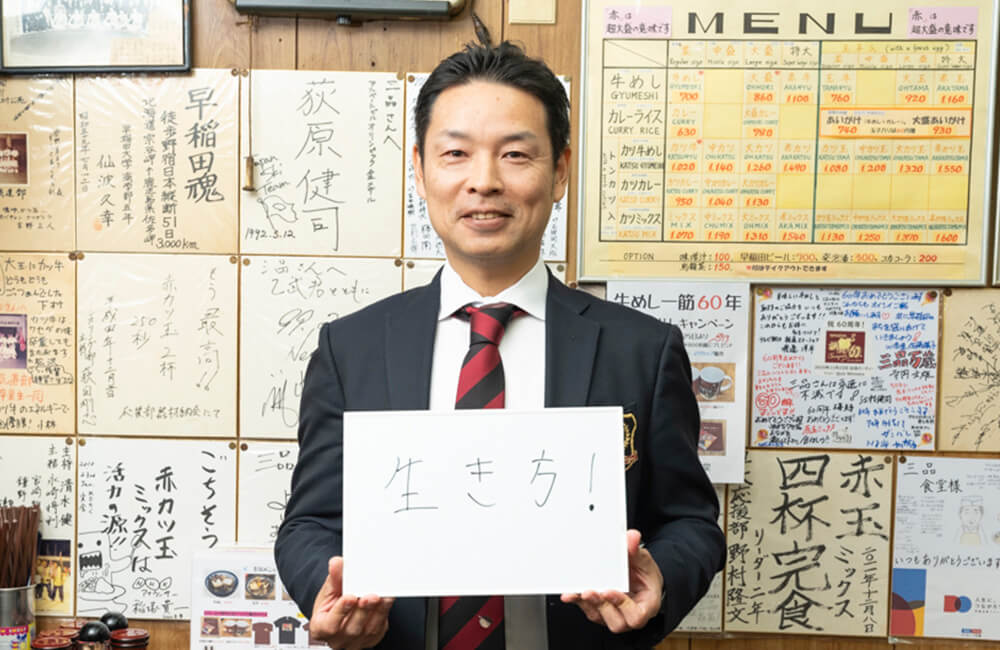
私にとっては「生き方!」です。大学生活は4年間ですが、身に付いた気概に終わりはありません。早稲田には「新しいものを生み出す」「他者を巻き込む」「反骨精神」など、卒業後の人生でも生き方の軸になるものがある。メジャーに染まらず、自分の生き方を貫く心構えは、早稲田が教えてくれました。
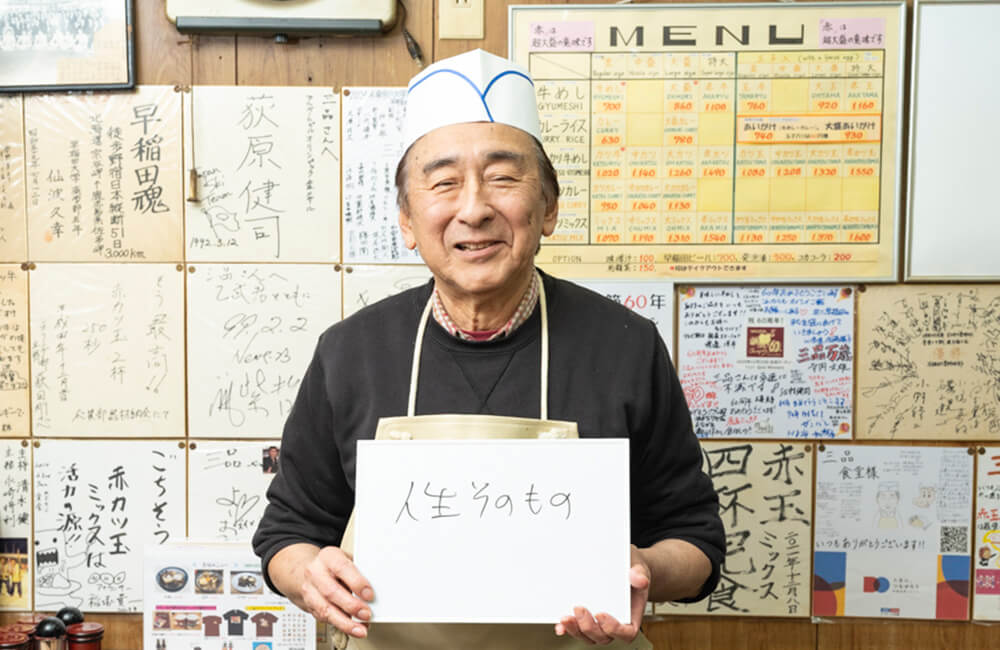
早稲田の校歌を子守歌代わりに育ち、43歳で脱サラして三品食堂を継いだ私にとって、早稲田は「人生そのもの」です。顔なじみになった学生は、私の人生を彩ってくれました。この地に骨を埋めるつもりで、今後も頑張りたいですね。
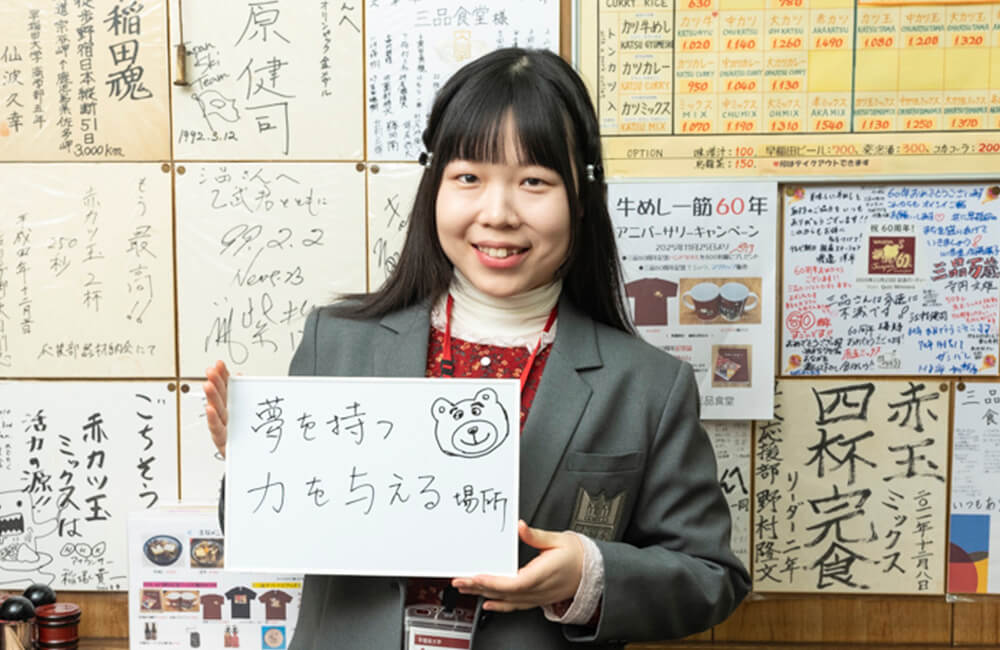
私にとっては「夢を持つ力を与える場所」。入学前の私は、「夢」という言葉を日本のアニメで学んだにもかかわらず、「かなえられないからこそ『夢』と呼ぶのであって、どうしてそれを実現しようとするの?」と、現実主義的な考えでした。周囲にもそうした人が多かったです。でも早稲田の学生は、夢を現実にしようと、自分の関心や信念に正直に向き合い頑張っています。他人の夢も否定せず、いつでも「じゃあ、こうしようよ」と親身になって考えてくれます。そんな早稲田で学生生活を過ごしたおかげで、私も夢を抱くことができました。
見方によってはマニアックな人でも、排除せずに包み込んでくれるのが早稲田。よく「個性的な人が集まる」と言われますが、本当は逆かもしれません。早稲田に入り、その雰囲気の中で、個性が磨かれていくのだと思います。
私も早稲田に入る前、何をやるにもちゅうちょする自分がいました。そんな自分を変えてくれたのは、失敗しても笑わない仲間たち。個性の出し方を教えてくれるのが、早稲田です。早大生にはぜひ、未知の領域に踏み出し、泥臭くあがきながら、自分の道を切り開いていってほしいです。
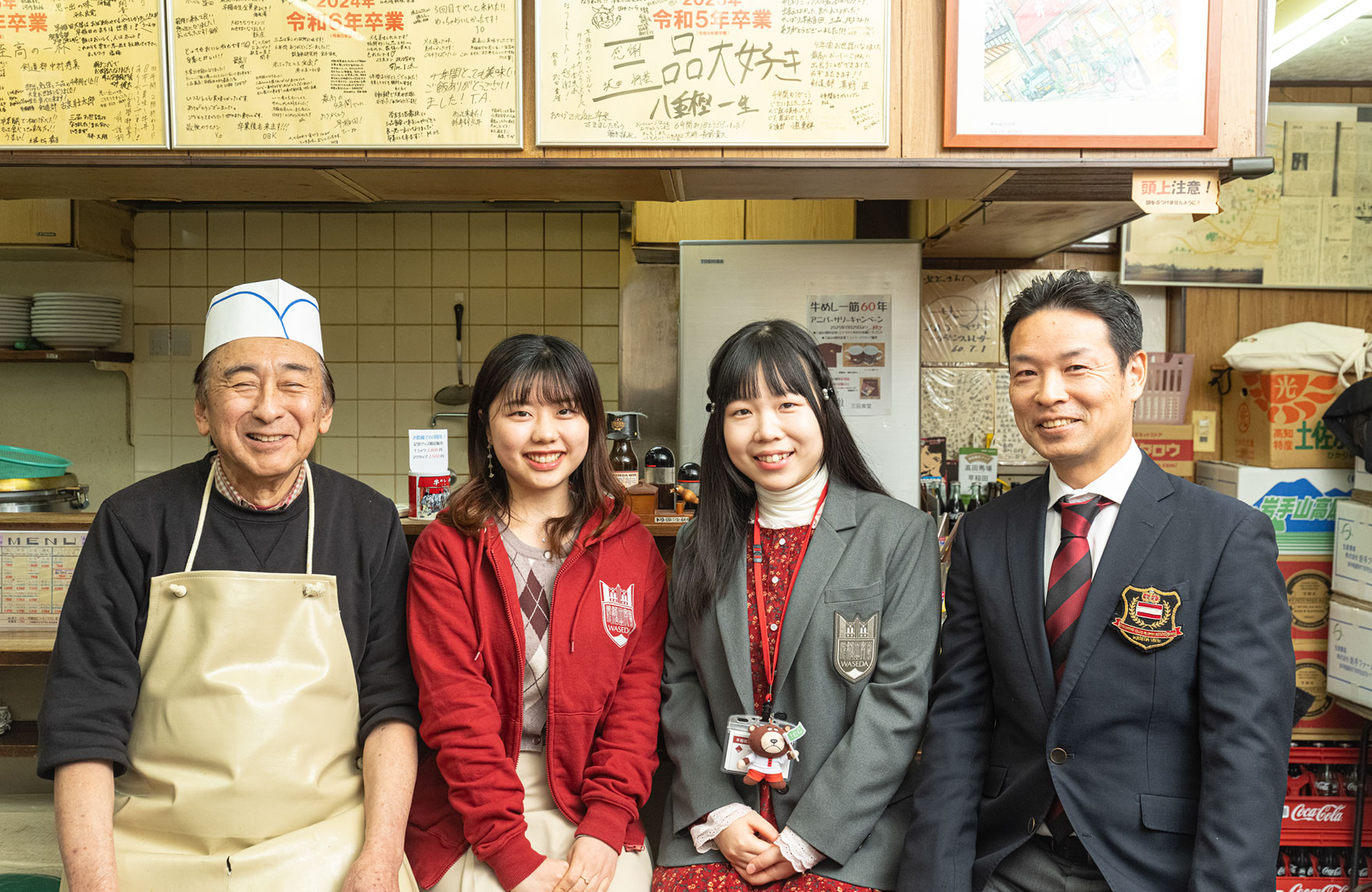




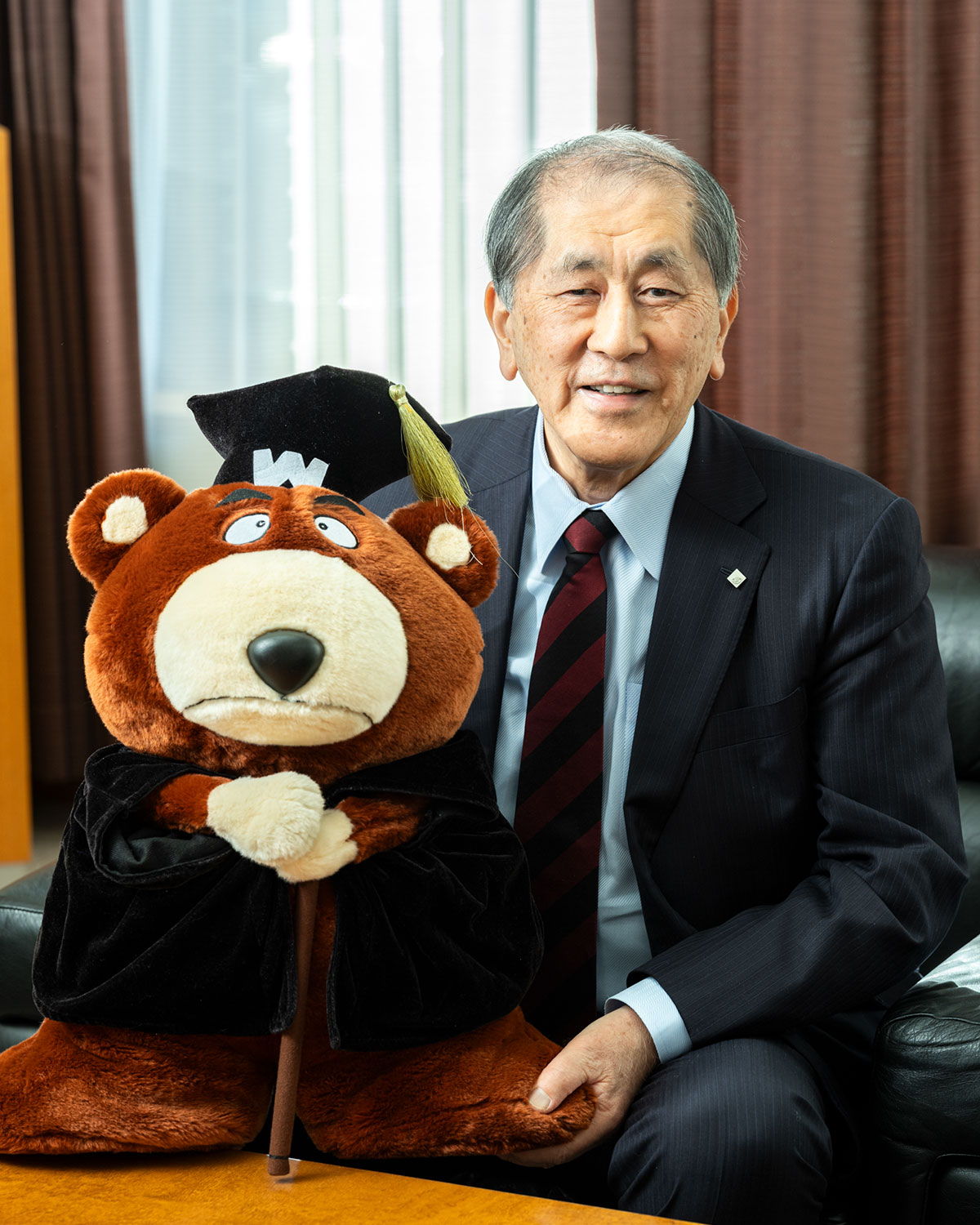
それぞれのスタイルで、ありのままに過ごせるのが、早稲田のキャンパスライフなのかもしれない。最後に、大学のリーダーである田中愛治総長にも、早稲田愛について聞いてみよう。
早稲田愛にあふれる、すてきな4人に語っていただきました。でも、学生の中には「早稲田に特別な愛情があるわけではない」「本当は第一志望ではなかった」という学生もいるかもしれません。
かくいう私も、実は第一志望は国立大学でした(笑)。入学当初は、「こんなにバンカラな泥臭い大学で…」と思ったのもつかの間。空手部に所属し、週6日で稽古する厳しい日々で、映画や合コンの誘いも断っていると、1年もたたないうちに、早稲田の泥臭さが好きになりました。
おそらく、“何かに打ち込む学生に敬意を払う”校風があったからです。成績がオールAで大手企業に就職するような学生だけでなく、スポーツでオリンピックに出場する学生、文学作品を読みふける学生、数学や物理に没頭する学生もいた。指人形だけで演劇をする、知らない世界を見せてくれた学生もいました。どんな学生でも互いに認め合っているからこそ、私にも居場所があったのです。
ダイバーシティーともいえる校風は、創立者・大隈重信の時代から培われていたのかもしれません。若い時、明治政府でバリバリの官僚だった大隈は、部下への厳しさを忠告された経験があったそうですが、総理大臣になるころには物腰の柔らかい人物になっていたそうです。人に会うことを重んじた大隈の下には、国内外の要人から新聞記者や支援者など、多くの人が頻繁に訪れたといわれます。学生の他、地域や職業の異なる人々とも対等に接した逸話も残り、葬儀には約30万人もの民衆が集まりました。
そういった歴史の中で、早稲田には全国各地や海外から学生が集まり、活躍してきました。今日のオープンな雰囲気も、その伝統を継承しているといえます。
現在、日本の経済界では企業のトップに早稲田の卒業生が数多く就任しています。彼らが口をそろえて言うのが、「早稲田の人材は組織のことを自分事として向かっていく」です。泥をかぶるような仕事になると、多くの人は言い訳を作って回避するのですが、早稲田の卒業生はそうではないんですね。ちゅうちょせず飛び込む人が多いので、周囲から頼られるのです。早稲田卒の経営者が多いのも、そうした積み重ねなのかもしれません。学外の人からも早稲田人が応援されるのであれば、私もうれしいです。
とはいえ、私が最も“早稲田愛”を実感するのは、早稲田卒の経営者が多いからだけではなく、校風や大隈の精神のみならず、学生の皆さんが頑張っている瞬間を目にした時です。例えば神宮球場で戦う野球部や、懸命に鼓舞する応援部、被災地に貢献しようと活動するボランティアスタッフ、早稲田祭の時にエレベーターで「何階ですか?」と声を掛けてくれる心優しい学生まで、“何かのため”“誰かのため”に頑張っている。そんな皆さんは、私にとってかけがえのない宝物です。
SHARE



FOLLOW