On December 17, at Okuma Garden Hall, the ICC (Intercultural Communication Center) held a fair-trade event. I decided to participate out of curiosity about the term “fair trade,” since it was the first time I had heard it. Little did I know that the ideas behind fair trade — and the actions it promotes — would resonate with aspects of my culture and life experience.
We began with some light conversation with the participants at our table. “I know a little about coffee, as a coffee lover myself, but not much about fair trade,” I shared. When the main presentation started, we were given access to an online tool that provided English translations for non-proficient Japanese speakers. It was an excellent addition by the ICC staff. I felt genuinely grateful and relieved, because I wanted to learn as much as possible from the talk.
The concept of fair trade was introduced as an equitable and sustainable approach to commerce — one that helps small producers in developing countries access better working conditions and fairer profits. The presenters walked us through the key principles behind fair trade, including the distinction between equality — where everyone receives the same — and equity — where each person receives what they need. To deepen our understanding, we watched videos and saw examples of working environments around the world. They highlighted how many beautiful products require long hours of labor, yet are often produced under precarious conditions.
Beyond their aesthetic appeal, many handmade items also reflected the craftsmanship and skill of their makers—for example, the intricate patterns on kurtas that are created by hand. Fair-trade food products often include photos of the farmers, a warm detail that puts a human face to the supply chain. It transforms the experience from simply purchasing goods to appreciating the people and effort behind them. Fair trade also emphasizes environmental care and preservation; some businesses run campaigns such as “plant one tree for each chocolate purchased.”
As a Honduran, these ideas did not feel entirely foreign. Growing up, I saw many handmade goods in local markets, where families in rural areas would sell clay pots and hammocks. I also value my country’s organic coffee and handmade textiles; to me, they are reflections of our culture. What I appreciated most about fair trade was its humanitarian approach, not commerce for its own sake, but commerce that recognizes human talent and dignity. This message was beautifully embodied by the invited guest, who wore an outfit made entirely from fair-trade-supported textiles. In my own case, I can say that a poncho made in my homeland carries more meaning than any jacket, especially when it protects me from the cold.
We were given chocolates and tea to try, and they were delicious. Overall, it was an educational and enjoyable experience that truly reflected the spirit of intercultural exchange and communication — living up to the ICC’s name. I would encourage everyone to join and try ICC events, since language barriers and prior knowledge are not obstacles at all.
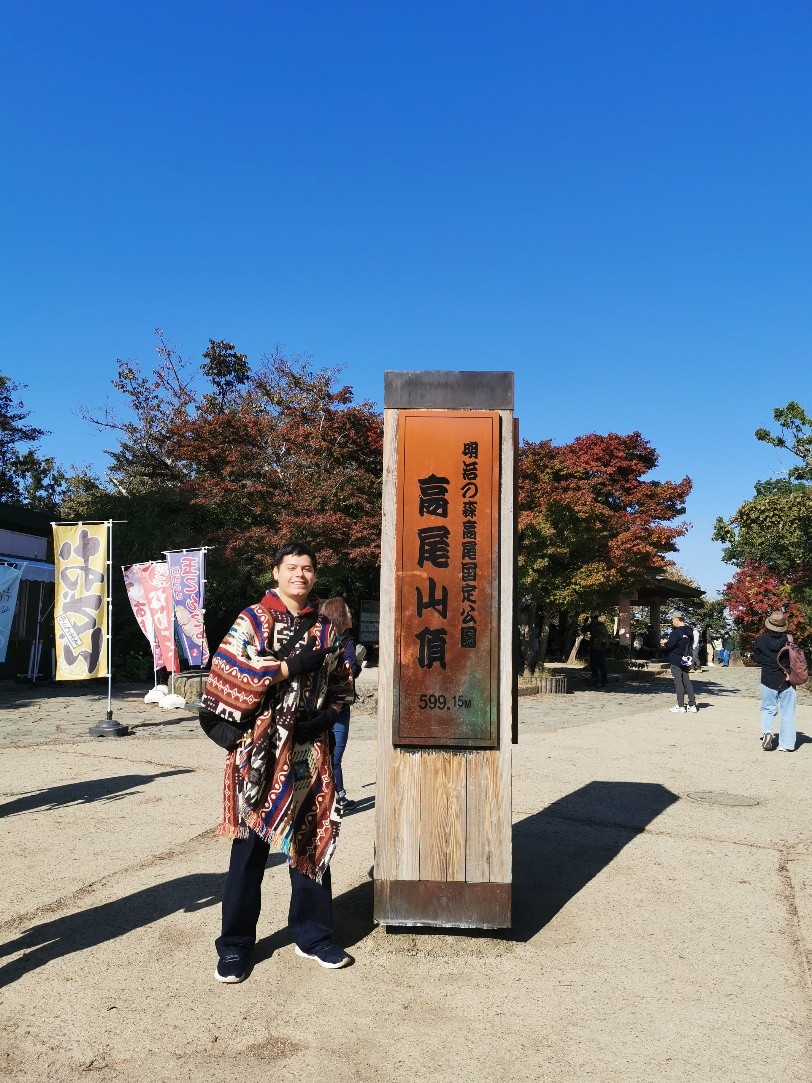
Photo by author