
The advancement of information and communication technologies has made it possible to handle a wide variety of data, which has led to the growing importance of data science in both society and every field of academia, spanning both science & engineering and the humanities. The integration of the “theory” and “data based evidence” that has been built up in each specialized field until today is expected to lead to new, pioneering academic inquiry and research.
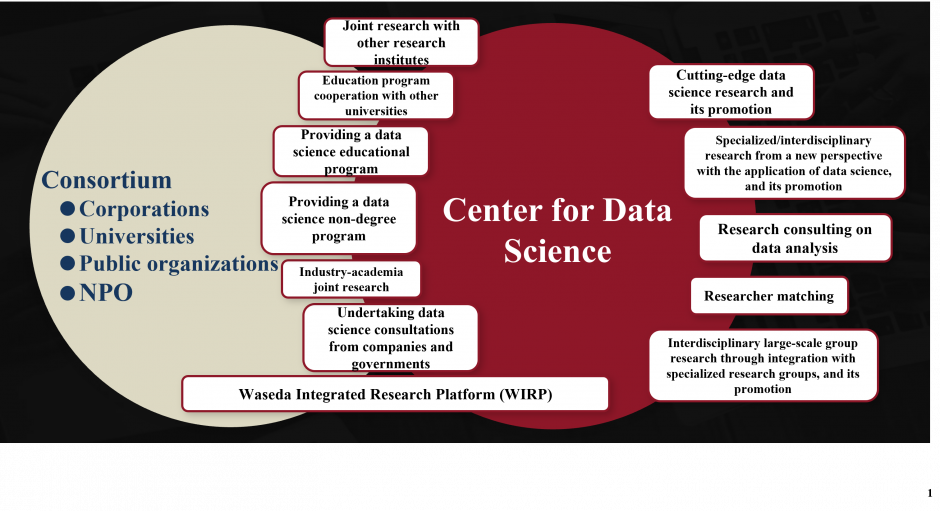
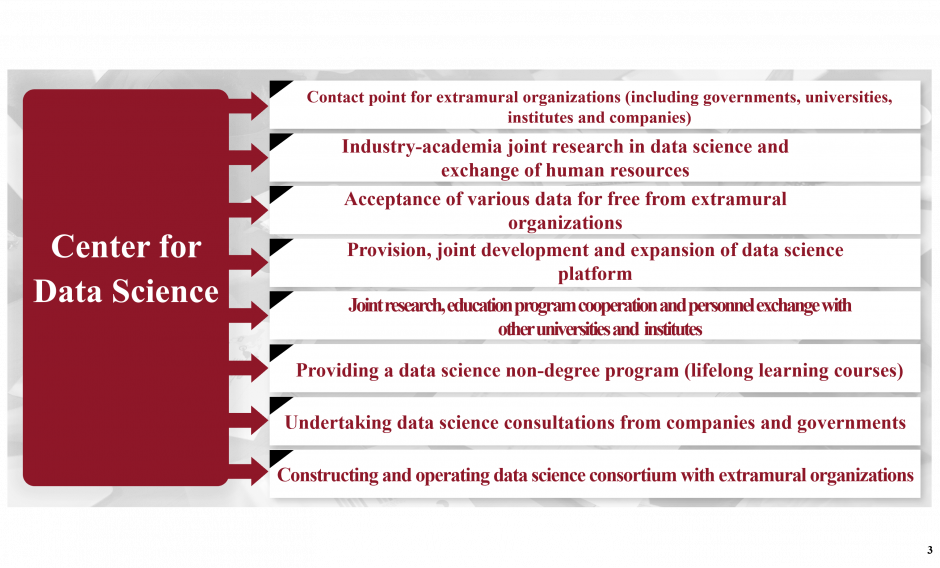
The Center for Data Science will integrate and create new knowledge, develop human resources who can contribute to the resolution of complex, global social issues, and enhance the overall research capabilities of Waseda University by utilizing the full strength of our comprehensive private university to provide a platform that integrates the latest developments in data science with the knowledge built up across both science & engineering and the humanities. Additionally, the Center will form a large-scale network with both domestic and overseas universities and enterprises, and strive to disseminate practical education and state-of-the-art research as a global center for advanced research and education models.
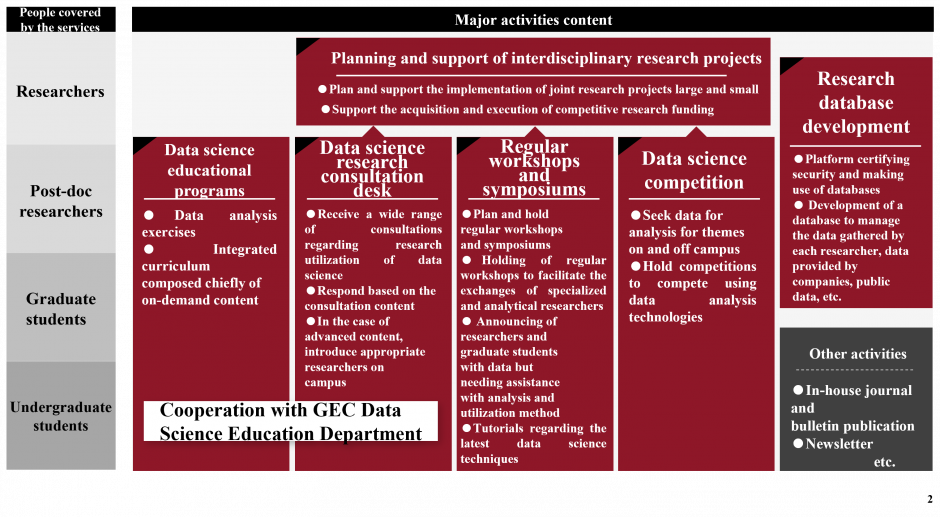
The Center for Data Science will engage in the below activities:
The advent of “AI” such as large language models requires us to think of data science in a broader sense than before. While data science traditionally refers to the overall framework for deriving models, theories, and insights from data and supporting decision making, I believe that we also need to take into account the social context in which data is generated. Two examples of social issues that require attention are provided below.
First, there is the circularity issue: “AI” consumes data, generates data, and then consumes the generated data again. There is a risk that errors and biases will be amplified through this process. For example, we should strive to prevent further marginalization of minorities along attributes such as gender and race.
Second, there is the issue of how humans and “AI” should share responsibility for creating ground-truth data. In “AI” tasks that require labelled data, human annotators are being partially or fully replaced by “AI.” If the two parties can share responsibilities appropriately, we will achieve both scalability and reliability. On the other hand, there is a dark side: for example, cases of worker exploitation have been reported, in which human labellers are required to handle harmful content in order to prevent “AI” from producing inappropriate outputs to end users.
The above discussion relates to the upstream stage of data science. However, the downstream stage also requires a panoramic and interdisciplinary approach. For example, suppose that we have concrete evidence based on data science techniques that there is a causal relationship between certain human lifestyles and global warming. If we do not make sufficient efforts to communicate such insights effectively and continuously to relevant parties, these insights will not be utilized, and we will not be able to mitigate global warming.
In summary, I advocate for “data science for social good with a global perspective.” Based on this standpoint, our center will foster data-driven research that integrates advanced data analysis skills with deep domain expertise, and we will help individuals acquire both. Thank you for your understanding and support.
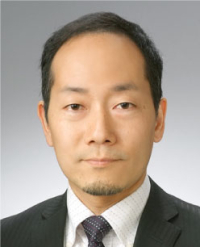
Tetsuya Sakai, Dean
Professor,
Faculty of Science and Engineering
Research Areas
・Information retrieval and access
・Natural language processing
・Human computer interaction
・Social good
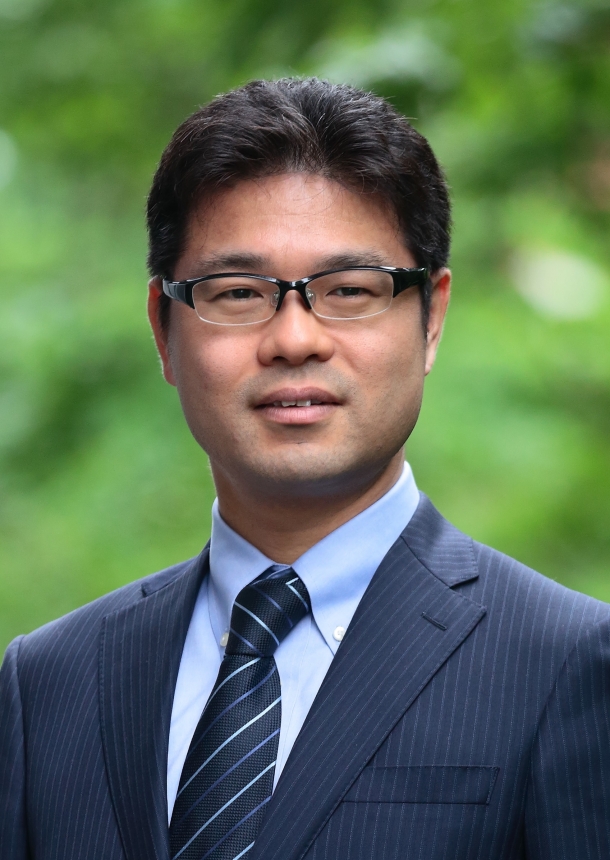
Professor,
Center for Data Science
Research Areas
・Statistical Learning Theory
・Machine Learning
・Coding Theory
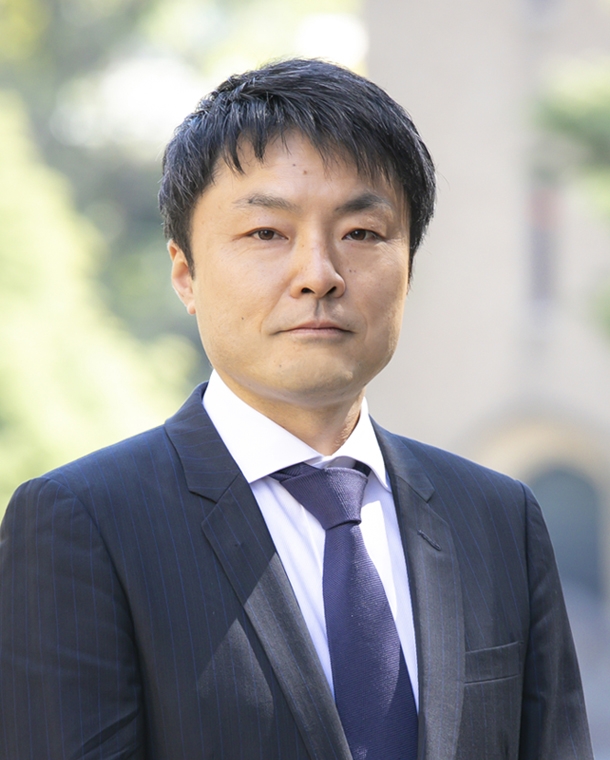
Professor,
Center for Data Science
Research Areas
・Information Theory
・Statistical Science
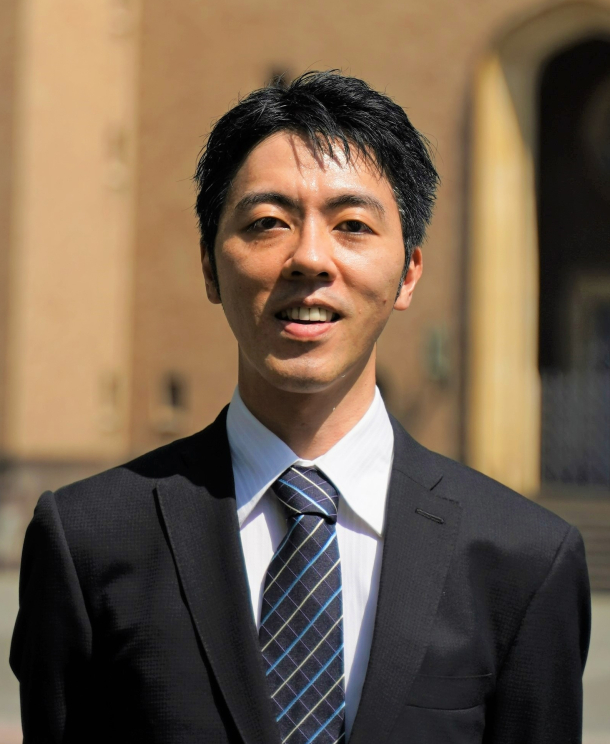
Associate Professor,
Center for Data Science
Research Areas
・Information theory
・Coding theory
・Statistical science
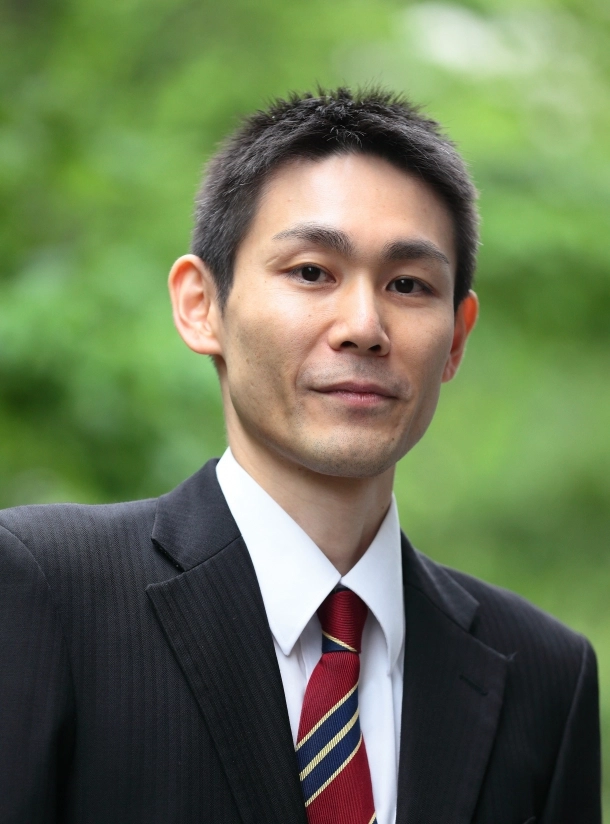
Associate Professor,
Center for Data Science
Research Areas
・Statistical Learning Theory
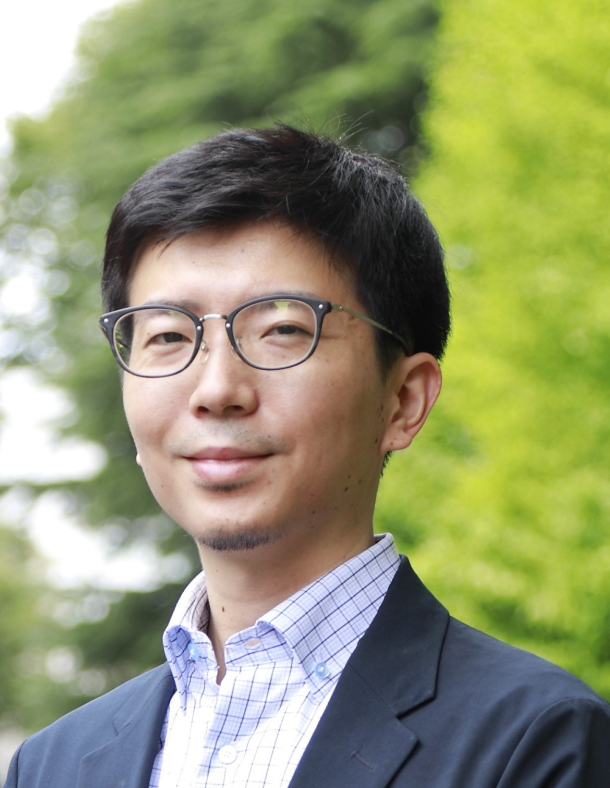
Associate Professor,
Center for Data Science
Research Areas
・Material Science
・Crystal Chemistry
・Materials Informatics
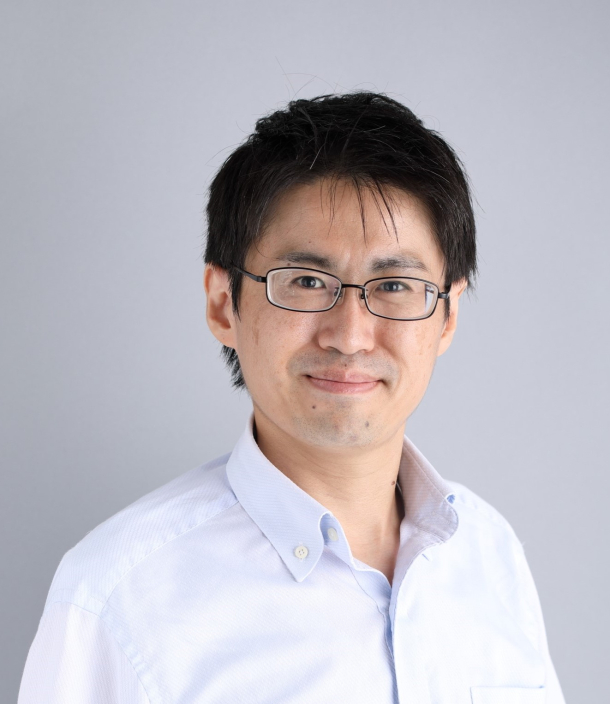
Associate Professor,
Center for Data Science
Research Areas
・Medical Statistics
・Pharmacoepidemiology
・Statistical Causal Inference
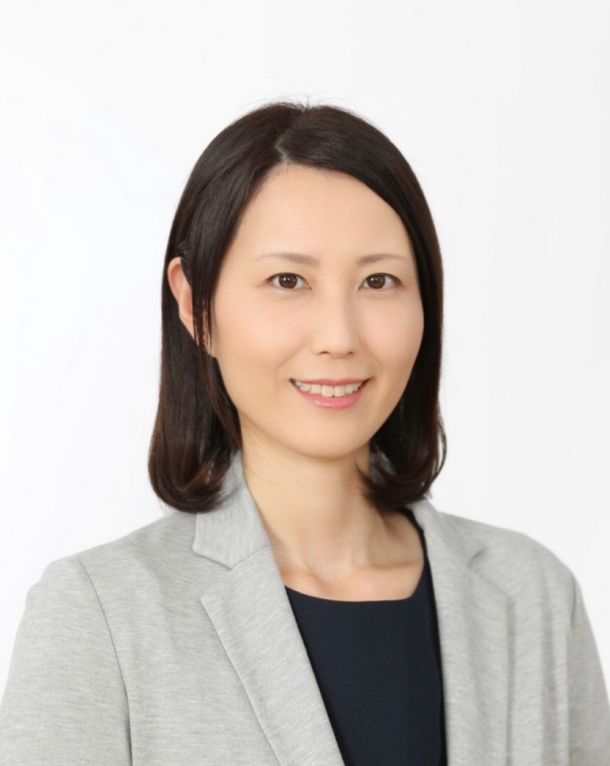
Associate Professor,
Center for Data Science
Research Areas
・Education Technology
・Instructional Design
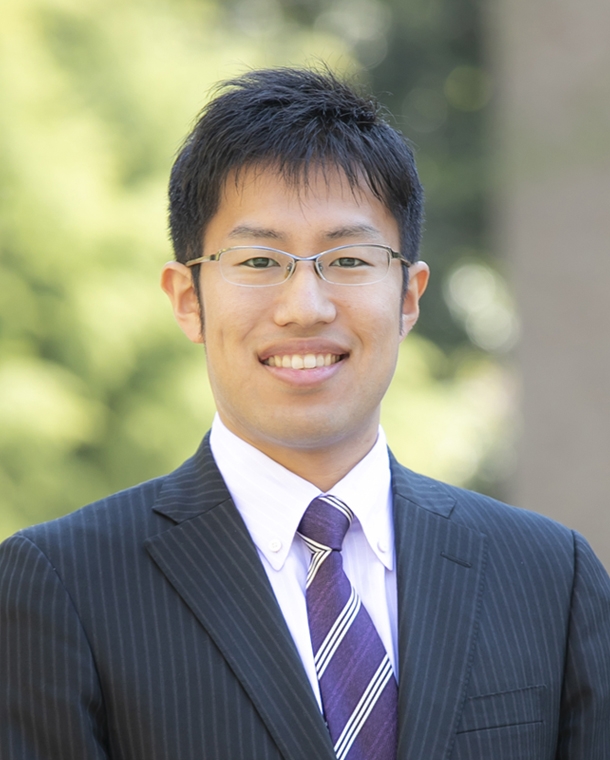
Assistant Professor,
Center for Data Science
Research Areas
・Information theory
・Error correcting codes
・Lossless image compression
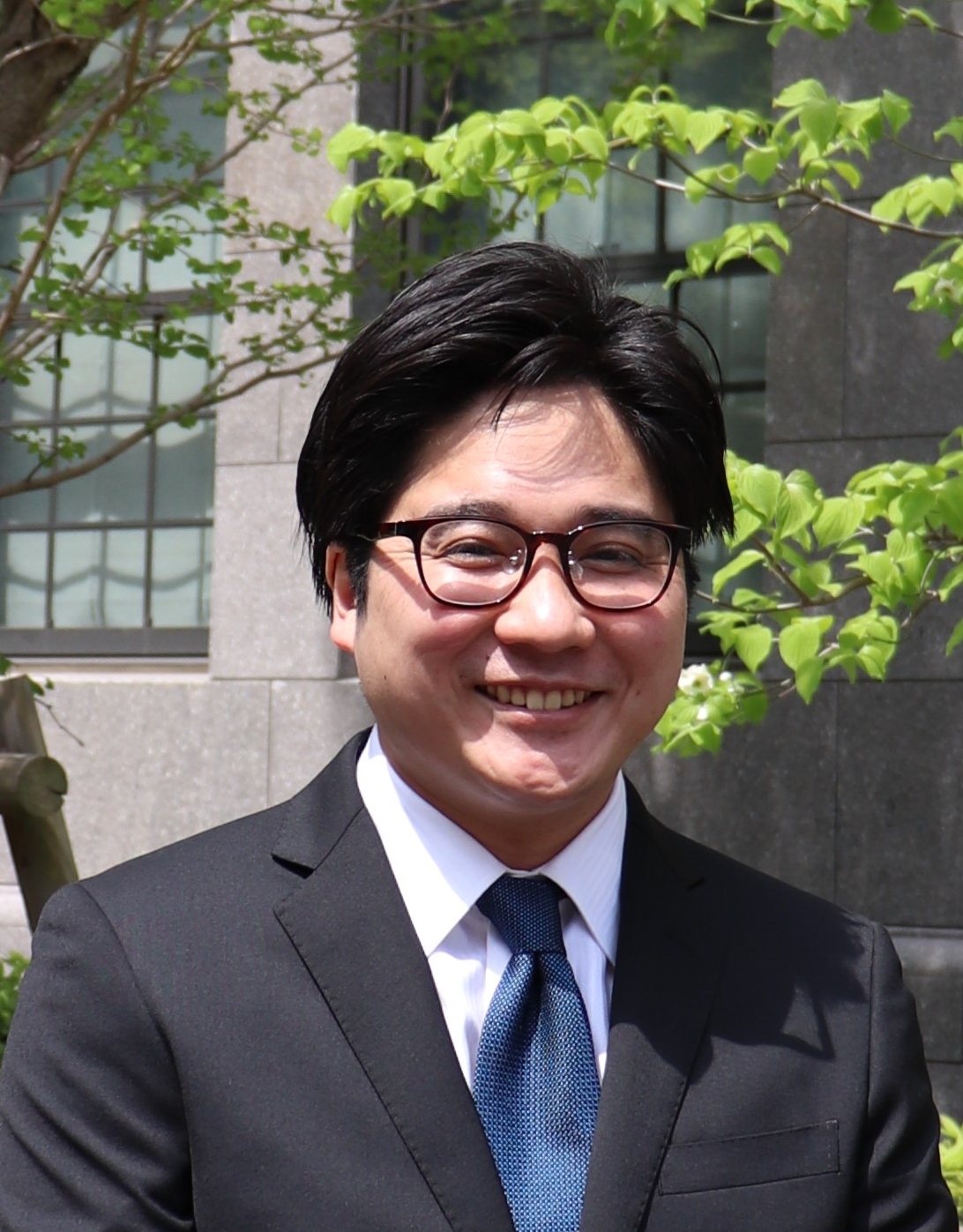 Assistant Professor,
Center for Data Science
Research Areas
・Decision making
・Computational psychiatry
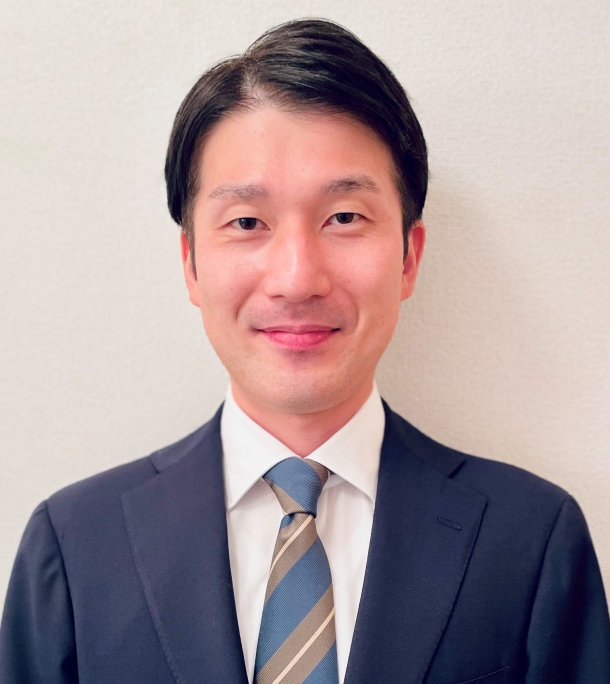 Assistant Professor,
Center for Data Science
Research Areas
・Natural Disaster Science
・Disaster Risk Reduction
・Crisis Management
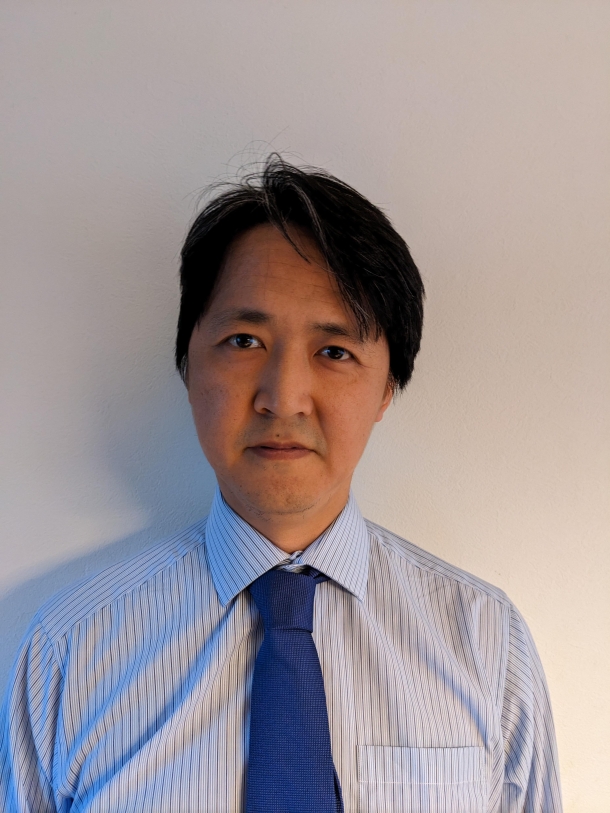 Assistant Professor,
Center for Data Science
Research Areas
・Evolutionary Biology
・Paleontology
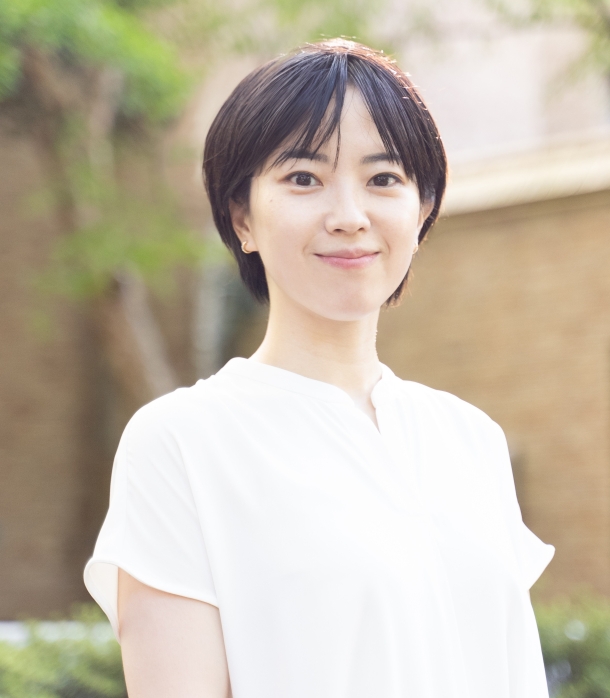 Assistant Professor,
Center for Data Science
Research Areas
・Cognitive neuropsychology
・Computational neuroscience
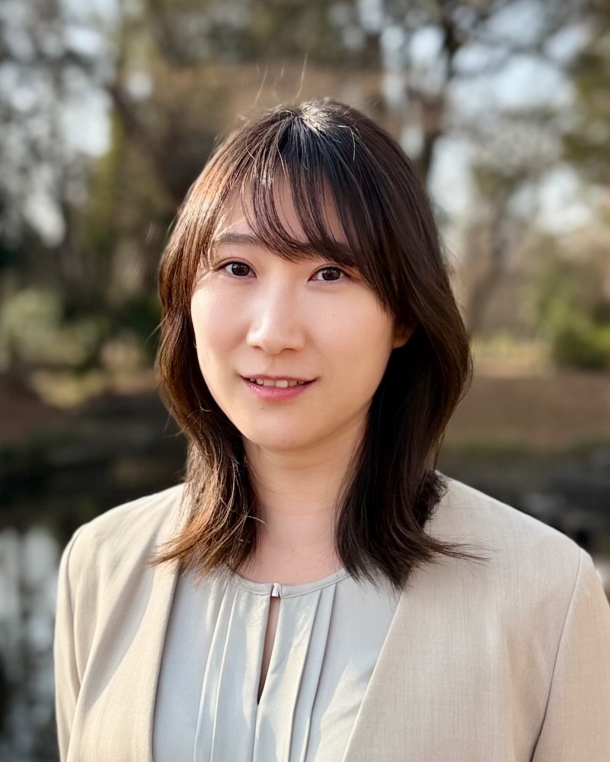
Assistant Professor,
Center for Data Science
Research Areas
・Econometrics
・Time Series Analysis
・High-Dimensional Data Analysis
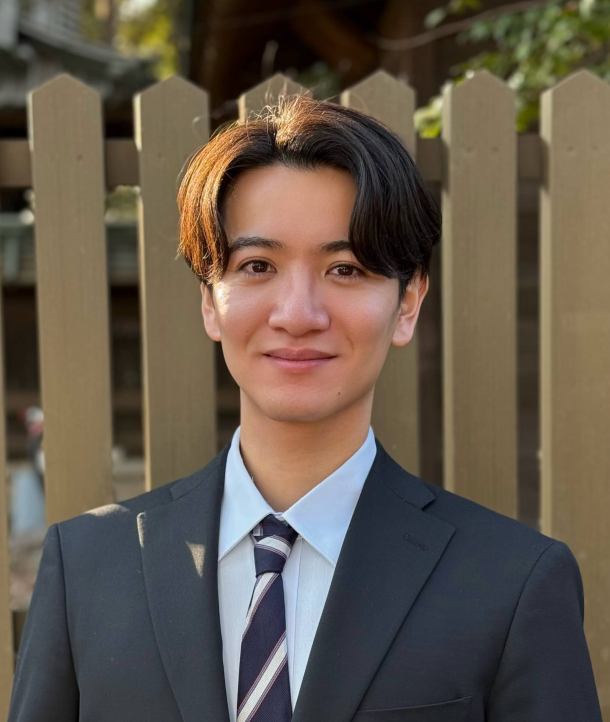 Assistant Professor,
Center for Data Science
Research Areas
・Statistical Science
・Causal Inference

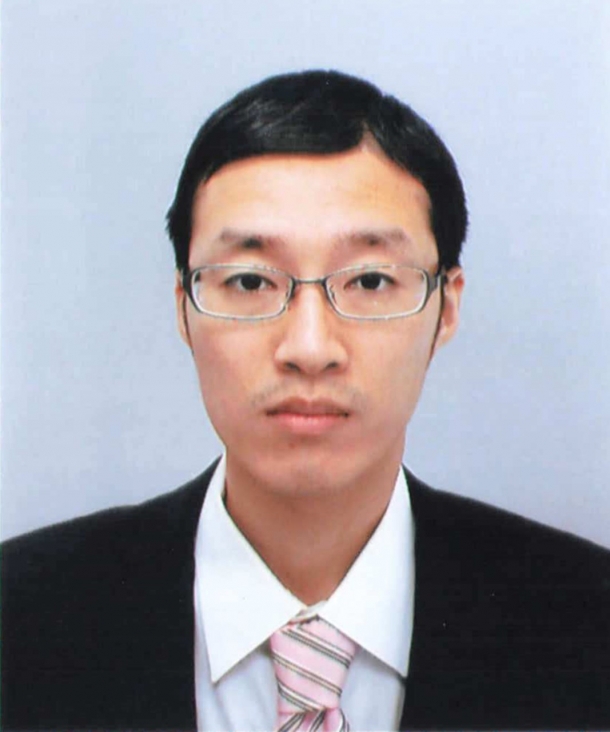 Assistant Professor,


