高等研究所 訪問研究員 セミナー: “China’s Victorhood Pivot: Mnemonic Practices and the Contest for the Post-War Order.” (6/12)
要旨/Abstract
China spent much of 2025 “re-living 1945.” At the Moscow Victory Day parade, President Xi Jinping extolled the Sino-Russian partnership as a pillar of geostrategy and advocated for defending the antifascist triumph. While associating Russia with stability amid its war on Ukraine presents a jarring juxtaposition, the demand for a “correct understanding of WWII history” was a recurring motif throughout Beijing’s own memorial events. In November, following the Japanese Prime Minister’s characterization of China’s naval blockade of Taiwan as a “survival-threatening situation” for Japan, President Xi called on President Donald Trump to “jointly safeguard the victory of WWII.” Notably, amidst this escalating row with Japan, China held a low-key memorial of the Nanjing Massacre—a hallmark of its WWII suffering—signaling a tactical departure from the victimhood discourses that have long anchored its national identity.
Why has China’s historical narrative at least partially pivoted from victimhood to “victorhood,” and how is this shift mobilized to justify its domestic rule, its contemporary vision of international order, and its foreign policy? This article addresses these questions through the practice approach in International Relations, treating historical narration, commemoration, and diplomatic speech acts as socially meaningful patterns of action that reproduce and contest international order. By tracing the evolution of these commemorative practices from 2015 to 2025, I argue that China’s performance of victorhood—as a claim to authorship and guardianship of the postwar system—intertwines discursive and material acts to advance both domestic and strategic objectives.
Domestically, elevating the Communists as the central pillar of the Chinese war effort against Japan—at the expense of the Nationalist Party—serves to legitimize the former’s rule. While this is par for the course, the international ramifications of this reinterpretation deserve closer parsing. Rhetorically, China presents itself as a great power “present at the creation” of the United Nations-centered postwar order and thus as a legitimate guardian of its principles. Materially, this narrative frames Taiwan’s return to Chinese sovereignty as an integral outcome of the 1945 settlement, thereby rationalizing China’s current coercive posture and de-legitimizing foreign intervention as a violation of the postwar legacy. By shifting attention from victimhood to victorhood, this article shows how China deploys historical memory not merely as nationalist rhetoric, but as an active practice of global order-making.
講演者/Speaker
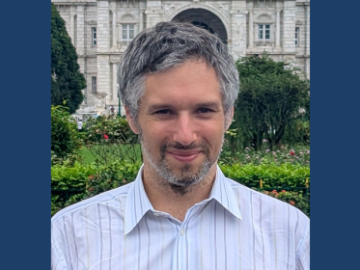
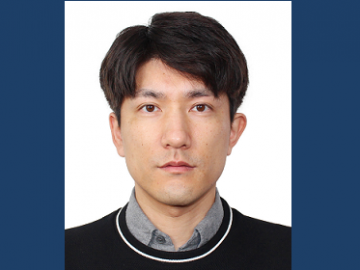
YANG, Xiangfeng (Associate Professor, Department of Government & International Affairs, Lingnan University, Hong Kong SAR)
日時/Date&Time
6月12日(金) 14:00–15:30 / June 12, 2026 (Fri.) 14:00 – 15:30
開催場所/Venue
早稲田大学 早稲田キャンパス 19号館 309教室/ Room #309, Building #19, Waseda Campus, Waseda University
対象/Prospected Audience
学生・研究者・教職員・一般 /Students, Graduate students, Faculty members, Research members, General Participants
言語/Language
英語/English
主催/Organizer
早稲田大学高等研究所 / Waseda Institute for Advanced Study (WIAS)
企画:田中孝彦(政治経済学術院 教授)
参加方法/Registration
事前登録不要/Pre-registration not required.