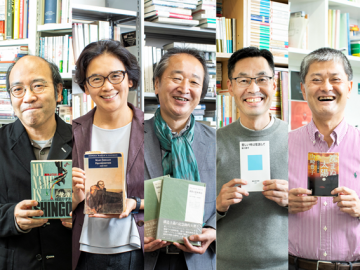
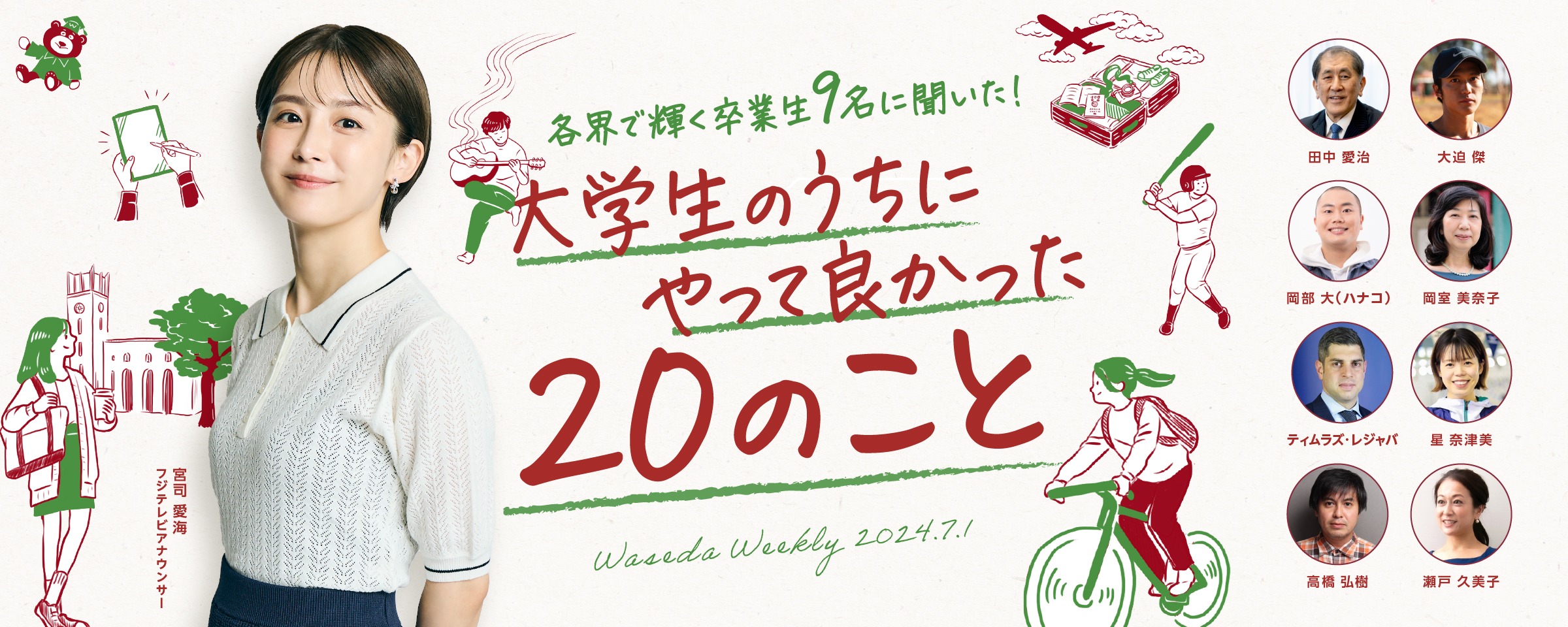

Waseda University has produced many alumni who are active in a wide range of fields, including business, politics, education, sports, and the media and entertainment industries. We asked nine alumni, including President Aiji Tanaka, about the things they were glad to have done as university students and how they have connected to their futures. While the paths people take after graduation vary, we are sure to give you some hints on how to make the most of your university life.


Suguru Osako
Professional runner

Okabe Dai
(Hanako)
Comedian/Actor

Minako Okamuro
Waseda University
Professor Faculty of Letters, Arts and Sciences

Timuraz
・Rejaba
Georgia in Japan
Ambassador Extraordinary and Plenipotentiary

Natsumi Hoshi
Former competitive swimmer/
Olympic
medalist

Hiroki Takahashi
Video Director
/ReHacQ Producer
User

Kumiko Seto
Editor/Tokyo Metropolitan Government
Professor at University

Aiji Tanaka
President of Waseda University

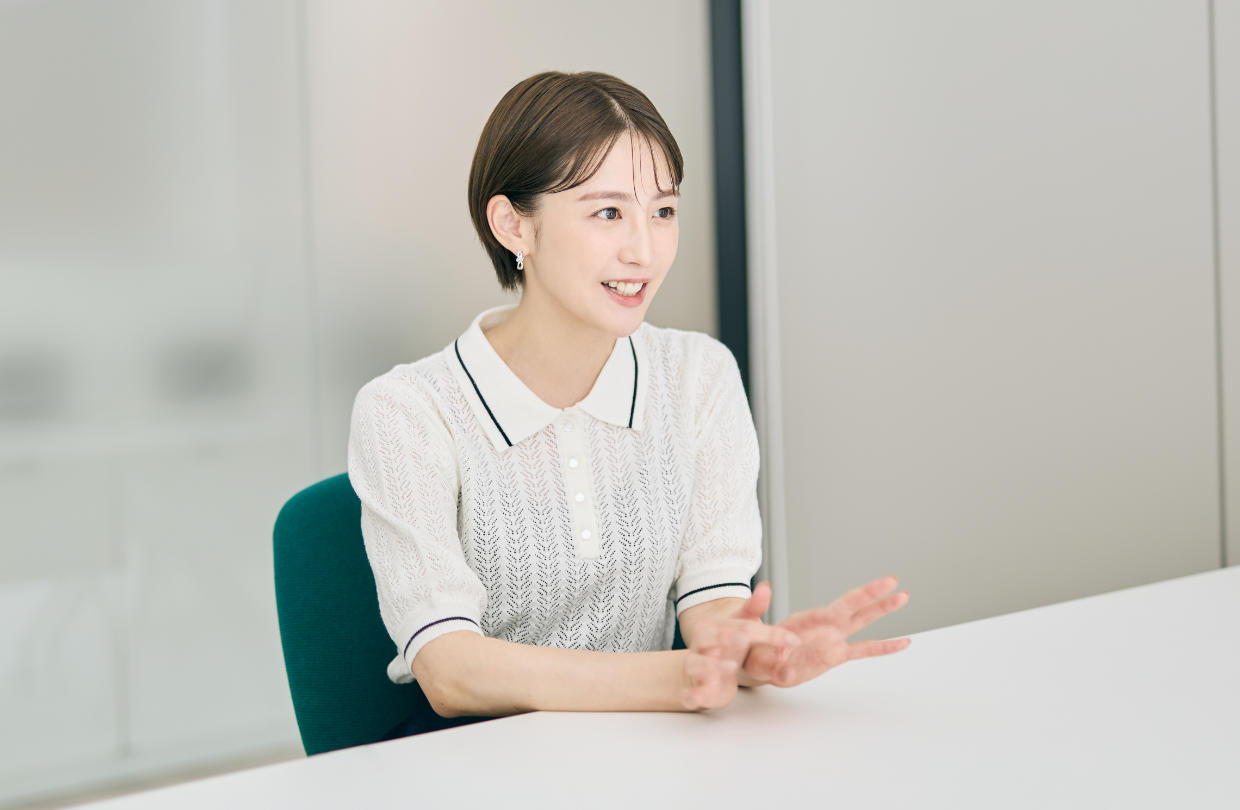
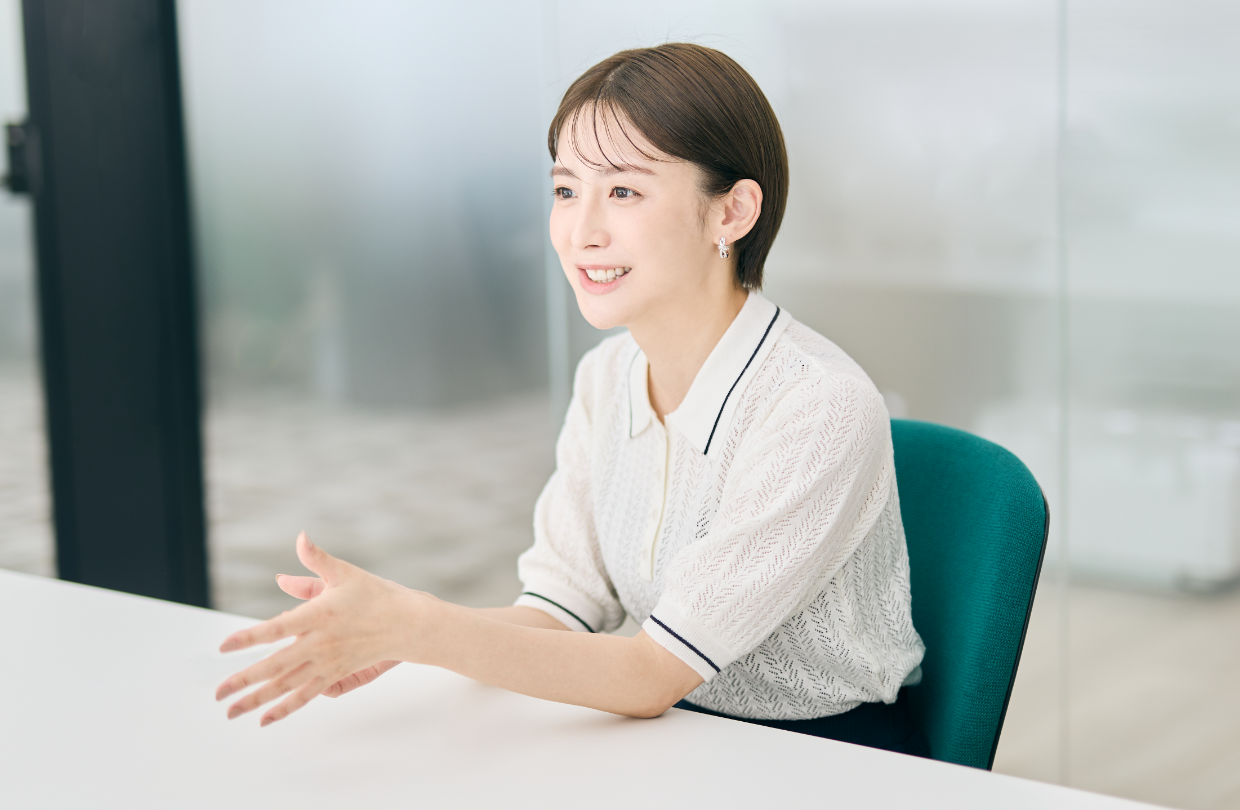
We interviewed Manami Miyaji, who is an announcer at Fuji Television. What activities did she get involved in during her university days, and how does that relate to her present life?
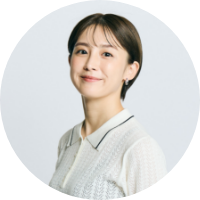
Miyaji Manami
Fuji Television Announcer
Born in Fukuoka Prefecture in 1991. Graduated from Waseda University's School of Culture, Media and Society in 2015. Joined Fuji Television in the same year. Served as the main caster at the Tokyo Summer Olympics and the Beijing Winter Olympics. From 2022, she will be the main caster of "Live News It!"
Born in Fukuoka City in 1991. Graduated from Waseda University's School of Culture, Media and Society and joined Fuji Television in 2015. From spring 2018, he was in charge of the weekend sports news program "S-PARK" and served as the main newscaster during the Tokyo Olympics. He currently hosts "Live News It!" and "Typewriters" from Monday to Friday. His hobbies are watching rakugo and karaoke.
Looking back, I did a lot of different things. I was in School of Culture, Media and Society, Media and Society, so I studied media, was active in the Broadcasting Research Club (an official student club, hereafter referred to as Broadcasting Research Club) and student club that made a free magazine, and even did things like pretending to be an emcee at events outside of school.
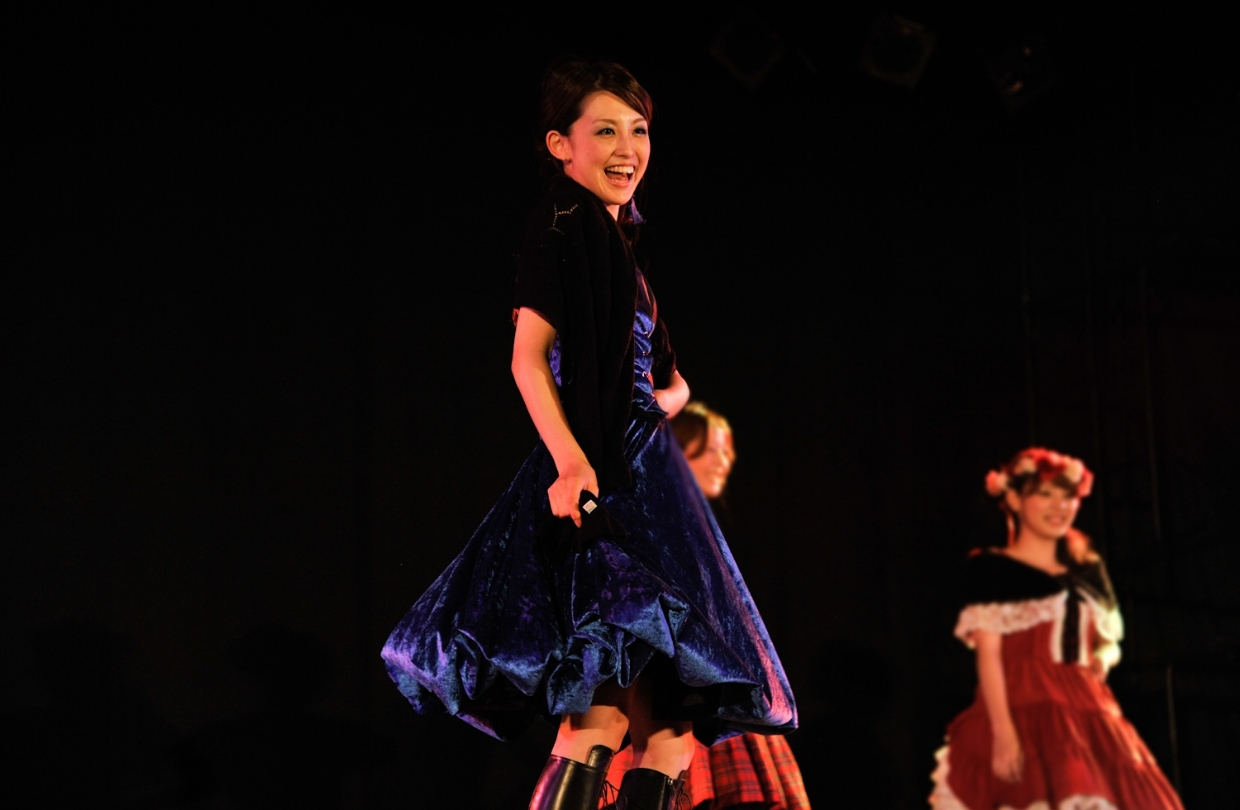
Miyaji when he was a student at Waseda University. While he was a student, he also appeared in the fashion show "Waseda Collection (commonly known as Wasekore)." At the "WASEDASAI 2011"
That's right. Since I was a child, I had always wanted to be an announcer, so I think it was natural that I ended up doing that kind of work.
But actually, I gave up once. I joined the Broadcasting Research Club and tried to train as an announcer, but it wasn't for me at all. So I quit the Institute after six months and devoted myself to working on a free magazine.
ENJI (official student club) was student club that made a free magazine with the concept of "Bring back Waseda with fashion". We took snapshots of fashionable students on campus, borrowed clothes from second-hand shops near the university, and modeled them ourselves. I was in charge of editing, so for example, I interviewed instructors from fashion-related vocational schools, compiled them into articles, created pages in Illustrator, and submitted them.
Thinking about it now, I think it may have been there that I developed the basics of interviewing. When I was interviewing, I was always careful about what questions to ask and how to ask them so that they would turn into an article, so I feel like that unintentionally led to my current job.
I acted based on what I wanted to do, not what the people around me were doing. Actually, I didn't want to just follow the flow of those around me and start job hunting, and I also had a dream of living abroad, so I took a leave of absence and went abroad for a while.
When I was in my third year of university, I took a year off and went to Singapore. There, I worked as an intern at a company during the day and worked part-time at a local restaurant at night. When I went there, I realized that changing jobs is common in Singapore, and the job hunting process is not uniform like in Japan, but rather varies widely. I realized that things that are not common in Japan are common overseas.
In Japan, students tend to think about how to spend their student life in order to find a job, but I think university is a precious grace period to think about how you want to live your life. I think going to Singapore was a great opportunity for me to think about that.
Through my activities at ENJI, I realized that I like jobs that involve hands-on work and footwork, so I applied to a variety of industries without being limited to TV stations. However, I couldn't give up my dream of becoming an announcer. I took the announcer exam and ended up with Fuji Television.
It all started with a comment from my mother. When I was watching TV as an elementary school student, my mother said, "Announcers are quick-witted and brighten up the atmosphere. They're wonderful." I thought she would be happy if I became an announcer.
I have had the experience of speaking in front of people at key moments in my life. For example, when I was in junior high school, I would write the MC's content and speak before the songs at the brass band concerts I was in, and I also gave speeches at the closing ceremonies.
I've always loved expressing myself in my own words. When I was looking for a job, I looked back on my life and realized that I really wanted to express something in words.

At the Fuji Television headquarters office
I had a glamorous image of being an announcer, but in reality it's a down-to-earth job, and you spend a lot of time steadily preparing, and as an office worker, there are a lot of daily chores. On the other hand, because it's a job that puts you in the public eye, you have to ensure the quality of your communication skills as an announcer. I thought that was a tough job.
In my seminar paper, I used Fuji Television as a subject, analyzed the daily schedule of the programs broadcast, and actually went to Fuji Television to investigate what kind of television station it was. At that time, I never thought that I would actually join the company, so I wrote critical things like, "These days, announcers are becoming more and more like celebrities." I never thought I would end up on that side (laughs).
That's right. Because I was thinking about the media from a critical perspective during my university days, I still question the way the media is. I even look at the script in front of me, wondering if it's really like that, if it's correct. Thanks to that, I feel like my daily work doesn't become a routine. After I joined the company, that perspective also gave me the opportunity to think about the kind of announcer I want to be.
There wasn't anyone in particular, but for my graduation thesis I researched Hiroshi Kume, a Waseda alumni. Kume was the first person to bring entertainment elements to news programs on "News Station" (TV Asahi affiliate), and he changed the way news programs were made.
Kume-san described himself as "not a journalist, but a presenter" when commenting on the news. I think that by looking at the news from a perspective closer to that of the viewers, he was able to break it down and convey it in an easy-to-understand way.
However, as you continue to work in that position, you accumulate knowledge, so you can't remain a pure viewer. So in my thesis, I concluded that Kume-san is a person who embodies the difficulty of standing between journalism and entertainment. And this is exactly the conflict I'm facing right now.
I'm torn between two rocks, struggling. I'm still a novice, so I can't compare myself to Kume-san, but when I reread my thesis this time, it overlapped so much with my current situation that I was scared, thinking that I had predicted the future (laughs). In the end, I think that the structure of commercial news programs and the dilemmas that announcers face haven't changed at all.
When I look back on my life, I think, "I'm glad I did it this way," but in the end, it's all about hindsight. People around me say all sorts of things, and there are so many books that tell you, "You should do this."
However, I think that none of them are right, and none of them are right. That's why I think it's important to take the time to think deeply and face what you value and how you want to live. I hope that you will immerse yourself in something that you truly love. If you immerse yourself in something, you will naturally start studying and deepen your knowledge.
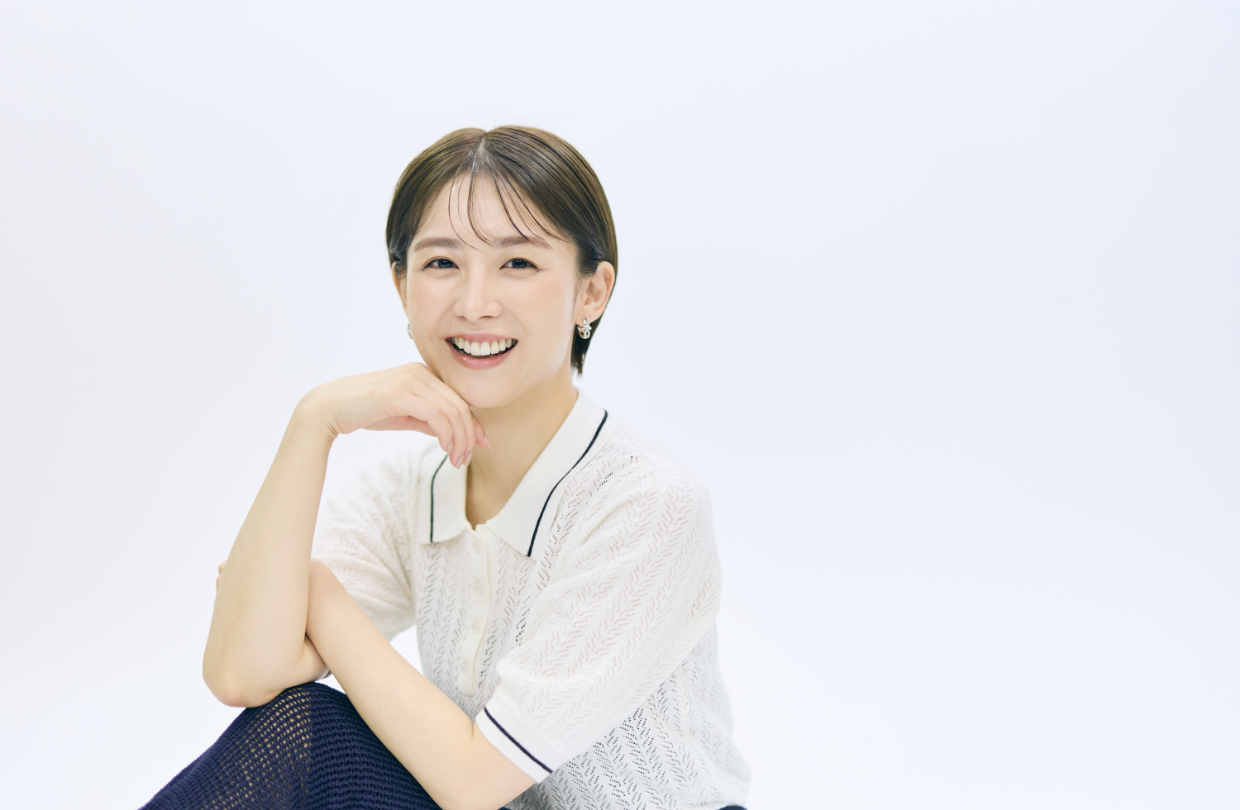

In addition to Miyaji, many other Alumnus also sent in comments. We will introduce two of each of them as "things they were glad to have done while they were a university student."
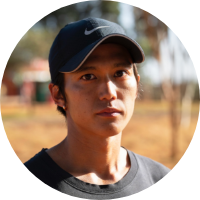
Suguru Osako
Professional runner
Graduated from School of Sport Sciences at Waseda University in 2014. Holds the Japanese record for the 3000m and 5000m. Placed 6th in the 2021 Tokyo Olympic Marathon. At Waseda University, he won the triple crown in university relay races and the 10,000m at the Universiade. He has now turned professional and is affiliated with Nike. He is scheduled to represent Japan in the marathon at the 2024 Paris Olympics.
Graduated from School of Sport Sciences at Waseda University in 2014. Holds the Japanese record for the 3000m and 5000m. At Waseda, he won the triple crown in the university relay race and the 10,000m at the Universiade. He has now turned professional and is affiliated with Nike. He is scheduled to represent Japan in the marathon at the 2024 Paris Olympics.
In the Waseda University Track and Field Club, members of various levels of competition all had their own thoughts, but all worked hard towards a common goal. Looking back, it was a unique environment to have such diverse people gather at a university, and I was glad to have met them, as I was able to learn about a variety of ways of thinking. I also had interactions with members of other clubs, and I was especially close with the members of the ski club. The top-level ski club athletes searched for sponsors individually and negotiated one-on-one with companies, and I learned something new every time I heard such stories.
Among my friends at that time, some are active athletes, while others have retired and are doing other jobs, and they are all active in various places. Seeing them working hard in their own places still inspires me. I'm glad that even after graduating from university, I was able to have a community of friends who could inspire each other like that. If I have the opportunity, I would like to work with them in some way.
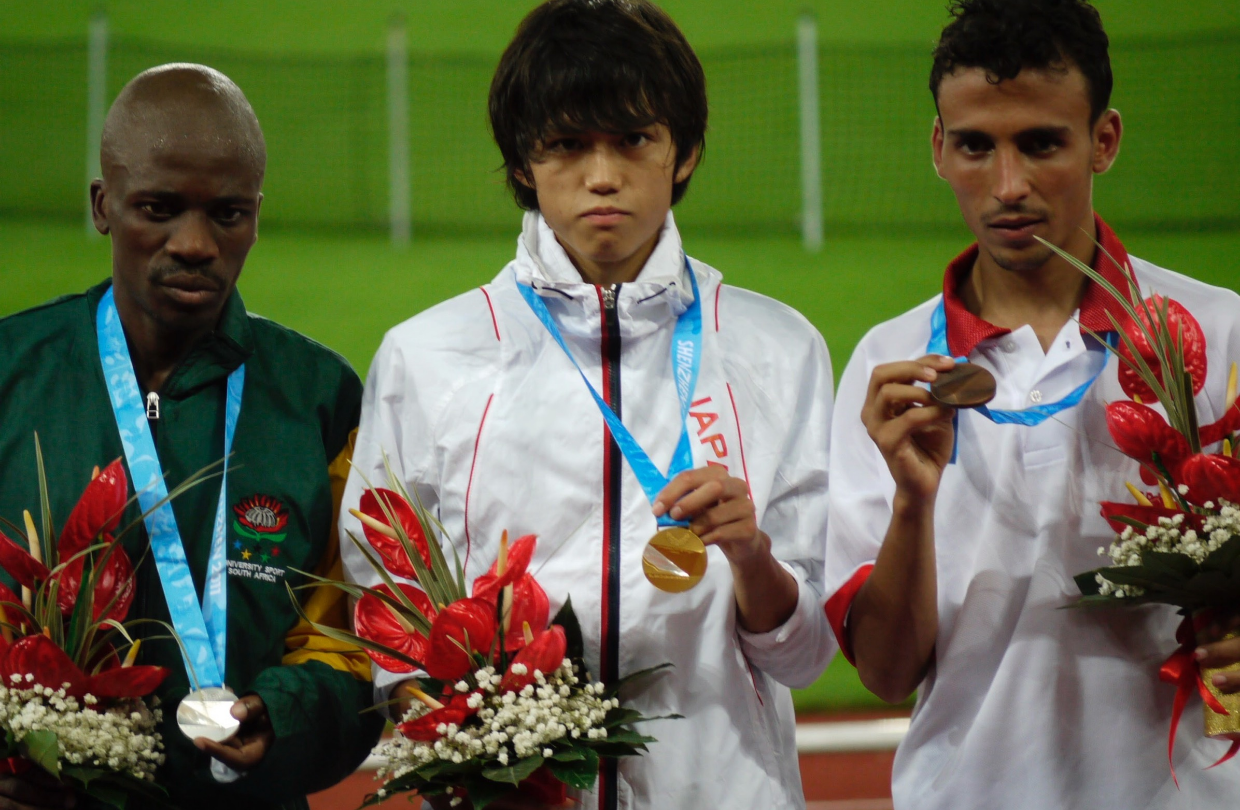
A photo of him winning the gold medal in the men's 10,000m at the 26th Shenzhen Universiade in 2011.
I was the captain of the track and field team, and I analyzed the strengths and weaknesses of each member and communicated them to them on a daily basis in order to strengthen the team. However, since I was based overseas from my fourth year of university, I communicated with the members in cooperation with my classmates. I think that the more responsible a person is, the more they will end up taking on tasks by themselves, but if you can leave it to someone else, it is more efficient, and sometimes other people are actually better at it. It was a big lesson for me that you can move forward as a team by trusting your teammates, even if you don't have to take on everything by yourself. I still remember how I managed the track and field team while cooperating with the people around me, such as the manager, coaches, and classmates.
The management of club activities has something in common with the way organizations are run. The idea that it is best to analyze your own and those around you're good at what you're good at, and then trust and leave the things you're lacking to someone who is good at them, is still valid today.
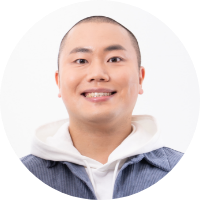
Dai Okabe (Hanako)
Comedian/Actor
Graduated School of Sport Sciences at Waseda University in 2013. Formed the comedy trio "Hanako" in 2014 and won the "King of Conte" in 2018. Won the "Watanabe Comedy No. 1 Championship" for two consecutive years in 2018 and 2019. In recent years, he has been active as an actor in TV dramas and other media.
Graduated School of Sport Sciences at Waseda University in 2013. Formed the comedy trio "Hanako" in 2014 and won the "King of Conte" in 2018. Won the "Watanabe Comedy No. 1 Championship" for two consecutive years in 2018 and 2019. In recent years, he has been active as an actor in TV dramas and other media.
When I first entered the university, I joined the basketball club, but most of the members were high-level students who had joined through sports recommendations, and I had a lot of injuries, so after much deliberation, I decided to quit. By quitting basketball, which had been the center of my life for about 10 years through elementary, middle, and high school, I was able to think about trying comedy again, and I feel like my world has expanded. Although I quit the basketball club, I continued playing basketball by joining a basketball student club. Now I sometimes work in basketball, but I still love basketball.
This led to my victory at "King of Conte 2018." If I hadn't made the decision to quit the basketball club at that time, I wouldn't have started comedy, and although I did feel guilty at the time, I'm glad that I took a new path now.
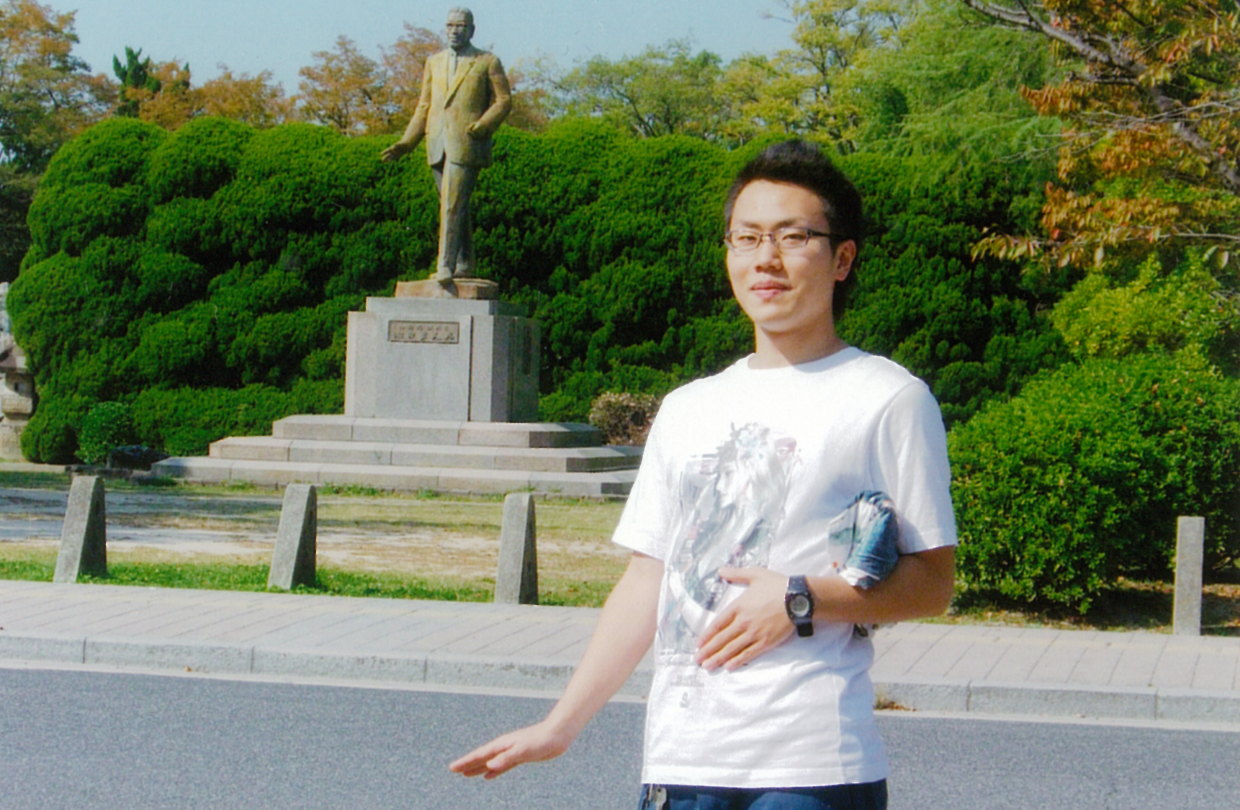
A photo taken during a family trip to Hiroshima when I was a sophomore in college.
I started doing comedy with my former partner, who was also a Waseda University student, and initially we were going to a training school without joining student club to become comedians, but we were invited by the members of "LUDO" (an official student club) and decided to attend the training school while continuing student club activities. Everyone supported our dreams and pushed us forward, and we met irreplaceable friends such as Hyokkorihan (who was Miyashita-senpai at the time), so I'm really glad that I joined student club. Some of my friends have found jobs in the media industry, so I'm looking forward to working with them on a show someday.
It was around this time that the number of "comedians from university comedy student club" started to increase. I was invited to more and more TV shows under that category, so I'm glad I joined student club.
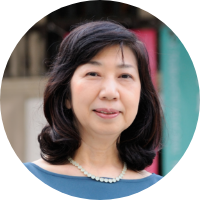
Minako Okamuro
Professor Faculty of Letters, Arts and Sciences Waseda University
Graduated from the Graduate School Graduate School of Letters, Arts and Sciences, Waseda University in 1990. PhD (Literature, University of Ireland, Dublin). Left the Waseda University Graduate School Graduate School of Letters, Arts and Sciences program with sufficient credits. Specializes in Beckett, television dramas, and contemporary theater, and has written books such as "Television Dramas Reflect the Times" (Hayakawa Shinsho) and translated works such as "New Translation of the Complete Works of Beckett, Vol. 1: Waiting for Godot/Endgame" (Hakusuisha).
Graduated from Graduate School of Letters, Arts and Sciences, Waseda University in 1990. PhD (Literature, University of Ireland, Dublin). Left the Waseda University Graduate School Graduate School of Letters, Arts and Sciences doctoral program with sufficient credits. Specializes in Beckett, television dramas, and contemporary theater, and has written books such as "Television Dramas Reflect the Times" (Hayakawa Shinsho) and translated works such as "New Translation of the Complete Works of Beckett, Vol. 1: Waiting for Godot/Endgame" (Hakusuisha).
When I was an undergraduate, I did student theater at another university, and I was exposed to a lot of plays, movies, and dramas. Theater is about living someone else's life, so reading plays and honing my imagination for other people's lives and times and societies different from our own was a very rich experience. Also, theater is a comprehensive art, so it is made possible by the collaboration of various staff members in addition to actors and directors. It was an invaluable experience to work toward creating a better work while clashing with many people. I was in charge of various actors, directors, and staff members, but I had no talent for anything I did and I felt despair, but now I think that failure was a good thing. Knowing my limitations at a young age was a source of nourishment for me in my later life.
It is definitely connected to my current work, which involves research and teaching about theater and drama. The ability to read plays and scripts, and to watch and analyze stage productions and TV dramas, are based on what I learned as a student. I also believe that the ability to imagine others is very important not only in education and research, but in today's society.
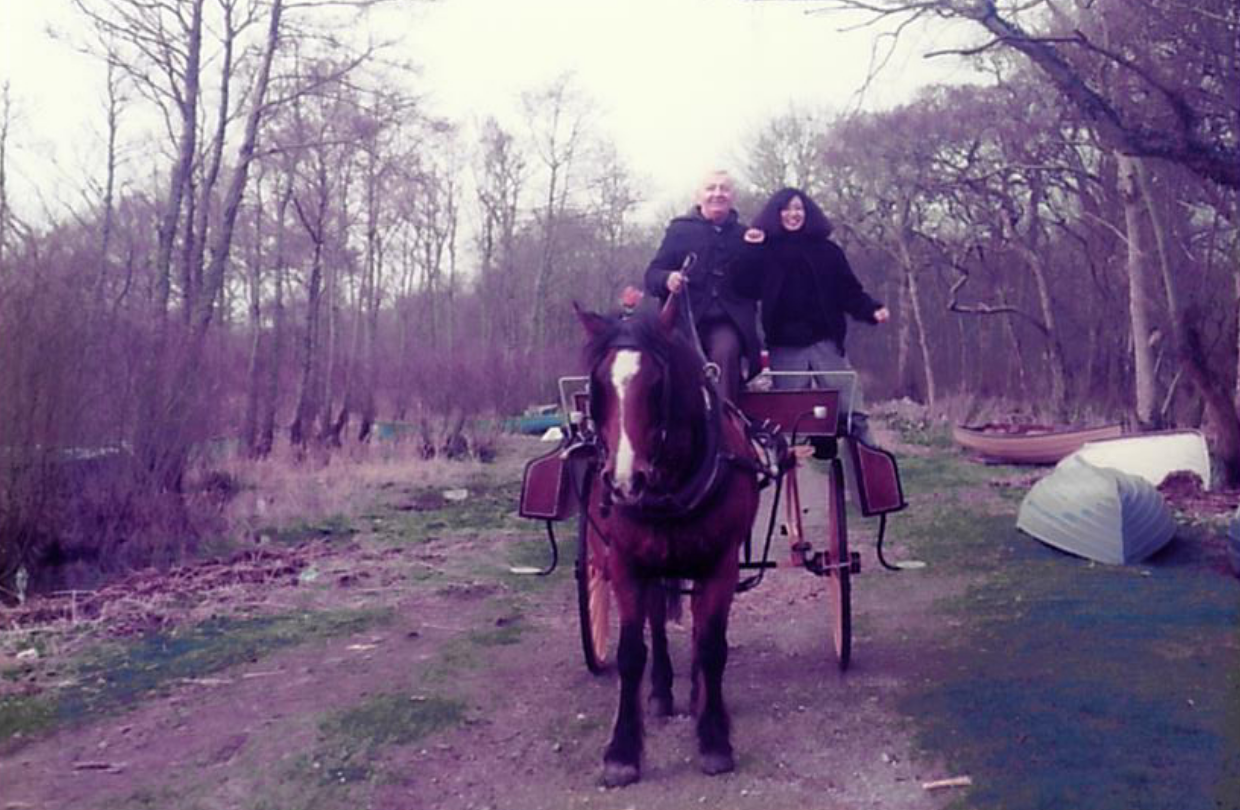
A photo from when I was studying abroad in Dublin, Ireland.
During my graduate school years, I studied abroad in Dublin for two years on a scholarship from the Irish government. In Dublin, Ireland, the home country of playwright and novelist Samuel Beckett, who was the subject of my research, I was able to experience the society, cultural background, and people's lives firsthand, which you can only understand by actually going there. I was lucky enough to become friends with Beckett's cousin and childhood friend, who were already elderly. I was also able to see many plays in Dublin, which was a valuable experience for me. During my study abroad, I was introduced by the Japanese Embassy in Dublin and served as an interpreter and guide for the writer Ryotaro Shiba, which is a precious memory. At first, I declined the offer, saying that it would be impossible for me to interpret for a great writer, but my curiosity got the better of me and I accepted. I was touched by Shiba's humility in asking me to teach him, a graduate student, and realized that this is what it means to be first-class. In the chapter "Beckett" of "Ireland Travelogue" (published by Asahi Shimbun Publications), Shiba-san commented on my paper as "a magnificent paper, like reaching your arm into the bottom of a well and grabbing a cow." I will treasure this for the rest of my life. It makes me sound like I'm a very strong man (laughs).
My experience in Dublin and the connections I made there are of direct use in my current research activities. I am still good friends with my host family from my time studying abroad, and Dublin has become a second home for me. I also continued to have contact with Ryotaro Shiba and his wife until their death. I even visited their home. From Shiba, I learned the joy of studying to the fullest, and the humility of not showing off that. I haven't mastered either yet, though, because I haven't trained enough (laughs). I was originally a very arrogant person, but I think it's thanks to this experience that I no longer feel intimidated when meeting important people.
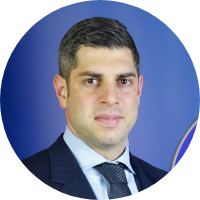
Timuraz Rejava
Ambassador Extraordinary and Plenipotentiary of Georgia to Japan
Graduated from Waseda University School of International Liberal Studies in September 2011. After moving to Japan in 1992, he received his education in Georgia, Japan, the United States, and Canada until he graduated from university. After working at Kikkoman Corporation, he became involved in economic activities between Georgia and Japan, and joined the Georgian Ministry of Foreign Affairs as a counselor in 2018, where he remains to this day.
Graduated from Waseda University's School of International Liberal Studies in September 2011. After moving to Japan in 1992, he received education in Georgia, Japan, the United States, and Canada until he graduated from university. After working at Kikkoman Corporation, he became involved in economic activities between Georgia and Japan, and joined the Georgian Ministry of Foreign Affairs as a counselor in 2018, where he remains to this day.
Usually, university life is associated with the image of youth, and many people have memories of being passionate about something. However, during my time at university, I lived in a dormitory and participated in club activities, studying, part-time jobs, student club, travelling, etc., but there was nothing that I could say I was fully committed to. However, that doesn't mean it was a fruitless time where nothing was gained. I made three important friends during my time at university. They say that travelling companions are friends, but so is life. In this fleeting world, having people you can call true friends can change the quality of your life. I think that meeting true friends is the greatest happiness of all.
I am still in contact with those friends, and they have encouraged me and shared joy with me on many occasions in my life. If I were to ask many students and alumni, "Do you have any true friends?", many would probably say no. This is because, in our busy lives, it is easy to sacrifice time for genuine friendships. Life is often empty. The things we put our all into can disappear in vain. In comparison, I believe that true friendships, where there is no personal motive, are ones that never fade.
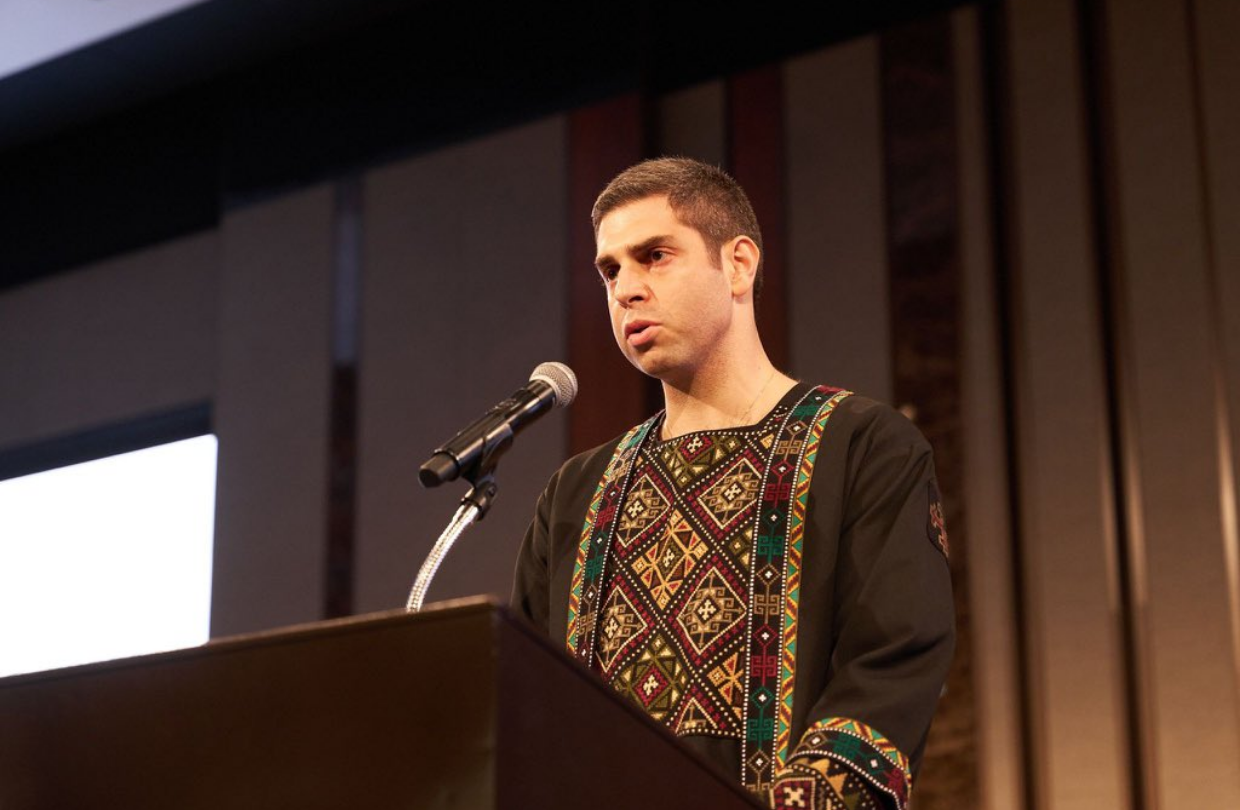
Attending the Georgian Independence Day reception in June 2024, wearing a Khevsureti regional costume.
Another thing is that I developed an "Anti-elitist Philosophy." I wrote that I didn't have anything I was passionate about during my university days, but I think this is because I looked at things critically and didn't easily give in to those around me. This is because I always had a deep desire to "value my own individuality and ideas," and in my own way, I interpret Waseda's "Anti-elitist Philosophy" as something like this, rather than simply a rebellious spirit.
Life is not always smooth sailing. In times like these, the "Anti-elitist Philosophy" I developed at Waseda has supported me. I believe that I would not be who I am today without my student life at Waseda, so I am grateful to Waseda University.
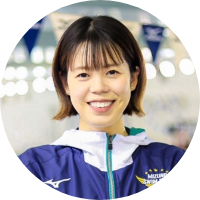
Natsumi Hoshi
Former competitive swimmer/Olympic medalist
Graduated from School of Sport Sciences at Waseda University in 2013. Selected to represent Japan at the Beijing Olympics when she was a third-year high school student and got bronze medals in the 200m butterfly at the London (2012) and Rio de Janeiro (2016) Olympics. Currently she supports visually impaired swimmers while giving lectures and holding swimming classes.
Graduated from School of Sport Sciences at Waseda University in 2013. Selected to represent Japan at the Beijing Olympics when she was a third-year high school student and got bronze medals in the 200m butterfly at the London (2012) and Rio de Janeiro (2016) Olympics. Currently she supports visually impaired swimmers while giving lectures and holding swimming classes.
I wasn't good at studying, and I wouldn't say I liked it, but because I was School of Sport Sciences, there were many lectures that I could directly apply to my sport. When I learned about the dynamics of movement in a class called Biomechanics, I found it difficult at first, but when I applied it to my sport, swimming, I remember being happy and understanding it. At the same time, I began to find studying interesting. I also took classes on nutrition, so I was able to apply what I learned to my daily life and training. For my graduation thesis, I researched my own swimming. I think that by working on it while I was still an active athlete, I was able to look at my swimming from a scientific perspective and use it to improve my competitive ability.
I felt the same way when I was a student, but I felt I could continue to use it as I continued competing until I was 26. When the scientific analysis staff showed me the race analysis sheet (a detailed analysis of the swimming style during the race quantified from the footage taken underwater and above the water) as feedback, I was able to understand it easily.
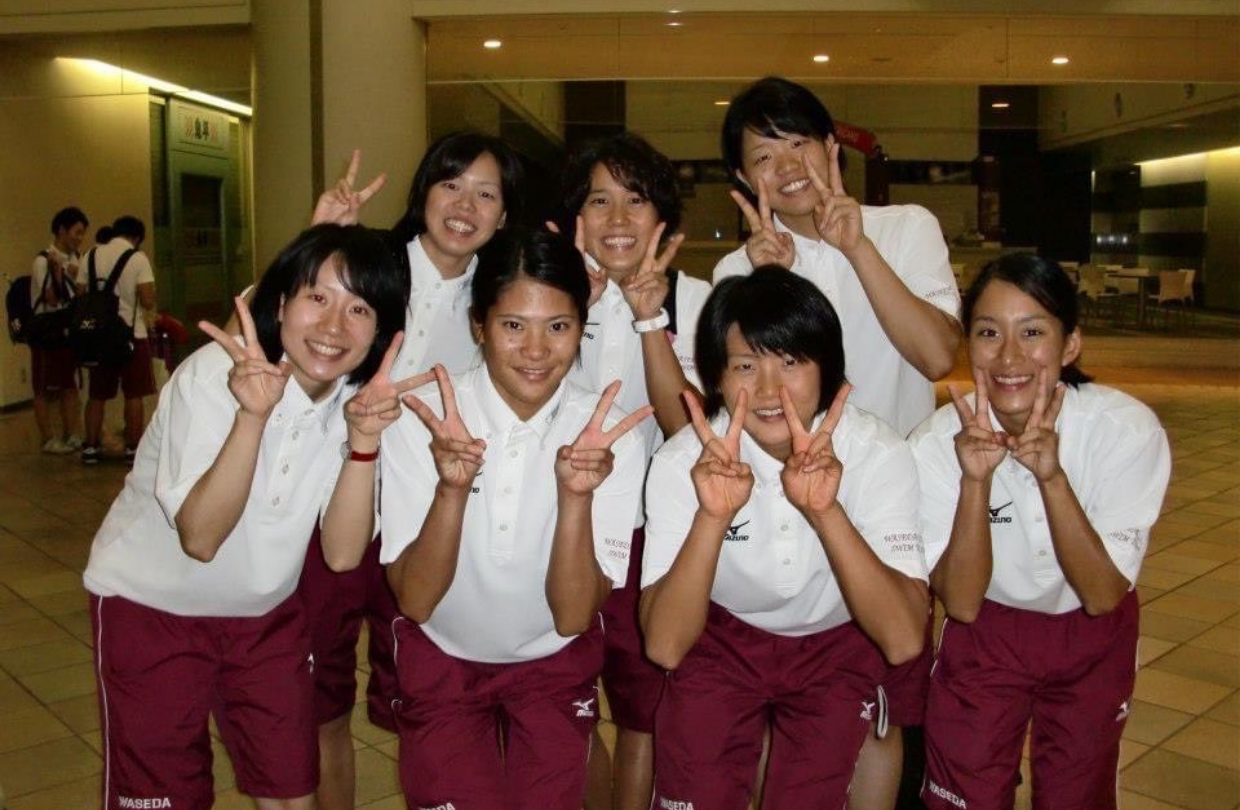
Photo taken during a university race (Hoshi is on the far left in the back row)
During my fourth year at university, the London Olympics took place, and several of my friends from other Waseda clubs made fans and came to cheer me on during the qualifying races. During the Olympics, my friends from the swimming club, as well as other clubs, made albums and banners with messages of support and sent them to me, and I was happy to realize that so many people were supporting me. In addition, even after I graduated, the teachers who helped me in class sent me messages of support and congratulations through social media. I was happy that they remembered me, and it gave me a lot of energy.
During the 2016 Rio de Janeiro Olympics, I received many messages and contact from friends and teachers. Even now, more than 10 years after graduation, we still keep in contact. When I randomly get contacted by friends from my university days, I feel nostalgic. After graduating, I sometimes get happy when I see my friends from other clubs doing well, so I contact with them and they inspire me.
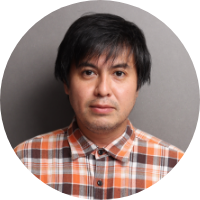
Hiroki Takahashi
Video Director/ReHacQ Producer
Graduated from the School of Political Science and Economics at Waseda University in 2005. He joined TV Tokyo and produced many documentaries and variety shows. His planning and direction include "May I Follow You Home?", "Nikkei TV Tokyo University", "I Want to Get Scolded by Risa Yoshiki", "George Potman's History of the Heisei Era", and "I Left Hiroyuki at the End of the World". After leaving TV Tokyo in February 2023, he has been working on the economic media "ReHacQ" and other projects.
2005年早稲田大学政治経済学部卒業。テレビ東京に入社し、ドキュメント・バラエティー番組などを多数制作。企画・演出に『家、ついて行ってイイですか?』『日経テレ東大学』『吉木りさに怒られたい』『ジョージ・ポットマンの平成史』『世界の果てに、ひろゆき置いてきた』などがある。2023年2月にテレビ東京を退社後は、経済メディア『ReHacQ』などを手がけている。
I'm glad I studied Ainu and Arabic because I won't have a chance to learn them once I enter society. At university, you can learn them at no extra cost, so it's a good deal! I feel that by learning these languages, I can objectively and deeply relativize "Japan as self-evident" and "the Western-centered world". I also enjoyed reading mysterious out-of-print books at the library. There was a worn-out book called "Free Love and Socialism" (Bunka Gakkai Publishing Division), and I thought, "There were people in the Taisho era who thought such strange things, that's crazy," and then I found out that the author, Morita Yushu, had dropped out of Tokyo Senmon Gakko, the predecessor of Waseda University, and I thought, "Waseda has always been full of crazy people." Also, I read a lot of "Hanrei Hyakusen(判例百選)" (Yuhikaku) as a legal education, and studied basic economics and political science, so I think I have a solid framework for looking at society.
I am still living through video production. In the entertainment field, I created a program called "George Potman's Heisei History" (TV Tokyo) that introduces old intellectuals who were doing mysterious research like the aforementioned Yushu Morita. It comes from my memories of spending my time in the library in college flipping through mysterious out-of-print books with excitement. Also, in the journalism field, the program "0.1% Miracle! Reversal of Innocence Mystery" (TV Tokyo) was inspired by the discomfort I felt when the legal principles I learned in college were so far removed from how they are actually applied. Most recently, I interviewed both the Palestinian and Israeli ambassadors for the business video media I run, "ReHacQ". I feel that the sense of trust I have gained from portraying things in a relative manner led to the booking of both ambassadors.
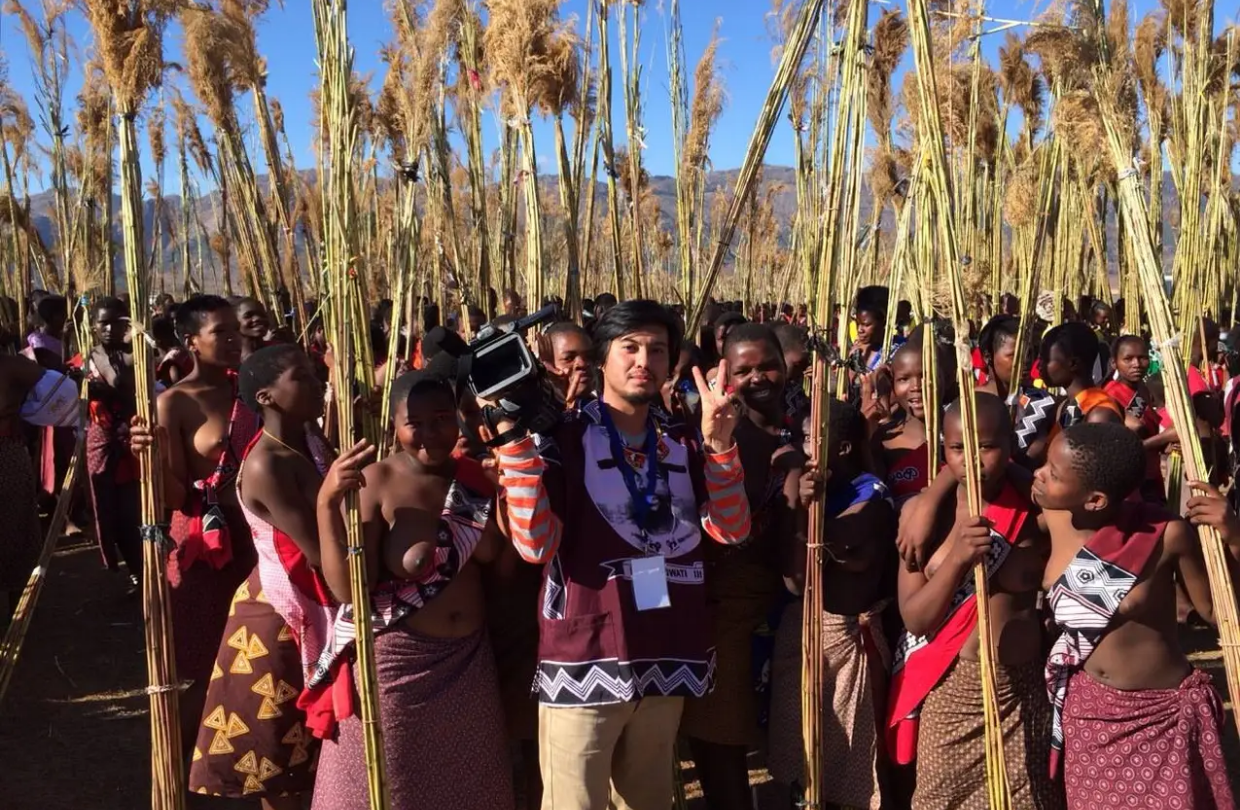
A photo from when he went to the Kingdom of Swaziland (now the Kingdom of Eswatini) for an interview about 10 years ago.
I'm a socially awkward and introverted person, so I didn't have many friends in the first half of my university years, and I often ate lunch alone. However, thanks to a professor with good moderation skills who would join us for drinks every week after seminar classes, I was able to make a lot of friends. Furthermore, in university seminars, the students are deeply involved with each other through studying, so the more seriously I studied, the closer the relationships became. So, if you're someone who isn't confident that you can carve out your own youth with your own abilities, but still wants to have a youthful time, I recommend studying hard in a seminar taught by professor with good moderation skills.
After graduating, when I was going through hard times or at a crossroads in my life, the memories and connections I had with my friends from college were a great support. They were friends I could associate with without any ties of mutual interest, such as competing for promotion, or relationships through my children. And I think the fact that we shared impressionable years together played a big role.
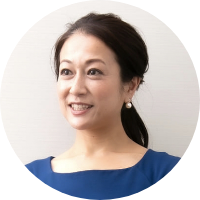
Kumiko Seto
Professor at the Tokyo City University Educational Development Center / Contributing Editor and Special Features Desk at Forbes JAPAN / Director of PAGE Tokyo
Graduated from the Graduate School Graduate School of Asia-Pacific Studies at Waseda University in 2022. Currently she is in her first year of doctoral studies at the same school. She employed at Nikkei Home Publishing (now Nikkei BP), she served as a reporter for Nikkei Business and deputy editor-in-chief of Nikkei WOMAN and Nikkei TRENDY.
Graduated from the Graduate School Graduate School of Asia-Pacific Studies at Waseda University in 2022. Currently she is in her first year of doctoral studies at the same school. She employed at Nikkei Home Publishing (now Nikkei BP), she served as a reporter for Nikkei Business and deputy editor-in-chief of Nikkei WOMAN and Nikkei TRENDY.
In my third year of university, I studied journalism in the United States as an exchange student. I was very inspired by female Professor who are active at the forefront of journalism and by classmates with high aspirations, but what was even better was that I was able to meet myself, a "dropout." In the world of journalism, where it is expected that you can speak the language, I had a hard time even reporting in English. Surrounded by native speakers, I faced my own weakness and felt intimidated, and the days I spent flying low while encouraging and comforting myself gave me the "strength to see things through." It was around this time that I realized that "there is always someone watching over me." When I felt down, the parents of my American friends and neighbors would casually call out to me. It was because I was a dropout that I was able to experience the kindness, warmth, and great love of the people around me.
From the time I started working as a reporter until now, even when I've been pressed for time by tight deadlines or traveled to places under great pressure, such as the Davos Conference, where world political and economic leaders gather, I've come to believe that "I can do it, and if I work hard, I'm sure I'll find a way."
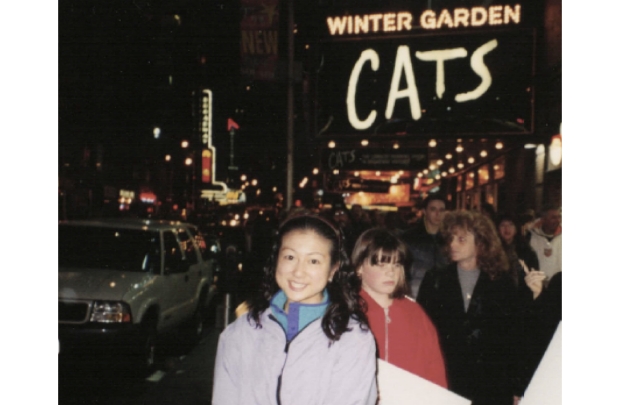
This photo was taken during spring break while studying abroad in the US, when she went to see the Broadway musical "CATS" in New York with a friend's family.
From my first to second year of university, I worked part-time as a tutor at a cram school. Because my job involved consulting with students preparing for entrance exams, my workplace was filled with many students from well-known universities, but the days I spent with my charming colleagues, who had known each other through thick and thin, were truly the days of youth! After work, we would all go to our favorite Western restaurant and chat until the last train. In the summer, I would take my tennis racket to a training camp, and in the fall, I would go for a drive with a few close friends. Sometimes, I would learn about the basics of job hunting and life from students two or three years older than me. By interacting with students from other universities through my part-time job, I was able to rediscover the charms and strengths of Waseda.
A dozen years after I started working, I had the opportunity to consult with my former tutors about work and my future plans. I was very grateful to be able to talk to them frankly because they knew me from the past. Many of them are now active at the forefront of their fields, and I still learn a lot from their experiences and knowledge.
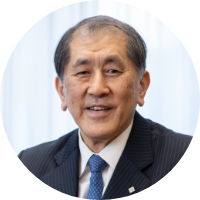
Aiji Tanaka
President of Waseda University
Graduated from the School of Political Science and Economics, Waseda University in 1975. He completed doctoral studies at the Graduate School Graduate School of Political Science Ohio State University, and obtained a PhD in Political Science. After serving as Professor at Toyo Eiwa University, Professor at Aoyama Gakuin University, and Professor Faculty of Political Science and Economics Waseda University, he assumed his current position in 2018.
Graduated from the School of Political Science and Economics, Waseda University in 1975. He completed doctoral studies at the Graduate School Graduate School of Political Science Ohio State University, and obtained a PhD in Political Science. After serving as Professor at Toyo Eiwa University, Professor at Aoyama Gakuin University, and Professor Faculty of Political Science and Economics Waseda University, he assumed his current position in 2018.
In the fall of my third year of university (1973), I wondered whether I should start job hunting or study abroad in my fourth year, but I decided to study abroad because I thought I could only do what I wanted to do by studying political science at a graduate school in the United States. What I wanted to do was quantitative political science, which uses statistical analysis of data from opinion polls to reveal how people perceive and think about politics. At that time, personal computers did not exist in the world, and there were no graduate schools in Japan that taught methodology for statistical analysis using large computers in the field of political science, so I set my sights on the United States, where the field was already established. I struggled with preparing to study abroad in my fourth year of university, but I graduated from Waseda University in March 1975 and went to study in the United States in June of the same year.
As a culmination of my 10 and a half years of long-term study abroad in the United States, I was in the process of completing Doctoral Dissertation in political science at Ohio State University, when I presented my research at the annual conference of the American Political Science Association while still a graduate student (at the age of 33). Professor who is a leading figure in American political science told me, "This is very well written. You should publish it as a paper." After that, my research reports at academic conferences gradually began to receive high praise. After studying at three universities in Japan, I became Professor at the School of School of Political Science and Economics at Waseda University in 1998, and even became the president of the World Political Science Association in 2014. I believe this is also thanks to my determination to study abroad in the United States, despite the fact that I had no guarantees for my future as a student, and to do what I wanted to do.
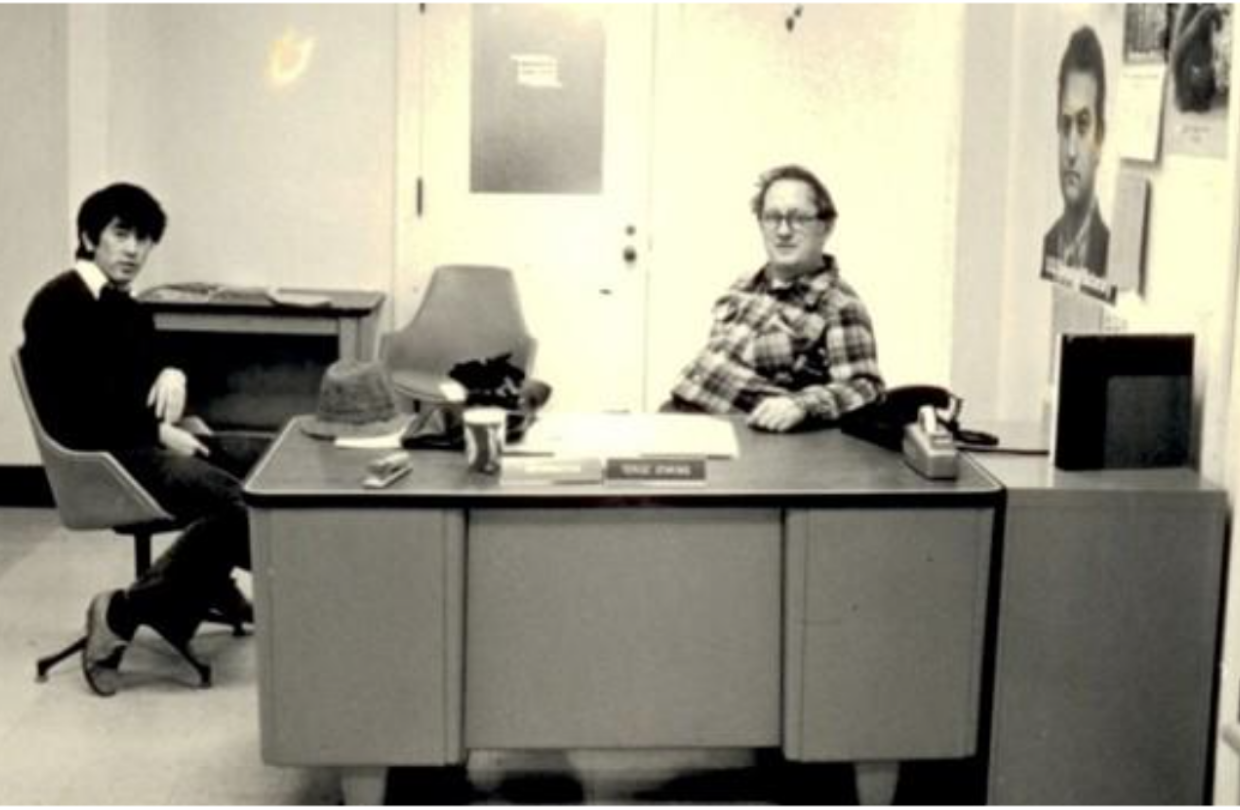
Around 1980, with his political science Professor at Ohio State University
I vividly remember my Japanese teacher at the cram school I attended while I was a ronin, quoting the words of Hakuin Zenji, a Zen monk of the Rinzai sect from the Edo period, who said, "Love is the great dojo of life," and saying, "In fact, heartbreak is the great dojo of life." In my case, after entering and graduating from Waseda, I was able to understand the pain people feel in their hearts by experiencing both love and heartbreak, and I think this broadened my horizons as a person. This is just one example, but I think that by becoming a person who can feel the pain of others, you can become kinder to others, so I encourage all students to have the experience of seriously interacting with others, whether it be with a lover or a friend. And even if things don't go well in your interpersonal relationships, I think it's good to be grateful that they helped you grow. It is important to realize that there are times in life when things don't go as you want them to.
In fact, I was not able to get into the graduate school of my choice during the year and a half I spent studying abroad in the U.S. However, I kept trying again, and when I finally got into a graduate school at Ohio State University, which I was satisfied with, the lesson I learned from my experiences in love and heartbreak - the ability to persevere even when things don't go as planned -came in handy.
Editing, design and coding: Samlight Co., Ltd.
Interview and text: Kyoko Suemitsu
Photo (interview part): Nori
SHARE


FOLLOW