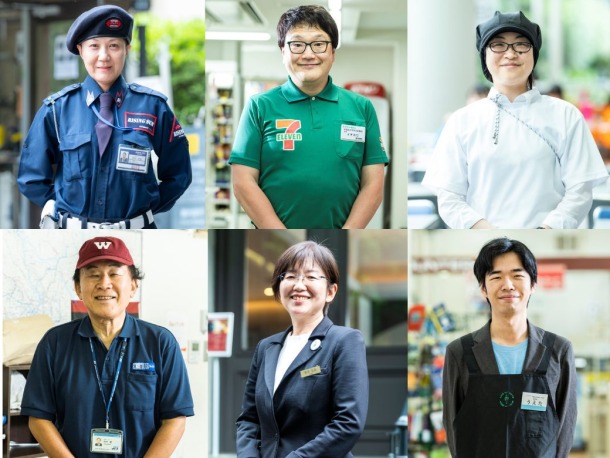
Waseda University has approximately 50,000 students, including graduate students, and is supported by approximately 5,000 Faculty and over 1,000 staff members. The university campus, which is a world apart in both size and function from high school, is not the only place where faculty and staff work. There are also irreplaceable people in your university life. In this article, we will introduce six representative university workers, including security guards, tenant staff, and dormitory managers, along with their "work partners." We will also deliver a message to students. Let's take a look at where they work, what kind of people they are, and what their thoughts are.
INDEX
▼ Dependable security guards who watch over the safety and security of the campus
▼The famous manager of Gakkan Seven is a former professional musician
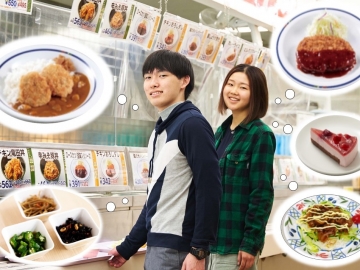
▼ The cafeteria manager supports students' stomachs and cares about their health
▼After retiring from a major general trading company, he became a live-in housemaster at a student dormitory
▼A university general guide and navigator where you can ask anything about the university
▼Dialogue between students and staff at the Toyama Co-op bookstore through bookshelves
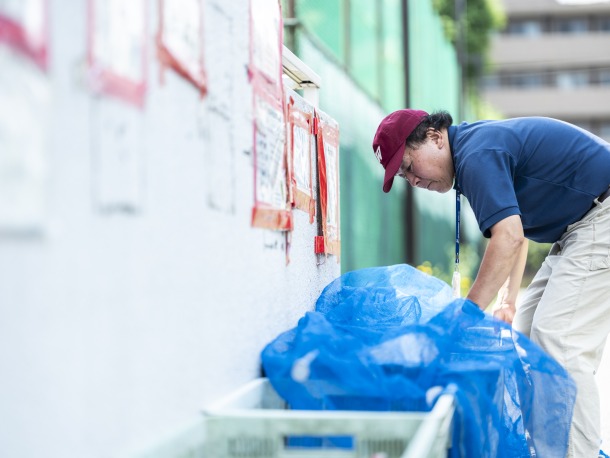
Dependable security guards who watch over the safety and security of the campus
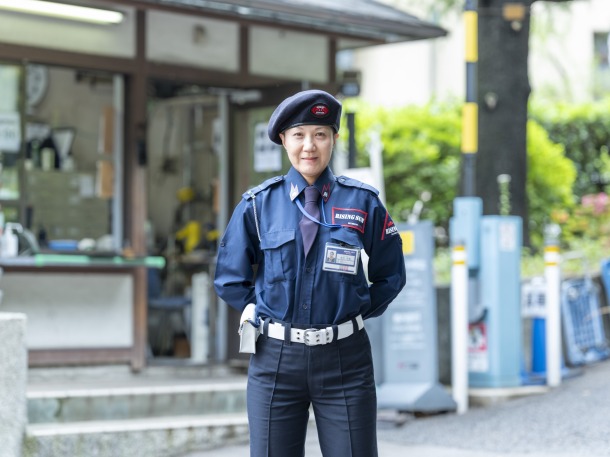
Waseda Security Guard Vice Captain Gunji Akemi

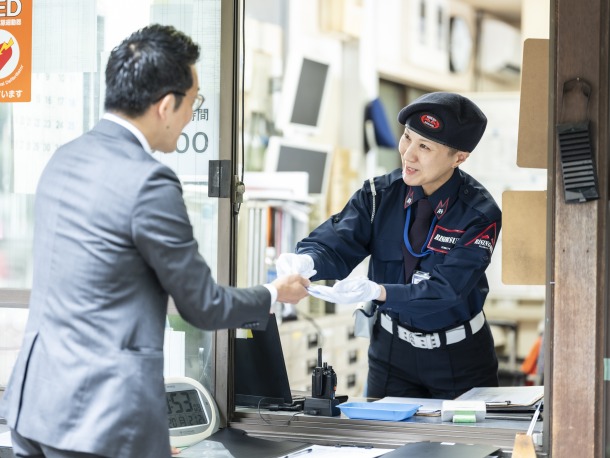
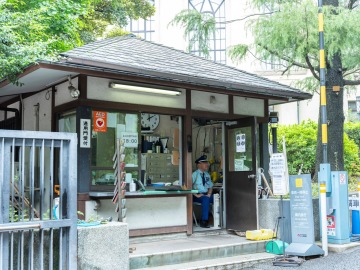
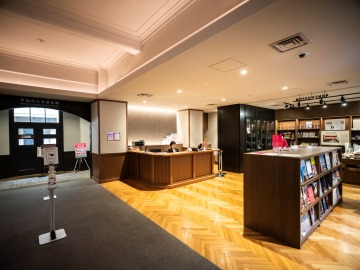
At Waseda Campus Gate Reception
-Please tell us about your job duties.
In addition to handing over keys to offices and classrooms to faculty, staff and students at Waseda Campus Gate Reception, I am also responsible for vehicle access management, emergency response, and campus patrols. Security is a 24/7 job, so we have shifts in place to ensure there are no gaps. I also write security reports every day and report and consult with university staff, so I try to keep abreast of the situation on campus.

--What do you usually think about students as you work?
All the students are so cute! Also, because I'm located at the reception desk at the side entrance, I can see the hard work of the student staff up close before and after events like WASEDASAI, and I'm inspired by seeing them work hard and grow every day. I work with a motherly eye, hoping that the students who will be responsible for Japan's future can focus on their studies with peace of mind, have fun, and spend their time safely.
--Please tell us about an experience when you felt your work was rewarding.
During the entrance exam period, only authorized personnel are allowed to enter the premises, and strict access control is implemented. These are the most tense and nerve-wracking three weeks of the year, but to ensure that the entrance exams go smoothly, security forces work together at each location to provide security and check entrance passes. When we finish these days safely and receive words of appreciation from many people, it is a moment of genuine joy and pride.
--Please give a message to all the students.
There may be times when security guards will call out to you, but they are watching over you to ensure your safety. Student life is also a time to establish the foundation for thinking and acting for yourself before entering society, so please follow the university rules as your first step towards becoming an "adult". Study hard, play hard, and soar into the future. We're rooting for you!
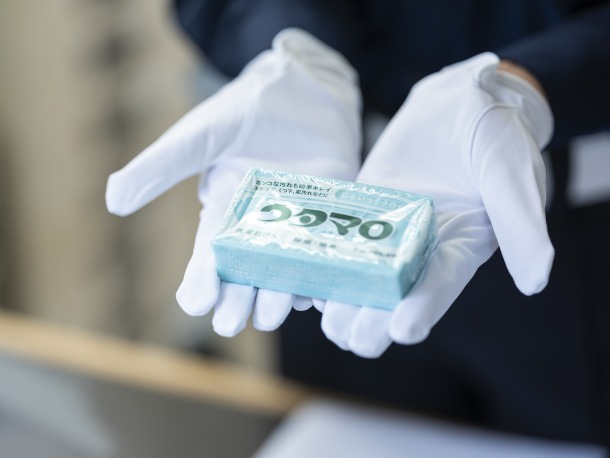
"Work partner": "Utamaro soap" that cleans my favorite white gloves

"I love to use Utamaro soap to keep my white gloves white, as they get dirty easily. I wash them with my white gloves on, scrubbing them as if I was washing my hands, and then I hang them out to dry, and they're nice and dry by the next day. It's an essential item for me so that I can always work comfortably with pure white gloves," says Gunji.
The famous manager of Gakkan Seven is a former professional musician
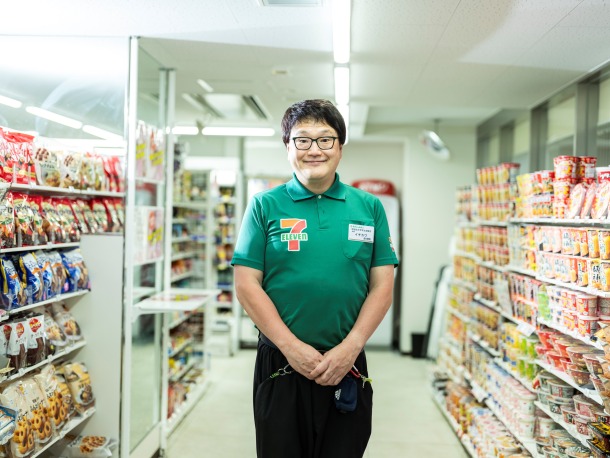
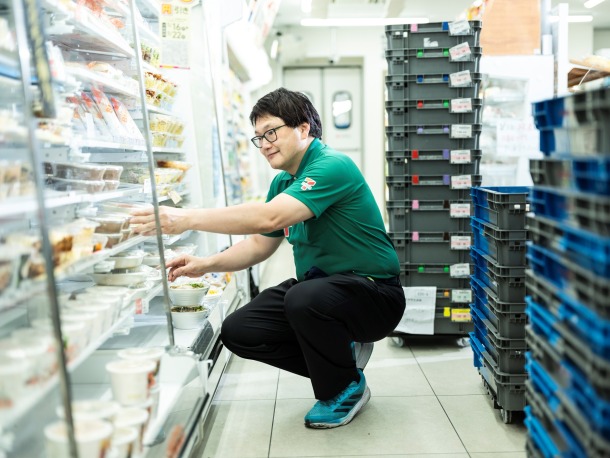
Jutaro Ichikawa, Manager of Seven-Eleven Waseda University Waseda University Student Center Store

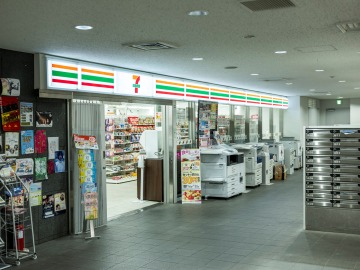
At the 7-Eleven on the 2nd floor of the Toyama Campus Waseda University Student Center
-Please tell us about your job duties.
Around 7am before the store opens, I look at the sales data from the previous day and order products while considering what items students will like. When the store opens at 8am, a large amount of goods arrives and are quickly put on display in the sales area. At the same time, I fry the fried foods to be sold in the store, making about 300 at a time. During the 50-minute lunch break, more than 350 people come to the store, so three people work hard at four cash registers to handle the demand. I continue to deal with new goods arriving in the afternoon and finish work at 6pm. In their free time, I make posters recommending products and decorate the store according to the season.

--What do you usually think about students as you work?
Actually, before I started my current job, I was a professional musician. That's why I'm so keen to support students who are working hard at something, whether it's student club, extracurricular activities, or studying. I try to make my shop fun so that students can relax even a little between classes or student club activities.

Before becoming the manager, he worked as a professional musician and comedian.
--Please tell us about an experience when you felt your work was rewarding.
I always think about what kind of store I should have and what I should sell to make the students happy. I feel very happy when I hear students say things like "This looks delicious" or when they say "Thank you" at the register, and it puts my heart at ease even when I'm busy.
--Please give a message to all the students.
When I was a student, I practiced my instrument for about 8 hours every day at a music school. That experience has been useful to me even when I was working in the music industry and even now, as a manager at a completely unrelated convenience store. People who put their all into something can do their best at anything. We support all the hard-working students. If you're tired, why not take a break and buy something delicious from our store? It'll cheer you up! We look forward to seeing you.
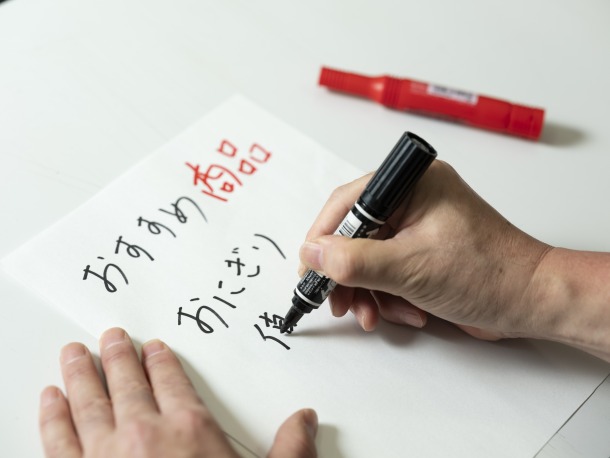
"Work Partner": "Magic Pen" for handwritten posters

"I want to convey the best deals on my products in my own words, so I often make handwritten posters. The magic marker I use for that is an essential item," says Ichikawa.
[Store name] Seven-Eleven Waseda University Waseda University Student Center Store
[Location] Toyama Campus Waseda University Student Center 2nd floor
[Business hours] 8:00-22:00
[Closed]Waseda University Student Center closed days
The cafeteria manager who supports students' stomachs and cares about their health
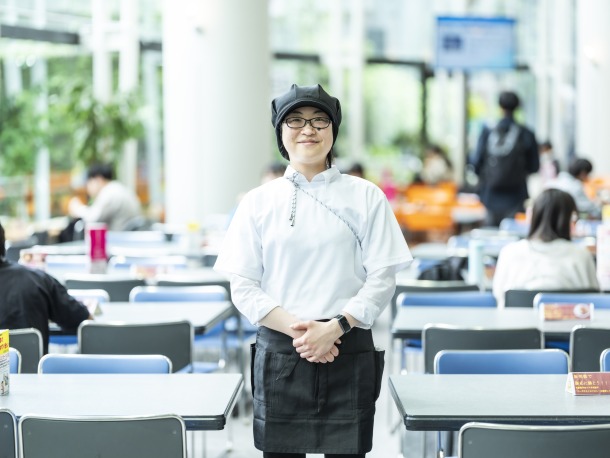
Okuma Garden House Cafeteria Manager Miki Anazawa

At the cafeteria on the 2nd floor Okuma Garden House Waseda Campus
-Please tell us about your job duties.
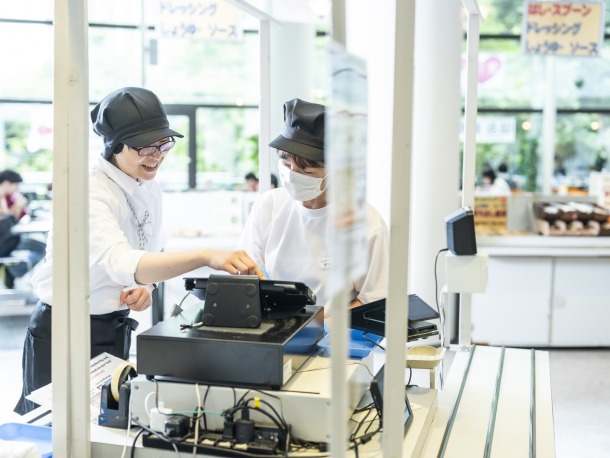
I check the menu and work operations with the part-time staff, discuss menus and advertising methods with student groups that want to collaborate with the cafeteria, organize part-time shifts with my subordinates, order ingredients... I run the cafeteria while communicating with a variety of people.
--What do you usually think about students as you work?
For the sake of your own health in the future, I always hope that you will eat with nutritional balance in mind. We have prepared a menu that takes nutritional balance into consideration, hoping that through the cafeteria, more students will think, for example, "I've been feeling anemic lately, so I'll eat spinach." In addition, since the pandemic ended and student club activities have become more active, there have been more voices saying that they want to collaborate with the cafeteria. Because we are a university cafeteria, we want to support the students' desire to take on new challenges.

--Please tell us about an experience when you felt your work was rewarding.
This is not about the cafeteria, but around 2014, when I was in charge of a Life Center that handled a wide range of products such as bento boxes, stationery, and computers, a student group suggested that we sell cream buns from a Kesennuma company as part of a reconstruction project for the Great East Japan Earthquake. We had a lot of trouble coordinating supplies, but thanks to the hard work of the students in that group in advertising and sales, we were able to sell an average of 120 sweet buns a day, and 600 buns in a week, compared to the usual sales of around 50 buns. Witnessing the students' hard work and results made a lasting impression on me, and it has become the origin of my work.
--Please give a message to all the students.
The cafeteria has a wide variety of nutritionally balanced menus using fish and vegetables, and members can eat at reasonable prices by showing their Co-op membership card. Many people think that the cafeteria is crowded and difficult to use, but it is surprisingly quiet outside of lunch hours and you can enjoy it at a relatively leisurely pace. If you have never used it before, we recommend you give it a try!
"Work Partner": "Coffee" to relax during breaks

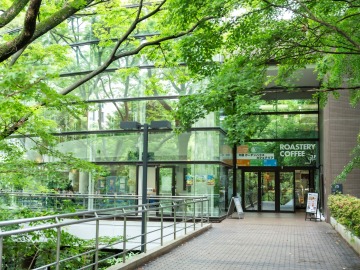
"There is a ROASTRY COFFEE on the third floor of Okuma Garden House cafeteria, where you can get delicious coffee. I get some takeout and enjoy it during my break at the office." (Mr. Anazawa)
[Store name] Okuma Garden House Cafeteria
[Location] Waseda Campus Okuma Garden House 2nd floor
[TEL] 03-5273-8101
[Business hours] 10:30-14:00
[Closed days] Click here
【Website】https://www.wcoop.ne.jp/shop/index.html#shop_waseda25
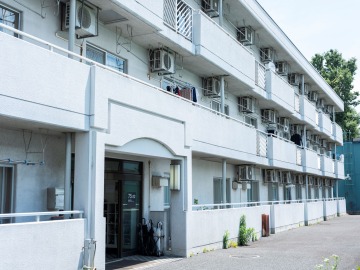
After retiring from a major general trading company, he became a live-in housemaster at a student dormitory.
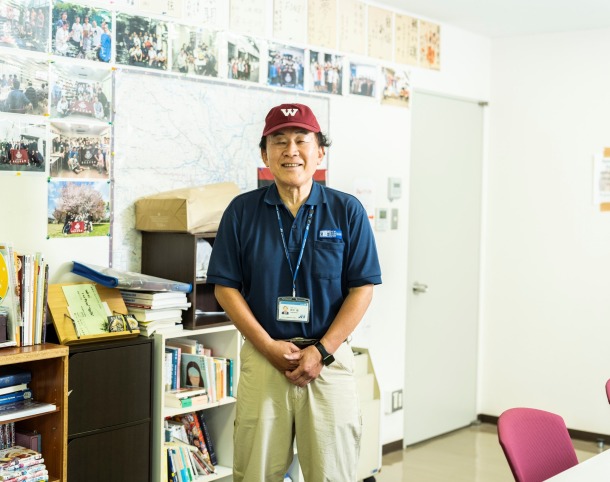
Higashi Fushimi Student Dormitory Manager: Minoru Tanaka

At Higashifushimi Campus on Higashi Fushimi Student Dormitory campus
-Please tell us about your job duties.
I am responsible for all tasks that support the life of the dormitory residents. My day starts at 9am with putting newspapers (Japanese and English) in the student recreation room, and I check the safety of shared facilities such as study rooms, toilets, and the kitchen. After that, I prepare the garbage for collection, although the sorting varies depending on the day of the week. Residents here are required to cook their own meals, so there is no cooking, but during the day I am busy sorting the many packages and mail. I also check on the work of the cleaning staff, and depending on the season, I also pick up fallen leaves.
--What do you usually think about students as you work?
I am actually alumni (graduated from School of Political Science and Economics in 1976), and lived in a dormitory called Wakeijuku for four years during my student days. While recalling the feelings I had at the time, I try to increase opportunities for conversation as much as possible to support dormitory life, including my duties as a "caretaker," the consideration and consideration of a "senior student," and the "perspective of a parent."

--Please tell us about an experience when you felt your work was rewarding.
There are many. At first, they often violated the rules when it came to trash disposal, but once I built friendly relationships with them through conversations that suited their hometowns, they started to follow the rules. When a dorm resident was infected with COVID-19 and couldn't leave their room, I went to buy them lunch boxes and other necessities, and they were grateful for it. When dorm residents returned from trips or visits to their hometowns, they brought me souvenirs. I'll also never forget the time I received career advice from them, since I used to work for a general trading company.
--Please give a message to all the students.
I also experienced dormitory life during my student days, so I know well the good and bad points of group living. I hope that you will learn basic manners and communication skills while living in Higashi Fushimi Student Dormitory, never forget to be grateful to Guardian, and soar to become future leaders of Japan and your home country. Don't forget the Waseda spirit!
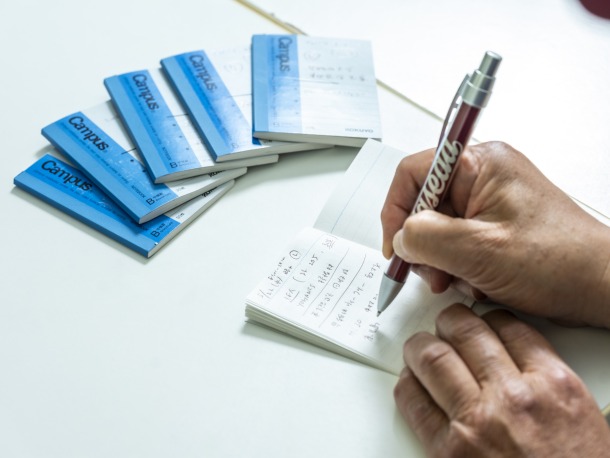
"Work partner": Pocket-sized "Campus Notebook"

"The caretaker's job requires going back and forth between inside and outside the dormitory. This A7-sized notebook is essential for quickly taking down necessary notes at each site, and it is also useful for creating daily work reports. I use up one notebook in about two months." (Tanaka)
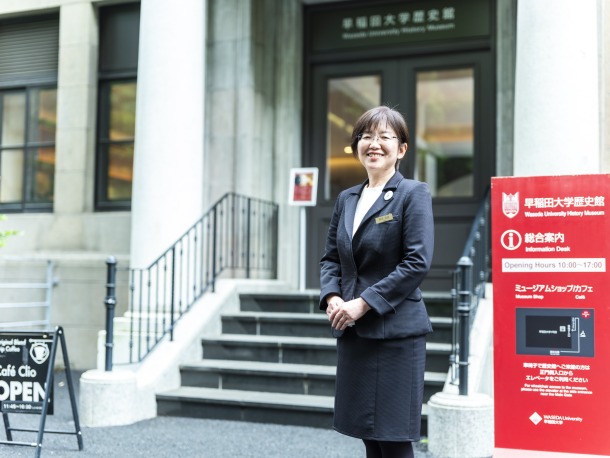
A university general guide and navigator where you can ask anything about the university
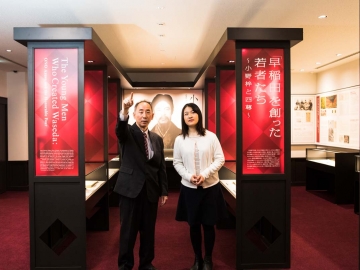
University General Information and Museum Shop Katsue Sasai

In front of Building No. 1 Waseda Campus
-Please tell us about your job duties.
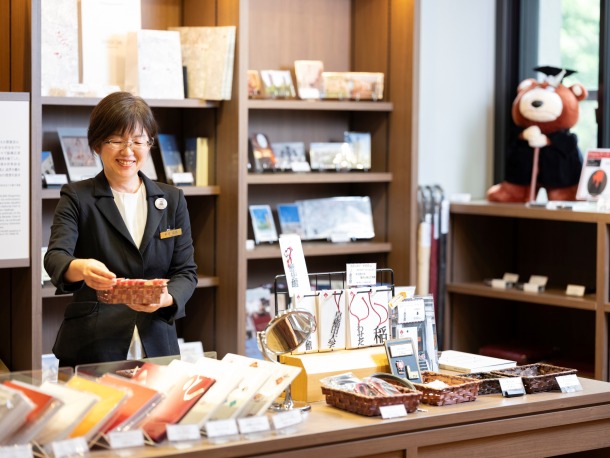
My main duties are to deal with visitors, manage the sale of official university goods at the museum shop adjacent to the history museum, and arrange pamphlets related to student life such as admissions information, studying abroad, and student dormitories. I start work at 9:30 and open the museum shop, prepare the daily report for the handover between staff, put out the products, and replenish any pamphlets that are missing. After that, I handle various reception and inquiries throughout the day.
--What do you usually think about students as you work?
In addition to students, the general information desk also handles parents with strollers, junior high school students on school trips, high school students visiting schools for entrance exams, and groups from overseas. Although there aren't many opportunities for students to come, I hope that it will become a place where students can casually drop in and exchange information, such as "A new delicious restaurant has opened" or how the official goods feel.

--Please tell us about an experience when you felt your work was rewarding.
When Alumnus come and say with joy, "It's been 60 years since I last came here, and it's been beautifully restored!", or when relatives come from China to remember the hardships their ancestors endured as students of Qing Dynasty, I feel a real sense of Waseda's history and a sense of pride in working here. Also, the greatest joy at the counter is seeing anxious customers come in with a sense of relief and smile after I show them around.
--Please give a message to all the students.
Due to its location, it may seem like the reception desk for the History Museum, but this is a general information desk for everyone involved with Waseda University. Please use it as a place to solve any small problems you may have. One new students said, "I couldn't connect to the Wi-Fi in class," and one student asked, "Is there a place where I can put up a student club poster?" When you visit the History Museum, please feel the footsteps of our great predecessors and leave your mark in Building No. 1.
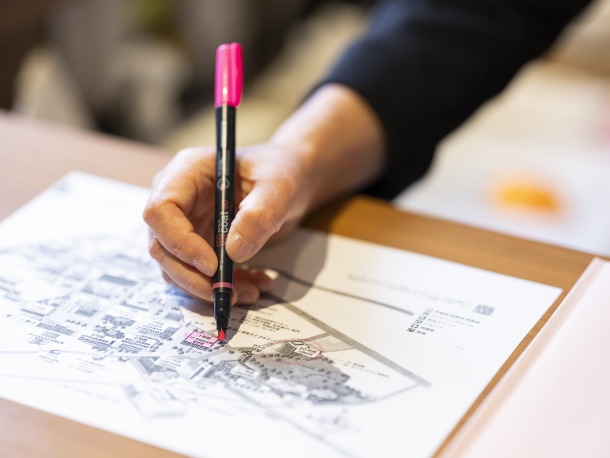
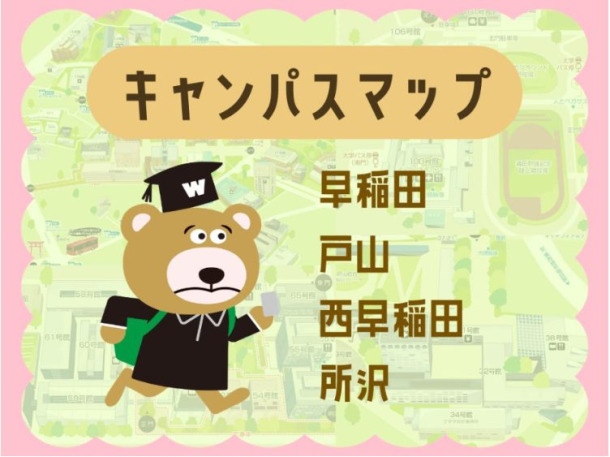
"Work Partner": "Campus Map" guides visitors to locations

"The most common questions we receive at the general information desk are, how do I get to Building No. X? Where is X? This map is useful in these situations. We aim to provide easy-to-understand explanations to show people their destination from their current location." (Sasai)
[Location] Waseda Campus Waseda University History Museum (Building No. 1), 1st floor
[Business hours] 10:00-17:00
Dialogue between students and staff at the Toyama Co-op bookstore through bookshelves
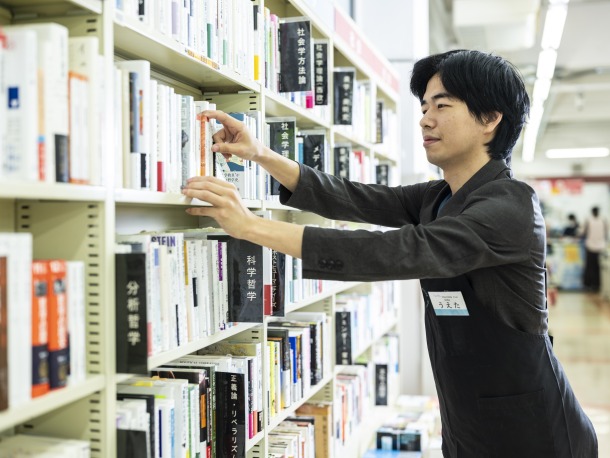
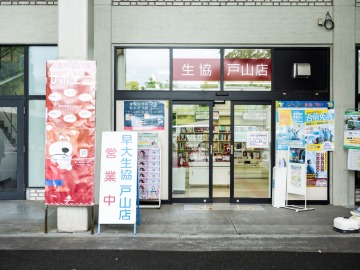
Masaki Ueta, Book Department, Co-op Toyama Store
Graduate Graduate School of Law Doctoral Program, 1st year

At the Co-op Toyama store on the 1st floor Building No. 31, Toyama Campus
-Please tell us about your job duties.
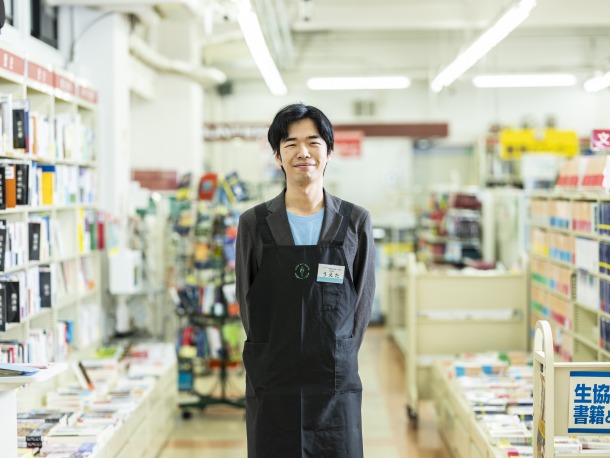
I spend my time facing the bookshelves. The Toyama store is small, so half of it is the purchasing department, which handles food, stationery, travel products, etc., and the other half is the bookstore, which handles books and magazines. My job is to look after the bookshelves in the bookstore. My area of responsibility is all so-called "specialized books" other than paperbacks, magazines, language books, and job-hunting books. My job is to create an environment where books can be picked up, from ordering new books to displaying and replacing them. I am committed to creating a place where students can come across an unexpected book while staying close to the learning at Toyama Campus.
--What do you usually think about students as you work?
Because it is a small store, we are always sorry that we cannot offer the selection we would like. However, Waseda Campus Book Center, Bunrokudo, and Seibundo are located very close to the Toyama store, and there are also large bookstores in Takadanobaba, Shinjuku, and Ikebukuro. Because we cannot compete in terms of the amount of stock or the speed at which we stock new releases, we want to compete in other areas. The Toyama store aims to create a store that is worthy of Toyama Campus by focusing on humanities books that are hard to find in ordinary new release bookstores, and by stocking books on fields that are likely to become the focus of research and discussion in the future.

--Please tell us about an experience when you felt your work was rewarding.
I'm happiest when a customer picks up one of the books on display. I think of creating shelves in a bookstore as a dialogue with customers, mediated by the "movement" of books. Of course, I'm happiest when books are sold (laughs), but I also feel joy just seeing evidence of someone picking one up in the store when they see how the books are lined up. I often think, "They're interested in this book. So let's put this kind of book in there," or "What one more step do we need to take to get them to buy it?"
--Please give a message to all the students.
Please buy and read the book! Even selling one copy will send a huge message to the publishing and bookstore industry. If this book sells, new books on the same theme can be planned (and stocked at bookstores), and if this author sells, the next book can be published as a translated version (and put on display). Buying a new book is an "investment" in books that should be published in the future and in future academic research.
"Work partner": "Handy terminal" for managing data on book shelf arrangement

"I use it to register newly arrived books and to cancel the registration of books that I want to return. This allows me to check the book's shelving status through the co-op's book ordering and search system. I always keep it in my apron pocket," says Ueta.
[Store name] Waseda University Co-op Toyama Store
[Location] Toyama Campus Building No. 31, basement
[TEL] 03-3202-4204
[Business hours] 10:00-17:30
[Closed days] Click here
【Website】https://www.wcoop.ne.jp/news_3/news_detail_1175.html
Photography: Kota Nunokawa
[Next feature article preview] "Waseda Theater Special" to be released on Monday, June 17th


![[Save version] Map of the four main campuses](https://www.waseda.jp/inst/weekly/assets/uploads/2025/09/17cb2975123fc5103172ef60bd98608d-610x458.jpg)