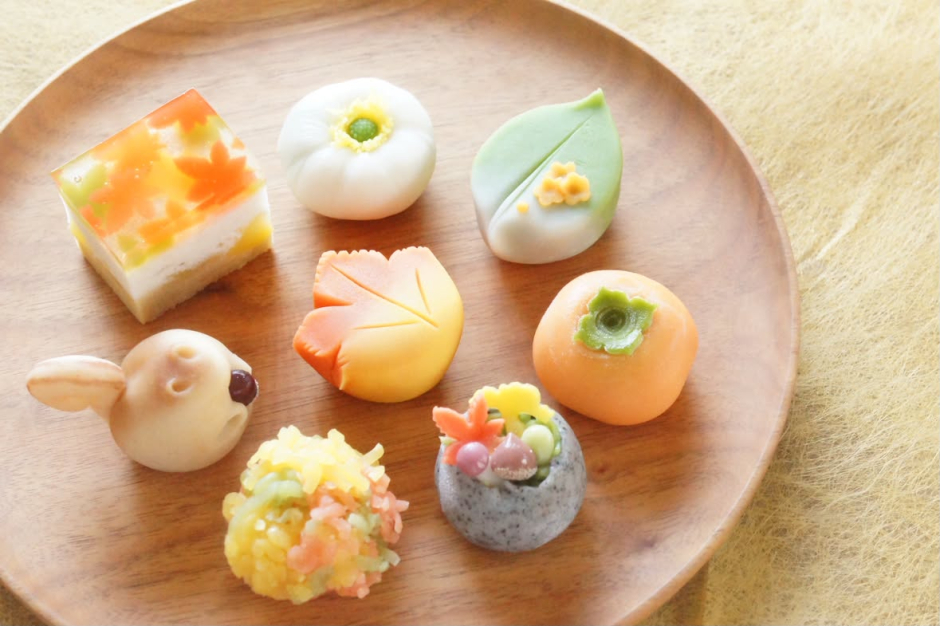
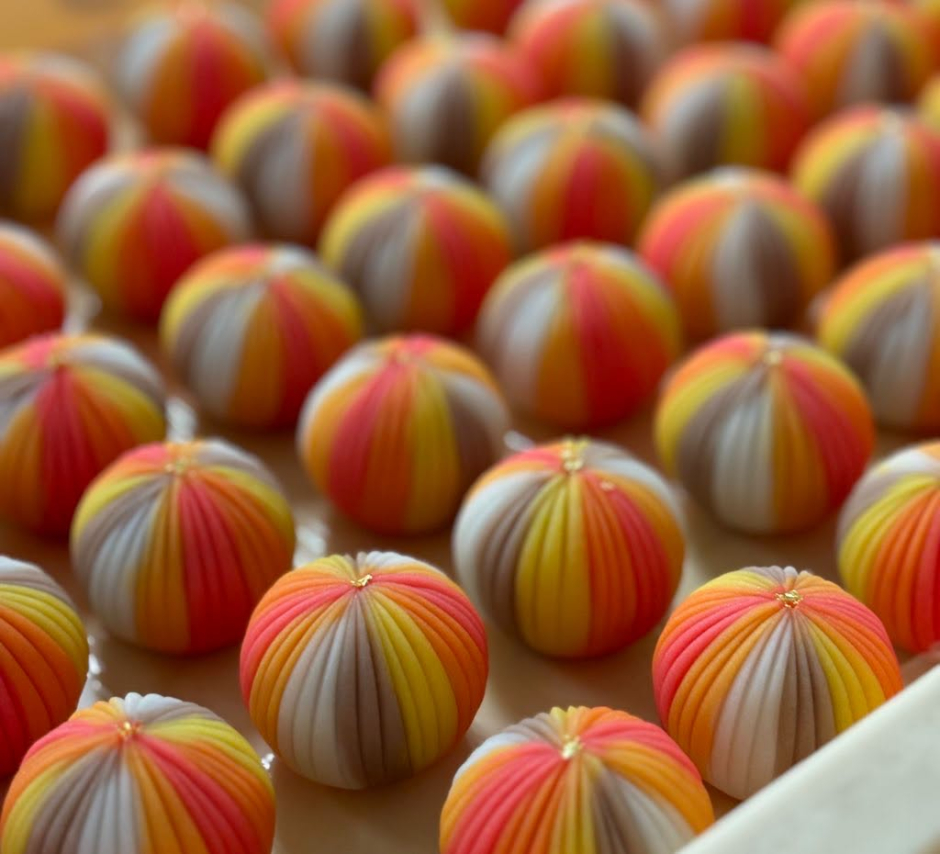
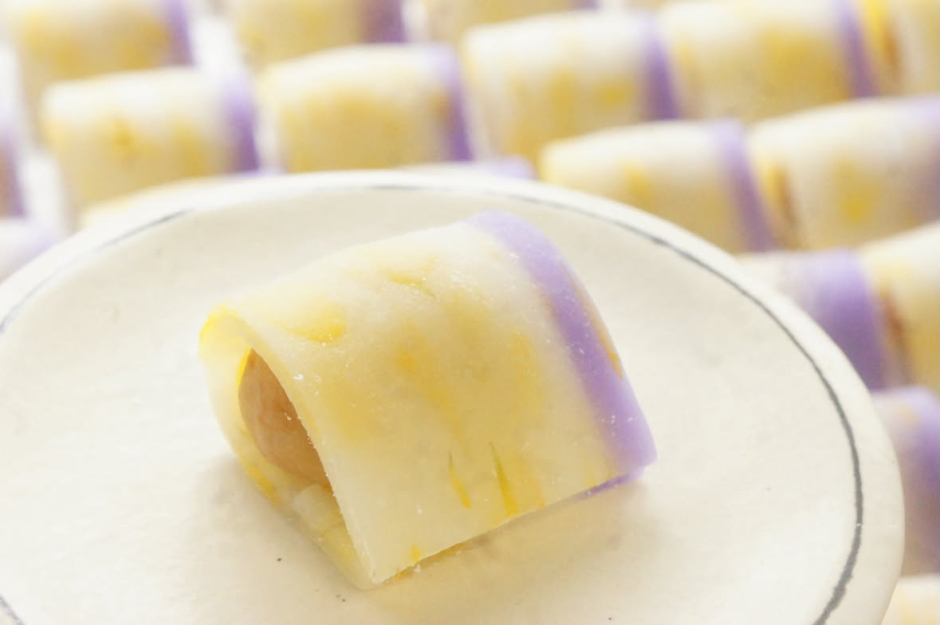
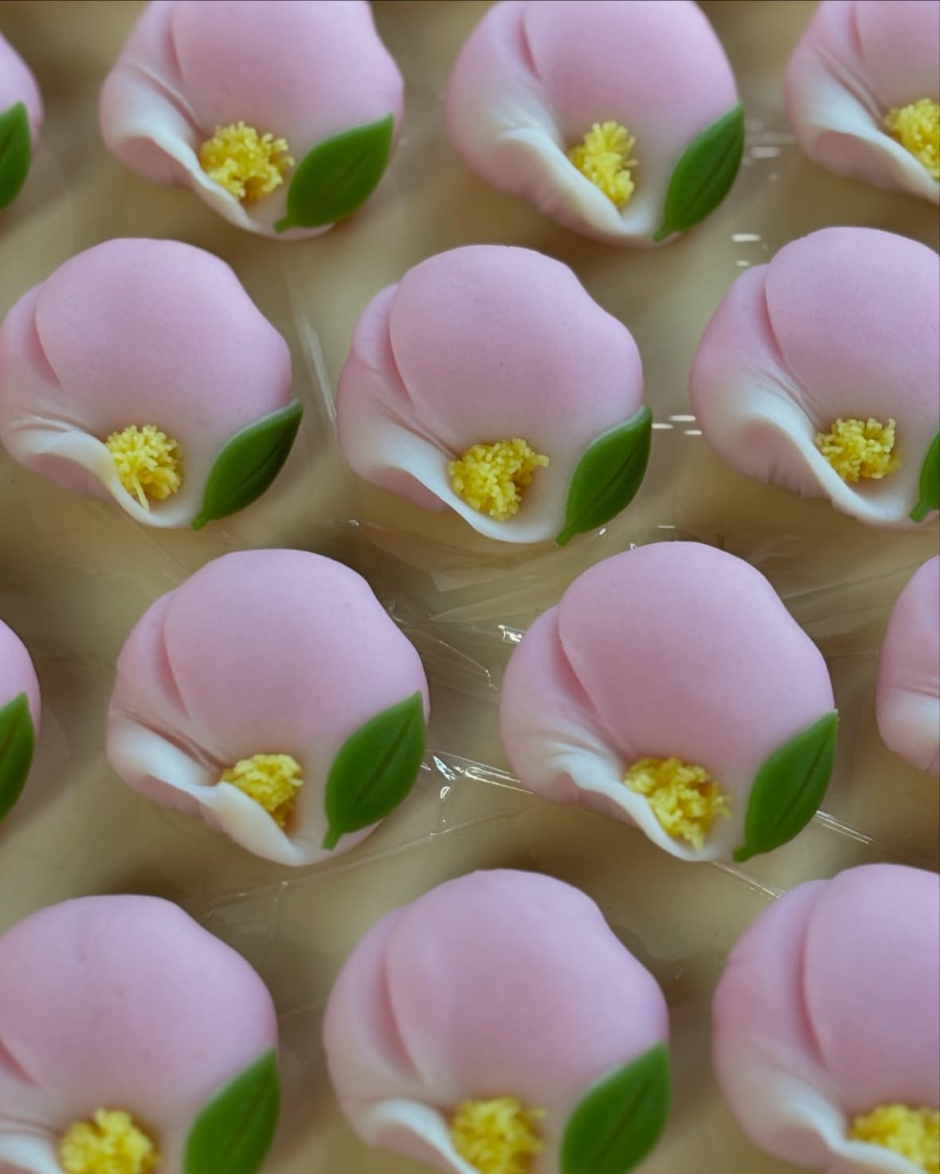
I want to make being a Japanese confectioner a more desirable profession.
Tomomi Matsuno, 4th generation owner of the Japanese sweets shop Chanoko.
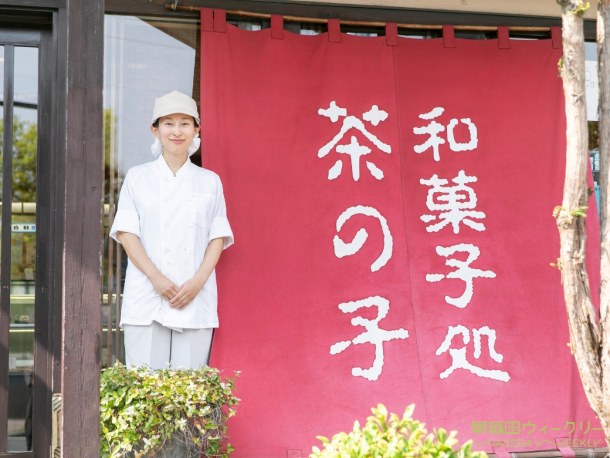
Founded in 1917 (Taisho 6), Chanoko , a long-established Japanese sweets shop in Nishi-Kamakura, Kanagawa Prefecture, boasts a history of nearly 110 years. Tomomi Matsuno, the fourth-generation owner, is a graduate of Waseda University's School of Social Sciences. Matsuno has proven skills and achievements, including serving as a demonstrator representing Japanese confectionery artisans at the 2025 Osaka-Kansai World Expo. However, after graduating from university, she worked for a general company. Having grown up surrounded by Japanese sweets since childhood, and after a period as a student when she wondered whether or not to take over the family business, how did she decide on her own path in life?
The value of Japanese sweets, which I reaffirmed after starting my job.
"I remember saying I wanted to be a cake maker when I was in preschool. Strangely enough, I never considered the option of becoming a Japanese confectioner."
Matsuno reflects on her childhood in this way. However, it wasn't that she disliked Japanese sweets or the family business; it was just that Japanese sweets were so ingrained in her daily life that they didn't even cross her mind as an option.
"For example, on March 3rd for Hina Matsuri, we make sakura mochi, and on May 5th for Tango no Sekku, we make kashiwa mochi... Japanese sweets shops have several busy seasons according to the Japanese calendar. During those times, I helped out with simple tasks like wrapping sakura mochi and kashiwa mochi in leaves from a young age. Thanks to that, I grew up watching my parents make Japanese sweets all the time."
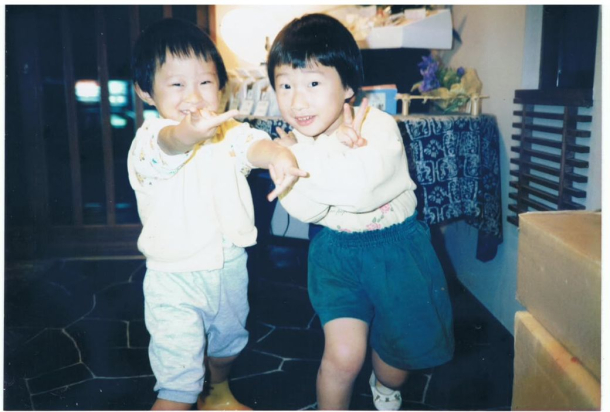
Inside the store with her sister (Matsuno is on the left). She has spent time at the store since she was little and helped out there when she was in elementary school.
When she went to university, she considered the possibility of taking over the family business in the future, but she was more interested in exploring other options.
"When choosing a university, I had a strong desire to 'broaden my horizons.' I chose the School of Social Sciences because I knew it was a faculty at Waseda where I could study a wide range of subjects, and I thought that it might be a place where I could find something that would lead to my future, since I currently have nothing to offer."
This desire to broaden her horizons was also reflected in her actions after enrolling in university.
"One of the attractions of Waseda is that you can study across different faculties. I took a variety of classes in the School of Social Sciences, and then I also took many classes in other faculties. I especially remember enjoying the law-related classes. Also, many of my friends had strong dreams and aspirations, so I was gradually influenced by them. I spent my university life thinking that I needed to broaden my horizons even more."
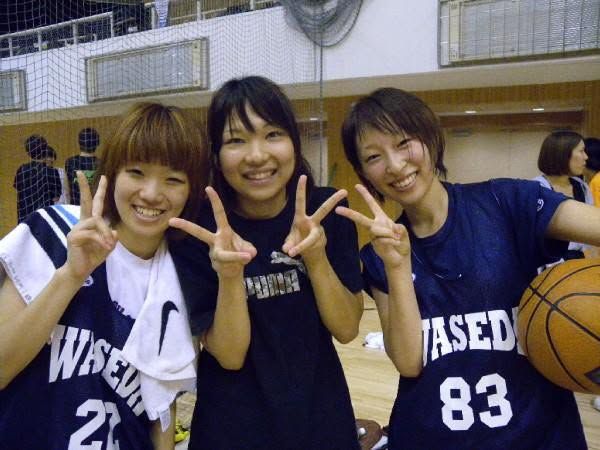
This is a photo taken with a junior member after a basketball student club game when Matsuno was a third-year university student (Matsuno is on the right).
When the job hunting season arrived, Matsuno was unsure whether she should take over the family business, but her father, Kunio, the third-generation owner, did not want his daughter to simply join the family business.
"I was feeling lost and asked my father if I should take over the family business, but he told me to go out into the real world. I had a half-hearted desire to escape from job hunting, but I realized that, just like when I was a student, I needed to learn more about the outside world, so I focused on job hunting."
This led her to take a job at an interior design company. She was assigned to the overseas marketing development department, and through her experiences viewing Japanese culture from the outside world, she rediscovered the charm of Japanese sweets.
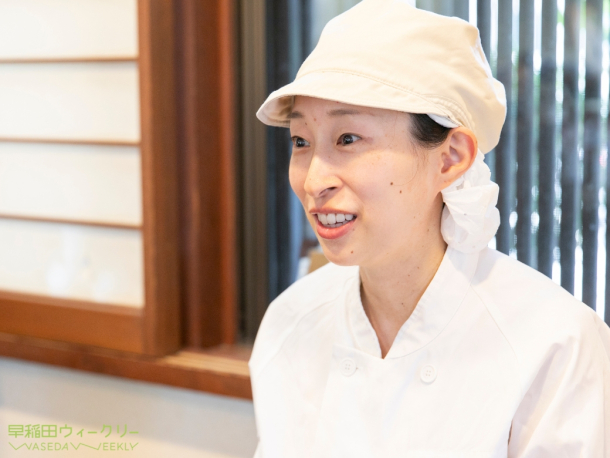
"I had the opportunity to promote Japanese culture to the Asian market, and when I introduced my family's traditional Japanese sweets, the response was fantastic. I myself had thought that the traditional Japanese sweets industry was going to decline, but from an outsider's perspective, I realized that it has potential."
Matsuno wanted to make being a Japanese confectioner a more desirable profession. With that thought in mind, she decided to take over the family business. However, her father still opposed it, so many family meetings were held.
"It's a traditional, old-fashioned world of Japanese sweets, so there are still very few female confectioners. I think my father thought I would have a hard time in such an industry. But I had made up my mind, so we had a huge fight. After many discussions, he told me that instead of going straight into the shop, I should 'first study at a Japanese sweets vocational school to build connections and make friends.' I was very convinced by his suggestion."
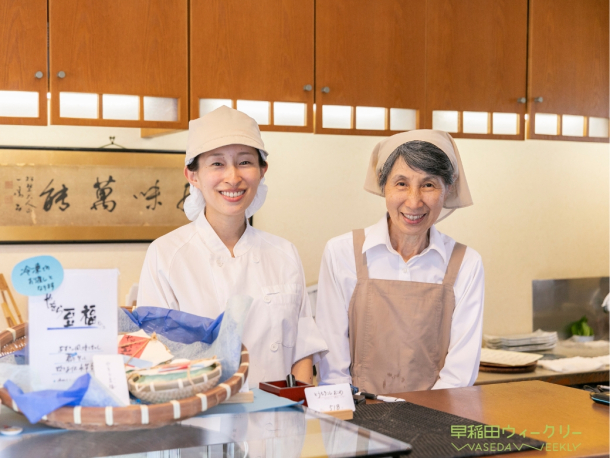
Matsuno, standing in front of the store with her mother.
We must evolve in order to preserve our traditions.
To become a Japanese confectioner, Matsuno quit her job. Her busy days began, during which she trained at a long-established Japanese sweets shop in Ginza, Tokyo, and at night she attended a confectionery school.
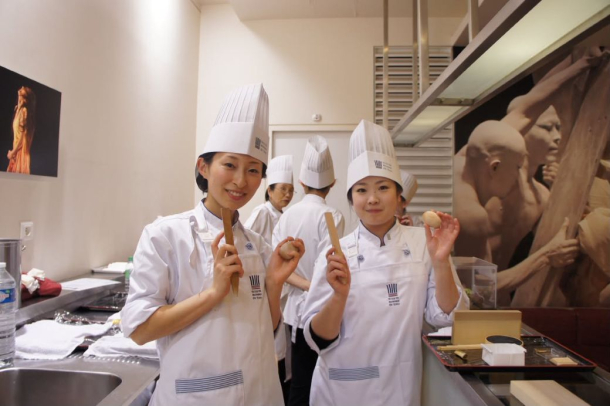
Apparently, when she visited Paris on a graduation trip from Tokyo Seika Gakko, she offered Japanese sweets to locals while demonstrating the process.
"All Japanese sweets shops start their opening preparations early, so I would take the 6 AM train to work. After that, I would finish my evening classes and get home at 11 PM. I was physically exhausted, but I simply enjoyed the process of making Japanese sweets with my own hands, and I had decided to work my butt off in my twenties, so that determination helped me get through it."
In 2014, after completing her two-year apprenticeship, Matsuno took the "Outstanding Japanese Confectioner" certification exam administered by the Japan Wagashi Association. She passed the exam on her first attempt with the highest possible score, a test that often takes years to pass.
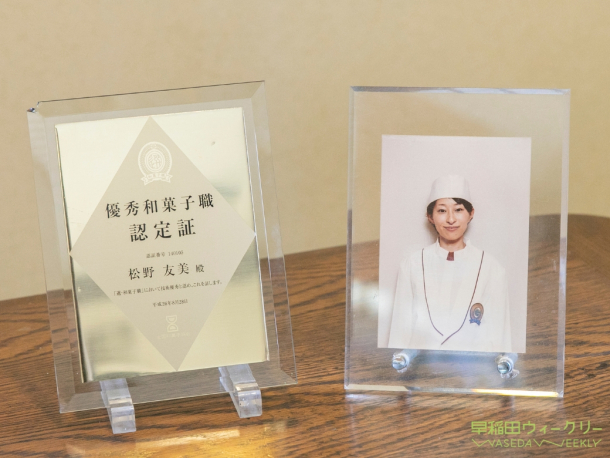
A "Certificate of Excellence in Japanese Confectionery" displayed in the shop.
"I took the test just to see what I could do, so I was surprised myself. Thanks to this certification, I was featured in a local town magazine, which led to a TV interview, and I also received feedback from customers saying, 'I saw it,' so the response was huge."
As the fourth-generation owner, Matsuno says, "I aim to create a shop that is loved by the local community." Besides the daily process of making Japanese sweets and managing the shop, she has many tasks to complete, including researching and developing new Japanese confections.
"The reality is that Japanese sweets shops rarely get a day off. While holidays and national holidays are busy periods, the main reason is that because we handle perishable goods, preparation is needed every day, even when the shop is closed. In that sense, I am constantly reminded of how difficult it must have been for my father, who worked diligently from early in the morning every day, battling the pressure of keeping the shop afloat."
Even amidst these challenges, she finds fulfillment in her work because of her pride as a bearer of Japanese culture. At the 2025 Osaka-Kansai World Expo, she demonstrated the Japanese sweets making at the Japanese sweets booth organized by the Agency for Cultural Affairs. Among the "Outstanding Japanese confectioner", Matsuno was the only one selected from the Kanto region.
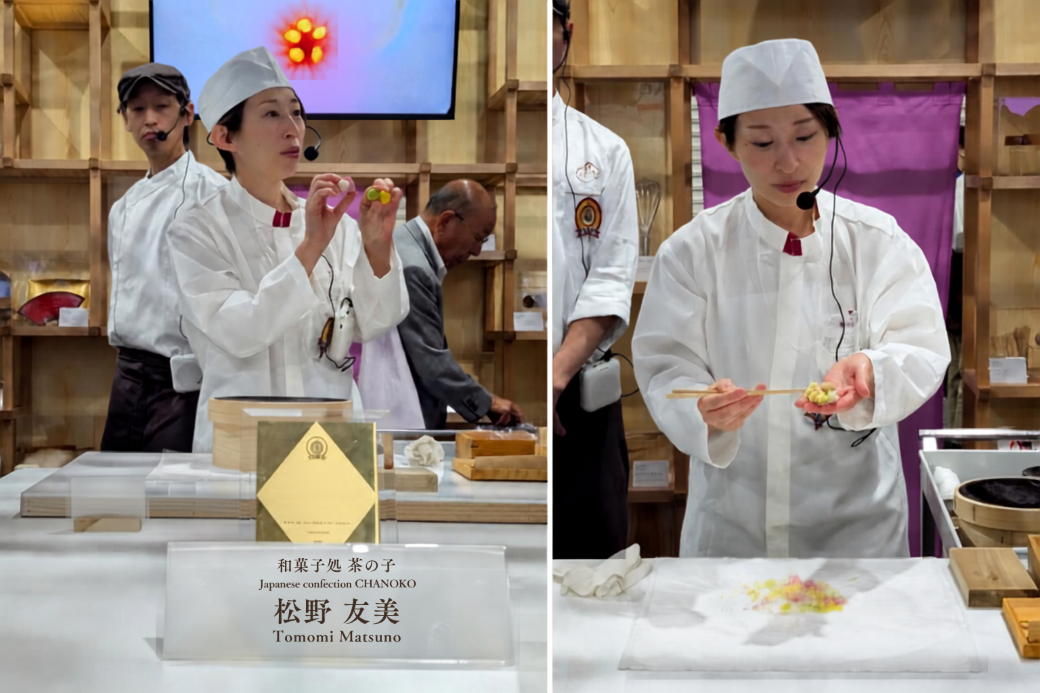
A demonstration at the World Expo. The presenter demonstrated the process of making Japanese sweets and explained the origins of their names in detail, right in front of the visitors.
"Besides the World Expo, we often have opportunities to introduce Japanese sweets as a part of Japanese culture, such as giving demonstrations at the Japanese Embassy in Beijing or holding workshops for international university students visiting Japan. Kamakura, where our shop is located, is a town where people who love and want to learn about Japanese culture gather, so we would like to continue to promote Japanese culture through Japanese sweets."
While immersed in the world of tradition, her business demands innovation and change every day. How does she consciously balance "tradition" and "innovation"?
"What I've been thinking about a lot lately is that we have to evolve in order to preserve tradition. For example, even with how we cook beans, new methods are being researched and developed that have been scientifically proven to be tastier than traditional methods. The important thing is whether to preserve the traditional method or to preserve deliciousness. I think that if we don't keep acquiring new knowledge and techniques, we won't be able to preserve delicious traditions."
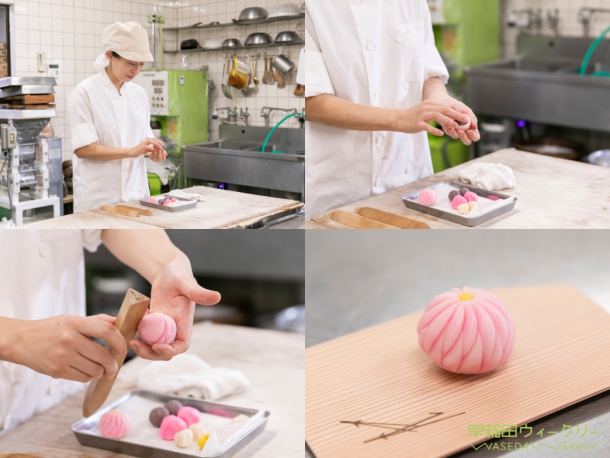
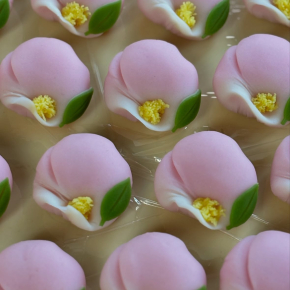
In the shop's kitchen, Matsuno makes high-quality Japanese sweets. She shapes the nerikiri (a type of sweet bean paste) in her palm, then uses a special tool to form each petal one by one, creating a small and lovely chrysanthemum called "Himegiku" (princess chrysanthemum).
To that end, Matsuno keeps her eyes and ears open every day, constantly learning and updating her knowledge of traditional techniques and decorations. She also emphasizes the value of continuous learning to students.
"If I had the time, I would love to go back to university and study again. I thought I was actively taking classes when I was a student, but I deeply regret not studying harder. I hope that all the students will never feel that way someday, so please enjoy your studies and friendships to the fullest."
Interview and text: Oguma Naoto (2002 graduate of School of Humanities and Social Sciences II)
Photo: Chihiro Hashimoto
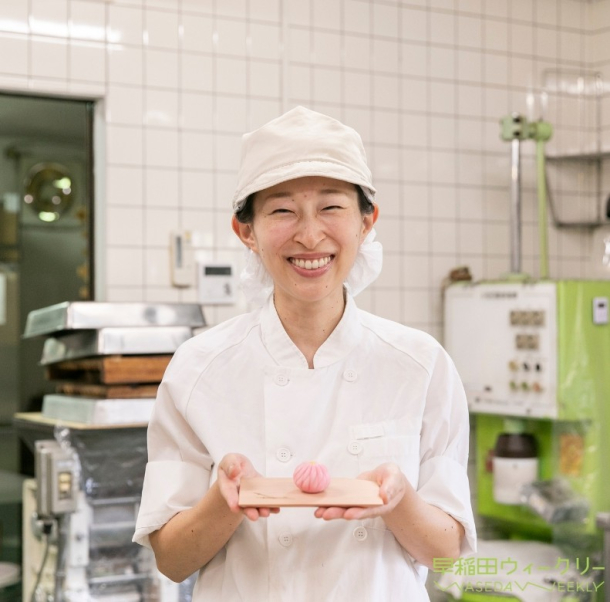
【Profile】
Born in Kanagawa Prefecture. After graduating from School of Social Sciences at Waseda University in 2011, she joined BALS Co., Ltd. (now Francfranc Co., Ltd.). In 2012, she left the company and enrolled in the Japanese Sweets Department of Tokyo Sekka Gakko. After graduating in 2014, she joined Matsuno Co., Ltd., which operates the family business "Chanoko". In the same year, she was certified as an "Outstanding Japanese Confectioner" by the Japan Wagashi Association.
Chanoko
X: @chanoko_wagashi
Instagram: @chanoko.nishikamakura
Website: https://www.chanoko-nishikamakura.com/