Waseda WeeklyWaseda Weekly

News

News

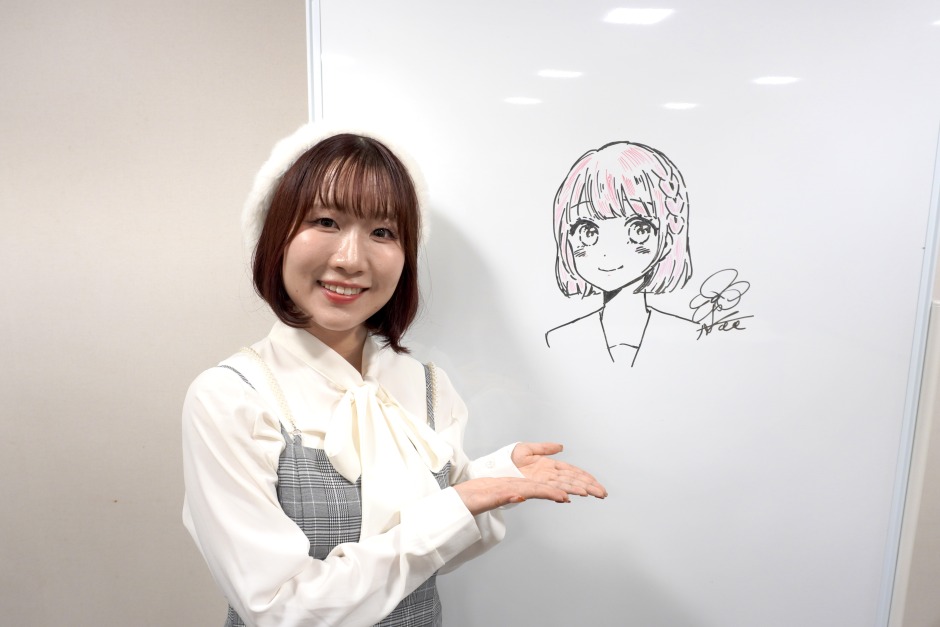
She made her debut as a manga artist while still in junior high school! A talented young artist who is expanding her field of work to anime and original works.

"It's fun to collaborate with people who have different strengths than me to create something."

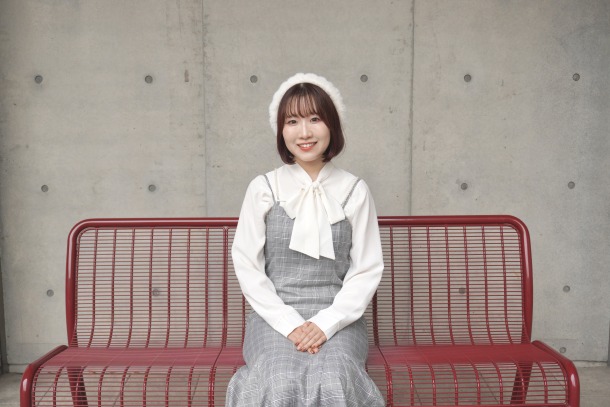
Hana Mamimo, 3rd year student School of Culture, Media and Society and Society

On the bench in front of Building No. 33 on Toyama Campus

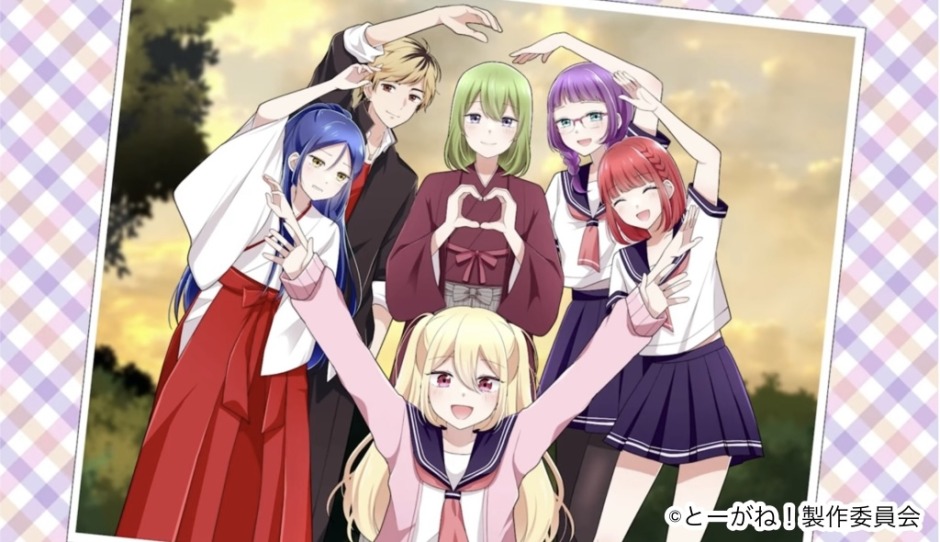
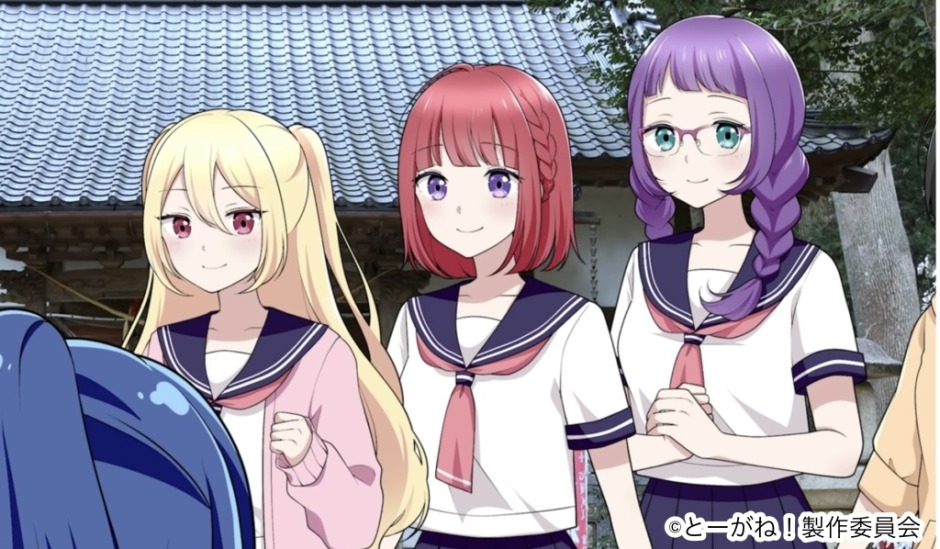
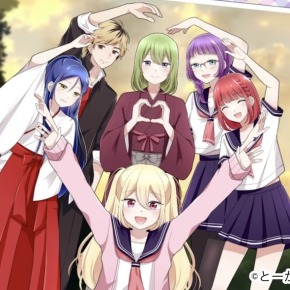
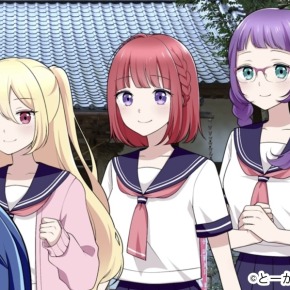
Hana Mamimo made her debut as a manga artist when she was in her second year of junior high school, winning an honorable mention in the girls'/women's category at the 81st Shogakukan Newcomer Comics Awards. She continued drawing manga while also juggling her studies at university, and is currently serializing her manga series My Ex-Boyfriend Appeared as a Voice Actor in Sho-Comi, a girls' manga magazine published by Shogakukan. Recently, she has also been actively expanding her horizons beyond manga, working on anime original drawings and scripts for Chiba Prefecture's local anime series Tougane! Chronicle (Chiba TV), illustrations for children's books, and more. We spoke to Hana Mamimo about what inspired her to become a manga artist and her future plans.

--What made you want to become a manga artist?

It all started with a manga that my parents bought me when I was in the second grade of elementary school. I've loved drawing since I was little, but I wasn't allowed to buy many manga. But I really wanted to read them, so I begged for my first manga as a birthday present. At the time, I was shocked by the manga technique of dividing the pages into frames and placing many scenes on one page. I thought, "This way I can draw lots of the pictures I love!" and started drawing manga.

After that, I read a lot of books about how to draw manga and the tools needed, and gained as much knowledge as I could. Then, when I was in sixth grade, I applied for the Elementary School Manga Award for the first time. As a result, I received the "Future Manga Artist Award," which is one step above the participation award, and I was very happy about that. I thought maybe I had talent, and I started to seriously aim to become a manga artist.

(※) A manga award for elementary school students sponsored by Shueisha.

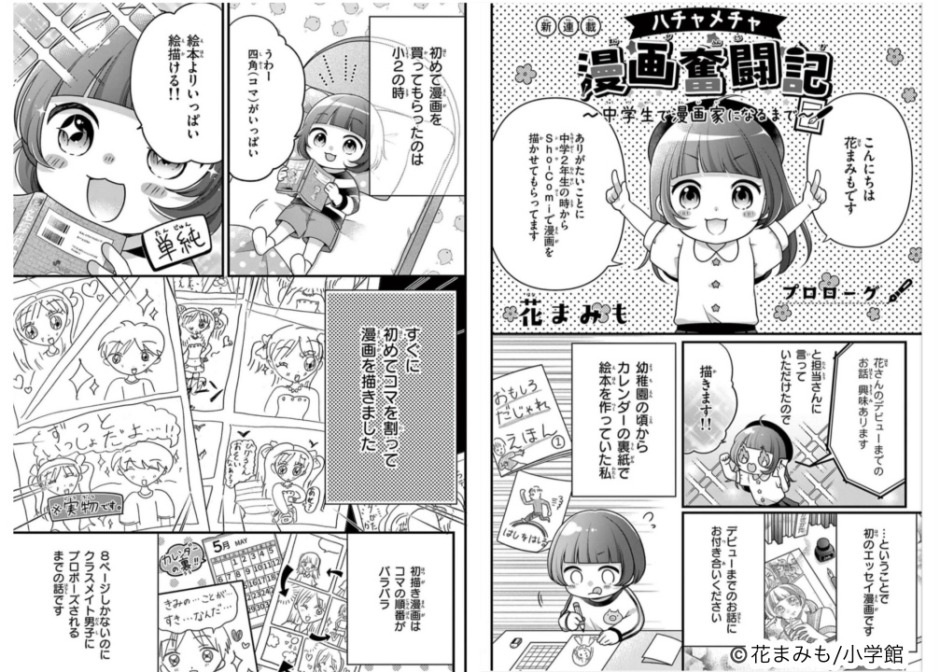
In the essay manga "Hachamecha Manga Struggles" (2023, Shogakukan), which was serialized in "Sho-Comi", she describes episodes from when she first started drawing manga.

--Please tell us about the joys and difficulties you experienced while working as a student manga artist.

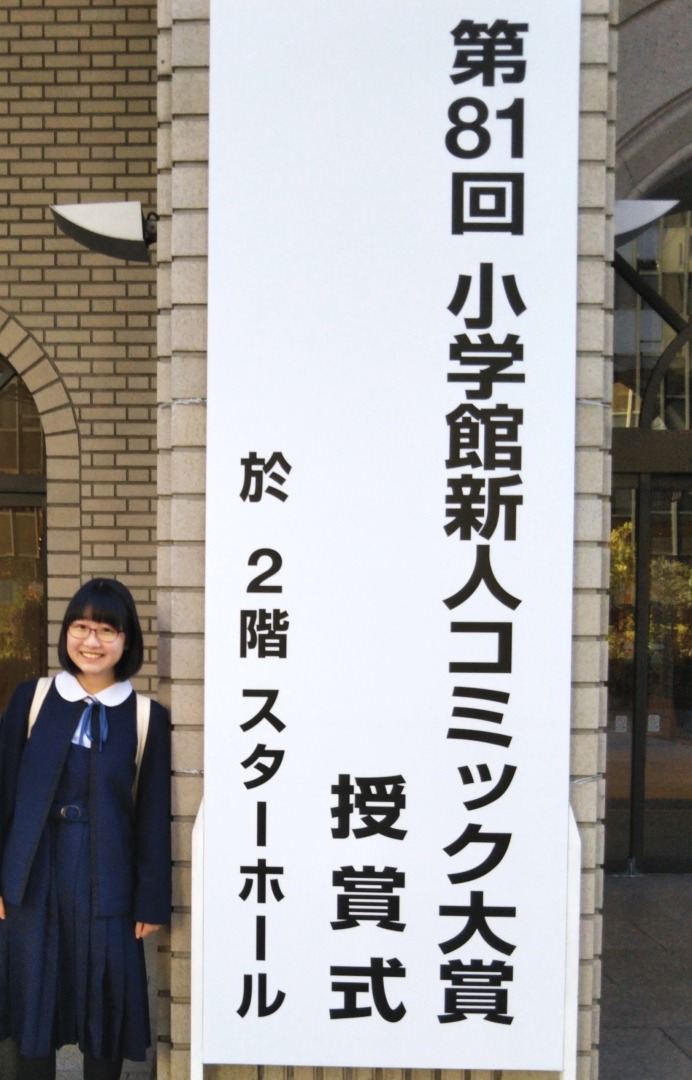
This photo was taken at the 81st Shogakukan Newcomer Comic Awards ceremony, where she won an honorable mention when she was in her second year of junior high school and became a manga artist.

I'm always so happy when I get feedback on my work! When I get even a brief comment in a fan letter or on social media, it really motivates me to keep writing and I think it's a great support for me. The feeling I get when I meet readers at events for girls' manga magazines and they tell me in person, "I love you!" is something I can't replace.

On the other hand, it is difficult to balance work with schoolwork. When I was in junior high school, the deadline for an award I wanted to apply for overlapped with the final exams before my high school entrance exams, and I was so overwhelmed that even my parents, who supported my dream, worried me and asked me, "Maybe you should prioritize your studies now?" But even at times like that, I had a strong desire to make my debut, so I just worked hard to finish my manuscript.

Even now, when deadlines overlap during university classes, it's a tough life, going to university in the morning, and drawing manga until late at night when I get home. But because I love drawing, I've never once felt like quitting because it was too hard!

How do you think about a story?

To tell the truth, I'm really bad at making stories. That's why, in order to find ideas, I've gotten into the habit of immediately writing down anything interesting that I think is interesting in my everyday life or in conversations with friends in my mobile phone. I categorize those notes by genre and organize them so that I can refer to them immediately when I'm thinking of a story.

I often think about how the story will develop through meetings with my editor. We talk candidly about story ideas, and he gives me feedback from a reader's perspective, and sometimes even criticism (laughs). This helps me create interesting stories that I wouldn't have come up with on my own, so I take in the opinions of many different people and incorporate them into my own work.

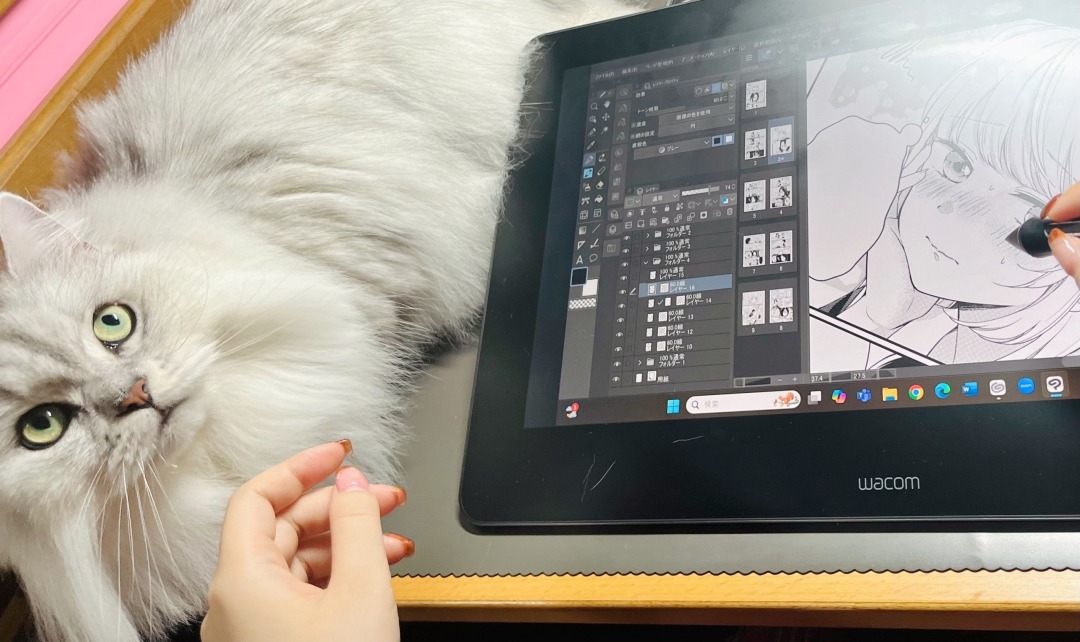
Drawing next to her beloved cat. She switched to digital drawing during the COVID-19 pandemic because of the benefits of being able to share work with her assistants even if they are in different locations.

--Please tell us why you decided to study at School of Culture, Media and Society.

I was attracted to the fact that there are many classes on manga and anime. I decided to enroll in School of Culture, Media and Society because I wanted to learn from Professor who have analyzed and researched these contents academically. Another reason was that my family graduated from Waseda University, and I was always cheering for Waseda in the Hakone Ekiden together with them when I was little, and my parents would talk about the shops in Waseda, so I had a strong attachment to the school.

--What exactly are you learning?

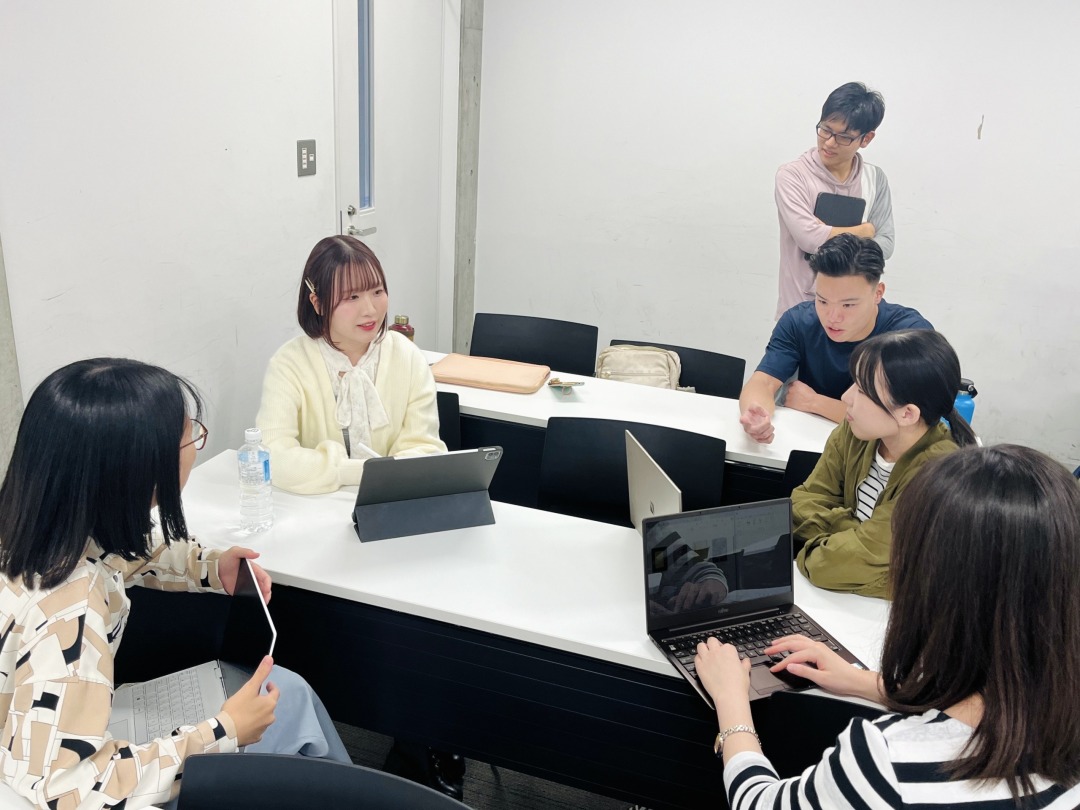
A discussion in a seminar. The topic for the day was "How does the term 'gachi-koi' (serious love) in relation to 2D and 2.5D differ from 'ren-ai' (love)?"

I belong to the "Editing and Criticism" seminar of Professor Masato Ichikawa (Faculty of Letters, Arts and Sciences Associate Professor) in the Department of Literary Journalism. There are many people who like anime and manga in the seminar, and it is very stimulating to see friends who have the same hobby doing research.

From now on, I would like to study manga story and character creation, which I feel I am not good at. Recently, I think that characters that readers can sympathize with are very important, so I would like to consider what kind of characters fit that description, and also what empathy is in the first place.

--Please tell us about your future prospects.

I love drawing so much that right after I finish a manuscript, I'll draw another illustration as a way to relax, so I want to continue to work hard as a manga artist. My goal is to create works that will be read by many people, with the motto of "don't hurt people" and "always meet deadlines"!

Recently, I have also had the opportunity to work with others on projects such as anime key animation, scriptwriting, illustrations for children's books, and original storyboards, and I have realized the joy of working with people who have different strengths than me to create something. I would like to continue to take on the challenge of working in various fields, as well as manga, and to broaden my horizons.

No. 885

Interview, text and photography: Waseda Weekly Reporter (SJC student staff)
Tanabe Saya 4th year School of Culture, Media and Society

【Profile】

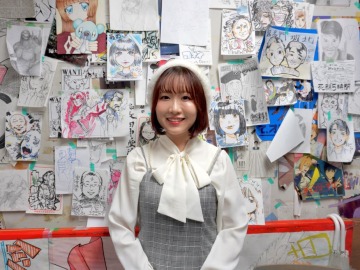
In the club room of the Manga Research Club (official student club) in the Waseda University Student Center, Building No. 30, Toyama Campus

Born in Chiba Prefecture. Graduated from Waseda University Waseda University Honjo Senior High School. Her favorite manga is "Inuyasha" (by Rumiko Takahashi, Shogakukan), especially the character Sesshomaru. Her hobby is collecting food samples. She is a member of the Manga Research Club (an officially recognized student club). She also works as a voice actress, and played the role of Jono Himeko in "Tougane! Chronicle."

X: @hana_mamimo
Instagram: @hana_mamimo

Waseda Weekly is the official web magazine for Waseda Student Affairs Division. It is updated every weekday during the school term! It introduces active Waseda students and graduates, student club, Waseda meal information, and more.

Page Top
WASEDA University

早稲田大学オフィシャルサイト(https://www.waseda.jp/inst/weekly/)は、以下のWebブラウザでご覧いただくことを推奨いたします。

推奨環境以外でのご利用や、推奨環境であっても設定によっては、ご利用できない場合や正しく表示されない場合がございます。より快適にご利用いただくため、お使いのブラウザを最新版に更新してご覧ください。

このままご覧いただく方は、「このまま進む」ボタンをクリックし、次ページに進んでください。

Continue

対応ブラウザについて

close