









I've never had a partner. It's exhausting trying to act like the persona that companies want me to be during job interviews. I'm so busy with my studies that I haven't had much time to do typical college student activities... Do you ever find yourself stuck, wondering "what should I do?" when it comes to love, job hunting, relationships, and your future?
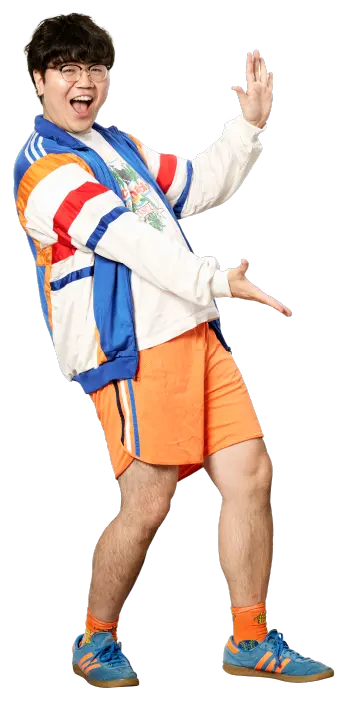
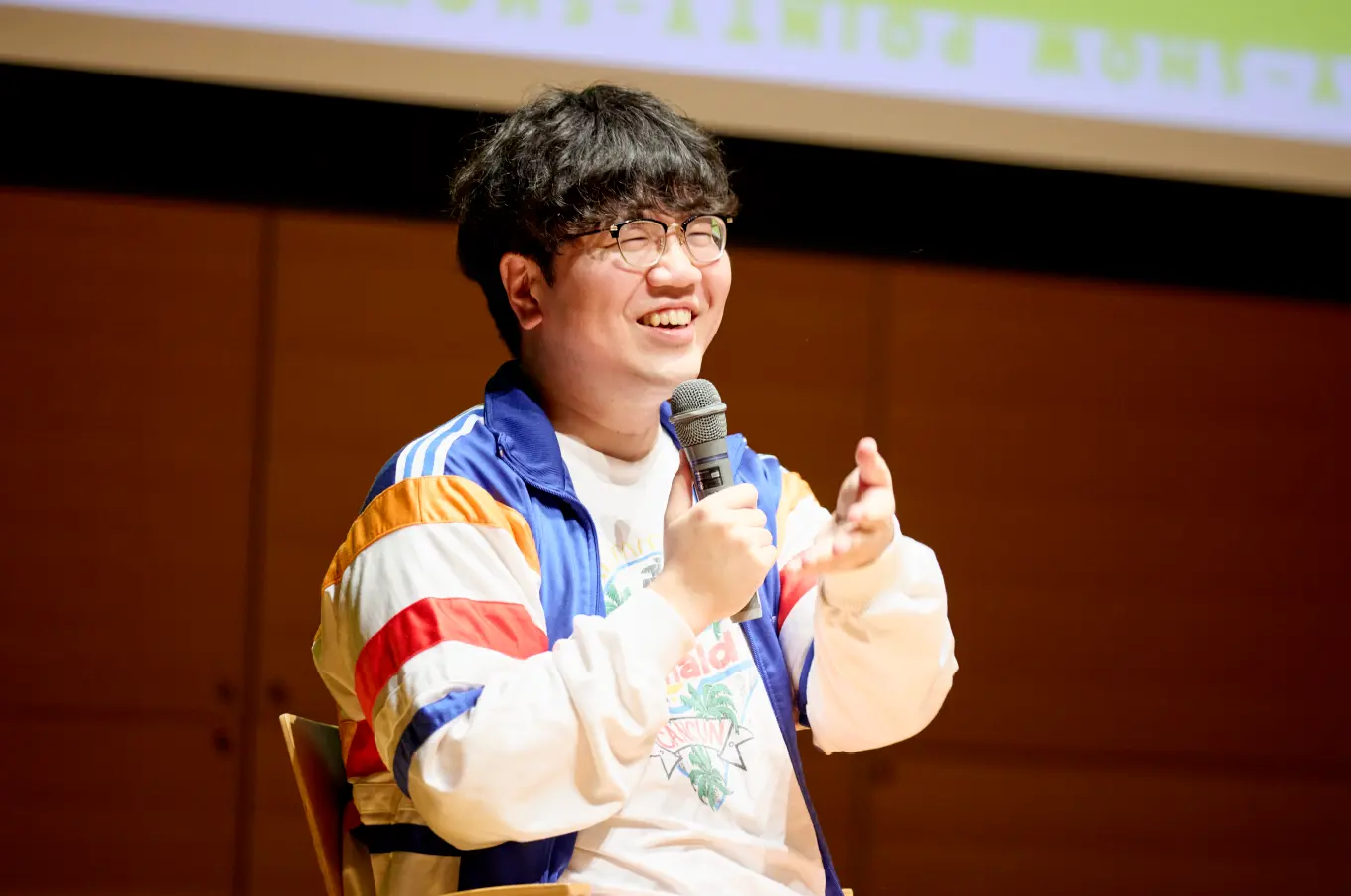
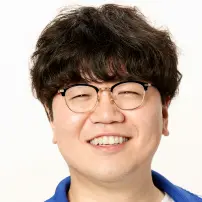
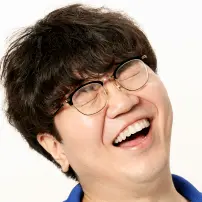
The person who offered advice to the Waseda University student was Saeki Pointy, a popular YouTuber and alumni. He's a senior who regularly answers various people's questions and concerns on his podcast and other platforms.
This time, to commemorate the 60th anniversary of the founding of "Waseda Weekly," we held an event featuring Pointy-san. We will introduce the event and an interview in which Pointy-san answered many of the concerns submitted by Waseda University students. Why not use Pointy-senpai's answers as a hint to think about your current concerns from a slightly different perspective?

After graduating from Waseda University's School of Culture, Media and Society Society in 2016, he joined Cork Inc. as a manga editor. After becoming independent in 2017, he began working as a multi-talented entertainer. He currently has approximately 870,000 YouTube subscribers. Since July 2024, he has been distributing "Saeki Pointy's Free-for-All Radio!" as a podcast. It reached the number one spot on Spotify's Japan daily chart.









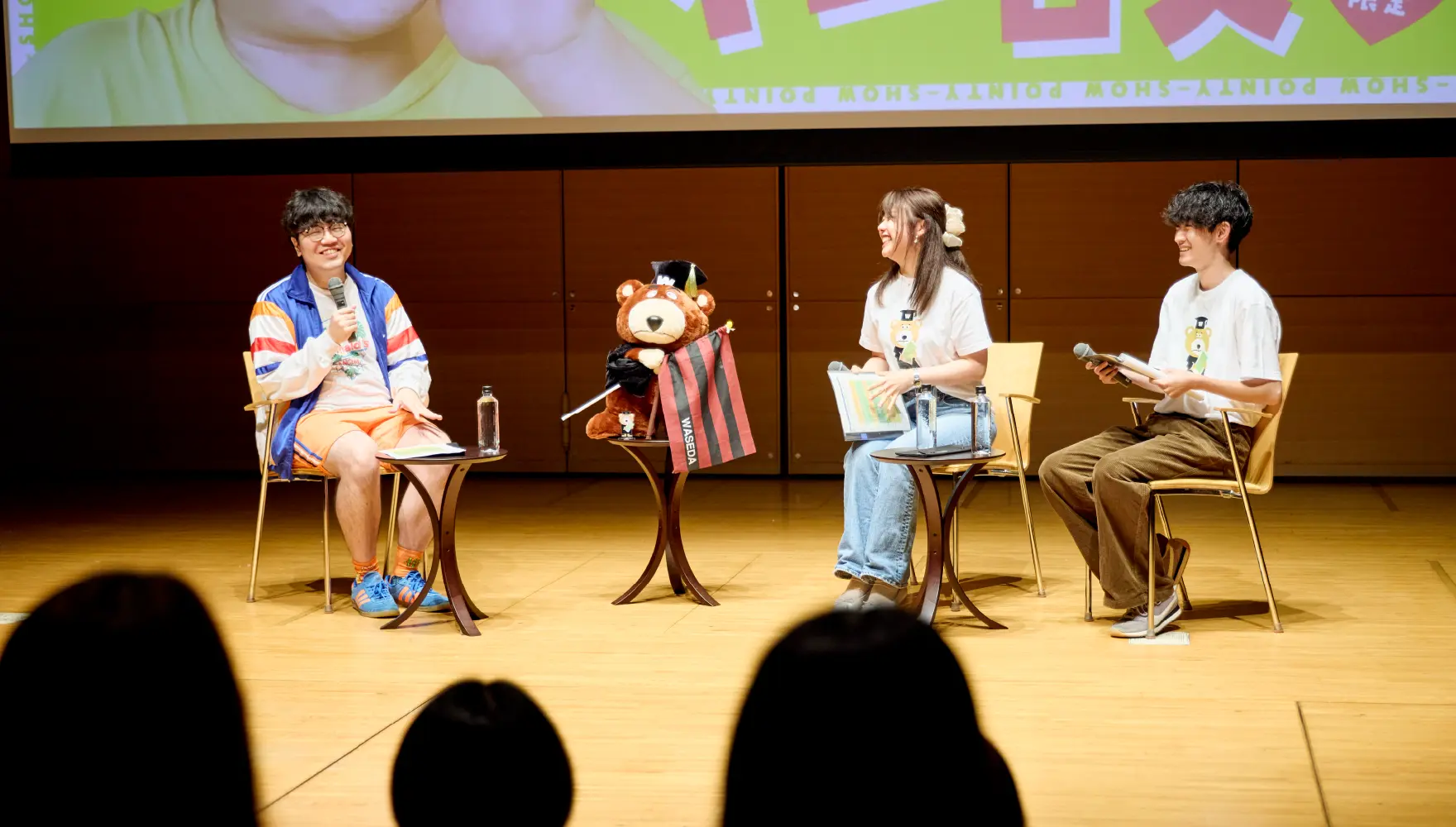


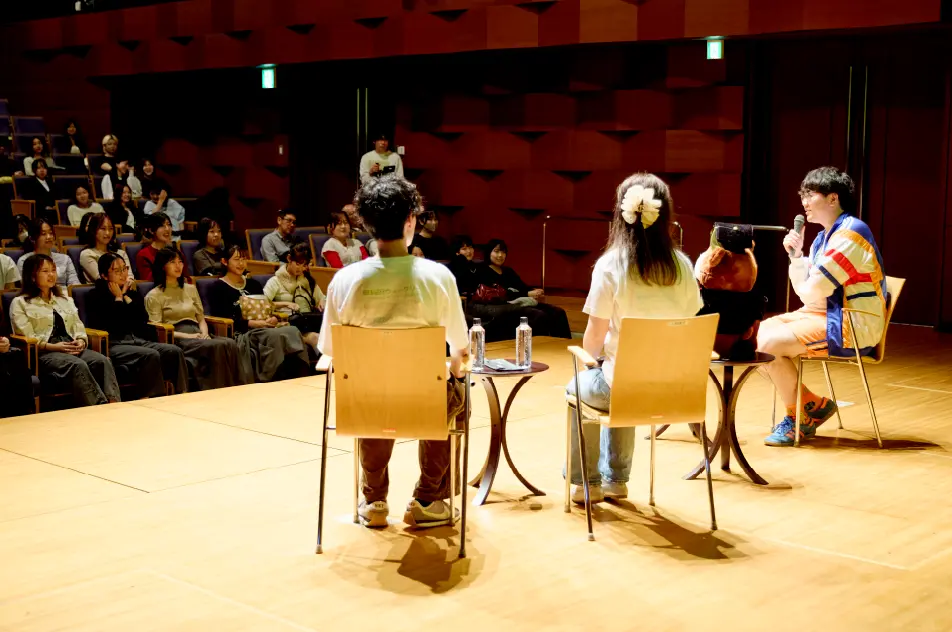
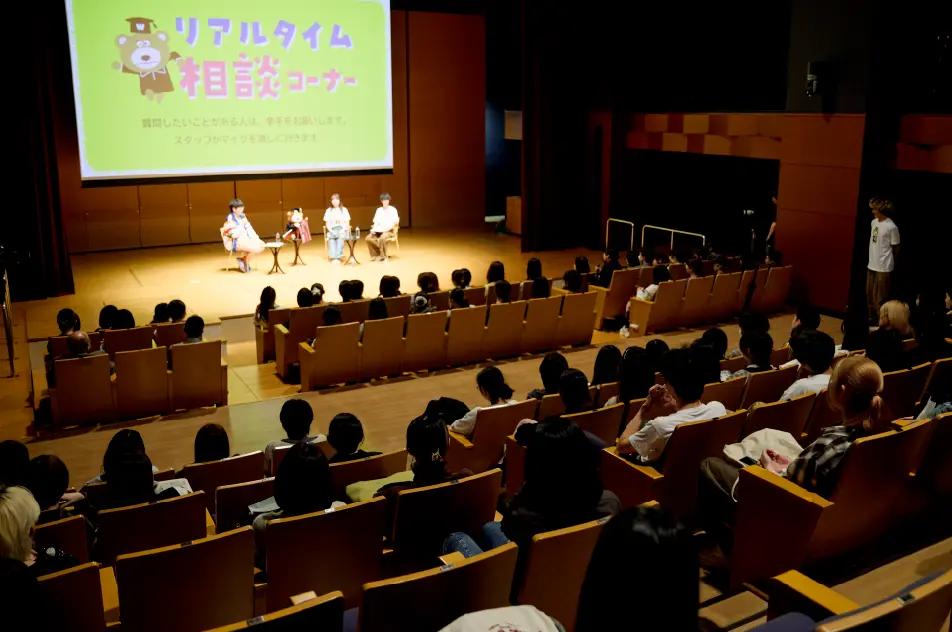
On October 2, 2026, the Waseda Weekly 60th Anniversary Event, "Ask Popular YouTuber Saeki Pointy! A Q&A Session for Waseda Students Ono Auditorium on the Waseda Waseda Campus.
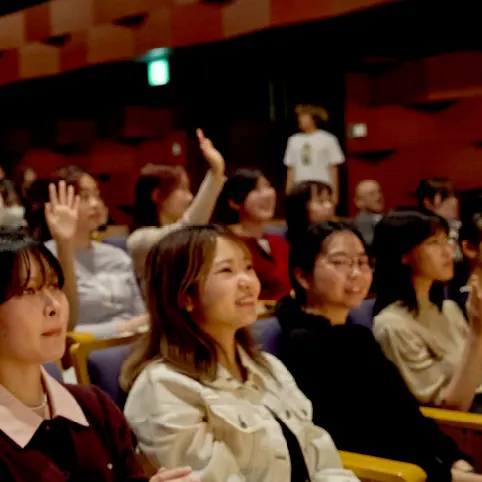
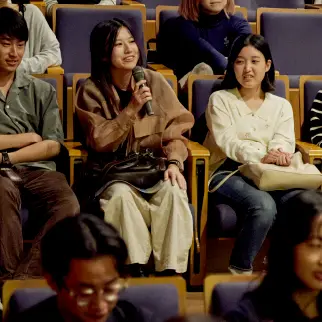
Pointy san, who has many fans among Waseda University students, received over 100 submissions of questions and concerns in advance. On the day of the event, a crowd had gathered in front of the venue even before it opened. Some students said, "I came because I love Pointy san!" and "I listen to his podcast and YouTube videos regularly!"
From romance and job hunting to relationships and future career paths, we'll start by showing you some of the highlights from the event, where participants engaged in lively discussions on a variety of topics.
During a break on the trip, everyone started looking at their phones.
I'm a fourth-year university student. I went on a trip to Kamakura with six friends, but as soon as we stopped at a cafe, everyone started looking at social media on their phones. I was disappointed that they cared more about their phones than the person right in front of them. Should I have said, "Let's talk without looking at our phones"? Or is there nothing I can do but give up and accept it?
To put it bluntly... I think it's because of Kamakura's potential.
No, it's a great place! The food is delicious, and the scenery is beautiful. But when you're looking for a place that fits the budget and schedule for six people, it inevitably ends up being somewhere easily accessible like Kamakura. I don't think all six of us were able to put down our phones and get completely absorbed in it. It might have been different if it was a trip abroad with about four people. In other words, Kamakura's potential is tricky!
I'm interested in a classmate I saw for the first time in four years, but I've never been in a relationship before.
I've always been a fan of male idols, but recently I've realized there are wonderful men in the real world too. I'm interested in a classmate I met again after four years. I have his contact information and we have mutual friends, but I have no experience with romance and don't know how to ask him out.
The friend who usually organizes our get-togethers recently got a boyfriend, so it's difficult for her to join us. I'm wondering whether I should invite her out one-on-one.
So, you've found someone you think is wonderful, even if they're not singing or dancing, right? That's really great!
Let's ask the person in charge of organizing the event for relationship advice! They might be thinking "love is the best" right now, and since organizers are usually a bit nosy (lol), I think they'll be happy to lend a hand.
I was so busy studying for the CPA exam that I missed out on the typical college experience.
I'm scheduled to graduate this year. I've been so busy studying for the certified public accountant exam that I haven't been able to do much that's typical of a university student, and I regret that a little. I'd appreciate it if you could tell me if there's anything you think I should do during the next six months before graduation.
I would recommend sharing a house with a friend! As you get older, your life stage changes due to things like job transfers, cohabitation, marriage, and raising children, making it difficult to live with friends.
When I was a fresh graduate, I lived with two friends. With three people, we could live in a nice area like Ebisu for about 50,000 to 60,000 yen each. It was cheap, had good access, and best of all, we could see our friends every day. There were really no downsides!
I've decided to take a job outside the city, but the reactions of people around me are making me second-guess my decision.
I'm planning to work in a regional area starting next year, but because I graduated from Waseda University, I feel a strong sense of pressure to work for a major company in Tokyo. Even though I know intellectually that this isn't true, there are moments when I regret my decision after seeing the reactions of those around me. How can I stop worrying about what others think and gain confidence in my own choices?
I think it's the ultimate luxury to deviate from the path everyone else recommends and choose a different one for yourself. It's great to be able to think, "I indulged in luxury," rather than "What a waste."
Incidentally, the first company I worked for was a venture company with fewer than 10 employees. At first, my relatives asked me, "Why are you going to such an incomprehensible place?" But then, when the CEO appeared on the TV program "Professional: The Way of Work," their opinion completely changed, and they started saying, "You got into a good company!" (laughs). People's reactions can change like that all the time.

Should I go see the bar exam results in person?
I took the bar exam in July this year, and the results will be announced in November. I can check the results online, but at the actual location, they just quickly remove the cloth covering the bulletin board to reveal the results. I feel like it's a 50/50 chance that I passed. Generally, only people who are confident go to the location, so I'm hesitant to go because I'm worried that if I fail, I'll feel miserable while everyone around me is celebrating.
This is a really excellent question. It's about whether you should actively seek out experiences that might lead to unpleasant feelings.
Finding your number the moment the cloth is dramatically removed is the ultimate joy, isn't it?! It's not something you experience many times in your life, so I completely understand wanting to savor that feeling of joy while you're there. But then again, thinking about how disappointing it would be if you didn't get it...
Looking at the bigger picture, I think experiences that deeply move your heart, whether happy or sad, are valuable. Regardless of the outcome, for example, the realization that "my mouth gets dry in situations like this" is surely a rare and valuable experience. That might encourage someone else, or it might support your future self.
Instead of thinking of happiness as a plus and sadness as a minus, I look at it in terms of how much my heart was moved. If you consider it in terms of expected value, I think it's a plus!
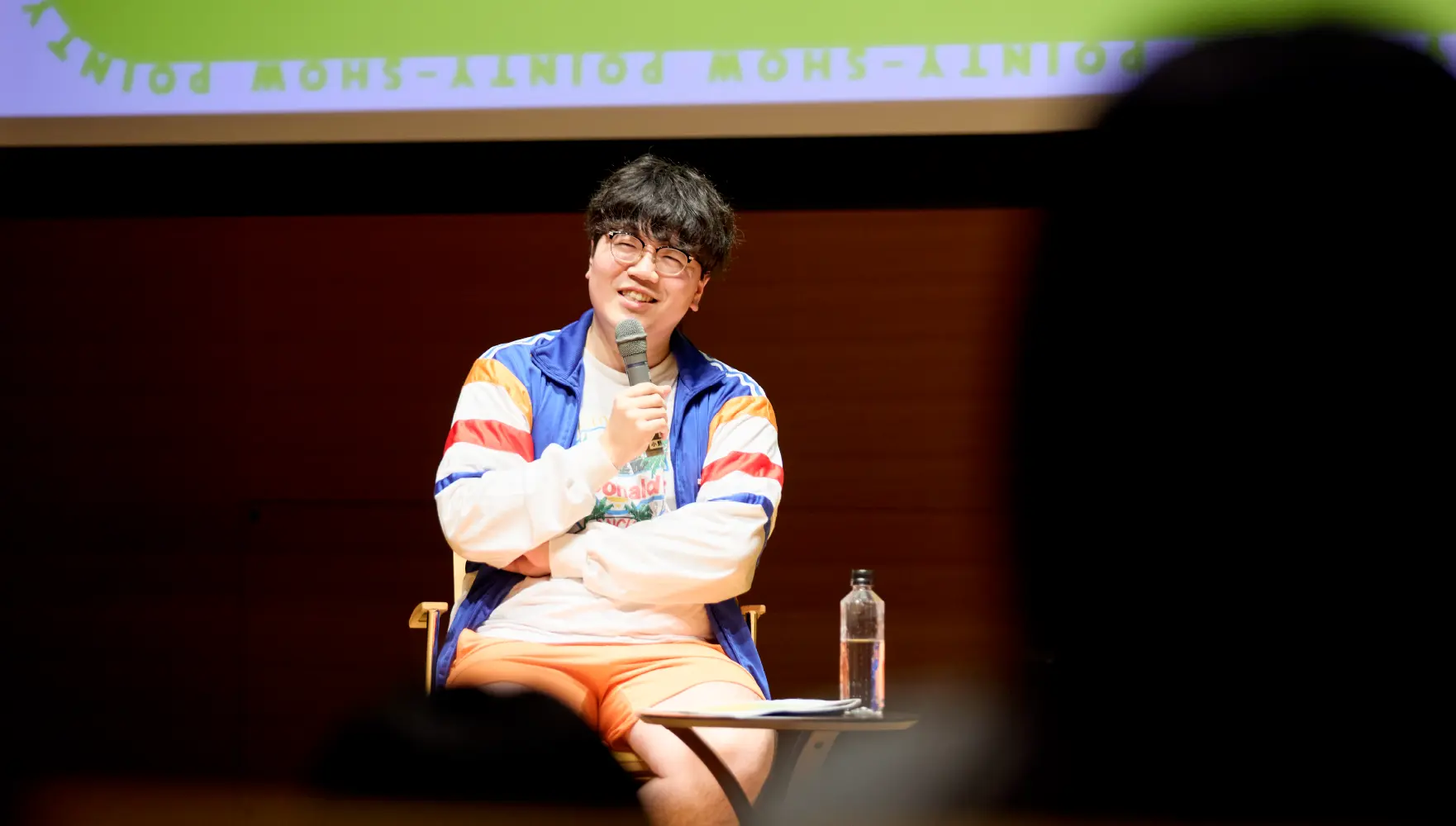


The advice given to the person seeking advice also seemed to provide valuable insights for the students listening in the audience, giving them ideas on how to interact with friends and how to spend their time going forward.
After the event, we asked the Waseda University students who participated about the questions and answers that left the biggest impression on them. How did each of them interpret Pointy-senpai's answers?
-
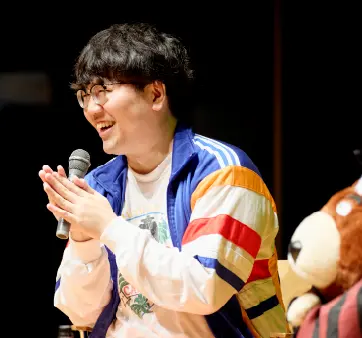
I'm currently a fourth-year student, and I was just thinking, "What should I do between now and graduation?" Who would have thought the answer would be a shared house? (laughs) I'd like to try it with my friends over the next six months.
(O-san School of Education) -
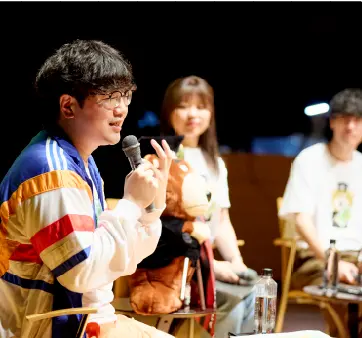
I was struck by the question of whether or not to go and see the results of the bar exam. I was really convinced when I heard that whether you're happy or sad, the emotions you experience at that moment will become valuable for your future. If I were ever faced with a similar dilemma, I would choose the path that I believe will be a valuable experience, even if it involves some risk.
(O-san School of Culture, Media and Society)
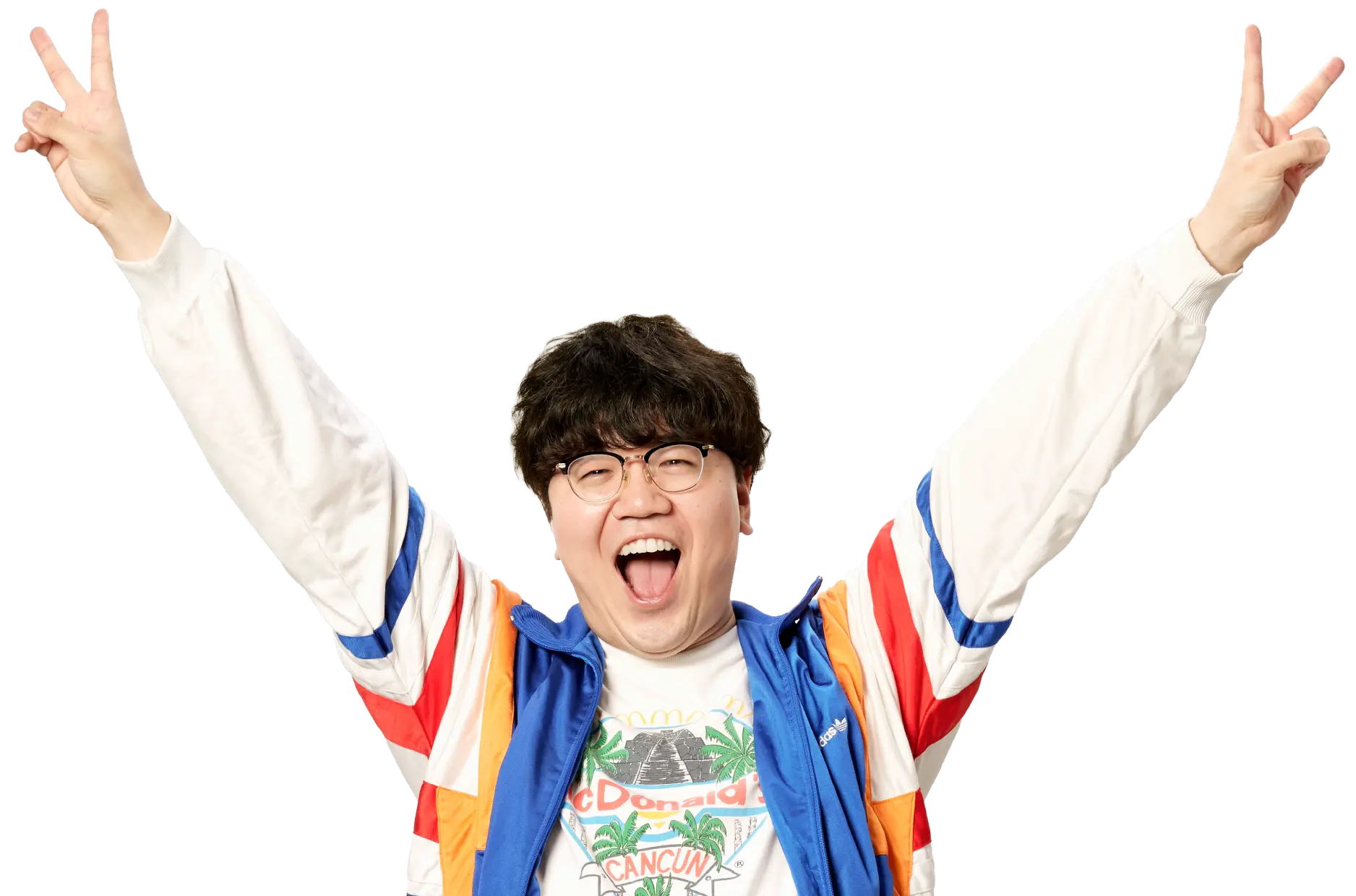
Pointy-senpai showed the students unexpected perspectives and options. Apparently, during her student days, she struggled to find a job she wanted to do and wasn't enthusiastic about job hunting.
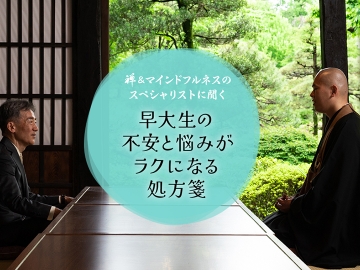
How did they decide on their career path, and how are they currently dealing with their worries? We asked them about their personal experiences, how they deal with the opinions of others, and how they choose who to talk to.

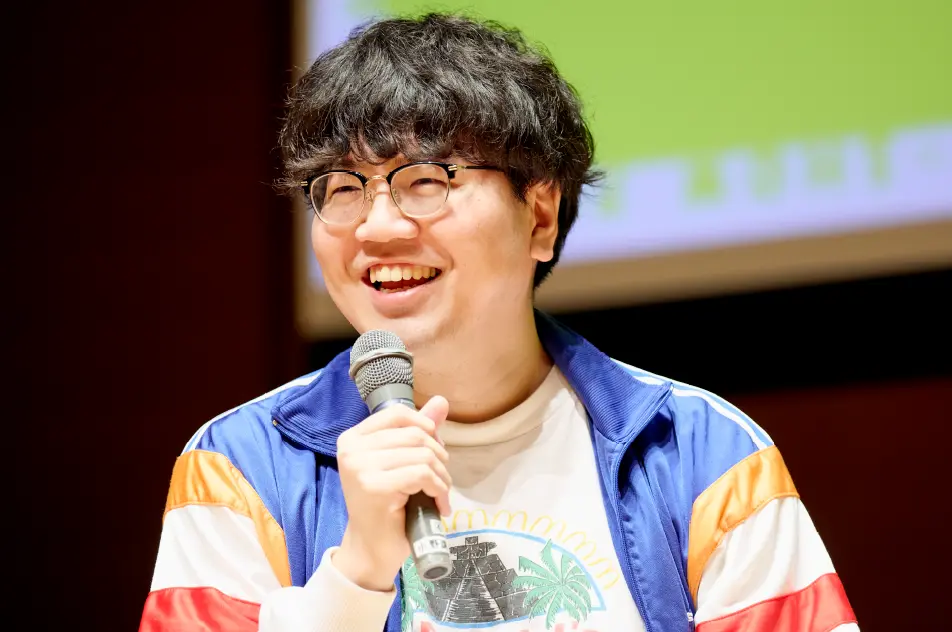
--What kind of student life did you have, Pointy?
I was a student with an abundance of energy, but nowhere to direct it. My friends and juniors in student club and I called this feeling of being bored "overwhelming stagnation."
Whenever I felt like things were completely stagnant, I'd do anything I could think of, like walking to Tsukiji or trying to see how many after-parties we could have. But even if I could have fun that day, the boredom itself just wouldn't go away.
--At that time, did you have anything you wanted to do after graduation?
In high school, I aspired to be a novelist, and in college, I dreamed of becoming a film director. But after actually writing and directing, I realized it wasn't for me. I lost all interest in the type of work I wanted to do and the company I wanted to join, and I really didn't want to go through the job hunting process.
--What did you do next?
I didn't want to do it, but I couldn't just do nothing either, so I chose a few internships based on whether they seemed fun or not (laughs). One internship where students engaged in psychological battles and deception was fun, but it didn't make me think, "I want to work for this company!"
I thought island life sounded nice, so I went to a salt workshop on a remote island, partly as a form of escapism (laughs). The work of boiling down seawater to make salt was finished by noon, so I had nothing to do in the afternoon! It felt like I was trapped in a "blank, beautiful calendar," and I got fed up after a few days.
But thanks to that experience, I realized that I'm the kind of person who can't stand being idle, which was a good thing. If I hate being idle, I should work. And even if I'm going to work, I've come to see a direction where I prefer a busy environment.
--Specifically, what kind of work were you considering?
I like manga and movies, so I wondered what it would be like to be an editor or producer. It seems like it would be a busy job, doesn't it? (laughs)
I went to talk to a senior colleague in the publishing industry, and they told me about an internship at a certain company. I thought, "That sounds good," and applied. That company is Cork Inc., where I ended up joining as a new graduate.
I worked as a manga editor at Cork. One day, the company president, Yohei Sadoshima, pointed out that I was too passionate about it and had a strong interest in sexual matters. That prompted me to think about a path where I could make use of my strengths and talents.
--Your YouTube channel now has around 870,000 subscribers. Your podcast has also reached number one on Spotify's daily charts in Japan, right?
I never intended to do YouTube or podcasts initially, so I'm not sure what to expect.
By process of elimination, I've given up on things I wanted to do but weren't suited to, and have tried to focus on things I'm good at as much as possible.
I don't think there are that many people, including myself, whose dream job perfectly matches their aptitude. You have to try things out and find out, "This is okay," or "I don't want to do this." I think experiences like "This isn't what I expected" can also be valuable in figuring out which path suits you best.

--You mentioned earlier that you didn't want to go through the job hunting process. What aspects of it did you dislike?
Companies want to hire people who are intelligent, unique, and capable, right? Like someone who studied rakugo (traditional Japanese storytelling) at the University of Tokyo. A big part of it was that I was convinced I wasn't that kind of person.
--How do you view job hunting now?
Nowadays, I try to find and highlight aspects of myself that would be valued by working professionals. Whether or not it resonates with the other person is partly a matter of luck, though.
Getting rejected in an interview can be disheartening, as if your entire personality has been rejected. But interviewers are human too, and they can't always make perfect judgments. So, I think you shouldn't take their evaluation too seriously.
However, even if you choose to become a YouTuber instead of getting a job at a company, you'll still have opportunities to be evaluated by others in the workplace. I think it's a good idea to view interviews as an opportunity to learn "what aspects of yourself come across" and "how to speak in a way that will pique people's interest."

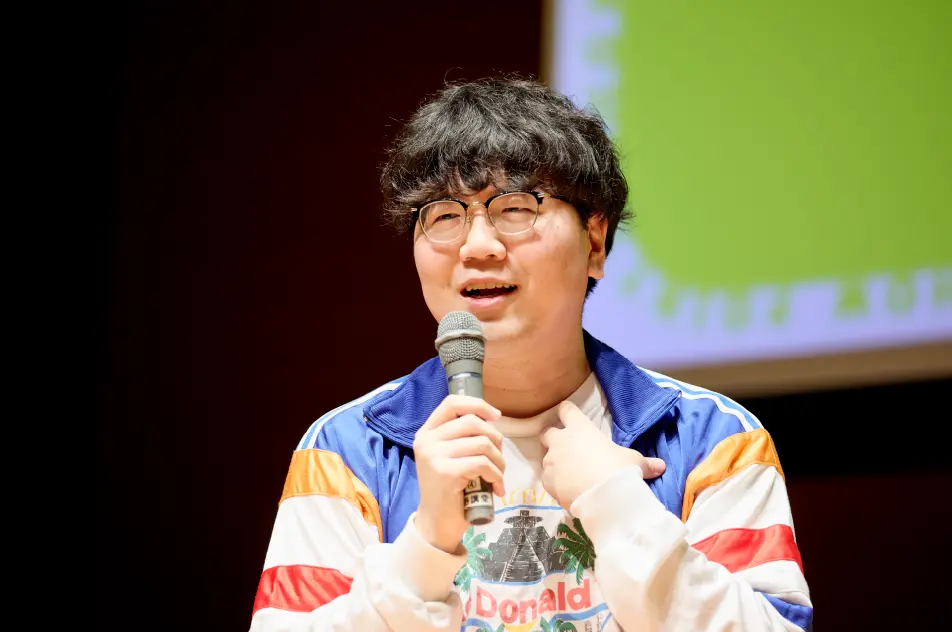
--When you yourself are troubled, Pointy, what do you do?
I don't worry too much, but I do talk to people I trust and write things down. I don't do anything particularly extraordinary (laughs).
--How do you choose someone to talk to?
If I were to talk to someone, it would be someone who makes me feel better when I talk to them.
If it's a first-time experience for both you and the other person, you can't always expect to come up with helpful advice right away.
But even if your problems aren't solved, sometimes just talking to someone can make you feel more motivated. There are people who say really passionate things, aren't there? (laughs) I think that's part of getting your spirits lifted.
--Finally, what were your impressions of the questions you received from Waseda University students this time?
My impression is that many people were hesitant to act because they were worried about the impact on others, such as "I might hurt my friend." It seems they were taking the risk of "I might become the perpetrator" very seriously.
Of course, it's best not to leave deep wounds or strong resentment in the other person. But even if you're careful, you might still end up making the other person feel bad. If you try to avoid all of that, you'll just end up exhausted from constantly having to endure things yourself.
So, it's okay to occasionally say, "I want to rest alone today," or suggest, "I'd like to go here next time." Expressing your wishes doesn't always mean harming the other person.
Instead of just taking things for granted, try adding something yourself. Responsibility might sound like a boring word, but the more you have, the more you enjoy life. So, by all means, try to stand your ground!


My friend invited me out, but I want to rest alone today.
Would refusing hurt their feelings?
Prioritizing oneself is
It's not a bad thing.
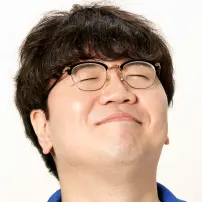
I don't want the other person to think "Huh?", so I accept invitations even on days when I want to rest. But it's tough when I keep accommodating myself to the point where I feel like "I can't do this anymore."
Prioritizing yourself is not a bad thing at all. But if you still can't shake off the guilt, how about occasionally pretending to be a villain and saying, "Today I'm a bad person who prioritizes myself!"? The other person might be disappointed, but you don't have to always be the one to put up with it.
I'm not sure I'll be able to meet the deadline for my seminar assignment.
If I ask for help now, I'll probably be seen as irresponsible.
"Irresponsible"
"I don't want to be thought of as such,"
Let's try letting go for a bit.
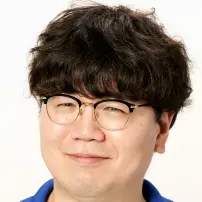
Perhaps they want to be seen as someone who can handle assigned tasks on their own. But in reality, they need help, and trying to maintain that self-image only pushes them further into a corner.
If you accept that you sometimes need to rely on others, it might become easier to ask for help. I think you can influence how others perceive you.
We're almost finalizing the discussion for our seminar assignment.
But I have a different opinion...
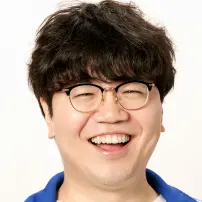
A cheerful person
I'll have you say it!
It's hard to voice a different opinion when the discussion is starting to come together, isn't it? How about telling the popular guy in the seminar your opinion and asking him to speak on your behalf?
That person gets a chance to speak, and I don't have to worry about changing the flow of the conversation. Even if it's your own opinion, you don't have to take on the responsibility of bringing it up all by yourself.
My exams and my part-time job shifts overlapped.
I felt bad asking someone to do it for me.
I can't extract the changes.
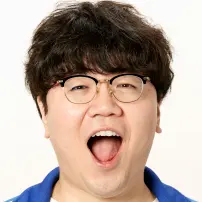
Let's ask AI!
I've decided to ask for a shift change, but I'm dreading it because I don't know what to say. It's kind of like thinking about how to write a polite email. Let's put all the details into an AI and ask it, including the fact that the exam and shift overlap, and how sorry I feel. Then, just send the resulting message with a clear mind!
I'm only 20 years old, and I want to get married in the future.
"Is there a future with this person?"
I keep overthinking it, and it prevents me from moving forward with the relationship.
They did not end up getting married.
Love,
It's lovely, so it's OK!
They're probably thinking about the future too seriously, like, "It would be wrong to date someone when we don't know if we'll get married," or "It would be wrong if we broke up."
But relationships where you simply enjoy spending time together and are glad you fell in love with that person are also wonderful. I think there are good things about relationships that aren't determined solely by whether or not you'll get married. Just because you don't know what the future holds doesn't mean you shouldn't date someone.
My target company requires me to start in sales after joining.
I actually want to do product planning,
I can't bring myself to say it in the interview.
For those who want to work in sales
Let's become the characters!
You might find that sales is surprisingly fun once you try it, or you might find that product planning isn't a good fit. Since you don't know yet, just act like someone who wants to do sales during the interview! However, it would be a good idea to research the company's transfer system and the amount of opportunities available through company visits and other means.
Interview/text
Nana Naka (Graduated School of Education in 2010)
Design and Coding
J2 Complex Co., Ltd.
photograph
Jin Tange









When I was traveling with friends and everyone started looking at their smartphones, the answer I received was the unexpected "problem of Kamakura's potential," which made me think, "I never would have thought of that!" (laughs). Whenever something happens, I tend to think it's my fault or someone else's, but it made me feel a little lighter to think that it's okay to blame the environment as well.
( U-san School of Education)