Are communication skills necessary? Considering the skills students need
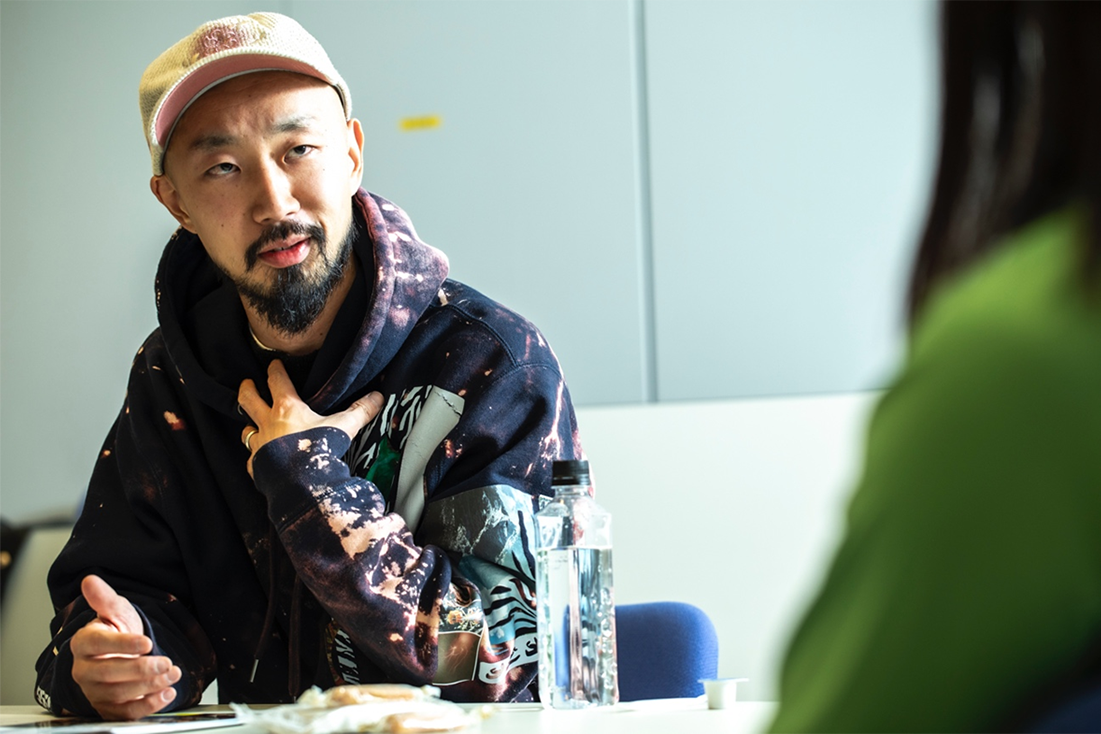
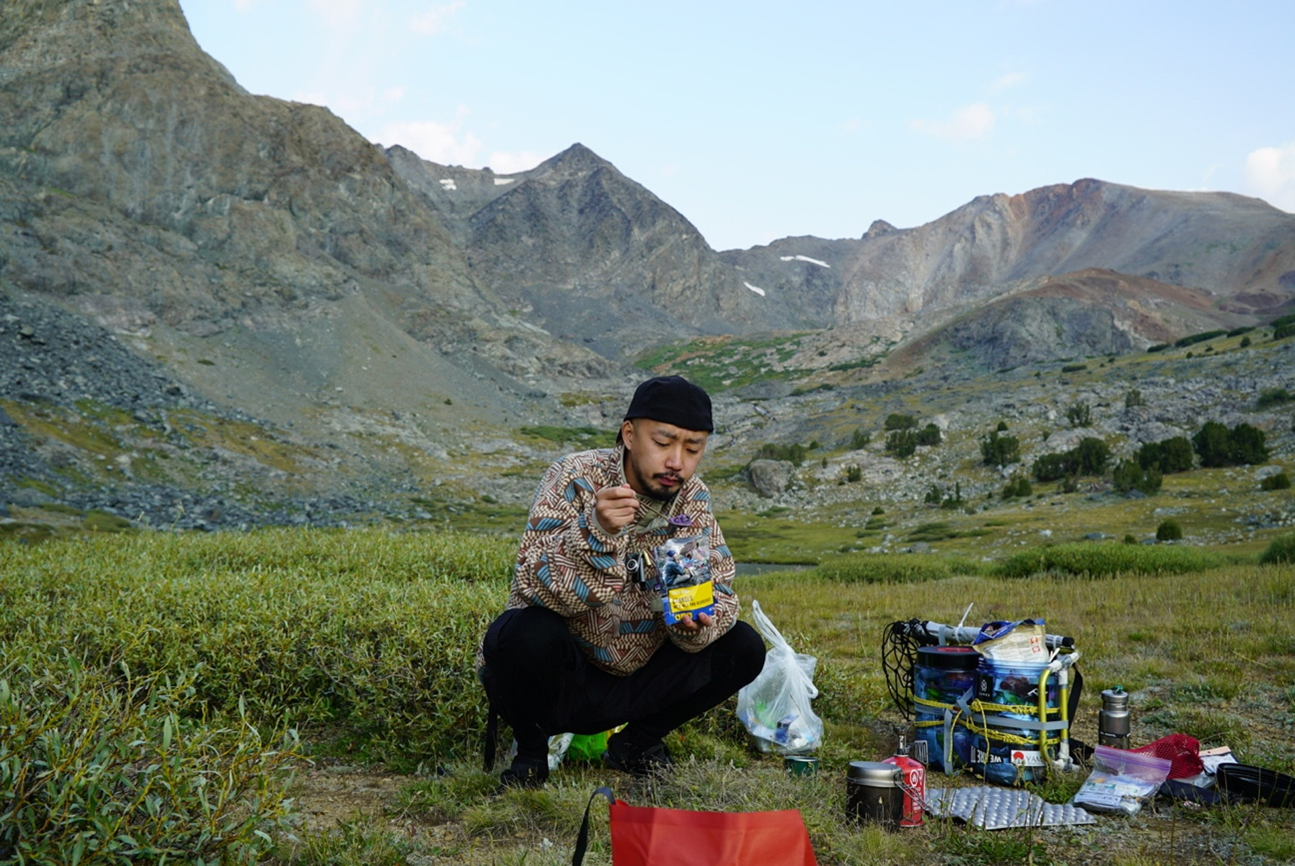
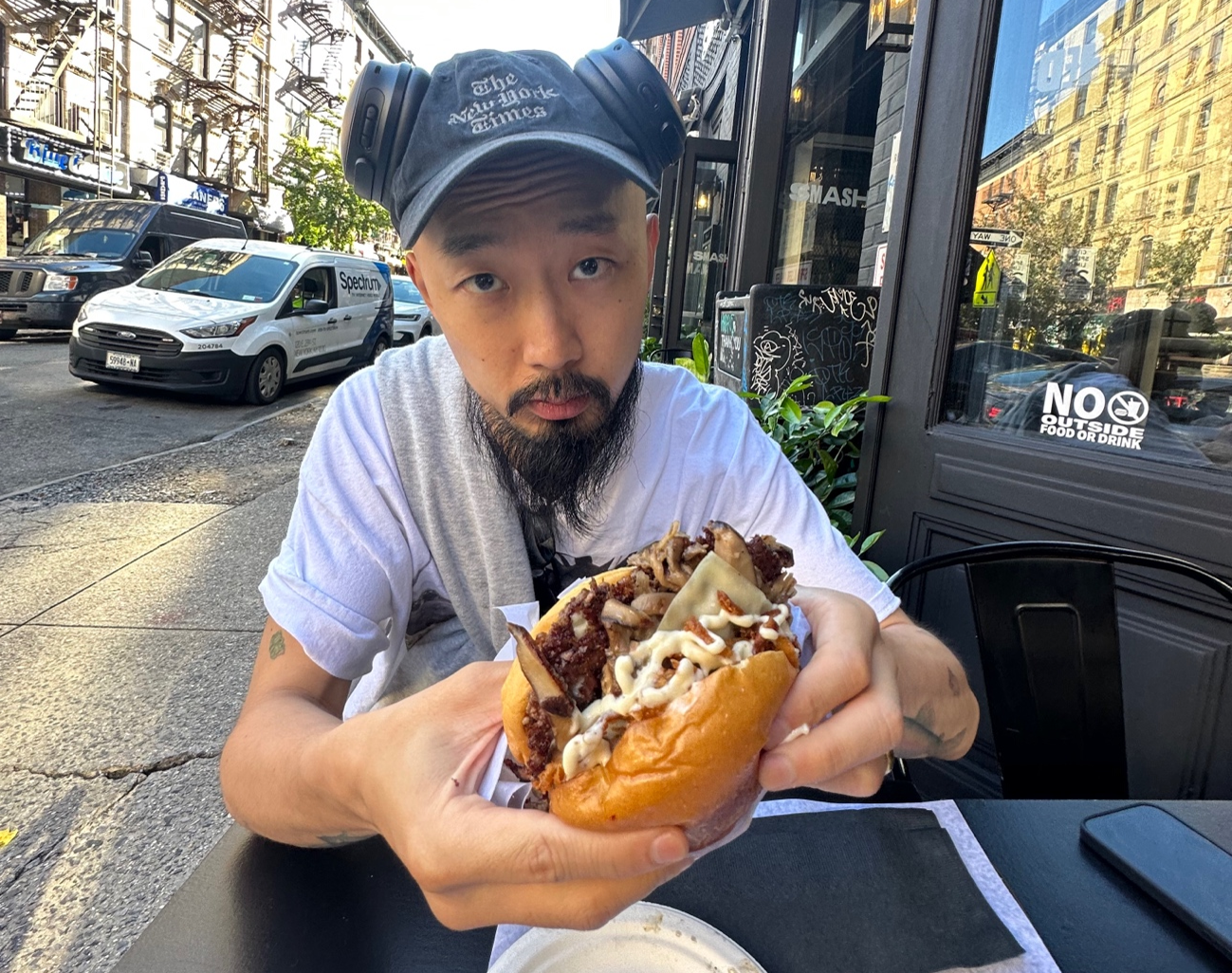
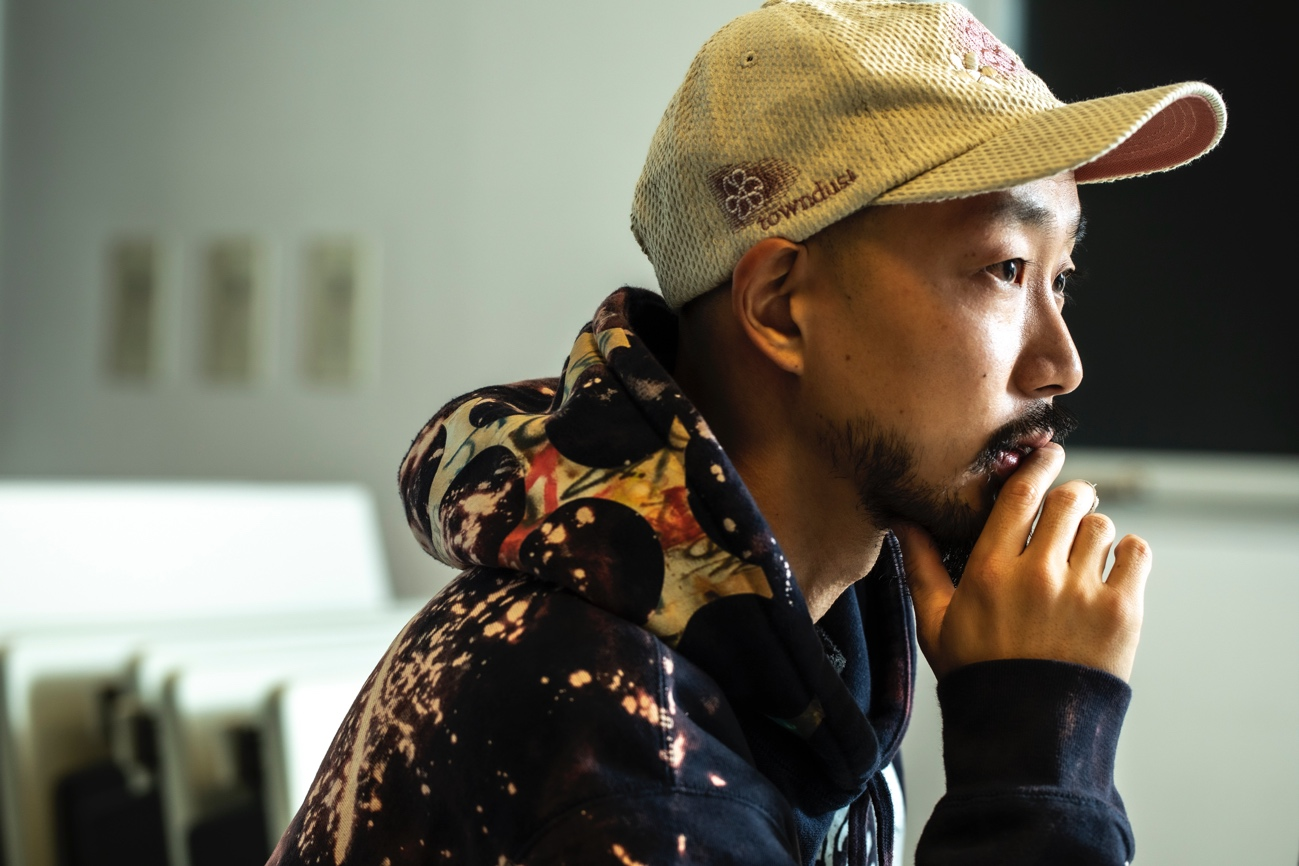
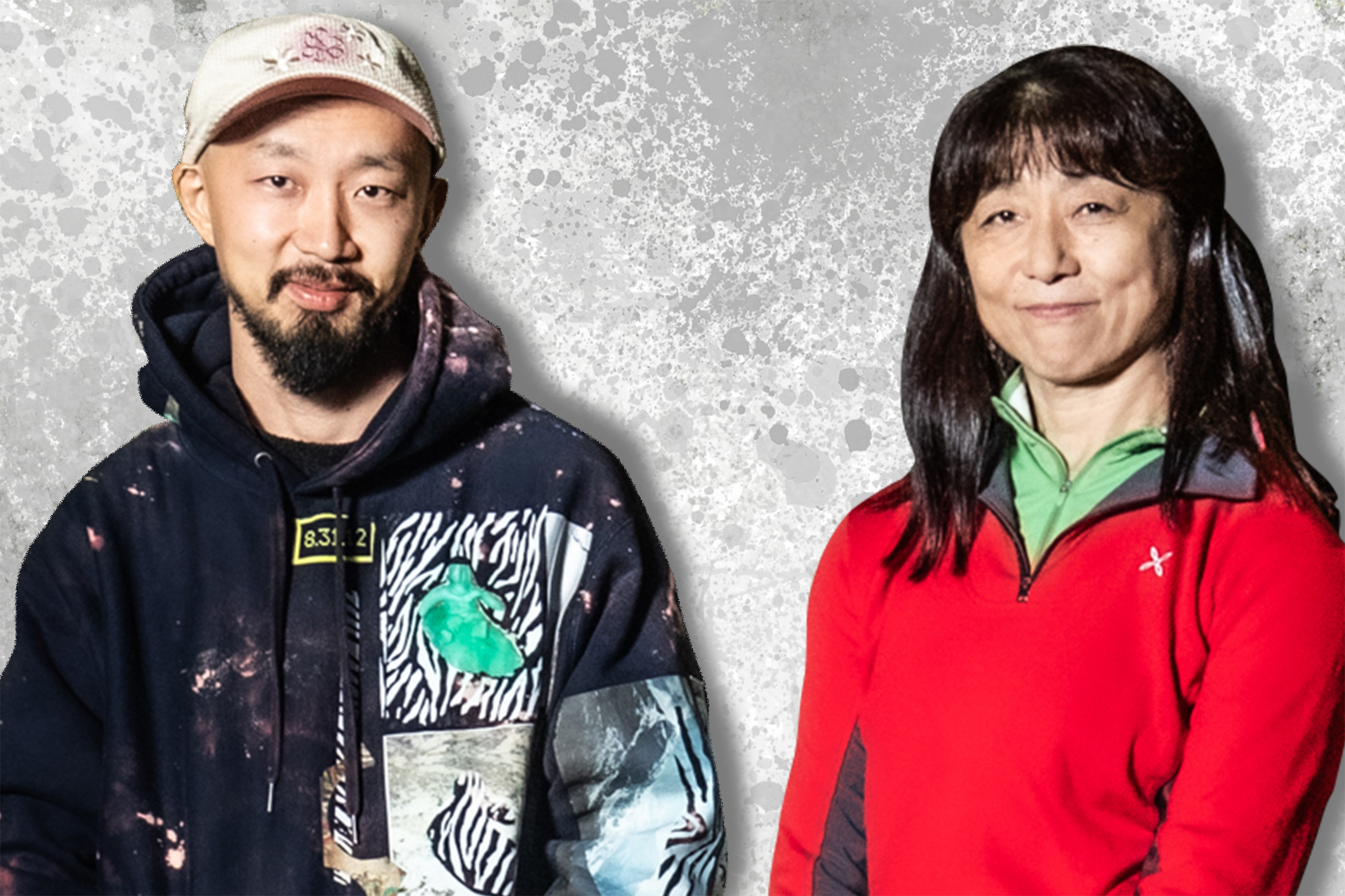
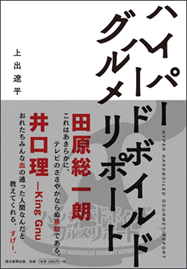
On this day, Mr. Kamide and Professor Takano met for the first time. The two share a commonality: they were fascinated by the power of adventure and have traveled around the world with nothing but the clothes on their backs. They boldly ventured into dangerous areas, criminal organizations, and harsh natural environments, and expanded their activities through dialogue. Mr. Kamide is currently working as a freelance producer based in New York. During his time at TV Tokyo, Mr. Kamide worked on "Hyper Hardboiled Gourmet Report," in which Mr. Kamide interviewed people with different backgrounds and values, such as former Liberian child soldiers, Taiwanese mafia, and Russian cults, with a camera in hand.
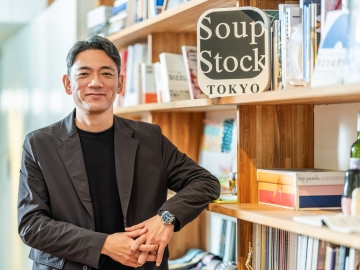
Ryohei Kamide
Born in Tokyo in 1989. After graduating from School of Law at Waseda University in 2011, he joined TV Tokyo Corporation. He was responsible for all processes from planning to filming and editing the documentary program series "Hyper Hardboiled Gourmet Report." He won the 57th Galaxy Award for the program. Kamide left TV Tokyo in 2022 and moved to New York, USA. His books include "Hyper Hardboiled Gourmet Report" (Asahi Shimbun Publications), the novel "Abuyamaroku" (Kodansha), and "Impossible Work Techniques: How to Use Justice Correctly" (Tokuma Shoten).
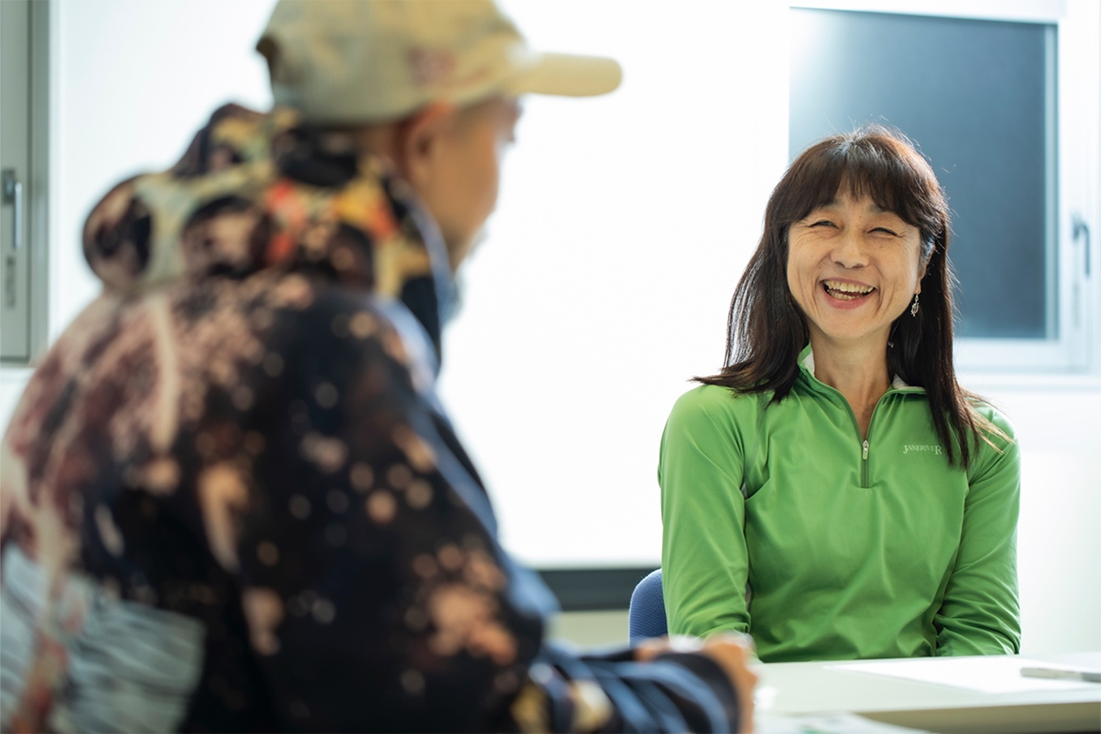
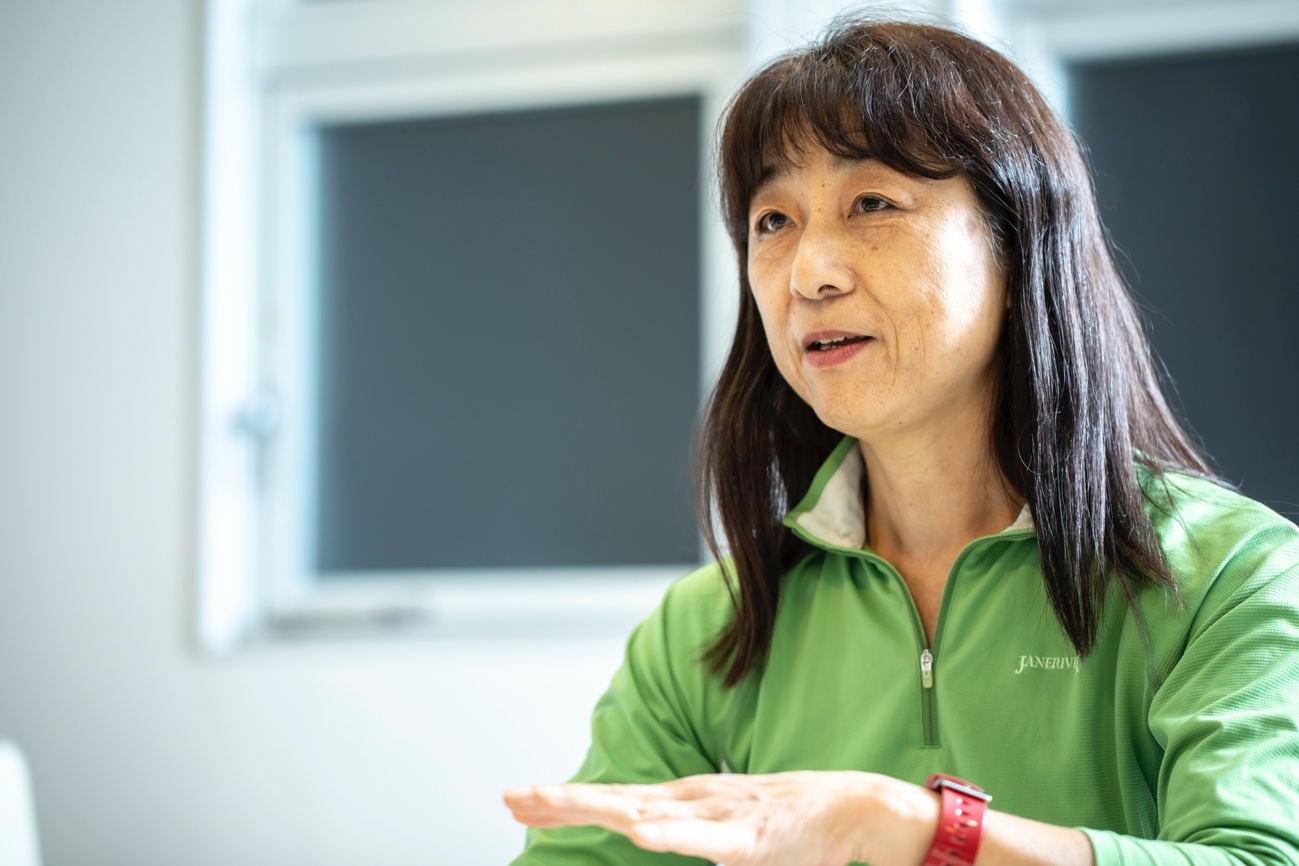
On the other hand, after graduating from Waseda University, Takano Professor has been active as an adventurer in various parts of the globe ranging from 50 degrees below zero to plus 60 degrees, touring from China to Europe with a single backpack, crossing the Arctic Ocean by dogsled and ski, and canoeing down the Amazon River. Based on Mr. Takano's many expedition experiences, he is currently engaged in education and research activities aimed at sustainability.
Takano I'm very curious and believes that "it is better to regret doing something than to regret not doing it." My interests grew one after another, and before I knew it, I was traveling the world. I thought that my experience of living in the great outdoors and with ethnic minorities, which would break my "obvious" beliefs, might be useful to others. I am creating a place of learning with this in mind. However, I don't like the word "education," and I feels that I am growing as I learn from and interacts with students.
When I received the request for this interview, I was surprised to learn that a serious adventurer was Professor at Waseda. I am honored that we were able to have this conversation.
Takano: I used to be like that too, but it takes courage for a student to get off the rails that have been laid out for them. I'm looking forward to hearing from Mr. Kamide, who lives a hard-boiled life, about how he communicates with people all over the world and what kind of talk he will give as a guide to current students.
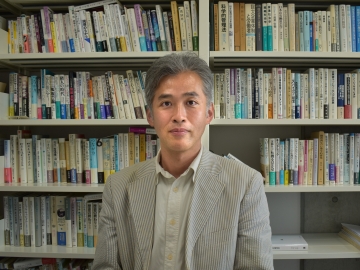
Takako Takano
Born in Niigata Prefecture in 1963. Graduated from School of Letters, Arts and Sciences I at Waseda University in 1986, completed Graduate School of Political Science at the same university in 1989, and completed a master's course at Cambridge University in 2000. Completed a doctoral course at the University of Edinburgh in 2005. PhD (School of Education). Representative director of the non-profit organization ECOPLUS. After working as Professor at the Waseda University Center for International Education, he is currently Professor School of Culture, Media and Society Media and Society. His books include Captivated by the Smile of the Earth (Gaia) (Kaizosha).
The first step in communication is to discard your self-righteous standards and respect the other person.
The word "communicative ability" is all the rage, bookstores are filled with practical books on communication, and companies want to hire people with communication skills... On the other hand, not everyone is good at communication, and some people are too sensitive about how others feel or are overly considerate of others. What kind of mindset is necessary to effectively convey your opinion to people with different backgrounds?
Kamide: First of all, people who read books on communication skills are no good (laughs). There must be other things they need to do. But there are many unclear aspects to the level of communication ability. For people who tend to look at the other person's mood, at least I can say, "Give up on being approved." Communication doesn't go well because you expect something from the other person. This is probably because your ego, "I want to be seen like this," gets in the way. Instead, look at yourself from the perspective of "I really don't care about you," don't try to cover up, and interact with the other person honestly. I think that then the other person will open up to you. Professor Takano, is there anything you keep in mind?
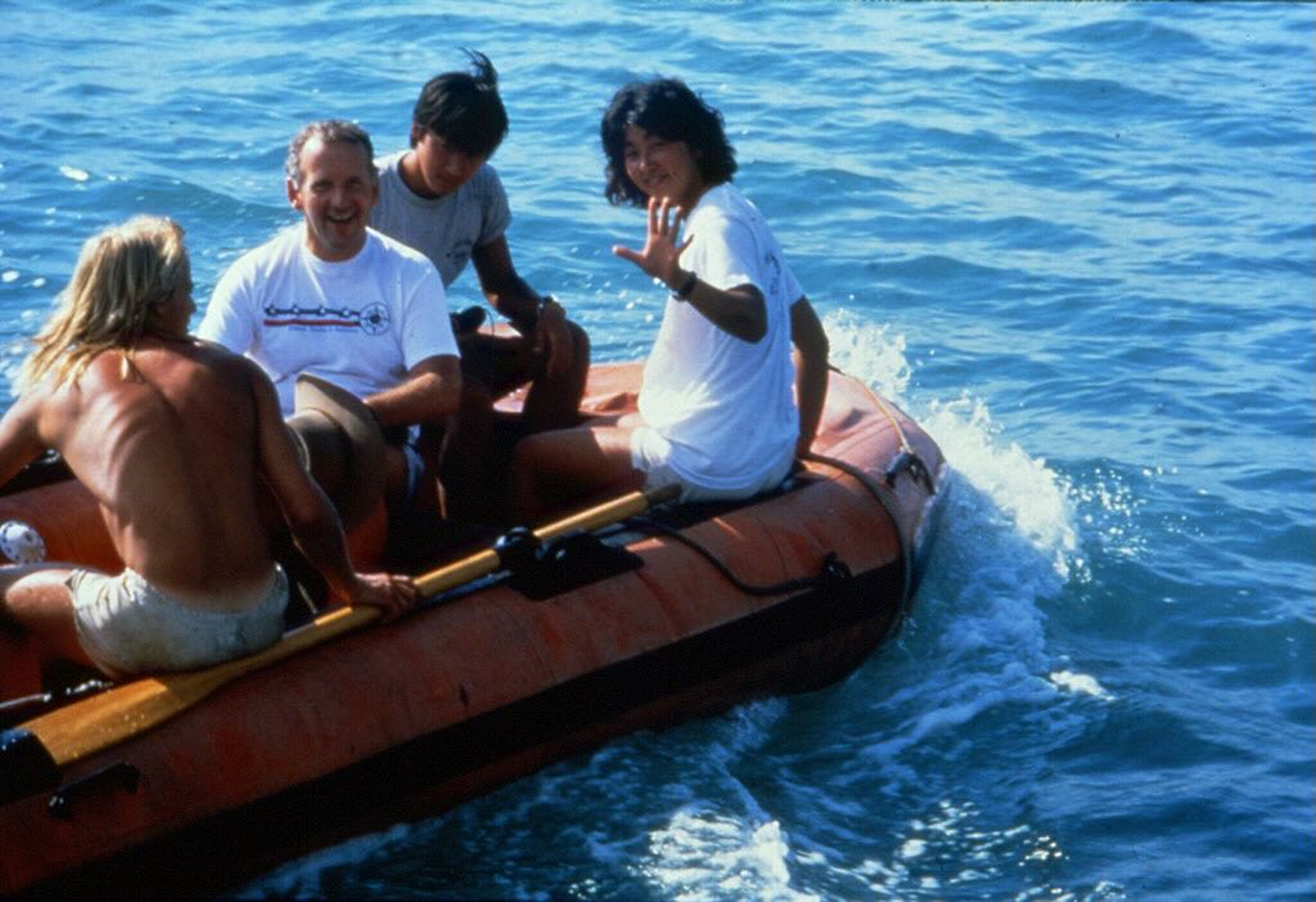
Takano:The original purpose of communication is mutual understanding, but for some reason, when we talk about topics like this, we tend to focus on the means, and think of words, actions, and facial expressions. But there is no need to rely on such things. What I try to do is to do something together. Instead of having tea and chatting, we should work together using our bodies. It can be something simple, like walking or carrying something. Then you can understand the other person's identity in a non-verbal, essential way. When I was in college, I participated in a program where I lived with people of multiple nationalities for three months in a remote area of Australia. We built shelters, looked for water, and lived together, and our bonds deepened. For example, when we were all carrying wood and someone dropped it, I could see how the others responded and realize, "Oh, this guy is a pretty good guy" (laughs).
As mentioned above, communication using only words may not be very effective in understanding others.
Takano: If we take a broader look at communication among students today, the impact of the corona pandemic may be significant. Even before communication becomes an issue, opportunities to interact with others have decreased. This leads to a loss of opportunities for growth, and interpersonal relationships become even more tedious. In this context, the form of communication is likely being reconsidered from scratch.
Takano Even when Kamide-san goes to an unknown world, he achieves his mission of "getting to see the food." That's not an easy thing to do, is it? Do you have any tips for getting into someone's good graces?
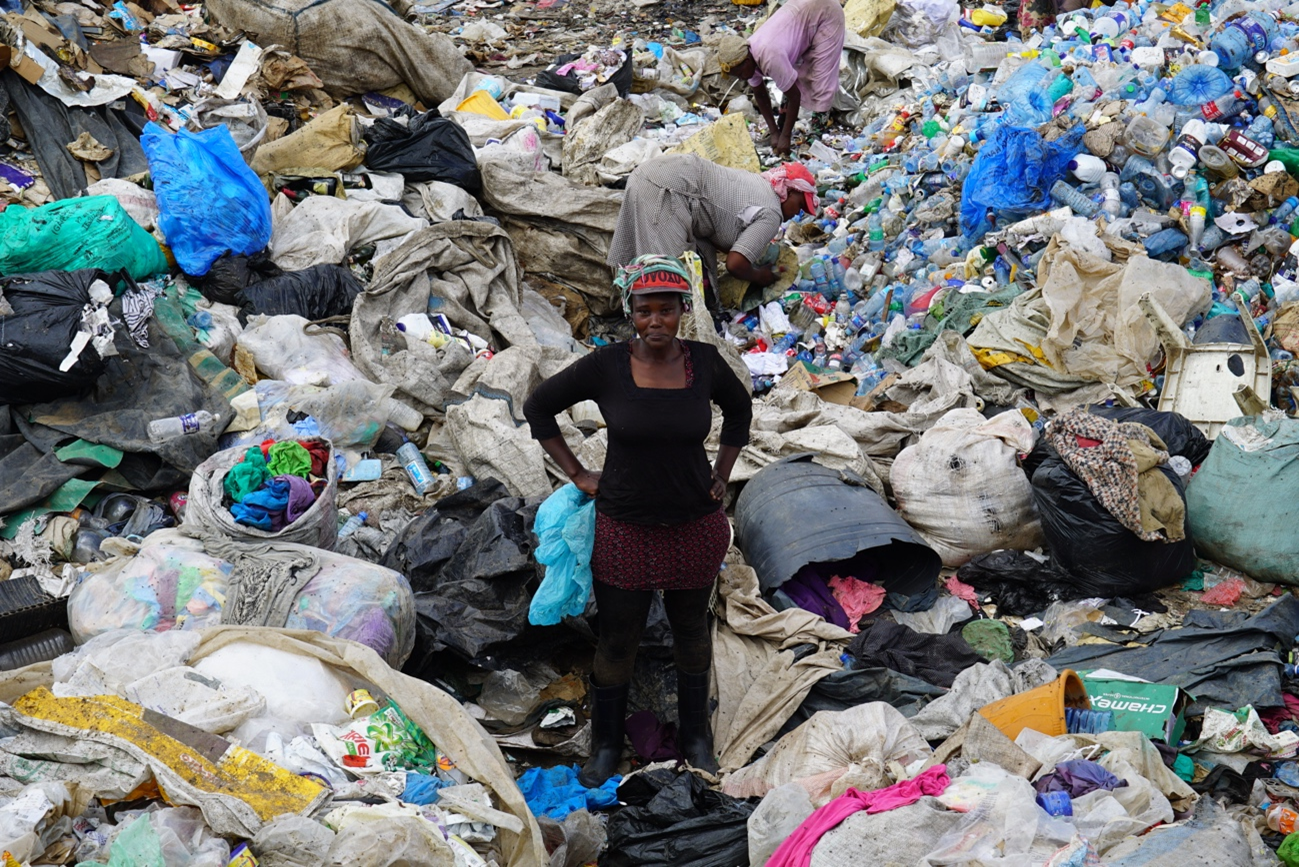
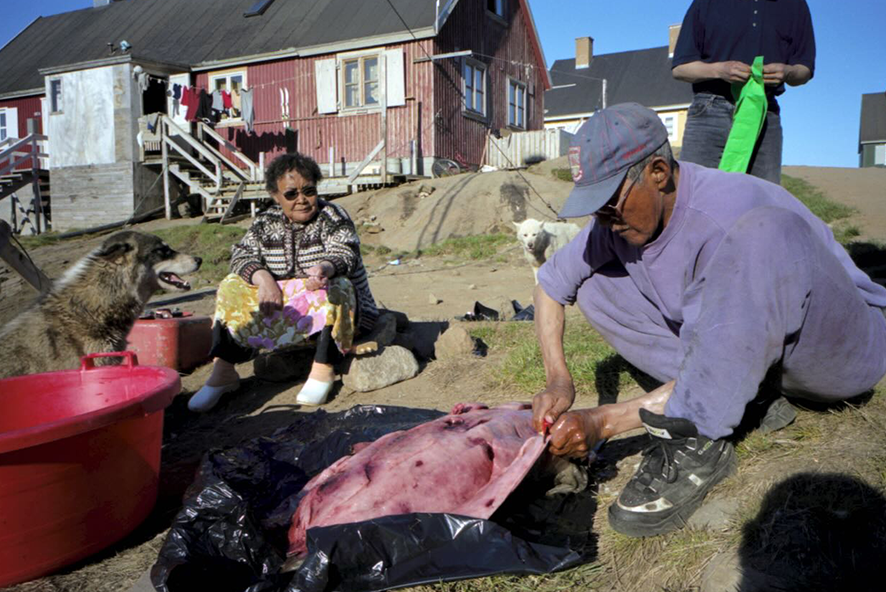
Kamide: Respect for others. To do that, you must first put yourself in danger. Good communication starts with respect for others, born from a sense of helplessness that makes us realize how fragile our lives are. But people like us who grew up in cities have few opportunities to feel our own weaknesses. I once interviewed a young man living on a mountain of garbage in Africa. In terms of economic standards, there is a world of difference between us. But in terms of life, there is no difference at all. In terms of the ability to survive, I have no choice but to respect him no matter how I think about it. He cooks red rice using the flames of spontaneously combusting garbage. I don't have the idea or the skills to do that. Despite that situation, I was in awe of him trying to interact with an unknown Asian person, thinking, "That's amazing..." I wonder if such emotions are transmitted to animals, but gradually the other person opens up to me. Then, even without words, we can communicate.
Takano:By throwing yourself into a world that is beyond your control, you realize that you are being kept alive, and this leads to respect for others.
In safe places like Kamide Tokyo, where people don't have to worry about dying, many people tend to be overconfident and think they are strong. I feel that this arrogance has unwittingly become a barrier to communication.
Nature taught us how to interact with people from other worlds before humans did
Takano Ueda doesn't have a condescending attitude like, "I'm a director from a developed country like Japan." I think that's why he can relate to people from overseas.
Kamide: I think that feeling was probably cultivated by being in contact with nature. Climbing mountains from a young age was a big factor. For example, if you get caught in the rain deep in the mountains, you can see your own weakness in relying on modern conveniences like roofs and umbrellas. If you have such experiences, no matter where you are, you will be able to judge others and ask, "Who is more likely to survive in this situation?" Even if you meet a big shot from your company, you won't care about expensive watches or clothes. Furthermore, if you go abroad, you will realize that "people who grew up in Tokyo are the weakest in the world," and you will have no choice but to respect others. It's similar to the relationship between humans and bears. Humans are overwhelmingly weaker in terms of finding food in the mountains and fighting in confrontations. Despite this, humans have a biased sense of omnipotence and misjudge the distance, so they end up suffering. Nature reminds us of our own arrogance.
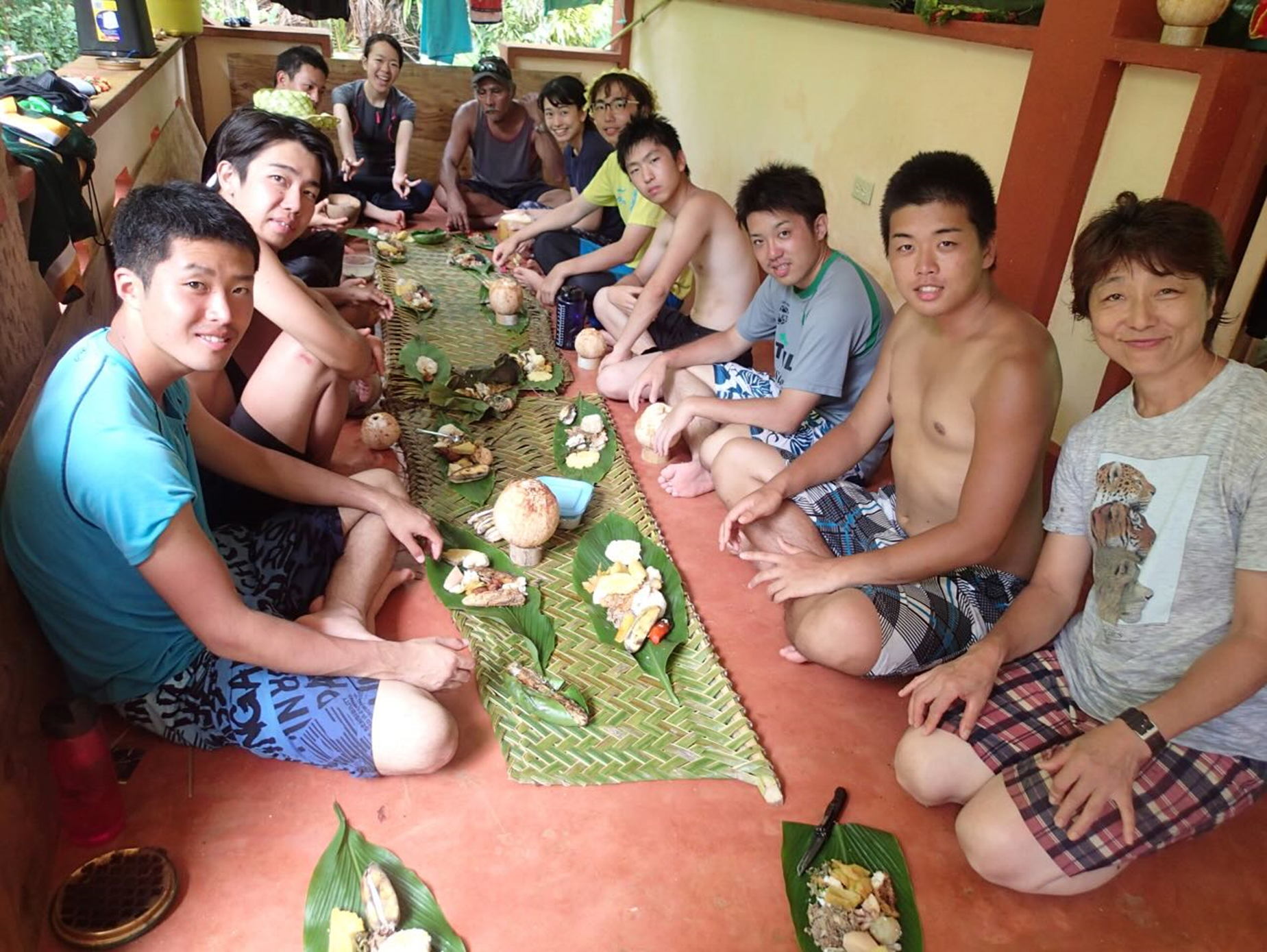
Takano: I have been taking young people to the Micronesian island of Yap. Yap is still known for its culture of using stone money, and the local people today have the ability to live self-sufficiently using only the resources they have at hand. We take young people there from Japan, an industrial country, and the moment they arrive, they realize that they cannot survive here. They then try hard to communicate with the local people, asking questions like, "How can I make a fire?", "Which plants are edible?", and "Can I have some of your potatoes?" I can really understand the importance of the sense of awe that Kamide talks about.
Kamide: I think the sense of urgency is fundamental not only in foreign countries or in nature, but also in Japanese cities. Basically, communication is necessary when you have something you want to ask or say. I once interviewed a right-wing group on Yasukuni Street. They were in the middle of a desperate scuffle with the riot police, but when I showed a clear interest in why only two people were standing up against 500 riot police, they answered me sincerely. It is also important to clarify the purpose of your speech, and without that, there is no point in learning communication skills or foreign languages.
Communication skills cannot be developed in a society that does not allow people to think.
"Respect others," "Work together," and "Clarify your goals." The essence of communication as envisioned by these two is quite simple. Despite this, why do we have trouble with communication?
Kamide: The reason I quit my job and went to America was because I was fed up with the "point deduction system" that is unique to Japan. For example, if you walk around in your favorite clothes in America, people will try to find something good about you, like "I like how you put that together" or "Where did you buy it?" On the other hand, in Japan, conversations tend to start with a negative perspective, like "Is it okay to wear clothes like that?" Even in organizations, it is the conservative people who don't get points deducted rather than those who take on challenges without fear of failure who get promoted. So no one takes on challenges. In such a closed-off atmosphere, it's difficult to be told that communication is important.
Takano: I feel that way. In America, people try to appreciate the good in others, so there is no need to be afraid of others and you can often be yourself and on an equal footing.
Kamide: Perhaps it is because we are an island nation. In a small space, the strategy for survival is to quickly find traitors, and this has been passed down from generation to generation since the Jomon period. However, in today's age of the global economy, we cannot escape from international competition. With the economy in a slump, everyone is running out of room and trying to strengthen their own communities. This is why I feel that hate speech and conspiracy theories are born.
There must be hope even in an island country like the UK. For example, in elementary school, students set their own tasks and research them, output their ideas in words and charts, and give presentations, training their thinking so that others can understand their own thoughts. Although this type of education is hard, it will help them develop the ability to think for themselves and foster values such as "it's natural that others are different" and "we should understand and respect others."
KamiideEducation that doesn't encourage thinking is a problem in Japan Right. So Everyone loses their own standards and starts worrying about what others think of them, which makes communication difficult. I guess that's the case.
Takano: If you enter university without thinking things through for yourself, and are suddenly told to "decide your own future," you're probably shocked. Many students panic and fall into a job-hunting-centered value system, saying, "Just hire me anywhere." Even after entering society, it becomes difficult to think for yourself and speak in your own words, and companies increasingly emphasize communication skills. The environment is a big factor, so it's certainly not the students' fault.
Get out of Japan. A better way of life will surely open up.
A sense of stagnation is widespread in modern Japan. How should the next generation of students who will soon be entering society live? We asked the two about their views on the matter.
Kamide: I think it's definitely a good idea to leave Japan at least once. If you gain a lot of experiences that make you feel like "this is a way of life too," they will become the foundation for your future life. If you live in a small world, your way of thinking becomes increasingly rigid, that "it has to be like this," and your range of communication becomes narrow. Only travel can break down fixed ideas.
Even if you say Koya trip, the point is to walk on your own feet, not on a package tour. It is important to have an experience that far surpasses the world you read about in books or on the Internet. I myself, through my encounters with various people, have acquired the idea that "as long as there is healthy nature, people can live," which is like a guideline for life. In fact, I participated in it when I was a student, but Waseda offers various study abroad programs. I recommend that you take the first step.
Kamide: When you leave civilization and get in touch with nature, you realize how special things that are taken for granted in Tokyo are. By shifting your standards to nature, the necessary hurdles in things are lowered and you gain the strength to live a strong life. Even if you return to Japan after traveling, it will definitely be useful. If going abroad is difficult, it might be a good idea to start by climbing mountains in Japan.
TakanoI think it's important to reexamine yourself through encounters with people. Meeting diverse people and discovering that there are other ways to live can lead to a better life for yourself. Because living well is like a source of communication. You can't have those encounters on the Internet. It's the "real-life" experiences that make you stronger, even if they are a little difficult or painful.
Kamide:The experience of being physically stressed and feeling pain directly leads to the mindset of knowing the pain of others. If such opportunities were to become extremely rare, the world would change into one in which people would hurt others without any qualms. The only way to experience "how pain is critically related to human dignity" is to go into an environment where collisions and accidents occur. I hope that young people will become strong and kind people through such experiences. The experience of expanding our world should give us the irreplaceable strength that makes communication seem effortless.
If you want to know more about Kamide's hard-boiled activities, click here
Yuta Aizawa (Graduated School of Letters, Arts and Sciences I 2010)
photograph
Kota Nunokawa
edit
KWC Corporation
Design and coding
Shiftkey Inc.


With the catchphrase "What do these crazy people in this crazy world eat?", Kamide asked people to "show us their food" in places where no one would normally venture. We were getting up close and personal with their unknown daily lives and thoughts, but on the surface it may sound like we were doing a pretty vulgar job (laughs). It was during my time as a student at Waseda that I learned the importance of conveying something. There, I volunteered in a Chinese village isolated for leprosy patients, and met people who suffered discrimination that seemed outside of the world I imagined, and could not escape. I think it had a big impact on my life as a video director.