The term "oshikatsu" refers to the activity of supporting people or things you like in pop-culture. These days, it's become common to see it in various media, and some people may have already been doing "oshikatsu" without even realizing it. In this situation, many people may be wondering, "How should I handle the passion I feel?" and "How much should I invest in my favorite thing?"
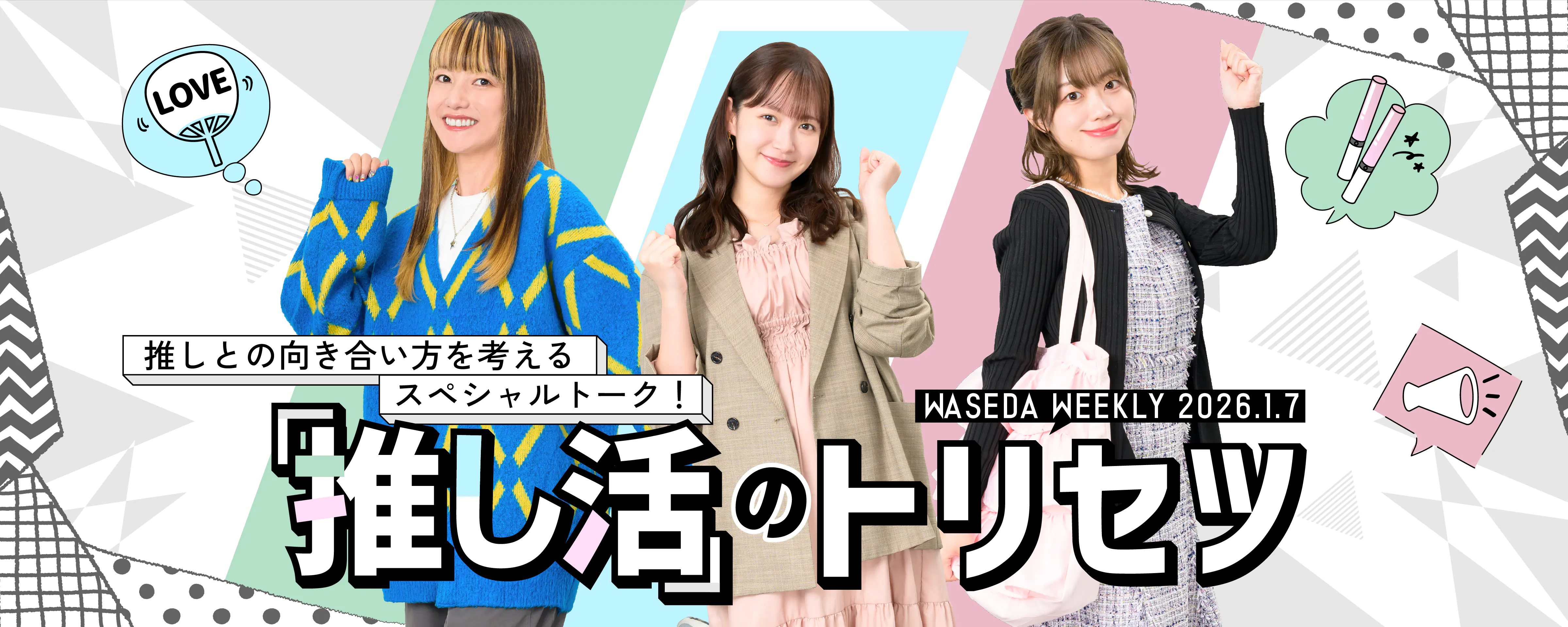
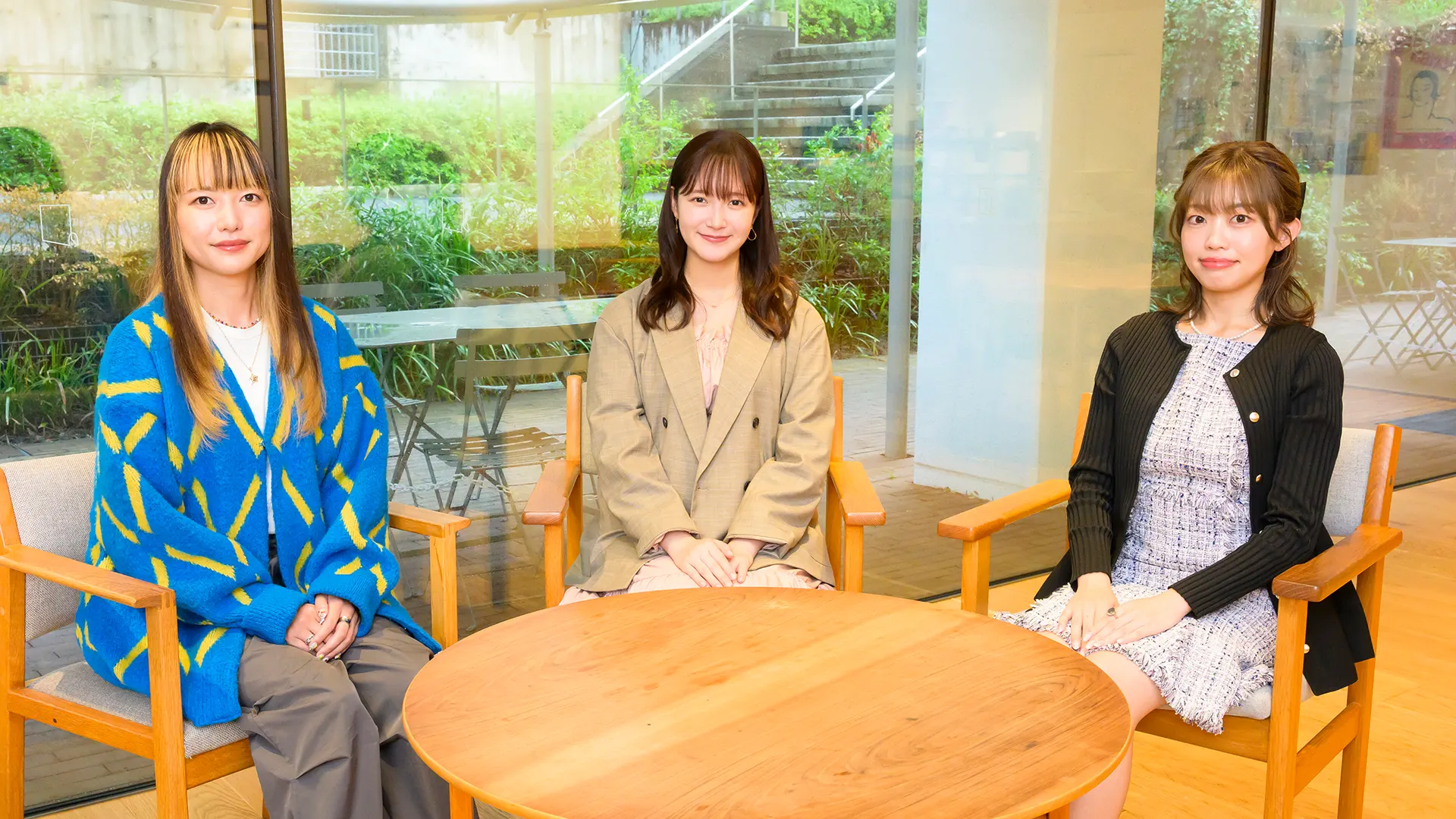
So this time, we invited three alumni who have been involved in "oshikatsu" activities from different perspectives to talk freely about it. Himeka Nakamoto was a member of the idol group Nogizaka46's first generation and experienced being on the receiving end of support. She is now active as a psychological counselor. Madoka Kabasawa, driven by her passion for comedy, has worked her way through the field as a manager at Yoshimoto Kogyo and as a member of the idol group Yoshimotozaka46. She is now a budding influencer. And Natsuho Tada, who started a company to support "oshikatsu," looking at it from both a business and cultural perspective. From each of these three perspectives, they will discuss their current state of "oshikatsu" and give tips for enjoying it in a healthy way.
Himeka Nakamoto
She graduated from the School of Human Sciences’ Department of Health Science and Social Welfare (Online Degree Program) at Waseda University in 2023. She was a member of the first generation of Nogizaka46, which was formed in 2011. She was selected as a member of the group's seventh single, "Baretta," and has continued to be in the spotlight ever since. She ended her idol career in December 2017 and became a psychological counselor in 2018, running the counseling salon "Monica and I." She has attracted attention for her unique activities that utilize her background, including publishing an autobiography and a counseling book.
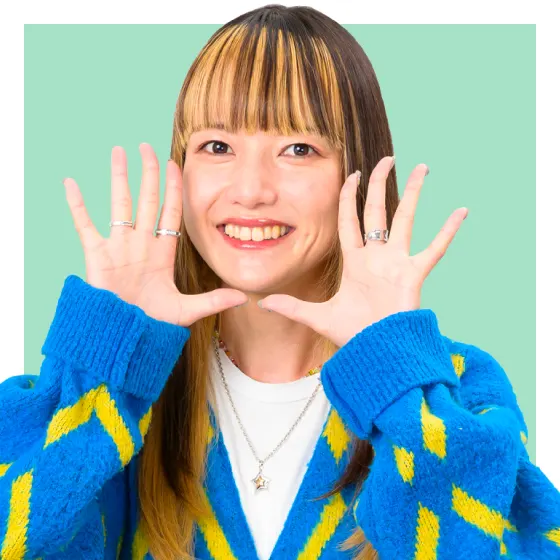
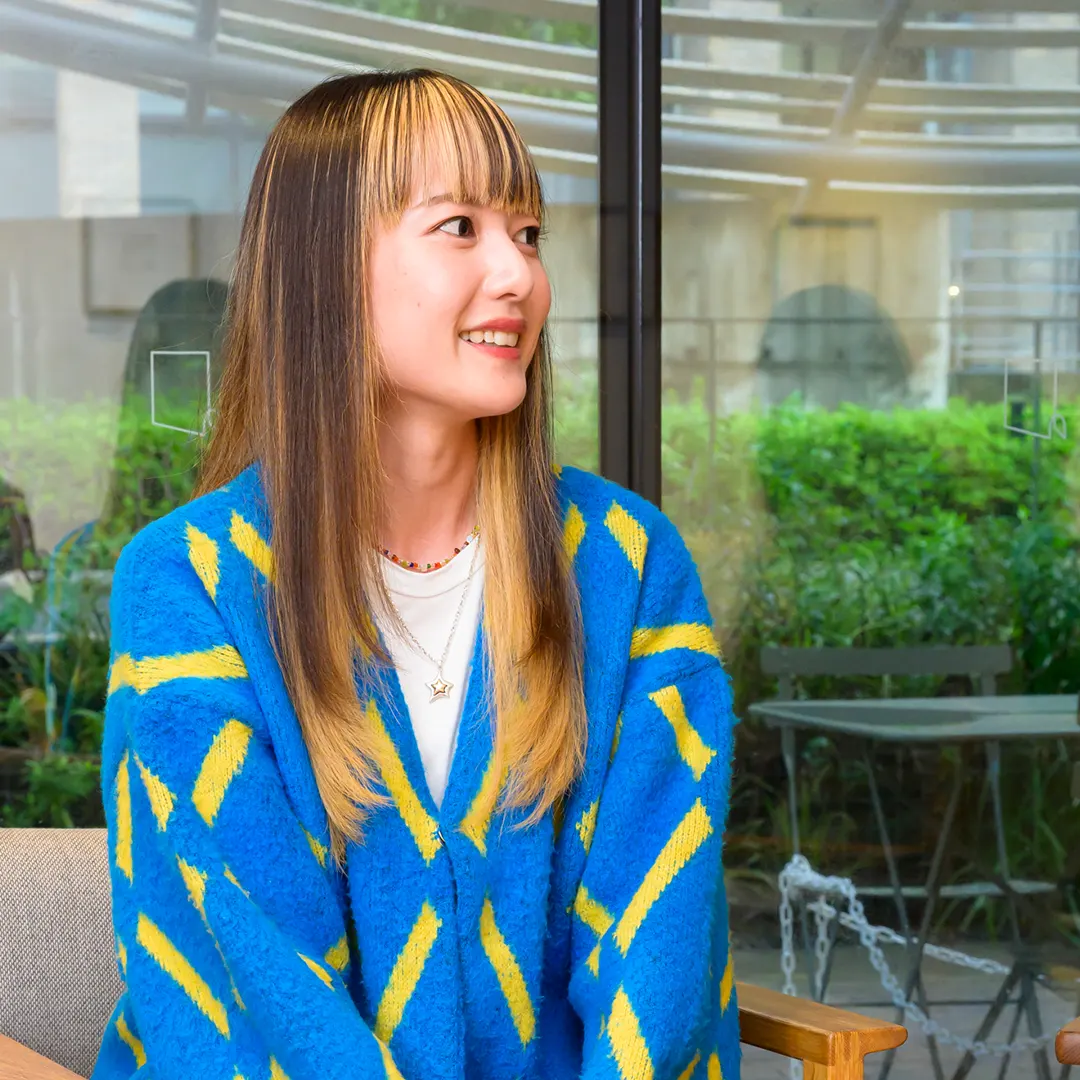
In 2017, she graduated from the Department of Applied Physics, School of Advanced Science and Engineering, Waseda University, and in 2019, she completed a master's program in Expression Engineering at the Graduate School of Fundamental Science and Engineering at the same university. She joined Yoshimoto Kogyo and worked as a manager for popular comedians such as Kamaitachi and Toro Salmon. She also joined Yoshimotozaka46, a group made up of talent belonging to the Yoshimoto Kogyo and was active as an idol. After leaving the company, she is now active as an influencer, and her YouTube channel, which documents her 1 year and 7 months in Australia with no English skills, has been generating a lot of buzz.
Graduated from Waseda University's School of Culture, Media and Society in 2021. In 2022, she founded Oshicoco, Inc., which provides marketing support and merchandise sales for companies related to oshikatsu. While working as a planning consultant for a number of entertainment companies, her company's media outlet gained over 100,000 social media followers in just two years, garnering attention. Each time she holds a pop-up event across the country, she has attracted 10,000 people, primarily from Generation Z. She has appeared in numerous media outlets as a commentator on oshikatsu culture and is currently expanding her field of activity.
Three people with different backgrounds came together. How have you been involved with oshikatsu up until now?
As I was active as a member of Nogizaka46, I was involved in supporting the group as someone who was being supported.
I currently work as a psychological counselor, and some people come to me for advice on worries related to their favorite idols, seeing my background as a former idol. "I said that at the handshake event, but I wonder if my oshi (your favorite thing or person in popculture) cares?" "How long should I keep supporting my oshi?" "I can't stop thinking about every single thing my oshi does." These are just some of the worries that come with being serious about your idols, and I'm also in a position to think about what it means to support a oshi.
I've loved comedy since I was in junior high school, and I was captivated by the comedy duo COWCOW. I would wait outside every time they had a solo concert, and I would comment on COWCOW's blog every day saying, "I love Tada (Kenji)." At the time, the word "oshi(fave)" didn't even exist, but that was definitely my oshikatsu.
Because my love for my favorite idol was so strong, I got a job as a manager at Yoshimoto Kogyo and also had the experience of working with the idol group "Yoshimotozaka46" (laughs). So, I think I'm involved in oshikatsu in many different ways.
I've always been the type to become absorbed in the things I like, but I really started to get passionate about my favorites when I became obsessed with Thai actors during my university days. Thai films are fascinating because of their shocking and fresh stories that unfold in a way that symbolizes a culture different from Japan, and before I knew it, I naturally became interested in the actors.
Furthermore, I myself experienced the salvation of oshikatsu during the COVID-19 pandemic, and felt that it was an area in which Japan could take pride in , so I founded Oshicoco Inc., which explores oshikatsu from a marketing perspective. Currently, I continue to engage with the concept of "oshi" from a business perspective on a daily basis.
Nakamoto, who was active as an idol, and Kobasawa, who has experiences as a manager and idols, please tell us how it feels to be the one being cheered for.
I have been able to continue as an idol thanks to the energy I receive from my fans. I receive comments on my blog, kind words at handshake events, and there is no doubt that being "supported" is what drives me every day in my activities.
No matter how passionate an idol's performance is, if there is no one to respond to it, being an idol ends up as nothing more than self-satisfaction. I think it is the cheers from fans that make their idols stars.
Just hearing those words makes me feel relieved and like, "It's okay to support them." As a manager for comedians, I realized that "fan energy is contagious."
When we announce TV appearances or solo concerts, the fans' happy reactions make the backstage staff's hearts soar. Every time we feel the passion of fans trying to promote their oshi, it motivates us to take on even better jobs.
Oshikatsu adds color to your daily life
The benefits of oshikatsu: What do you think?
In my case, I believe that oshikatsu helped shape my identity. Ever since I was in junior high school, I always mentioned my beloved group COWCOW in my essays and one-minute speeches. Before I knew it, my life goal had become to work for Yoshimoto Kogyo.
I think that when I let my "favorite things" out into the open, the person I am now was gradually shaped. Naturally, the people around me began to encourage me. It's no exaggeration to say that my life has been determined by my oshikatsu.
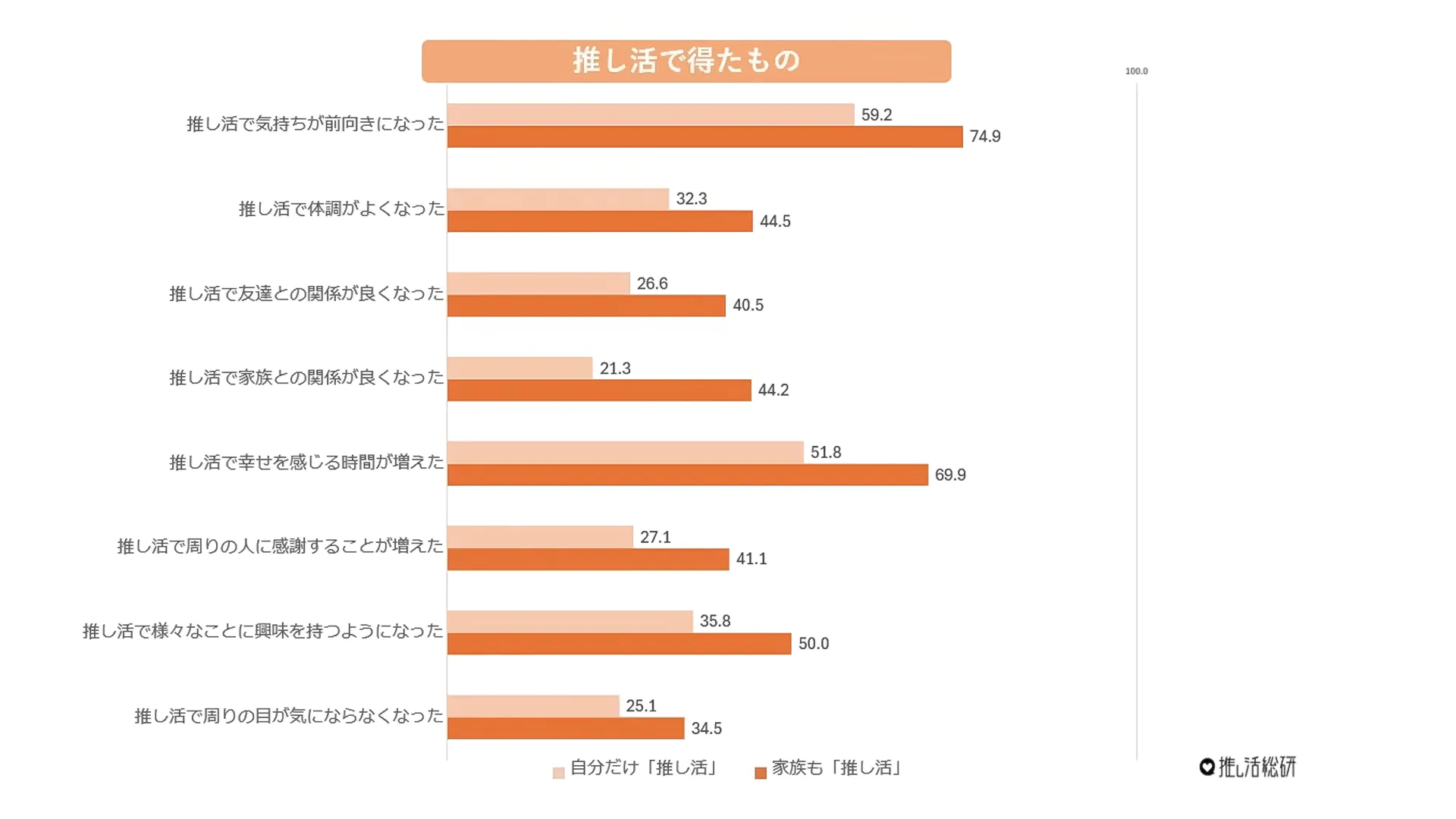
It's a very heartwarming and wonderful story! There is actually objective data that proves that oshikatsu has made you feel more positive.
Oshikatsu Research Institute, a research institute run by Oshicoco that investigates the reality of oshikatsu, conducted a survey asking, "What changes have you experienced through oshikatsu?" Many responses indicated a positive change in mental health, such as "I now have goals in life" and "Life has become more enjoyable."
I agree that oshikatsu has a positive effect on your mental health. From the perspective of a psychological counselor, I believe that having as many "cards to cheer yourself up" as possible will enrich your life.
"Something bad happened today...but my oshi has a live concert this weekend, so I'll do my best," or "Work today was tough...but if I can get through it, I can attend a handshake event with my oshi." One of the positive effects of supporting oshikatsu is that it can give you an opportunity to motivate yourself when you're in a difficult situation.
It's not just young people who can enrich their lives by oshikatsu. Survey responses from people in their 40s to 60s included health-related answers such as, "I started paying more attention to my physical condition so I could meet my oshi," and "I was able to work hard to improve my stamina, motivated by the idea of being able to keep up with long concerts." I think the interesting thing about oshikatsu is that the effects vary depending on the generation.
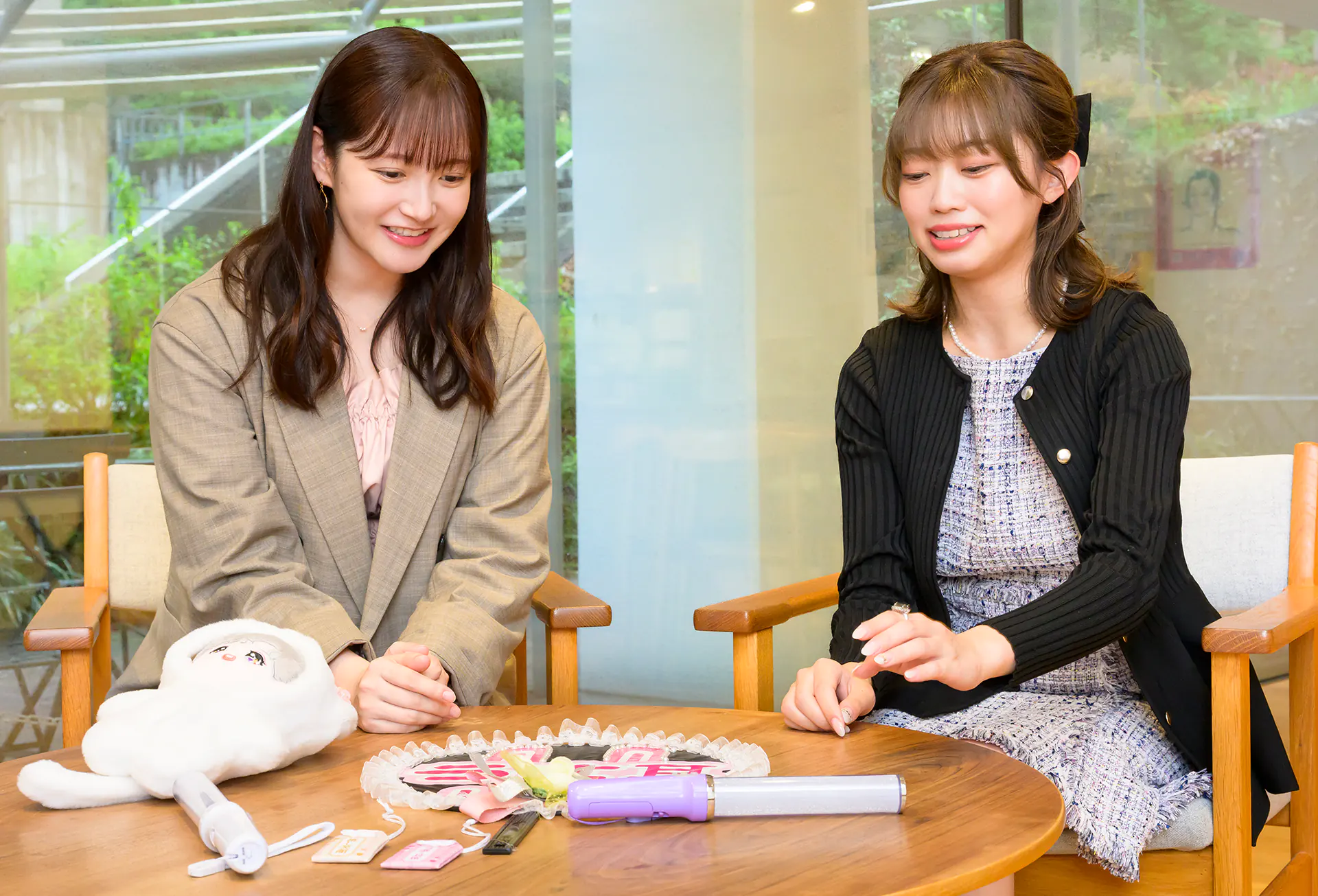
On the table are goods developed by Oshicoco Co., Ltd. They are making these goods with the idea that "if there were goods like this, it would make oshikatsu more fun."
When you support your oshi, do you ever come into contact with people of different generations?
In communities of people with the same oshi, people of all ages meet, enjoy concerts together, and become friends afterward. Because the oshi is the center of everything, place of residence, occupation, and even age don't matter. I think the ability to make such encounters is a unique charm of oshikatsu, and it's wonderful.
In fact, there are a lot of people who support their oshi as a family these days. For example, you can see the heartwarming sight of three generations of grandmother, mother, and daughter enjoying a Takarazuka Revue performance together.
I personally felt that the opportunities to talk with my father suddenly increased after I discovered that we share a favorite artist. Increasing communication across generations can be said to be a positive effect that oshikatsu brings to us.
"You can't control your oshi" Know the reality and oshikatsu in a healthy way
On the other hand, I feel like it's a burden to shower love on my oshi, "oshidukare" What causes this to happen?
I feel that the feelings of "I have to see it, I have to buy it, I have to go," and other feelings of "I have to do this" that come from increased enthusiasm can lead to fatigue about your oshi.
Perhaps the dependency on your oshi's success, thinking that it's your life, is gradually draining your mind. Why not remind yourself that oshikatsu is a fun activity and take some time to think about your own mental state?
It's an orthodox answer, but when a scandal involving your oshi comes to light, it's not uncommon for people to feel depressed and think, "I've been supporting them so much, why did this happen?", and their emotions can even turn into "oshiyami (similar to a kind of depressed feeling related to your oshi)." To avoid falling into this situation, it's important to keep in mind that "you can't control your oshi."
Even for your oshi, there are times when things are going well and times when things aren't going well. I think keeping that in mind is the key to continuing to support your oshi in a healthy way.
Even fans have to go through changes in their lifestyle. When I became a university student, I was so busy with classes and part-time work that I forgot how passionate I was about my oshi. Since this happens to fans too, it's important to understand that "you won't always have the perfect oshi in front of you" in order to enjoy oshikatsu for a long time.
Students should prioritize "time" over "money" Express your love for your oshi
Especially for university students, "How much should I invest in my oshi?" Financially, I wonder if there will be any problems?
As someone who has been on the receiving end of support, I sincerely hoped that the act of oshikatsu would simply be enjoyable. For example, I don't think that the person being supported wants to be in a situation where they have to cut down on their sleep and work a part-time job in order to spend money on their oshi. I don't think it can be called "oshikatsu" unless both the person who supports and the person being supported are happy.
I empathize with Nakamoto's words. I would like to convey the message that "oshikatsu" does not necessarily mean spending money. Of course, spending a lot of money can help your oshi become popular, and the joy of contributing to your oshi can be one of the joys of oshikatsu. However, I believe that spending time on your oshi is what shows love.
For example, there are many ways to do oshikatsu without spending money, such as carefully watching their content and leaving warm comments. University students have more time and options than working adults, so I hope they will take the time to enjoy the "now" when they can dedicate their love to their oshi.
"Can you say that in front of your oshi?" Things to be aware of when using social media
Express your feelings to your oshi via the internet. It's easy to communicate nowadays. But be careful when using social media to support your oshi.
I have my direct messages open on social media, but sometimes I receive harsh words from people who follow me, which makes me feel confused. I wonder if social media has made it harder to keep a distance, or if I should take it as an expression of affection...
That must be extremely painful. When I was an idol, blogs were the norm, so negative messages didn't reach me directly...
People may think I'm someone who can handle anything that's said to me, but when negative words reach me in writing, they pierce my heart and are hard to get rid of.
In this day and age where you can send messages directly to your oshi, I hope you keep in mind the fact that there is a real person behind the screen.
When using social media, you must always stop and think, "Would I say the words I write emotionally to the person in front of me?" Even on social media, where you feel closer to your oshi, I think it's important to interact with each other with courtesy and respect.
It's true that when it comes to the distance between you and your oshi on social media, I would recommend not getting too close. Of course, positive comments on posts motivate your idol and are a great form of support. However, I think the best part of supporting your oshi is being able to continue enjoying it, so we need to avoid making comments an obligation.
I think that's right. Even just taking a break from social media or putting your smartphone away for a while can help sort out your feelings. If you ever feel even the slightest bit of discomfort, try doing this, thinking of it as a way to protect not only yourself but also your oshi.
Oshikatsu is a way to make yourself happy
For me, around 20 years old, my days with Nogizaka46 were truly my "youth." The ones who supported me during that time were undoubtedly the fans who supported me. I hope to convey once again that supporting an idol is a wonderful activity.
To all university students, I hope that you will have a precious student life where you can grow together with your oshi. And when you feel like you've worked too hard at your studies, student clubs, part-time jobs, or whatever, I hope that your oshi will provide you with plenty of healing.
I repeat, I am someone whose life has been determined by oshikatsu. I believe that oshikatsu has the potential to change your future just by being passionate about one thing you love. If this sounds like an exaggeration to you, it's fine to think of it as "oshikatsu being something that adds even a little to your life."
Anyway, I want to convey the message that, without getting too caught up in the word "oshi," it's okay to like what you like, so just stick to it! By the way, the thing I've been doing recently is making stickers of my beloved pet cat. That's one way to do oshikatsu.
I want to convey the message that oshikatsu is "one way to make yourself happy." If oshikatsu itself becomes the goal, you may lose the sense of distance from your oshi, forget to enjoy it, and end up making yourself sick. If you cherish the feeling that you are doing oshikatsu to make yourself happy, you will surely be able to live a fun oshikatsu life.
If you do oshikatsu while you're a student, you may discover the values you want to cherish. It will surely be useful when thinking about your future, so I hope you will have a variety of experiences through oshikatsu.